Attractions and Places To See around San Fiorano - Top 20
Best attractions and places to see around San Fiorano are concentrated in the Province of Lodi and nearby Piacenza, offering a blend of historical and natural sites. The area is characterized by its proximity to the Adda and Po rivers, featuring significant bridges and historical fortifications. Visitors can explore well-preserved medieval towns and impressive architectural landmarks. This region provides opportunities to discover local heritage and scenic river landscapes.
Best attractions and places to see around San Fiorano
- The most popular…
Last updated: May 9, 2026
Gothic Palace (Piacenza)
Highlight • Historical Site
Translated by Google •
Tip by

Adda River Bridge and Visconti Tower, Pizzighettone
Highlight • Bridge
Translated by Google •
Tip by

Sign up now to discover places like this
Get recommendations on the best single tracks, peaks, & plenty of other exciting outdoor places.
Sign up for free
Po Bridge of Piacenza
Highlight (Segment) • Bridge
Translated by Google •
Tip by
Piazza Cavalli
Highlight • Monument
Translated by Google •
Tip by
Church of San Pietro in Pizzighettone
Highlight • Religious Site
Translated by Google •
Tip by

Sign up for free to discover even more attractions around San Fiorano.
Sign up for free
Already have an account?
Start today with a free account
Your next adventure awaits.
Login or Signup

Tips from the Community

Church of San Pietro (Shrine of Our Lady of the Sacred Heart) in the nearby village of Gera, an 18th-century Marian sanctuary entirely covered in marble and mosaics to celebrate the figure of the Virgin, present both inside and outside at the initiative of the priest Pietro Mizzi (parish priest of Pizzighettone until 1999) who dedicated his entire life to its embellishment.
1
0

must see
0
0

On the right bank of the Adda, coming from the level crossing, turn left after the petrol station and follow the circle of walls
0
0

Known as "il Gotico" to those who live in Piacenza, due to the presence of pointed arches typical of Gothic architecture, this historic building in the city center hosted the poet Francesco Petrarca in 1351. Today it opens to the public only on the occasion of events or temporary exhibitions.
3
0

Nice tour, nice town discovered with this tour, remarkable the city walls
0
0

The main square of Piacenza with a beautiful Gothic palace. It takes its name from two equestrian statues of two members of the Farnese family, which for a long time dominated the city. The square is also overlooked by much less beautiful buildings, which quite seriously disrupt the view. However, a must-see for anyone visiting Piacenza.
3
0

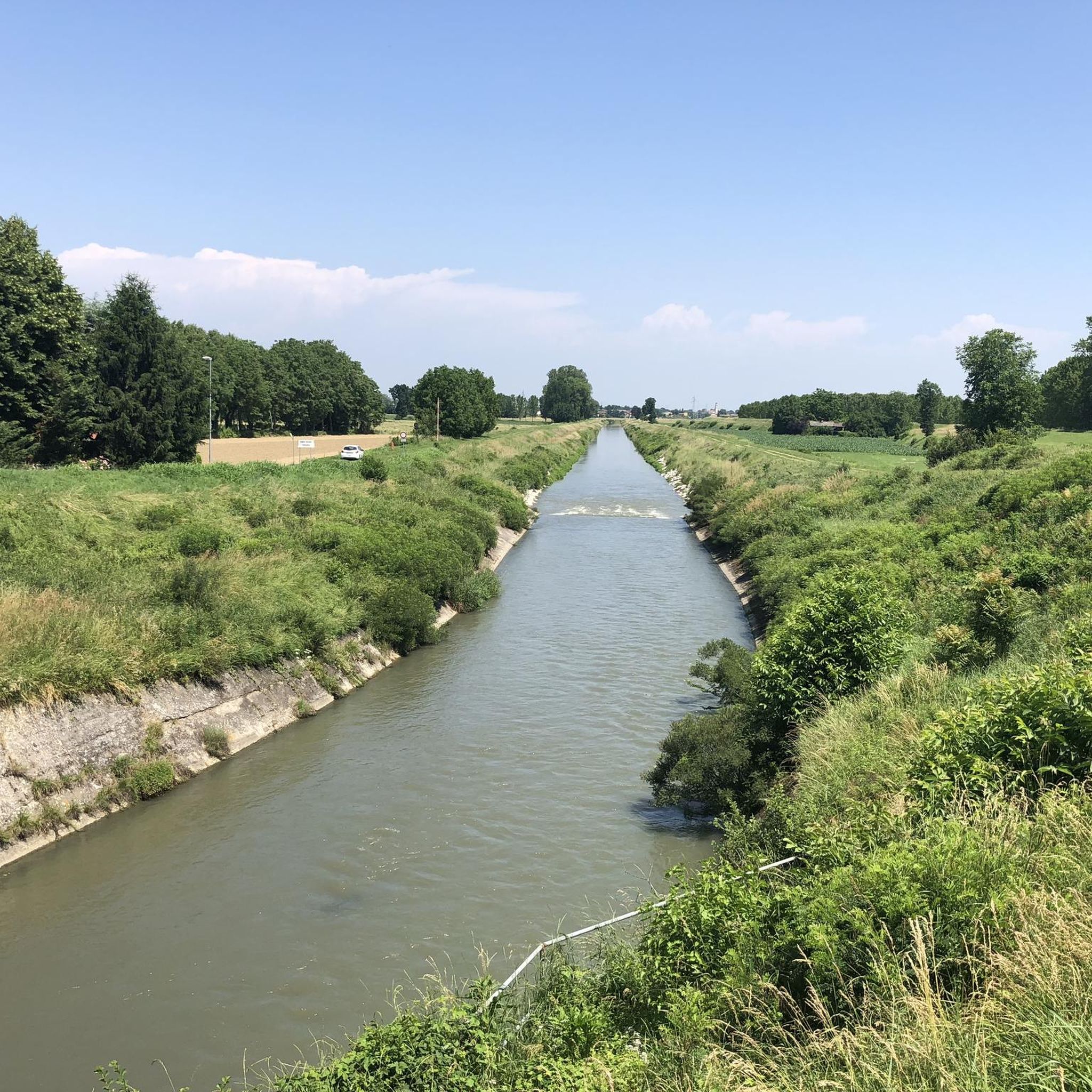
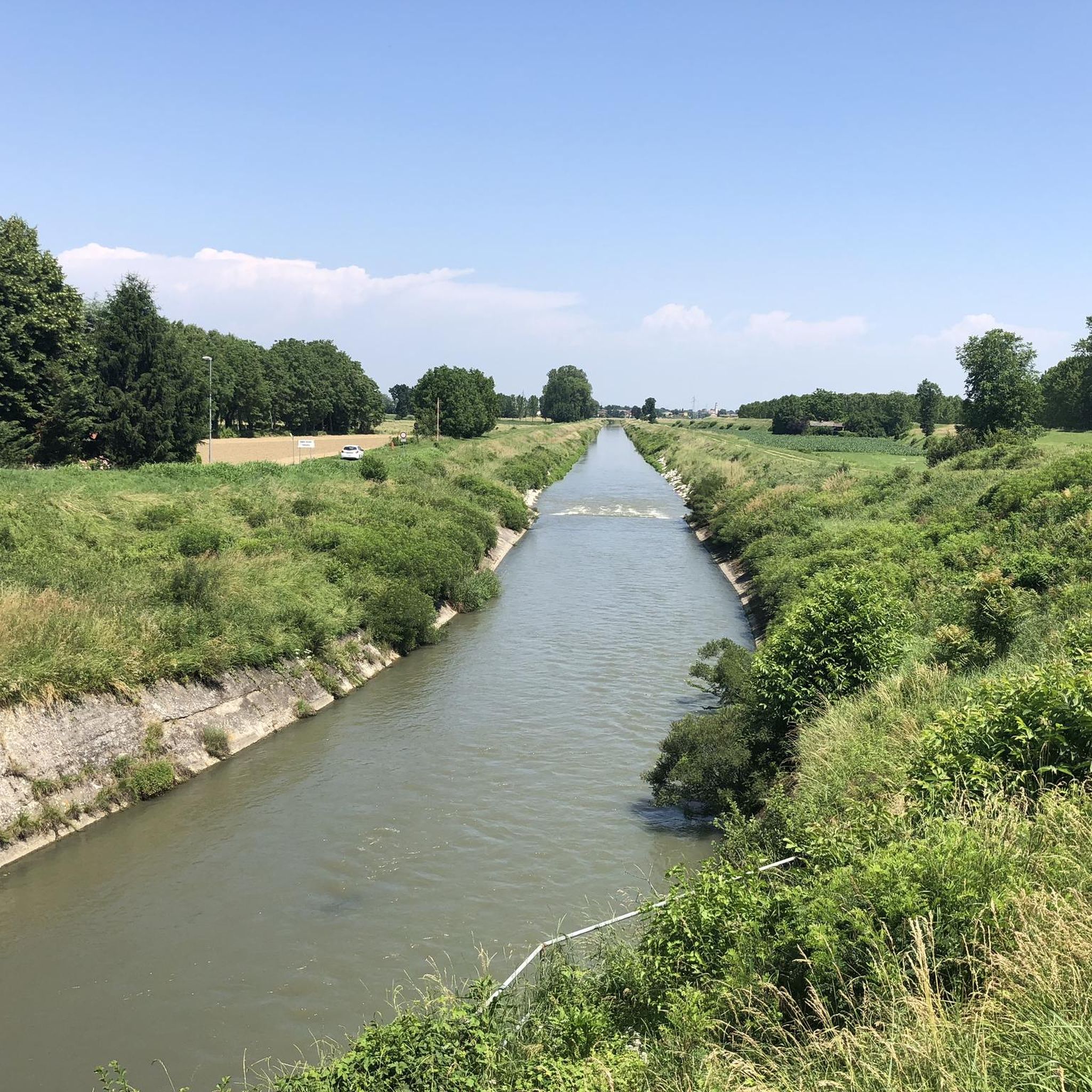
GERA - view of the Adda river from the bridge
0
0

The Church of San Pietro (Shrine of Our Lady of the Sacred Heart), in the nearby village of Gera, dating back to the 11th century, bears witness to the various eras the village has gone through and still retains a sacred and fascinating atmosphere today. At first glance, its colorful façade is striking, dominated by mosaics on a golden background with the images of saints and classic religious scenes, the creation of which is due to the work of Don Pietro Mizzi after the Second World War. Although the structure of the Church of San Pietro is rather classic, of Romanesque layout, it is the entire façade that makes it unique in its kind in Italy. Also on the outside, the spire bell tower makes a beautiful display, while inside you can admire frescoes from different periods, from the oldest of the Lombard school to the most recent of the 17th century.
1
0
Frequently Asked Questions
What historical landmarks can I explore near San Fiorano?
The region around San Fiorano is rich in history. You can visit the impressive Gothic Palace (Piacenza), which historically served as Piacenza's political and commercial center. Also in Piacenza, Piazza Cavalli features Baroque equestrian statues and is surrounded by significant historical buildings. Near Pizzighettone, the Adda River Bridge and Visconti Tower are part of one of the best-preserved walled cities, offering a glimpse into medieval fortifications and history.
Are there any notable castles or fortifications to visit?
Yes, the area boasts several historical castles. Pizzighettone is known for its well-preserved medieval walls and the Visconti Tower, which was once part of a larger castle. Further afield, you can explore Castello di Fombio, a 14th-century fortress, and Castello Trecchi, a 15th-century country residence. Castello Cavazzi Somaglia now houses an Amphibian Center and offers guided tours to the Monticchie Nature Reserve.
What natural features or scenic spots are there to see?
The region is characterized by its proximity to the Adda and Po rivers. You can admire the impressive Po Bridge of Piacenza, a significant cable-stayed railway bridge. The Adda River itself, particularly near Pizzighettone, offers scenic river landscapes. While San Fiorano (Lodi) is not known for dramatic natural landscapes, the nearby Monticchie Nature Reserve provides opportunities to connect with local flora and fauna.
Are there family-friendly attractions in the San Fiorano area?
Many of the historical sites are suitable for families. Exploring the medieval walls and casemates of Pizzighettone can be an engaging experience for children. The main squares like Piazza Cavalli in Piacenza offer open spaces and interesting statues. Additionally, the Amphibian Center at Castello Cavazzi Somaglia provides educational opportunities for families interested in nature.
What religious buildings are worth visiting?
The Church of San Pietro in Pizzighettone is a noteworthy site, known for its unique facade covered in precious marbles and mosaics. In Piacenza, the impressive Romanesque Piacenza Cathedral, built between the 12th and 13th centuries, features stunning interior frescoes by artists like Morazzone and Guercino.
What outdoor activities can I do near these attractions?
The area around San Fiorano offers various outdoor activities, particularly cycling. You can find numerous routes for touring bicycles, mountain bikes, and road cycling. For example, explore routes like the 'Lodi Cathedral – Adda Riverside Cycle Path loop' or 'Argine Po Valloria – Gandiolo Canal Locks loop'. You can find more details and routes on the dedicated cycling guides: Cycling around San Fiorano, MTB Trails around San Fiorano, and Road Cycling Routes around San Fiorano.
Are there any specific trails or walks recommended for exploring the area?
While specific hiking trails directly within San Fiorano are not detailed, the nearby riverbanks of the Adda and Po offer pleasant walking opportunities. For more structured routes, consider the cycling guides mentioned previously, as many of these paths can also be enjoyed on foot, especially the easier sections along the rivers. For example, the 'flat route with dirt sections' near the Po Bridge of Piacenza.
What do visitors enjoy most about the attractions around San Fiorano?
Visitors particularly appreciate the rich historical context and the well-preserved architecture. The Gothic Palace and Piazza Cavalli in Piacenza are often highlighted for their cultural and historical significance. The medieval charm of Pizzighettone, with its walls and tower, also receives high praise for its unique atmosphere and historical depth.
How can I learn more about the local ceramic tradition?
While San Fiorano (Lodi) itself is not known for ceramics, if you venture towards Fiorano Modenese (a distinct municipality in the Province of Modena), you can visit the Museum of Ceramics located within Spezzano Castle. This museum showcases the region's renowned ceramic industry and is a must-see for those interested in local craftsmanship.
Are there any unique natural reserves or geological formations nearby?
Yes, near Fiorano Modenese (Modena), you can explore the Salse di Nirano Nature Reserve. This reserve is known for its interesting geological formations, offering a unique natural experience, especially during warmer months. Closer to San Fiorano (Lodi), the Monticchie Nature Reserve, accessible via guided tours from Castello Cavazzi Somaglia, focuses on amphibian conservation.
What is the best time of year to visit the attractions?
The best time to visit the attractions around San Fiorano is generally during the spring (April to June) and autumn (September to October). During these seasons, the weather is typically mild and pleasant, ideal for exploring historical sites, walking along the rivers, and enjoying outdoor cycling routes without the intense heat of summer or the chill of winter. Many natural reserves and outdoor activities are also best enjoyed in warmer months.
Can I find information about the broader region's attractions?
Yes, for a broader perspective on what to see in the Lombardy region, including areas around San Fiorano, you can consult external resources. For specific information about the Province of Lodi, you might find details on local tourism sites. For attractions in the Modena area, including Fiorano Modenese, visitmodena.it provides useful information.
Most popular routes around San Fiorano
Most popular attractions around San Fiorano

Get inspired with the komoot mobile app


Explore more
Still not found the Highlight you’re looking for? See guides of the top attractions in other regions:
