Attractions and Places To See around Sant'Anastasia - Top 20
Best attractions and places to see around Sant'Anastasia is a municipality located in the Campania region of Italy, near Naples. Situated at the base of Monte Somma within the Vesuvius National Park, the area offers varied landscapes from forests to lava rock. The region is also known for its proximity to significant archaeological sites like Pompeii and Herculaneum, providing a blend of natural and historical exploration.
Best attractions and places to see around Sant'Anastasia
- The most popular attractions is Crater…
Last updated: July 19, 2026
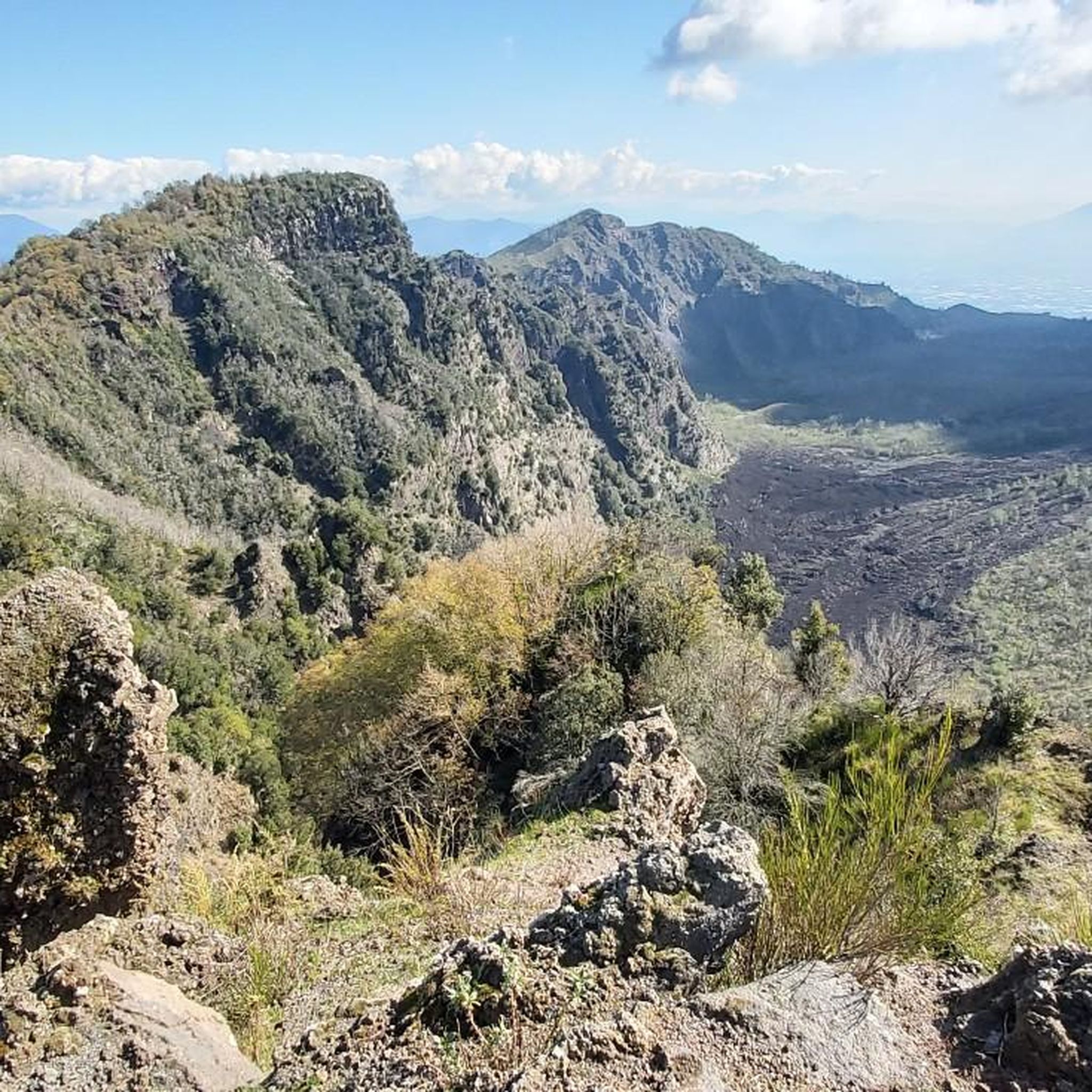
Crater of Mount Vesuvius
Highlight • Volcano
Translated by Google •
Tip by

Herculaneum Excavations
Highlight • Historical Site
Translated by Google •
Tip by
Sign up now to discover places like this
Get recommendations on the best single tracks, peaks, & plenty of other exciting outdoor places.
Sign up for free
Cognoli Summit and Valle dell'Inferno
Highlight • Summit
Translated by Google •
Tip by

Garibaldi Metro Art Station
Highlight • Monument
For decades, the huge Piazza Garibaldi in front of the main train station in Naples was a monster construction site. Because the whole square was hollowed out and …
Translated by Google •
Tip by

Trail to Cognoli di Ottaviano
Highlight (Segment) • Trail
Translated by Google •
Tip by

Sign up for free to discover even more attractions around Sant'Anastasia.
Sign up for free
Already have an account?
Start today with a free account
Your next adventure awaits.
Login or Signup

Tips from the Community

Ancient Herculaneum was located on a plateau overlooking the sea, with two streams bordering its east and west sides, and Mount Vesuvius behind it. According to mythical tradition, it was founded by the hero Hercules returning from Iberia, while the historian Strabo traces its foundation to various phases of occupation by various Italic peoples. Herculaneum rebelled against Rome but was definitively conquered in 89 BC, becoming a Roman municipality.
0
0

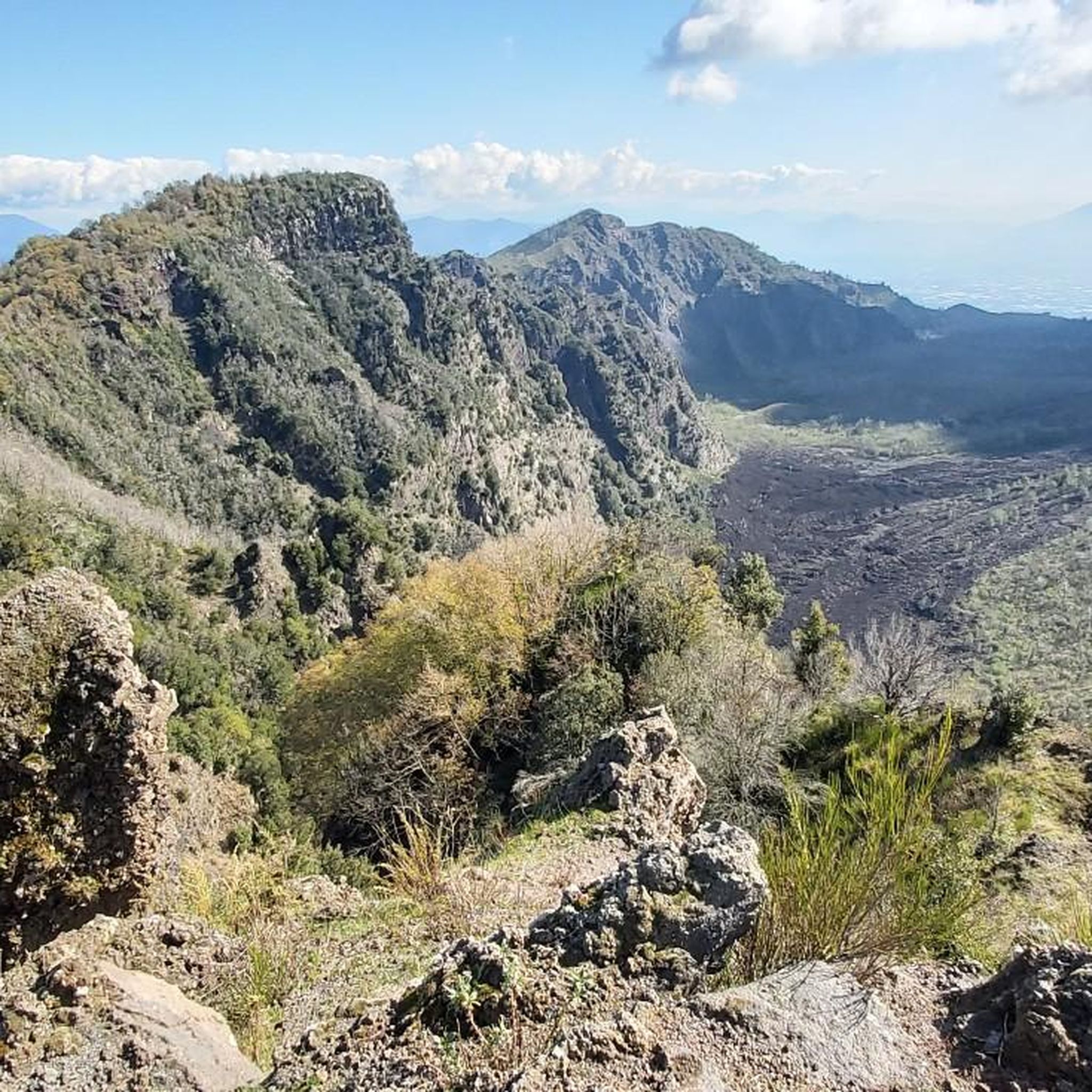
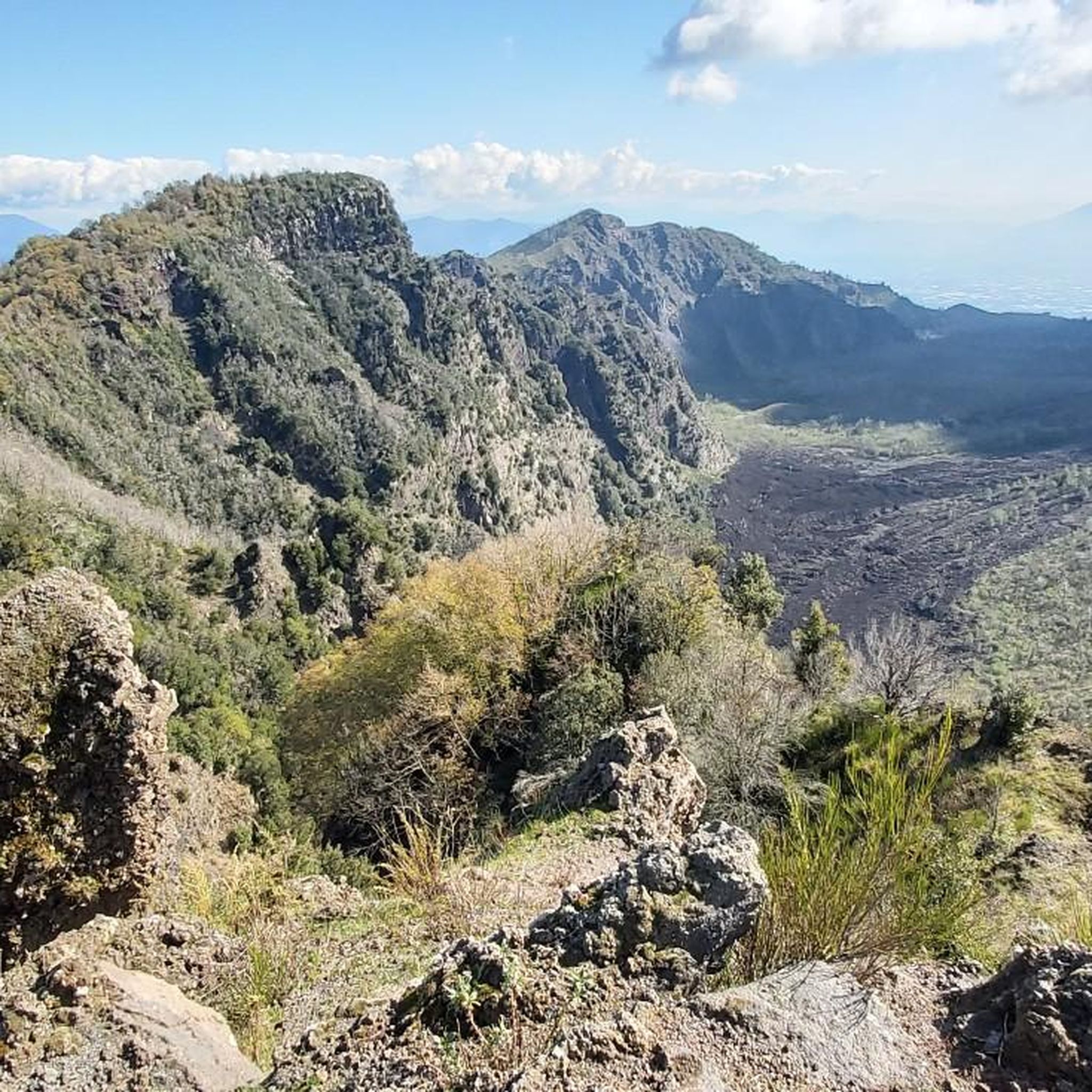
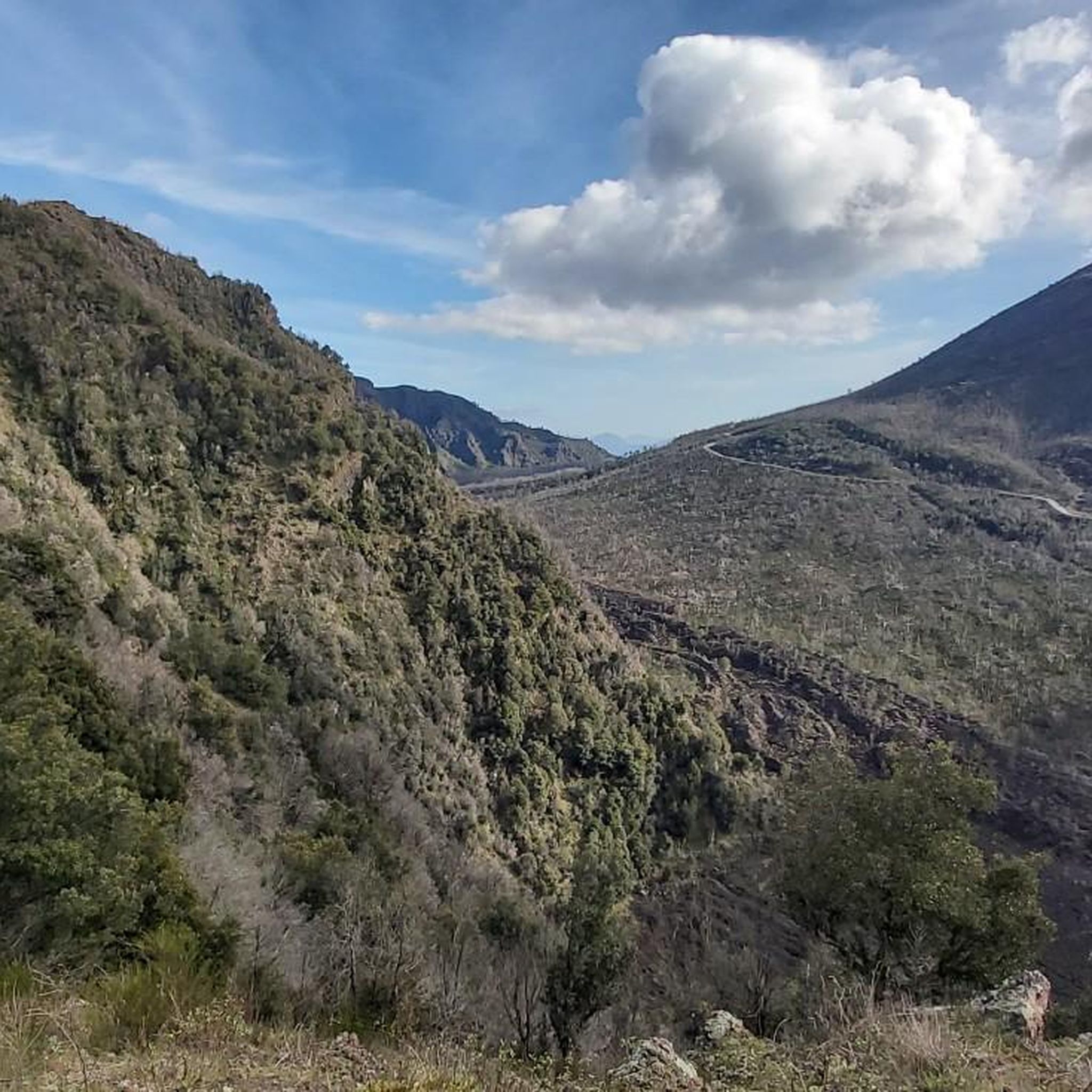
The very panoramic itinerary allows you to enjoy the most suggestive and wild scenery of Somma-Vesuvius, crossing forest environments, scrubland up to bare lava rock. The starting point is located along the road that from the Medici Palace of Ottaviano continues towards the volcanic complex. A barrier prohibiting vehicular traffic marks the beginning of the route, the first stretch of the path, common with path no. 1, winds along asphalted hairpin bends, and then turns into a dirt path. The plant landscape consists initially of a thick pine forest of stone pine and then in a mesophilous forest, with essences such as chestnut, Neapolitan alder, Neapolitan maple, holm oak, black locust. Among the nesting birds, the minute lesser spotted woodpecker, rare and localized in Campania, has only recently colonized the Vesuvius Park. After more than 1 km of walking on a steep climb you reach Largo Angelo Prisco dedicated to the young financier murdered by poachers in 1995 which represents the closest destination. From the Largo, path no. 1 branches off to the left, while the itinerary continues on the right on a slight climb, entering, between twists and turns, into a shady chestnut grove where the numerous species of mushrooms present give off an intense and pleasant fragrance.
0
0

Don't miss the side exhibition of the an old fishing boat just before the entrance to the site. Well worth the detour.
0
0

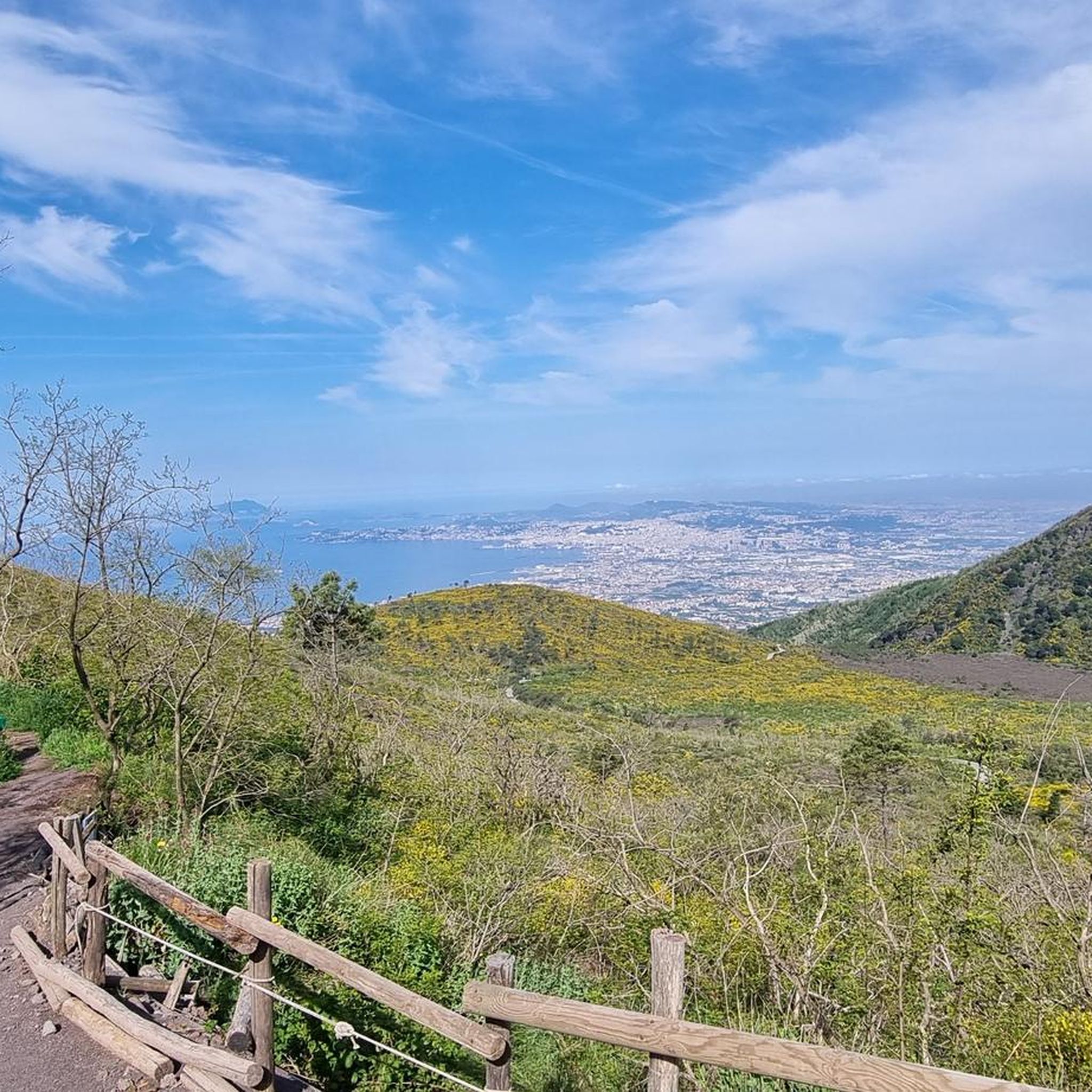
The volcano symbol of the city of Naples, is still active, its last eruption dates back to 79 years ago.
0
0
In this place you can see the remains of ancient Herculaneum, a city completely destroyed by the eruption of Vesuvius in 79.
2
0

Arrived at the clearing, take the path on the right for the climb to the Cognoli di Ottaviano
8
0

The static images of the work of art and the moving, constantly changing reflections of the real people who hurry through the room, coexist and penetrate each other in these magical mirrors. "Metro dell 'Arte - The art metro of Naples" https://www.sirenen-und-heuler.de/metro-neapel/
5
0
But they certainly take the traveler for a moment into a science fiction setting and transform the human being into a tiny protagonist in a technoid machine world. At some point even the most beautiful escalator in the world ends. And suddenly you are standing in the middle of a waiting crowd. The suitcases are packed, the only thing missing is the train so that the journey can start. But why don't these people move? And why are you rushing through the crowd at a hasty pace? Quite simply, you are standing in front of a large mirror made of polished steel. The people waiting are printed on it in a velvety manner. Because the concept artist Michelangelo Pistoletto created these mirror images for the Piazza Garibaldi. Pistoletto says of this work that it is a door that connects art and real life. That succeeded.
5
0
Frequently Asked Questions
What natural features can I explore around Sant'Anastasia?
Sant'Anastasia is situated within the Vesuvius National Park, at the base of Monte Somma, which is the ancient crater of Mount Vesuvius. You can expect to see varied landscapes, from forests and scrubland to lava rock formations. A prominent natural attraction is the Crater of Mount Vesuvius itself, offering panoramic views and a direct look into the volcanic complex.
Are there historical or archaeological sites to visit near Sant'Anastasia?
Yes, the region around Sant'Anastasia is rich in history. You can visit significant archaeological sites like the Herculaneum Excavations, an ancient Roman town preserved by the 79 AD eruption of Vesuvius. While not listed in the guide data, the nearby Pompeii Archaeological Park is also a major historical draw in the broader area.
What hiking trails are available around Sant'Anastasia?
For outdoor enthusiasts, the Trail to Cognoli di Ottaviano is a particular and fascinating route offering views of the Vesuvian hinterland, especially beautiful when the broom is in bloom. Another option is the Cognoli Summit and Valle dell'Inferno, which provides a panoramic itinerary through forest environments and scrubland up to bare lava rock.
Are there any family-friendly attractions in the area?
The Herculaneum Excavations are considered family-friendly, offering an engaging historical experience for all ages. Exploring the ancient Roman town provides an educational and fascinating outing.
What kind of cycling opportunities are there near Sant'Anastasia?
The area around Sant'Anastasia offers various cycling routes. You can find options for gravel biking, general cycling, and road cycling. For example, there are routes like the 'Valley of Hell loop' or the 'Sant'Agata dei Goti – Durazzano Climb loop'. You can explore more detailed routes and guides for these activities on the Gravel biking around Sant'Anastasia, Cycling around Sant'Anastasia, and Road Cycling Routes around Sant'Anastasia guide pages.
What do visitors enjoy most about the attractions around Sant'Anastasia?
Visitors particularly appreciate the unique blend of natural beauty and historical significance. The panoramic views from the Crater of Mount Vesuvius are often highlighted as impressive. The well-preserved ancient city at Herculaneum Excavations also receives high praise for its historical depth and insight into Roman life.
Is there anything unique or a 'hidden gem' to discover?
While not exactly hidden, the Garibaldi Metro Art Station in nearby Naples offers a unique cultural experience. It's known for its striking architecture, free-hanging escalators, and art installations by Michelangelo Pistoletto, transforming a functional space into a captivating art environment.
What is the best time to visit Sant'Anastasia for outdoor activities?
The region's Mediterranean climate generally makes spring (April-June) and autumn (September-October) ideal for outdoor activities. During these periods, the weather is typically mild and pleasant, perfect for hiking trails and exploring historical sites without the intense heat of summer.
Are there any viewpoints offering less crowded scenic views?
The Cognoli Summit and Valle dell'Inferno trail offers a very panoramic itinerary with suggestive and wild scenery of Somma-Vesuvius. From the top of the Cognoli, you can enjoy magnificent views of the Vesuvian hinterland, which might offer a less crowded experience compared to the main Vesuvius crater.
What should I wear for hiking in the Sant'Anastasia area?
For hiking in the volcanic landscapes and trails around Sant'Anastasia, it's advisable to wear comfortable, sturdy walking shoes or hiking boots. Layered clothing is recommended as temperatures can vary, especially when ascending. Don't forget sun protection, such as a hat and sunscreen, and bring plenty of water.
Is public transport available to reach attractions or trails?
While specific details for every trail are not provided, the region is generally accessible. For example, the Garibaldi Metro Art Station is a major transport hub in Naples, connecting to various parts of the city and surrounding areas, which can be a starting point for reaching other attractions.
Most popular routes around Sant'Anastasia
Most popular attractions around Sant'Anastasia

Get inspired with the komoot mobile app


Explore more
Still not found the Highlight you’re looking for? See guides of the top attractions in other regions:
