Attractions and Places To See around Gela - Top 20
Attractions and places to see around Gela include a mix of ancient archaeological sites, historical buildings, and natural landscapes. Located on the coast of Sicily, Gela is known for its deep cultural heritage, evident in its Greek ruins and medieval structures. The region offers diverse exploration opportunities, from significant historical landmarks to serene nature reserves. Its coastal position also provides access to beaches and a large coastal lake.
Best attractions and places to see around Gela
- The most popular attractions is Mother Church of Santa Maria Assunta, Gela, a religious building that is a neoclassical example in the town's historic center. Its facade features Doric and Ionic columns.
- Another must-see spot is Eucalyptus Road in Bosco di Santo Pietro Nature Reserve, a trail within a protected natural area. This wood contains over 300 plant species and offers numerous trails.
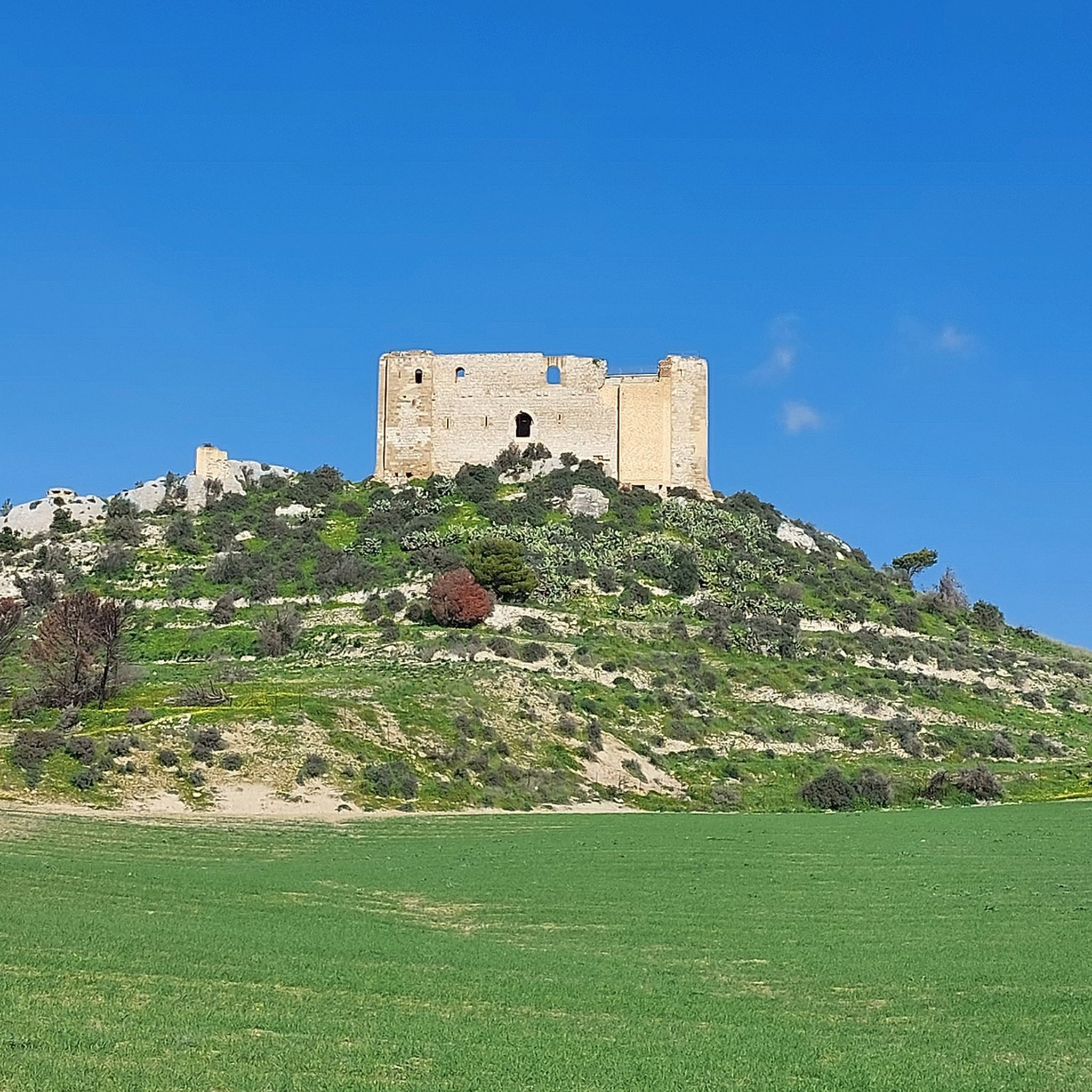
- Visitors also love Castelluccio di Gela, a medieval castle. This Swabian-era fortress was built on a chalk hill, serving as a strategic defensive position.
- Gela is known for its historical sites, nature reserves, and religious buildings. The region offers a variety of attractions to see and explore, from ancient ruins to protected natural areas.
- The attractions around Gela are appreciated by the komoot community, with 18 upvotes and 18 photos shared by visitors.
Last updated: August 31, 2026
Mother Church of Santa Maria Assunta, Gela
Highlight • Religious Site
Translated by Google •
Tip by

Biviere di Gela Oriented Nature Reserve
Highlight • Lake
Translated by Google •
Tip by

Sign up now to discover places like this
Get recommendations on the best single tracks, peaks, & plenty of other exciting outdoor places.
Sign up for free
Eucalyptus Road in Bosco di Santo Pietro Nature Reserve
Highlight • Trail
Translated by Google •
Tip by

Castelluccio di Gela
Highlight • Castle
The city prospered, its heart pounding with commerce and culture. Gela became a beacon of light and wisdom in the Mediterranean, and Castelluccio was its bulwark, protector of its wonders and its people.
But the darkness of the shadow made its way to its gates. The Greco-Punic Wars brought destruction and pain with them. The Carthaginians invaded Gela and Castelluccio was severely hit. Its walls collapsed, the towers fell into disrepair. The majesty and glory that had once characterized the fortress were shattered by the fire and terror of war.
But Gela's pride could not be broken. The Romans came to rebuild what had been destroyed. With love and dedication, they restored Castelluccio to its former greatness. It was still there, proud and imposing, ready to defend the city from attack.
Centuries passed, and fate played its role. Castelluccio di Gela, once a symbol of power and hope, slowly fell into silence. Wars, abandonment and neglect reduced it to ruins. Its stones, once vibrant with life and battle, were left to their fate.
But time cannot erase the beauty of the past. With the wind of change, archaeologists dug to bring to light the traces of the glorious past of Castelluccio di Gela. There, among the ancient stones, the fragments of history recomposed, like a faded memory that comes back to life.
Today, as you climb the hills surrounding Gela, you can still hear the echoes of past deeds. The remains of Castelluccio stand out against the sky, a silent testimony of the vicissitudes and emotions he experienced. Looking beyond its collapsed walls, you can imagine the strength and pride of those who ardently defended it.
Castelluccio di Gela is a reminder of our humanity, a symbol of our struggles and our hopes. Its ancient stones remind us that we are part of a greater story, that we are shaped by the past and that our present is a bridge to the future.
Translated by Google •
Tip by

Entrance to Riserva Naturale Orientata Bosco di Santo Pietro
Highlight • Forest
Translated by Google •
Tip by

Sign up for free to discover even more attractions around Gela.
Sign up for free
Already have an account?
Start today with a free account
Your next adventure awaits.
Login or Signup
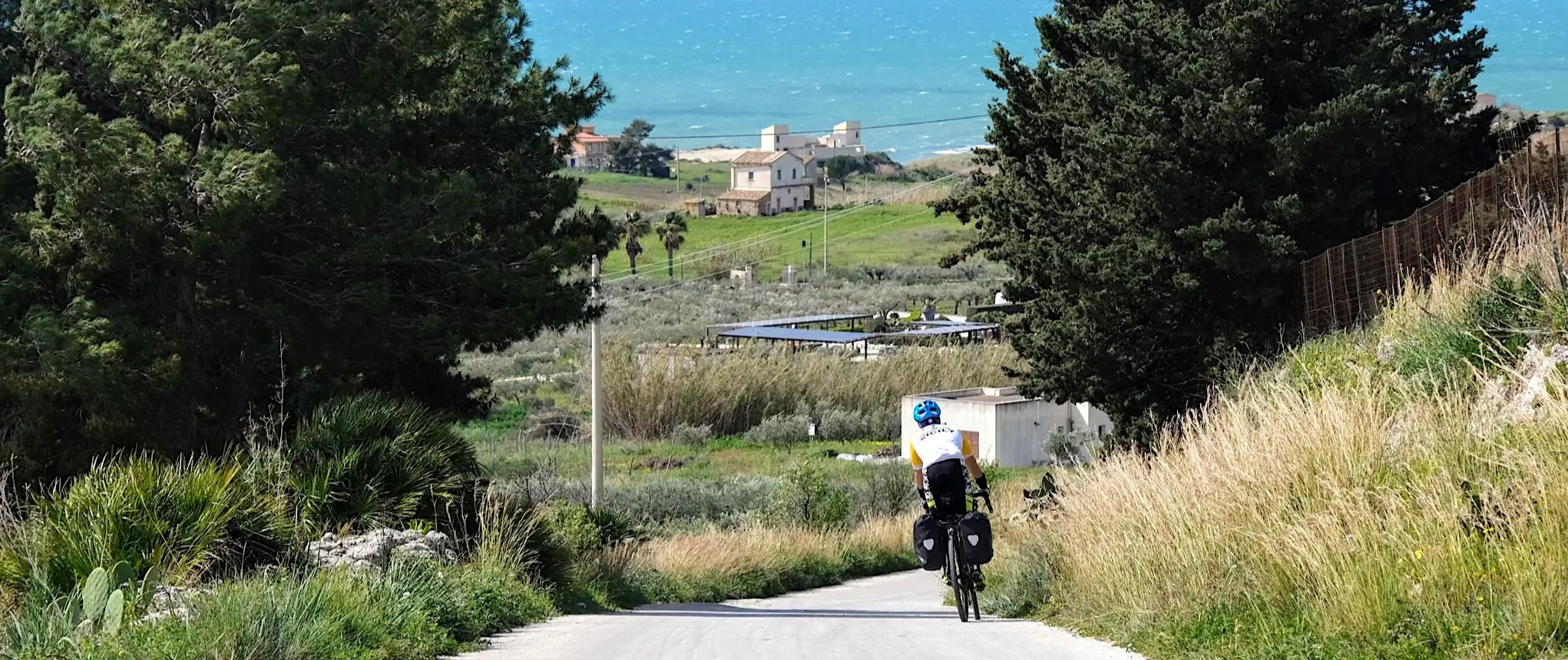
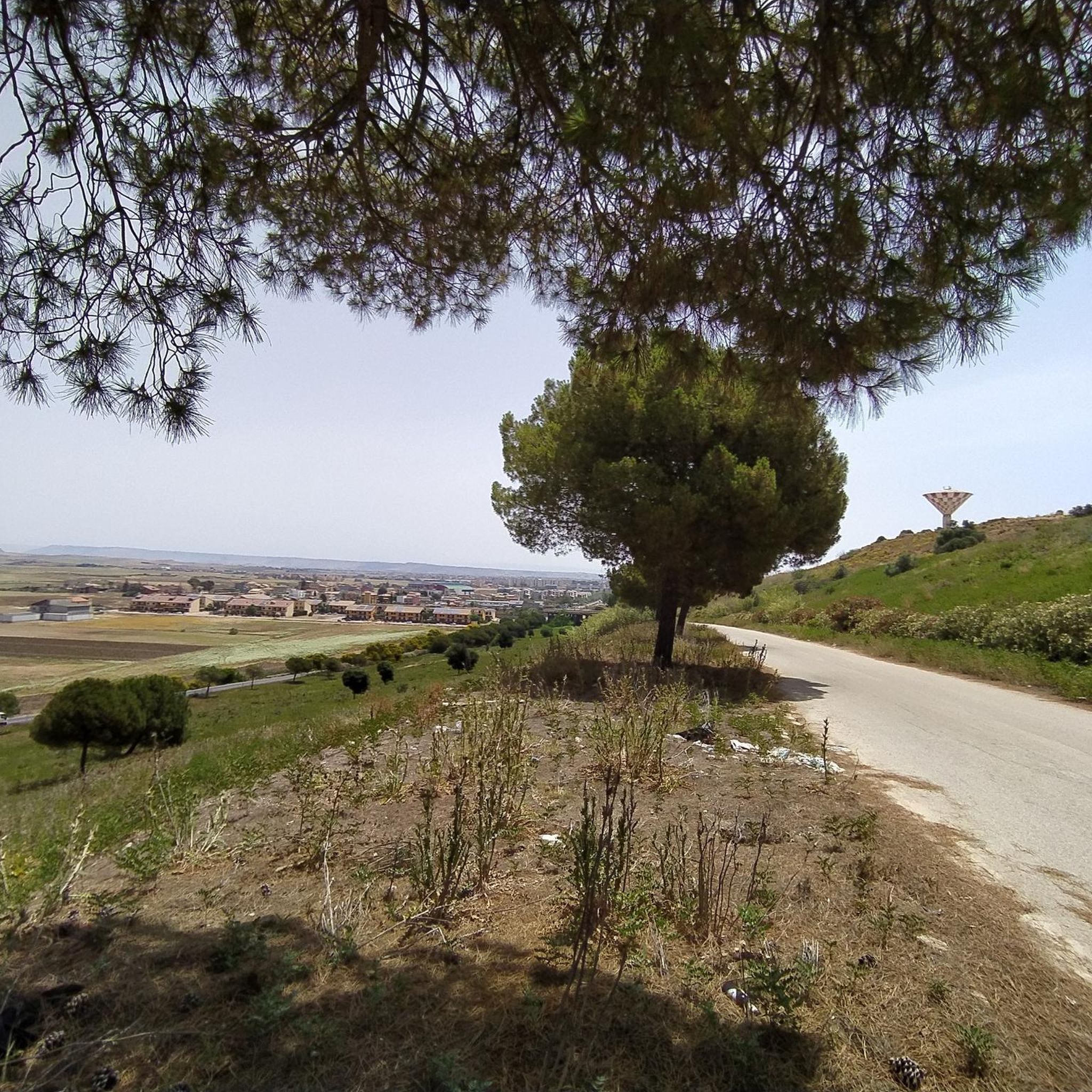
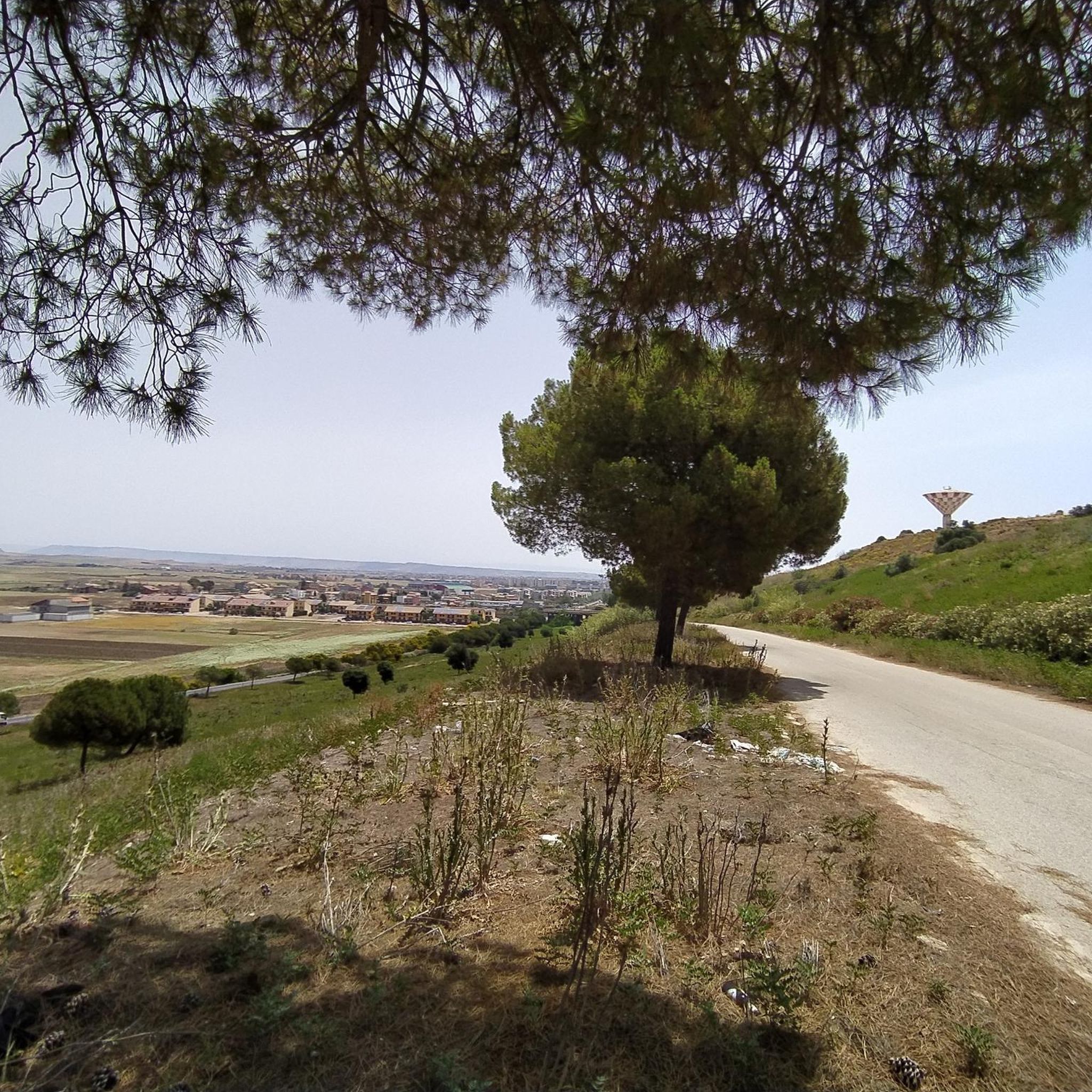
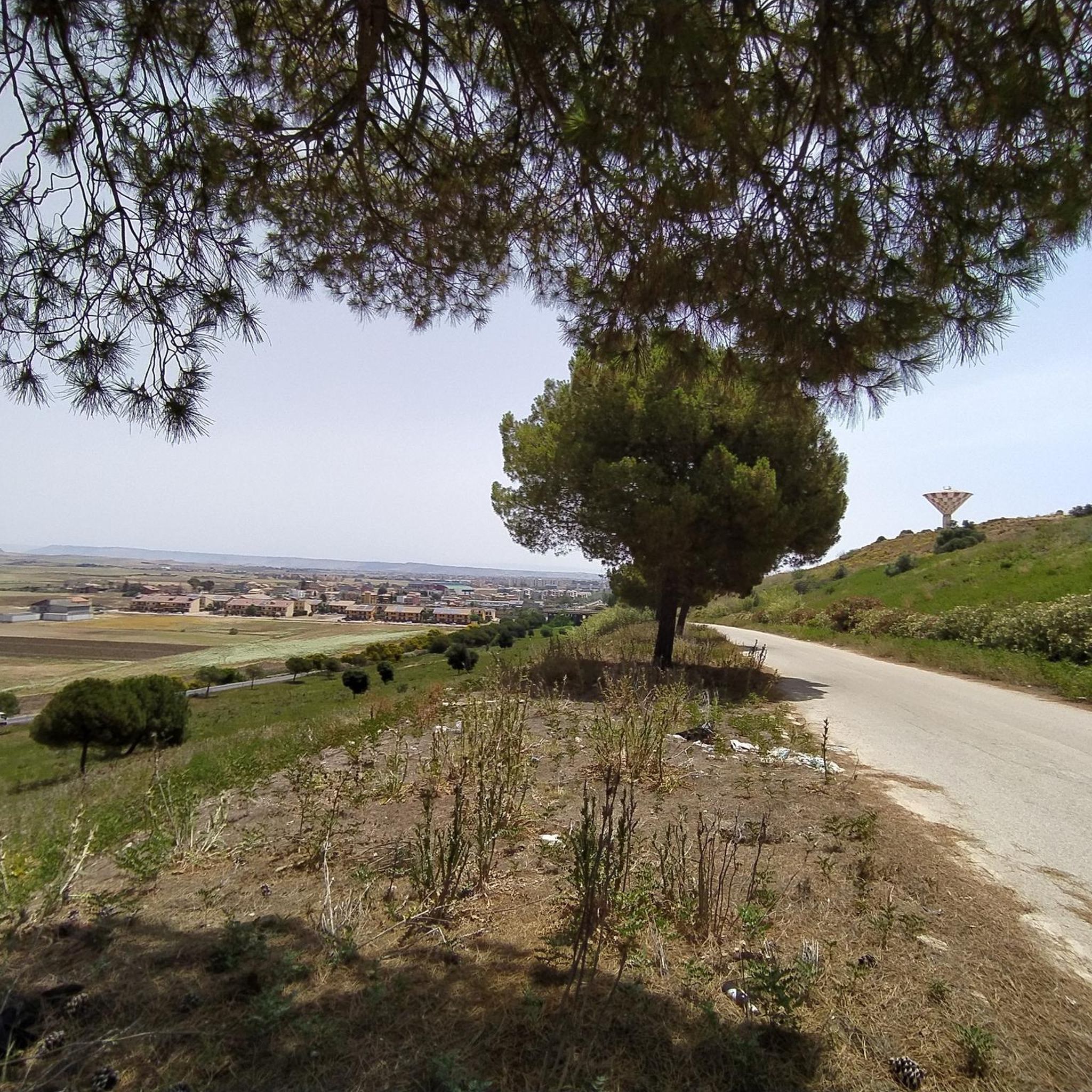
Other adventures around Gela

Tips from the Community

The Reserve is open to the public all year round, every day (8.30am - 1.30pm and 2.30pm - 5.30pm)
0
0
Difficult crossing by bike...
0
1

The Biviere di Gela Nature Reserve, located in the municipality of Gela, Sicily, was established in 1997. Historically mentioned in Pliny the Elder's "Naturalis Historia," it was a brackish marshland transformed into a freshwater lake in the 17th century. It is a wetland of international importance and an important stopover for migratory birds, with over 200 avifauna species. The reserve is home to endemic flora and has a visitor center, trails, and observation huts.
0
0

Whether you are a curious visitor or a soul in search of roots, let Castelluccio di Gela envelop you in its emotions. Breathe in the ancient air, listen to the whispers of the wind in its ruins and feel the heartbeat of a city that lives on through the ages.
1
0
In a distant time, in an era of great enterprises and adventures, the Greeks founded the majestic city of Gela. On a mighty and imposing hill, Castelluccio arose, an impenetrable fortress that dominated the city and the surrounding plain. Imagine the power of its defensive walls and the high majesty of the towers that soared towards the sky. The city prospered, its heart pounding with commerce and culture. Gela became a beacon of light and wisdom in the Mediterranean, and Castelluccio was its bulwark, protector of its wonders and its people. But the darkness of the shadow made its way to its gates. The Greco-Punic Wars brought destruction and pain with them. The Carthaginians invaded Gela and Castelluccio was severely hit. Its walls collapsed, the towers fell into disrepair. The majesty and glory that had once characterized the fortress were shattered by the fire and terror of war. But Gela's pride could not be broken. The Romans came to rebuild what had been destroyed. With love and dedication, they restored Castelluccio to its former greatness. It was still there, proud and imposing, ready to defend the city from attack. Centuries passed, and fate played its role. Castelluccio di Gela, once a symbol of power and hope, slowly fell into silence. Wars, abandonment and neglect reduced it to ruins. Its stones, once vibrant with life and battle, were left to their fate. But time cannot erase the beauty of the past. With the wind of change, archaeologists dug to bring to light the traces of the glorious past of Castelluccio di Gela. There, among the ancient stones, the fragments of history recomposed, like a faded memory that comes back to life. Today, as you climb the hills surrounding Gela, you can still hear the echoes of past deeds. The remains of Castelluccio stand out against the sky, a silent testimony of the vicissitudes and emotions he experienced. Looking beyond its collapsed walls, you can imagine the strength and pride of those who ardently defended it. Castelluccio di Gela is a reminder of our humanity, a symbol of our struggles and our hopes. Its ancient stones remind us that we are part of a greater story, that we are shaped by the past and that our present is a bridge to the future.
1
0
Description The Swabian Castle of Gela, also known as Castelluccio di Gela, is one of the most characteristic historic buildings in the city's hinterland. It is a work dating back to the Swabian period, built on a chalk hill, a strategic position which also allowed the sighting of any enemies in the distance. The Swabian Castle of Gela is a real archaeological pearl for the city, which boasts the presence of numerous other remains in its territory, even more dated and dating back to the Greek era. History of the Swabian Castle of Gela The area where the Swabian Castle of Gela stands is already mentioned in the 12th century: some documents testify to the transfer of ownership of the fortress between Count Simone di Butera and the Abbot of the Monastery of San Nicolo La Rena of Catania, through a concession for donation in 1143. The Swabian Castle of Gela was built with the aim of defending the city from possible enemy incursions arriving from the Sicilian hinterland, as it was located along the path that connects Gela to the city of Catania, already crossed at that time by a large number of people, mainly merchants but also brigands, with the latter attacking the former to deprive them of all their possessions. Architecture of the Swabian Castle of Gela The architectural style of the Swabian Castle of Gela is very simple, as it does not exceed either in the decorations or in the battlements, resulting sober in its entirety. Some ruins remain of Castelluccio di Gela, which, however, allow us to reconstruct its history and understand its original form. It is certain that the Castello Svevo di Gela had a rectangular plan, while as regards the materials used for its construction, the yellow and white calcarenite predominates, carefully smoothed to create large blocks. The walls are very thick, precisely to further highlight its defensive functions, also confirmed by the presence of two large towers at the ends, the interiors of which can still be visited today and note, in one, the remains of an ancient cistern, and of a small chapel in the other. Although it is possible to note only the lowest level of the Castello Svevo di Gela, scholars agree that it was made up of several floors: this thesis is confirmed by some windows which lead to this very theory. Entering the Castelluccio it is possible to see its features, with some rooms that have managed to resist the passage of centuries, thus being able to observe the rooms that were used as stables and as warehouses. How to get to the Swabian Castle of Gela The Swabian Castle of Gela is about 10 km away from the historic center of Gela, but in any case well connected thanks to the Strada Statale 117bis, the same that together with the Strada Statale 115 and the Provincial Roads 8, 81 and 82 allow anyone to reach Gela from any point in Sicily, both by car and with the Sicilian bus lines. Those traveling by train will find the Gela Railway Station the best solution for reaching these places, while those arriving in Sicily by plane can count on the Comiso Airport, about 40 km away, or the Fontanarossa Airport in Catania, located about 100km away. Source: sicilyintour.com
1
1

Entrance that gives you access to the Hunter's Fountain … at first glance it looks like an old river bed
4
0

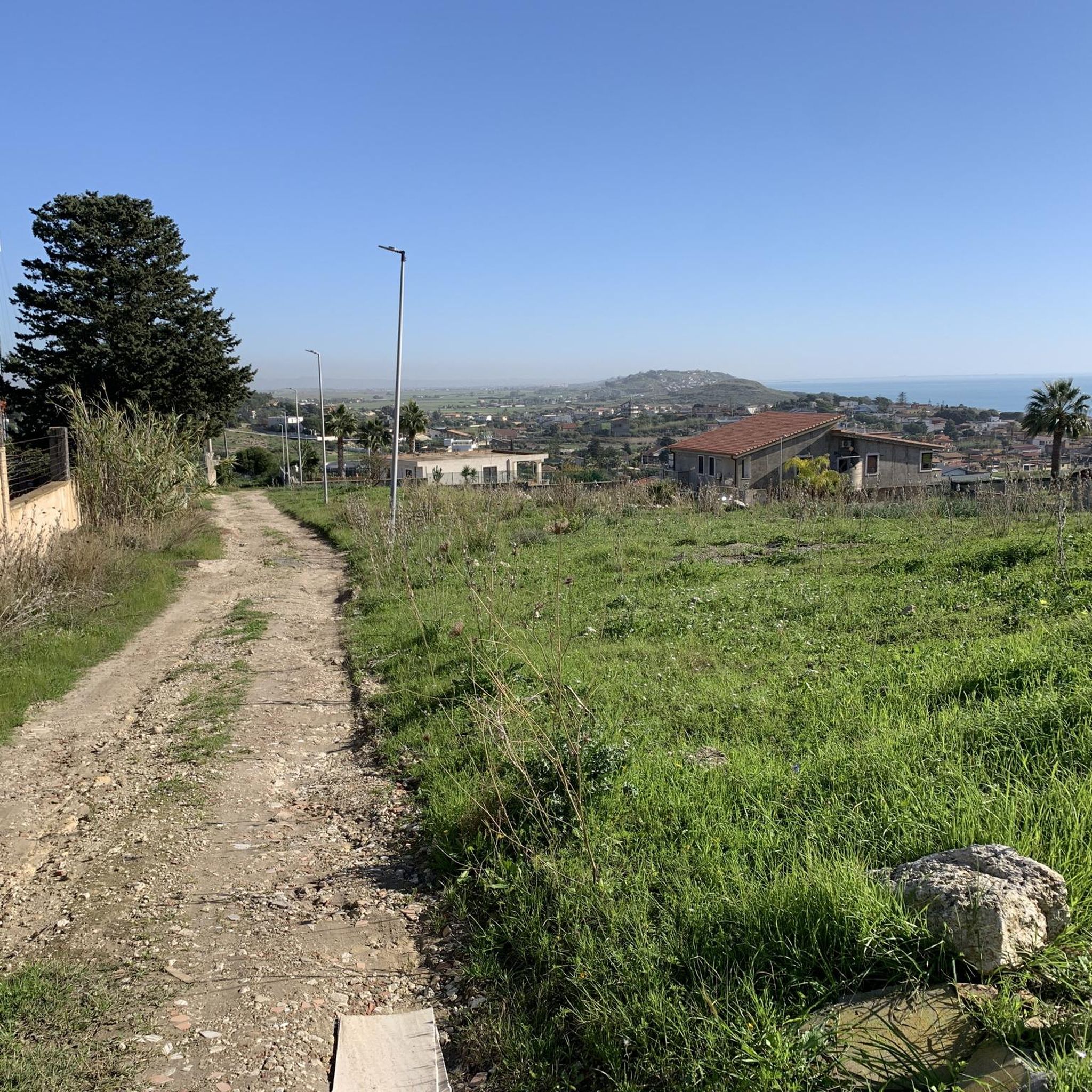
City on the sea overlooking the Gulf of Gela. The plain develops around it and some hills rise. Pass by Piazza Umberto I to admire the Mother Church (church of Santa Maria Assunta)
2
0
Frequently Asked Questions
What historical and archaeological sites can I explore in Gela?
Gela is rich in ancient history. You can visit the Acropolis of Gela, which features ruins of houses, markets, and temples from the 5th century BC, including an 8-meter high Doric column. Don't miss the exceptionally well-preserved Greek Fortifications of Capo Soprano, built with sun-baked clay bricks in the 4th century BC. The Castelluccio di Gela, a medieval fortress from the 12th century, also offers a glimpse into the city's later history.
Where can I learn more about Gela's ancient Greek past?
The Archaeological Museum of Gela is a must-visit, housing a vast collection of artifacts from prehistoric times through the Middle Ages, with a strong focus on the ancient Greek city. You can also explore the Greek Baths of Gela, an ancient thermal complex from the 4th century BC featuring 12 of its original 14 baths and underground drainage systems.
What natural attractions are there around Gela?
Gela offers several natural highlights. The Biviere di Gela Oriented Nature Reserve is a lovely green space featuring Sicily's largest coastal lake, a haven for migratory birds and rare plant species. You can also explore the Eucalyptus Road in Bosco di Santo Pietro Nature Reserve, which boasts over 300 plant species and numerous trails. Additionally, Gela's long stretches of fine, golden sand beaches, like Bianco Grande and Baia del Sole, are perfect for relaxation and water sports.
Are there opportunities for birdwatching or nature walks in Gela?
Yes, the Biviere di Gela Oriented Nature Reserve is an excellent spot for birdwatching, being an important stopover for over 200 avifauna species. The reserve is open all year round and features trails and observation huts. For nature walks, the Bosco di Santo Pietro Nature Reserve offers numerous trails through its diverse woodland.
What kind of outdoor activities can I do near Gela?
The area around Gela is great for outdoor activities. You can find various MTB trails, including moderate routes like the "Parco Comunelli and Butera Loop." For cycling, explore cycling routes such as the "Around Gela on the Sun Cycle Route - Loop tour." There are also several running trails, including a challenging "Gela – Monument to the Fallen of the Sea loop."
What cultural points of interest can I visit in Gela's city center?
In Gela's city center, you can visit the Mother Church of Santa Maria Assunta, a neoclassical cathedral built in the 18th and 19th centuries, housing the revered painting of Madonna D'Alemanna. The vibrant Piazza Umberto I is the heart of the city, surrounded by cafes and shops. You can also see the Ducal Palace, now an exhibition hall, and the Pignatelli Palace, which houses town hall offices and special exhibits.
Is there a museum dedicated to Gela's maritime history?
Yes, the Museo del Mare (Seafaring Museum) showcases ancient boats and equipment, including an archaic Greek boat, in a modern building within the archaeological area. It provides fascinating insights into Gela's long connection with the sea.
Are there family-friendly attractions in Gela?
Absolutely. The Biviere di Gela Oriented Nature Reserve is considered family-friendly, offering trails and observation huts for exploring nature. The Eucalyptus Road in Bosco di Santo Pietro Nature Reserve is also a great option for families, with numerous trails suitable for walks and cycling.
What is the best time of year to visit Gela's attractions?
Gela enjoys a Mediterranean climate. The best time to visit is typically during the spring (April to June) and early autumn (September to October) when the weather is pleasant for exploring archaeological sites and enjoying outdoor activities without the intense heat of summer. These periods also offer comfortable conditions for nature walks and beach visits.
What do visitors enjoy the most about Gela?
Visitors particularly appreciate Gela's rich historical heritage, especially its ancient Greek ruins and medieval structures. The natural beauty of the Biviere di Gela Nature Reserve and the extensive sandy beaches are also highly valued. The blend of cultural exploration and natural landscapes makes Gela a diverse destination.
Are there any ancient Greek fortifications that are well-preserved in Gela?
Yes, the Greek Fortifications of Capo Soprano (Mura Timoleontee) are exceptionally well-preserved. These military fortifications, dating from the 4th century BC, were built using sun-baked clay bricks and were historically protected by sand dunes, contributing to their remarkable state of preservation.

Get inspired with the komoot mobile app


Explore more
Still not found the Highlight you’re looking for? See guides of the top attractions in other regions:
