Attractions and Places To See around Butera - Top 20
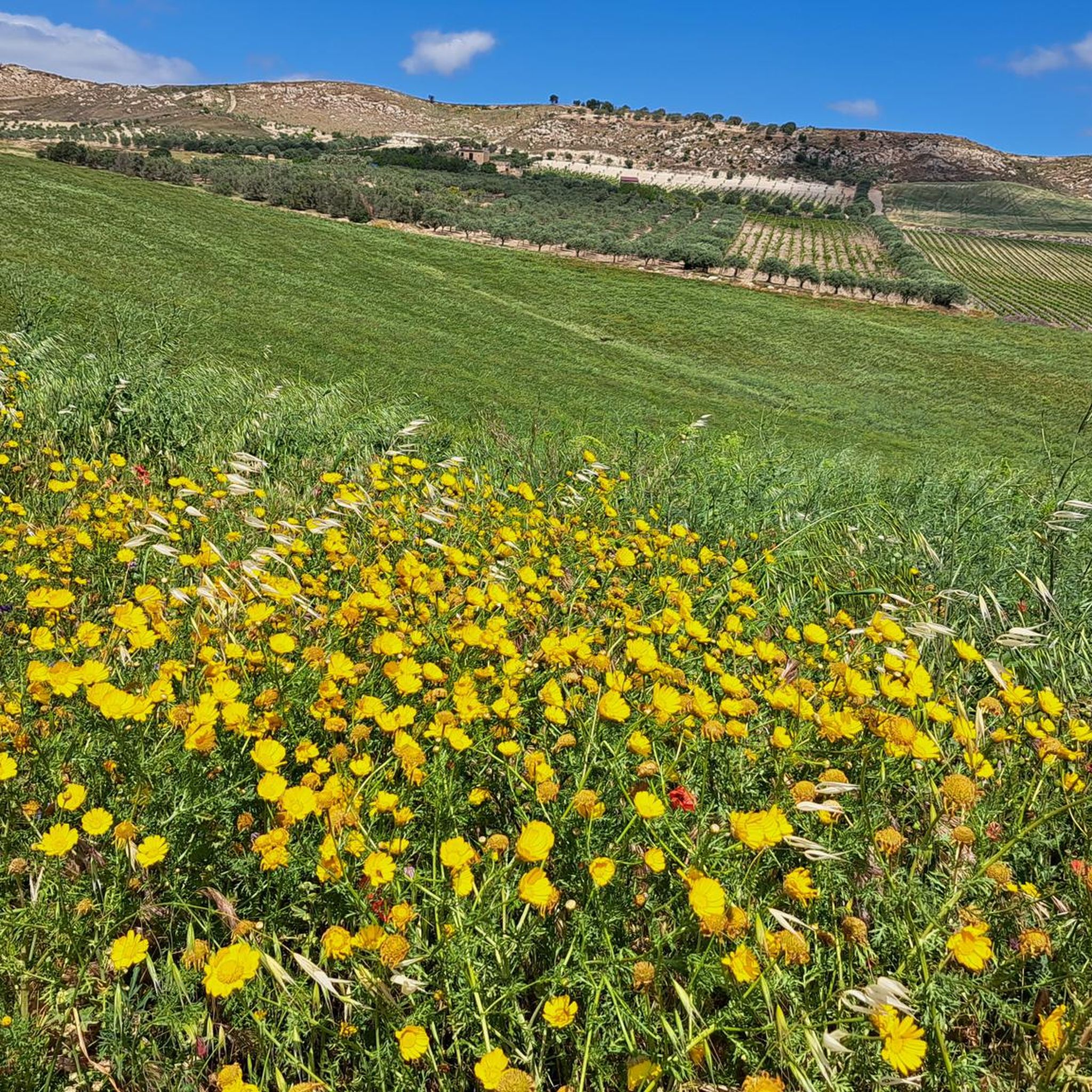
Best attractions and places to see around Butera include a variety of notable landmarks, cultural sites, natural features, and archaeological points of interest. This historic village is perched on a rocky spur in Sicily, offering sweeping views from the inland areas to the sea. The region's landscape is characterized by gentle hills and cultivated fields. Visitors can explore ancient castles, historic churches, and significant archaeological sites.
Best attractions and places to see around Butera
- The most popular attractions is Mother Church of Santa Maria Assunta, Gela, a religious building that stands out in the historic center of Gela. This neoclassical church, completed in the 16th century, houses valuable items including a 6th-century Byzantine enamelled cross and paintings.
- Another must-see spot is Castelluccio di Gela, a castle that served as an impenetrable fortress dominating the city and surrounding plain. This Swabian Castle, built on a chalk hill, was strategically positioned for defense and sighting enemies.
- Visitors also love World War II Bunker near Castelluccio di Gela, a historical site representing an important chapter in the history of Gela and Sicily during the conflict. These fortified structures provided protection for soldiers and allowed them to monitor and defend the surrounding area.
- Butera is known for its historic castles, ancient churches, and significant archaeological sites. The region offers a variety of attractions to see and explore, from coastal features to inland historical monuments.
- The attractions around Butera are appreciated by the komoot community, with 18 upvotes and 18 photos shared.
Last updated: May 11, 2026
Mother Church of Santa Maria Assunta, Gela
Highlight • Religious Site
Translated by Google •
Tip by

Licata
Highlight • Settlement
Translated by Google •
Tip by

Sign up now to discover places like this
Get recommendations on the best single tracks, peaks, & plenty of other exciting outdoor places.
Sign up for free
Castelluccio di Gela
Highlight • Castle
The city prospered, its heart pounding with commerce and culture. Gela became a beacon of light and wisdom in the Mediterranean, and Castelluccio was its bulwark, protector of its wonders and its people.
But the darkness of the shadow made its way to its gates. The Greco-Punic Wars brought destruction and pain with them. The Carthaginians invaded Gela and Castelluccio was severely hit. Its walls collapsed, the towers fell into disrepair. The majesty and glory that had once characterized the fortress were shattered by the fire and terror of war.
But Gela's pride could not be broken. The Romans came to rebuild what had been destroyed. With love and dedication, they restored Castelluccio to its former greatness. It was still there, proud and imposing, ready to defend the city from attack.
Centuries passed, and fate played its role. Castelluccio di Gela, once a symbol of power and hope, slowly fell into silence. Wars, abandonment and neglect reduced it to ruins. Its stones, once vibrant with life and battle, were left to their fate.
But time cannot erase the beauty of the past. With the wind of change, archaeologists dug to bring to light the traces of the glorious past of Castelluccio di Gela. There, among the ancient stones, the fragments of history recomposed, like a faded memory that comes back to life.
Today, as you climb the hills surrounding Gela, you can still hear the echoes of past deeds. The remains of Castelluccio stand out against the sky, a silent testimony of the vicissitudes and emotions he experienced. Looking beyond its collapsed walls, you can imagine the strength and pride of those who ardently defended it.
Castelluccio di Gela is a reminder of our humanity, a symbol of our struggles and our hopes. Its ancient stones remind us that we are part of a greater story, that we are shaped by the past and that our present is a bridge to the future.
Translated by Google •
Tip by

World War II Bunker near Castelluccio di Gela
Highlight • Historical Site
During the Second World War, Sicily was strategic for the Allies and for the Axis forces. Gela, with its coastal position and the presence of the port, was a very important target. To defend the territory and prepare for possible attacks, several bunkers were built along the coast and in the surrounding areas.
Bunkers represented fortified and underground structures that provided protection for soldiers and allowed them to monitor and defend the surrounding area. These shelters were often equipped with weapons, such as machine guns, to counter any enemy attacks.
During the Allied invasion of Sicily in 1943, Gela was the scene of intense fighting. US forces landed on the city's shores and fought hard to capture the position. The bunkers, along with other defensive fortifications, were subjected to violent clashes and bombings.
After the end of the war, many of these bunkers were abandoned and fell into disrepair. However, some are still present in the area surrounding Castelluccio di Gela and have become tangible evidence of the events that characterized that historical period.
Today, these bunkers remain as silent monuments to an age of conflict and are often the subject of interest for tourists, history buffs and curious visitors. Exploring them can offer insight into the life of soldiers during war and their struggle to defend the territory.
The WWII bunkers near Castelluccio di Gela remind us of Sicily's strategic importance during the conflict and testify to the courage and determination of the soldiers who fought for freedom. They are an important part of the city's history and a tangible testimony to the tragic events that took place during that time.
Translated by Google •
Tip by
Manfria Tower
Highlight • Historical Site
These towers, including that of Manfria, in the territory of Terranova, were built starting from 1554, by the viceroy Giovanni Vega, and were dependent on the Deputation of the kingdom. The Sicilian Parliament, in the session held in Palermo on 9 April 1579, approved the financing of the maintenance costs of the towers, as well as the salary of the tower makers, the supply of the necessary weapons and the relative ammunition. On that occasion, the granting of a donation of ten thousand scudi per year was established for this important need and protection of the whole kingdom.
In addition to these towers (thirty-seven in all, dependent on the Deputation of the kingdom), others were built by the Senates of the various cities. On the coast of Terranova, the tower of Manfria was erected near the Piano della Fiera, where in past centuries there was a famous city, called by historians Ancira, a very ancient colony of Southern Eraclea (Gela). It has an essential and volumetrically regular architecture and stands out from a square plan, on a parallelepiped base that serves as a graft to a truncated pyramid section, dominated by a closed volume with a gabled roof. Two diagonal cantilever views allowed the tower keepers to lean beyond the walls of the building to better patrol the sea and make signals.
The tower of Manfria, also called of Ossuna, from the name of the viceroy Pietro Giron, duke of Ossuna, stands on a hillock on the high coast, not far from the sea.
Source: comune.gela.cl.it
Translated by Google •
Tip by
Sign up for free to discover even more attractions around Butera.
Sign up for free
Already have an account?
Start today with a free account
Your next adventure awaits.
Login or Signup
Tips from the Community

The coves of the Nicolizia district offer small isolated beaches, and various areas with rocks.
0
0
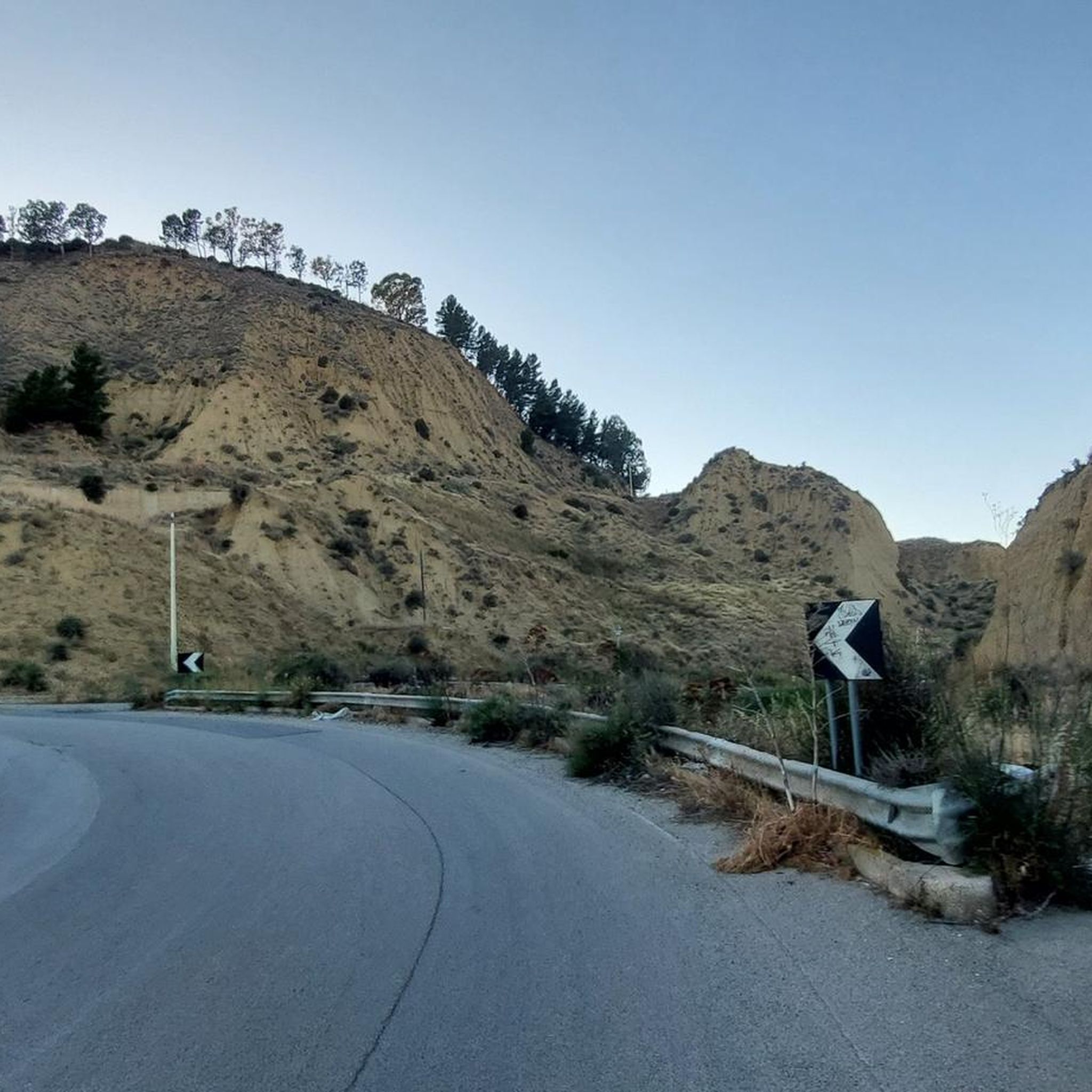
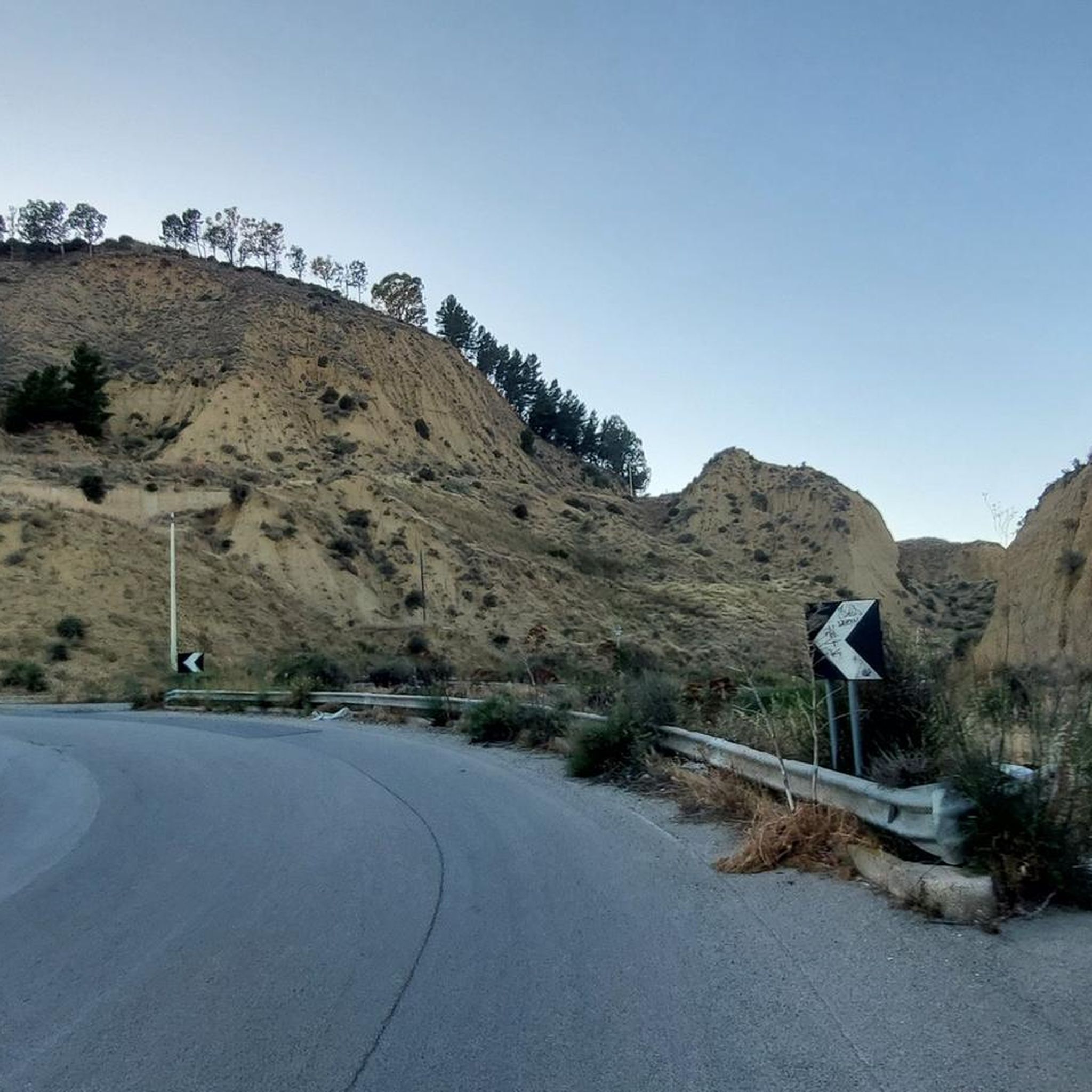
Difficult crossing by bike...
0
1

Located in the middle of the southern coast of Sicily, Licata is a seaside resort also famous for its Baroque style churches and the Castel Sant'Angelo castle also in Baroque style. In addition to culture, you can relax on the Maraniello beach.
2
0

The Second World War bunkers located near Castelluccio di Gela represent an important chapter in the history of Gela and Sicily during the conflict. During the Second World War, Sicily was strategic for the Allies and for the Axis forces. Gela, with its coastal position and the presence of the port, was a very important target. To defend the territory and prepare for possible attacks, several bunkers were built along the coast and in the surrounding areas. Bunkers represented fortified and underground structures that provided protection for soldiers and allowed them to monitor and defend the surrounding area. These shelters were often equipped with weapons, such as machine guns, to counter any enemy attacks. During the Allied invasion of Sicily in 1943, Gela was the scene of intense fighting. US forces landed on the city's shores and fought hard to capture the position. The bunkers, along with other defensive fortifications, were subjected to violent clashes and bombings. After the end of the war, many of these bunkers were abandoned and fell into disrepair. However, some are still present in the area surrounding Castelluccio di Gela and have become tangible evidence of the events that characterized that historical period. Today, these bunkers remain as silent monuments to an age of conflict and are often the subject of interest for tourists, history buffs and curious visitors. Exploring them can offer insight into the life of soldiers during war and their struggle to defend the territory. The WWII bunkers near Castelluccio di Gela remind us of Sicily's strategic importance during the conflict and testify to the courage and determination of the soldiers who fought for freedom. They are an important part of the city's history and a tangible testimony to the tragic events that took place during that time.
1
0
Whether you are a curious visitor or a soul in search of roots, let Castelluccio di Gela envelop you in its emotions. Breathe in the ancient air, listen to the whispers of the wind in its ruins and feel the heartbeat of a city that lives on through the ages.
1
0
In a distant time, in an era of great enterprises and adventures, the Greeks founded the majestic city of Gela. On a mighty and imposing hill, Castelluccio arose, an impenetrable fortress that dominated the city and the surrounding plain. Imagine the power of its defensive walls and the high majesty of the towers that soared towards the sky. The city prospered, its heart pounding with commerce and culture. Gela became a beacon of light and wisdom in the Mediterranean, and Castelluccio was its bulwark, protector of its wonders and its people. But the darkness of the shadow made its way to its gates. The Greco-Punic Wars brought destruction and pain with them. The Carthaginians invaded Gela and Castelluccio was severely hit. Its walls collapsed, the towers fell into disrepair. The majesty and glory that had once characterized the fortress were shattered by the fire and terror of war. But Gela's pride could not be broken. The Romans came to rebuild what had been destroyed. With love and dedication, they restored Castelluccio to its former greatness. It was still there, proud and imposing, ready to defend the city from attack. Centuries passed, and fate played its role. Castelluccio di Gela, once a symbol of power and hope, slowly fell into silence. Wars, abandonment and neglect reduced it to ruins. Its stones, once vibrant with life and battle, were left to their fate. But time cannot erase the beauty of the past. With the wind of change, archaeologists dug to bring to light the traces of the glorious past of Castelluccio di Gela. There, among the ancient stones, the fragments of history recomposed, like a faded memory that comes back to life. Today, as you climb the hills surrounding Gela, you can still hear the echoes of past deeds. The remains of Castelluccio stand out against the sky, a silent testimony of the vicissitudes and emotions he experienced. Looking beyond its collapsed walls, you can imagine the strength and pride of those who ardently defended it. Castelluccio di Gela is a reminder of our humanity, a symbol of our struggles and our hopes. Its ancient stones remind us that we are part of a greater story, that we are shaped by the past and that our present is a bridge to the future.
1
0
The history of the Manfria Tower dates back to the 16th century, during the period of Spanish domination on the island. It was built as part of a coastal defense system to protect the area from pirate raids and to control shipping traffic along the coast. The tower was part of a series of watchtowers that stretched along the Sicilian coast. Its strategic position on the coast, with a panoramic view of the entire surrounding coast, made it possible to quickly identify any approaching enemy ships or pirates. In case of danger, fires were lit on top of the tower to warn the inhabitants of the surrounding areas of imminent danger. The Tower of Manfria has undergone several modifications over the centuries. It was initially a square shaped structure with a massive base and thick defensive walls. Over time, renovations and expansions were carried out, adding upper floors and a domed roof. After the era of pirate invasions, the Tower of Manfria lost its defensive function and was used for different purposes. It has been used as a home for several families over the centuries, until it became an abandoned and ruined building during the 20th century. In recent years, however, efforts have been made to preserve and restore the Manfria Tower. Today, the tower is open to the public and is a popular tourist destination for those visiting the region. From the top of the tower, you can admire a splendid panorama of the Sicilian coast and the Mediterranean Sea. The Manfria Tower has also become a symbol of identity for the local community, which has recognized the historical and cultural value of the building. Cultural events and exhibitions have been organized inside the tower to promote its importance and raise public awareness of the historical legacy of the region. In summary, the story of the Torre di Manfria is a tale of coastal defence, of changes over the centuries and of efforts to preserve and enhance the historical heritage of the region. The tower continues to dominate the Sicilian coast, offering a fascinating snapshot of the region's history and natural beauty.
1
0
In the 16th century, the coastal towns of Sicily were subjected to frequent raids not only by enemies, but also by African corsairs. The Spanish government prudently thought of protecting the coasts with the construction of towers, arranged on the coast so that one could see the other. The men assigned to their custody had the task of warning the nearest city during the night by lighting as many fires as there were enemy ships, or corsairs, seen during the day. The various towers all communicated with each other, so that in less than an hour the warning of impending danger went around the island. These towers, including that of Manfria, in the territory of Terranova, were built starting from 1554, by the viceroy Giovanni Vega, and were dependent on the Deputation of the kingdom. The Sicilian Parliament, in the session held in Palermo on 9 April 1579, approved the financing of the maintenance costs of the towers, as well as the salary of the tower makers, the supply of the necessary weapons and the relative ammunition. On that occasion, the granting of a donation of ten thousand scudi per year was established for this important need and protection of the whole kingdom. In addition to these towers (thirty-seven in all, dependent on the Deputation of the kingdom), others were built by the Senates of the various cities. On the coast of Terranova, the tower of Manfria was erected near the Piano della Fiera, where in past centuries there was a famous city, called by historians Ancira, a very ancient colony of Southern Eraclea (Gela). It has an essential and volumetrically regular architecture and stands out from a square plan, on a parallelepiped base that serves as a graft to a truncated pyramid section, dominated by a closed volume with a gabled roof. Two diagonal cantilever views allowed the tower keepers to lean beyond the walls of the building to better patrol the sea and make signals. The tower of Manfria, also called of Ossuna, from the name of the viceroy Pietro Giron, duke of Ossuna, stands on a hillock on the high coast, not far from the sea. Source: comune.gela.cl.it
1
0
Frequently Asked Questions
What historical landmarks can I explore in Butera?
Butera is rich in history, featuring the ancient Butera Castle, which offers breathtaking views and a glimpse into its defensive past. The Mother Church of St. Thomas the Apostle, dating back to 1185, is another significant site with valuable art. Additionally, the Church of San Francesco is considered the oldest in town, housing works by F. Paladino and Rocco Martino. You can also visit the Mother Church of Santa Maria Assunta, Gela, a neoclassical church known for its valuable items, or the historic Castelluccio di Gela, an ancient fortress that once dominated the plain.
Are there any significant archaeological sites near Butera?
Yes, Butera boasts several important archaeological sites. The Archaeological Site of Muculufa features caves carved into rock, believed to be prehistoric tombs from the Copper and Bronze Ages. The Hellenic Necropolis of Piano della Fiera tells stories from the Bronze Age through Greek and Roman eras. You can also find the Butera Dolmen, a rare megalithic stone altar, and the Desusino Mount Archaeological Area.
Where can I find beaches near Butera?
Butera is appreciated for its coastal area, particularly Marina di Butera Beach. This location offers a long stretch of fine sand, a beautiful dune system, and clear, crystalline waters, perfect for relaxation and swimming.
What kind of natural landscapes can I expect around Butera?
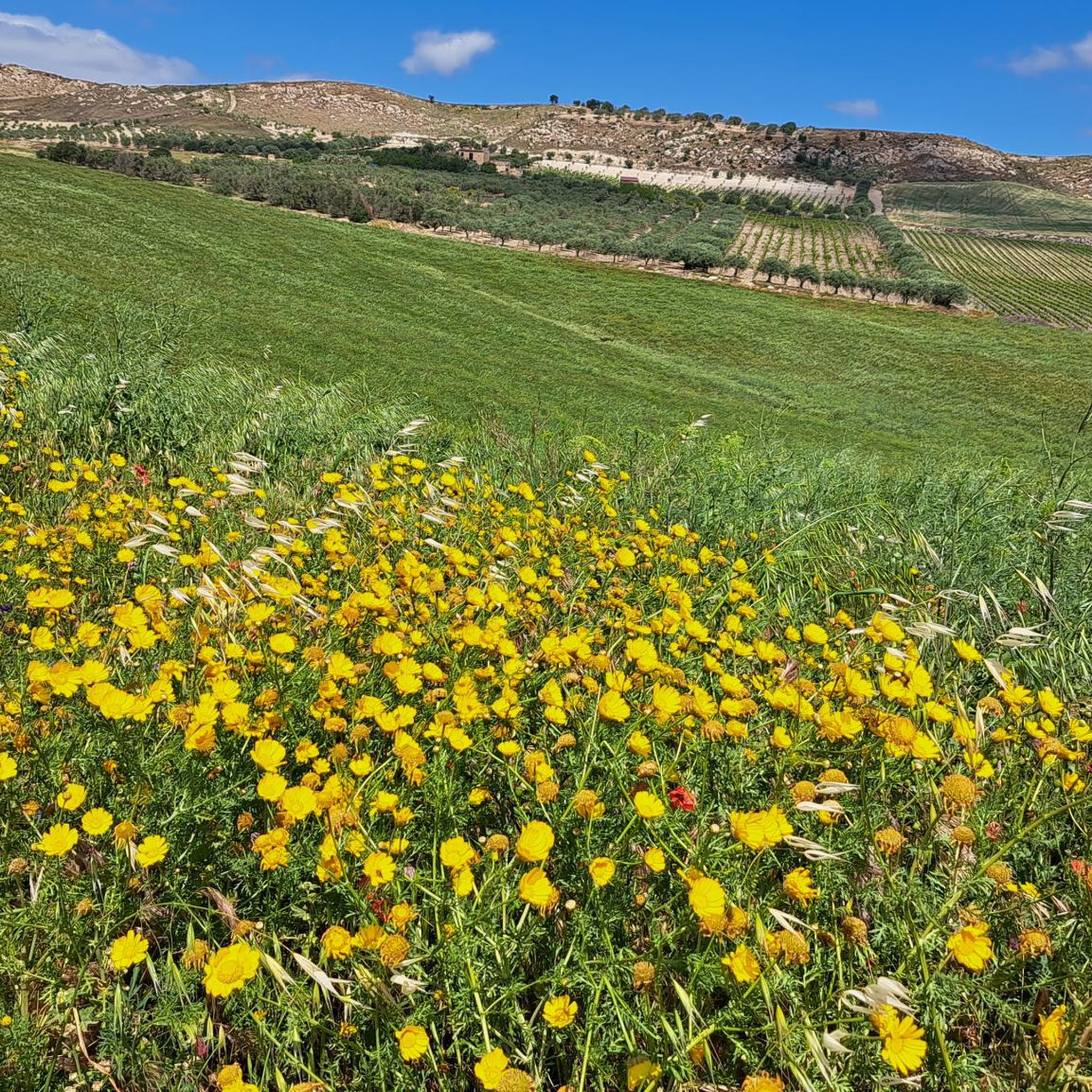
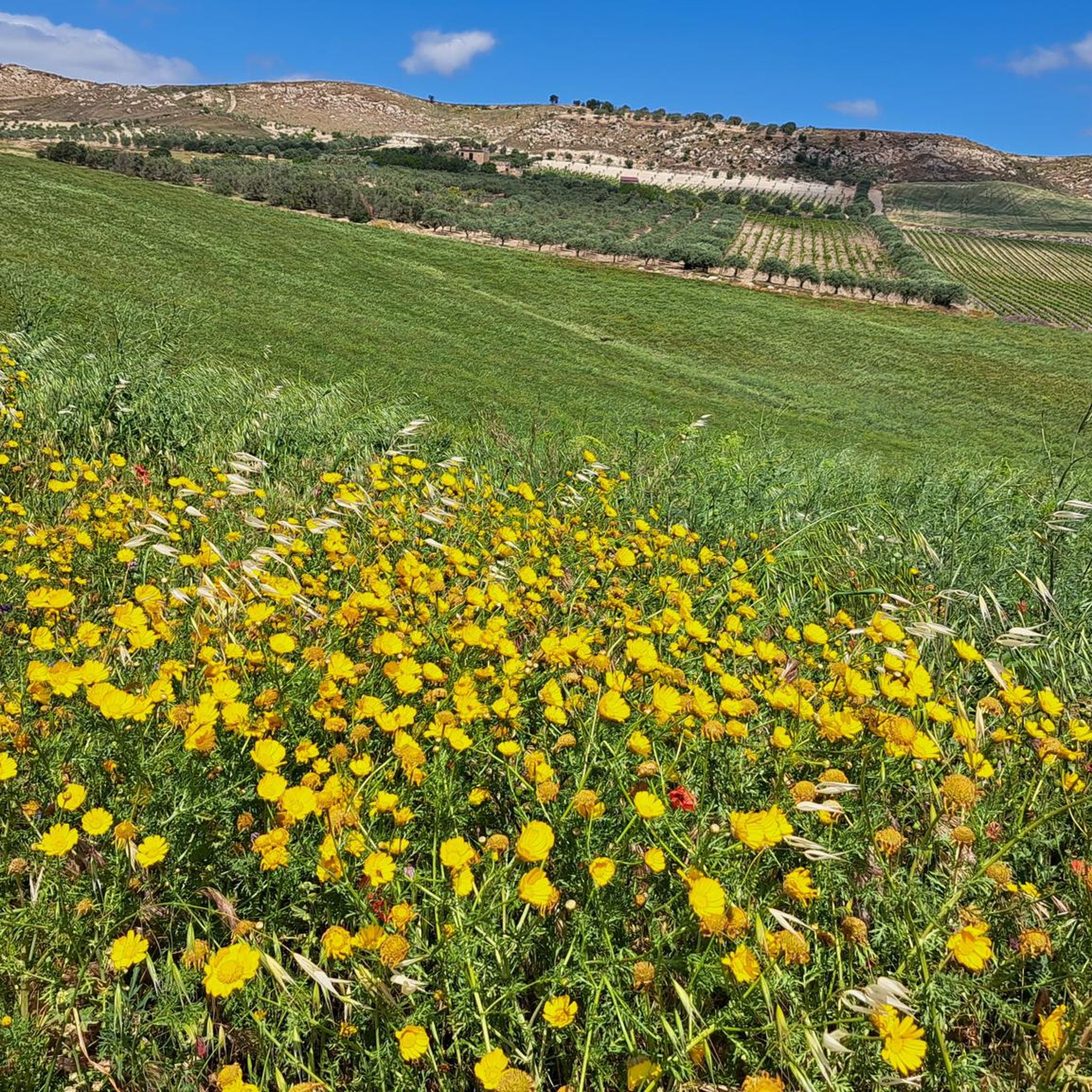
The countryside surrounding Butera is characterized by gentle hills, cultivated fields, and wide-open spaces, inviting a slower form of tourism. From the historic village, perched on a rocky spur, you can enjoy sweeping views that extend from the inland areas all the way to the sea.
Are there hiking opportunities around Butera?
Yes, there are several hiking opportunities near Butera. You can explore trails like the 4.5 km Monte Formaggio Loop Trail, which is an easy option, or the more challenging 24 km Mazzarino Castle and Philosophiana Loop Trail. For more options, check out the Hiking around Butera guide.
Can I go road cycling near Butera?
Absolutely! Butera offers several road cycling routes. You can try the 60 km Butera Historic Hilltop Town – Butera Castle loop from Butera or the 49 km Butera Castle – Lake Comunelli loop from Butera, both rated as moderate. For more routes, refer to the Road Cycling Routes around Butera guide.
Are there family-friendly attractions in the Butera region?
Yes, the region offers family-friendly options. The town of Licata, located on the southern coast, is considered family-friendly with its beaches and historical sites. Exploring the fine sands and clear waters of Marina di Butera Beach is also a great activity for families.
What is the best time to visit Butera for sightseeing?
Butera's Mediterranean climate makes it pleasant for sightseeing for much of the year. Spring (April-May) and Autumn (September-October) generally offer mild temperatures, ideal for exploring historical sites and enjoying the natural landscapes without the intense heat of summer. The town also keeps its folk traditions and religious festivals alive throughout the year, which can be an added cultural experience.
What is the Falconara Castle and where is it located?
Falconara Castle is a 14th-century castle situated on the coast road between Gela and Licata. It stands on a promontory, offering impressive views overlooking the sea, and is a notable historical landmark in the wider region.
Are there any unique cultural experiences or traditions in Butera?
Butera's historic center retains a medieval urban layout with narrow streets, stone houses, and scenic squares that narrate centuries of history. The town actively keeps its folk traditions and religious festivals alive throughout the year, offering visitors a chance to experience authentic local culture and community spirit.
What are the historical military sites near Butera?
Beyond the ancient castles, you can visit the World War II Bunker near Castelluccio di Gela, which represents an important chapter in Sicily's wartime history. These fortified structures provided protection and allowed soldiers to monitor and defend the area during the conflict. Additionally, the 16th-century Manfria Tower was part of a coastal defense system against pirate raids.
Can I visit a winery near Butera?
Yes, the Fiefdom of the Princes of Butera (Principi di Butera Winery) highlights the noble history of Sicily and the local winemaking culture. It offers opportunities for wine tasting or tours, providing a unique cultural and gastronomic experience.
Most popular attractions around Butera

Get inspired with the komoot mobile app


Explore more
Still not found the Highlight you’re looking for? See guides of the top attractions in other regions:
