Attractions and Places To See around Rivolta D'Adda - Top 20
Best attractions and places to see around Rivolta D'Adda include a blend of natural landscapes and historical sites. Situated along the Adda River, the area features extensive woodlands and significant waterways like the Naviglio Martesana and Vacchelli Canal. Remnants of ancient fortifications highlight the town's historical importance as a control point. The region offers opportunities to explore both natural beauty and man-made structures.
Best attractions and places to see around Rivolta D'Adda
- The most popular attractions is The Rudun Water…
Last updated: October 9, 2026
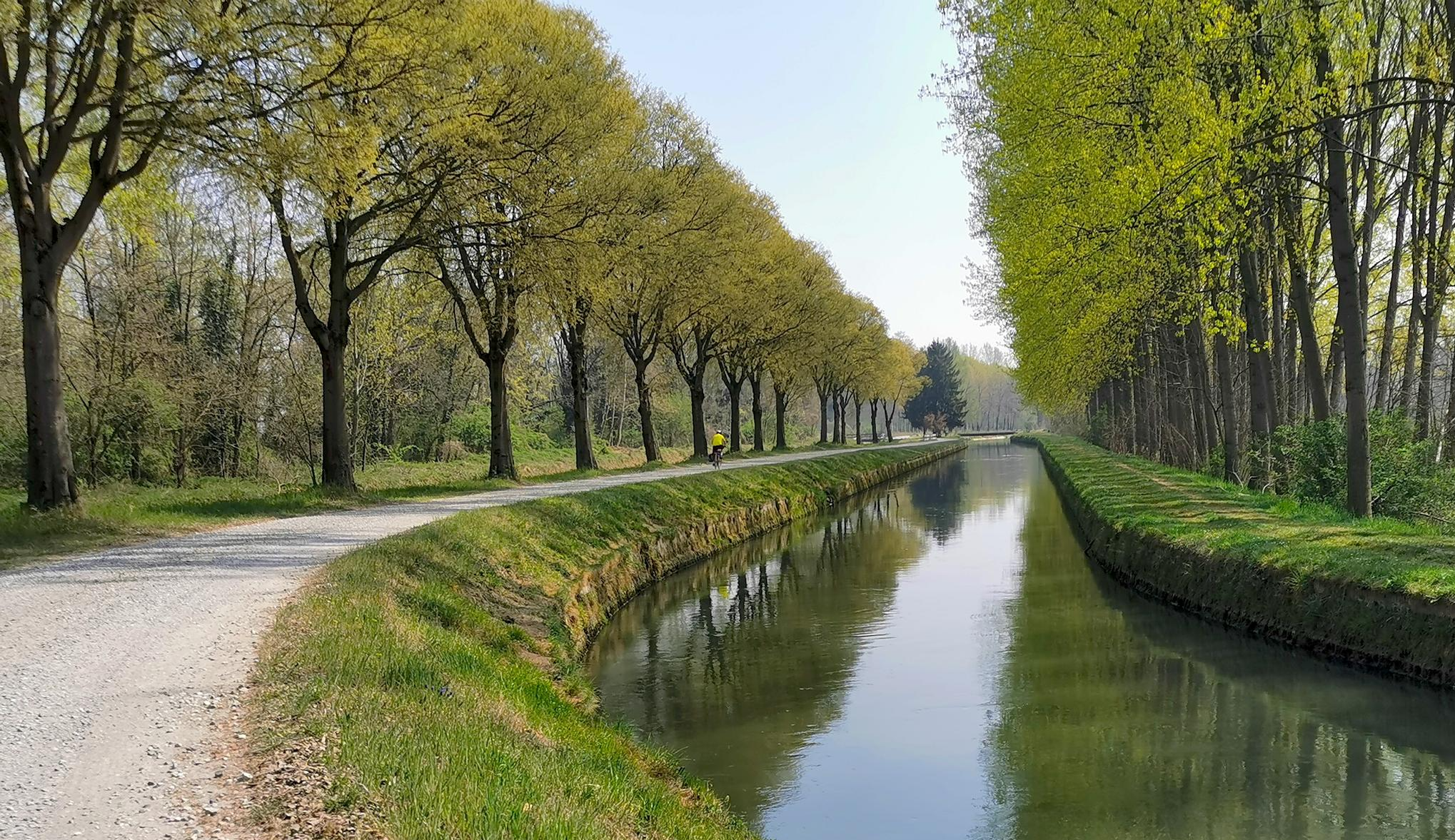
Martesana Canal
Highlight • Cycleway
Translated by Google •
Tip by

Naviglio Martesana Cycle Path Between Bellinzago Lombardo and Inzago
Highlight (Segment) • Cycleway
Translated by Google •
Tip by

Sign up now to discover places like this
Get recommendations on the best single tracks, peaks, & plenty of other exciting outdoor places.
The Rudun Water Wheel, Groppello d'Adda
Highlight • Monument
Translated by Google •
Tip by

Naviglio Martesana Towpath
Highlight (Segment) • Cycleway
Translated by Google •
Tip by

Riverside Path Along the Muzza
Highlight • Trail
Translated by Google •
Tip by

Sign up for free to discover even more attractions around Rivolta D'Adda.
Already have an account?
Start today with a free account
Your next adventure awaits.

Other adventures around Rivolta D'Adda

Tips from the Community

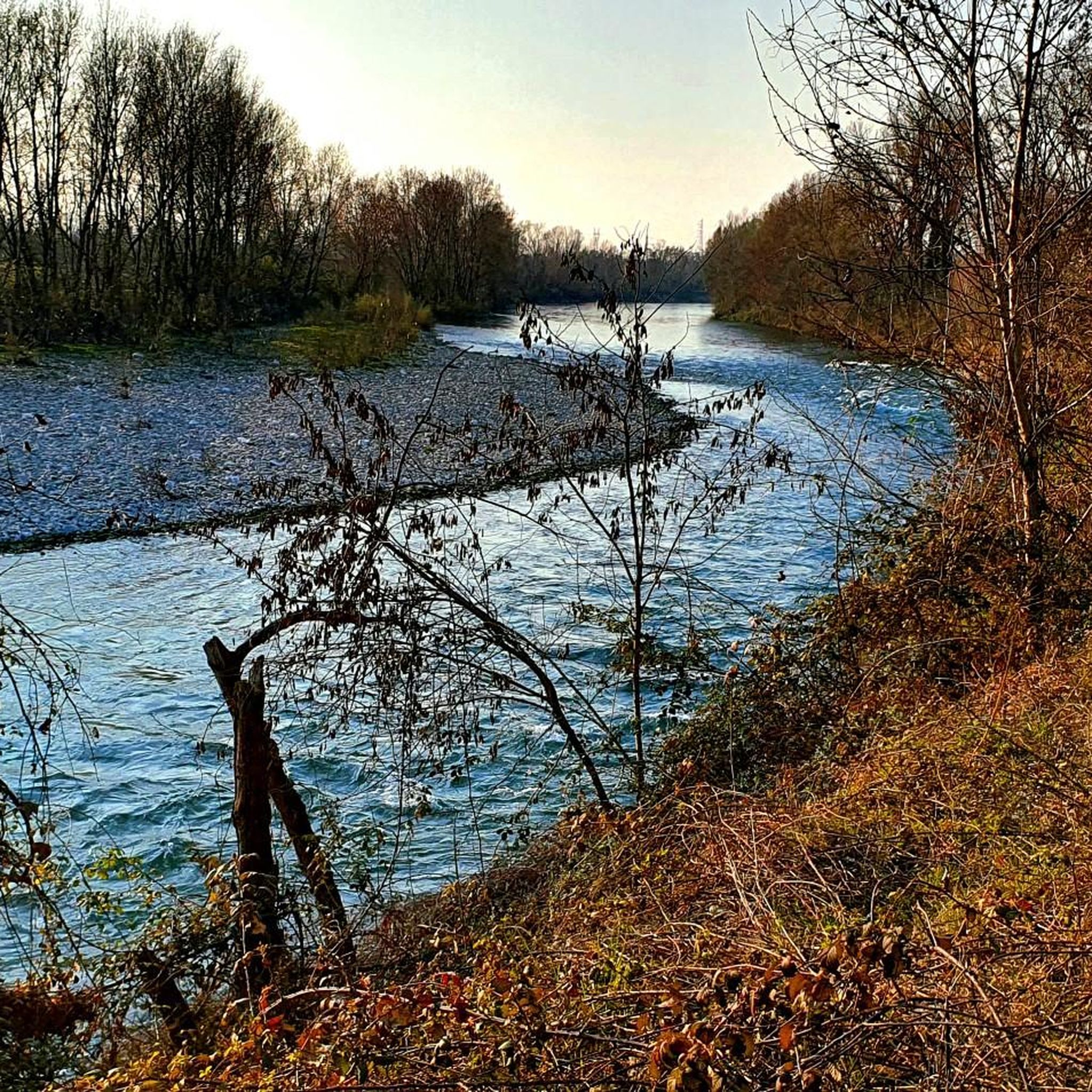
The Muzza Canal, also known as Canale della Muzza, originates near the Castello di Cassano d’Adda, where it draws water from the Adda river. After a course of about 39 km, it flows back into the Adda near Castiglione. Considered an important hydraulic engineering work at a European level, the Muzza Canal is among the oldest in Europe, with about 800 years of history, and is the largest in Northern Italy. Crossing the landscapes of the Po Valley, the canal contributes to the irrigation of the surrounding lands of the Lodi area and preserves precious patches of woodland vegetation, which characterize the Lombard territory. An ideal place to explore the beauty of nature and discover the agricultural history of the region!
1
0

The section of the Naviglio Martesana cycle path between Bellinzago Lombardo and Inzago is a flat, entirely asphalted stretch without technical difficulties, ideal for cycle tourists of all levels. This specific rural fragment runs for about 3-4 kilometers along the Martesana canal in a protected area.
2
0
The Muzza Canal is the oldest in Europe and just this year, its 800th anniversary was celebrated by the Municipality of Paullo in collaboration with the Pro Loco and other Municipalities. Its origin dates back to the year 1220, when Frederick II of Swabia, crowned emperor of the Holy Roman Empire, issued an imperial edict that granted the people of Lodi the right to use the waters flowing within their territory. The current route, about 60 km long, receives the waters of the Adda River at Cassano d’Adda, at an altitude of 120 m above sea level, crosses the Lodi territory for about 40 km until near Castiglione d’Adda, at an altitude of 45 m above sea level, and here it releases them back into the Adda River. It has a regulated water regime, with a flow rate, depending on the season, of about 200 thousand liters of water per second; an initial width of 50 meters which reduces to a few meters at the end of its course and an average depth of 2 meters.
2
0
The Naviglio della Martesana, initially known as Naviglio Piccolo, is one of the Milanese canals that connects Milan with the course of the Adda river through the municipalities of Martesana. Commissioned in the 15th century by Francesco Sforza, it was used for irrigating the countryside but also represented the ambitious project of connecting Milan with Lake Como and thus with the Alps and Ticino. The Naviglio della Martesana is a place rich in history and beauty, a heritage for everyone that, however, today is still little known and protected. Along the Naviglio runs a rather busy cycle path, which allows you to admire the landscape and cultural beauties, such as the rich flora, fauna, or the numerous historic villas, including the Renaissance Villa Melzi d’Eril in Vaprio d’Adda.
1
0

It's nice, relaxing to pedal away from traffic for many kilometers. Thanks to whoever created it for all of us,
1
0

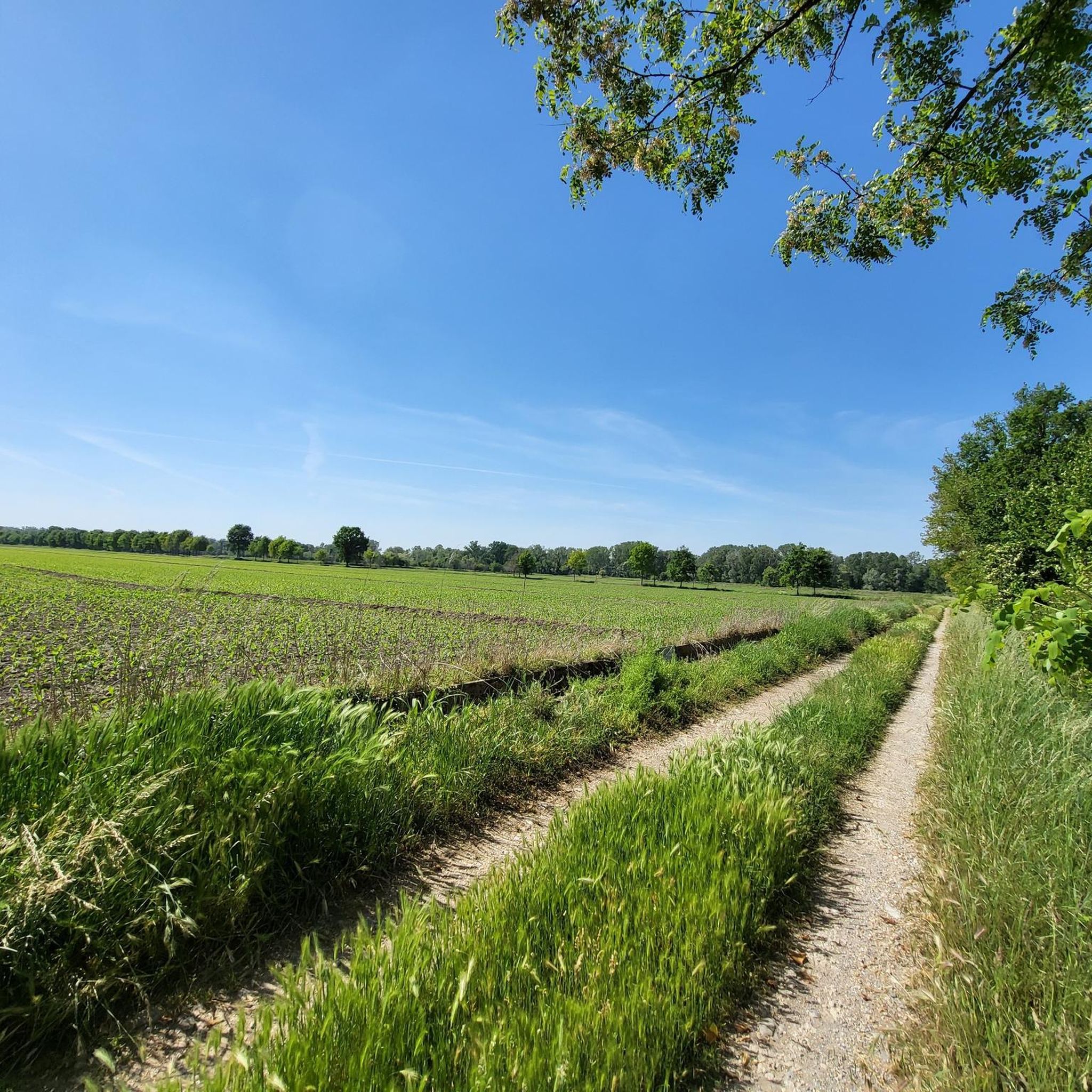
Nice gravel ride, from Gessate to Cremona. 95% on paved cycle paths and dirt road in the woods along the Adda. The first stretch from Cassano to Lodi is very nice, all in the woods, several single tracks with tall grass or "cycle path" but with a dirt surface. The river is almost always nearby. From Lodi to Cremona all on paved cycle path, elevated on cultivated fields and more exposed to the wind. Stops in Lodi, Pizzighettone and Cremona for visits. Return by train.
2
0

beautiful tour on the banks of the Adda on the way there and on the banks of the Muzza on the way back, places truly worth visiting
2
0

Always current engineering works
5
0
Frequently Asked Questions
What historical landmarks can I explore in Rivolta D'Adda?
Rivolta D'Adda boasts several historical sites. The Basilica of St. Mary and St. Sigismund is a significant Romanesque basilica with origins dating back to after 1030 AD, featuring frescoes from 1506 and an impressive main altar. You can also see remnants of the town's ancient fortifications, which highlight its past as an important control point along the Adda River. Additionally, the Rudun Water Wheel in Groppello d'Adda, built around 1600, is a notable historical monument believed to have been designed by Leonardo da Vinci.
Are there family-friendly attractions around Rivolta D'Adda?
Yes, the area offers excellent family-friendly options. The Prehistoric Park is a major attraction, spanning over 100 hectares with 50 life-size reconstructions of prehistoric species, a paleontological museum, and a hedge labyrinth. Many of the cycle paths, such as the Naviglio Martesana Cycle Path, are also suitable for families.
What natural features can I see near Rivolta D'Adda?
The region is rich in natural beauty, primarily centered around the Adda River, which flows alongside the town. You can explore the extensive deciduous woodlands of the Prehistoric Park, which is home to various small mammals and birds. The area also features significant waterways like the Naviglio Martesana and the Vacchelli Canal, both offering scenic routes and views of the local landscape.
What cycling opportunities are available around Rivolta D'Adda?
Rivolta D'Adda is known for its excellent cycling paths. The Naviglio Martesana Cycle Path Between Bellinzago Lombardo and Inzago is a highlight, offering approximately 30 km of scenic riding along the canal. The Vacchelli Canal entrance also marks the beginning of a beautiful dirt bike path that runs alongside the canal towards Cremona. For more routes, you can explore the Cycling around Rivolta D'Adda guide.
Are there hiking trails near these attractions?
Yes, there are several hiking opportunities. The Prehistoric Park itself offers a 4 km pedestrian path for exploring its natural and prehistoric exhibits. You can also find trails along the Adda River and the canals. For detailed routes, check out the Hiking around Rivolta D'Adda guide, which includes options like the 'Parco della Preistoria – loop tour' and 'Adda River – Vacchelli Canal entrance loop'.
What is the Rudun Water Wheel and where is it located?
The Rudun Water Wheel, affectionately called 'el rudun' by locals, is a famous water wheel in Groppello d'Adda, built around 1600. It is believed to have been designed by Leonardo da Vinci. Its original function was not to grind cereals but to raise water from the Naviglio Martesana for an irrigation system. You can find it at the center of the village, on the right bank of the Naviglio Martesana.
What is the significance of the Vacchelli Canal?
The Vacchelli Canal, also known as Marzano Canal, is a significant engineering project constructed between 1887 and 1892. Commissioned by Cremonese senator Pietro Vacchelli, it was primarily built for irrigation purposes and stretches for 34 kilometers. Its entrance features a monumental structure, and a beautiful dirt bike path runs alongside it, making it a popular spot for outdoor activities.
What do visitors enjoy most about the attractions around Rivolta D'Adda?
Visitors particularly appreciate the blend of natural beauty and historical significance. The scenic cycle paths along the canals and the Adda River are highly rated for their beauty and connection to historical places. The unique historical monuments like the Rudun Water Wheel and the engineering marvel of the Vacchelli Canal are also very popular. The area's tranquil river landscapes and opportunities for outdoor activities receive frequent praise.
When is the best time to visit Rivolta D'Adda for outdoor activities?
The best time to visit Rivolta D'Adda for outdoor activities like cycling and hiking is generally during the spring (April to June) and autumn (September to October) months. During these periods, the weather is typically mild and pleasant, making it ideal for exploring the cycle paths and natural parks. Summers can be quite warm and muggy, especially along the canals, while winters are cooler.
Are there any hidden gems or less-known natural spots to discover?
Beyond the main attractions, exploring the quieter stretches along the Adda River and the various smaller canals can reveal serene natural spots. The extensive woodlands within and around the Prehistoric Park offer peaceful botanical paths and opportunities for birdwatching. The lesser-traveled sections of the Naviglio Martesana and Vacchelli Canal also provide tranquil settings away from more crowded areas.
What is the Naviglio Martesana Cycle Path like?
The Naviglio Martesana Cycle Path is considered one of Italy's most beautiful cycle paths, stretching approximately 30 km between Bellinzago Lombardo and Inzago. It runs alongside the historic Naviglio Martesana canal, offering a simple route with well-maintained asphalt. The path connects various historical places and provides scenic views, making it a popular choice for both casual riders and more experienced cyclists.
Most popular routes around Rivolta D'Adda
Most popular attractions around Rivolta D'Adda

Get inspired with the komoot mobile app


Explore more
Still not found the Highlight you’re looking for? See guides of the top attractions in other regions:
