The best cycling routes around Palazzo Pignano
4.3
(508)
3,880
riders
322
rides
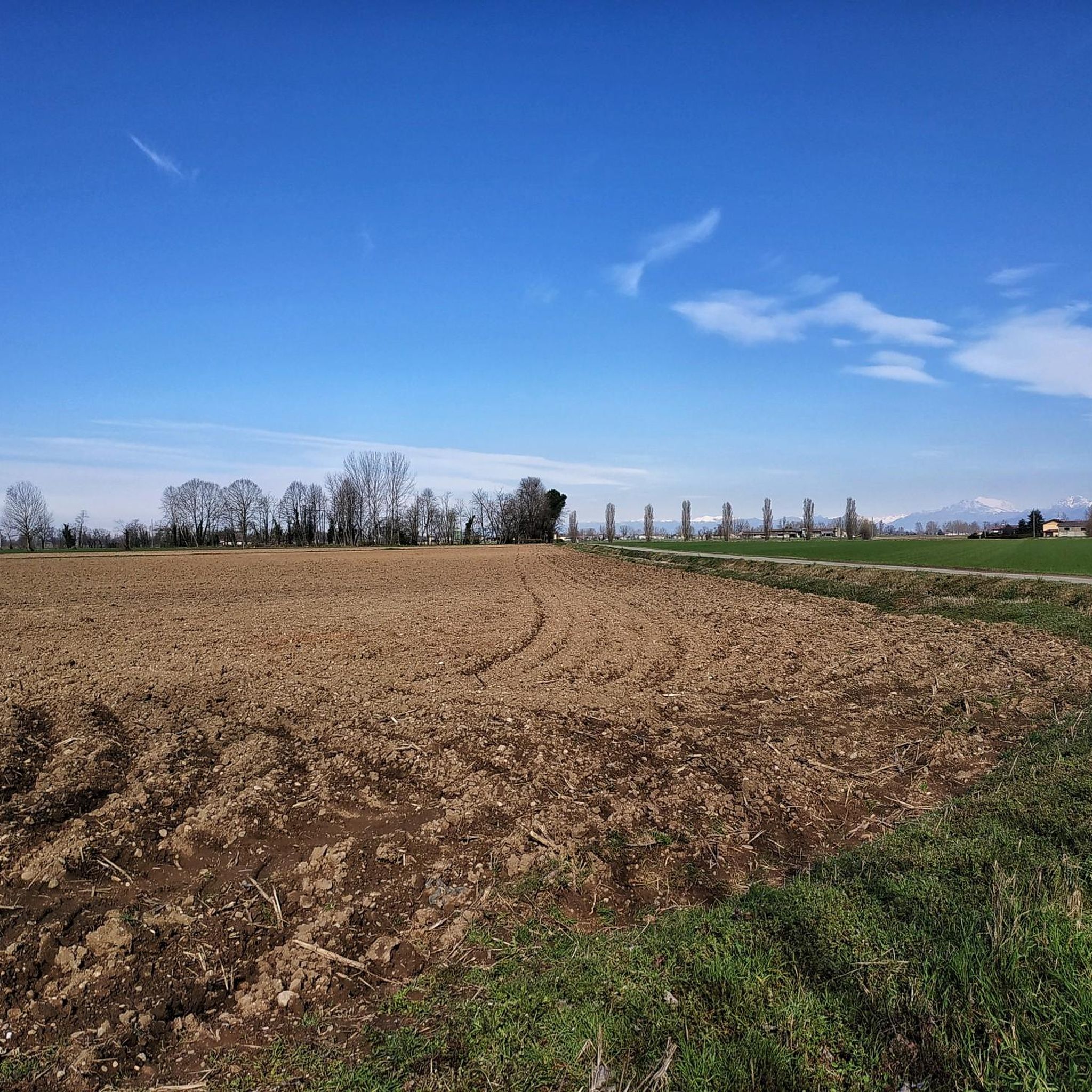
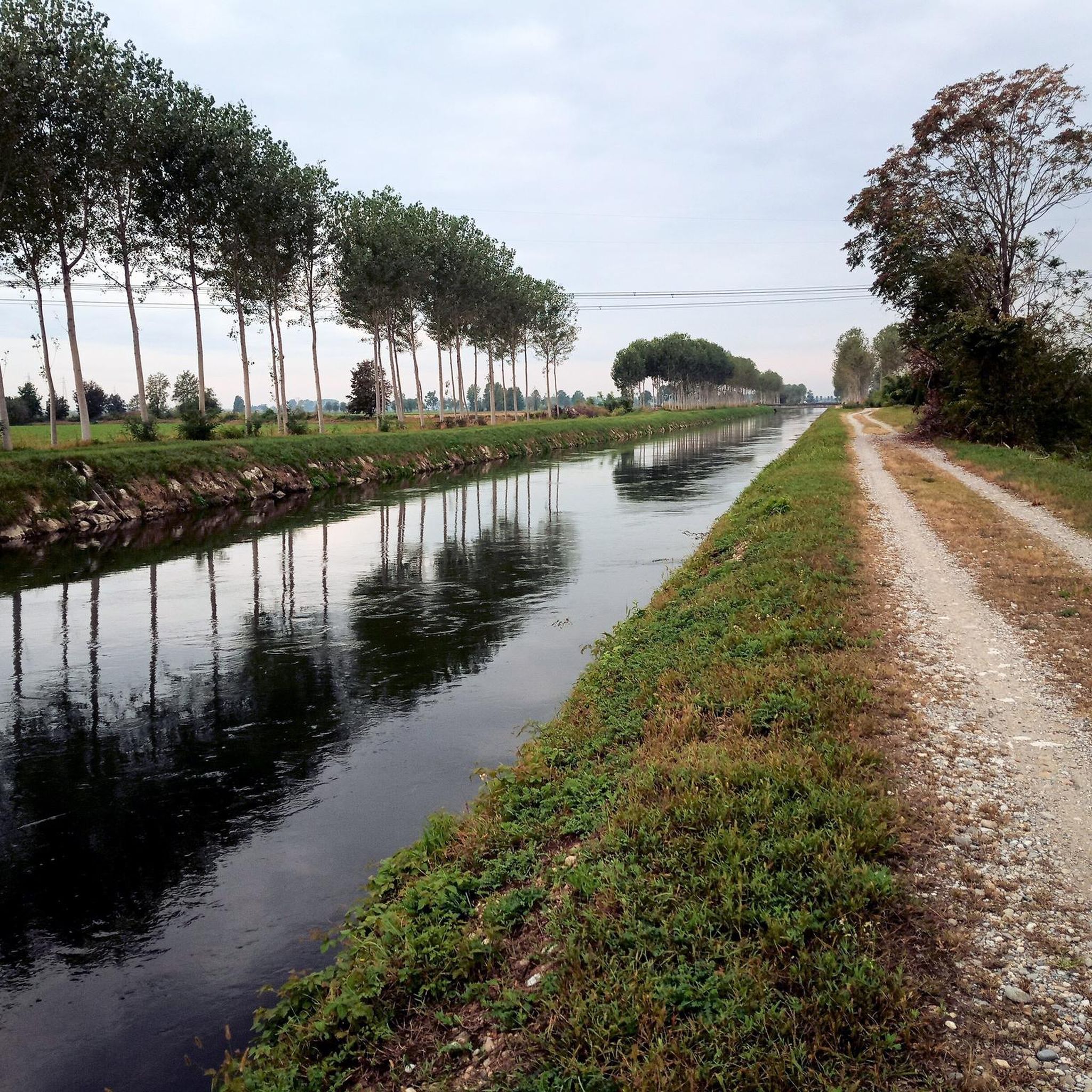
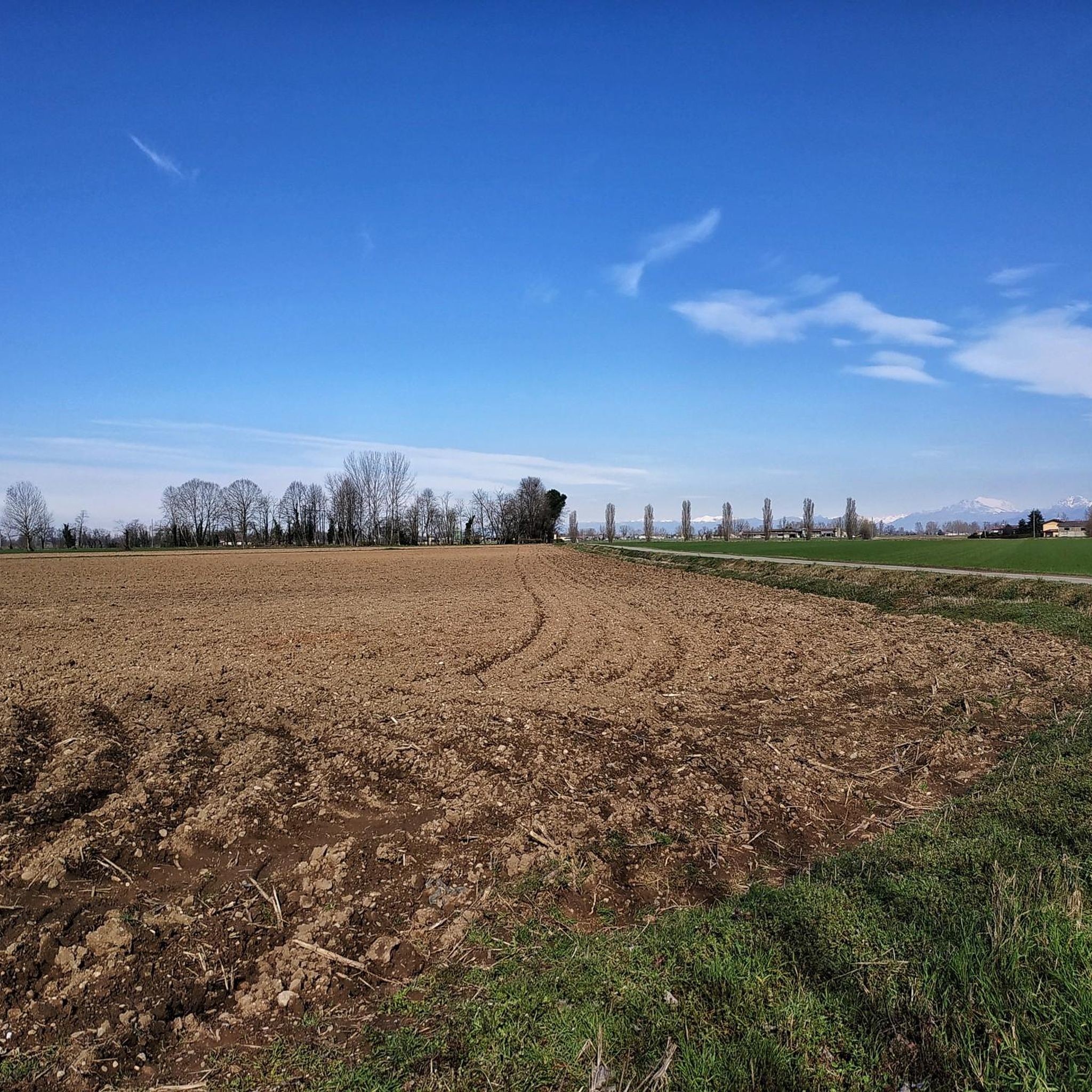
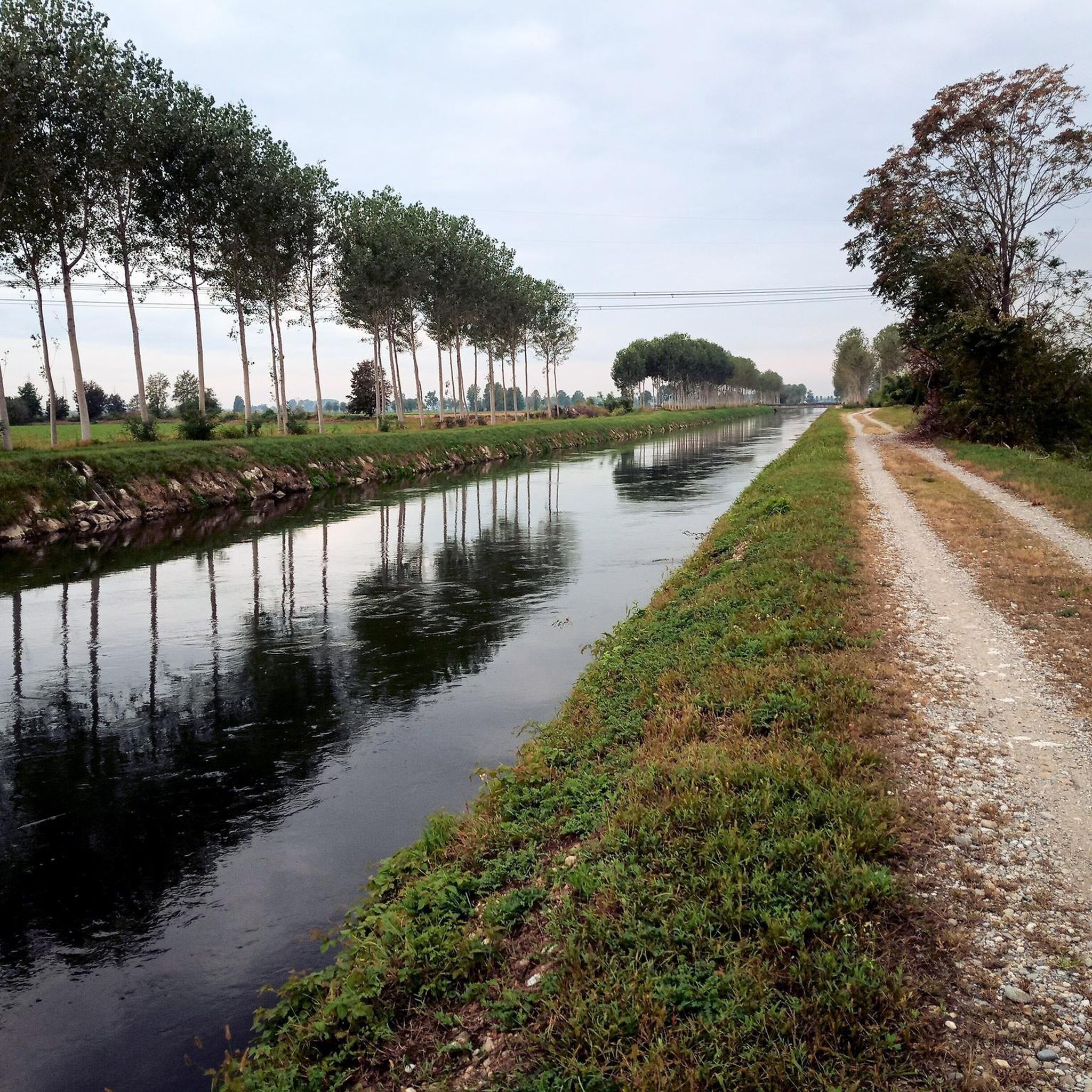
Touring cycling around Palazzo Pignano offers routes through the flat, rural landscapes of the Po Valley and Crema countryside. The region is characterized by its serene agricultural scenery and proximity to waterways, including the Adda and Serio rivers. Many routes follow the Martesana Canal and traverse the Tormo River Interprovincial Natural Park, providing accessible cycling experiences. This area's generally flat terrain is suitable for various touring cycling routes.
Best touring cycling routes around Palazzo Pignano
- The most popular touring cycling…
Last updated: October 28, 2026
2.5
(2)
15
riders
Hard bike ride. Very good fitness required. Mostly paved surfaces.
4.2
(13)
110
riders
Moderate bike ride. Good fitness required. Mostly paved surfaces.

3.0
(1)
16
riders
Moderate bike ride. Good fitness required. Mostly paved surfaces.
4.7
(3)
16
riders
56.4km
03:38
110m
110m
Hard bike ride. Good fitness required. You may need to push your bike for some segments of this route.
4.0
(1)
29
riders
Easy bike ride. Mostly paved surfaces.
Get access to more routes and recommendations from other explorers.
Already have an account?
Our route recommendations are based on thousands of hikes, rides, and runs completed by other people on komoot.
Start today with a free account
Your next adventure awaits.

Tips from the Community

The Sanctuary of the Blessed Virgin of Pallavicina is an ancient Marian place of worship located in Izano, in the province of Cremona. Main Information Where it is located: Viale Pallavicina in Izano (CR), along the road between Crema and Salvirola. Origins: It dates back to before 1400 and houses a fresco of the Madonna and Child from 1444 in the apse. The name derives from the nearby Pallavicina canal.
0
0
The Cathedral with the Clock Tower occupies the east side of Piazza della Vittoria, and the facades of houses and palaces frame its facade. The square, as a civic and religious center, as we see it today, was formed in different periods. The construction site of the Duomo was organized according to the methods of the time, i.e. by tracing the perimeter directly on the ground and then starting with the construction of the apse area. The so-called "stepped" facade suggests the division of the internal space, in which the central nave is higher and wider than the two side aisles. In the center of the facade, in the upper part, is the aedicule containing a bronze copy of the statue of San Bassiano, the original in copper and gold patina is kept inside the main nave of the cathedral. The central part of the facade is occupied by the rose window which, besides being a typically decorative element, allows for good internal lighting.
0
0
Around the rose window and the slopes of the roof, the decoration with interwoven arches and polychrome majolica cups of Byzantine derivation is to be observed. Below the rose window, two Renaissance stone windows have been created. The "candelabra" columns and the side coats of arms refer to the motifs of humanistic culture. The most characteristic element of this facade is the protiron. In the lunette above the portal are depicted the Redeemer, the crowned Madonna, and Saint Bassiano imploring. On the pilasters of the horizontal architrave are depicted Adam and Eve and, below, two other figures that recall the vices of man. The portal is framed by spiral columns, and the decorations surrounding the portal arch consist of naturalistic decorative motifs derived from the Lombard school, with shoots, spirals, and aquatic plant leaves. Finally, the small roof that frames and shelters the portal is supported by stylophoric lions.
0
0

The section of the Naviglio Martesana cycle path between Bellinzago Lombardo and Inzago is a flat, entirely asphalted stretch without technical difficulties, ideal for cycle tourists of all levels. This specific rural fragment runs for about 3-4 kilometers along the Martesana canal in a protected area.
2
0

Arriving from Lodi along the cycle path on the embankment in the direction of Zelo (or Rivolta) a suggestive point
0
0
The Idroscalo of Milan is a large artificial lake and public park located between the municipalities of Segrate and Peschiera Borromeo, historically known as the "sea of Milan". Born at the end of the 1920s as a seaplane base, it was later converted into a sports and recreational center. Today it represents one of the main green and leisure areas of the Metropolitan City of Milan.
2
0
Santuario di Santa Maria del Fonte is a magnificent monumental complex, situated at the end of a long tree-lined avenue that begins with the arch of Porta Nuova, close to the historic center of the city. Its origin dates back to the famous episode of the Apparition: on May 26, 1432, the peasant woman Giannetta de Vacchi was in the Mazzolengo meadow, near the village of Caravaggio, when she witnessed the appearance of a woman whom, by her majesty and beauty, she immediately recognized as the Virgin Mary. As a testament to the event, a new spring gushed forth in the field, whose waters were capable of healing ailments. In the immediately following centuries, a place of worship was built to remain in eternal memory of the event: this building later became the current Basilica of the Sanctuary of Caravaggio.
0
0

Easy cycle path suitable for everyone!
3
0
Frequently Asked Questions
What types of touring cycling routes can I find around Palazzo Pignano?
Palazzo Pignano offers a diverse range of touring cycling routes, primarily characterized by the flat, rural landscapes of the Po Valley and Crema countryside. You'll find paths along waterways like the Adda and Serio rivers, and many routes traverse the Tormo River Interprovincial Natural Park. The area is well-known for accessible cycling experiences, including sections of the scenic Martesana Canal Cycle Path. There are over 300 routes available, catering to various skill levels.
Are there easy touring cycling routes suitable for beginners in Palazzo Pignano?
Yes, Palazzo Pignano is an excellent area for beginners due to its generally flat terrain. There are over 160 easy touring cycling routes. A good option for those starting out is the Entrance to Pandino – Chiesa di Cascine Capri loop from Pandino, which is a shorter, easy trail perfect for a relaxed ride.
What historical or natural attractions can I explore along the cycling routes?
The region around Palazzo Pignano is rich in both history and natural beauty. You can cycle past significant historical sites such as the ancient late Roman archaeological area, including remains of a monumental Roman villa and the Pieve di San Martino. Natural highlights include the Sanctuary of Our Lady of the Fountains, the tranquil Reflection Lake in Ricengo, and various sections of the Tormo River Interprovincial Natural Park. Many routes also follow the Martesana Canal, offering picturesque views.
Are there any circular touring cycling routes in the area?
Yes, many touring cycling routes around Palazzo Pignano are designed as loops, allowing you to start and end at the same point. For example, the Church of Santa Maria dei Mosi – Pizzighettone Walls loop from Casaletto Vaprio offers a moderate circular path exploring the countryside and historical sites. Another popular option is the Tower of the Villa of Azzano – Sanctuary of Caravaggio loop from Palazzo Pignano, which takes you through the local agricultural landscape.
What is the best time of year to go touring cycling in Palazzo Pignano?
The generally flat terrain of Palazzo Pignano makes it suitable for touring cycling for much of the year. Spring and autumn typically offer the most pleasant temperatures for cycling, with comfortable weather for exploring the agricultural scenery and historical sites. Summer can be warm, but the proximity to rivers and canals can provide some cooler sections. Winter cycling is possible, but be prepared for colder temperatures.
Are there touring cycling routes suitable for families with children?
Given the predominantly flat landscape of the Po Valley and Crema countryside, many routes around Palazzo Pignano are well-suited for families. The easy-rated trails, in particular, offer a relaxed cycling experience away from significant climbs. Look for routes that follow the Martesana Canal or explore the Tormo River Interprovincial Natural Park for scenic and generally safe paths.
What do other touring cyclists say about the routes in Palazzo Pignano?
The touring cycling routes in Palazzo Pignano are highly regarded by the komoot community, holding an average rating of 4.3 stars from over 400 reviews. Cyclists often praise the serene agricultural scenery, the well-maintained paths along the Martesana Canal, and the opportunity to combine cycling with exploring historical sites. Over 3,000 touring cyclists have used komoot to explore this region.
Are there options for longer, more challenging touring cycling routes?
While much of the area is flat, there are options for longer and more challenging touring cycling routes. These routes often cover greater distances, providing a good endurance test. An example of a more difficult route is the Martesana Canal – Martesana Canal Cycle Path loop from Casaletto Vaprio, which spans nearly 100 km and offers a full day's ride along the scenic canal.
Can I find cafes or pubs along the touring cycling routes for refreshments?
Yes, as you cycle through the charming towns and villages of the Crema countryside and along the Martesana Canal, you'll find opportunities for refreshments. Many routes pass through or near small centers where you can stop for a coffee, a meal, or a drink. Planning your route with komoot allows you to identify points of interest, including cafes and restaurants, along your chosen path.
Is public transport available to access touring cycling routes in Palazzo Pignano?
Palazzo Pignano is located in the Province of Cremona, Lombardy. While specific public transport options directly to every trailhead may vary, regional train and bus services connect larger towns in the area. Cyclists often use these services to reach starting points or return from longer tours. It's advisable to check local transport schedules and bicycle carriage policies for the most up-to-date information.
Where can I park my car when starting a touring cycling route?
Parking is generally available in the towns and villages that serve as common starting points for touring cycling routes around Palazzo Pignano. For example, if you're starting a route from Casaletto Vaprio or Pandino, you'll typically find public parking areas. It's always a good idea to check local signage for parking regulations and availability, especially in smaller centers.
Are there any specific natural monuments or unique natural features to see?
Beyond the general beauty of the Po Valley, the area features several interesting natural spots. You can visit the Fontanile Quarantina, a natural spring, or the unique Spring with Fallen Tree. The Merlino Nature Trail – Zelo Buon Persico in Adda Sud Park also offers a dedicated path to experience the local flora and fauna.
Most popular routes around Palazzo Pignano
Most popular attractions around Palazzo Pignano

Get inspired with the komoot mobile app


Explore more
Browse the best Cycling routes in other regions.
