The best cycling routes around Pieve Fissiraga
4.3
(485)
3,604
riders
289
rides
Touring cycling routes around Pieve Fissiraga are characterized by the flat, expansive terrain of the Po Valley, making them suitable for leisurely rides. The region is situated within the Parco dei Sillari Bassa Lodigiana, an area dedicated to preserving agricultural landscapes and local ecosystems. This environment offers a network of routes that traverse agricultural lands and connect to significant waterways like the Adda River, providing a tranquil setting for cyclists.
Best touring cycling routes around Pieve Fissiraga
- The most popular…
Last updated: November 15, 2026
3.0
(1)
12
riders
27.8km
01:34
40m
40m
Easy bike ride. Mostly paved surfaces.
8
riders
14.6km
00:52
20m
20m
Easy bike ride. Mostly paved surfaces.

15
riders
33.8km
01:56
80m
80m
Easy bike ride. Mostly paved surfaces.
4
riders
71.3km
04:09
180m
180m
Moderate bike ride. Good fitness required. Mostly paved surfaces.
6
riders
Moderate bike ride. Good fitness required. Mostly paved surfaces.
Get access to more routes and recommendations from other explorers.
Already have an account?
Our route recommendations are based on thousands of hikes, rides, and runs completed by other people on komoot.
Start today with a free account
Your next adventure awaits.

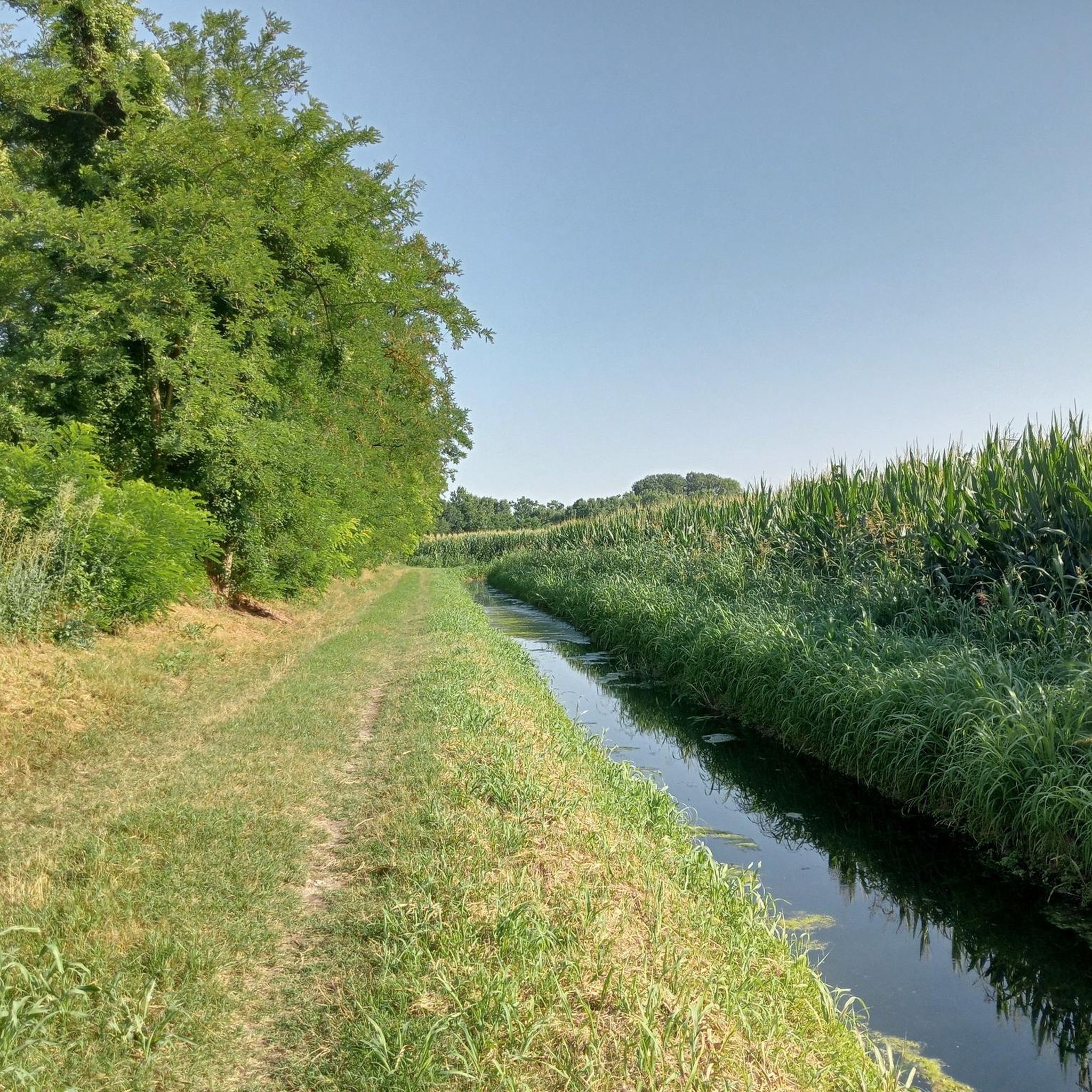
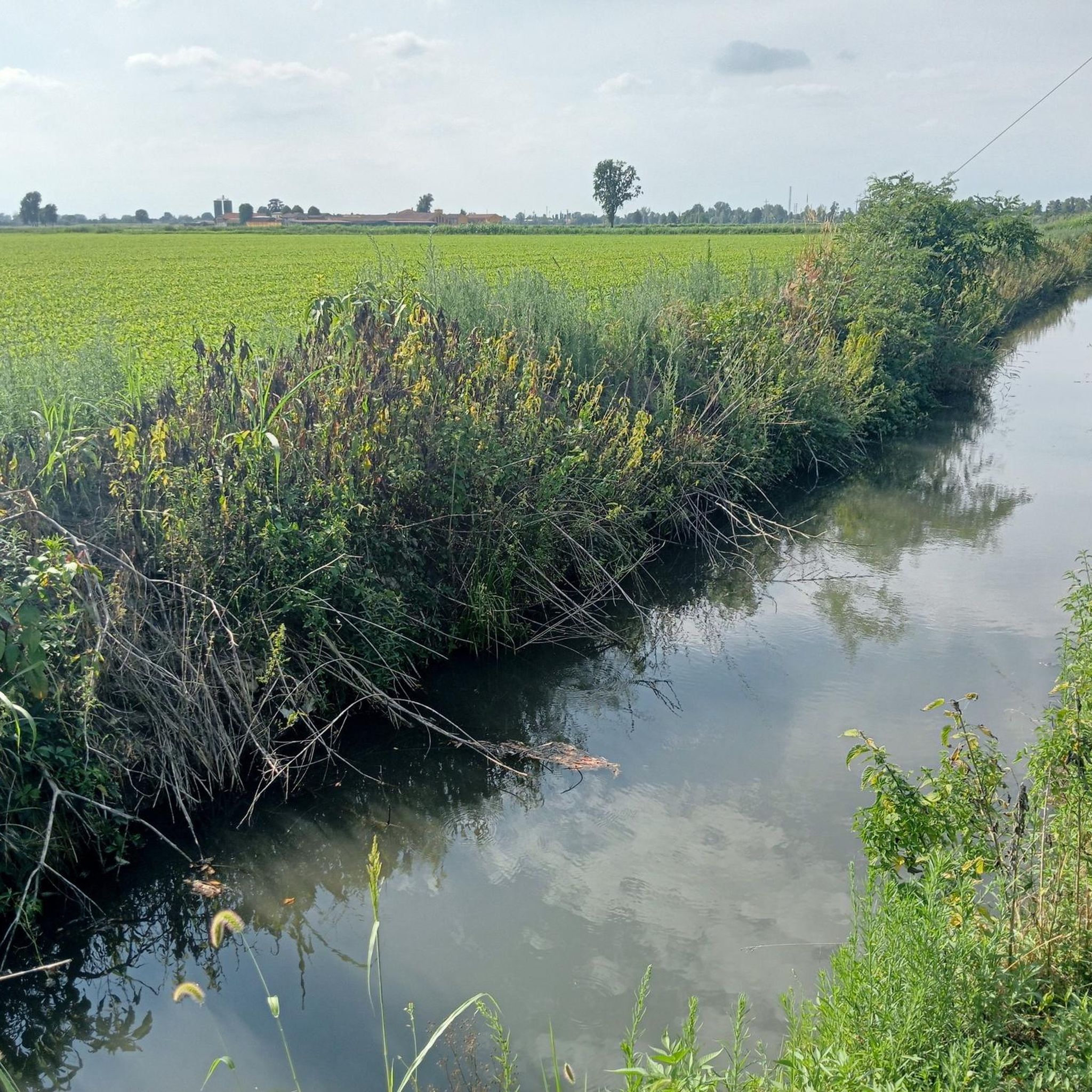
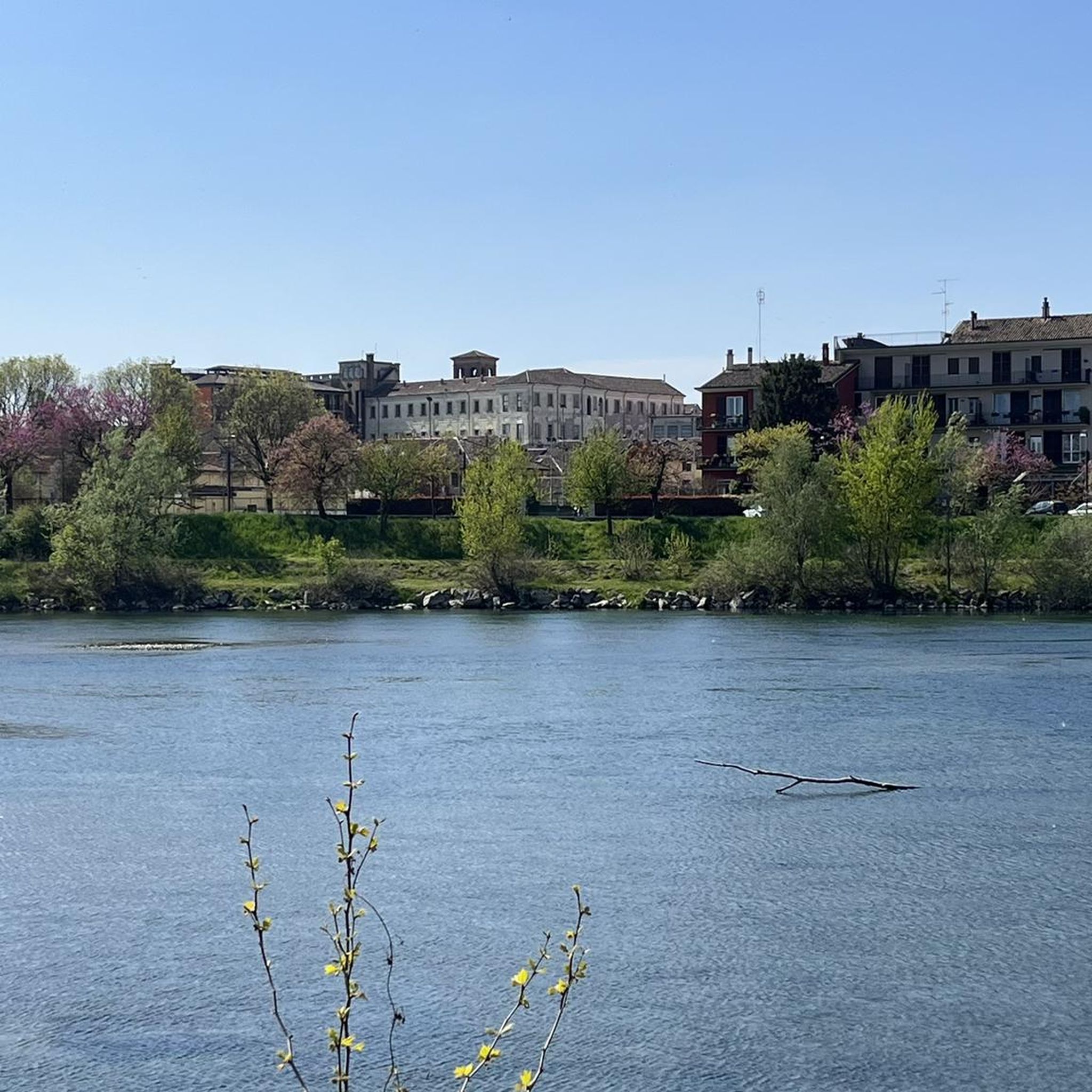
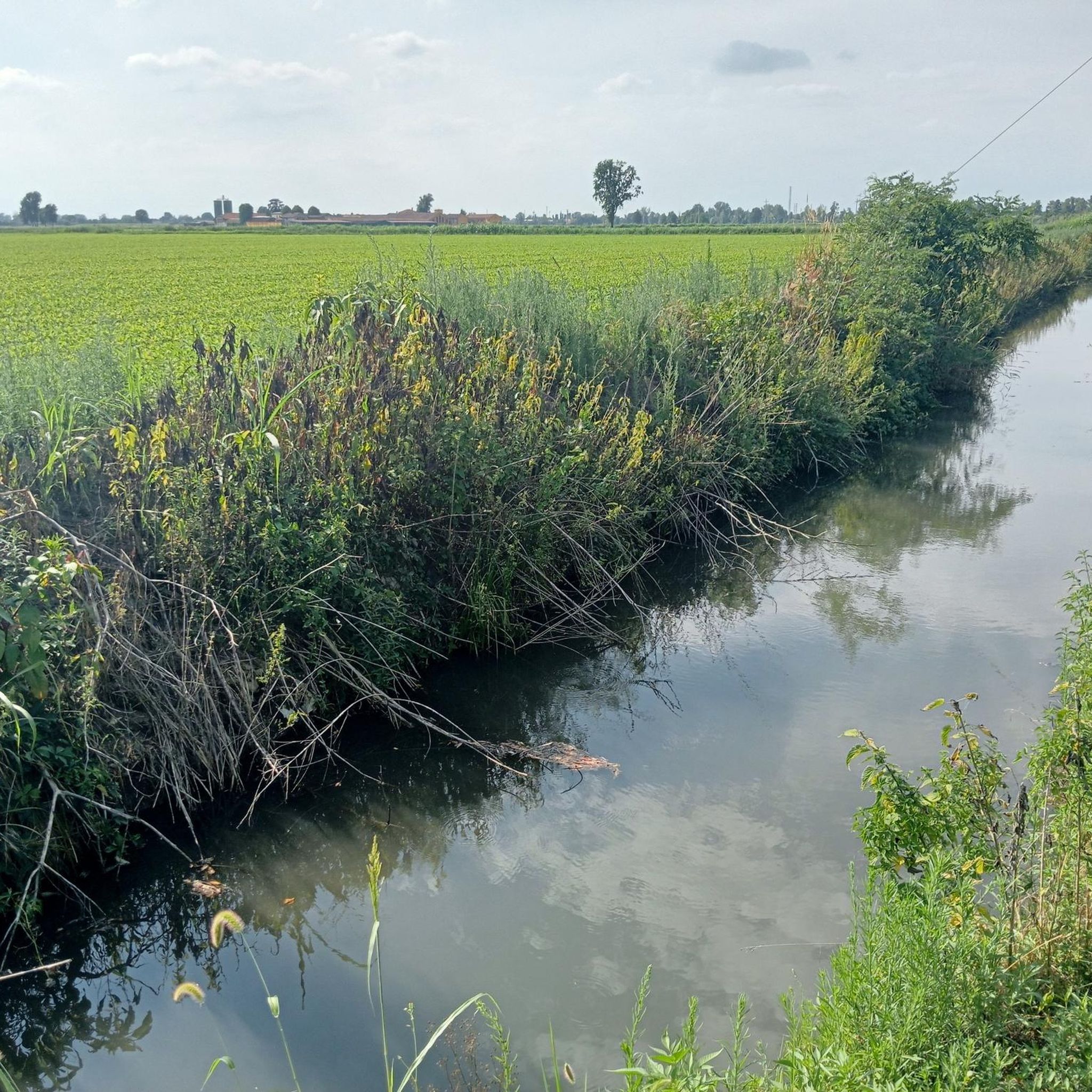
Tips from the Community

Torre de' Negri is an Italian municipality in the province of Pavia in Lombardy. General information Population: Approximately 330 inhabitants. Area: 4.01 km². Altitude: 73 meters above sea level. Mayor: Mara Riboni. Borders: Belgioioso, Corteolona e Genzone, Costa de' Nobili and Spessa. Official website: Comune di Torre de' Negri Historical notes Origins: Historically mentioned around 1250 as Domus Scanatorum or Torre degli Scanati. Negri family: It became the property of the Negri family from 1361, transforming into a fiefdom in 1697 and obtaining the title of counts in 1706. Modern history: Suppressed and united with the municipality of Belgioioso in 1929, it was re-established as an autonomous municipality in 1947
0
0

The Cathedral with the Clock Tower occupies the east side of Piazza della Vittoria, and the facades of houses and palaces frame its facade. The square, as a civic and religious center, as we see it today, was formed in different periods. The construction site of the Duomo was organized according to the methods of the time, i.e. by tracing the perimeter directly on the ground and then starting with the construction of the apse area. The so-called "stepped" facade suggests the division of the internal space, in which the central nave is higher and wider than the two side aisles. In the center of the facade, in the upper part, is the aedicule containing a bronze copy of the statue of San Bassiano, the original in copper and gold patina is kept inside the main nave of the cathedral. The central part of the facade is occupied by the rose window which, besides being a typically decorative element, allows for good internal lighting.
0
0
Around the rose window and the slopes of the roof, the decoration with interwoven arches and polychrome majolica cups of Byzantine derivation is to be observed. Below the rose window, two Renaissance stone windows have been created. The "candelabra" columns and the side coats of arms refer to the motifs of humanistic culture. The most characteristic element of this facade is the protiron. In the lunette above the portal are depicted the Redeemer, the crowned Madonna, and Saint Bassiano imploring. On the pilasters of the horizontal architrave are depicted Adam and Eve and, below, two other figures that recall the vices of man. The portal is framed by spiral columns, and the decorations surrounding the portal arch consist of naturalistic decorative motifs derived from the Lombard school, with shoots, spirals, and aquatic plant leaves. Finally, the small roof that frames and shelters the portal is supported by stylophoric lions.
0
0

Nice passage to Cornegliano Laudense
1
0

The patronage of this shrine, dedicated to the Madonna, refers to the town of Loreto. This is one of the great and important Marian pilgrimage sites in Europe, along with Lourdes in the French Pyrenees and Fatima in Portugal. Unlike the other two places mentioned, however, Loreto is not known for apparitions of the Mother of God. Here, pilgrims can find something very tangible: Mary's childhood home in Nazareth (Israel). Her parents—not mentioned by name in the biblical writings of the New Testament—are mentioned in apocryphal traditions: Saint Anne and Saint Joachim are thus the grandparents of Jesus Christ (their common feast day in the calendar of saints is July 26). Crusaders likely dismantled the venerated building in Nazareth and brought it to Europe when the era of the Christian kingdoms in the Holy Land came to an end towards the end of the 13th century. But this very sober assumption is countered by a much more interesting legend: According to this, four angels carried out the translation and flew the house over the Mediterranean.
1
0
A story by Giovanni Guareschi – the literary "father" of "Don Camillo and Peppone" – ends with the sentence "Things happen there, in this strange region... where people think more with their clubs than with their brains, but where at least they respect the dead." To understand it, one must recall the political situation in Italy at that time, immediately after the end of World War II: The monarchy had been abolished, the royal family was in exile, and the communists were partially in power (as was the case in Don Camillo's village). In the story "The Old Teacher," the woman who had taught generations of villagers their ABCs has died. She had expressed her last wish to Mayor Peppone and Don Camillo that her flag – the old one with the coat of arms from the time of the monarchy – be placed above her coffin. However, all factions of the municipal council had spoken out against it. Peppone replied: "So I tell you... that I don't care about your opinion and that Signora Cristina will go to the cemetery tomorrow with the flag she likes, because I value her more dead than you alive." Hence the sentence quoted at the beginning, "where at least the dead are respected."
1
0

Still a special and remarkable "portal"
6
0
The Chiesuolo della Madonna di Loreto was built in three successive phases: The rural aedicule from the 15th century with an image of the Virgin of Loreto. The ancient oratory in brick from the 17th century, also dedicated to the Madonna di Loreto. The current church, dating from 1781. Architecture: The church has a single nave with a protiro (covered entrance) and is built of exposed brickwork. Inside there are frescoes and an altarpiece with the Madonna di Loreto. Significance: The Chiesuolo is also called ‘Il Chiesuolo’ and is dedicated to the Madonna of Loreto. It is an important historical testimony and a place of devotion. https://www.lombardiabeniculturali.it/architetture/schede/PV240-01108/
7
0
Frequently Asked Questions
How many touring cycling routes are available around Pieve Fissiraga?
There are over 290 touring cycling routes around Pieve Fissiraga, offering a wide range of options for cyclists. These include over 120 easy routes and more than 120 moderate routes, catering to various skill levels.
What is the general terrain like for touring cycling in Pieve Fissiraga?
The terrain around Pieve Fissiraga is predominantly flat, characteristic of the Po Valley. This makes it ideal for touring cyclists seeking leisurely rides with minimal elevation changes. The routes traverse extensive agricultural lands, offering open views and a tranquil environment.
Are there any family-friendly touring cycling routes in the area?
Yes, Pieve Fissiraga offers many routes suitable for families due to its flat terrain. Over 120 of the available routes are classified as easy, making them perfect for cyclists of all ages and abilities. These routes often follow quiet country roads and paths through the agricultural landscape.
What kind of natural features or landmarks can I expect to see along the routes?
Cycling routes in Pieve Fissiraga often pass through the Parco dei Sillari Bassa Lodigiana, an area dedicated to preserving traditional agricultural landscapes and local ecosystems. You can also explore historical sites and cultural landmarks. For example, the Lodi Cathedral – Victory Square, Lodi loop from Bargano takes you to the city of Lodi, where you can visit the Lodi Cathedral and Victory Square. Another route, Fields Near Pieve di Fissiraga – San Colombano Castle loop from Pieve Fissiraga, includes the historic San Colombano Castle.
Are there any circular touring cycling routes available?
Yes, many touring cycling routes around Pieve Fissiraga are designed as loops, allowing you to start and end your ride in the same location. Examples include the Villa Litta Carini – Arco di Corte Sant'Andrea loop from Bargano, which offers a longer exploration of the area, and the Bridge over the Adda in Lodi – Montanaso Lombardo Bike Path loop from Pieve Fissiraga, which connects to the Adda River.
What do other touring cyclists enjoy most about cycling in Pieve Fissiraga?
The touring cycling routes in Pieve Fissiraga are highly rated by the komoot community, with an average score of 4.2 stars from over 400 reviews. Cyclists often praise the peaceful, flat terrain of the Po Valley, the scenic agricultural landscapes, and the opportunity to connect with nature and local culture on accessible routes.
Can I access routes that connect to the Adda River from Pieve Fissiraga?
Yes, Pieve Fissiraga is well-situated to access routes that explore areas along the Adda River. The Bridge over the Adda in Lodi – Montanaso Lombardo Bike Path loop from Pieve Fissiraga is one such route that allows you to experience this significant waterway and its surrounding ecosystems.
What is the best time of year to go touring cycling in Pieve Fissiraga?
The best time for touring cycling in Pieve Fissiraga is typically during the spring (April to June) and autumn (September to October) months. During these periods, the weather is generally mild and pleasant, making for comfortable rides through the open agricultural landscapes. Summers can be hot, and winters can be cold and foggy.
Are there any specific historical sites or castles I can visit on a bike ride?
Absolutely. The region offers several historical points of interest. For instance, the Fields Near Pieve di Fissiraga – San Colombano Castle loop from Pieve Fissiraga includes a visit to San Colombano Castle. Other nearby castles you might explore include the Bolognini Castle of Sant'Angelo Lodigiano and the San Colombano al Lambro Castle, though these may require slightly longer rides.
Are there options for longer touring cycling routes?
Yes, while many routes are suitable for shorter excursions, there are also options for longer rides. For example, the Villa Litta Carini – Arco di Corte Sant'Andrea loop from Bargano is a moderate 52.1 km path, offering a more extensive exploration of the area's villas and historical sites.
Is it possible to combine cycling with a visit to the city of Lodi?
Yes, several routes connect Pieve Fissiraga to the nearby city of Lodi. The Lodi Cathedral – Victory Square, Lodi loop from Bargano is an easy 27.8 km trail that allows you to cycle directly into Lodi to explore its main square and the historic cathedral.
Most popular routes around Pieve Fissiraga
Most popular attractions around Pieve Fissiraga

Get inspired with the komoot mobile app


Explore more
Browse the best Cycling routes in other regions.
