The best road cycling routes around Lodi Vecchio
4.2
(267)
6,468
riders
349
rides
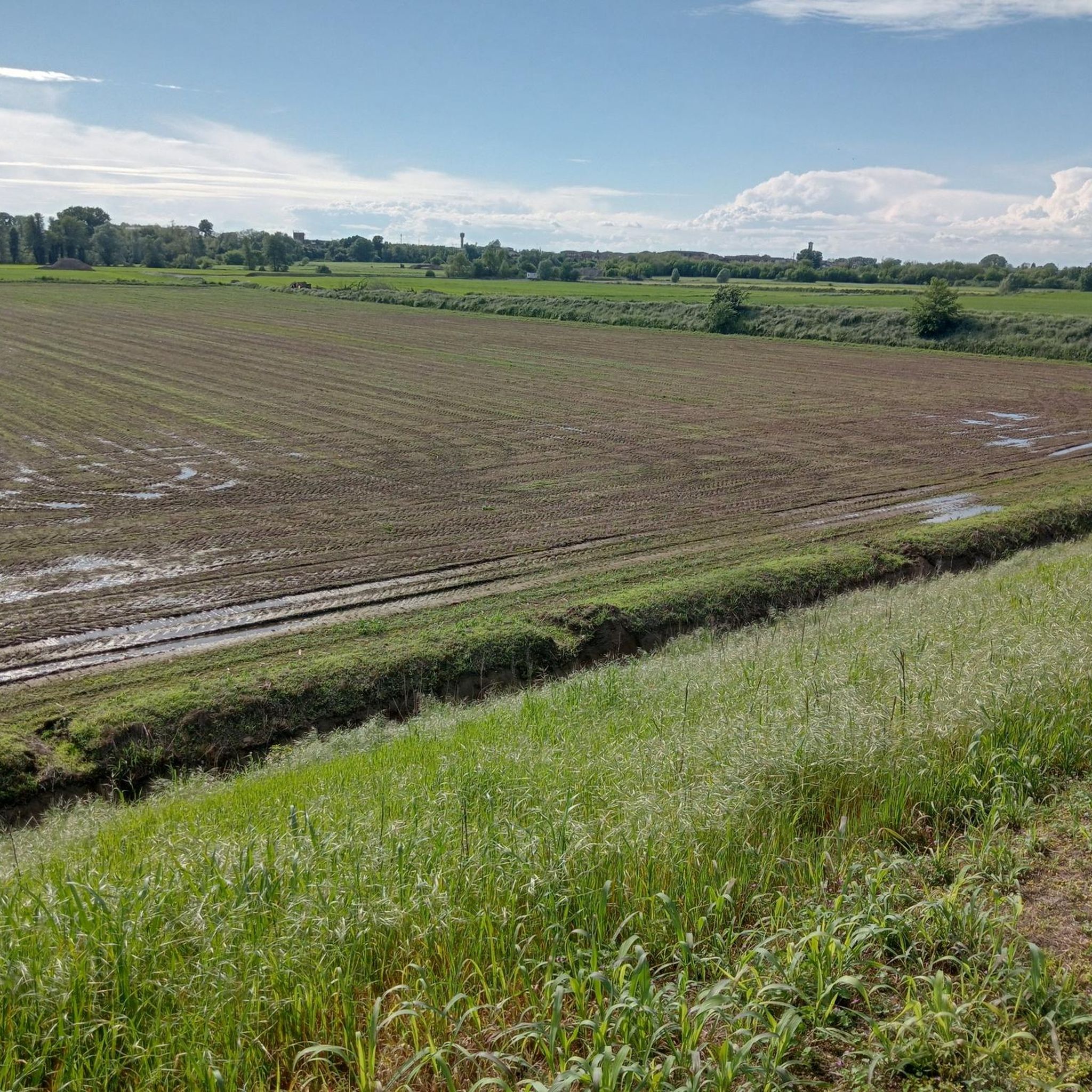
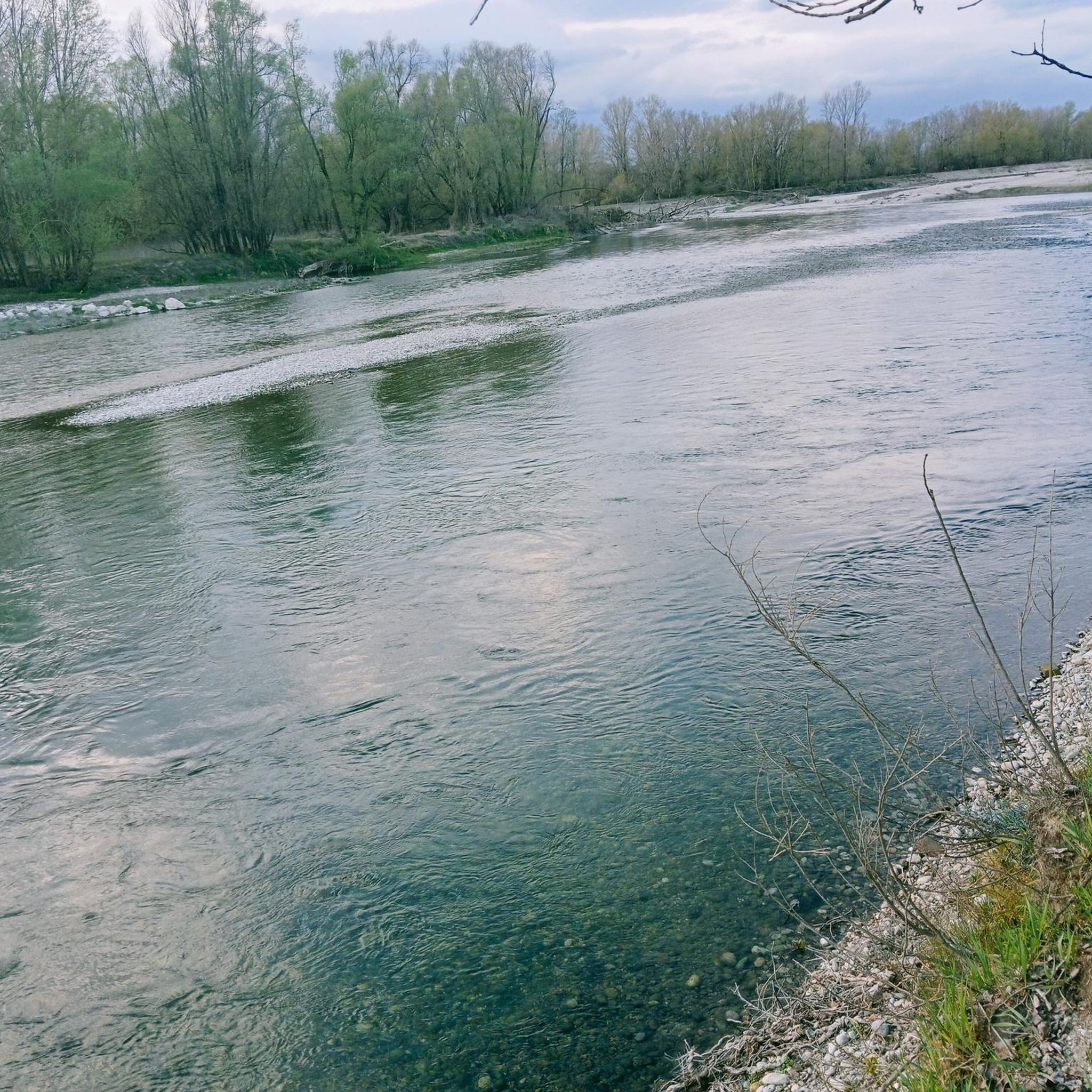
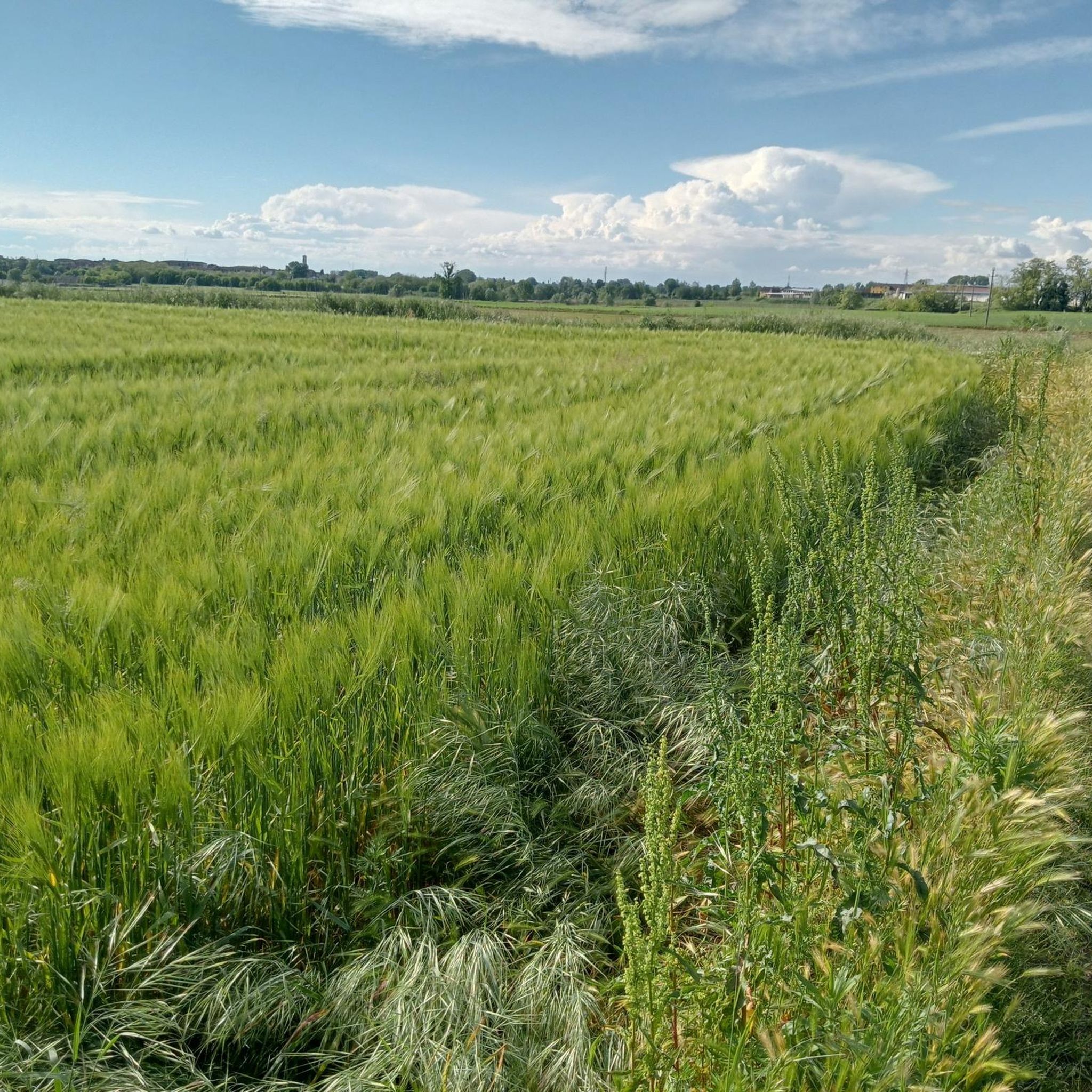
Road cycling routes around Lodi Vecchio are characterized by a predominantly flat and fertile plain, part of the larger Lombardy region in Italy. The landscape features extensive agricultural fields, vineyards, and tranquil pastures, providing a consistent terrain for road cyclists. The region is bordered by the Adda and Po Rivers, with the Adda River flowing near Lodi and featuring wooded areas and wetlands within the Parco Adda Sud.
Best road cycling routes around Lodi Vecchio
- The most popular road cycling…
Last updated: October 8, 2026
113
riders
81.7km
03:22
120m
120m
Moderate road ride. Good fitness required. Mostly well-paved surfaces and easy to ride.
3.1
(19)
102
riders
Moderate road ride. Good fitness required. Mostly well-paved surfaces and easy to ride.

54
riders
43.6km
01:46
160m
160m
Easy road ride. Great for any fitness level. Mostly well-paved surfaces and easy to ride.
5.0
(1)
41
riders
Moderate road ride. Good fitness required. Mostly well-paved surfaces and easy to ride.
4.5
(2)
86
riders
Moderate road ride. Good fitness required. Mostly well-paved surfaces and easy to ride.
Get access to more routes and recommendations from other explorers.
Already have an account?
Our route recommendations are based on thousands of hikes, rides, and runs completed by other people on komoot.
Start today with a free account
Your next adventure awaits.

Tips from the Community

Il Vicolo dei Lavandai is one of the most famous and characteristic historic corners of Milan, located along the Naviglio Grande (at number 14 Alzaia Naviglio Grande). It takes its name from the public wash house where workers – originally organized in an all-male association in the 19th century – used to wash clothes and linen on behalf of Milanese families. Only later was the activity also carried out by women. The "Brellin": The washermen used an original marble support and a slanted wooden board called "brellin", useful for kneeling and rubbing clothes with "palton" (a paste based on ash, soap, and soda). Today the name survives in the famous restaurant El Brellin overlooking the alley.
0
0
The territory of the municipality of Marzano (in the province of Pavia) and its immediate surroundings are crossed by important cycle tourism routes and local connections that link the Pavese to the Lodigiano and the Navigli system
0
0
The Church of San Materno Vescovo in Comazzo, an imposing 18th-century building, represents a significant example of Baroque religious architecture, enriched with Rococo details. The interior of the church is decorated with Rococo-style frescoes that, despite recent restorations, retain their grace and elegance intact, characterizing the atmosphere of spirituality and devotion that permeates the space. The church's facade is plastered with elegant exposed stone profiles. The portal, a solemn architectural element, is preceded by a porch that emphasizes its importance and access. Above the portal, a large lunette houses a rectangular window that allows light to filter inside, giving luminosity to the building. The crowning of the facade is marked by a triangular pediment, which adds a sense of balance and majesty to the composition. The bell tower, quadrangular and made of exposed stone, stands solemnly next to the church.
0
0
Work in the fields has been immortalized as a work of art through classical painting, land art, and the Asian tradition of rice paddy art.
0
0
Il Sentiero Adda e Muzza indicates a network of spectacular cycle-pedestrian and dirt routes in the Lombardy plain, ideal for mountain bikes, gravel bikes, and trekking. These paths mainly run along the banks of the Adda river and the artificial Muzza canal, touching the provinces of Milan, Lodi, and Cremona within the protected natural area of the Parco Regionale Adda Sud.
0
0

The legend of the deaf-mute child is linked to the Sanctuary of the Madonna delle Fontane, located in Casaletto Ceredano, in the province of Cremona (Lombardy). Tradition has it that before 1687, an eight-year-old deaf-mute boy named Abele got lost in the local marshes. The Madonna appeared to him, took care of him by making a fountain spring forth, and restored his hearing and speech.
0
0
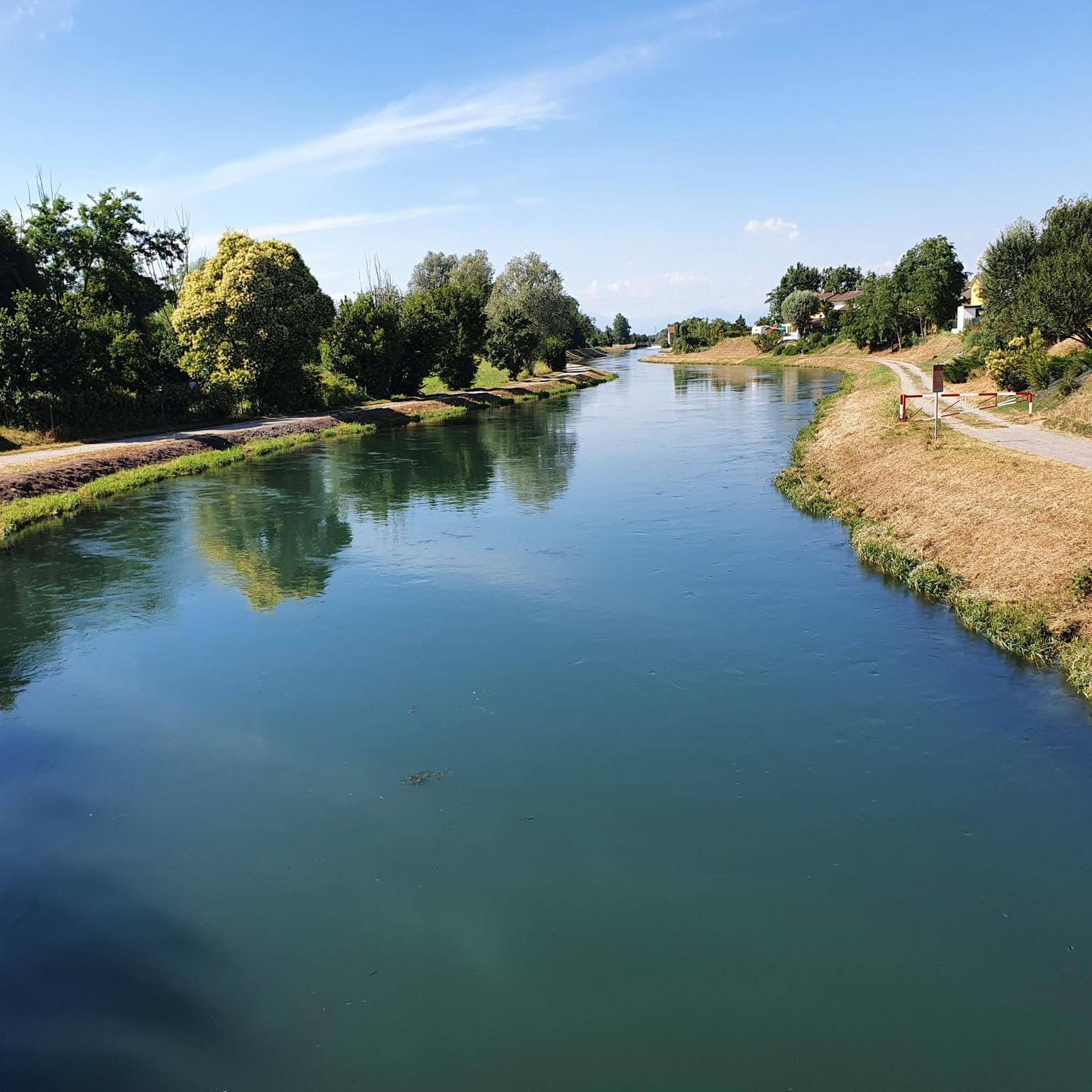
The bridge over the Muzza Canal, located in Lavagna (a hamlet of the municipality of Comazzo in the province of Lodi), is a historical landmark for crossing this ancient artificial waterway. The Muzza is a branch of the Adda river, known for being one of the oldest canals in Europe. Lavagna Lodigiana is a small rural village immersed in the countryside that develops right next to the canal. The bridge area is frequented by cyclists and hikers who travel along the Muzza cycle path or the Muzza-Ponte di Lavagna route, enjoying the river landscape.
1
0
The Adda River is the fourth longest watercourse in Italy with its 313 kilometers and is entirely within the Lombardy region. It represents one of the main left tributaries of the Po River and has a very large hydrographic basin that covers about a third of the regional territory.
1
0
Frequently Asked Questions
How many road cycling routes are available around Lodi Vecchio?
There are nearly 350 road cycling routes around Lodi Vecchio, with over 110 classified as easy, more than 210 as moderate, and about 20 offering a more challenging experience. The broader Lodigiano area boasts over 500 kilometers of cycling networks, including more than 250 km of dedicated cycle paths.
What kind of terrain can I expect on road cycling routes near Lodi Vecchio?
The terrain around Lodi Vecchio is predominantly flat and fertile, characterized by extensive agricultural fields, vineyards, and tranquil pastures. You'll find consistent, smooth surfaces ideal for road cycling, often along riverbanks like the Adda, offering picturesque views without significant climbs.
Are there easy road cycling routes suitable for beginners or families in Lodi Vecchio?
Yes, Lodi Vecchio offers over 110 easy road cycling routes, perfect for beginners or families looking for a relaxed ride. These routes typically traverse flat agricultural areas and often follow dedicated cycle paths, providing a safe and enjoyable experience. An example of an easy route is the Graffignana Cycle Bridge – Banine Ascent: The Woods loop from Borgo San Giovanni, which is 41.6 km long.
What are some scenic points of interest I can see along the road cycling routes?
Many routes offer views of the region's natural beauty, including the Adda River and its associated wetlands within the Parco Adda Sud. You might also encounter historical sites and charming rural landscapes. For specific landmarks, consider routes that pass near the Old Adda River Bridge or historical structures like Rocca Brivio.
Are there any challenging road cycling routes with significant elevation gain?
While the region is largely flat, there are about 20 routes classified as difficult, offering slightly more elevation gain compared to the predominantly flat landscape. These routes provide a bit more of a workout while still enjoying the scenic countryside. For instance, the Ciaparat Chapel – Basilica of San Bassiano loop from Tavazzano, a moderate route, includes nearly 300 meters of elevation gain over its 66.9 km.
What do other road cyclists enjoy most about road cycling in Lodi Vecchio?
The komoot community highly rates road cycling in Lodi Vecchio, with an average score of 4.3 stars from over 200 reviews. Cyclists often praise the predominantly flat and well-maintained routes, the peaceful agricultural landscapes, and the opportunities to explore historical points of interest and natural areas like the Parco Adda Sud.
Can I find circular road cycling routes around Lodi Vecchio?
Yes, many of the road cycling routes around Lodi Vecchio are designed as loops, allowing you to start and end your ride in the same location. This is convenient for exploring the region without needing to arrange return transport. Examples include the Graffignana Cycle Bridge – Ciaparat Chapel loop from Borgo San Giovanni and the Basilica of San Bassiano – Graffignana Cycle Bridge loop from Tavazzano.
What is the best time of year for road cycling in Lodi Vecchio?
The best time for road cycling in Lodi Vecchio is typically during spring (April to June) and early autumn (September to October). During these months, the weather is generally mild and pleasant, with less heat than summer and fewer chances of rain or cold than winter, making for ideal cycling conditions across the flat plains.
Are there places to eat or stay near the cycling routes in Lodi Vecchio?
The Lodi region, including areas near Lodi Vecchio, offers various options for refreshments and accommodation. Many routes pass through or near small towns and villages where you can find cafes, restaurants, and agriturismi. The main town of Lodi itself provides a wider range of services for cyclists.
Are there any historical sites or castles I can visit while road cycling?
Yes, the region is rich in historical and cultural sites. You can integrate visits to places like Rocca Brivio, the Bolognini Castle of Sant'Angelo Lodigiano, or the Melegnano Castle into your cycling tours. The city of Lodi also features the historic Victory Square and its 12th-century Cathedral.
Is it possible to combine road cycling with nature observation in Lodi Vecchio?
Absolutely. The region's proximity to the Adda River and areas like the Parco Adda Sud provides excellent opportunities for nature observation. You can cycle through wooded areas, wetlands, and even spot wildlife, such as nesting storks at the Stork Visitor Center in Castiglione d'Adda, or explore the canals and ponds of the Paradiso Fish Park.
Where can I find more information about cycling in the Lodi area?
For additional information and resources about cycling in the broader Lodi area, including details on local initiatives and events, you can visit the official tourism website for the region: visitlodi.com.
Most popular routes around Lodi Vecchio
Most popular attractions around Lodi Vecchio

Get inspired with the komoot mobile app


Explore more
Browse the best Road cycling routes in other regions.
