Attractions and Places To See around Romanengo - Top 20
Best attractions and places to see around Romanengo, a municipality in the Province of Cremona, Italy, offer a blend of historical sites, significant hydraulic engineering, and natural landscapes. While the town itself is small, the surrounding region provides diverse points of interest for exploration. The area is characterized by its agricultural plains and a network of canals crucial for irrigation, alongside historical fortifications and natural reserves. These features contribute to a varied outdoor experience for visitors.
Best attractions and places…
Last updated: July 6, 2026
Tombe Morte (and 13 bridges)
Highlight • Structure
Translated by Google •
Tip by

Martinengo Castle
Highlight • Castle
Translated by Google •
Tip by

Sign up now to discover places like this
Get recommendations on the best single tracks, peaks, & plenty of other exciting outdoor places.
Sign up for free
Sforza Castle in Soncino
Highlight • Castle
Translated by Google •
Tip by
Canale Vacchelli Cycle Path
Highlight • Cycleway
Translated by Google •
Tip by

Palata Menasciutto Reserve
Highlight • Natural
Translated by Google •
Tip by
Sign up for free to discover even more attractions around Romanengo.
Sign up for free
Already have an account?
Start today with a free account
Your next adventure awaits.
Login or Signup

Tips from the Community

Soncino: a journey through time amidst walls and mysteries. In the heart of the Lombardy plain, Soncino offers a journey back in time. The majestic Sforza Castle, with its imposing towers and intact moat, tells stories of battles and ancient splendor. Strolling through the village's alleys, you'll discover secret corners, hidden frescoes, and a medieval atmosphere that will make you feel like you're in a fairytale. Perfect for those seeking an adventure between history and nature!
1
0

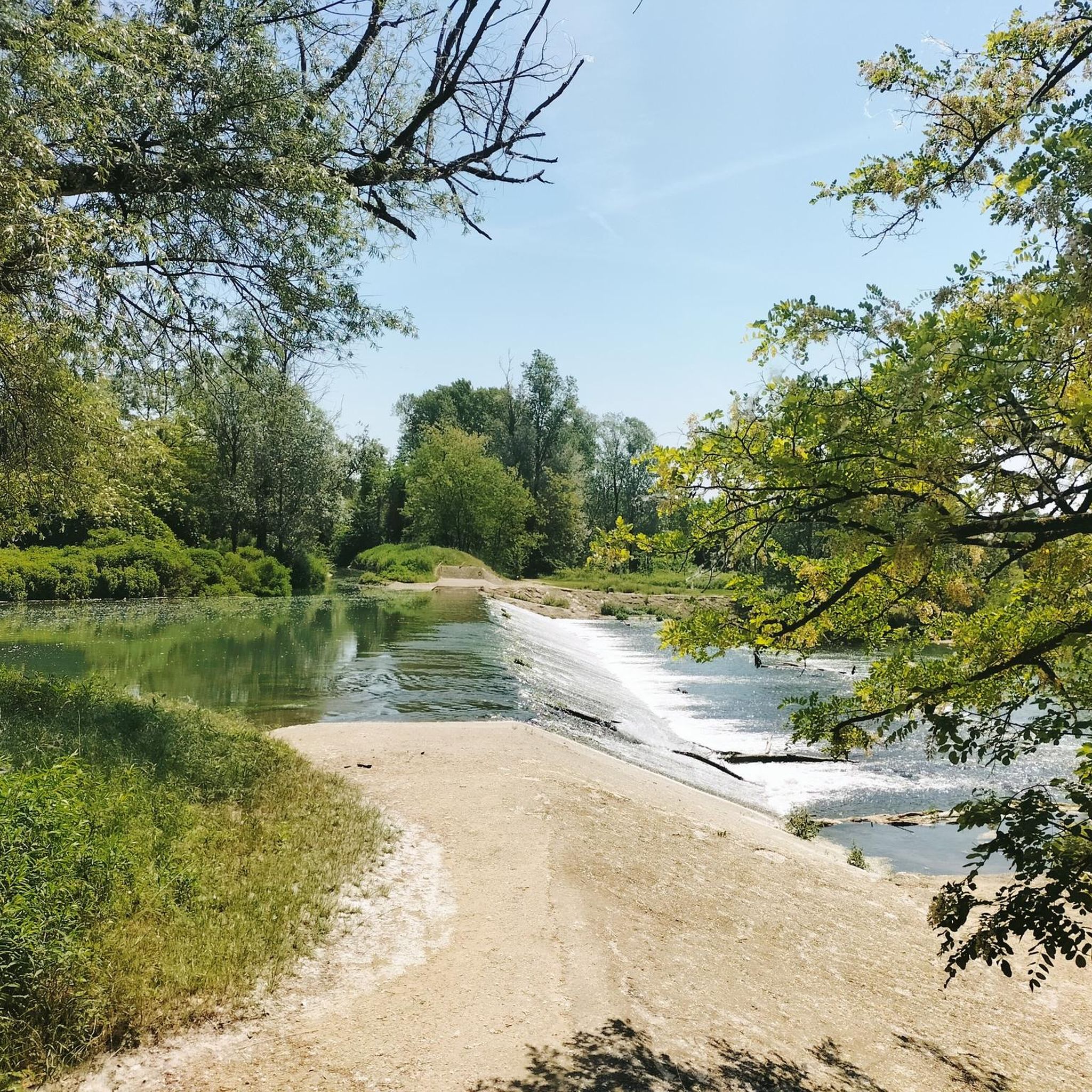
The hydraulic junction of the Tombe Morte-Tredici Ponti constitutes the most important concentration of artificial waterways in the province of Cremona, irrigating approximately 85,000 hectares of countryside. Here the Naviglio Civico di Cremona, the Naviglio Grande Pallavicino and the Canale Vacchelli intersect, the latter pouring almost all of its flow into the Naviglio Pallavicino, the Naviglio Civico and a dozen irrigation ditches through an impressive system of locks. Finally, a spillway, built between 1968 and 1981, detaches from the junction, which discharges any excess flow from the Naviglio Civico, the Naviglio Pallavicino and the Vacchelli into the Oglio river. Two different hypotheses have been made regarding the origin of the name, the first would originate from the term tomba which is synonymous with siphon, a hydraulic element that connects two conduits. Probably some of these artifacts would have fallen into disuse, hence the adjective death. Another hypothesis is linked to the discovery of several dozen burials dating back to the late Roman era.
23
0

The intersection of these channels is very suggestive
5
0

Nice route. Areas I frequent often. A tip. Po, proper name of river, is written as you see it written here, without accent.
0
0

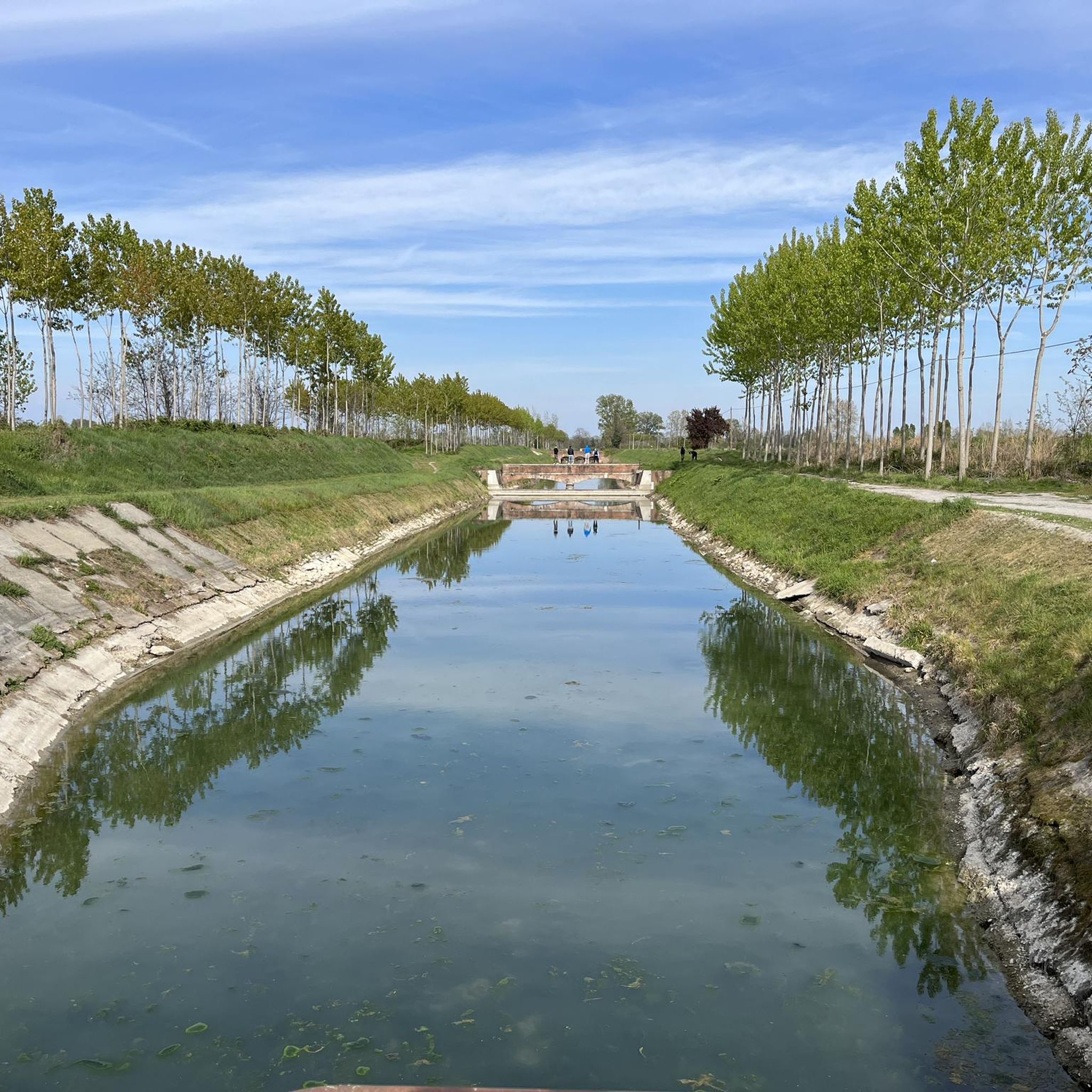
The Pietro Vacchelli canal is an important hydraulic work from the late 1800s built by the Consorzio Irrigazioni Cremonesi to irrigate 80 thousand hectares of the Cremona countryside in the stretch between the Adda River and the Tombe Morte locality in Genivolta.
0
0

nice road great surface
0
0


The Pietro Vacchelli canal, formerly Canale Marzano from the locality where the water intake from the Adda river is located, flows from west to east in the Middle Lombardy Plain and constitutes the largest hydraulic work for irrigation in the territory of the province of Cremona. Built by the Cremonesi Irrigazioni Consortium between 1887 and 1892, on the proposal of the engineer. Pietro Vacchelli (whose name he took after his death in 1913), with the aim of resolving the serious agricultural crisis of the second half of the 19th century caused by backward cultivation systems. It, in an almost exclusively straight path, transports 38.5 cubic meters of water per second up to the locality "Tombe Morte", in the Municipality of Genivolta, where its waters join those derived from the Oglio river.
2
0
Frequently Asked Questions
What kind of historical sites can I explore near Romanengo?
The area around Romanengo offers several historical sites. A prominent example is the Sforza Castle in Soncino, a well-preserved fortress built between 1473 and 1475, which played a crucial defensive role. You can also visit the Sanctuary of Santa Maria del Marzale, an ancient countryside sanctuary with historical significance.
Are there any natural areas or reserves to visit around Romanengo?
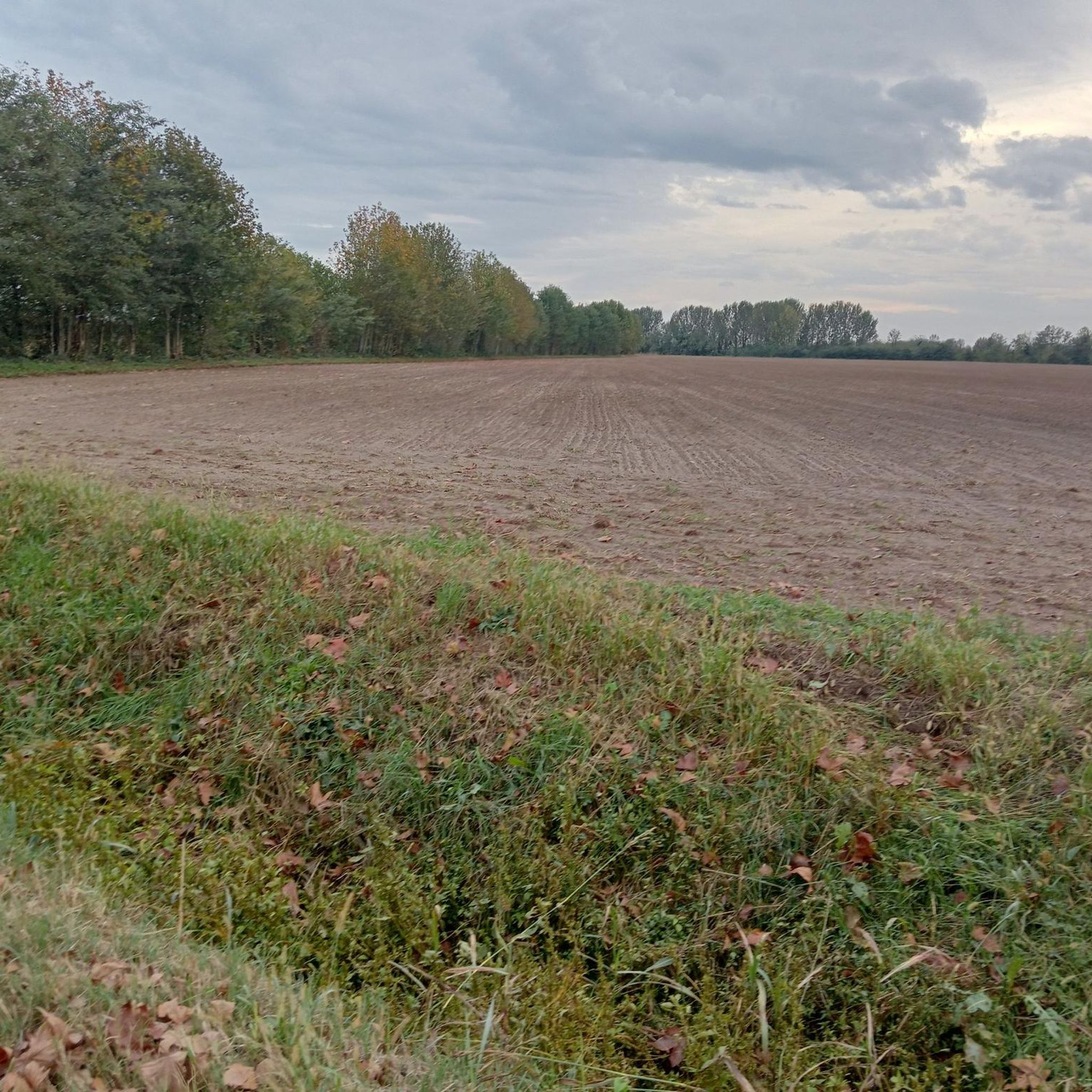
Yes, you can explore natural areas such as the Palata Menasciutto Reserve. This splendid reserve is located within the Serio River Regional Park and offers beautiful landscapes along the Serio river, with dirt roads perfect for exploration.
What unique hydraulic engineering sites are there to see near Romanengo?
The region is known for its significant hydraulic engineering. A must-see is Tombe Morte (and 13 bridges), an important hydraulic junction where several artificial waterways intersect, crucial for irrigating vast agricultural lands. Another notable site is the Canale Vacchelli Cycle Path, which follows the largest hydraulic work for irrigation in the Cremona province, featuring numerous stone bridges.
Are there family-friendly attractions around Romanengo?
Many attractions in the area are suitable for families. Both Tombe Morte (and 13 bridges) and the Canale Vacchelli Cycle Path offer easy cycling routes on dirt and gravel paths, perfect for family outings. The historic Sforza Castle in Soncino is also a great educational and engaging visit for all ages.
What kind of cycling opportunities are available near Romanengo?
The area is excellent for cycling, especially along the extensive network of canals. The Canale Vacchelli Cycle Path is a popular gravel path following a major irrigation canal. You can find various road cycling routes, including easy loops like the 'Routine Loop from Romanengo' or longer moderate rides. For more options, explore the Road Cycling Routes around Romanengo guide.
Where can I find hiking trails around Romanengo?
Hiking opportunities are available, particularly in natural areas. The Palata Menasciutto Reserve offers trails along the Serio River. You can find moderate hiking routes such as the 'Palata Menasciutto Waterfall – Trail Along the Serio River loop from Ricengo' or explore trails around Soncino Castle. For detailed hiking options, refer to the Hiking around Romanengo guide.
Are there opportunities for running or jogging near Romanengo?
Yes, the flat terrain and canal paths provide good conditions for running. You can find various running trails, including loops around the Canale Vacchelli or longer routes like the 'Tombe Morte (and 13 bridges) – The Dragonfly Garden loop from Ticengo'. For more running options, check the Running Trails around Romanengo guide.
What do visitors enjoy most about the attractions near Romanengo?
Visitors particularly appreciate the blend of historical significance and natural beauty. The intricate hydraulic systems like Tombe Morte are often described as fascinating, offering unique insights into the region's engineering heritage. The cycling paths, especially along the Canale Vacchelli, are loved for their scenic routes and tranquil atmosphere. The grandeur of the Sforza Castle in Soncino also leaves a strong impression.
What is the best time of year to visit Romanengo and its surroundings?
The best time to visit Romanengo and its surrounding attractions, especially for outdoor activities like cycling and hiking, is typically during the spring (April to June) and autumn (September to October). During these seasons, the weather is generally mild and pleasant, making it ideal for exploring the canals, natural reserves, and historical sites without the intense heat of summer or the chill of winter.
Are there any dog-friendly trails or parks in the Romanengo area?
Many of the outdoor areas around Romanengo, particularly the dirt paths along the canals like those near Tombe Morte and the Canale Vacchelli Cycle Path, are suitable for walks with dogs. The Palata Menasciutto Reserve also offers natural trails where dogs are generally welcome, provided they are kept on a leash and owners clean up after them.
How can I get around to these attractions from Romanengo?
Given the rural nature of Romanengo and its surroundings, having a car is generally the most convenient way to reach many of the attractions, especially those further afield like the Sforza Castle in Soncino or the Palata Menasciutto Reserve. For attractions closer by or along the canals, cycling is an excellent option, as many paths are designed for bikes.
Are there any hidden gems or less-known spots worth discovering near Romanengo?
While not widely publicized, the intricate hydraulic gear at Tombe Morte (and 13 bridges) is considered a fascinating and unique site, often described as a 'tangle of canals, sluices, and bridges.' It's a place where you can truly appreciate the historical engineering of the region away from more conventional tourist crowds. The Sanctuary of Santa Maria del Marzale also offers a quiet, reflective experience in a picturesque setting.
Most popular routes around Romanengo
Most popular attractions around Romanengo

Get inspired with the komoot mobile app


Explore more
Still not found the Highlight you’re looking for? See guides of the top attractions in other regions:
