The best cycling routes around Bordolano
4.2
(223)
1,761
riders
222
rides
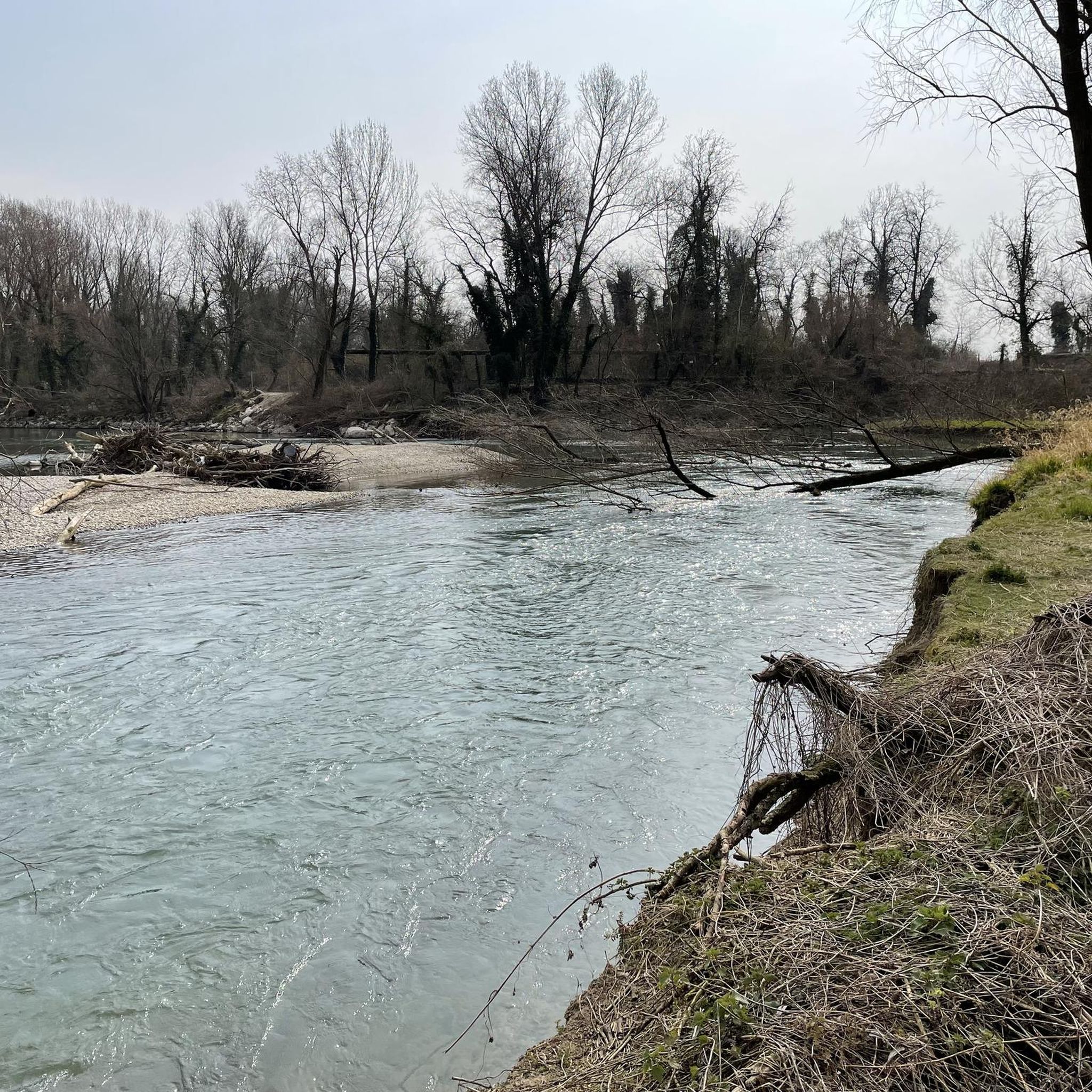
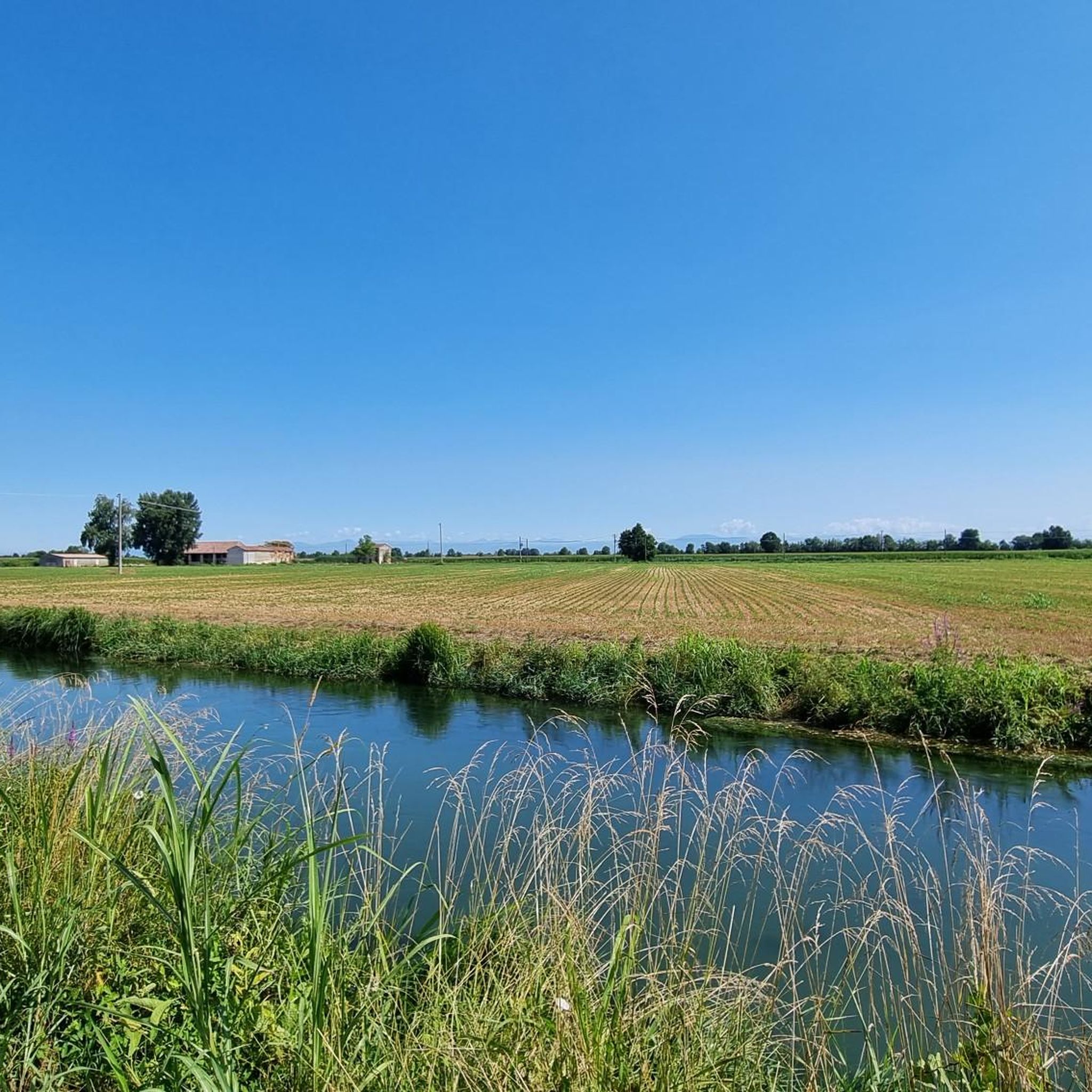
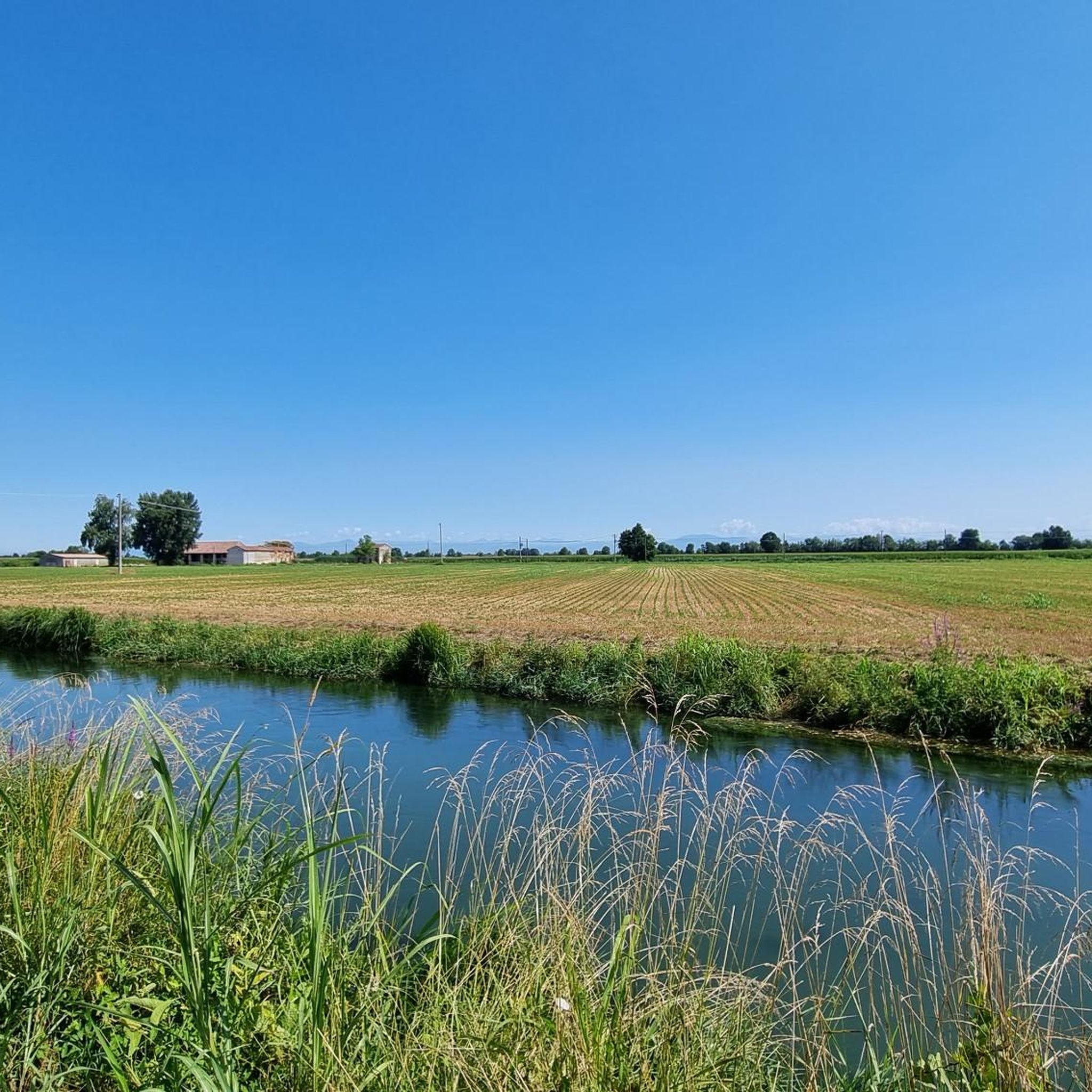
Touring cycling around Bordolano offers routes through the Po Valley, characterized by its flat terrain and agricultural landscapes. The region is situated within the Parco dell'Oglio Nord, featuring the Oglio River as a central natural element. Cyclists can explore riparian woods, cultivated fields, and artificial lakes, providing a diverse environment for cycling.
Best touring cycling routes around Bordolano
- The most popular touring cycling route is Bridge over the Oglio River – Villagana Village loop from Quinzano d'Oglio, a 30.9…
Last updated: October 4, 2026
5.0
(2)
39
riders
Moderate bike ride. Good fitness required. Mostly paved surfaces. Suitable for all skill levels.
5.0
(1)
15
riders
Easy bike ride. Great for any fitness level. Mostly paved surfaces. Suitable for all skill levels.

10
riders
Easy bike ride. Great for any fitness level. Mostly paved surfaces. Suitable for all skill levels.
10
riders
Moderate bike ride. Good fitness required. Mostly paved surfaces. Suitable for all skill levels.
3.5
(2)
8
riders
Easy bike ride. Great for any fitness level. Mostly paved surfaces. Suitable for all skill levels.
Get access to more routes and recommendations from other explorers.
Already have an account?
Our route recommendations are based on thousands of hikes, rides, and runs completed by other people on komoot.
Start today with a free account
Your next adventure awaits.


Tips from the Community

Pontevico is an Italian municipality of about 7,150 inhabitants located at the southern end of the province of Brescia, in Lombardy. The village stands in a historically strategic position along the Oglio river, which marks the natural border with the province of Cremona. The name derives from the Latin Pons Vici, which literally means "bridge of the village". The municipal territory is predominantly flat and includes the hamlets of Bettegno, Campazzo, Chiesuola and Toro. Local economy is historically divided between a strong agricultural vocation and an industrial textile development linked to the Bassa Bresciana district. The center is about 32 kilometers from the provincial capital Brescia and is easily reachable by car via the A21 motorway or by the Brescia-Cremona railway line.
0
0

Pure Gravel ride. With mixed stretches on asphalt to relax a bit. Alternating shade and sun, but I think mid-season is preferable. The stretch of Verolavecchia and Verolanuova is beautiful, with its architectural features. There are fun climbs and descents, for which, however, it's better to have good brakes (as always).
0
0

A visit to this unusual museum is definitely worthwhile. Current prices, opening hours, and restrictions can be found here: https://museoverticale.it/
4
0
The historic city of Cremona in Lombardy is dominated by a monumental bell tower, the Torrazzo. At 112 meters tall, it is the tallest brick bell tower in Europe and one of the most impressive medieval structures in Italy. The Torrazzo was built gradually between the 13th and 14th centuries as part of the cathedral complex. Its brick construction testifies to both the technical ingenuity of medieval builders and the city's ambition to express its power and importance. In 1583, a unique astronomical clock was added to the tower, which still fascinates with its accuracy. Climbing the Torrazzo is a spiritual journey from earth to heaven, and it is not difficult to ascend the 502 steps that lead to the final terrace to enjoy a breathtaking 360° panorama. The visit includes a stop in the rooms dedicated to the study of time and astronomy in the new Vertical Museum, which was inaugurated in November 2018. https://www.cattedraledicremona.it/torrazzo-interno/?lang=de
5
0

This brick tower, approximately 40 meters tall, is the bell tower of the ancient Romanesque church of Santa Maria della Neve, now lost. It is known as the Torre della Norma and is the historical symbol of Casalbuttano. Dating back to the 12th century, it retains the sober and massive appearance typical of medieval Lombard architecture. As you climb into the village, you immediately notice its imposing presence: a visual landmark that tells the story of the long history of this agricultural village in the Cremona plain.
1
0

A splendid Renaissance square dominated by the three figures of the Cathedral, the Baptistery, and the Torrazzo, which offers a panoramic view of the entire Po Valley.
2
0

Used for food preservation, in the winter it was filled with snow and straw: the straw had an insulating function, while the snow, with its weight, became ice compacting inside the structure. This allowed the preservation of food in the summer. We are in "Scorzarolo", an old abandoned village near Verolavecchia (BS), here the icehouse most likely served two dairies for the processing of dairy products. The icehouse or "neviera" is made in a truncated cone shape with a circular plan and walls, usually in brick masonry or, like the one in Scorzarolo, in bricks, the ceiling is made in a dome. There are small windows and an entrance, the structure is about 4m deep.
0
0

The Scorzarolo Ice House: Ingenuity and Tradition This circular brick structure, with an ogival roof and about four meters deep, was filled with snow in the winter to preserve food during the summer. It may also have had a public-health service function, making it a key element of rural life at the time.
0
0
Frequently Asked Questions
How many touring cycling routes are available around Bordolano?
There are over 220 touring cycling routes around Bordolano. This includes more than 100 easy routes, over 100 moderate routes, and around 20 more challenging options, catering to various skill levels.
What kind of landscapes can I expect to see while cycling near Bordolano?
Cycling around Bordolano offers a diverse range of landscapes, from the flat terrain of the Po Valley to riparian woods along the Oglio River. You'll pass through cultivated fields, discover artificial lakes like Laghi di Sancé and Laghi di Sambuceto, and experience the tranquility of the Parco dell'Oglio Nord. The region is known for its natural beauty, including ancient riverbeds and glimpses of distant mountains.
Are there any family-friendly touring cycling routes in Bordolano?
Yes, Bordolano offers several easy touring cycling routes suitable for families. These routes typically feature flat terrain and well-maintained paths. An example is the Villagana Village – Trail Along the Oglio River loop from Quinzano d'Oglio, which is an easy 27.2 km (16.9 miles) path, perfect for a relaxed family outing.
What are some notable landmarks or attractions I can visit along the cycling routes?
Many routes pass by interesting historical and natural landmarks. You can explore sites like Padernello Castle, the San Vigilio Bridge of Padernello, or the Sanctuary of the Blessed Virgin of Ariadello. The region also features the Tombe Morte (and 13 bridges), offering a blend of history and scenic views.
Are there any circular touring cycling routes available?
Yes, many touring cycling routes around Bordolano are designed as loops, allowing you to start and end at the same point. A popular moderate circular route is the Cyclopedestrian Bridge over the Oglio – Strone River Park loop from Bordolano, which covers 35.8 km (22.3 miles) and includes a unique cyclopedestrian bridge.
What is the best time of year to go touring cycling in Bordolano?
The best time to go touring cycling in Bordolano is generally during the spring and autumn months when the weather is mild and pleasant. The region's flat terrain makes it accessible for cycling for much of the year, but avoiding the peak heat of summer or the colder, potentially wetter days of winter will enhance your experience.
What is the typical elevation gain on touring cycling routes in this area?
Given Bordolano's location in the Po Valley, most touring cycling routes are relatively flat with minimal elevation gain, making them suitable for all fitness levels. For instance, the Padernello Castle – The "trullo" of Verolavecchia loop from Quinzano d'Oglio, an easy 24.4 km (15.2 miles) route, has less than 50 meters of elevation gain.
What do other touring cyclists say about the routes in Bordolano?
The touring cycling routes in Bordolano are highly regarded by the komoot community, with an average rating of 4.0 stars from over 200 reviews. Cyclists often praise the quiet, scenic paths along the Oglio River, the well-integrated cycling infrastructure, and the opportunity to explore charming villages and natural features like the artificial lakes.
Is Bordolano part of any larger cycling networks or famous routes?
Yes, Bordolano is strategically located within the Parco dell'Oglio Nord and is integrated into the renowned Ciclovia dell'Oglio. This extensive 280-kilometer route, awarded as one of Italy's most beautiful cycle paths, traverses Lombardy from the Alps to the Po River, offering a journey through diverse environments. The local routes connect seamlessly with this broader network.
Are there any routes that feature historic bridges or chapels?
Absolutely. The region's history is often reflected in its infrastructure. A great example is the Ponte Vecchio di Calvatone – Cappella di Acqualunga loop from Quinzano d'Oglio. This 49.3 km (30.6 miles) route leads you through areas featuring historic bridges and chapels, offering a cultural dimension to your ride.
Where can I find parking for cycling routes in Bordolano?
While specific parking areas for each route are not detailed, the presence of numerous cycling paths, especially those integrated with the Ciclovia dell'Oglio, suggests that parking is generally available in or near the starting points of routes in local towns and villages. Look for designated parking in Quinzano d'Oglio or Bordolano itself, particularly near public parks or community centers.
Are there any routes that specifically follow the Oglio River?
Many routes in the Bordolano area closely follow the Oglio River, which is a central natural feature of the region. These paths often wind through riparian woods and offer picturesque views of the river. The Bridge over the Oglio River – Villagana Village loop from Quinzano d'Oglio is a prime example, offering continuous views of the Oglio River and local villages over its 49.7 km (30.9 miles).
Most popular routes around Bordolano
Most popular attractions around Bordolano

Get inspired with the komoot mobile app


Explore more
Browse the best Cycling routes in other regions.
