The best walks and hikes around Tensfeld
4.5
(5377)
17,398
hikers
13
hikes
Hiking around Tensfeld offers diverse natural landscapes characterized by tranquil moors, meandering rivers, and scenic lakes. The region features well-maintained trails through re-naturalized peat extraction areas, mixed forests, and along river meadows. Terrain generally includes green forests and rolling hills, with elevations typically under 100 meters.
Best hiking trails around Tensfeld
- The most popular hiking route is Tarbeker Moor – View of Tarbeker Moor loop from Muggesfelderheide, a 3.9 miles (6.3 km) trail that takes 1 hour 36 minutes…
Last updated: October 8, 2026
4.8
(111)
275
hikers
6.27km
01:36
20m
20m
Easy hike. Great for any fitness level. Easily-accessible paths. Suitable for all skill levels.
4.3
(7)
19
hikers
21.6km
05:34
110m
110m
Hard hike. Very good fitness required. Easily-accessible paths. Suitable for all skill levels.

4.0
(6)
9
hikers
10.1km
02:36
50m
50m
Moderate hike. Good fitness required. Easily-accessible paths. Suitable for all skill levels.
5.0
(1)
13
hikers
5.83km
01:29
20m
20m
Easy hike. Great for any fitness level. Easily-accessible paths. Suitable for all skill levels.
4.5
(6)
24
hikers
4.76km
01:13
20m
20m
Easy hike. Great for any fitness level. Easily-accessible paths. Suitable for all skill levels.
Get access to more routes and recommendations from other explorers.
Already have an account?
Our route recommendations are based on thousands of hikes, rides, and runs completed by other people on komoot.
Start today with a free account
Your next adventure awaits.

Tips from the Community

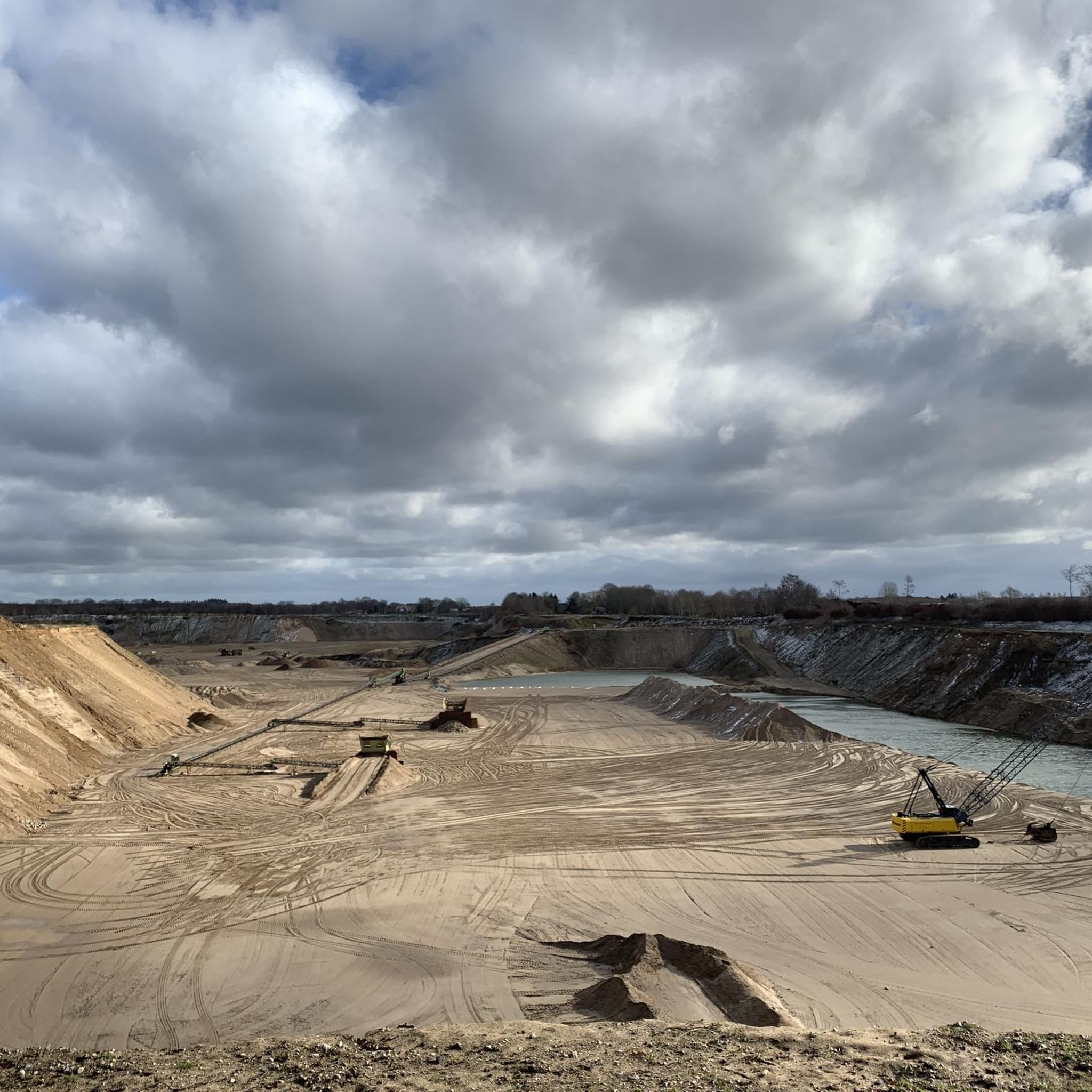
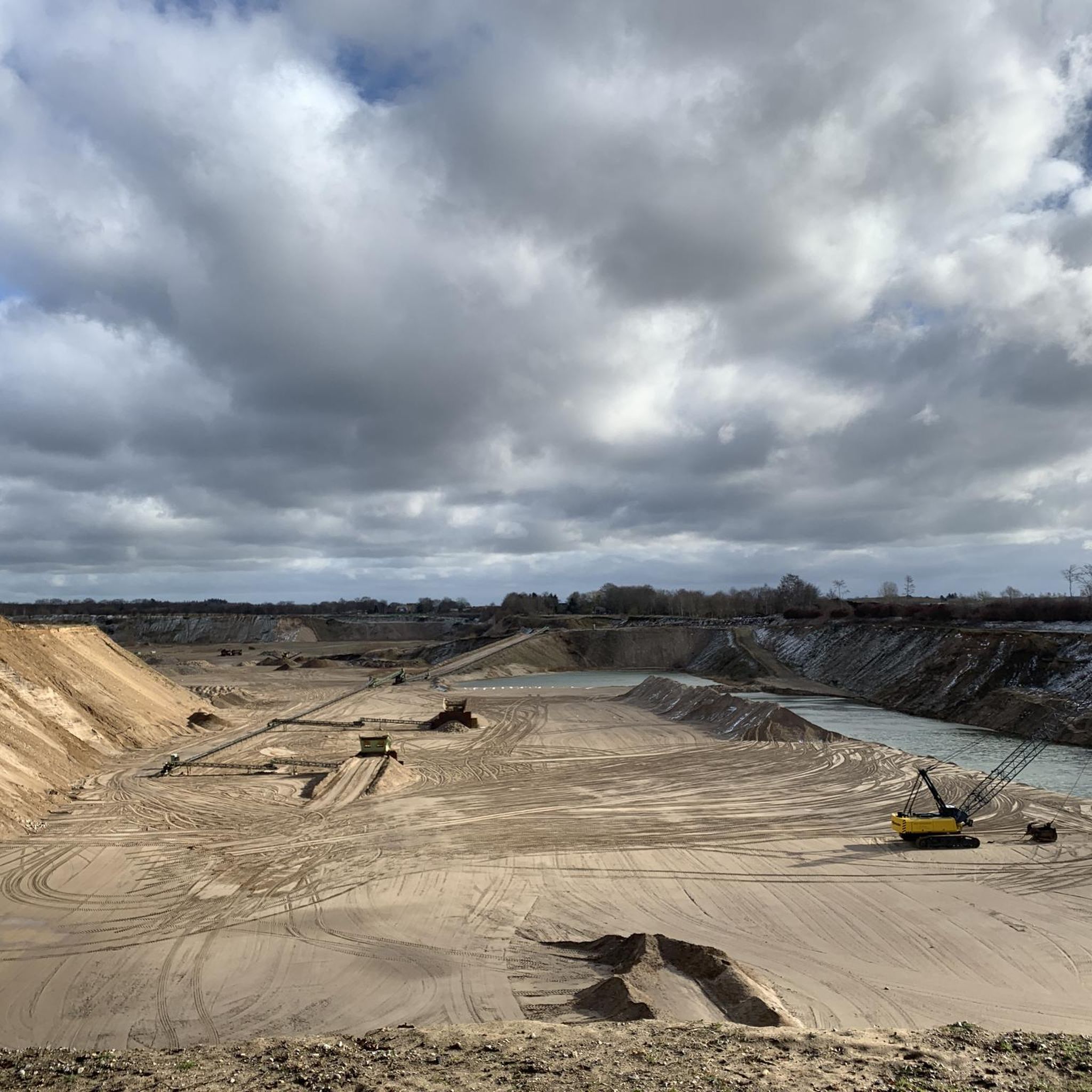
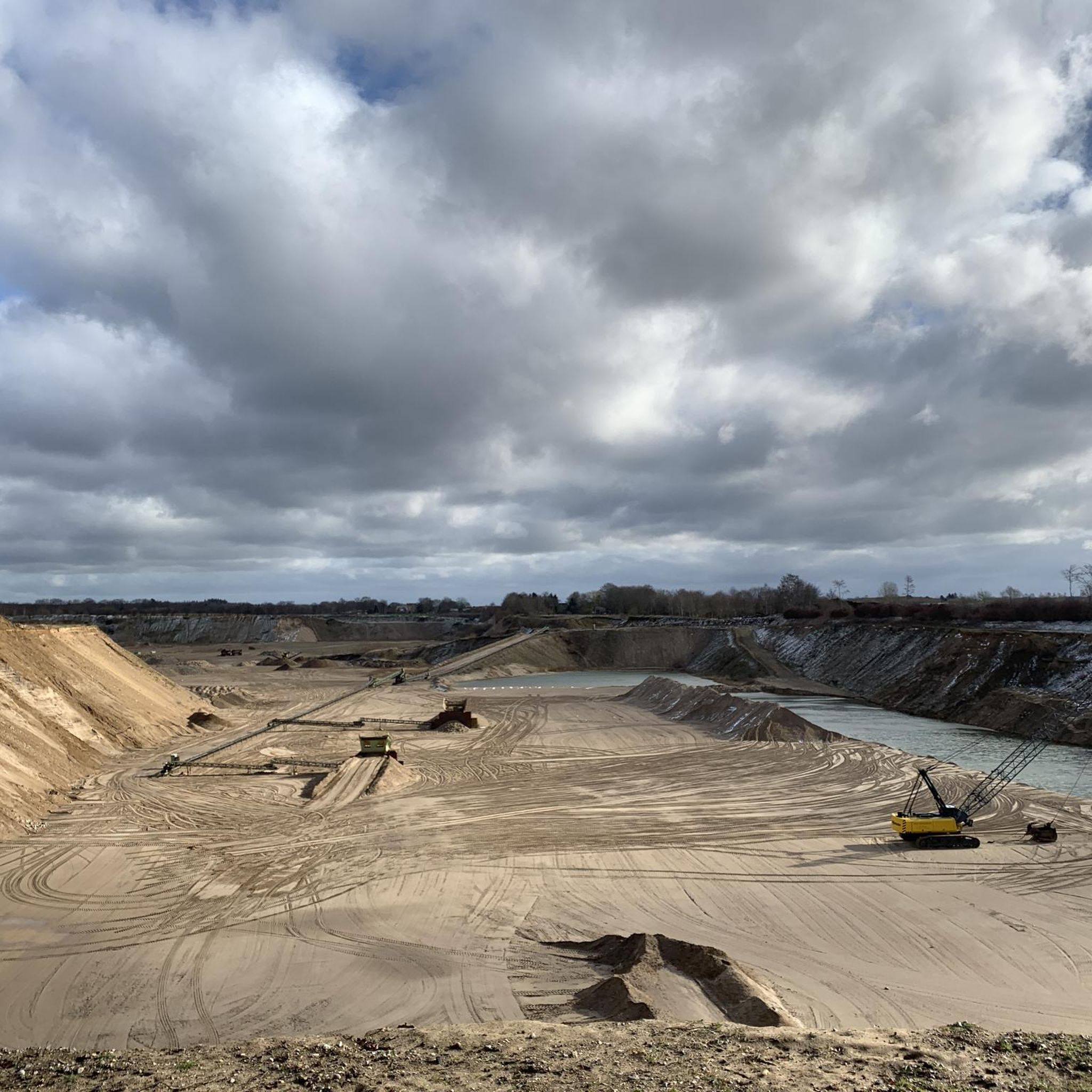
The Tarbeker Moor is the remnant of a larger moor complex that formed in a meltwater channel after the last ice age. The surrounding moors were drained and almost completely converted into grassland in the 19th and 20th centuries. The Tarbeker Moor was partially industrially drained down to the mineral subsoil from 1951 to 1990. The peat extraction led to the complete destruction of the high moor vegetation.
8
0
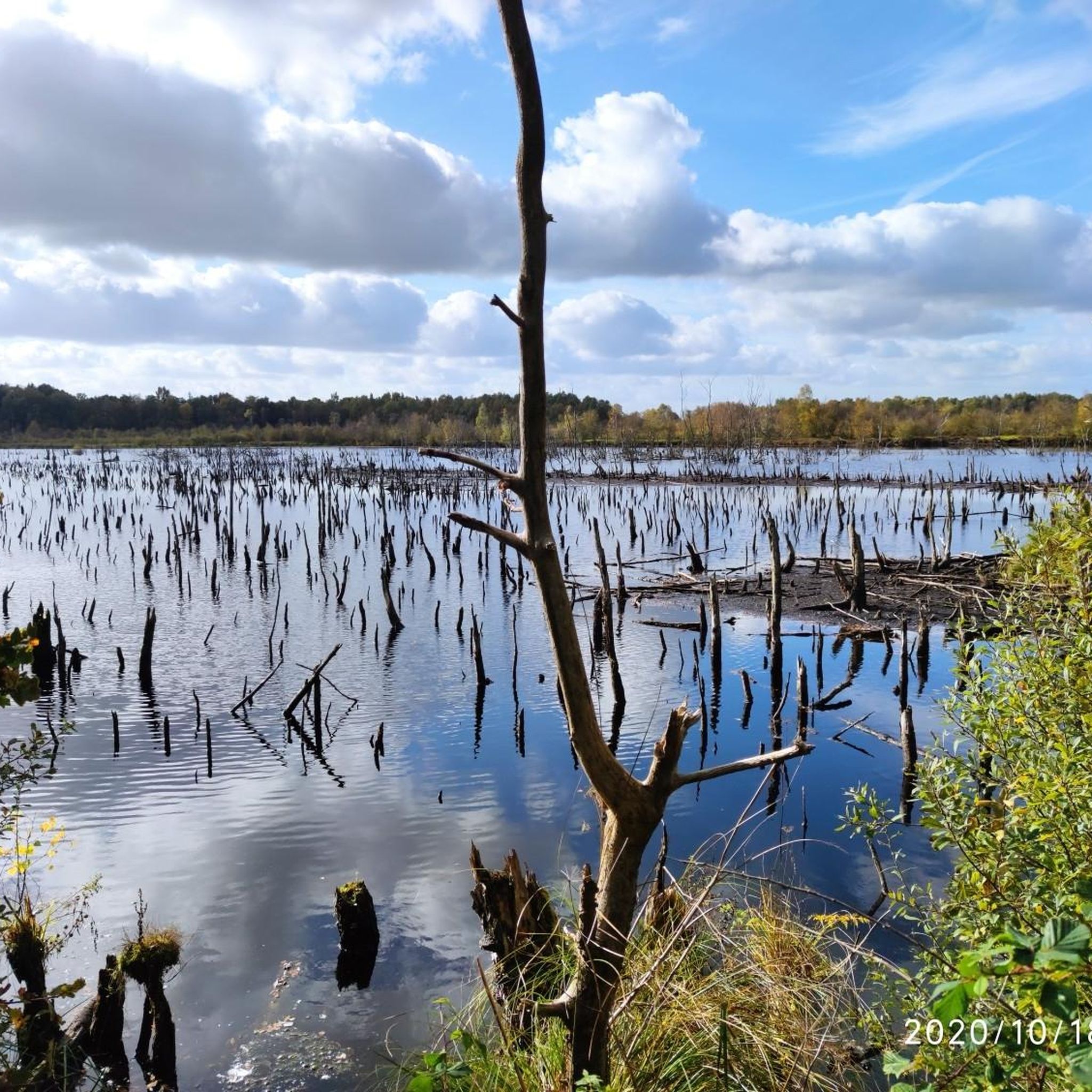
In 1991, the renaturation of the Tarbeker Moor (a raised bog still capable of renaturation) began. Through the impoundment of the water from the Tensfelder Au, as well as inflow from springs from the subsoil and from the slopes, a large-scale vegetation of transition and quaking bogs has developed on the former extraction areas. In the western shallow lakes, peat moss-rich quaking mats of Calla palustris (bog-calla) and open water areas with Utricularia vulgaris (common bladderwort) dominate. In the eastern excavation areas, extensive stands of Carex paniculata (great-panicled sedge), Carex pseudocyperus (pseudocyphel sedge), and Juncus effusus (soft-rush) interspersed with grey willows have formed. In places, rare peat mosses occur
9
0

The moor is a quiet, natural place. You can and should linger here peacefully.
1
0

Lake Nehms offers a beautiful beach with real sand, a spacious, well-maintained green area, and a lovely wooden bathing jetty. The beach is free to use and there is no lifeguard on duty – ideal for nature-based swimming. In June, the water quality is exceptionally clean. Clearly demarcated non-swimmer and swimmer zones ensure safety.
6
0
On the northern shore of Lake Nehms, there are several designated dog bathing areas – here's one of them. A particularly convenient feature: They're protected by a reed-free zone, so your four-legged friend can splash around in the water undisturbed. Note: Fishing is prohibited year-round at the dog bathing areas 😅
2
0


As part of the Holstein Switzerland Nature Park, the Tarbek Moor with its special charm is a popular excursion destination that gives you a variety of impressions. With its diverse composition of ponds and vegetation-free peat banks, it offers undisturbed insights into a mysterious-looking habitat. A moor birch forest borders dark ponds surrounded by snakeroot, dead birch trees in water-filled peat pits rise picturesquely into the sky and fields of waving cotton grass are reminiscent of images from Nordic legends. In the 131-hectare area, which was previously used as a peat extraction area, remnants of this use can still be seen today and carefree cycling and hiking from the Tarbek Moor to the Ihlsee in Bad Segeberg is possible both along former routes that have been preserved to this day and along the railway embankment that connected Bad Segeberg, Bornhöved and Kiel until 1960. https://www.blunkerbach-sh.de/tarbeker-moor
3
0
The path is 600 m off-grid along the lake shore. According to the tracks, it is a path frequented by red deer.
3
0
Frequently Asked Questions
What kind of terrain can I expect on hikes around Tensfeld?
The landscape around Tensfeld is characterized by diverse natural features. You'll find tranquil moors, such as the unique Tarbeker Moor, meandering rivers like the Tensfelder Au, and scenic lakes including Muggesfelder See. Trails often wind through green forests and rolling hills, with elevations typically remaining under 100 meters, making most routes accessible.
Are there any easy hiking trails suitable for families or beginners?
Yes, Tensfeld offers a good selection of easy trails. Out of the 13 available routes, 7 are classified as easy. A great option for a relaxed outing is the Tarbeker Moor – View of Tarbeker Moor loop from Muggesfelderheide, which is 3.9 miles (6.3 km) long and explores the unique moor ecosystem.
What natural features or wildlife can I expect to see while hiking in Tensfeld?
Tensfeld is rich in natural beauty and wildlife. The Tarbeker Moor, a Natura 2000 network site, is home to specialized flora like bog-rosemary and sundew, and wildlife such as northern emerald dragonflies, otters, and even sea eagles. Around Muggesfelder See, you might spot black woodpeckers and stock doves in the alder carr and mixed forests. The serene riverine environment of the Tensfelder Au also offers opportunities for nature observation.
Are there any circular hiking routes in the Tensfeld area?
Yes, many of the trails around Tensfeld are designed as loops, offering varied scenery without retracing your steps. For example, the Meadows by the Tensfelder Au loop from Tensfeld is a 3.0-mile (4.8 km) trail that takes you through peaceful river meadows.
What is the best time of year to go hiking in Tensfeld?
Tensfeld is enjoyable throughout much of the year. Spring and summer offer lush greenery and blooming nature. However, autumn is particularly noted for its beauty, especially in the Tarbeker Moor nature reserve, when the changing leaves paint the landscape with vibrant colors. The trails are generally well-maintained, making them accessible in most seasons.
Are there any longer or more challenging hikes available?
For those seeking a longer and more challenging experience, Tensfeld offers a difficult 13.4-mile (21.6 km) route: the Tarbeker Moor – Muggesfelder Moor loop from Tensfeld. This trail combines the unique ecosystems of both moors, providing a more extensive exploration of the region's natural landscapes.
What do other hikers say about the trails in Tensfeld?
The hiking trails in Tensfeld are highly regarded by the komoot community, with an average rating of 4.5 stars from over 3,400 reviews. Hikers often praise the tranquil natural settings, the well-maintained paths, and the diverse landscapes that offer something for all fitness levels.
Are there any notable landmarks or attractions near the hiking routes?
Yes, the region around Tensfeld features several interesting landmarks and natural attractions. You can explore the unique Tarbeker Moor, visit the serene Stocksee Nature Reserve, or discover historical sites like the Seedorf Gatehouse (Torhaus Seedorf). There are also several castles in the wider area, such as Ascheberg Castle.
Can I access hiking trails in Tensfeld using public transport?
While specific public transport connections to every trailhead can vary, Tensfeld is generally a rural area. It's advisable to check local bus schedules or consider driving to trailheads, as many routes start directly from the village of Tensfeld or nearby hamlets like Muggesfelderheide. Parking is typically available at common starting points.
Are there any moderate difficulty hikes for those looking for a bit more challenge?
Yes, Tensfeld offers 5 moderate hiking trails. A popular choice is the View of Tarbeker Moor – Tensfelder Au loop from Tensfeld. This 6.3-mile (10.1 km) path combines scenic views of the moor with sections along the Tensfelder Au river, providing a satisfying experience for hikers with some experience.
What kind of natural habitats are preserved in the Tensfeld region?
The Tensfeld region is dedicated to preserving diverse natural habitats. The Tarbeker Moor, for instance, is a re-naturalized former peat extraction area and part of the European Natura 2000 network, protecting unique ecosystems with ponds, vegetated peat banks, and birch forests. The Muggesfelder Moor and its adjacent lake also feature alder carr and mixed forests, contributing to the region's rich biodiversity.
Most popular routes around Tensfeld
Most popular attractions around Tensfeld

Get inspired with the komoot mobile app


Explore more
Browse the best Hikes in other regions.
