Attractions and Places To See around Vescovato - Top 20
Best attractions and places to see around Vescovato, Italy, include historical and religious sites set within a flat agricultural landscape. This commune, located near Cremona, is characterized by its waterways and cultivated fields. Visitors can explore significant local history and enjoy outdoor activities such as cycling. The area offers a blend of cultural landmarks and natural features within the lower Po Valley.
Best attractions and places to see around Vescovato
- The most popular attractions is Torrazzo of Cremona, a man-made monument that holds the record for being the tallest medieval brick bell tower in Europe. It stands 112.54 meters high and features an astronomical clock.
- Another must-see spot is Cathedral of Saint Mary of the Assumption, a religious building and main symbol of Cremona. This millennium-old cathedral is richly frescoed by Northern Italian masters.
- Visitors also love Chiesa di Comella, a 13th-century Romanesque church built entirely of terracotta. It features a beautiful altar, a crypt with columns, and a 15th-century fresco of the Madonna del Latte.
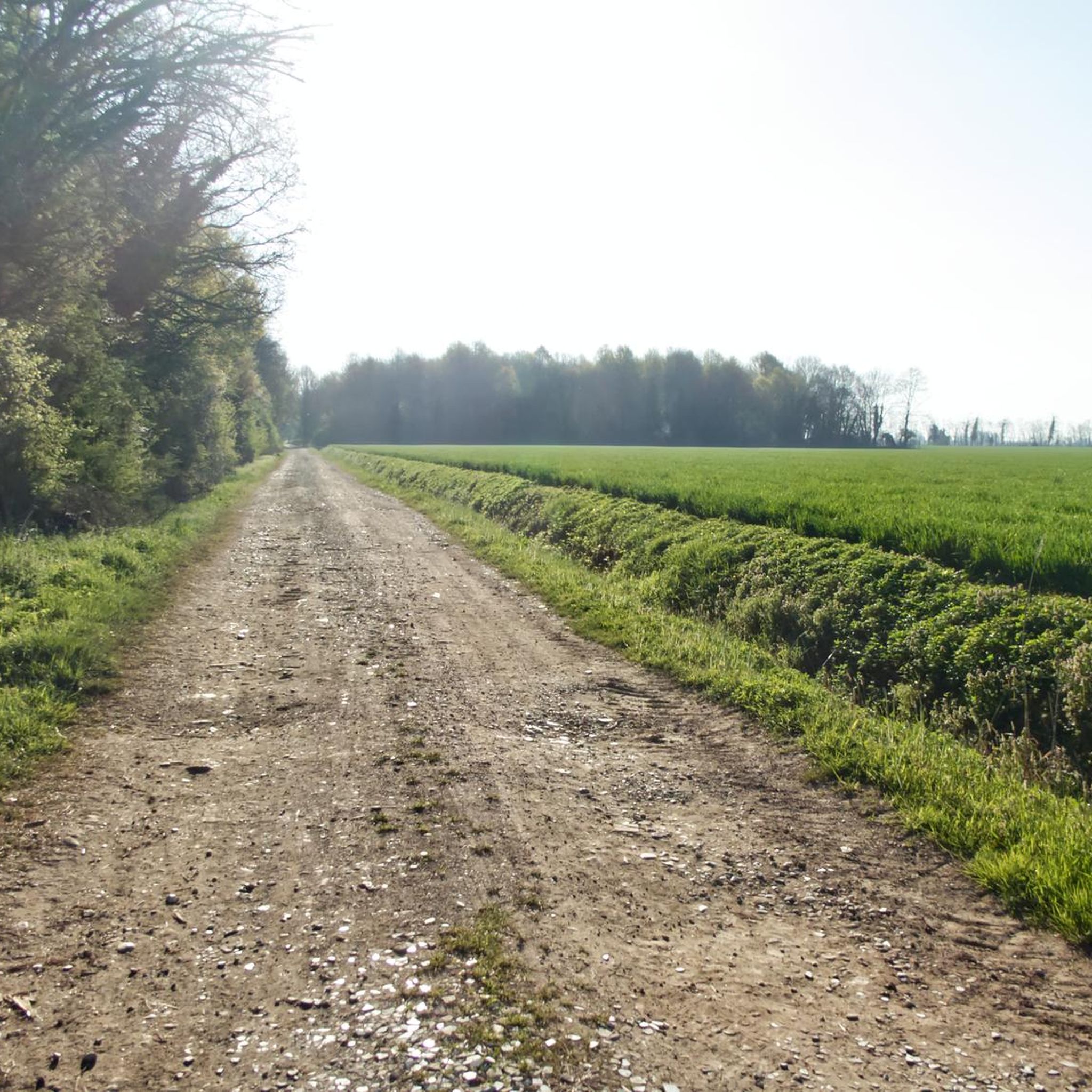
- Vescovato is known for its historical buildings, religious sites, and cycling routes. The region offers a variety of attractions to see and explore, from ancient churches to scenic paths along waterways.
- The attractions around Vescovato are appreciated by the komoot community, with more than 200 upvotes and over 250 photos shared by visitors.
Last updated: May 11, 2026
Torrazzo of Cremona
Highlight • Monument
Boasting the record of being the tallest medieval brick bell tower in Europe, it is 112.54 meters high. The astronomical clock, a true mechanical masterpiece, was created starting from 1582, the year of the Gregorian calendar reform, by Giovanni Francesco and Giovanni Battista Divizioli, while the decoration of the dial was entrusted to the painters Giovanni Battista Dordoni and Martire Pesenti.
Translated by Google •
Tip by

Cathedral of Saint Mary of the Assumption
Highlight • Religious Site
Translated by Google •
Tip by

Sign up now to discover places like this
Get recommendations on the best single tracks, peaks, & plenty of other exciting outdoor places.
Sign up for free
Chiesa di Comella
Highlight • Religious Site
Translated by Google •
Tip by

Baptistery
Highlight • Religious Site
The octagonal baptismal chapel from 1167 with its mighty dome houses an octagonal baptismal font made of red marble from the 16th century. Originally the baptismal chapel was made of brick, but in the Renaissance it was covered with white marble, although not completely.
Temporary exhibitions are held here, most of which are closely related to the baptismal church.
Translated by Google •
Tip by

Piazza Matteotti, Isola Dovarese
Highlight • Historical Site
Translated by Google •
Tip by

Sign up for free to discover even more attractions around Vescovato.
Sign up for free
Already have an account?
Start today with a free account
Your next adventure awaits.
Login or Signup

Tips from the Community

A visit to this unusual museum is definitely worthwhile. Current prices, opening hours, and restrictions can be found here: https://museoverticale.it/
1
0
The historic city of Cremona in Lombardy is dominated by a monumental bell tower, the Torrazzo. At 112 meters tall, it is the tallest brick bell tower in Europe and one of the most impressive medieval structures in Italy. The Torrazzo was built gradually between the 13th and 14th centuries as part of the cathedral complex. Its brick construction testifies to both the technical ingenuity of medieval builders and the city's ambition to express its power and importance. In 1583, a unique astronomical clock was added to the tower, which still fascinates with its accuracy. Climbing the Torrazzo is a spiritual journey from earth to heaven, and it is not difficult to ascend the 502 steps that lead to the final terrace to enjoy a breathtaking 360° panorama. The visit includes a stop in the rooms dedicated to the study of time and astronomy in the new Vertical Museum, which was inaugurated in November 2018. https://www.cattedraledicremona.it/torrazzo-interno/?lang=de
2
0
Cremona Cathedral (Duomo di Cremona) is the seat of the Bishop of Cremona. The Romanesque church also exhibits Gothic, Renaissance, and Baroque elements. Together with the Baptistery and the bell tower, the Torrazzo, it forms the city's most important architectural ensemble. The three buildings stand opposite the Town Hall on the eastern edge of the Piazza del Comune (the old Platea Maior of the medieval city). The main structural elements of the three buildings date from the late 12th to the 15th centuries. The Cathedral is a national monument. https://de.wikipedia.org/wiki/Dom_von_Cremona
1
0

I recommend a visit, the interior is stunning.
0
1
Stunning frescoes that completely decorate the interior
0
1
Magnificent interior with spectacular frescoes
0
1

Isola Dovarese is a gem set along the course of the Oglio River, a village that proudly preserves its historical soul. Walking along its streets means immersing yourself in a past made of Renaissance architecture and atmospheres of times gone by, where every stone tells of ancient glories and community life. The beating heart of the village is the splendid Piazza Matteotti, a large quadrangular space surrounded by porticoes, designed by the architects of the Vignola school. Here, every year, the Palio di Isola Dovarese brings the seventeenth century back to life: an event that transforms the village into a large open-air theater, among period costumes, flags in the wind and historical reenactments. But Isola Dovarese is also nature and slowness: the Oglio River embraces the village and invites contemplation, the discovery of paths that wind through woods and countryside. A place where history meets quiet and where every journey becomes an experience. (Anna)
0
0

The tallest brick tower in Italy is also a vertical museum about time measurement and astronomy.
2
0
Frequently Asked Questions
What historical and religious sites can I visit near Vescovato?
Near Vescovato, you can explore several significant historical and religious sites. The most prominent include the Torrazzo of Cremona, Europe's tallest medieval brick bell tower, and the magnificent Cathedral of Saint Mary of the Assumption, both located in nearby Cremona. Within the Vescovato area, don't miss the 13th-century Romanesque Chiesa di Comella, known for its terracotta construction and a 15th-century fresco. The Baptistery in Cremona, with its octagonal design and red marble font, is also a notable historical structure.
What natural attractions and outdoor activities are available around Vescovato?
Vescovato is set within the flat agricultural landscape of the lower Po Valley, rich in waterways. This environment is ideal for outdoor activities like cycling and nature photography. The Naviglio Civico di Cremona offers a 27-kilometer cycle path along an artificial canal, passing through natural areas like the Serio Park and Adda Sud Park. You can also find opportunities to explore the cultivated fields and historic farmhouses that characterize the region.
Are there family-friendly attractions or activities near Vescovato?
Yes, several attractions and activities near Vescovato are suitable for families. The Cathedral of Saint Mary of the Assumption and the Baptistery in Cremona are considered family-friendly cultural sites. For outdoor fun, the flat and easy Naviglio Civico di Cremona cycle path is perfect for family bike rides. Additionally, Le Vele Acquapark, located in the Province of Brescia, is a water park approximately 13.7 km away, offering a fun day out for all ages.
Are there good cycling routes around Vescovato?
Vescovato is an excellent starting point for cycling. The Naviglio Civico di Cremona cycle path is a highlight, following an artificial canal for 27 kilometers through protected natural areas. This flat route is suitable for all skill levels. For more options, you can explore various cycling routes in the area, including those connecting to the Po river park. Find detailed routes on the Cycling around Vescovato guide.
Can I find hiking trails near Vescovato?
While the Vescovato area is predominantly flat and known for cycling, there are hiking opportunities, particularly around nearby Cremona and along the waterways. Trails often follow the agricultural landscape and offer chances for nature observation. For specific routes and difficulty levels, consult the Hiking around Vescovato guide.
Where can I find scenic viewpoints near Vescovato?
The most prominent viewpoint near Vescovato is the Torrazzo of Cremona. Climbing this historic bell tower offers panoramic views of Cremona and the surrounding Po Valley, including the agricultural landscape around Vescovato. The flat terrain itself also provides picturesque vistas of cultivated fields and waterways, especially during sunrise or sunset.
What is the best time to visit Vescovato for sightseeing and outdoor activities?
The best time to visit Vescovato for sightseeing and outdoor activities is generally during spring and autumn. These seasons offer pleasant temperatures, which are ideal for exploring historical sites in Cremona and enjoying cycling or walking along the waterways without the intense heat of summer. The agricultural landscape is also particularly beautiful during these times.
What are some unique features of the <a href="https://www.komoot.com/highlight/7438266" target="_blank" rel="noopener">Chiesa di Comella</a>?
The Chiesa di Comella, or Pieve Santa Maria Annunciata di Comella, is a remarkable 13th-century Romanesque church built entirely of terracotta by Benedictines. It features a beautiful altar, a crypt with columns, and a significant 15th-century fresco of the Madonna del Latte. The church is located in the countryside of Seniga, near the Mella river, and offers a glimpse into the region's rich architectural and religious history.
Are there opportunities for mountain biking near Vescovato?
Yes, there are mountain biking opportunities around Vescovato, with routes that traverse the flat terrain and agricultural areas. While not mountainous, these trails offer a different kind of riding experience, often following canals and rural paths. For specific MTB routes and their difficulty, refer to the MTB Trails around Vescovato guide.
What makes the <a href="https://www.komoot.com/highlight/3876602" target="_blank" rel="noopener">Torrazzo of Cremona</a> so special?
The Torrazzo of Cremona is special because it holds the record for being the tallest medieval brick bell tower in Europe, standing at 112.54 meters high. It's a true symbol of Cremona and features a remarkable astronomical clock, a mechanical masterpiece created in the late 16th century. Visitors can climb its 502 steps for breathtaking views of the city and surrounding landscape.
What is the significance of the <a href="https://www.komoot.com/highlight/6490246" target="_blank" rel="noopener">Naviglio Civico di Cremona</a>?
The Naviglio Civico di Cremona is significant as a 27-kilometer artificial canal that serves as a popular cycle path. It's an integral part of the "Music in the Wind" cycle-musical itinerary and crosses the plain between the Adda and Oglio rivers. The route highlights natural areas like the Serio Park and Adda Sud Park, and points of interest such as the "Sentiero dell'olmo" and the "Tombe Morte" waterway intersection, showcasing the region's unique hydraulic engineering and natural beauty.
Are there any UNESCO World Heritage sites accessible from Vescovato?
While not directly in Vescovato, the UNESCO World Heritage sites of Mantua and Sabbioneta are accessible within driving distance. These cities offer exceptional examples of Renaissance urban planning and architecture, linked to the Gonzaga family, and provide a deeper dive into Italian history and art.
Most popular routes around Vescovato
Most popular attractions around Vescovato

Get inspired with the komoot mobile app


Explore more
Still not found the Highlight you’re looking for? See guides of the top attractions in other regions:
