Attractions and Places To See around Cavenago D'Adda - Top 20
Attractions and places to see around Cavenago D'Adda offer a blend of historical insights and natural beauty in the Province of Lodi, Lombardy. Situated between the Adda River and the Muzza Canal, the area features both cultural sites and natural attractions. Visitors can explore ancient irrigation canals, agricultural parks, and historical churches. The region provides opportunities for outdoor activities like cycling along river paths and discovering local heritage.
Best attractions and places to see around Cavenago D'Adda
- The most popular…
Last updated: October 9, 2026
Victory Square, Lodi
Highlight • Historical Site
Translated by Google •
Tip by

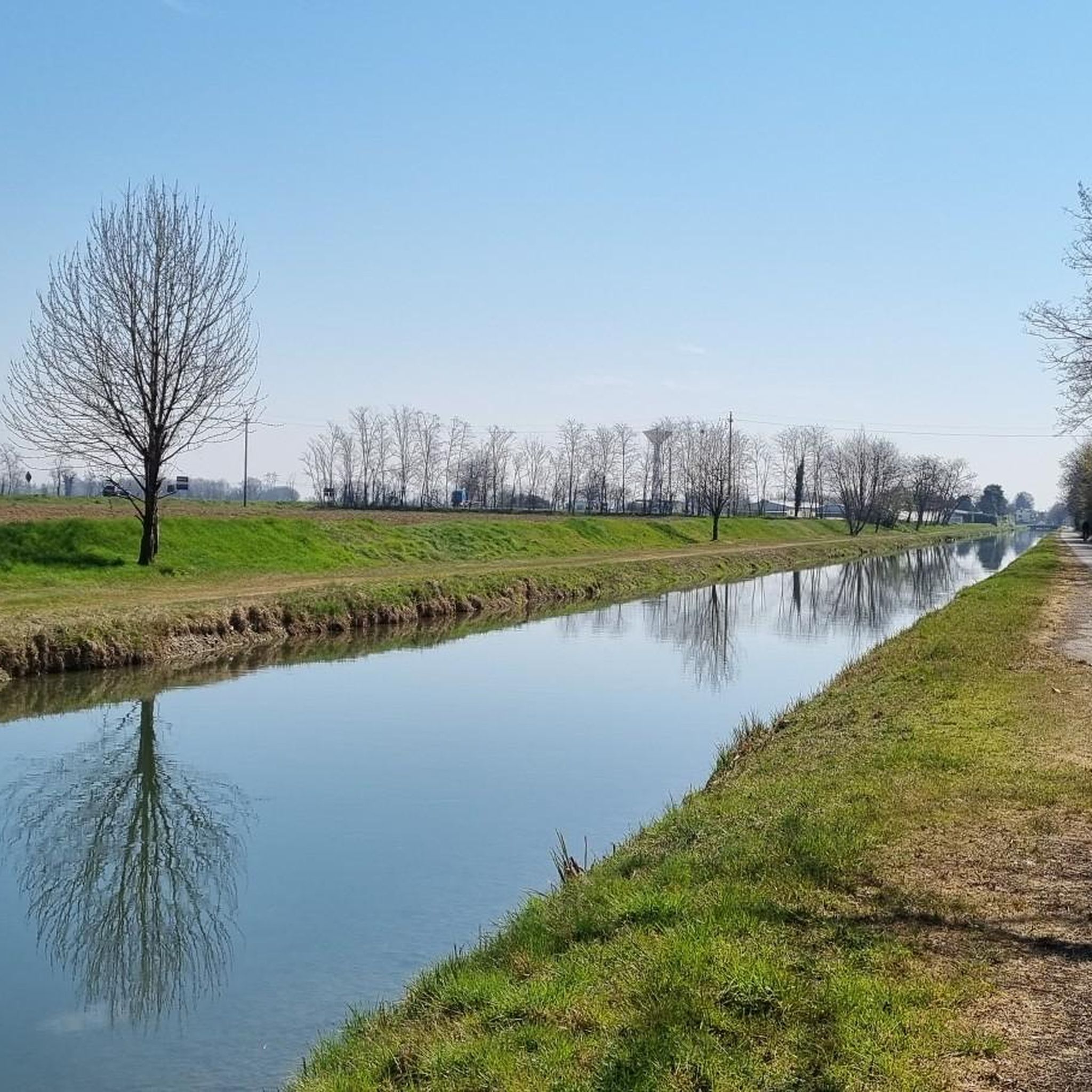
Vacchelli Canal in the Moso Agricultural Park
Highlight • Cycleway
Translated by Google •
Tip by

Sign up now to discover places like this
Get recommendations on the best single tracks, peaks, & plenty of other exciting outdoor places.
Lodi Cathedral
Highlight • Religious Site
Translated by Google •
Tip by

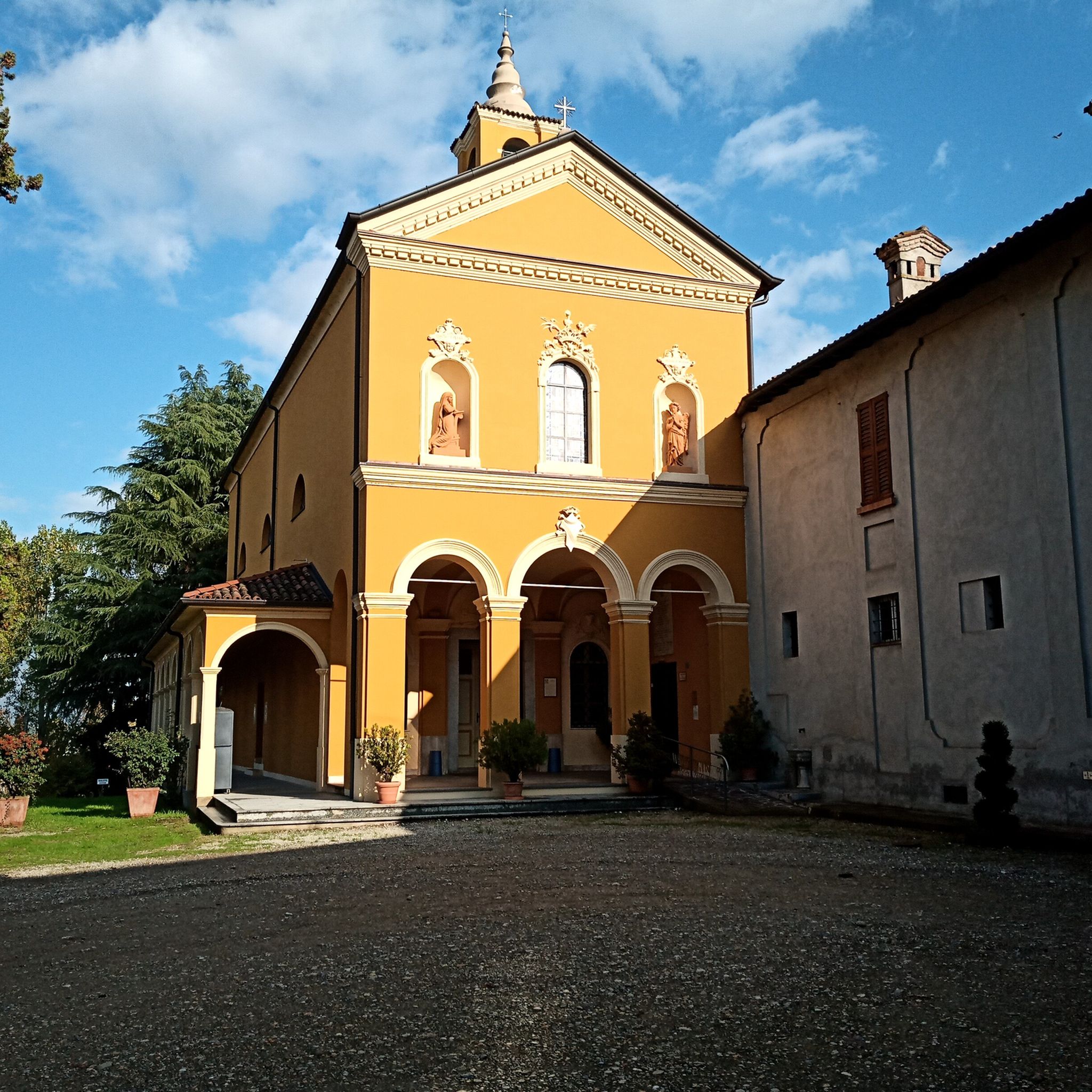
Church of Saint Catherine in Moso
Highlight • Religious Site
Originally dedicated to San Marco, it was dedicated to Santa Caterina …
Translated by Google •
Tip by

Sanctuary of Santa Maria del Marzale
Highlight • Religious Site
it.wikipedia.org/wiki/Santuario_della_Beata_Vergine_del_Marzale
Translated by Google •
Tip by

Sign up for free to discover even more attractions around Cavenago D'Adda.
Already have an account?
Start today with a free account
Your next adventure awaits.

Tips from the Community

The Cathedral with the Clock Tower occupies the east side of Piazza della Vittoria, and the facades of houses and palaces frame its facade. The square, as a civic and religious center, as we see it today, was formed in different periods. The construction site of the Duomo was organized according to the methods of the time, i.e. by tracing the perimeter directly on the ground and then starting with the construction of the apse area. The so-called "stepped" facade suggests the division of the internal space, in which the central nave is higher and wider than the two side aisles. In the center of the facade, in the upper part, is the aedicule containing a bronze copy of the statue of San Bassiano, the original in copper and gold patina is kept inside the main nave of the cathedral. The central part of the facade is occupied by the rose window which, besides being a typically decorative element, allows for good internal lighting.
0
0
Around the rose window and the slopes of the roof, the decoration with interwoven arches and polychrome majolica cups of Byzantine derivation is to be observed. Below the rose window, two Renaissance stone windows have been created. The "candelabra" columns and the side coats of arms refer to the motifs of humanistic culture. The most characteristic element of this facade is the protiron. In the lunette above the portal are depicted the Redeemer, the crowned Madonna, and Saint Bassiano imploring. On the pilasters of the horizontal architrave are depicted Adam and Eve and, below, two other figures that recall the vices of man. The portal is framed by spiral columns, and the decorations surrounding the portal arch consist of naturalistic decorative motifs derived from the Lombard school, with shoots, spirals, and aquatic plant leaves. Finally, the small roof that frames and shelters the portal is supported by stylophoric lions.
0
0

the weed vegetation is completely covering it
2
0

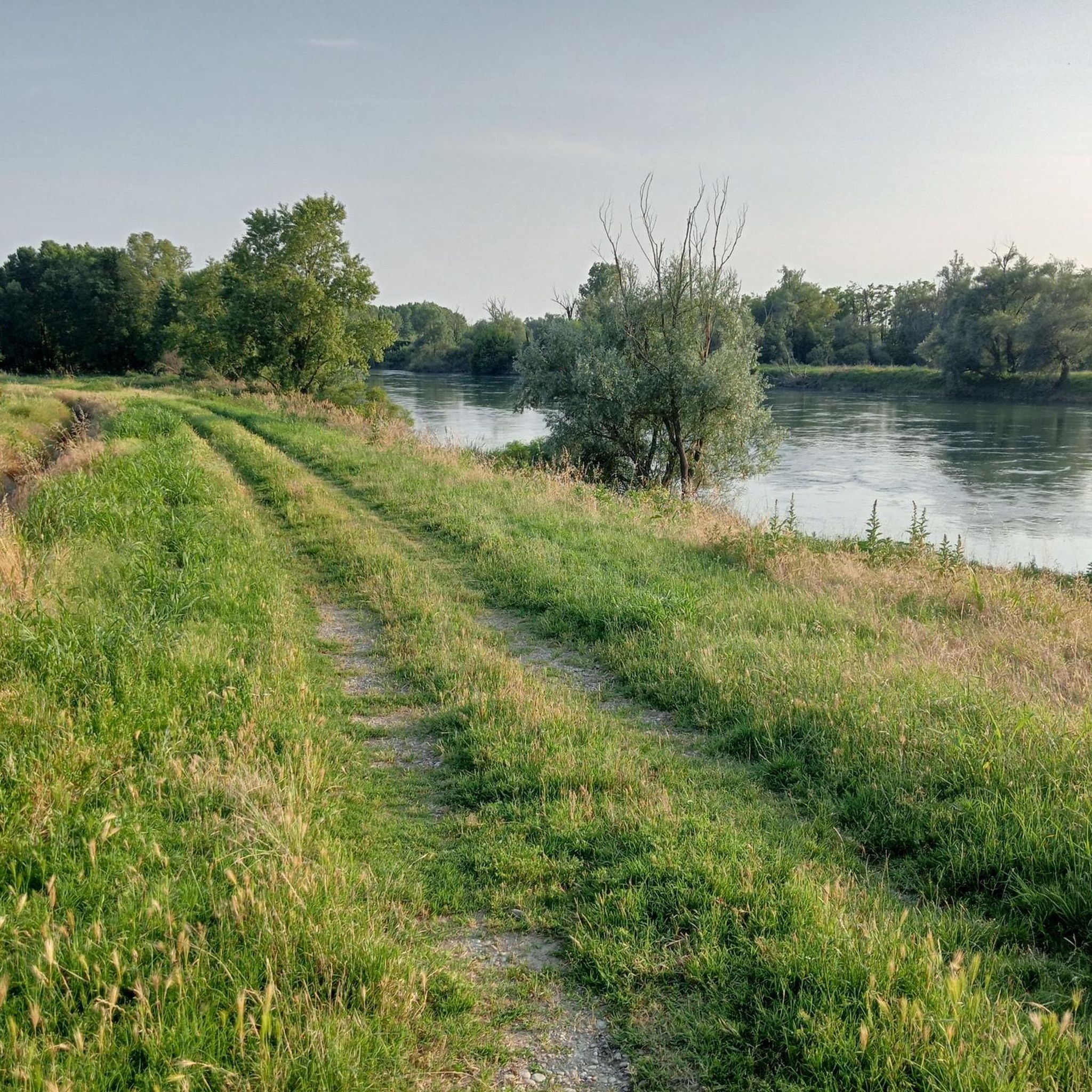
In this stretch, the Vacchelli Canal crosses the Moso Agricultural Park, passing through cultivated fields and rows of poplars. The dirt bike path runs alongside the water on a smooth surface, ideal for gravel and trekking bikes. Pedaling here immerses you in the rural landscape of Crema, with views that change with the seasons.
3
0

It's always fascinating, every time I see it I know that Crema is almost here
2
0

Also called the church of the Alpine troops for the numerous commemorative plaques of the deceased Cremonese Alpine troops. Originally dedicated to San Marco, it was dedicated to Santa Caterina in honor of the mother of the Alpine lieutenant Marcantonio Vimercati Sanseverino, whose remains were transferred here in 1951
21
0
The road is always beautiful and has a very smooth surface.
3
0

Very beautiful point for the landscape and the colors
1
0
Frequently Asked Questions
What natural features can I explore around Cavenago D'Adda?
The area around Cavenago D'Adda is rich in natural beauty, primarily defined by its waterways. You can explore the Adda River, which offers scenic landscapes, wooded areas, and wetlands, ideal for activities like kayaking or canoeing. The Muzza Canal, one of Europe's oldest irrigation canals, provides pleasant riverside paths. Additionally, the Canale Vacchelli runs through the Parco Agricolo del Moso, offering a cycling path through cultivated fields and poplar groves. Don't miss the Zerbaglia Wetlands, recognized for their rich wetland vegetation.
Are there historical sites or cultural landmarks to visit in Cavenago D'Adda?
Yes, Cavenago D'Adda boasts several historical and cultural sites. The Museo della Civiltà Contadina “Ciòca e berlòca”, located in the Palazzo Municipale, showcases rural life with over four thousand artifacts, including ancient canoes. Religious sites include the Chiesa di San Pietro Apostolo, a neoclassical church with 12th-century roots, the Chiesa di San Giacomo Maggiore Apostolo in Caviaga, and the Santuario della Madonna e dei Santi Rocco e Sebastiano. The Palazzo Municipale itself is a historical structure dating back to the 16th-17th centuries.
What cycling opportunities are available along the canals near Cavenago D'Adda?
Cavenago D'Adda is excellent for cycling, especially along its historic canals. The Adda Cycle Path follows the Adda River, offering scenic routes. The Muzza Canal has riverside paths perfect for cycling, allowing you to journey through historical and agricultural landscapes. A popular option is the Vacchelli Canal in the Moso Agricultural Park, which features a smooth dirt bike path alongside the water, suitable for gravel and trekking bikes, immersing you in the rural Cremasco landscape. For more cycling routes, you can check out the Cycling around Cavenago D'Adda guide.
Are there any family-friendly attractions in the Cavenago D'Adda area?
Yes, several attractions around Cavenago D'Adda are suitable for families. The Vacchelli Canal in the Moso Agricultural Park offers an easy and scenic cycling path through cultivated fields, perfect for a family bike ride. In nearby Lodi, Victory Square, Lodi and the Lodi Cathedral are historical sites that can be enjoyed by all ages. The Parco Agricolo del Moso itself is great for excursions and walks amidst nature.
What hiking trails are available near Cavenago D'Adda?
While Cavenago D'Adda is particularly known for cycling, there are also hiking opportunities. The Parco Agricolo del Moso provides paths for excursions, and the areas along the Adda River and Muzza Canal offer pleasant walks. For specific hiking routes, you can explore options like the 'Poplar Grove on the Adda River loop from Corte Palasio' which is an easy route, or 'From Mairago to the Canale della Muzza – loop tour' which is moderate. More details can be found in the Hiking around Cavenago D'Adda guide.
What is the <a href="https://www.komoot.com/highlight/1113463" target="_blank" rel="noopener">Vacchelli Canal in the Moso Agricultural Park</a> like for cycling?
The Vacchelli Canal in the Moso Agricultural Park offers an excellent cycling experience. The dirt bike path runs smoothly alongside the water, making it ideal for gravel and trekking bikes. As you pedal, you'll be immersed in the rural landscape of Crema, passing through cultivated fields and rows of poplars, with views that beautifully change with the seasons. It's a great way to explore the area away from traffic.
Can I visit Lodi from Cavenago D'Adda, and what can I see there?
Yes, Lodi is easily accessible from Cavenago D'Adda and makes for a rewarding visit. In Lodi, you can explore Victory Square (Piazza della Vittoria), considered the city's most important square. It houses the magnificent Lodi Cathedral, a prime example of Lombard-Emilian Romanesque architecture, as well as the municipal palace and the Vistarini palace. The square is also known for its many bars with outdoor seating, perfect for a break.
What is the significance of the <a href="https://www.komoot.com/highlight/1403312" target="_blank" rel="noopener">Church of Saint Catherine in Moso</a>?
The Church of Saint Catherine in Moso, also known as the 'church of the Alpine troops,' holds historical significance. Originally dedicated to San Marco, it was later rededicated to Santa Caterina. It features numerous commemorative plaques for fallen Cremonese Alpine troops, and in 1951, the remains of Lieutenant Marcantonio Vimercati-Sanseverino were transferred here. While currently in a partial state of decay and closed to worship, its classical architecture with a facade marked by four pilasters, a rose window, and two statues, still makes it a fascinating historical landmark.
What is the best time of year for outdoor activities in Cavenago D'Adda?
The best time to visit the Lodi area for outdoor activities, including Cavenago D'Adda, is generally during the spring (April to June) and autumn (September to October) months. During these periods, the weather is typically mild and pleasant, ideal for cycling along the canals, hiking in the agricultural parks, and exploring historical sites without the intense heat of summer or the chill of winter. The changing seasons also offer beautiful natural scenery.
Are there any unique religious sites to visit in the countryside near Cavenago D'Adda?
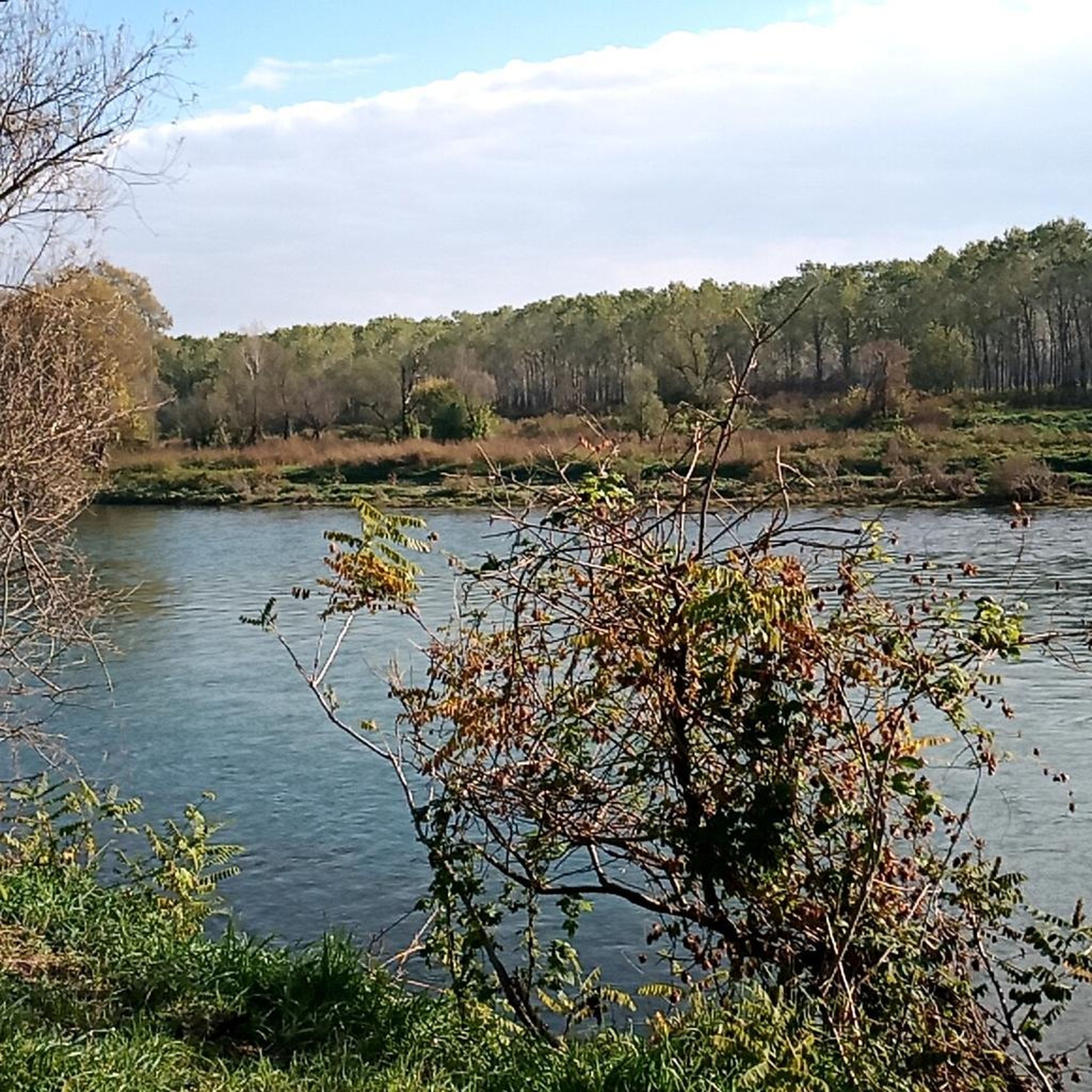
Yes, a notable unique religious site is the Sanctuary of Santa Maria del Marzale. This ancient countryside sanctuary is located south of Crema, situated in an elevated bend of the Serio River. It offers a glimpse into the area's past, with remains of ancient tombs found on the site, indicating a cemetery existed before the church's construction. The winding country road leading to it provides remarkable views of the Serio river and adjacent canals, adding to its charm.
What is the <strong>Museo della Civiltà Contadina “Ciòca e berlòca”</strong> about?
The Museo della Civiltà Contadina “Ciòca e berlòca” offers a deep dive into the rural and agricultural life of the Lodigiana region. Housed on the first floor of the municipal palace, it features over four thousand artifacts. These include ancient tools for farming, objects related to river life, and items depicting popular religiosity. Among its most ancient exhibits are two thousand-year-old canoes carved from oak trunks, discovered at the confluence of the Serio and Adda rivers, and a large barge used by gravel miners. An annex also hosts a photography museum and a room dedicated to bell tower clocks.
Are there options for gravel biking around Cavenago D'Adda?
Absolutely, the region around Cavenago D'Adda is well-suited for gravel biking. The Vacchelli Canal in the Moso Agricultural Park offers a smooth dirt path perfect for gravel bikes, taking you through cultivated fields. You can find various routes, including longer ones like the 'Canale Vacchelli – Canale Vacchelli Cycle Path loop from Lodi' or 'Vacchelli Canal entrance – Vacchelli Canal Cycle Path loop from Lodi'. For more gravel biking routes and details, refer to the Gravel biking around Cavenago D'Adda guide.
Most popular routes around Cavenago D'Adda

Get inspired with the komoot mobile app


Explore more
Still not found the Highlight you’re looking for? See guides of the top attractions in other regions:
