The best cycling routes around Borno
4.2
(15)
439
riders
21
rides
Cycling safety in Borno, Nigeria, is severely compromised by ongoing security risks, including terrorism, kidnapping, and civil unrest. International travel advisories strongly caution against all travel to the region. Terrorist groups are active, and security operations can occur without warning, creating an unstable environment. Therefore, outdoor activities, including touring cycling, are not recommended in Borno State.
Best touring cycling routes around Borno
- The most popular touring cycling route is Lake Lova – Lova Lake loop from Borno, a 33.9…
Last updated: October 10, 2026
44
riders
54.7km
06:03
2,070m
2,070m
Hard bike ride. Very good fitness required. You may need to push your bike for some segments of this route.
5.0
(1)
54
riders
22.3km
02:38
1,090m
1,090m
Hard bike ride. Very good fitness required. Mostly paved surfaces. Suitable for all skill levels.

5.0
(6)
43
riders
32.8km
02:53
990m
990m
Hard bike ride. Very good fitness required. You may need to push your bike for some segments of this route.
33
riders
18.1km
02:21
1,060m
1,060m
Hard bike ride. Very good fitness required. Mostly paved surfaces. Suitable for all skill levels.
4.7
(3)
27
riders
37.4km
04:28
1,640m
1,640m
Hard bike ride. Very good fitness required. Mostly paved surfaces. Suitable for all skill levels.
Get access to more routes and recommendations from other explorers.
Already have an account?
Our route recommendations are based on thousands of hikes, rides, and runs completed by other people on komoot.
Start today with a free account
Your next adventure awaits.


Other adventures around Borno

Tips from the Community

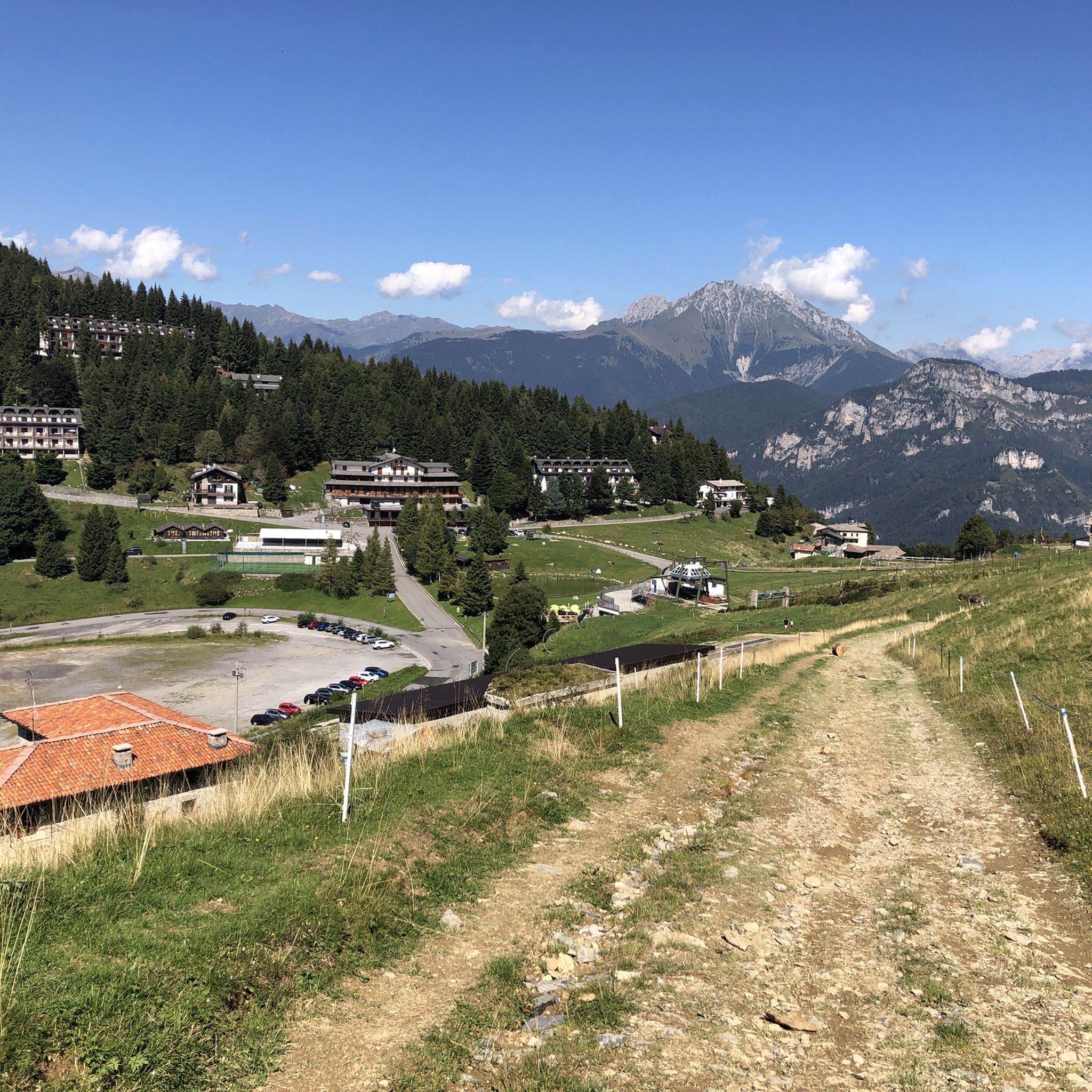
during one of my tours, I found myself in this pass, spectacular how at the end of summer everything is incredibly green
0
0

It is a grassy saddle located on the ridge of the Costone, just above the Croce del Costone and before the terrain becomes rockier towards the Pale di San Fermo. It is a transit point, not a summit, but it is very scenic and represents an important junction for various itineraries.
0
0
Here is a clear and complete summary of BORNO, based on the most authoritative online sources. I will immediately give you the essential overview, then the useful details for those who – like you – live in and frequent the Altopiano del Sole area. 🏔️ Borno in brief Borno is a mountain village in Val Camonica, located at an altitude of 912 m, on the famous Altopiano del Sole. It is considered a "pearl" of the valley for its combination of open landscapes, woods, meadows, history, and living traditions. It is one of the main centers of the area, with about 2400 inhabitants and a long history that spans the medieval era, Venetian rule, and transformations of the twentieth century.
0
0
🏔️ Monte Altissimo — Identity and location Monte Altissimo is the highest peak of the short mountain range that separates Bassa Val Camonica and Valle di Scalve. It is known for two very different slopes: North slope (Borno): gentle, wooded, with ski slopes and mountain huts. South slope (Erbanno–Gorzone): steep, rocky, with significant elevation changes. This dual nature is also confirmed by the hiking itineraries documented online . 🚶♂️ The main documented itineraries Online sources show several routes, including: 1) From Croce di Salven – Path 6 (classic loop) Passes through Pozze di Val Sorda, Rifugio Lorenzini, Malga Guccione. A very popular loop itinerary, with a gentle and scenic ascent. Data confirmed by hikr.org (loop with ascent from Croce di Salven) . 2) From Borno – Via Mine e Segable A longer and scenic itinerary, with passages over woods, mountain huts, and ridges. Documented in detail on Wikiloc, with a complete description of path 112 → 151 → 155 . 3) From Erbanno – Path 155 Steep and challenging ascent, with sections on rocky outcrops. Direct connection to the final ridge of the Altissimo. 🏞️ Environment and notable points Sources confirm the places you have already visited: Pozze di Val Sorda: damp and bright clearings. Rifugio Colonnello Ferruccio Lorenzini: in the Pratolungo basin, at 1478 m. Malga Guccione: a passing point before the final ascent. Borno ski slopes: often used for descent on winter loops.
0
0
The Church of San Fiorino is one of Borno's small historical wonders, and thanks to the sources I consulted, I can give you an accurate, complete, and up-to-date overview. 🕍 Identity and location It is a subsidiary church dedicated to San Fiorino / San Floriano, the Roman legionary invoked against fires and floods. It stands northwest of Borno, along the road leading to Lake Lova, in a very quiet grassy and wooded area. 📜 Origins and history The sources agree on a long and layered history: 11th–13th century: first documented construction phases. 1410: appears in the list of ancient Camun churches subject to contribution to the Bishop of Brescia. 1456: a papal bull establishes the curatial benefit of S. Florini. 1532: cited in the Queriniano Catalogue of ecclesiastical benefices. 1567–1573: recorded in pastoral visits as a country church. Archaeological findings During restorations and excavations, artifacts have emerged that suggest the presence of an ancient Roman place of worship: a fragment of an altar dedicated to Mercury, with a Latin inscription; a Roman burial with the mark "LLAESEC"; stone elements with grooves typical of ancient thresholds. These findings strengthen the hypothesis that the church was built on a previous pagan temple. 🏛️ Architecture The church is simple and harmonious, typical of Camun rural chapels: Single nave with two bays. Rectangular presbytery with a barrel vault. Mixed masonry bell tower. Sober facade, with an off-center stone portal and traces of frescoes. Inside, you can find: 16th-century frescoes (partially mutilated), a 15th-century fresco with San Fiorino in the guise of a legionary, architectural elements from different eras. 🔧 Restorations The church, deteriorated by time, was restored in 1978 thanks to Don Costantino Ravelli.
0
0
The Church of San Fiorino is one of the small historical and spiritual pearls of the Borno plateau (Valle Camonica): a simple, intimate building, but layered with history, ancient cults, and surprising discoveries. 🕍 Identity and location The small church stands north of the inhabited area of Borno, along the road leading to Lova, in a grassy and silent area, slightly set back from the village. It is a subsidiary church dedicated to San Fiorino / San Floriano, a figure venerated as a protector against fires and floods. 📜 Origins and history The first attestations date back to the 15th century, but tradition and archaeological findings suggest an even older origin. Key points of its history: 1456: A bull of Callixtus III mentions the chapel of Sancti Florinj among the Camunican churches subject to contribution. 1532: It appears in the Queriniano Catalogue of ecclesiastical benefices. 16th century: It is registered in pastoral visits as a country church. Around 1650: Extensions and renovations that give it its current appearance. 1978–1980: Modern restorations that bring to light frescoes and Roman artifacts. 🏛️ Architecture The church is simple and harmonious, typical of Camunican rural chapels: Single nave with two bays. Rectangular presbytery with a barrel vault. Mixed masonry bell gable. Sober facade, with a decentered stone portal and traces of ancient frescoes. Inside, you can find: 16th-century frescoes, partly mutilated; a 15th-century fresco depicting San Fiorino as a Roman legionary; architectural elements from different eras. 🏺 Archaeological finds During the 1980 restorations, artifacts emerged that suggest the presence, in Roman times, of a small temple dedicated to Mercury: a fragment of a Roman altar with a dedication to Mercury; a Roman burial with the inscription “LLAESEC”; stone elements with grooves typical of ancient thresholds. These findings make the site particularly fascinating: a place where Christian worship seems to have overlapped with a previous pagan sacred site.
0
0
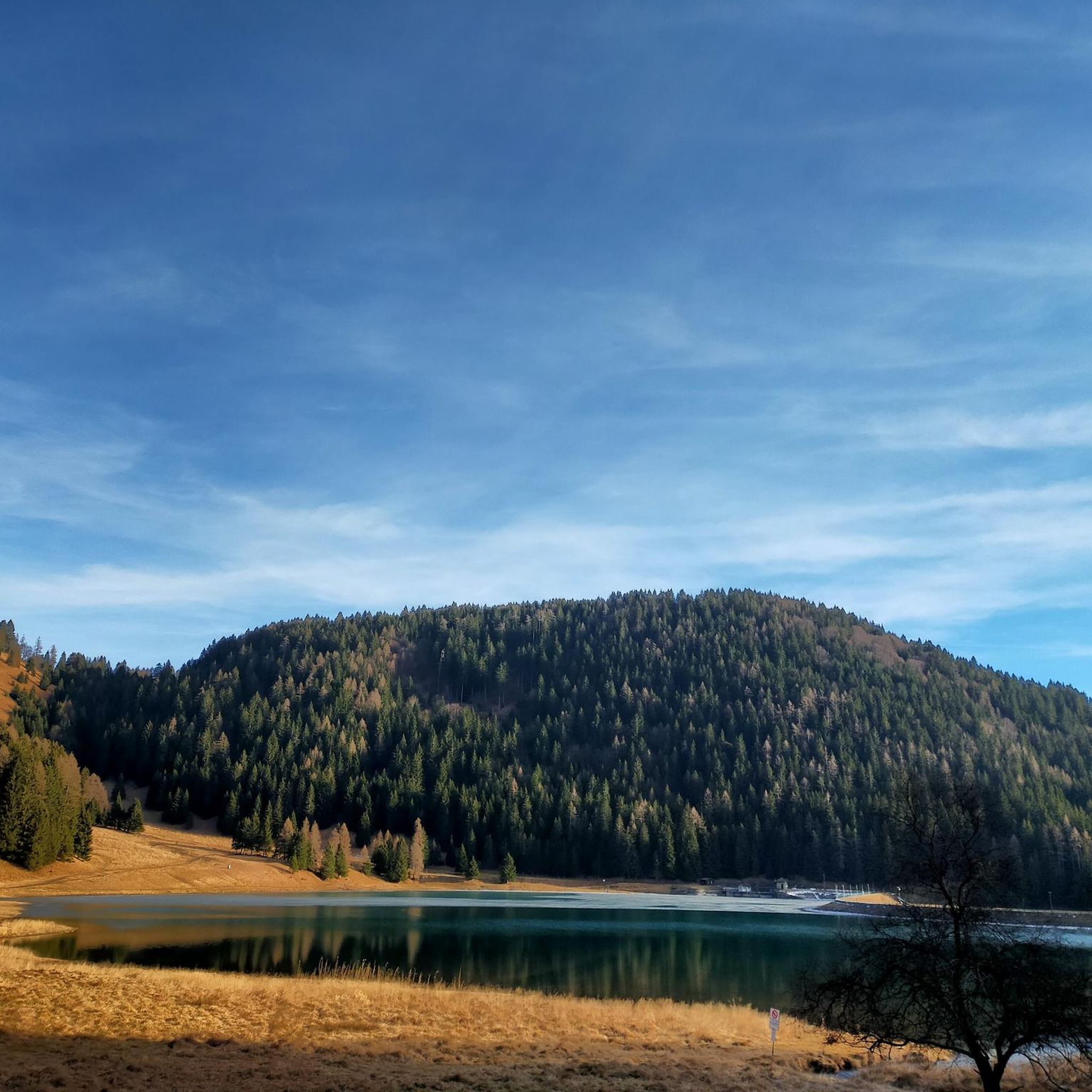
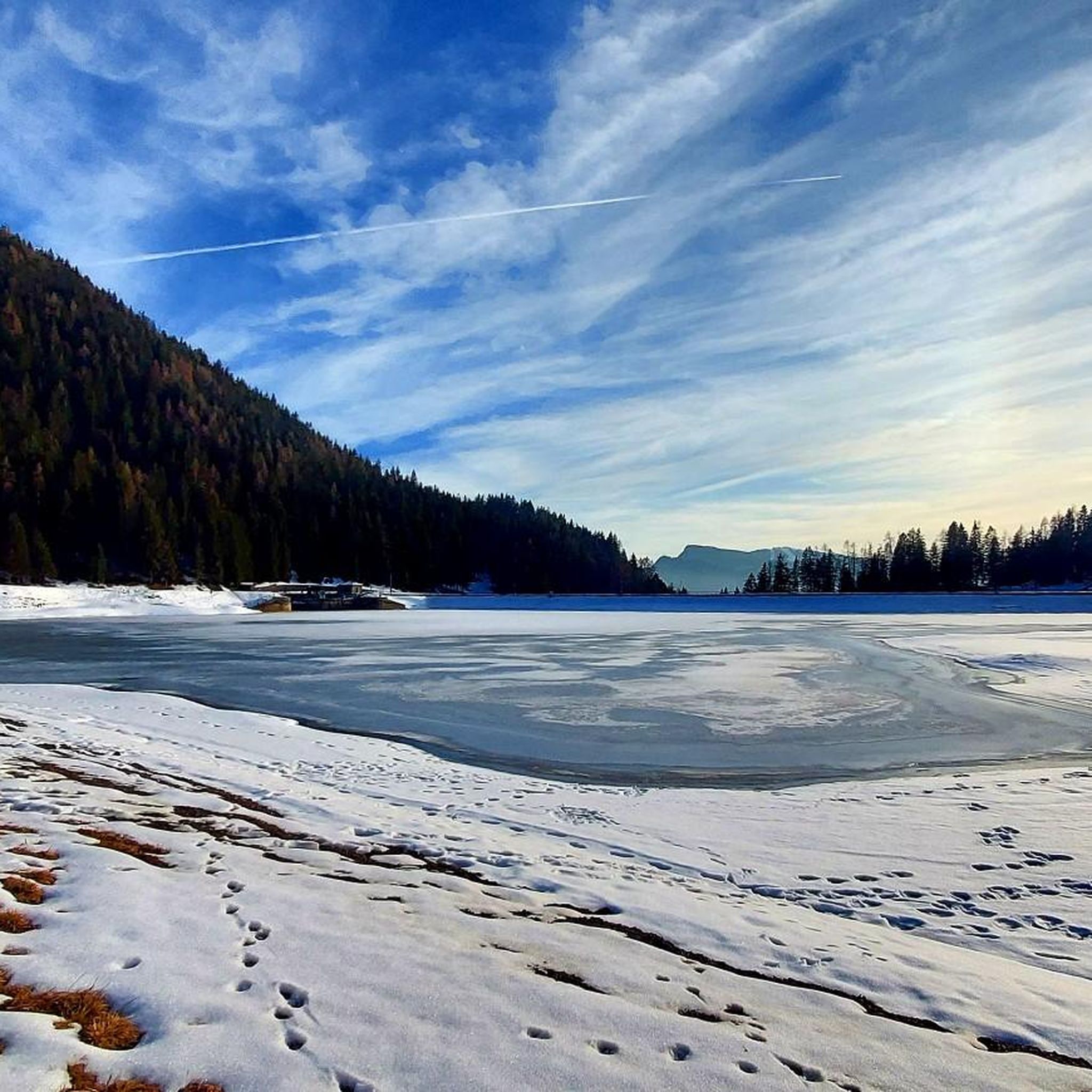
It is not Lake San Fiorino but Lake Lova
0
0

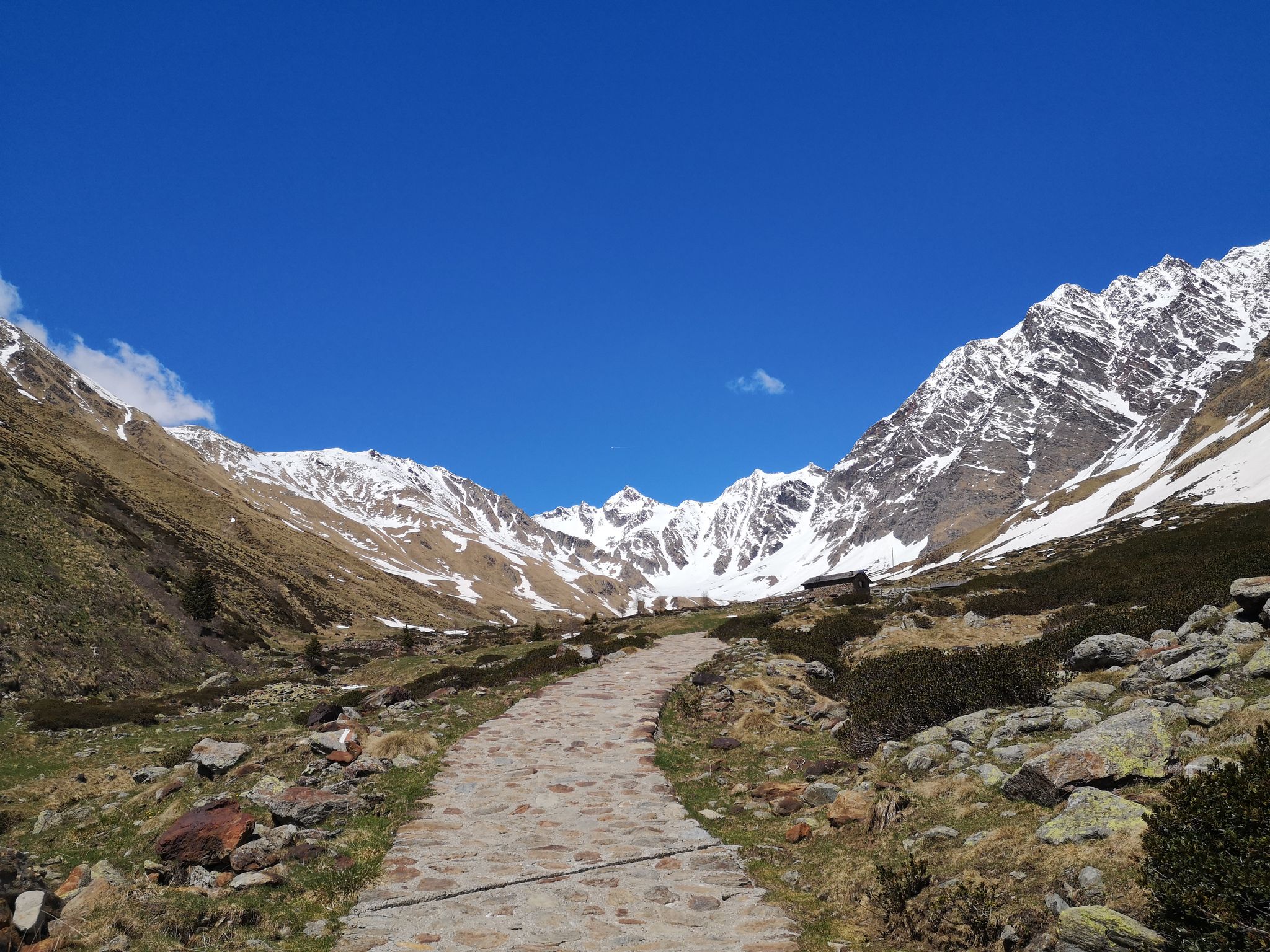
Reachable from Borno, following a restored mule track with a concrete road surface (the last section is closed due to landslide restoration work with a signposted detour) with gradients of over 20%
0
0
Frequently Asked Questions
Is it safe to go touring cycling in Borno State, Nigeria?
No, Borno State, Nigeria, is currently not considered a safe destination for outdoor activities, including touring cycling. There are severe and ongoing security risks, including terrorism, kidnapping, violent crime, and civil unrest.
What are the main security risks in Borno State?
The primary risks include active terrorist groups such as Boko Haram and Islamic State West Africa (ISWA), a high threat of kidnapping, and general civil unrest. Security operations are ongoing and can occur without warning, making the situation unstable.
Are there any official travel advisories for Borno State?
Yes, multiple international travel advisories strongly caution against all travel to Borno State. For the most current information, please consult official government sources such as the U.S. Department of State or the UK's Foreign, Commonwealth & Development Office (FCDO).
Are there any family-friendly cycling routes in Borno State?
Given the severe security concerns and official travel advisories, we cannot recommend any family-friendly or any other cycling routes in Borno State, Nigeria. The safety of visitors cannot be guaranteed.
What is the best season for bike touring in Borno State?
Due to the critical security situation, we advise against any bike touring in Borno State, Nigeria, regardless of the season. The risks are present year-round.
Can I find information on parking or bike rentals for touring cycling in Borno State?
Due to the extreme security risks and official warnings against travel to Borno State, information on recreational facilities like parking for bike trails or bike rental services is not relevant, as outdoor activities are not recommended.
What do other touring cyclists say about their experiences in Borno State?
While komoot may show some routes in a region named Borno, the specific Borno State in Nigeria is subject to severe travel warnings. Any reviews or ratings for routes under 'Borno' are likely for a different geographical location, such as Borno in Italy, and do not reflect the security situation in Borno State, Nigeria.
Are there any natural attractions or landmarks I can visit while cycling in Borno State?
The immediate and overriding factor for any potential visitor to Borno State, Nigeria, is the extreme danger posed by the current security landscape. Therefore, exploring natural attractions or landmarks through cycling is not advisable.
Are there any easy or beginner-friendly touring cycling routes in Borno State?
No, due to the severe and ongoing security risks in Borno State, Nigeria, there are no recommended easy or beginner-friendly touring cycling routes. All travel for recreational purposes is strongly advised against.
Where can I find more detailed information about the security situation in Nigeria?
For comprehensive and up-to-date information on the security situation across Nigeria, including specific regional risks, please refer to official government travel advisories. These include the U.S. Department of State's country information page and the UK's foreign travel advice for Nigeria.
Most popular attractions around Borno

Get inspired with the komoot mobile app


Explore more
Browse the best Cycling routes in other regions.
