Attractions and Places To See around Bascapè - Top 20
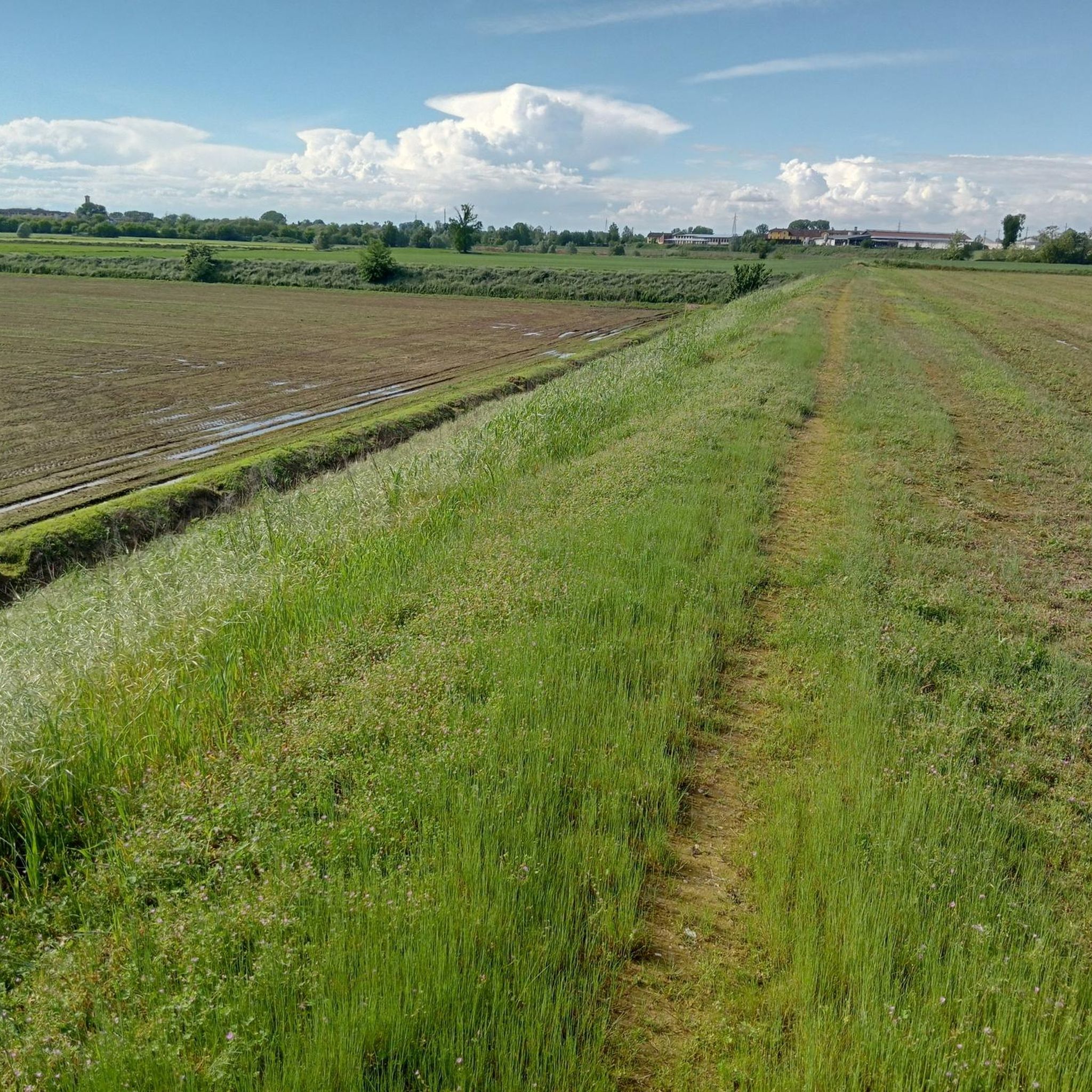
Best attractions and places to see around Bascapè include a mix of historical landmarks and cultural sites within a characteristic rural landscape. Situated in the Lombard plain, the area is defined by its agricultural setting, featuring cultivation of cereals, rice, and wheat. Visitors can explore traditional Lombard farmhouses and historical sites that reflect the region's rich past.
Best attractions and places to see around Bascapè
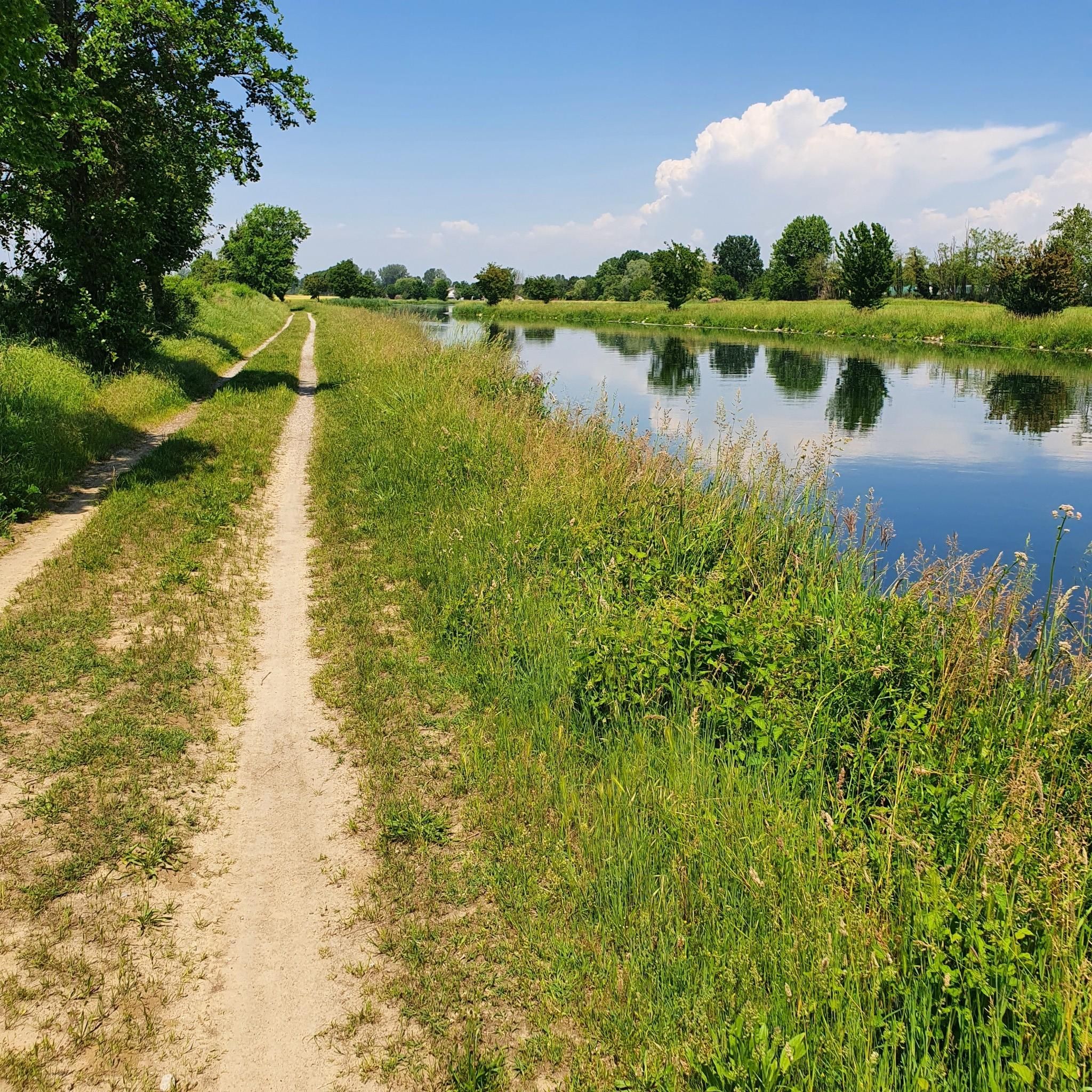
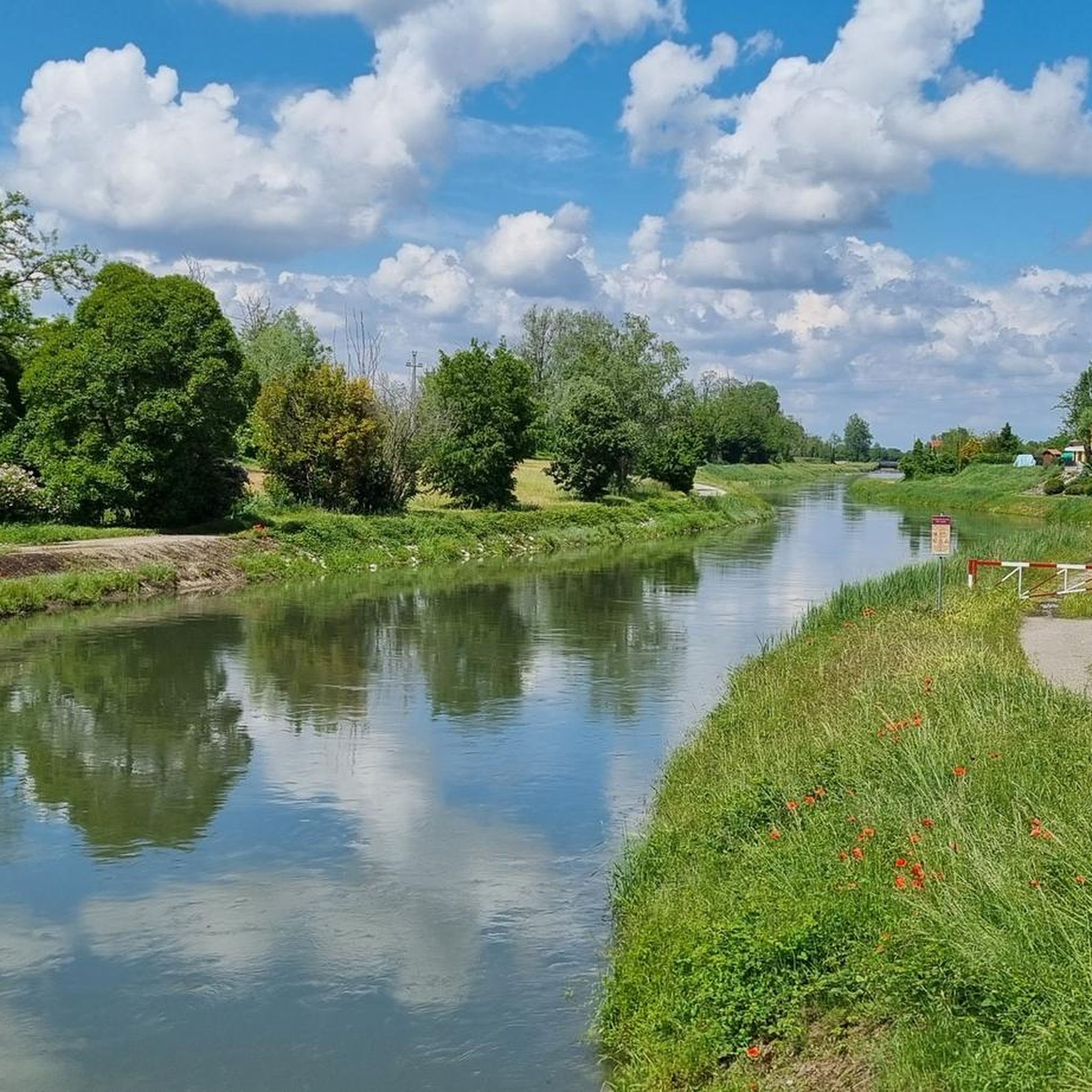
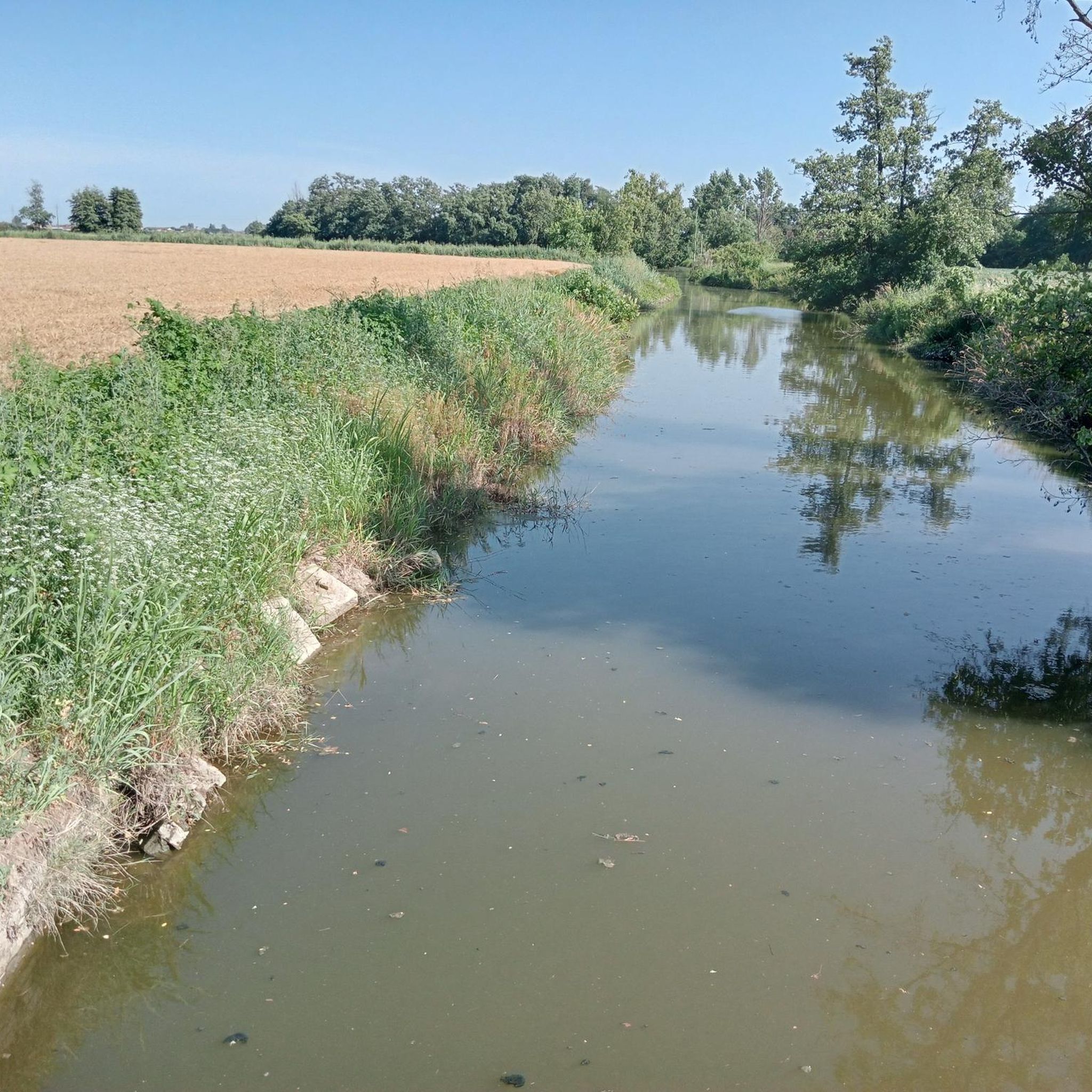
- The most popular attractions is Muzza Canal, a river and one of the first…
Last updated: October 9, 2026
Viboldone Abbey
Highlight • Religious Site
Translated by Google •
Tip by

Sanctuary of Santa Maria ad Fontem
Highlight • Religious Site
Translated by Google •
Tip by

Sign up now to discover places like this
Get recommendations on the best single tracks, peaks, & plenty of other exciting outdoor places.
Rocca Brivio
Highlight • Historical Site
Translated by Google •
Tip by

Campomorto Abbey
Highlight • Religious Site
Translated by Google •
Tip by

Abbey of Viboldone
Highlight • Religious Site
Translated by Google •
Tip by

Sign up for free to discover even more attractions around Bascapè.
Already have an account?
Start today with a free account
Your next adventure awaits.

Tips from the Community

The sanctuary stands on an ancient spring believed to be miraculous. In 1506, Charles II d’Amboise, governor of Milan under French rule, ordered the construction of the sanctuary after receiving a prodigious healing: the building became one of the most important health structures in the city, along with the Lazzaretto and Ca’ Granda, whose floor plan it adopted. The architecture, with its classical and Renaissance influences, was long attributed even to the hand of Leonardo and then Bramante; today it is believed to be the work of Giovanni Antonio Amadeo, an architect highly regarded at the time and also active in the Milan Cathedral, Santa Maria delle Grazie, and the Certosa di Pavia. Characterized by a sober yet elegant architecture, a reflection of the highest Lombard solutions of Renaissance harmony and grace, the complex preserves precious 16th and 17th-century frescoes in its arcaded courtyards.
0
0

Abbey Built by the Order of the Humiliati, it was one of the first places where raw wool was processed into felt, which was used to make the first overcoats. Today it is managed by a cloistered community of Benedictine nuns.
1
0


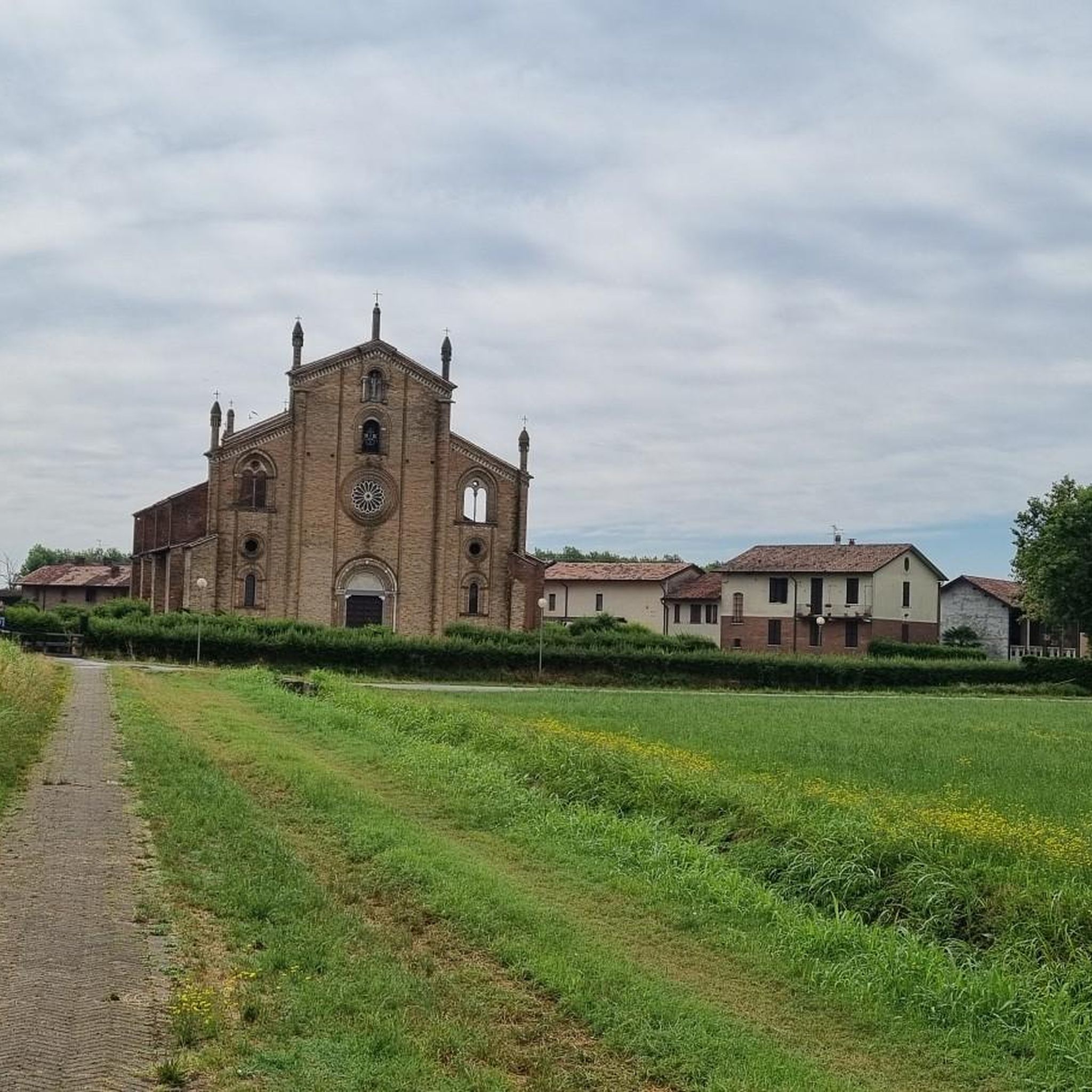
The Viboldone Abbey is a jewel of medieval architecture that transmits peace and meditation, an oasis of peace surrounded by greenery. Getting there by bike allows you to appreciate the contrast between the tranquility of the place and the rural context that surrounds it, offering a regenerating and contemplative break in the heart of the Lombardy plain. A corner of history and beauty that is worth every pedal stroke.
1
0

Founded in 1176 and completed in 1348 by the Umiliati, a religious order formed by monks, nuns and lay people who, around the church, led a life of prayer and work. Later, after the suppression of the Umiliati, the abbey passed to the Olivetan Benedictines. 20th century In 1940, Cardinal Ildefonso Schuster, after years of abandonment, offered the abbey to a community of nuns led by Margherita Marchi, who had separated from the congregation of the Benedictine nuns of Priscilla. The monastery sui iuris of the Benedictine nuns of Viboldone was canonically erected on 1 May 1941: the nuns dedicate themselves to the production of jams and, since 1945, have carried out an important religious and theological publishing activity, in addition to their more strictly monastic commitments. In 1965 Paul VI ordered that the abbot of Montserrat, Aureli Maria Escare, be transferred there to protect him from Franco's persecution[1]. For many years, the chaplain of the Benedictine community was Luisito Bianchi (1927-2012).
1
0
This monumental complex was born as a defensive bulwark. Towards the end of 1300, it lost its military function to become a manor house within the land purchased by the Brivios, nobles of Germanic origin whose wealth came from agricultural activities. The name of Rocca derives from the fact that originally the building was one of the defensive bulwarks erected along the Milan - Lodi road in the early Middle Ages, at the time of the wars that pitted the Municipality of Milan against the Municipality of Lodi. The current building was built in 1600 by the Brivio marquises on the ruins of the pre-existing castle. It was at the center of important war episodes, such as the Battle of Marignano in 1515 and in 1859, when on 8 June Napoleon III and Vittorio Emanuele II entered Milan victorious, defeating the Austrians. From an architectural point of view it is a baroque palace built with a rather elaborate scheme: the north-west part houses a noble chapel, rich in typically seventeenth-century stucco and gilding. The entrance has a large portal with a beautifully crafted wrought iron gate, the work of a craftsman from Melegnano from the 1700s, rich in scrolls and arabesques. Since 1996 it has been public property and hosts painting exhibitions, classical music concerts and conferences of national importance in its halls with frescoed ceilings and large fireplaces.
1
0
Frequently Asked Questions
What historical landmarks can I visit in Bascapè and its surroundings?
Bascapè itself features the historic Castello di Bascapè, with origins tracing back to the 10th century, and the Church of San Michele Arcangelo, known for its Longobard origins and 17th-century frescoes. Nearby, you can explore Rocca Brivio, a noble country palace rebuilt in the 17th century, and Campomorto Abbey, a historical site linked to a 1061 battle. Further afield, the medieval Viboldone Abbey in San Giuliano Milanese is renowned for its well-preserved architecture and 14th-century frescoes.
Are there any religious sites of interest near Bascapè?
Yes, Bascapè is home to the Church of San Michele Arcangelo, believed to have Longobard origins and featuring frescoes from the 1600s. A significant site nearby is the Sanctuary of Santa Maria ad Fontem in Locate Triulzi, dating back to the 13th century and built around a spring believed to have miraculous properties. You can also visit Campomorto Abbey, a historical religious building, and the Basilica of San Bassiano, a well-preserved 14th-century Cistercian church.
What kind of outdoor activities can I do around Bascapè?
The rural landscape around Bascapè is ideal for cycling and walking. The Muzza Canal offers a quiet, traffic-free cycle path immersed in the countryside. For more structured routes, you can explore various options for gravel biking, road cycling, and MTB trails, with routes like the 'Adda River – Vacchelli Canal entrance loop' or the 'Viboldone Abbey – Medici Castle loop'.
Are there family-friendly attractions in the Bascapè area?
Yes, several attractions are suitable for families. The Muzza Canal offers a pleasant and safe cycle path for all ages. The Sanctuary of Santa Maria ad Fontem and Rocca Brivio are also considered family-friendly historical sites. Additionally, the region's traditional Lombard farmhouses, some transformed into educational farms, provide engaging experiences for children.
What natural features characterize the Bascapè region?
Bascapè is situated in the Lombard plain, defined by its agricultural landscape. You'll find vast fields cultivating cereals, rice, and wheat. The area is historically known for its 'marcite,' a type of perpetually irrigated meadow, thanks to abundant natural springs. The Muzza Canal, one of the world's first artificial canals, is a prominent water feature that offers scenic views and recreational opportunities.
What are some lesser-known or 'hidden gems' to discover near Bascapè?
Beyond the main highlights, you might enjoy exploring the historic hydraulic mills of Coria and Mangialupo within Bascapè. The Enrico Mattei Memorial near Cascina Albaredo, featuring three commemorative steles in a fenced park, offers a quiet, reflective stop. The rural landscape itself, with its traditional Lombard farmhouses, provides a glimpse into the region's authentic character.
What do visitors enjoy most about the attractions around Bascapè?
Visitors particularly appreciate the historical depth and serene atmosphere of the religious sites, such as the 'suggestive' Sanctuary of Santa Maria ad Fontem. The Muzza Canal is highly rated for its pleasant cycling experience, described as 'quiet, suitable for everyone, free of traffic and immersed in the green countryside'. The 'spectacular period residence' of Rocca Brivio also draws positive comments for its historical significance.
Can I find cycling routes suitable for different skill levels near Bascapè?
Yes, the area offers a variety of cycling routes. The Muzza Canal provides an easy, flat path suitable for all. For road cyclists, there are easy to moderate routes like the 'Adda and Muzza Trail – Basilica of San Bassiano loop'. Mountain bikers can find easy to moderate MTB trails, such as the 'Church of Saint Martin the Bishop – Melegnano Castle loop'.
What is the historical significance of the Bascapè region?
The Bascapè region boasts a rich history, with landmarks like the Castello di Bascapè dating back to the 10th century. The Church of San Michele Arcangelo has Longobard origins. Nearby, Campomorto Abbey is named after a bloody battle in 1061, and Sanctuary of Santa Maria ad Fontem has roots in the 13th century, with its waters believed to offer protection during the 1630 plague. The area's agricultural character also reflects centuries of rural life in the Lombard plain.
Are there any specific memorials or commemorative sites in Bascapè?
Yes, near Cascina Albaredo, you can find the Enrico Mattei Memorial. This site is dedicated to Enrico Mattei, the former president of ENI, who tragically died in a plane crash in Bascapè in 1962. It features three commemorative steles within a peaceful, fenced park.
What kind of architecture can I expect to see in Bascapè and its surroundings?
The architecture in Bascapè and its vicinity showcases a blend of historical styles. The Castello di Bascapè retains elements of its 15th-century structure, including distinctive terracotta decorations. Religious buildings like the Church of San Michele Arcangelo and the Sanctuary of Santa Maria ad Fontem feature medieval and Renaissance influences, with frescoes from various periods. Rocca Brivio is a notable example of a 17th-century noble country palace built on medieval foundations.
Most popular routes around Bascapè
Most popular attractions around Bascapè

Get inspired with the komoot mobile app


Explore more
Still not found the Highlight you’re looking for? See guides of the top attractions in other regions:
