Attractions and Places To See around San Zenone Al Lambro - Top 20
Best attractions and places to see around San Zenone Al Lambro include historical sites and natural features, benefiting from its location in Lombardy. The town is connected by the Milan-Bologna railway line, providing access to a region rich in cultural sites. Visitors can explore a variety of landmarks and points of interest in the surrounding area.
Best attractions and places to see around San Zenone Al Lambro
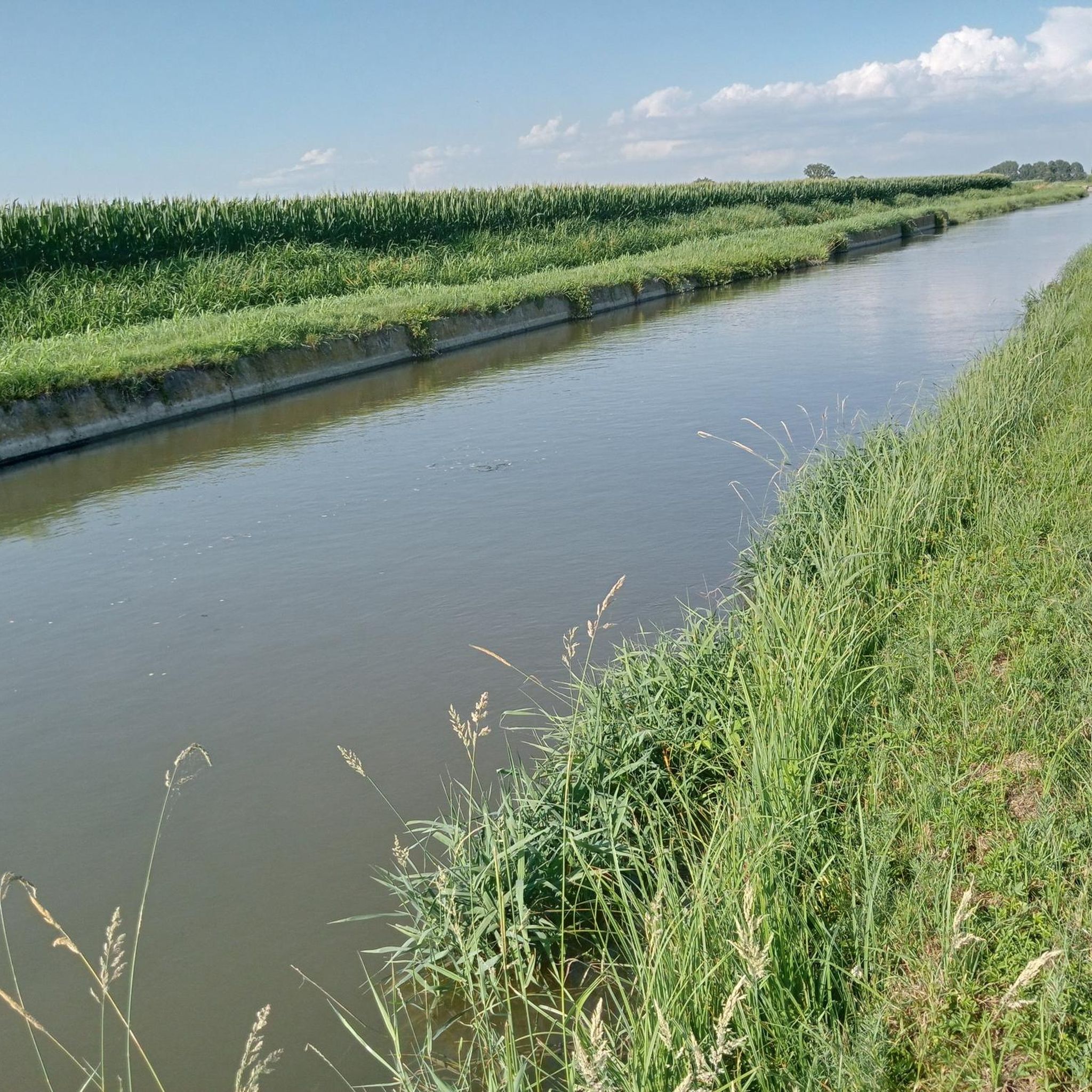
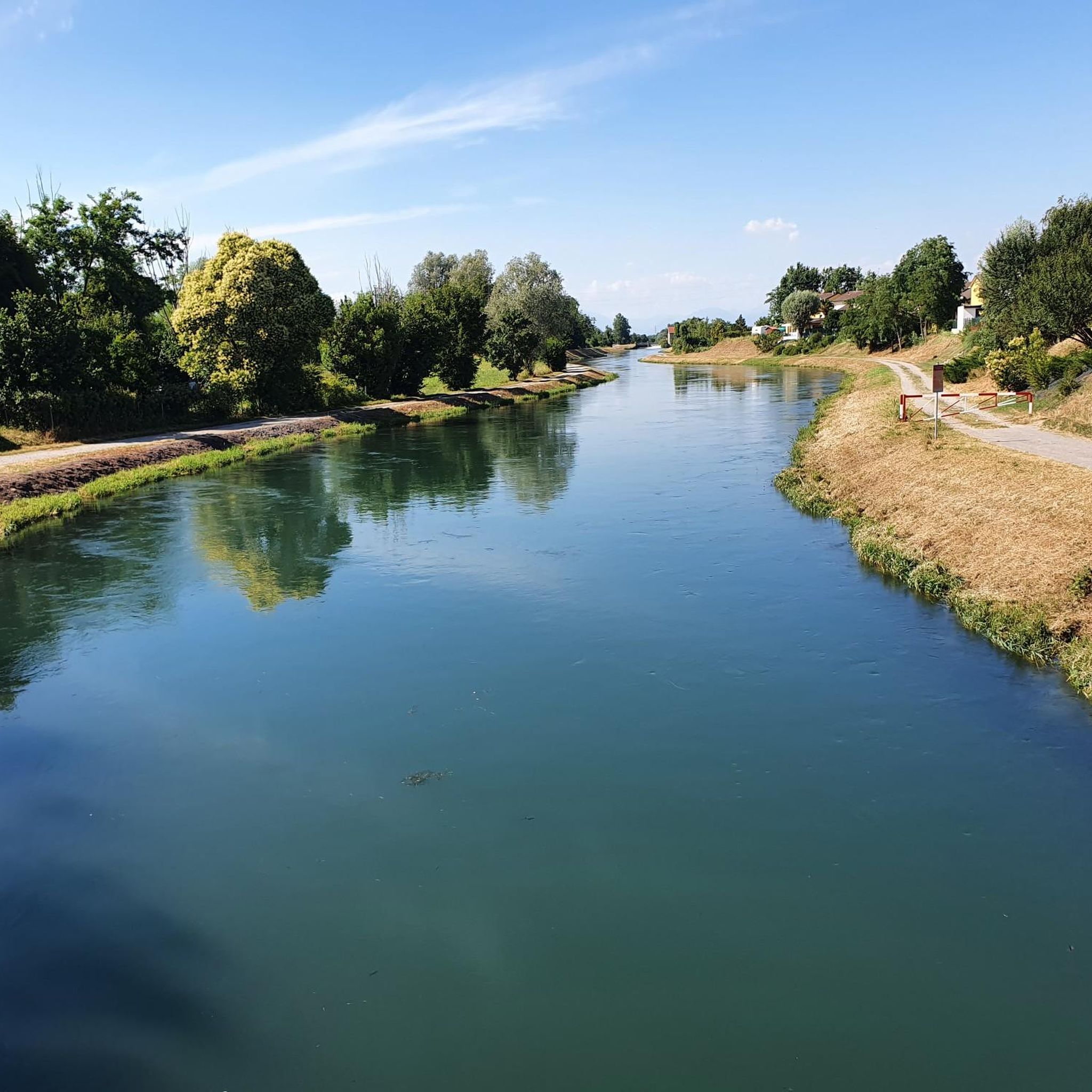
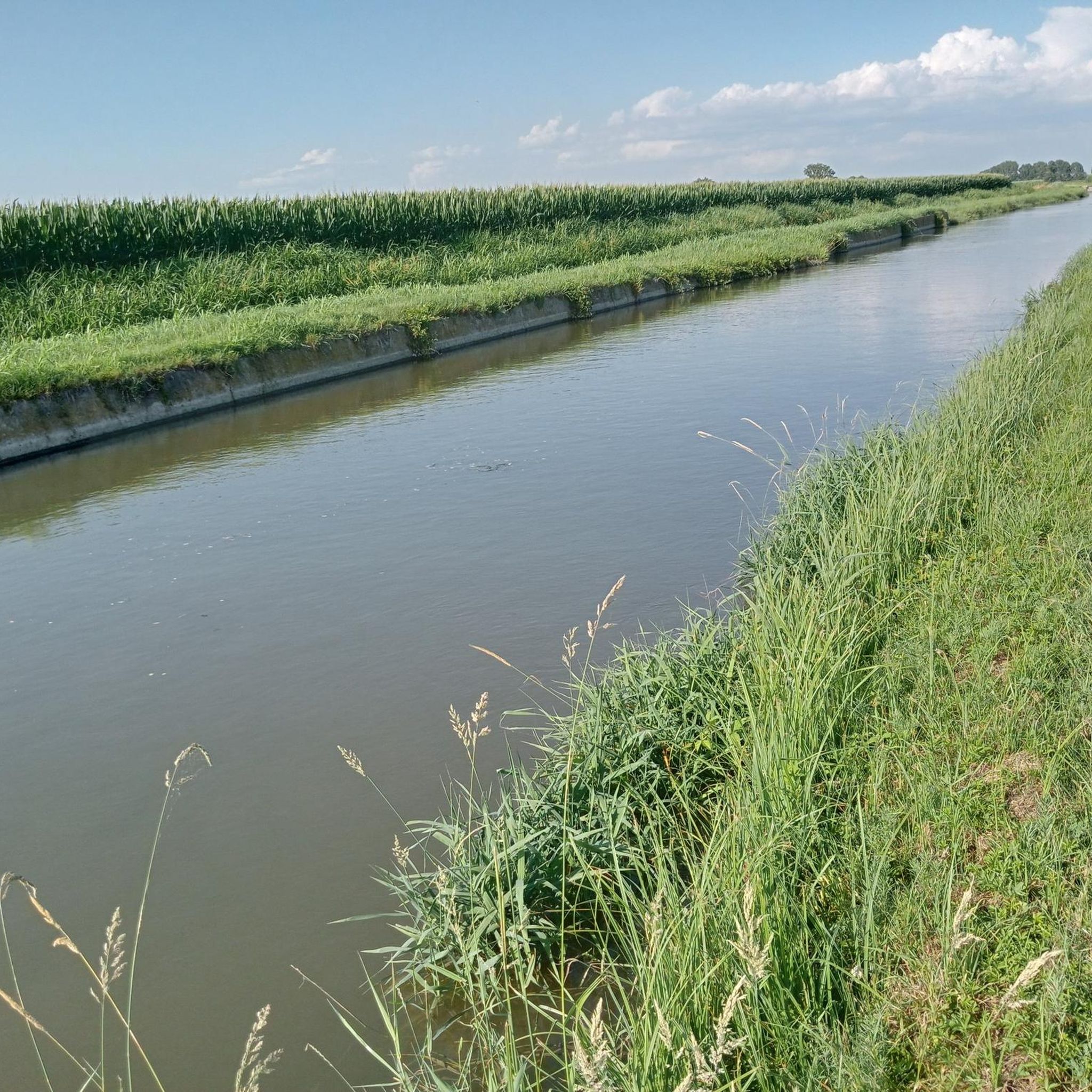
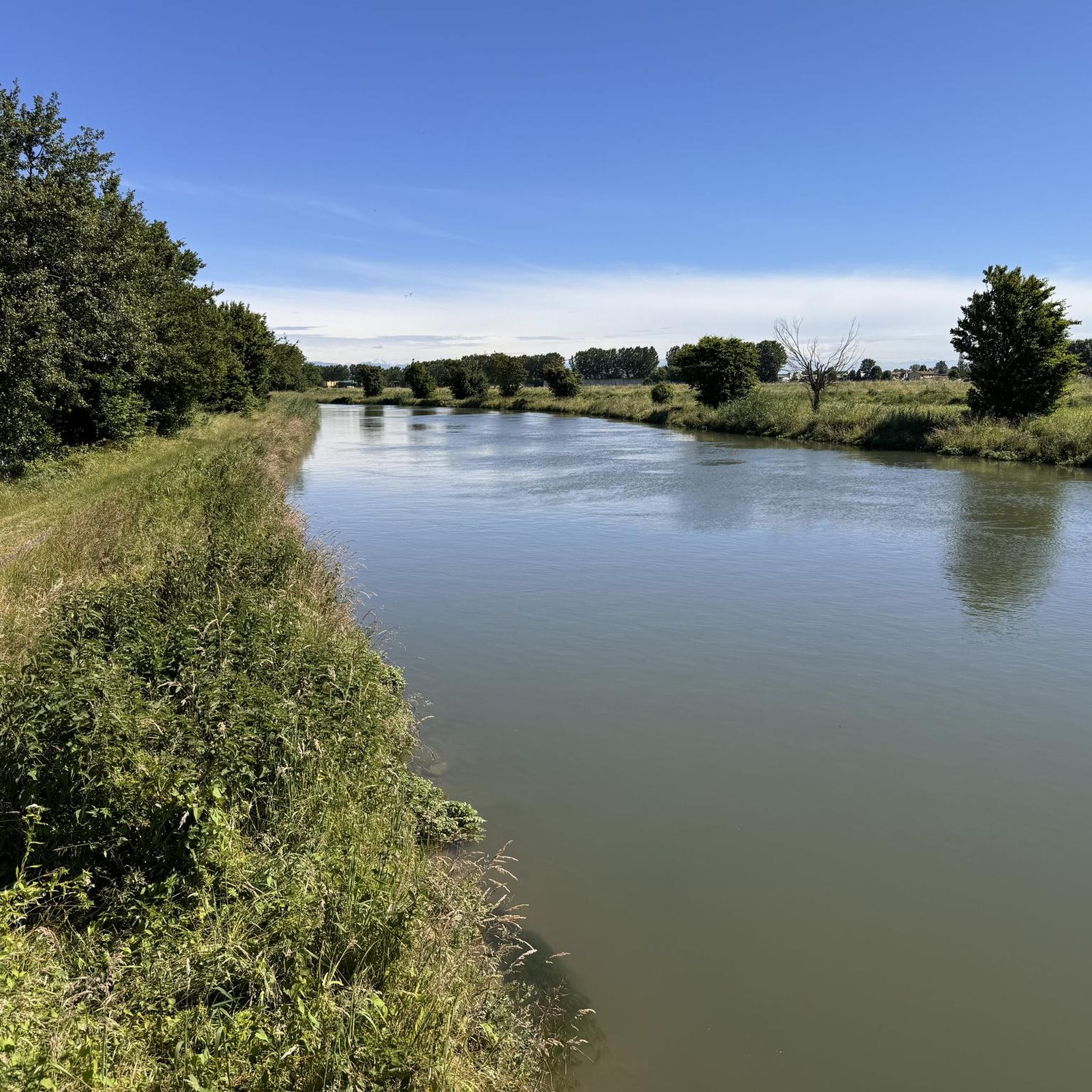
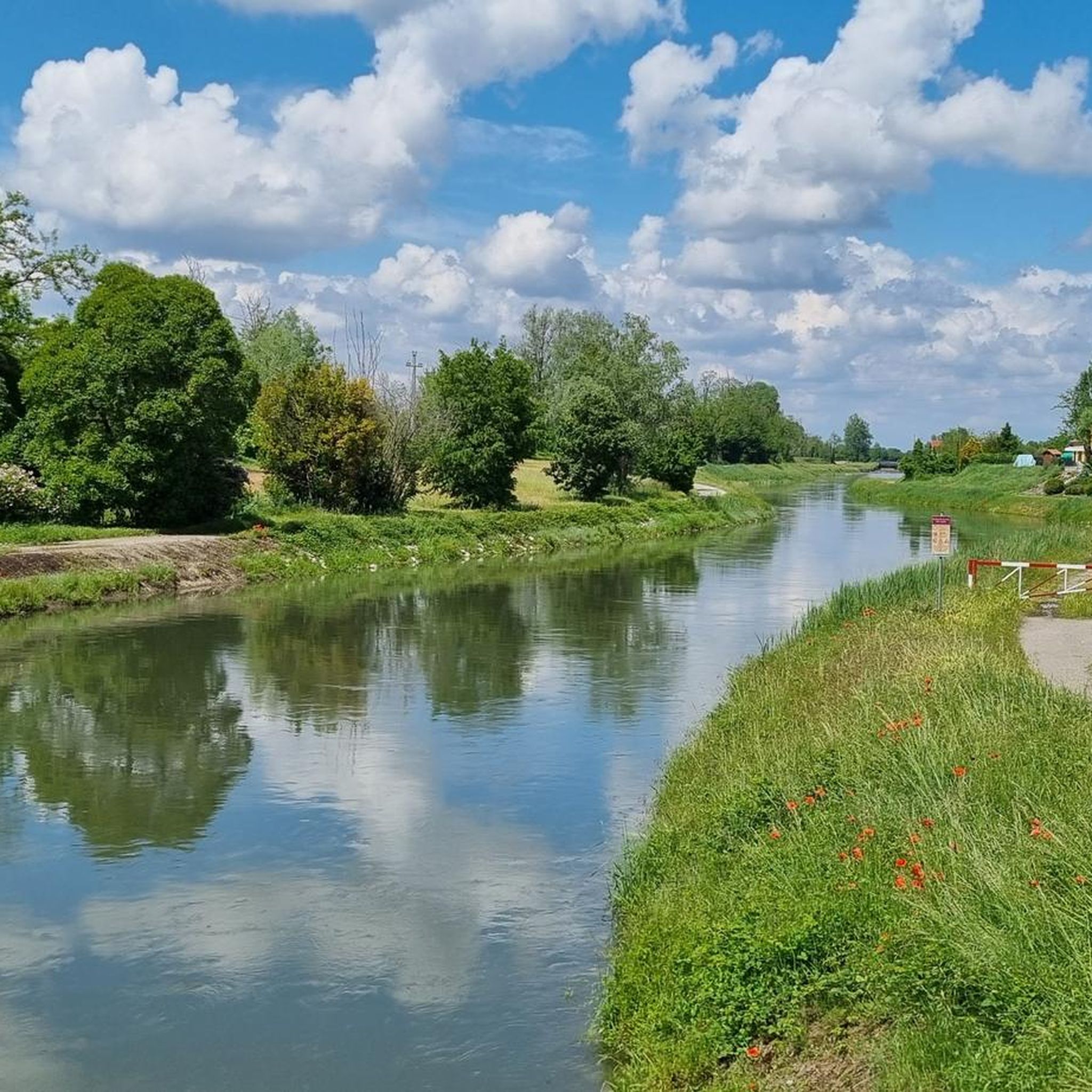
- The most popular attractions is Muzza Canal, a river and one of…
Last updated: November 20, 2026
Victory Square, Lodi
Highlight • Historical Site
Translated by Google •
Tip by

Lodi Cathedral
Highlight • Religious Site
Translated by Google •
Tip by

Sign up now to discover places like this
Get recommendations on the best single tracks, peaks, & plenty of other exciting outdoor places.
Viboldone Abbey
Highlight • Religious Site
Translated by Google •
Tip by

Rocca Brivio
Highlight • Historical Site
Translated by Google •
Tip by

Abbey of Viboldone
Highlight • Religious Site
Translated by Google •
Tip by

Sign up for free to discover even more attractions around San Zenone Al Lambro.
Already have an account?
Start today with a free account
Your next adventure awaits.

Tips from the Community

The Cathedral with the Clock Tower occupies the east side of Piazza della Vittoria, and the facades of houses and palaces frame its facade. The square, as a civic and religious center, as we see it today, was formed in different periods. The construction site of the Duomo was organized according to the methods of the time, i.e. by tracing the perimeter directly on the ground and then starting with the construction of the apse area. The so-called "stepped" facade suggests the division of the internal space, in which the central nave is higher and wider than the two side aisles. In the center of the facade, in the upper part, is the aedicule containing a bronze copy of the statue of San Bassiano, the original in copper and gold patina is kept inside the main nave of the cathedral. The central part of the facade is occupied by the rose window which, besides being a typically decorative element, allows for good internal lighting.
0
0
Around the rose window and the slopes of the roof, the decoration with interwoven arches and polychrome majolica cups of Byzantine derivation is to be observed. Below the rose window, two Renaissance stone windows have been created. The "candelabra" columns and the side coats of arms refer to the motifs of humanistic culture. The most characteristic element of this facade is the protiron. In the lunette above the portal are depicted the Redeemer, the crowned Madonna, and Saint Bassiano imploring. On the pilasters of the horizontal architrave are depicted Adam and Eve and, below, two other figures that recall the vices of man. The portal is framed by spiral columns, and the decorations surrounding the portal arch consist of naturalistic decorative motifs derived from the Lombard school, with shoots, spirals, and aquatic plant leaves. Finally, the small roof that frames and shelters the portal is supported by stylophoric lions.
0
0

Abbey Built by the Order of the Humiliati, it was one of the first places where raw wool was processed into felt, which was used to make the first overcoats. Today it is managed by a cloistered community of Benedictine nuns.
1
0


The Viboldone Abbey is a jewel of medieval architecture that transmits peace and meditation, an oasis of peace surrounded by greenery. Getting there by bike allows you to appreciate the contrast between the tranquility of the place and the rural context that surrounds it, offering a regenerating and contemplative break in the heart of the Lombardy plain. A corner of history and beauty that is worth every pedal stroke.
1
0

Founded in 1176 and completed in 1348 by the Umiliati, a religious order formed by monks, nuns and lay people who, around the church, led a life of prayer and work. Later, after the suppression of the Umiliati, the abbey passed to the Olivetan Benedictines. 20th century In 1940, Cardinal Ildefonso Schuster, after years of abandonment, offered the abbey to a community of nuns led by Margherita Marchi, who had separated from the congregation of the Benedictine nuns of Priscilla. The monastery sui iuris of the Benedictine nuns of Viboldone was canonically erected on 1 May 1941: the nuns dedicate themselves to the production of jams and, since 1945, have carried out an important religious and theological publishing activity, in addition to their more strictly monastic commitments. In 1965 Paul VI ordered that the abbot of Montserrat, Aureli Maria Escare, be transferred there to protect him from Franco's persecution[1]. For many years, the chaplain of the Benedictine community was Luisito Bianchi (1927-2012).
1
0

nice square with bars and restaurants
1
0
Frequently Asked Questions
What historical sites can I visit near San Zenone al Lambro?
The area around San Zenone al Lambro is rich in history. You can explore Victory Square, Lodi, which is the city's most significant square, housing the Cathedral, municipal palace, and Palazzo Vistarini. Another prominent historical site is Lodi Cathedral, the oldest sacred building in Lodi, known for its Romanesque-Lombard style. Further afield, you can visit Rocca Brivio, a spectacular period residence near the Lambro river, or the 14th-century Basilica of San Bassiano, a Cistercian church with archaeological remains.
Are there any natural features or outdoor spaces to explore?
Yes, the Muzza Canal is a notable man-made natural feature. It's one of the first artificial canals ever built and offers a pleasant cycle path, the 'LungoMuzza', which is a dirt road suitable for all skill levels, free of traffic and immersed in the green countryside.
What kind of outdoor activities can I do near San Zenone al Lambro?
The region offers various outdoor activities, especially cycling and hiking. You can find numerous routes for touring bicycles, gravel biking, and hiking. For cycling, options range from easy to moderate, such as the 'Ancient Bridge over the Lambro – Cascina Galinazza loop'. Hiking trails are also available, including moderate loops like 'Melegnano Castle – Medici Castle'. You can find detailed routes and guides for these activities on the respective komoot guide pages: Cycling around San Zenone Al Lambro, Hiking around San Zenone Al Lambro, and Gravel biking around San Zenone Al Lambro.
Are there family-friendly attractions in the area?
Many attractions near San Zenone al Lambro are suitable for families. Victory Square, Lodi and Lodi Cathedral are both considered family-friendly historical sites. The Muzza Canal offers a quiet cycle path perfect for family bike rides. Additionally, Rocca Brivio and the Basilica of San Bassiano are also listed as family-friendly.
What is the significance of Lodi Cathedral?
The Lodi Cathedral is the oldest sacred building in the city of Lodi. Its construction began in 1160 under Frederick Barbarossa and was completed about a century later. It is renowned as a prime example of the Lombard-Emilian Romanesque style, with some Gothic influences, making it a significant architectural and historical landmark in the region.
Can I cycle along the Muzza Canal?
Absolutely! The Muzza Canal features the 'LungoMuzza' cycle path. This dirt road is known for being quiet, free of traffic, and suitable for all skill levels, making it an enjoyable experience for biking through the green countryside.
What makes Victory Square in Lodi special?
Victory Square, Lodi, formerly known as Piazza Maggiore, is the most important square in Lodi. It is a well-preserved ancient town square surrounded by bars with outdoor seating, offering a perfect spot to relax. It hosts the impressive Lodi Cathedral, the municipal palace, and Palazzo Vistarini, making it a central hub of history and activity.
Is San Zenone al Lambro well-connected by public transport?
San Zenone al Lambro is listed as a station on the high-speed Milan-Bologna railway line, indicating its connectivity to larger cities and the broader Lombardy region. This makes it accessible for visitors traveling by train.
What do visitors enjoy most about the attractions around San Zenone al Lambro?
Visitors particularly appreciate the historical depth and architectural beauty of sites like Lodi Cathedral and the vibrant atmosphere of Victory Square, Lodi. The peaceful and scenic cycling opportunities along the Muzza Canal are also highly rated, offering a chance to enjoy the countryside. The blend of historical landmarks and accessible outdoor activities is a key draw.
Are there any castles or ancient residences to visit?
Yes, you can visit Rocca Brivio, a spectacular period residence located near the Lambro river. While it retains the name 'fortress', it was rebuilt in the 17th century as a noble country palace on the foundations of an older medieval castle. It's a fascinating historical site, though it's advisable to check if it's open before visiting as access can be restricted.
What is the best way to explore the area's historical and cultural sites?
Many of the significant historical and cultural sites, such as Victory Square, Lodi and Lodi Cathedral, are located in the nearby city of Lodi, which is easily accessible from San Zenone al Lambro. Exploring Lodi on foot allows you to appreciate its well-preserved ancient town square and impressive architecture. For sites like Rocca Brivio or the Basilica of San Bassiano, a short drive or a bike ride along the local routes would be ideal.
Most popular routes around San Zenone Al Lambro
Most popular attractions around San Zenone Al Lambro

Get inspired with the komoot mobile app


Explore more
Still not found the Highlight you’re looking for? See guides of the top attractions in other regions:
