Top 20 Natural Monuments around Valtorta
Best natural monuments around Valtorta are situated within the Italian Alps, providing an alpine environment with lush valleys, alpine meadows, and clear streams. The region is part of the Orobie Alps, featuring majestic peaks and diverse geological formations shaped by tectonic activity and erosion. Valtorta offers opportunities for experiencing the tranquility of its natural setting.
Best natural monuments around Valtorta
- The most popular natural monuments is Grigna Meridionale — Summit and Bivouac, a summit that is one of the…
Last updated: September 29, 2026
Northern Grigna (Rifugio Brioschi)
Highlight • Mountain Hut
Translated by Google •
Tip by

Ferrario Shelter
Highlight • Mountain Hut
Translated by Google •
Tip by

Sign up now to discover places like this
Get recommendations on the best single tracks, peaks, & plenty of other exciting outdoor places.
Grigna Meridionale — Summit and Bivouac
Highlight • Summit
Together with Grignone (Grigna Settentrionale) it …
Translated by Google •
Tip by

Val Taleggio
Highlight • Gorge
Translated by Google •
Tip by

Pizzo dei Tre Signori
Highlight • Summit
Translated by Google •
Tip by

Sign up for free to discover even more natural monuments around Valtorta.
Already have an account?
Start today with a free account
Your next adventure awaits.
Popular around Valtorta
Western Orobie Path – cross the upper Brembana Valley in Italy
Hike between villages and historic routes – Alta Val Brembana’s mountains
Hiking around Valtorta
MTB Trails around Valtorta
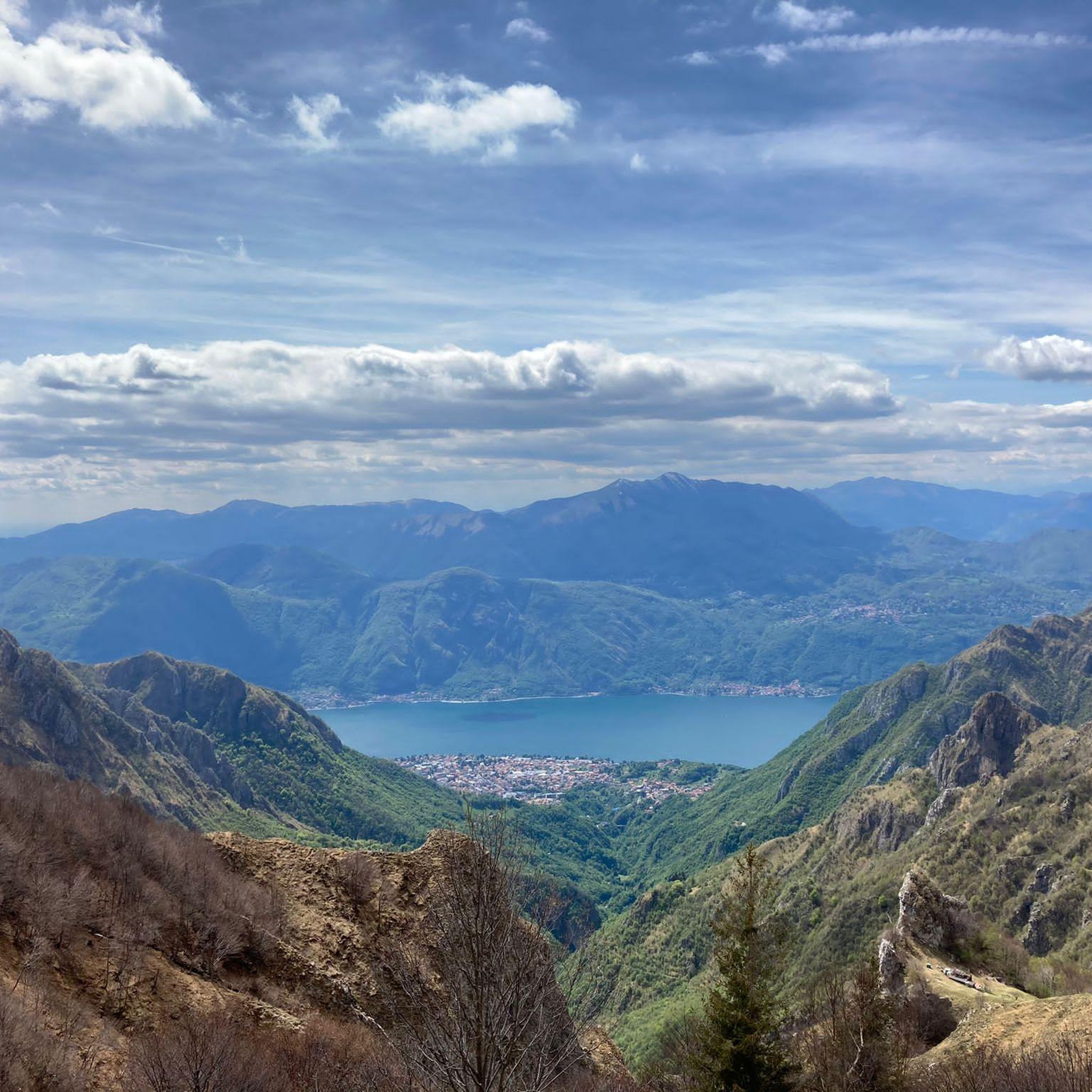
Cycling around Valtorta
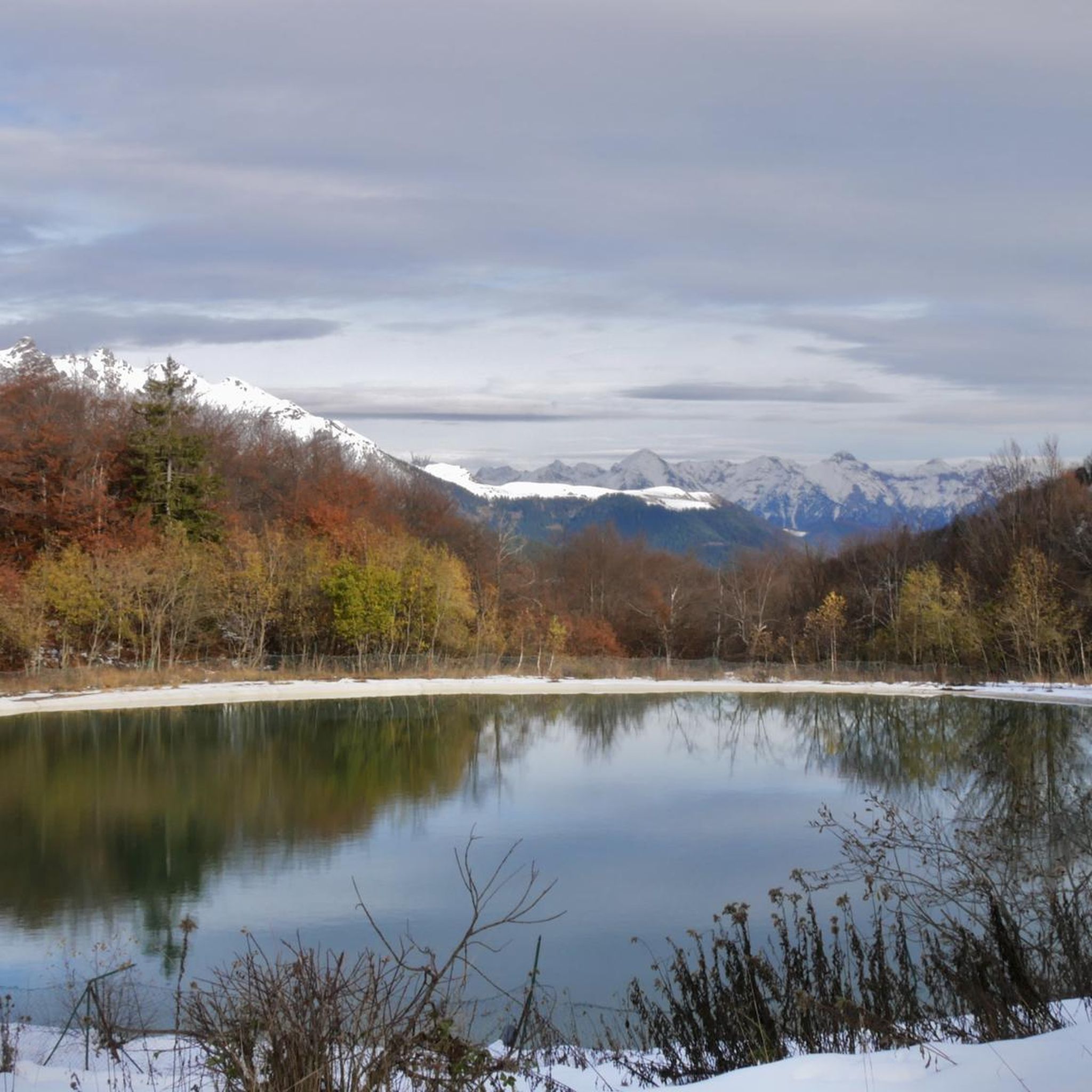
Road Cycling Routes around Valtorta
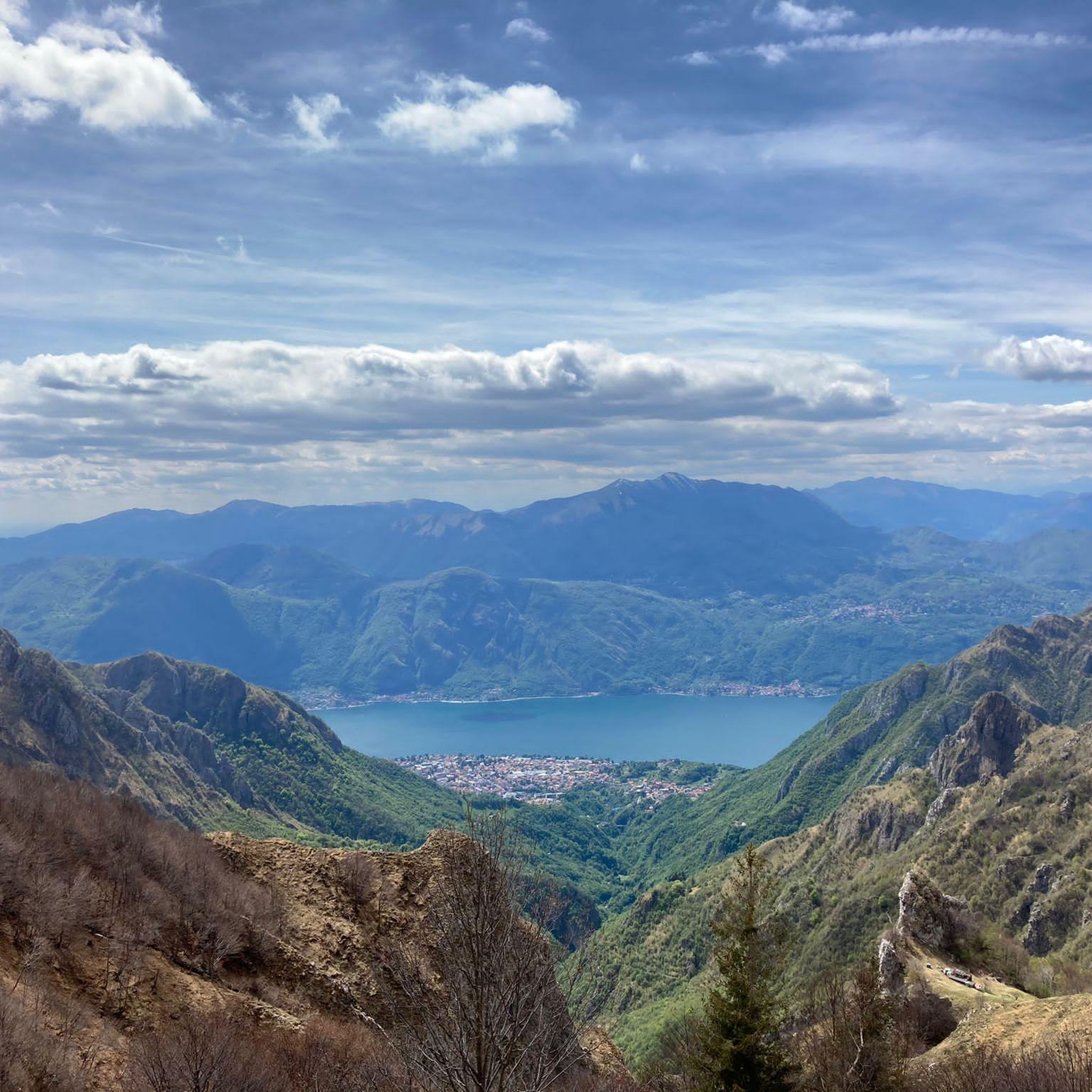
Running Trails around Valtorta

Gravel biking around Valtorta

Mountain Hikes around Valtorta

Tips from the Community

Historic mountain for the Lecco region and for all of Italy.
2
0

very nice, not for everyone. Walls equipped with chains and cables, can be done without a harness, but great care is still required.
1
0

Parking in Ballabio for the whole day cost about 5 euros, and from there, it was a steep climb straight away along the path through the forest and up the mountain until reaching the summit at 2,180 m. A spectacular experience. It took about 3 hours to get to the top. And the descent took another 3, but it was worth it. There is no shelter, so bring a packed lunch. Not for beginners! Expert level. Elevation gain: 900 m.
1
0

The trail is easily accessible to everyone. Remember to pay the 2 euro ticket as soon as you arrive in Pizzino.
0
0

Magical place during the winter while the sun rises. During the central hours too crowded and you can't enjoy the moment
1
0
Legendary summit bivouac on Grignetta, it's a must!
3
0

Refuge easily accessible even in winter.
1
0
Spectacular refuge in a wonderful place. In winter it is fantastic! Very popular, always being on the ring road by how many people are climbing. Steep climb, the famous wailing wall, it just takes a bit of training and perseverance. The refuge is welcoming, managed by very welcoming and kind guys. Sunset and sunrise are wonderful.
1
0
Frequently Asked Questions
What are the prominent natural features around Valtorta?
Valtorta is nestled within the Orobie Alps, characterized by its breathtaking alpine landscape. You'll find majestic peaks, lush valleys, alpine meadows, and clear streams. Key natural monuments include the summits of Grigna Meridionale and Grigna Settentrionale, offering diverse environments from meadows to rocky walls. The Val Taleggio is also a notable gorge and valley.
Are there challenging natural monuments for experienced hikers?
Yes, several natural monuments around Valtorta offer challenging experiences. The summits of Grigna Meridionale and Grigna Settentrionale, as well as Pizzo dei Tre Signori, are categorized as challenging. These areas often involve significant elevation gain and varied terrain, suitable for those seeking a strenuous hike with rewarding views.
What are some family-friendly natural attractions in Valtorta?
While many of the prominent summits are challenging, the broader alpine landscape of Valtorta offers numerous scenic hiking trails through lush valleys and alpine meadows that can be enjoyed by families. Look for trails with less extreme elevation changes to experience the tranquility and natural beauty of the Orobie Alps.
Can I bring my dog to the natural monuments around Valtorta?
The natural areas around Valtorta, including many hiking trails, are generally dog-friendly. However, it's always advisable to keep dogs on a leash, especially in protected areas or near wildlife, and to check for specific local regulations or restrictions for individual trails or huts before your visit.
What is the best time of year to visit the natural monuments in Valtorta?
The best time to visit Valtorta's natural monuments largely depends on your preferred activities. Summer (June to September) is ideal for hiking and enjoying the alpine meadows and clear streams. In winter, the area transforms into a snowy wonderland, suitable for skiing and snowshoeing, offering a different kind of natural experience.
What kind of outdoor activities can I do near Valtorta's natural monuments?
Beyond exploring the natural monuments themselves, Valtorta offers a range of outdoor activities. You can find numerous routes for cycling, gravel biking, and running. For cycling, consider routes like the 'Climb to Morterone' or the 'Sprizzotolo Waterfall loop' mentioned in the Cycling around Valtorta guide. Gravel biking options include the 'Nicola Hut loop' or the 'San Marco Pass loop' from the Gravel biking around Valtorta guide. For running, there are challenging trails like 'Pizzo Tre Signori e Lago Rotondo' in the Running Trails around Valtorta guide.
Are there any specific geological features worth noting in the Valtorta area?
The entire Valtorta region is part of the Orobie Alps, which are characterized by diverse geological formations shaped by tectonic activity, glacial erosion, and water. You can observe these processes in the rugged mountain peaks, deep valleys like Val Taleggio with its deep gorge, and the varied terrain of the Grigne group. These features showcase the geological history of the Italian Alps.
Where can I find panoramic views of the region?
For stunning panoramic views, head to the summits. Ferrario Shelter on Grignetta offers fabulous sunsets with views of Lake Como and the surrounding plain. The Brioschi Hut (Grigna Settentrionale Summit) and Pizzo dei Tre Signori also provide wonderful 360-degree vistas of the surrounding alpine landscape.
What makes the Grigne group of mountains a significant natural monument?
The Grigne group, comprising Grigna Meridionale (Grignetta) and Grigna Settentrionale (Grignone), is significant due to its diverse environments, ranging from lush meadows to dramatic rocky walls. As mountaineer Riccardo Cassin noted, 'the Grigna is not a peak but a world,' offering a wide array of itineraries from simple treks to challenging mountaineering routes, making it a unique natural landmark.
What should I wear for hiking to the natural monuments in Valtorta?
Given the alpine environment, it's essential to dress in layers. Even in summer, mountain weather can change quickly. Wear sturdy hiking boots, moisture-wicking clothing, and bring waterproof and windproof outer layers. Sun protection (hat, sunglasses, sunscreen) is also crucial, especially at higher altitudes. For winter visits, appropriate cold-weather gear, including snowshoes or skis, is necessary.
Are there options for food and drink near the natural monuments?
Yes, some natural monuments are close to or even host facilities for food and drink. For instance, the Brioschi Hut on Grigna Settentrionale is a mountain hut that offers accommodation, a pub, and a restaurant. In the broader Valtorta area, you'll find various cafes, pubs, and restaurants in the villages, providing options before or after your outdoor adventures.
How accessible are the natural monuments around Valtorta by public transport?
While Valtorta is a mountain village, public transport options to reach the general area exist, typically involving bus services from larger towns. However, direct public transport to the trailheads of specific natural monuments can be limited. It's often recommended to use a combination of public transport to reach Valtorta or nearby villages, and then proceed by car or on foot to access the more remote natural monuments and trails.
What are the typical terrains and elevations encountered on trails around Valtorta's natural monuments?
The terrain around Valtorta's natural monuments varies significantly, from gentle alpine meadows and forest paths in the valleys to steep, rocky ascents and exposed ridges on the higher peaks. Elevations can range from around 800 meters in the valleys up to over 2,500 meters for summits like Pizzo dei Tre Signori. Hikers should be prepared for diverse conditions and significant elevation changes, especially on routes to the prominent summits.
Most popular routes around Valtorta
Most popular attractions around Valtorta

Get inspired with the komoot mobile app


Explore more
Extend your search for the best caves by checking out these guides of the top ones around Valtorta:
