Attractions and Places To See around Sommo - Top 20
Best attractions and places to see around Sommo include a rich historical and cultural experience, often intertwined with the nearby city of Pavia. Located in the Province of Pavia, Italy, Sommo is a small town approximately 8 km from Pavia, making significant landmarks and natural features easily accessible. The region offers a variety of sites, from monumental complexes to picturesque river districts and extensive agricultural landscapes.
Best attractions and places to see around Sommo
- The most popular attractions is Ponte…
Last updated: November 21, 2026
Ponte Coperto (the Covered Bridge) in Pavia
Highlight • Bridge
Translated by Google •
Tip by

Visconti Castle of Pavia
Highlight • Castle
Translated by Google •
Tip by

Sign up now to discover places like this
Get recommendations on the best single tracks, peaks, & plenty of other exciting outdoor places.
Statue of the Washerwoman
Highlight • Monument
Translated by Google •
Tip by

Sanctuary of Santa Maria del Novello
Highlight • Religious Site
Popular …
Translated by Google •
Tip by

Naviglio Pavese Lock at the Confluence
Highlight • Structure
Translated by Google •
Tip by

Sign up for free to discover even more attractions around Sommo.
Already have an account?
Start today with a free account
Your next adventure awaits.

Tips from the Community

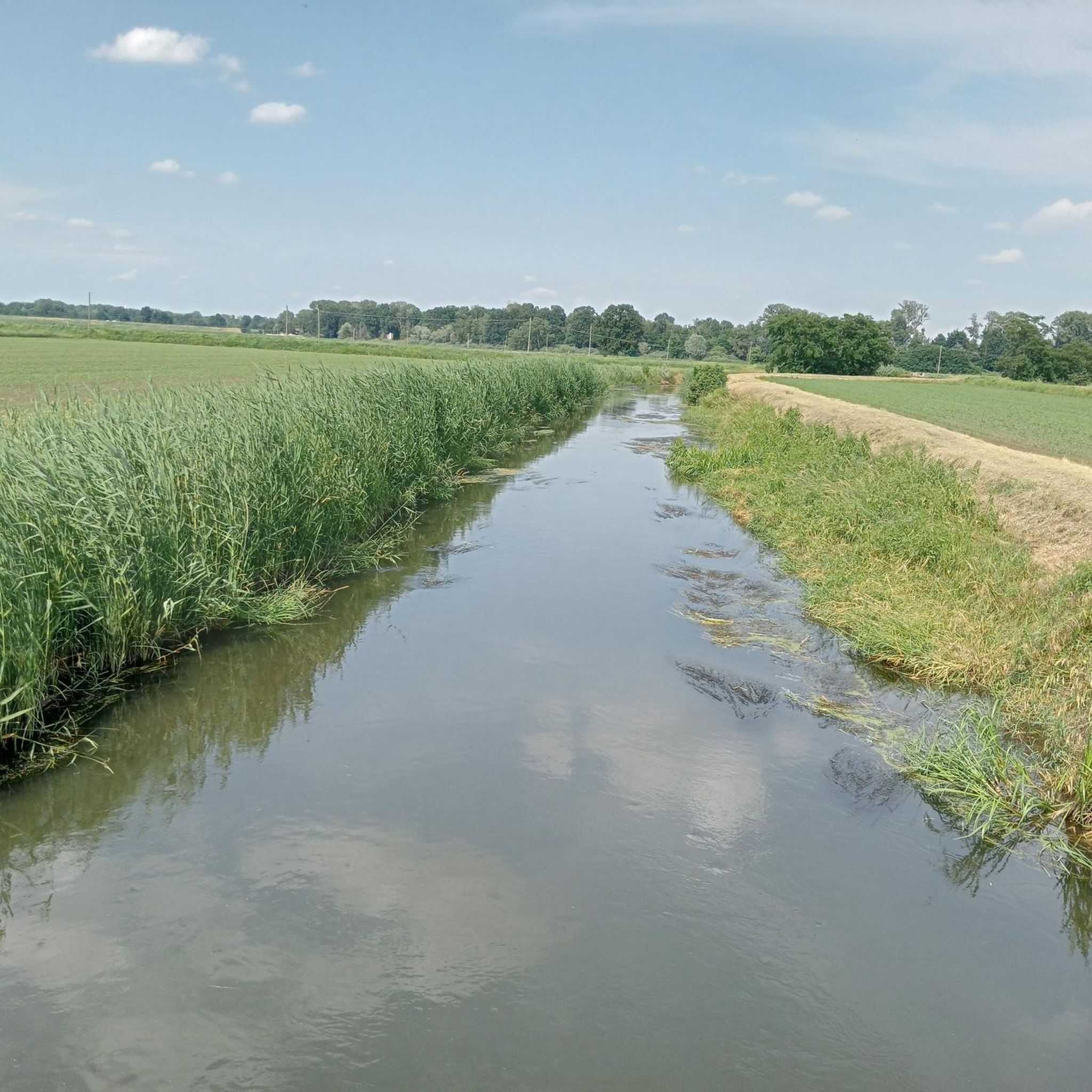
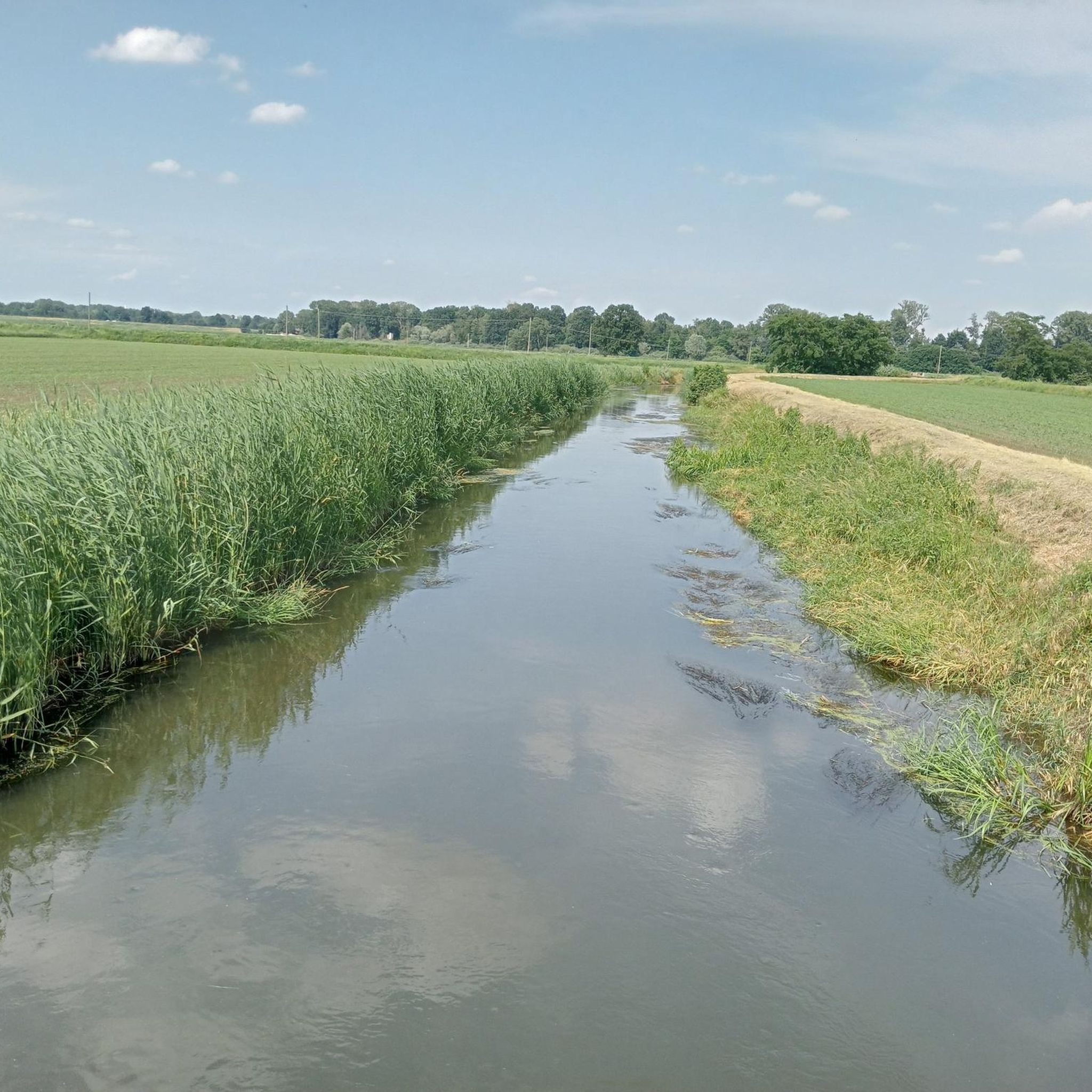
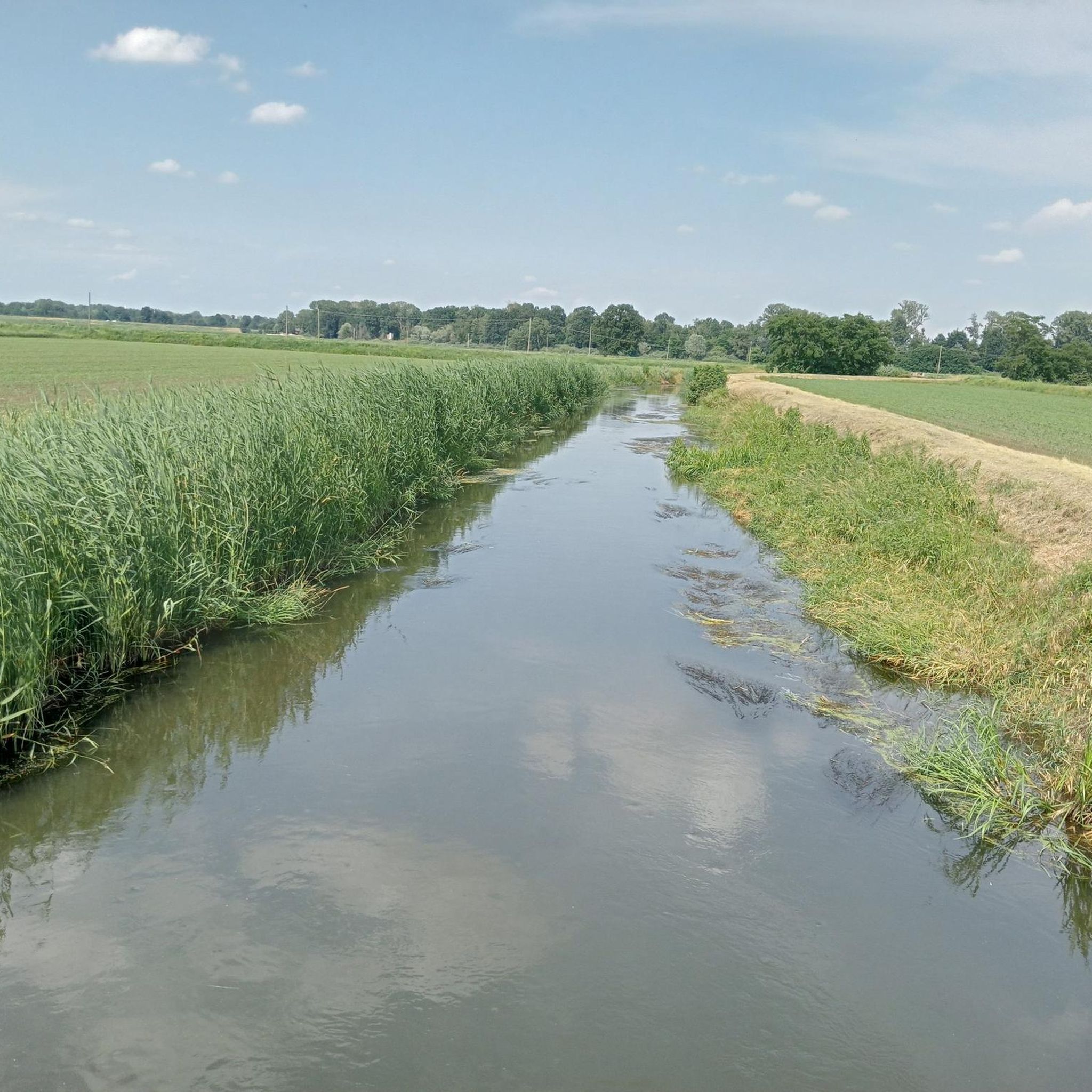
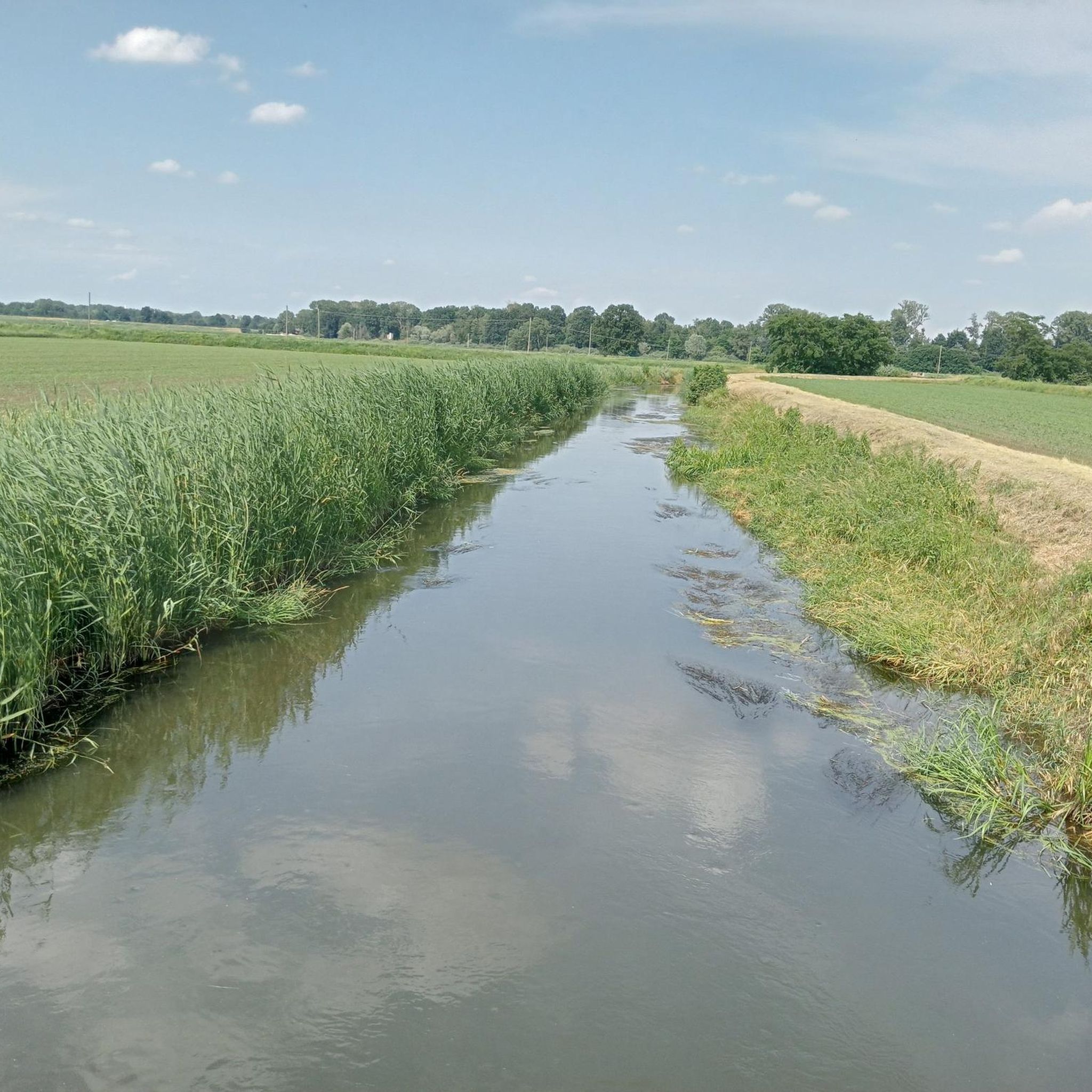
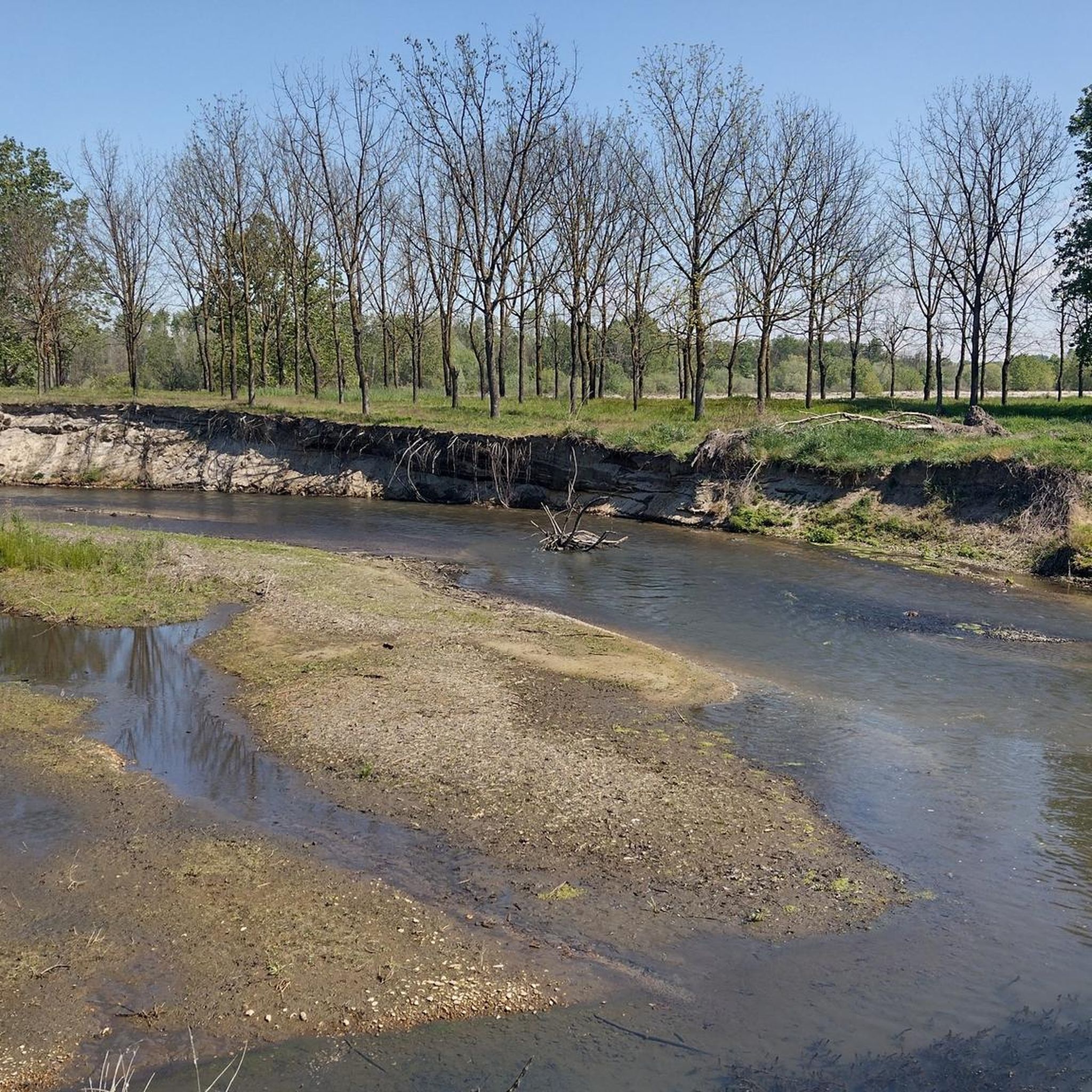
The Naviglio Pavese connects Milan to Pavia for 33.1 km and ends with its confluence into the Ticino river near Pavia, where the last hydraulic regulation lock (chiusa) is located. Main features Route and length: The canal is 33.1 km long and connects the Darsena in Milan to the dock/confluence of the Ticino in Pavia. Elevation gain and locks: The total elevation difference between Milan and the Ticino is 56.6 meters, overcome by twelve locks and the inclination of the bed. History: The works for the final completion were commissioned by Napoleon and finished in 1819, with the official inauguration on August 16, 1819, by Archduke Ranieri. Historical navigation: As early as 1820, the first steamships operated at the confluence with the Ticino, connecting Milan to the Po and the Adriatic.
0
0

The Monument to the Washerwoman is a famous bronze sculpture located in Pavia, positioned on the riverbank in the characteristic Borgo Ticino district. The work is located at the entrance of Via Milazzo, immediately to the left after crossing the famous Ponte Coperto.
1
0
The Sanctuary of Santa Maria del Novello (also known as Santuario del Novello) is a fascinating religious building located in Travacò Siccomario, in the province of Pavia. This small country church stands in a suggestive and isolated position within the floodplain area, just a few steps from the main left bank of the Po River. Origins: The original structure dates back to the late 1500s (or early 1600s according to some local sources). It was commissioned by the Bonacossa family and built over a previous country oratory, of which it still preserves the original fresco of the Madonna inside. Protection from floods: According to popular tradition, the building was erected at that precise spot to invoke divine protection against floods.
0
0

A memorial to the laundresses. Thanks to Willem VS for his excellent descriptions!
3
0

This imposing brick castle was built between 1360 and 1365 by order of Galeazzo Visconti and served as a fortification and residence. The north wing of the castle was destroyed at the battle of Pavia (1525) between the French and the Spanish. Petrarch loved the building and assembled a rich library there, which later moved to France. The large courtyard has arcades and an ornate loggia with twin windows.
7
0
According to legend, some pilgrims wanted to attend midnight mass in the city on Christmas Eve in 999, but due to the thick fog their boats could not cross the river. Suddenly, a man dressed in red arrived and promised that he would immediately build a bridge in exchange for the first soul to cross the bridge. The man in red was the devil, and only the Archangel Michael, who had come from the nearby church, recognized him. Michael pretended to agree to the deal, but once the bridge was built, a goat crossed it first. The bridge is therefore also known as the Ponte del Diavolo ("Devil's Bridge").
10
0
The covered bridge has its origins in Roman times. The current one was constructed in the 14th century and covered in 1583. Upstream of the bridge you can still see pillars of the original bridge, reconstructed after the Second World War. A memorial stone on the bridge tells that Albert Einstein stayed in Pavia for several months and loved the place.
8
0
The Statua della Lavandaia in Pavia is one of the symbols of the city. This beautiful sculpture, created by local artist Giovanni Scapolla in 1981, recalls the time when the banks of the Ticino River were populated by women who washed clothes in the river. Giovanni Scapolla was inspired by his mother, a famous washerwoman named 'Sciura Teresina', who always wore a traditional 'caplina' on her head. Names of the washerwomen: The washerwomen often had nicknames related to physical characteristics. The most famous was 'Angiuleta', but there were others such as 'Marieta dai pe tort' (with crooked feet) and 'Gianina la culona' (the plump one). Method: The women worked all day on the riverbank. The clothes were soaked overnight in large concrete containers and then washed by the river using a wooden board (‘a scägn’). Men and children collected the washed clothes and delivered them throughout the city. It was hard and unprofitable work, with only one or two lira each. Singing and entertainment: To pass the time, the washerwomen often sang. One of their favorite songs was “La donna è mobile” from Verdi's opera Rigoletto. They even adapted the text: 'La dona l'è UN MOBIL da met in sala, l'om l'è un asin da met in stala', referring to the fact that men walked around all day while the women stood still to to wash.
9
0
Frequently Asked Questions
What historical sites can I explore near Sommo?
The region around Sommo is rich in history. You can visit the impressive Visconti Castle of Pavia, an important example of Renaissance architecture that now houses civic museums. Don't miss the Basilica of San Michele Maggiore, a significant Romanesque church where several Italian kings were crowned, including Frederick Barbarossa. The Cathedral of Pavia, with its large dome and important relics, is another must-see historical and religious landmark.
Are there any family-friendly attractions around Sommo?
Yes, several attractions are suitable for families. The Ponte Coperto (Covered Bridge) in Pavia offers picturesque views and a pleasant walk. The Statue of the Washerwoman in Borgo Ticino provides a glimpse into local history with an interesting story. Both the Visconti Castle of Pavia and the Cathedral of Pavia are also considered family-friendly and offer cultural enrichment.
What natural features or scenic spots are there to visit?
Beyond the historical sites, you can enjoy the natural beauty of the region. The Ponte Coperto offers beautiful views of the Ticino River and the city skyline. The Borgo Ticino district, where the Statue of the Washerwoman is located, provides atmospheric views, especially at sunset. You can also explore the Orto Botanico (Botanical Garden) of the University of Pavia, which features diverse plant collections, or take walks and cycle rides through the extensive paddy fields, as Pavia is known as Italy's rice capital.
Where can I find good viewpoints around Sommo?
For scenic views, the Ponte Coperto (Covered Bridge) in Pavia is an excellent spot, offering picturesque vistas of the Ticino River and the city. The Borgo Ticino district, located at the southern end of the bridge, also provides atmospheric views, particularly during sunset, with the river and historic buildings as a backdrop.
Are there opportunities for outdoor activities like cycling or running near Sommo?
Yes, the area around Sommo offers various routes for outdoor enthusiasts. For mountain biking, you can explore trails like the 'Trail Along the Ticino' or the 'Lido di Pavia – Covered Bridge of Pavia loop'. Runners can enjoy routes such as the 'Running loop from Carbonara al Ticino' or the 'Po River embankment loop'. Road cyclists have options like the 'Pavia Covered Bridge – Canneto climb' or the 'Pavia Covered Bridge – Naviglio Pavese Cycle Path'. You can find more details on these and other routes in the MTB Trails around Sommo, Running Trails around Sommo, and Road Cycling Routes around Sommo guides.
What is the Certosa di Pavia and is it worth visiting?
The Certosa di Pavia (Pavia Charterhouse) is a monumental complex located about 8 kilometers from Pavia's city center. It's a highly recommended visit, featuring a late 14th-century monastery and sanctuary adorned with frescoes from the 15th to 18th centuries. It served as a family mausoleum for the Duke of Milan and is considered a treasure in Lombardy. Guided tours are available, and it is open to the public from Tuesday to Sunday.
What is the significance of the Borgo Ticino district?
Borgo Ticino, located at the southern end of the Ponte Coperto, is a picturesque district with historical significance. It was traditionally home to fishermen and washerwomen. The Statue of the Washerwoman commemorates these women. It's a charming area for a stroll, offering unique views, especially as the sun sets over the Ticino River.
Are there any religious buildings of note in the area?
Absolutely. The Cathedral of Pavia, with its impressive dome, is a major religious landmark. The Basilica of San Michele Maggiore is another key Romanesque church, famous for being a coronation site for kings. Additionally, the Church of San Pietro in Ciel d'Oro is the resting place of St. Augustine and Severinus Boethius, featuring a magnificent tomb.
What are some lesser-known attractions or 'hidden gems' near Sommo?
While not strictly 'hidden,' the Orto Botanico (Botanical Garden) of the University of Pavia offers a peaceful escape with diverse plant collections, including wild and ancient roses. The Monastero della Pusterla (Monastery of Santa Maria Teodote) is one of Pavia's oldest women's monasteries, showcasing refined Lombard architecture and painting from the early 16th century, providing a deeper dive into local history beyond the main tourist spots.
What do visitors enjoy most about the attractions around Sommo?
Visitors particularly appreciate the rich historical and cultural experience offered by the region. The blend of ancient castles, majestic cathedrals, and iconic bridges like the Ponte Coperto is highly valued. The picturesque views along the Ticino River and the charming atmosphere of districts like Borgo Ticino are also frequently highlighted as enjoyable aspects of a visit.
Is it possible to visit the University of Pavia's Botanical Garden?
Yes, the Orto Botanico (Botanical Garden) is part of the University of Pavia and is open to visitors. Established in the 1700s, it features diverse collections, including wild and ancient roses, azaleas, and various other plant species, offering a tranquil and educational experience.
Most popular attractions around Sommo

Get inspired with the komoot mobile app


Explore more
Still not found the Highlight you’re looking for? See guides of the top attractions in other regions:
