Top 20 Caves around Modica
Caves around Modica reveal a rich subterranean history, showcasing millennia of human inhabitation. The region, known for its Baroque architecture, features numerous cave systems carved into soft limestone cliffs. These sites range from prehistoric settlements and ancient necropolises to medieval dwellings and rock-cut churches. Modica's caves provide insight into past civilizations and their adaptation to the natural landscape.
Best caves around Modica
- The most popular caves is Cava d'Ispica, a gorge that features thousands of cave dwellings, necropolises, and…
Last updated: October 4, 2026
Giant's Cave
Highlight • Cave
Translated by Google •
Tip by

Necropolis of Cava Celone
Highlight • Historical Site
Translated by Google •
Tip by
Sign up now to discover places like this
Get recommendations on the best single tracks, peaks, & plenty of other exciting outdoor places.
Cava d'Ispica
Highlight • Gorge
Translated by Google •
Tip by
Museum in Caves – Water Mill and Cave Museum
Highlight • Historical Site
Translated by Google •
Tip by

Ancient Cave Dwellings and Tanneries of the Cava d'Ispica
Highlight • Cave
Translated by Google •
Tip by

Sign up for free to discover even more caves around Modica.
Already have an account?
Start today with a free account
Your next adventure awaits.
Tips from the Community

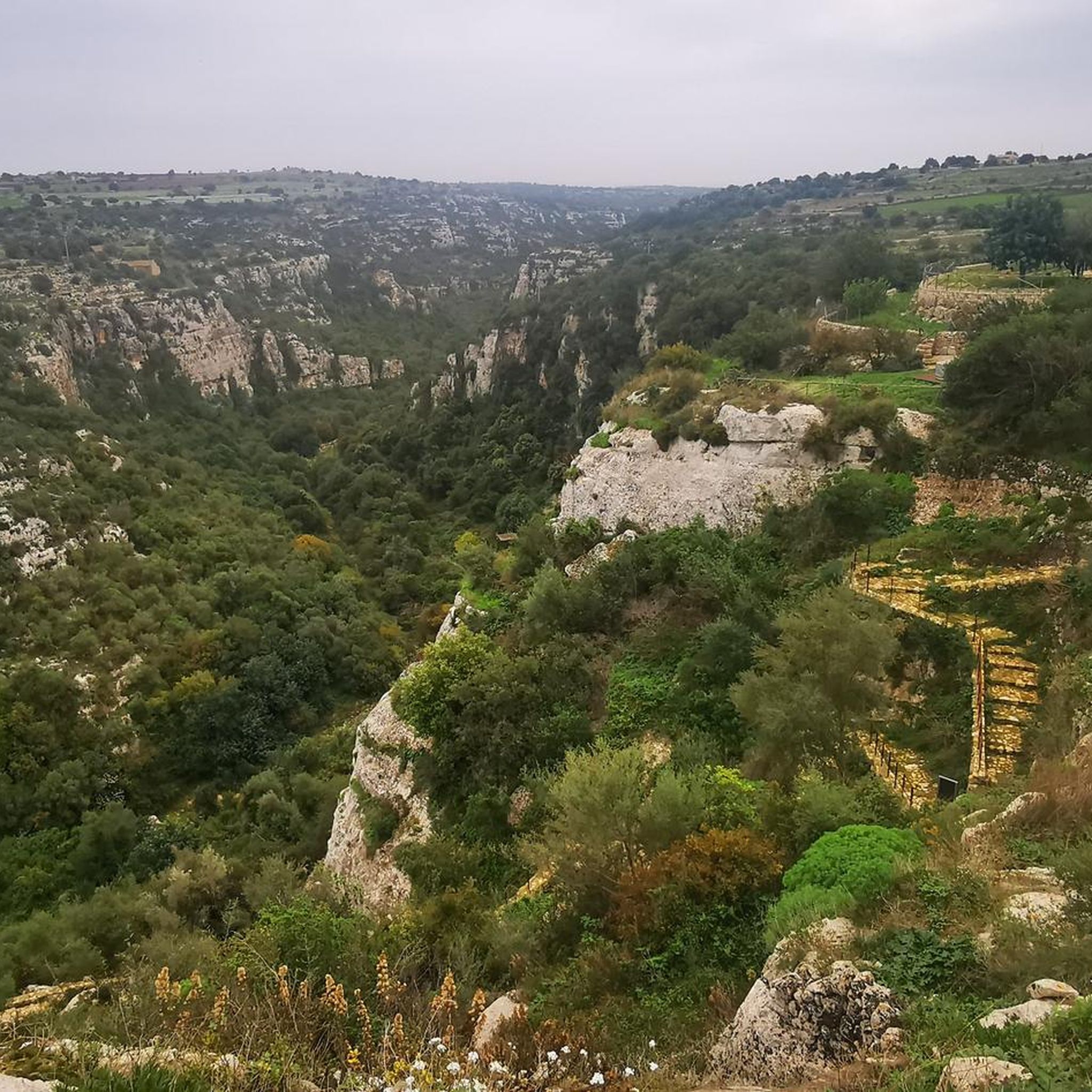
The hiking trail runs entirely through a riverbed, making it heavier than normal. The caves are shielded within a tourist attraction and are not accessible. On Tuesdays in late April, it is also not open and few people are seen, so probably still closed in the early season. All in all, not an attractive part to walk either. A little bit for the experience is nice, but then it's quickly over, because you only have to look down where you can place your feet.
0
0

Very interesting route due to the presence of these ancient caves used for tanning leather in medieval times
0
0

Catacombs carved into the rock. Graves. The path leading there has been rebuilt.
0
0
Some recognize the face of a giant with a beard.
0
0

Harnessing the power of moving water to drive a mill wheel is an ancient invention, documented as early as pre-Christian times. Thanks to such a design, a watercourse – natural or artificial – could easily replace human or animal muscle power, for example, to grind grain into corn. There are essentially two drive variants for watermills: Either the water simply hits the blades of the water wheel from below to set it in motion; or the water is guided above the wheel and falls onto the blades. This design utilizes natural gravity to achieve greater efficiency.
2
0

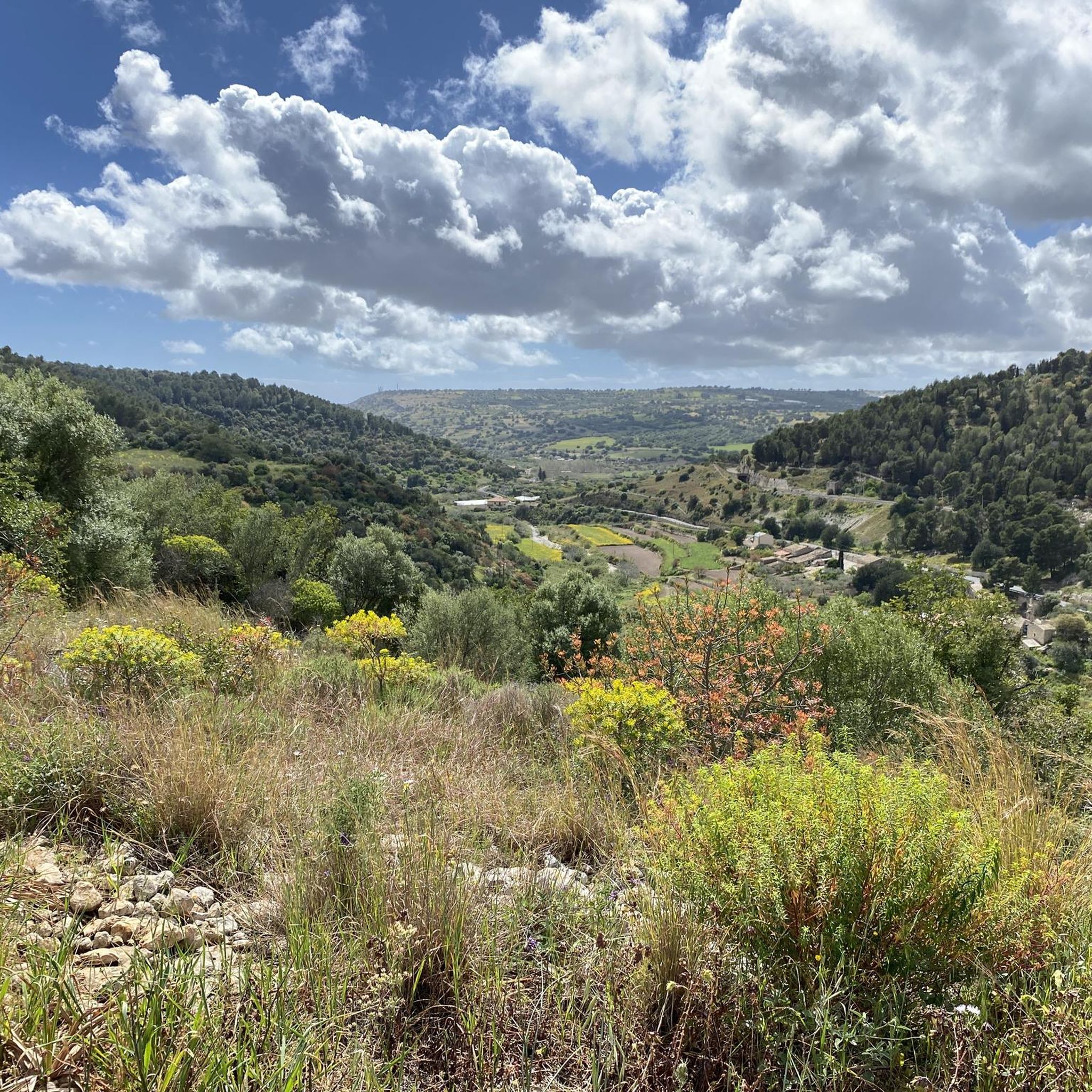
Along the river there are many concerie where leather was made.
0
0

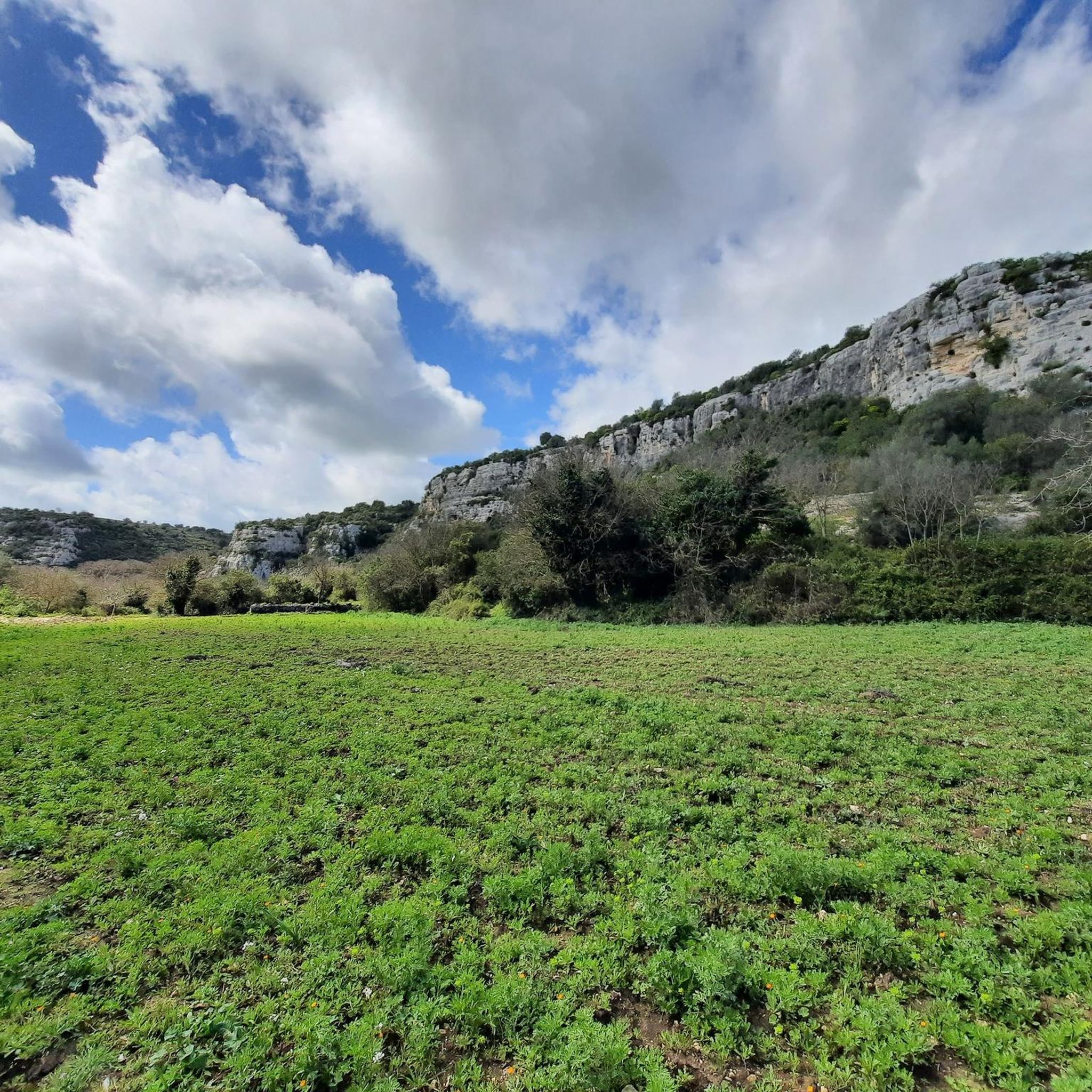
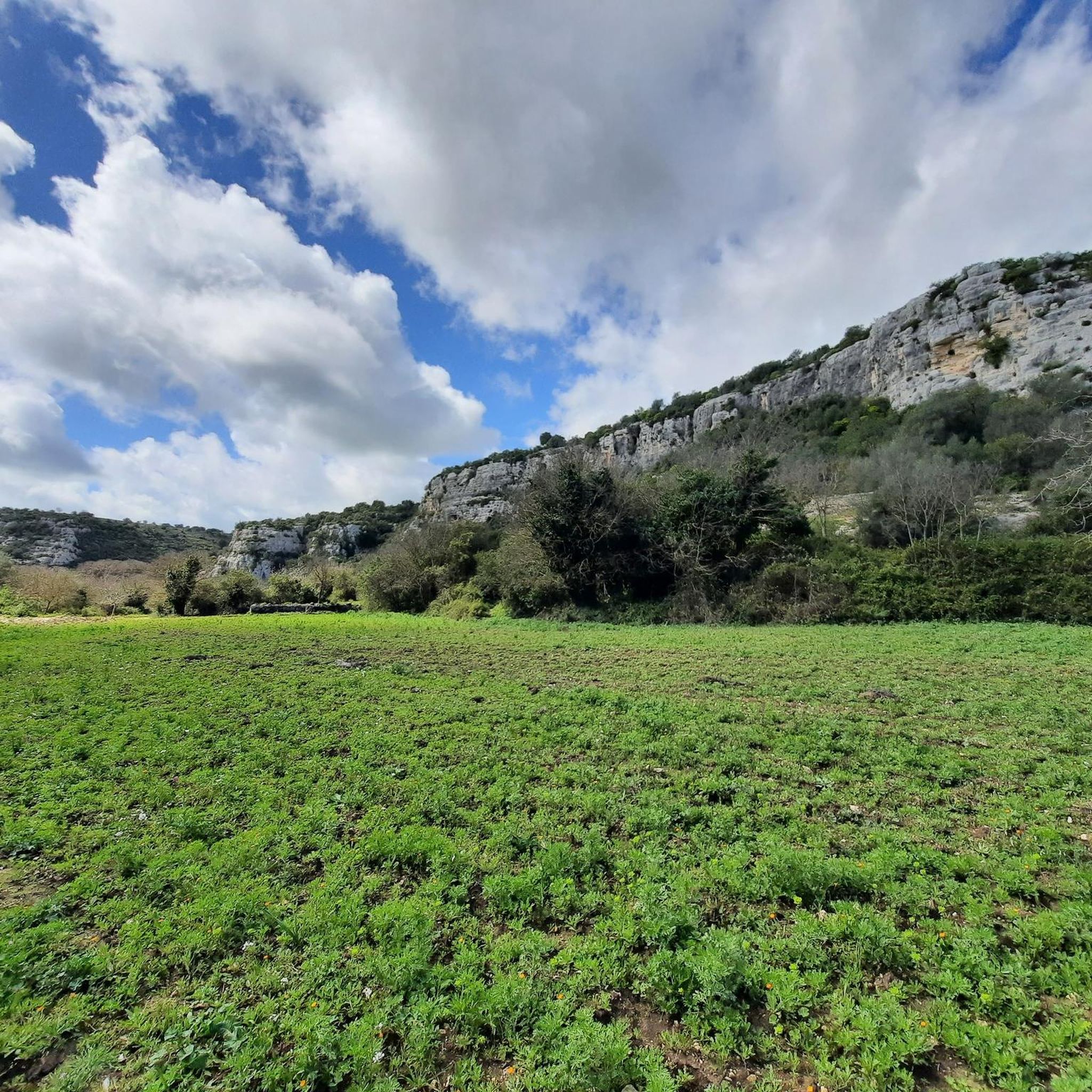
Great ancient cave dwellings and tombs
0
0
A very beautiful gravesite, little known. The path was recently prepared but is a bit overgrown.
2
0
Frequently Asked Questions
What types of historical sites can be found in the caves around Modica?
The caves around Modica are rich in history, featuring a wide array of sites from different eras. You can explore prehistoric settlements, ancient necropolises, medieval dwellings, and rock-cut churches. Notable examples include the extensive Cava d'Ispica, which contains thousands of cave dwellings and burial sites like the Necropolis of Cava Celone, and the Larderia Catacombs. Other sites include the Grotte Cadute, the Spezieria (Apothecary) Cave, and the Cave Church of Santa Maria, showcasing millennia of human adaptation to the landscape.
Are there any unique natural formations to see in Modica's caves?
Yes, the region offers unique natural formations. For instance, the Giant's Cave features a rock formation that remarkably resembles the face of a long-bearded giant, making it a distinctive natural attraction.
What is the best time of year to visit the caves near Modica?
Spring and autumn are considered the best times to visit the caves around Modica. The weather conditions during these seasons are milder, making exploration more comfortable.
What should I wear or bring for exploring the caves?
For exploring the caves, especially in areas like Cava d'Ispica, it is advisable to wear sturdy shoes suitable for walking and uneven terrain. Bringing water is also recommended, as some areas involve extensive walking and exploration. For more adventurous caves like Grotta dei Rovi, a helmet and headlamp are advised.
Are there any caves that offer a museum experience?
Yes, you can visit the Museum in Caves – Water Mill and Cave Museum. This site features a watermill with an Arabic mill wheel and a small museum, offering insights into historical uses of water power within a cave setting.
How difficult are the trails for exploring Cava d'Ispica?
The trails in Cava d'Ispica vary in difficulty. At the gorge entrance, routes are generally easy with little incline, suitable for sneakers. However, the deeper you venture into the gorge, the more challenging the paths become, requiring proper hiking shoes.
Are there any particularly challenging caves for adventurous explorers?
For those seeking a more adventurous exploration, Grotta dei Rovi is a deep cave with a somewhat hidden entrance. It is recommended for visitors to bring a helmet and headlamp due to its challenging nature and thorny access.
What kind of archaeological discoveries have been made in Modica's caves?
Modica's caves have yielded significant archaeological discoveries. For example, Necropolis of Cava Celone contains numerous burial hypogea from the late Roman period. Cava Lazzaro is one of Sicily's most significant Palaeolithic archaeological sites, where amygdala utensils and Castellucci culture pottery from the Bronze Age were found, now preserved in the Modica Civic Museum.
Can I find rock-cut churches with frescoes in the area?
Yes, the Saint Nicholas Lower Rocky Church is an artificial cave church dating between the 12th and 16th centuries. It is notable for its well-preserved frescoes, made directly on the rock in a late Byzantine style, with the main fresco depicting an Almighty Christ.
What outdoor activities can I do near the caves around Modica?
Beyond cave exploration, the Modica region offers various outdoor activities. You can find numerous cycling routes, such as those detailed in the Cycling around Modica guide, or explore running trails, including those mentioned in the Running Trails around Modica guide. For mountain biking enthusiasts, there are challenging MTB trails available, which you can discover in the MTB Trails around Modica guide.
How long does it typically take to visit the main cave systems?
Visiting extensive cave systems like Cava d'Ispica can take several hours, or even a full day, depending on how much you wish to explore. It's a 13-kilometer-long gorge with numerous sites, so plan accordingly to fully appreciate its archaeological and natural features.
Most popular attractions around Modica

Get inspired with the komoot mobile app


Explore more
Extend your search for the best caves by checking out these guides of the top ones around Modica:
