Attractions and Places To See around Acquaviva Collecroce - Top 16
Best attractions and places to see around Acquaviva Collecroce are found in this historic town in the Molise region of Italy. The area is characterized by a hilly landscape, rich vegetation, and a unique cultural heritage, including a Croatian-Molise linguistic minority. Visitors can explore a blend of historical sites and natural features, such as impressive erosive landforms. The region offers diverse points of interest for outdoor enthusiasts and those interested in local history.
Best attractions and places to see around…
Last updated: July 15, 2026
View of the badlands
Highlight • Viewpoint
Translated by Google •
Tip by

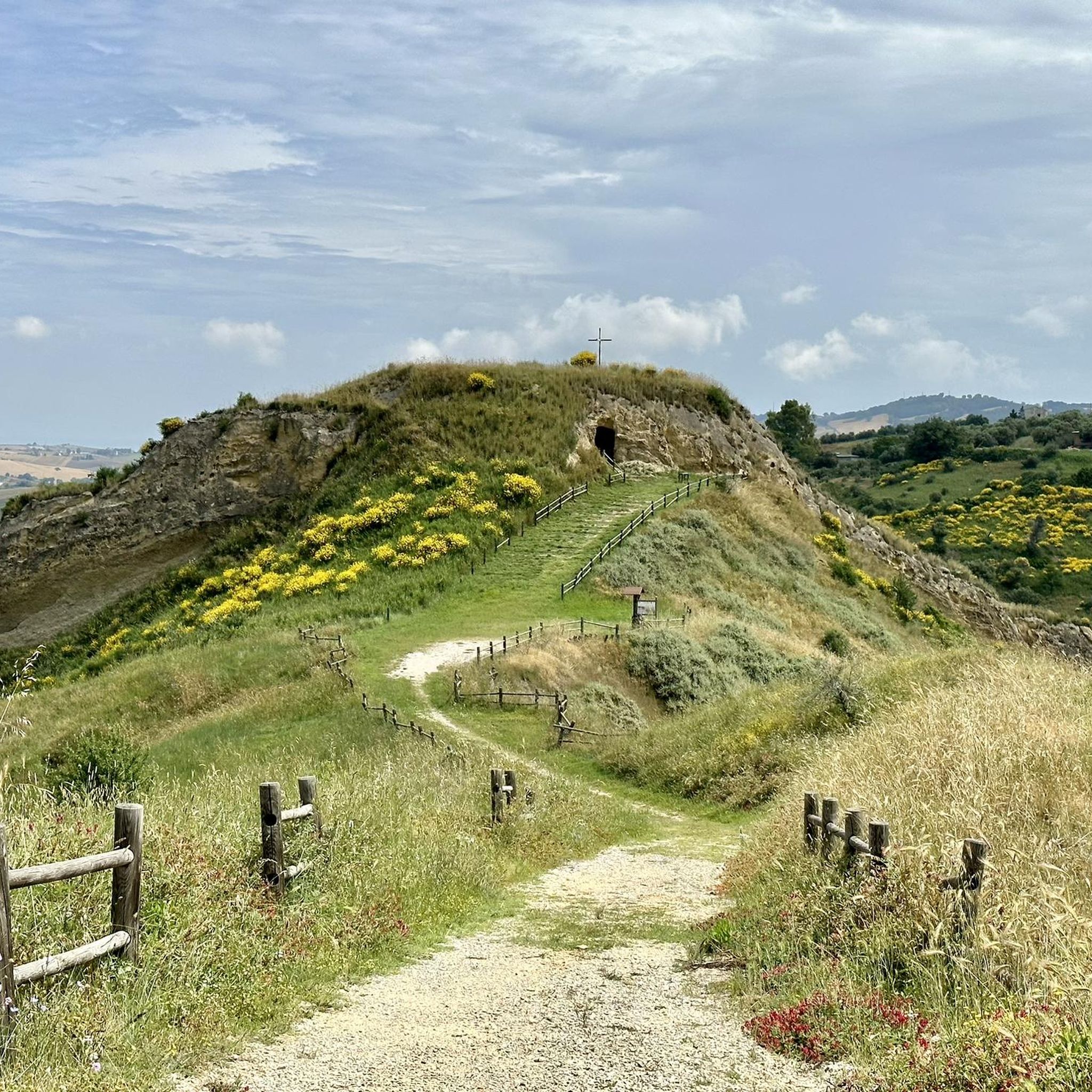
Cave of the Madonna di Bisaccia
Highlight • Cave
Translated by Google •
Tip by
Sign up now to discover places like this
Get recommendations on the best single tracks, peaks, & plenty of other exciting outdoor places.
Sign up for free
Montenero di Bisaccia
Highlight • Settlement
Translated by Google •
Tip by
Roman Amphitheatre of Larino
Highlight • Historical Site
Translated by Google •
Tip by

Dirt Road Through Calanchi di Montenero
Highlight • Trail
Translated by Google •
Tip by

Sign up for free to discover even more attractions around Acquaviva Collecroce.
Sign up for free
Already have an account?
Start today with a free account
Your next adventure awaits.
Login or Signup
Tips from the Community


The Montenero di Bisaccia gullies, known locally as lame, are located behind the Sanctuary of the Madonna di Bisaccia. The area is characterized by erosive landforms that extend over approximately 120.8 hectares, creating a surreal landscape of deep valleys dominated by thin, jagged ridges.
0
0

Free admission from Villa Zappone, on Via Mazzini. Worth a visit, truly beautiful!
1
0

Drinking water
0
0

Through the Calanchi of Montenero di Bisaccia
0
0
It was once an important Roman Municipium
0
0

From this stretch of the provincial road you can enjoy the view towards the village of Montenero di Bisaccia and the Calanchi di Montenero, an area of about 120 hectares, where there are erosive forms created by the action of rainwater on the clayey soil. The area is a site of community interest (SIC), identified by the Ministry of the Environment for its naturalistic and landscape importance.
3
1
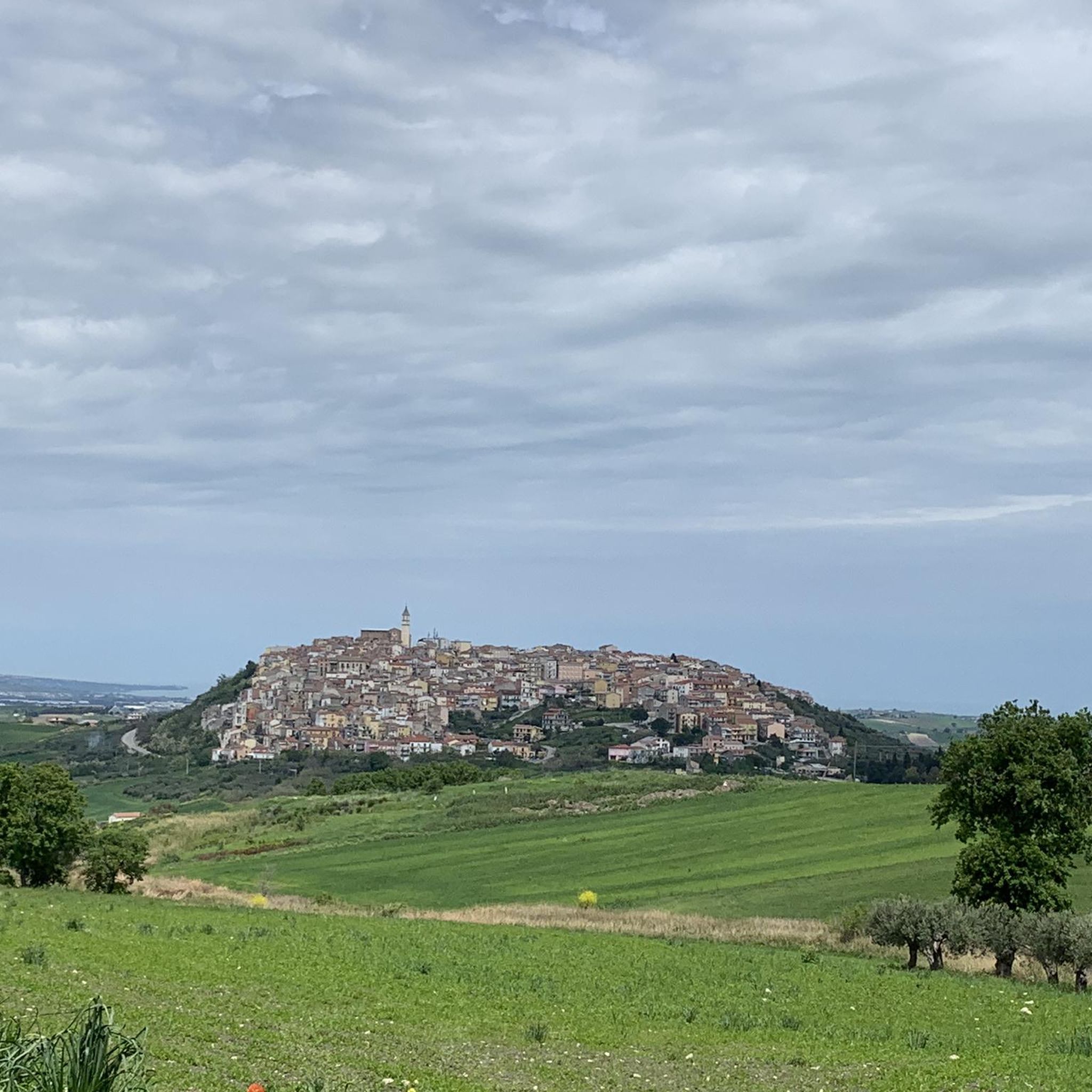
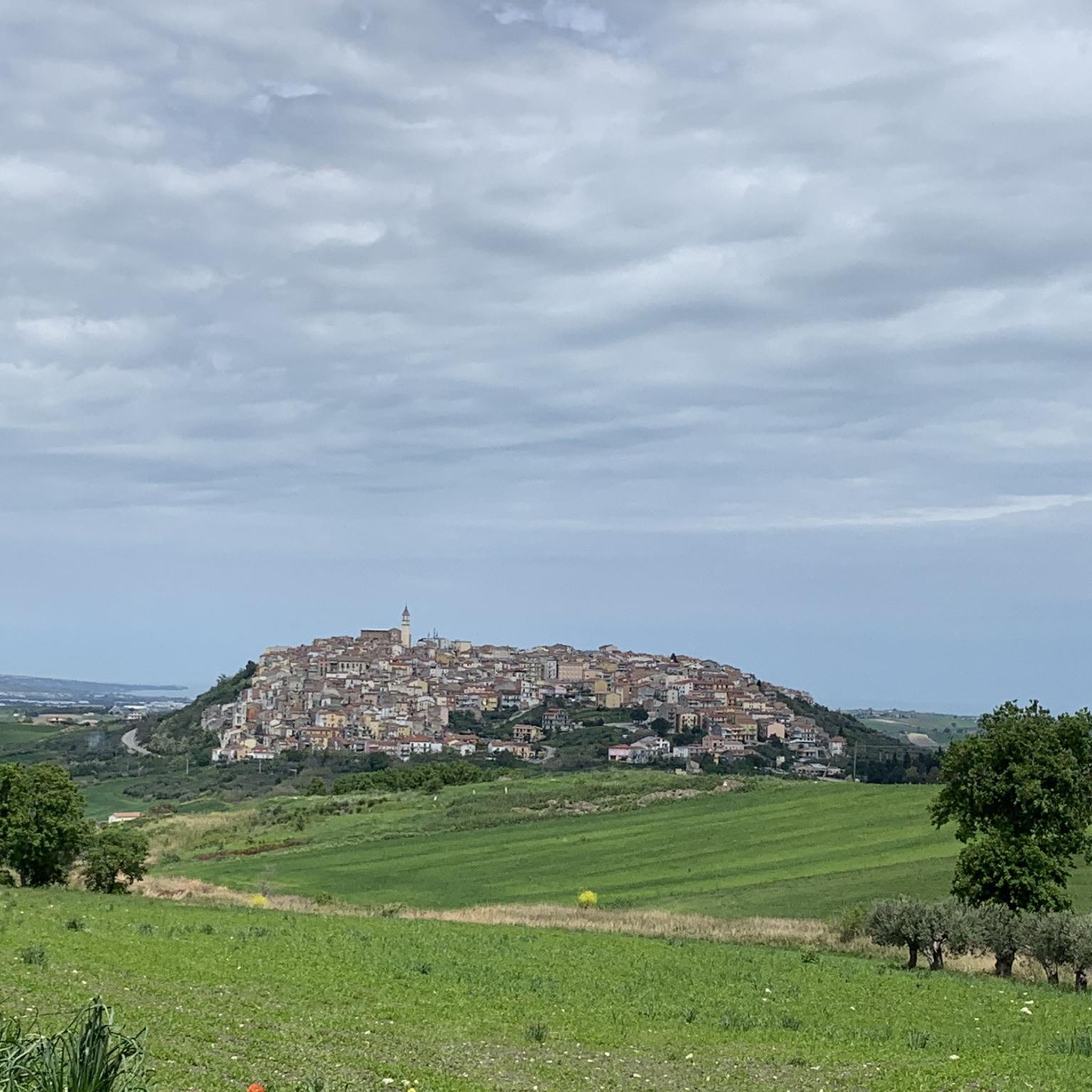
Montenero di Bisaccia is a town in Molise located on a hill 10 km from the sea and the Trigno river. It is possible to visit the Mother Church, the Municipal Palace and just outside the historic centre, the Sanctuary of Maria Santissima di Bisaccia.
2
0
Frequently Asked Questions
What natural features can I explore around Acquaviva Collecroce?
The area around Acquaviva Collecroce is rich in natural beauty. You can visit the impressive View of the badlands, which offers panoramic views of the Calanchi di Montenero, dramatic erosive landforms. Another significant natural site is the Cave of the Madonna di Bisaccia, a natural cavity with historical and religious importance. The region is also characterized by a hilly landscape with lush vegetation, offering scenic views of the Molise countryside.
Are there any historical or cultural sites to visit in Acquaviva Collecroce?
Acquaviva Collecroce boasts a rich history. Key sites include the Chiesa di Santa Maria Ester, a 15th-century church with Baroque elements and precious 18th-century sculptures. Don't miss "Il Quadrato Magico" (The Magic Square) outside the church, an ancient palindromic inscription with mysterious origins. The Palazzo Cantelmo is another significant historical monument. The town's unique Croatian-Molise linguistic and cultural heritage is also evident throughout.
What outdoor activities are available near Acquaviva Collecroce?
The diverse landscape around Acquaviva Collecroce is perfect for outdoor enthusiasts. You can find various routes for cycling, mountain biking, and hiking. For instance, there are cycling tours like the 'Lake Guardialfiera Loop' and mountain biking trails such as 'Calanchi di Montenero e Grotta della Madonna di Bisaccia – giro ad anello'. Hikers can enjoy routes like the 'Calanchi di Montenero Loop'. You can find more details on these activities in the respective guides for cycling, MTB, and hiking around Acquaviva Collecroce.
Can I find family-friendly attractions in the area?
While specific family-friendly activities are not extensively detailed, the nearby town of Montenero di Bisaccia is categorized as family-friendly and offers historical sites and viewpoints. Exploring the town's fountains and the unique cultural aspects of Acquaviva Collecroce can also be an engaging experience for families.
What is the significance of the Croatian-Molise culture in Acquaviva Collecroce?
Acquaviva Collecroce is notable for preserving a unique Croatian dialect, Shtokavian-Ikavian, spoken by its inhabitants since Slavic populations settled here in the 15th and 16th centuries. This rich cultural heritage is reflected in local traditions, bilingual signage, and events like the Festa del Maja, an annual May 1st festival celebrating the harvest.
Are there any unique historical monuments or structures to see?
Beyond the main church and palace, you can discover the ancient Portal of the ancient church, the Arch of Palazzo Cantelmo, and the Casa della Corte del Sovrano Ordine dei Cavalieri di Malta. The town also features a Monument to the arrival of the Croats, commemorating the historical settlement of Croatian populations in the area.
Where can I find scenic views or viewpoints?
For breathtaking vistas, head to the View of the badlands. This spot provides panoramic views towards Montenero di Bisaccia and the dramatic Calanchi di Montenero. The hilly landscape surrounding Acquaviva Collecroce generally offers many opportunities for scenic overlooks.
What is the 'Magic Square' and where can I find it?
The mysterious "Il Quadrato Magico" (The Magic Square) is an ancient lapidary inscription located outside the Chiesa di Santa Maria Ester, beneath its bell tower. It features a palindromic Latin formula, "ROTAS OPERA TENET AREPO SATOR," and is associated with theories about the Knights Templar, adding an intriguing historical puzzle to your visit.
What is the best time of year to visit Acquaviva Collecroce?
While specific climate data isn't provided, the region's outdoor activities and cultural festivals suggest spring and early summer are ideal. The Festa del Maja, a traditional festival, takes place annually on May 1st, offering a unique cultural experience. Visiting during these months would allow for comfortable exploration of both natural and historical sites.
Are there any trails that go through the Calanchi di Montenero?
Yes, you can experience the unique landscape of the Calanchi di Montenero directly. The Dirt Road Through Calanchi di Montenero is a trail that traverses these impressive erosive landforms, offering a distinct perspective on the region's natural beauty. There are also hiking and MTB routes that explore this area.
What is the significance of the town's fountains?
Acquaviva Collecroce, whose name means "living water," is known for its abundant water sources. Numerous fountains, such as Fontana Nuova (Funda nova), Fontana Vecchia (Funda stara), Marmorizza (Mrmarica), Pisciariello (Pišaraj), and Trocche (Kortij), are scattered throughout the area. These fountains were historically vital for daily life and remain a charming feature of the town.
What kind of wildlife can I expect to see around Acquaviva Collecroce?
The hilly landscape and rich, wild vegetation surrounding Acquaviva Collecroce provide a habitat for various local wildlife. While specific species are not detailed, the natural environment, including the Calanchi and lush hills, offers opportunities for birdwatching and observing smaller mammals typical of the Molise countryside.
Most popular routes around Acquaviva Collecroce

Get inspired with the komoot mobile app


Explore more
Still not found the Highlight you’re looking for? See guides of the top attractions in other regions:
