The 20 Most Amazing Peaks around Cascina
Best mountain peaks around Cascina are found within the broader Tuscan region, as Cascina itself is situated on a plain along the Arno River. Tuscany's geography includes extensive hills and mountains, providing varied terrain for exploration. This region offers diverse landscapes, from the rugged Apuan Alps to the more gentle ridges of the Apennine Mountains. These areas provide opportunities to experience the natural beauty and panoramic views of the Tuscan landscape.
Best mountain peaks around Cascina
- The most popular mountain peaks is Dolorosa Rock, a summit that marks the watershed lines between the Vicopisano, Buti, and Calci valleys. This peak is notable for its strategic historical significance, where a fort was built in 1496 during the war against Pisa.
- Another must-see spot is Summit of Monte Moriglion di Penna, a summit offering views from the Tyrrhenian coast to the northern Apennines. From its top, visitors can see islands of the Tyrrhenian Sea and the peaks of the Apuan Alps.
- Visitors also love View of Pisa from Monte Pisano, a viewpoint and summit that separates Lucca and Pisa. This vantage point offers views overlooking Pisa, especially appreciated during the evening.
- Cascina is known for its proximity to diverse mountain peaks, including the Pisan Mountains and the broader Apennine and Apuan Alps ranges. The region offers a variety of mountain peaks to see and explore, from historical summits to scenic viewpoints.
- The mountain peaks around Cascina are appreciated by the komoot community, with 121 upvotes and 63 photos shared.
Last updated: May 11, 2026
Summit of Monte Moriglion di Penna
Highlight • Summit
The Moriglion di Penna overlooks the villages of Santa Maria del Giudice and San Lorenzo a Vaccoli, small villages that developed especially in the Lombard period (6th-7th century).
Translated by Google •
Tip by

Dolorosa Rock
Highlight • Summit
It is famous for the fact that the Florentines, engaged in the war against Pisa, in 1496 built a fort with a triangular plan, with the dual purpose of isolating the Verruca fortress and to better control the situation in the three surrounding valleys, the strategic position in fact, being on the point of intersection of the aforementioned watershed lines, it allowed great freedom of action.
Translated by Google •
Tip by

Sign up now to discover places like this
Get recommendations on the best single tracks, peaks, & plenty of other exciting outdoor places.
Sign up for free
View of Pisa from Monte Pisano
Highlight • Viewpoint
It is recommended to enjoy the evening atmosphere, which conjures up very beautiful colors in the surrounding landscape and in the reaching to the sea level.
Translated by Google •
Tip by

Certosa di Calci
Highlight • Religious Site
Translated by Google •
Tip by

Spelonca Hermitage
Highlight (Segment) • Religious Site
The hermitage was founded in 1190 by the black hermits (by the priests magister Johannes de Petris, later called Honestus, and Dulcis). The founders were not hermits in the classical sense who chose solitude and meditation (eremos = alone), but groups of monks who decided to live together like the apostles, in poverty, in rather isolated places, even in contrast with the ecclesiastical institutions. They also dedicated themselves to the religious assistance of the population who lived in these places and who had difficulty reaching the churches. There were many hermit settlements in Tuscany and especially on the Monti Pisani, which some identify with the Mons heremita, which also appears in a fresco in the Camposanto monumentale of Pisa and in another in the church of S. Agostino in S. Gimignano. The many legends that exist regarding the presence of hermits on the Monti Pisani at the beginning of the Christian era and in the early Middle Ages are not, to this day, supported by documentary or archaeological evidence.
The most evident construction currently is represented by a small single-hall church, from a later period than the foundation; the facade and the barrel vault are from 1800, but the structures, which also show a later extension that could have eliminated a previous apse, are of medieval origin.
An uncommon case, there are interesting structures in its vicinity dug directly into the rock including a cistern with a quadrangular mouth, dug partly into the rock and partly into the cave room by means of a retaining wall, on which there are also stone supports and notches in the rock (probable support of wooden structures), a staircase with holes for a gate or door and a circular basin surrounded by channels, post holes and joints; furthermore, base rooms for probable structures of the hermitage are visible. Similar structures also seem to be present on the right side beyond the opening of the cave.
From Comunedipisa.it
Translated by Google •
Tip by

Sign up for free to discover even more peaks around Cascina.
Sign up for free
Already have an account?
Start today with a free account
Your next adventure awaits.
Login or Signup
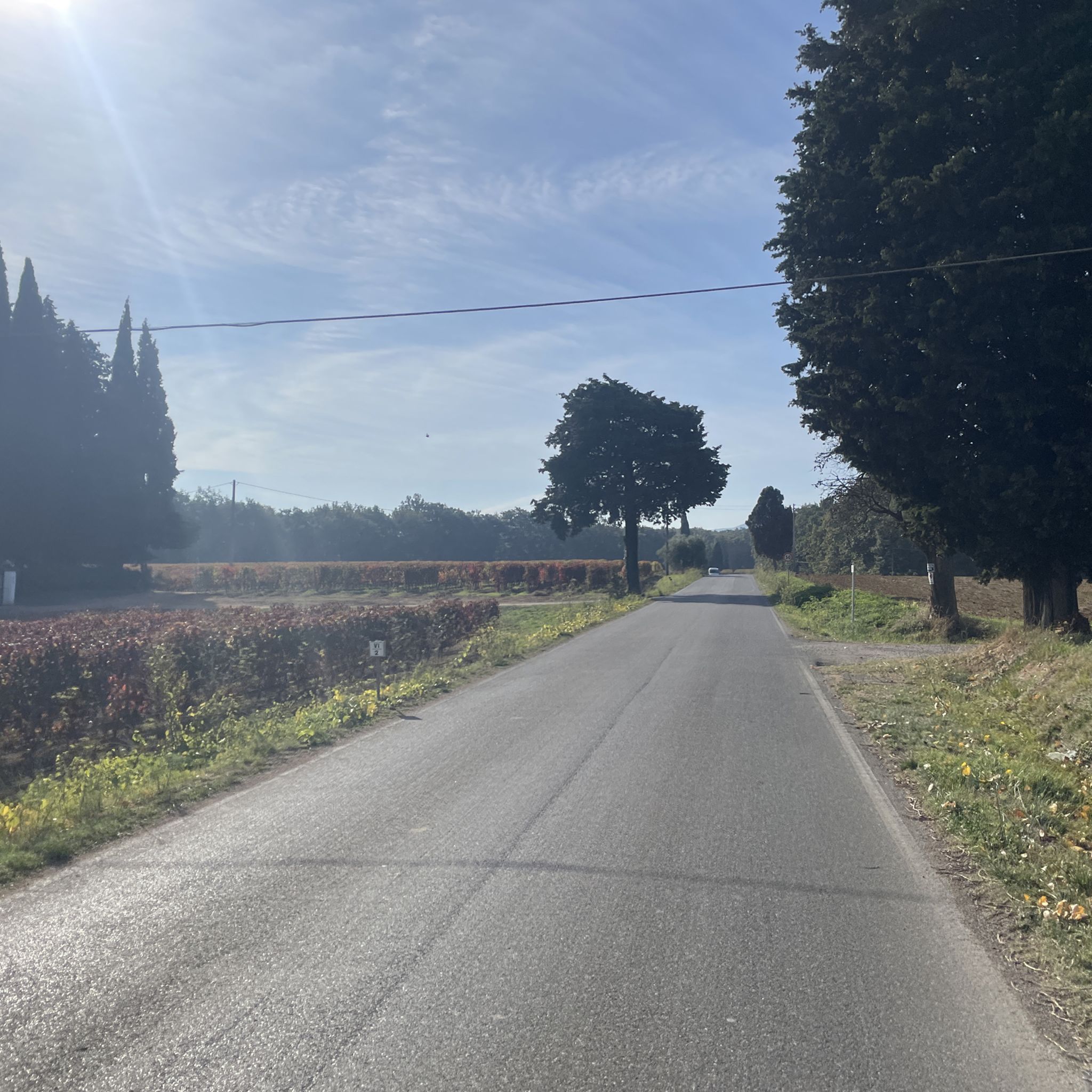
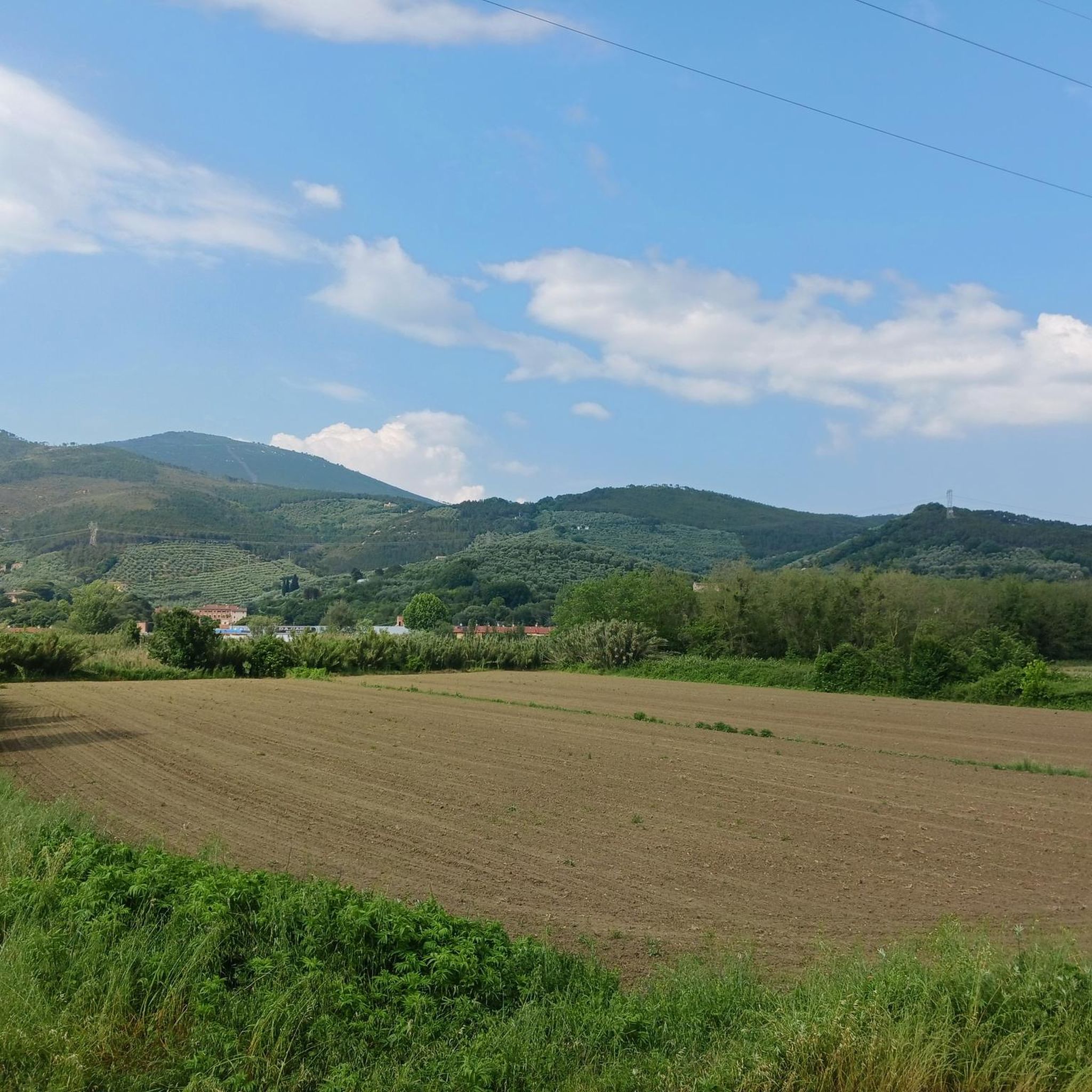
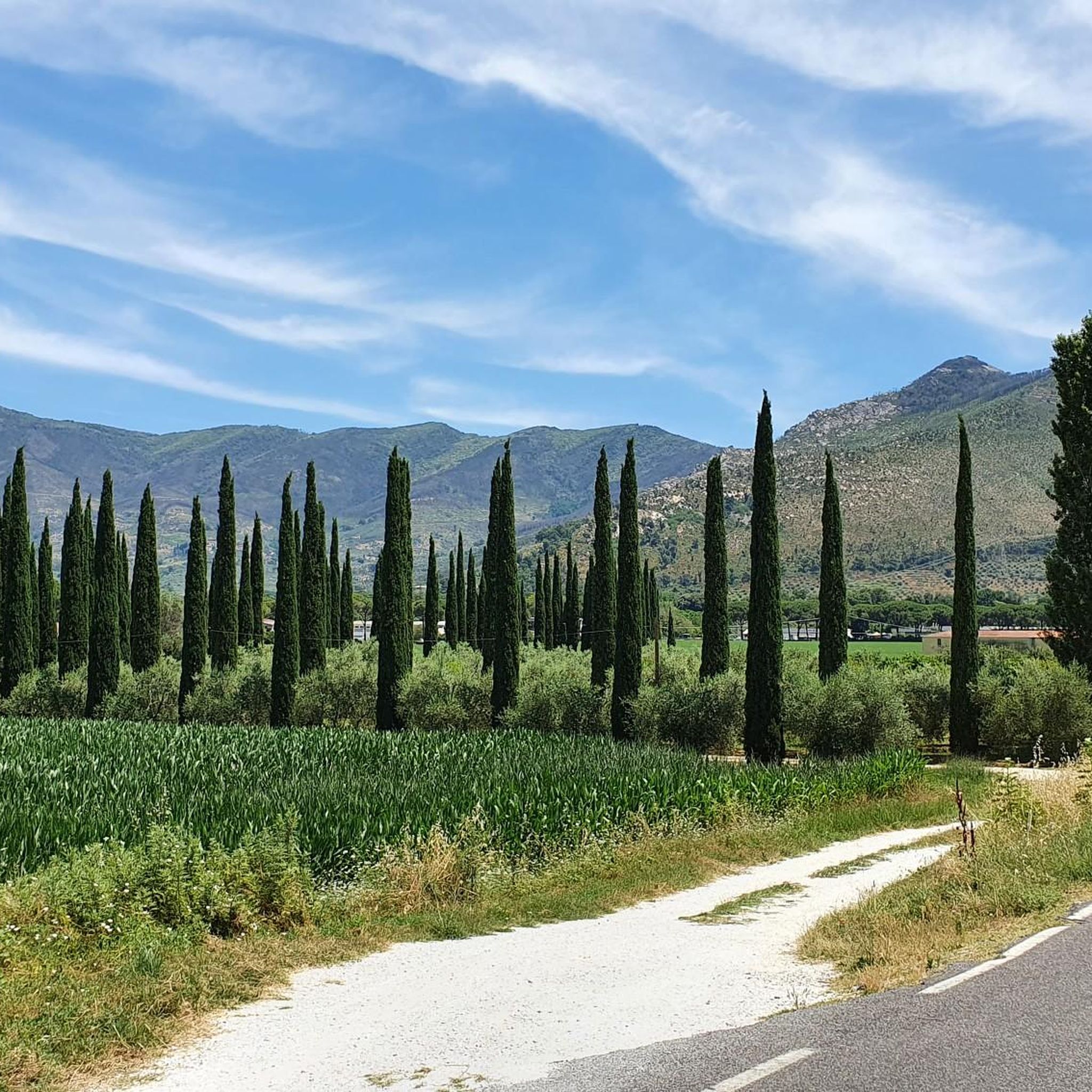
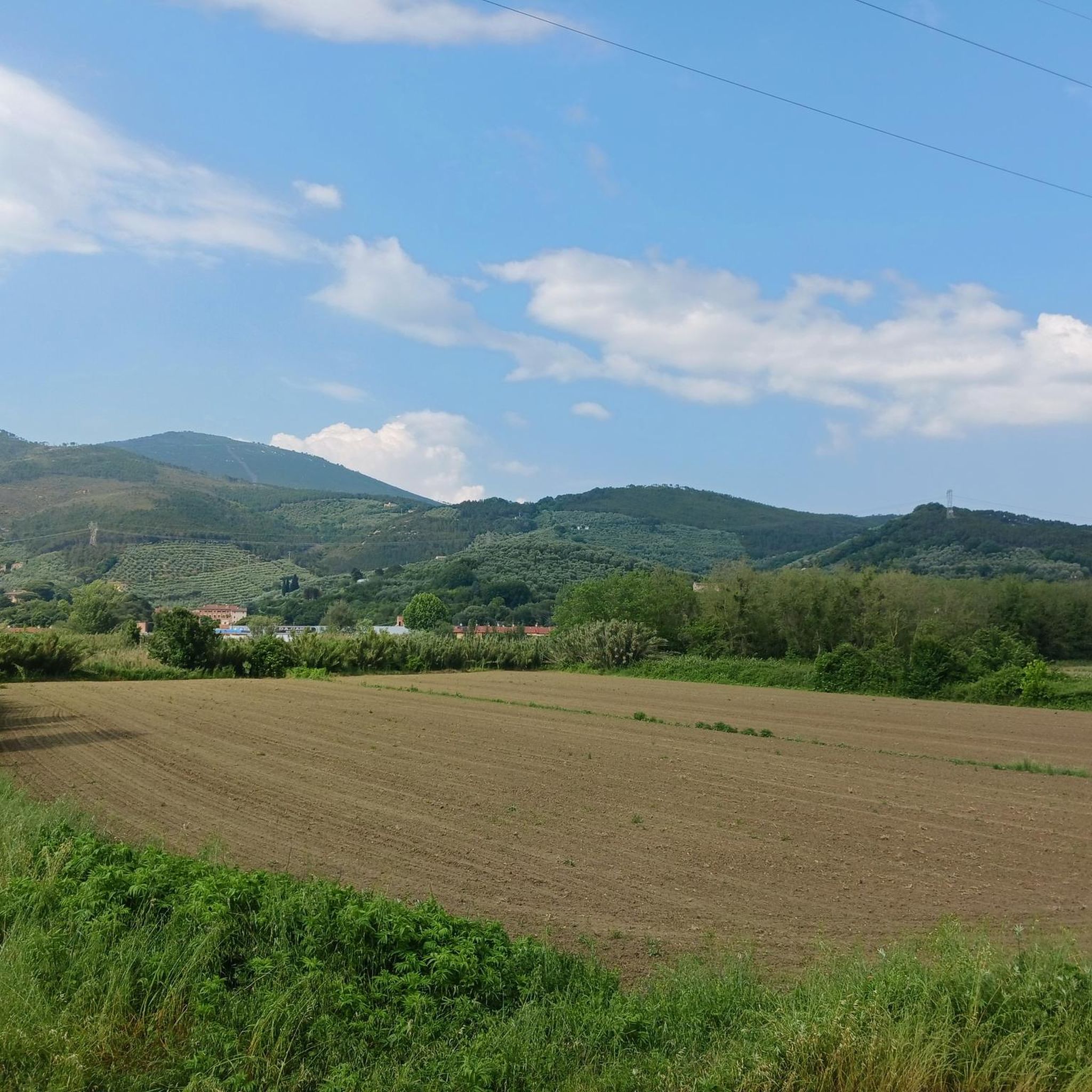
Tips from the Community

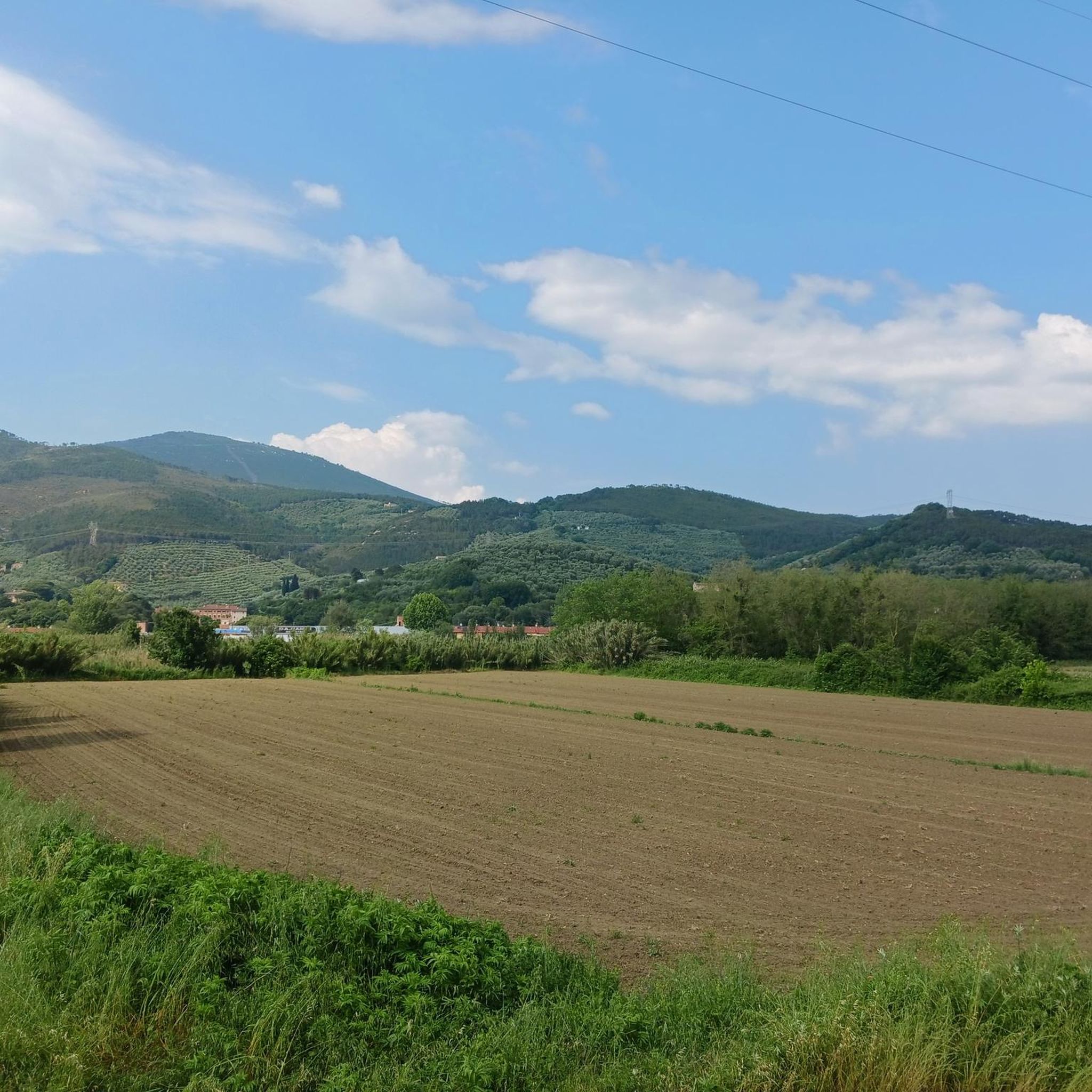
I traced this route without knowing I would have this view of Pisa and the Mediterranean. The climb has sections with steep gradients, so warm up a bit before reaching the foot of the climb. CAUTION: if you have a support vehicle, the descent does not allow two cars to pass side-by-side.
0
0

Beautiful, I often go there with my daughter. Anyone who comes to Pisa must absolutely visit it.
0
0

Very nice view all the way to Pisa and the sea.
0
0

Relatively low peak with a nice view! Warning: the climb from San Lorenzo to Vaccoli is very rewarding and fun if you consider the altitude at which you move. If you want something more challenging you can climb from S. Maria del Giudice and choose the path on the right at the fork marked with 2 blue sections that climbs with short rocky sections and loose rocks. There are some easy climbing sections and if you want you can add others if you move away from the path for a moment. Obviously be careful if you intend to climb up, it is necessary to check what you take in your hands because not everything you touch is good, there are flakes and rocks "only supported".
0
0

I recommend using poles, and not doing it downhill shortly after the rain like I did (risking my ankle going off)
0
0

Dirt road suitable for everyone if you come from Rocca della Verruca to reach it you need to climb the Lombardona, a very challenging climb.
0
0
Wonderful places and views to enjoy in complete tranquility.
0
0

Also known as Certosa della Val Graziosa, this former monastery of the Carthusian Order is located in the municipality of Calci, in the province of Pisa. In Baroque style, the building currently houses the Natural History Museum of the University of Pisa and contains some important works such as a "Nativity" by Giuseppe Bottani, the only testimony of the Company of the Virgin Mary of New Venice that has survived to this day.
0
0
Frequently Asked Questions
What mountain ranges are accessible from Cascina?
While Cascina itself is on a plain, the broader Tuscan region offers diverse mountain experiences. You can explore the rugged Apuan Alps, known for their marble quarries and steep paths, or the more gentle ridges of the Apennine Mountains, which feature peaks like Monte Prado, the highest point in Tuscany.
What are some popular mountain peaks or viewpoints near Cascina?
Visitors often enjoy the Summit of Monte Moriglion di Penna, which offers extensive views from the Tyrrhenian coast to the Apuan Alps. Another favorite is the View of Pisa from Monte Pisano, providing a beautiful vantage point over Pisa, especially in the evening.
Are there any historical mountain sites to visit near Cascina?
Yes, the Dolorosa Rock is a notable historical site. This peak was strategically important during the war against Pisa in 1496, where a fort was built to control the surrounding valleys.
What kind of hiking trails can I find around the mountain peaks near Cascina?
The region offers a variety of hiking trails, from intermediate to challenging. For instance, the trails around Monte Moriglion di Penna and Dolorosa Rock are generally considered intermediate to challenging. You can find more detailed hiking routes in the Hiking around Cascina guide.
Are there family-friendly activities or sites related to the mountain peaks?
While many peaks offer challenging hikes, the Certosa di Calci, located near Monte Pisano, is a family-friendly historical and religious site that also houses the Natural History Museum of the University of Pisa.
What other outdoor activities are available near the mountain peaks around Cascina?
Beyond hiking, the area around Cascina is excellent for cycling. You can explore various routes for mountain biking, detailed in the MTB Trails around Cascina guide, or enjoy road cycling, with routes available in the Road Cycling Routes around Cascina guide.
What is the highest mountain peak in Tuscany?
The highest point in Tuscany is Monte Prado, located in the Tuscan-Emilian Apennines, reaching an elevation of 2,054 meters. This area is known for its vast landscapes and rich biodiversity.
Can I see the sea from any of the mountain peaks?
Yes, from the Summit of Monte Moriglion di Penna, on clear days, you can see islands of the Tyrrhenian Sea such as Capraia, Gorgona, and Corsica, in addition to the Tyrrhenian coast itself.
Are there any unique natural features among the mountain peaks in Tuscany?
Yes, Monte Forato is a distinctive mountain known for its natural arch created by erosion, offering unique views from its nearby peak. This is a popular spot for those seeking unusual geological formations.
What are the characteristics of the Apuan Alps?
The Apuan Alps, located within Tuscany, are known for their rugged, almost Alpine-like landscape, despite not being part of the main Alpine chain. They are famous for their marble quarries and offer paths that can be narrow and steep, suitable for more experienced hikers.
What is the best time to visit the mountain peaks in the Tuscany region?
The best time to visit depends on your activity. Spring and autumn generally offer pleasant temperatures for hiking and cycling. In winter, higher peaks in the Apennines can be covered in snow, offering a different experience for those equipped for colder conditions.
Are there any religious or hermitage sites in the mountainous areas near Cascina?
Yes, the Spelonca Hermitage is an ancient settlement located near the border of Pisa and Lucca provinces. It features a small single-hall church and interesting structures dug directly into the rock, reflecting its historical significance as a hermitage.
Most popular routes around Cascina
Most popular attractions around Cascina

Get inspired with the komoot mobile app


Explore more
See even more amazing summits around Cascina with these guides:
