Top 14 Castles around Castellarano
Castles around Castellarano, a charming municipality in the Province of Reggio Emilia, Italy, are integral to its rich historical center. The region features a well-preserved medieval layout, offering insights into its past through various fortified structures. Situated near the Secchia river, the area's landscape has historically played a role in its defensive architecture. Visitors can explore a range of historical sites that reflect centuries of regional development.
Best castles around Castellarano
- The most popular castles is Formigine Castle, a…
Last updated: May 3, 2026
Formigine Castle
Highlight • Castle
Translated by Google •
Tip by

Viano Castle
Highlight • Castle
Some ruins remain of the ancient walls that were demolished in 1793. …
Translated by Google •
Tip by

Sign up now to discover places like this
Get recommendations on the best single tracks, peaks, & plenty of other exciting outdoor places.
Sign up for free
Palazzo Ducale di Sassuolo
Highlight • Historical Site
Translated by Google •
Tip by

Querciola Castle and Church of Santa Maria Assunta
Highlight • Historical Site
Translated by Google •
Tip by

Casalgrande Alto Castle
Highlight • Castle
Translated by Google •
Tip by
Sign up for free to discover even more castles around Castellarano.
Sign up for free
Already have an account?
Start today with a free account
Your next adventure awaits.
Login or Signup
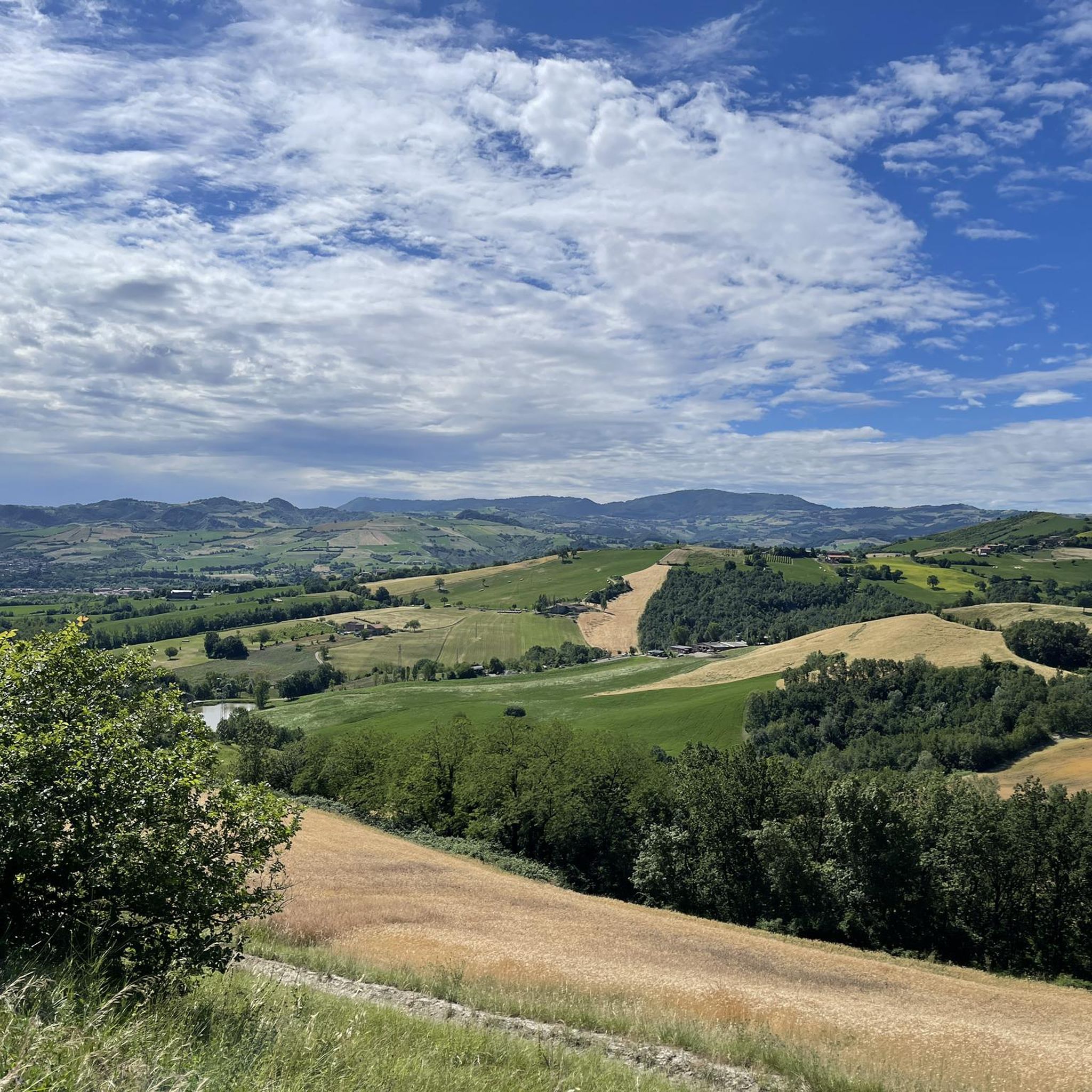
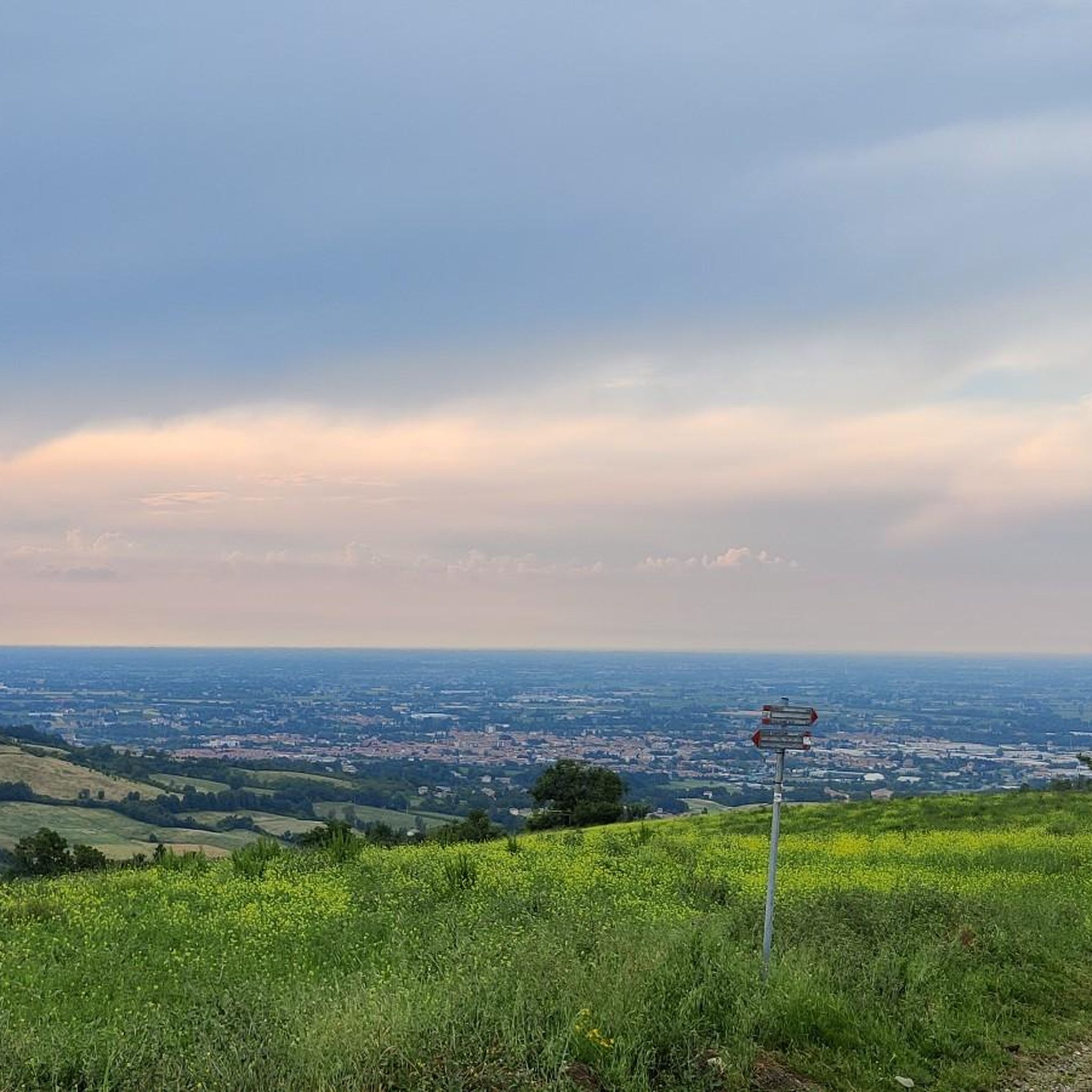
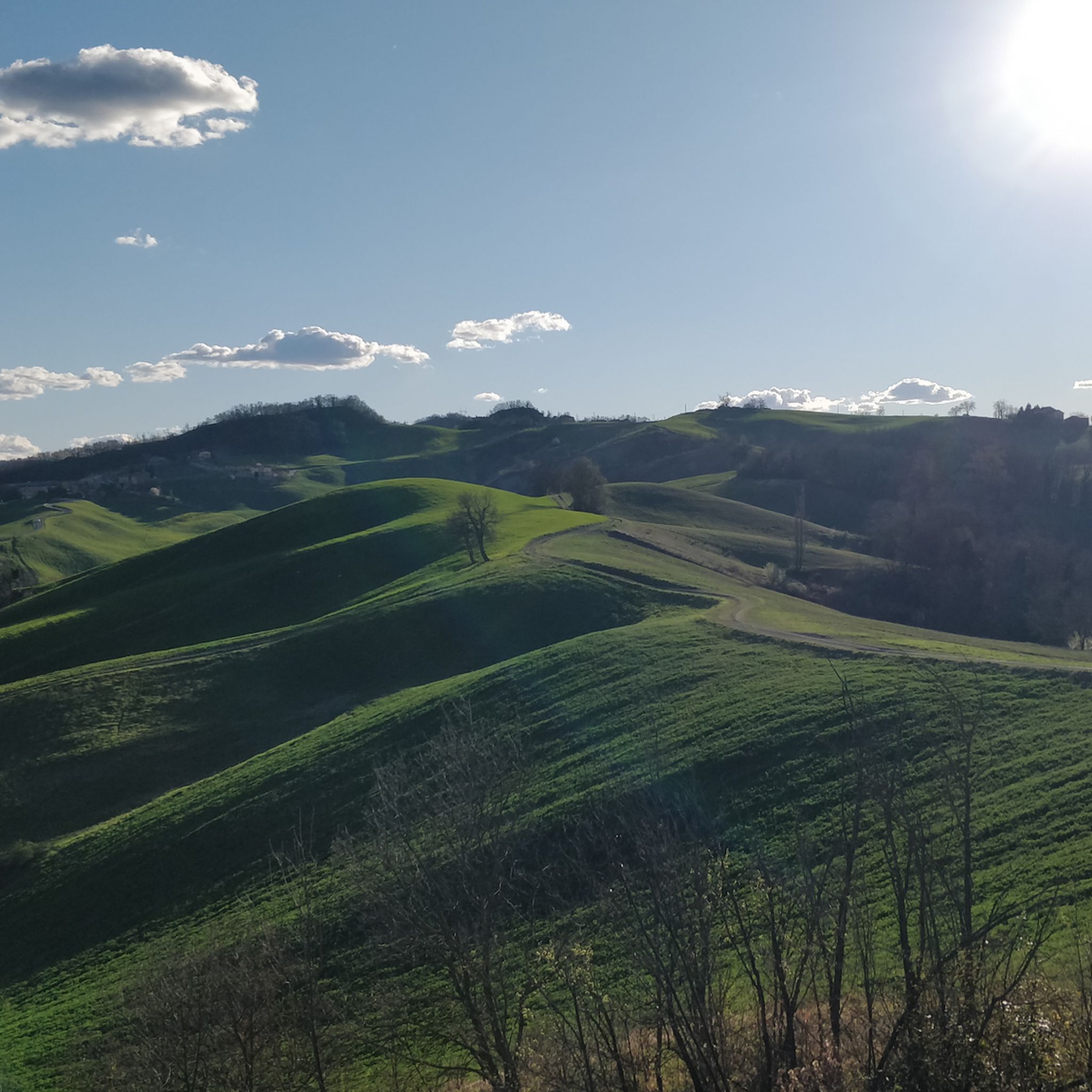
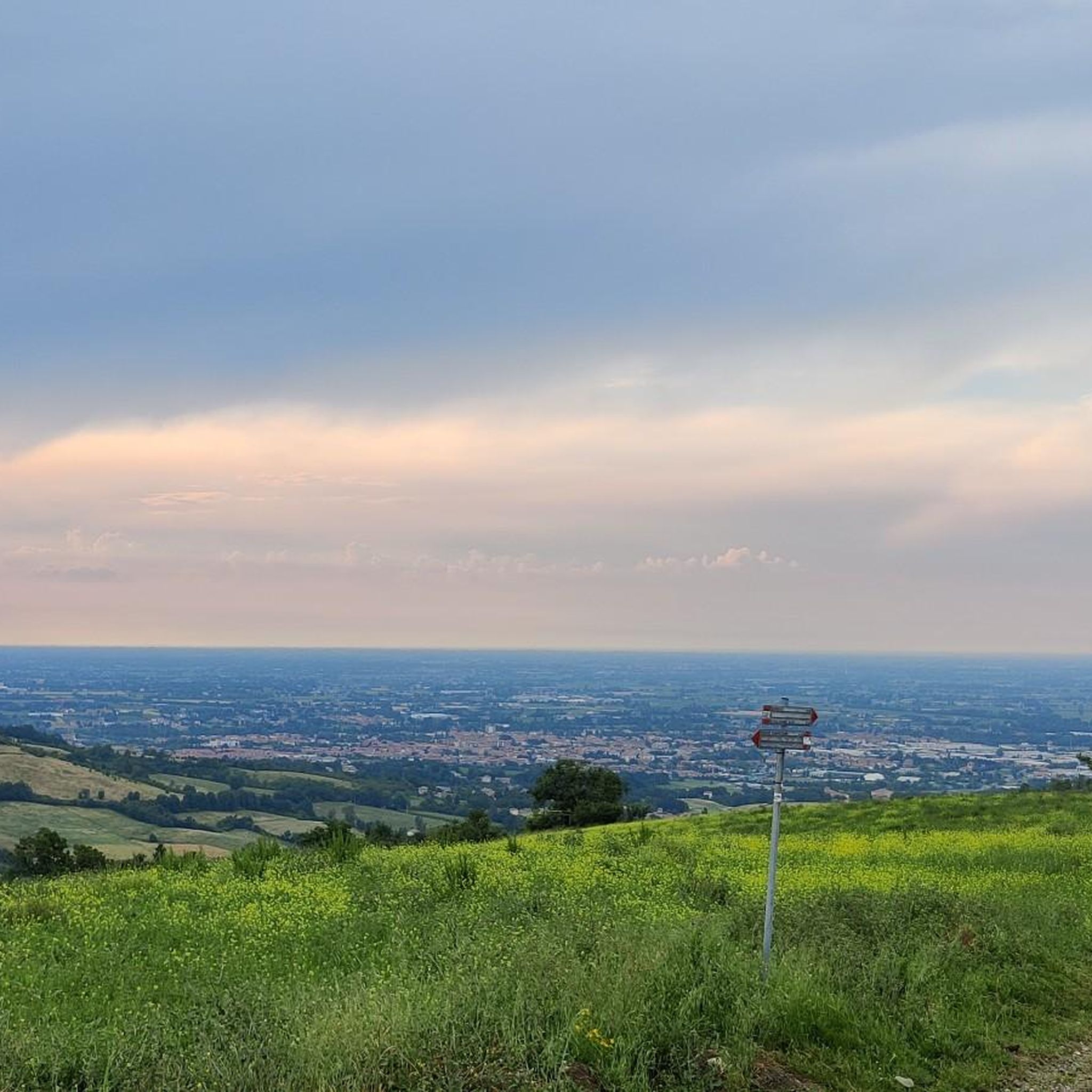

Tips from the Community


now private, it hosts a B&B inside
1
0

The square alone is worth a stop for a coffee.
0
0

HISTORIC PLACE AND AN EXCELLENT RESTAURANT INSIDE
0
0

interesting hamlet, well restored
0
0

The Castle of Formigine dates back to the Middle Ages and consists of a large rectangular fortified perimeter of about 95 meters by 80. The castle can be visited and inside there is a spacious green area.
0
0

Well preserved medieval castle that can be visited internally by appointment. Possibility to visit the internal garden free of charge without reservation. Inside there is a restaurant. Recommended
3
0

Frequently Asked Questions
Which castles offer the most historical insight into the Castellarano region?
For a deep dive into history, the main Castello di Castellarano, though privately owned, is historically significant, having hosted Countess Matilda and Emperor Frederick I Barbarossa. You can admire its exterior from the Aia del Mandorlo. The Viano Castle also holds historical significance as a strategic point for the Fogliani family, with its remaining structure being the result of a 1970 restoration. Additionally, the Palazzo Ducale di Sassuolo is a crucial Baroque residence, showcasing the transformation of an ancient castle into a courtly palace.
Are there any publicly accessible castles or fortified sites in Castellarano?
Yes, the Rocchetta di Castellarano is publicly owned and serves as a symbolic monument and cultural hub. It features an irregular plan with three gates, a central keep, and two lateral towers. It hosts temporary exhibitions and cultural events in its Hanging Garden. Its exhibition halls are open on the first and third weekends of each month, with guided tours available by reservation.
What unique historical features can I find at the Clock Tower in Castellarano?
The Clock Tower, dating back to the 15th century, was a medieval lookout for monitoring traffic along the Secchia river. It features unique single-hand dials on its four sides and a remarkably preserved, functional wooden gear mechanism from the 17th century. It also housed prisons and a caretaker's room in the late 17th century.
Which castles are suitable for families visiting Castellarano?
Several castles offer family-friendly experiences. Formigine Castle is a well-preserved medieval structure with an internal garden accessible free of charge. The Palazzo Ducale di Sassuolo, with its impressive architecture and history, is also considered family-friendly. The Rocchetta di Castellarano, with its cultural events and exhibitions, can also be an engaging visit for families.
Are there opportunities for outdoor activities like hiking or cycling near the castles?
Absolutely! The Castellarano area offers numerous routes for various outdoor activities. For gravel biking, you can explore routes like the 'View of the Secchia River – Castellarano Dam loop' or 'The Lady of the Crostolo – Crostolo Cycle Path loop'. Mountain biking enthusiasts can try trails such as 'Statue of Mount Evangelo – Mount of the Three Crosses loop' or 'Big Bench of Castellarano – Castellarano Fortress loop'. Road cyclists can enjoy routes like 'Castellarano Castle – Ponte della Veggia loop'. You can find more details on these and other routes in the Gravel biking around Castellarano, MTB Trails around Castellarano, and Road Cycling Routes around Castellarano guides.
What is the best time of year to visit the castles around Castellarano?
While specific visitor tips for seasonality are limited, the region's mild climate generally makes spring and autumn ideal for exploring historical sites and enjoying outdoor activities. The Rocchetta's Hanging Garden hosts cultural events and summer banquets, suggesting summer can also be a pleasant time, especially for evening activities.
Can I find cafes or restaurants near the castles?
Yes, some castles have amenities nearby or even within their premises. Formigine Castle has a restaurant inside. The Rocchetta di Castellarano also includes exhibition areas and a restaurant. Additionally, the Palazzo Ducale di Sassuolo is noted for having an excellent restaurant inside.
Are there any lesser-known or 'hidden gem' castles worth exploring in the area?
Beyond the main sites, the Querciola Castle and Church of Santa Maria Assunta is an ancient village clinging around its castle in the Reggio Apennines. It's an interesting hamlet with a fourteenth-century church, stone houses, and a recently restored rectory with friezes by Lelio Orsi. The Casalgrande Alto Castle, a fifteenth-century rural courtyard with fortified residence and towers, is also a noteworthy site, traditionally linked to Matteo Maria Bojardo.
What are the parking facilities like for visiting the castles?
While specific parking details for each castle are not extensively provided, Castellarano's historic center is generally accessible. For the main Castello di Castellarano, you can admire its exterior from the Aia del Mandorlo, which likely has nearby parking. For the Rocchetta, being a public cultural hub, there are usually parking options available in the vicinity of the town center. For castles further afield, local parking will vary.
What do visitors enjoy most about the castles around Castellarano?
Visitors appreciate the well-preserved medieval structures and the historical significance of the castles. For instance, Formigine Castle is praised for being beautiful, especially during holidays, and for its well-preserved interior. The Palazzo Ducale di Sassuolo is highly recommended for its splendid decorations and frescoes. The overall experience of stepping back in time and exploring the region's rich heritage is a major draw.
Are there any castles that offer panoramic viewpoints of the surrounding landscape?
Yes, the Viano Castle is noted as a viewpoint. The main Castello di Castellarano, from the Aia del Mandorlo terrace, offers beautiful views overlooking the Secchia valley. The Clock Tower, originally a medieval lookout, also provides a sense of the historical vantage points over the river.
How long should I allocate to explore the castles near Castellarano?
The time needed varies by castle. The Rocchetta di Castellarano, with its exhibitions and garden, might take 1-2 hours, especially if you join a guided tour. Larger sites like the Palazzo Ducale di Sassuolo could require 2-3 hours to fully appreciate its interiors and grounds. For admiring exteriors of private castles or exploring smaller hamlets like Querciola, 30 minutes to an hour per site might suffice. A full day could be dedicated to visiting multiple sites.
Most popular routes around Castellarano
Most popular attractions around Castellarano

Get inspired with the komoot mobile app


Explore more
Looking for the best castles somewhere else? Discover other guides around Castellarano:
