Attractions and Places To See around Codogno - Top 20
Best attractions and places to see around Codogno include a blend of historical architecture, cultural sites, and natural features. Situated in the flat plains of Basso Lodigiano, the area is characterized by the presence of the Adda and Po Rivers. Visitors can explore significant religious buildings, historical castles, and natural parks. The region offers diverse landscapes for outdoor activities and cultural exploration.
Best attractions and places to see around Codogno
- The most popular attractions is Adda River Bridge and Visconti Tower, Pizzighettone, a bridge that is part of a medieval village on the Adda, known for its well-preserved walls and historical significance. It features a 12th-century tower, which once imprisoned Francis I of Valois, King of France.
- Another must-see spot is Po Bridge of Piacenza, a bridge that is a cable bridge spanning the Po River near Piacenza. This impressive structure is part of the high-speed rail line between Milan and Bologna, extending over 1,300 meters.
- Visitors also love Church of San Pietro in Pizzighettone, a religious building within the ancient city walls of Pizzighettone. Its facade is covered with precious marbles and rich gilded and polychrome mosaics, making it visually striking.
- Codogno is known for its historical sites, religious buildings, and bridges. The area offers a variety of attractions to see and explore, from ancient castles to significant river crossings.
- The attractions around Codogno are appreciated by the komoot community, with more than 120 upvotes and 70 photos shared by visitors.
Last updated: June 22, 2026
Adda River Bridge and Visconti Tower, Pizzighettone
Highlight • Bridge
Translated by Google •
Tip by

Po Bridge of Piacenza
Highlight (Segment) • Bridge
The entire viaduct that spans the Po has a length of 1,342 meters.
The actual cable bridge section extends over 400 meters and spans the normal riverbed of the Po. The width of this section is 300 meters.
The bridge deck consists of a three-cell concrete structure that rests on pillars on the banks. The weight is carried by 72 cables connected to two antennas. The central span measures 192 meters, while the two side spans are each 104 meters long.
This bridge project was originally the largest steel and reinforced concrete railway bridge in the world and plays a crucial role in modern rail traffic between Milan and Bologna.
Translated by Google •
Tip by

Sign up now to discover places like this
Get recommendations on the best single tracks, peaks, & plenty of other exciting outdoor places.
Sign up for free
Church of San Pietro in Pizzighettone
Highlight • Religious Site
Translated by Google •
Tip by

Villa Litta Carini
Highlight • Historical Site
Villa Litta Carini envelops you in its magnificent atmosphere and enchants you with its suggestive beauty.
The villa is available for banquets, receptions, meetings, congresses and other events.
Translated by Google •
Tip by
Sigeric's Ford on the Via Francigena
Highlight • Historical Site
Translated by Google •
Tip by
Sign up for free to discover even more attractions around Codogno.
Sign up for free
Already have an account?
Start today with a free account
Your next adventure awaits.
Login or Signup
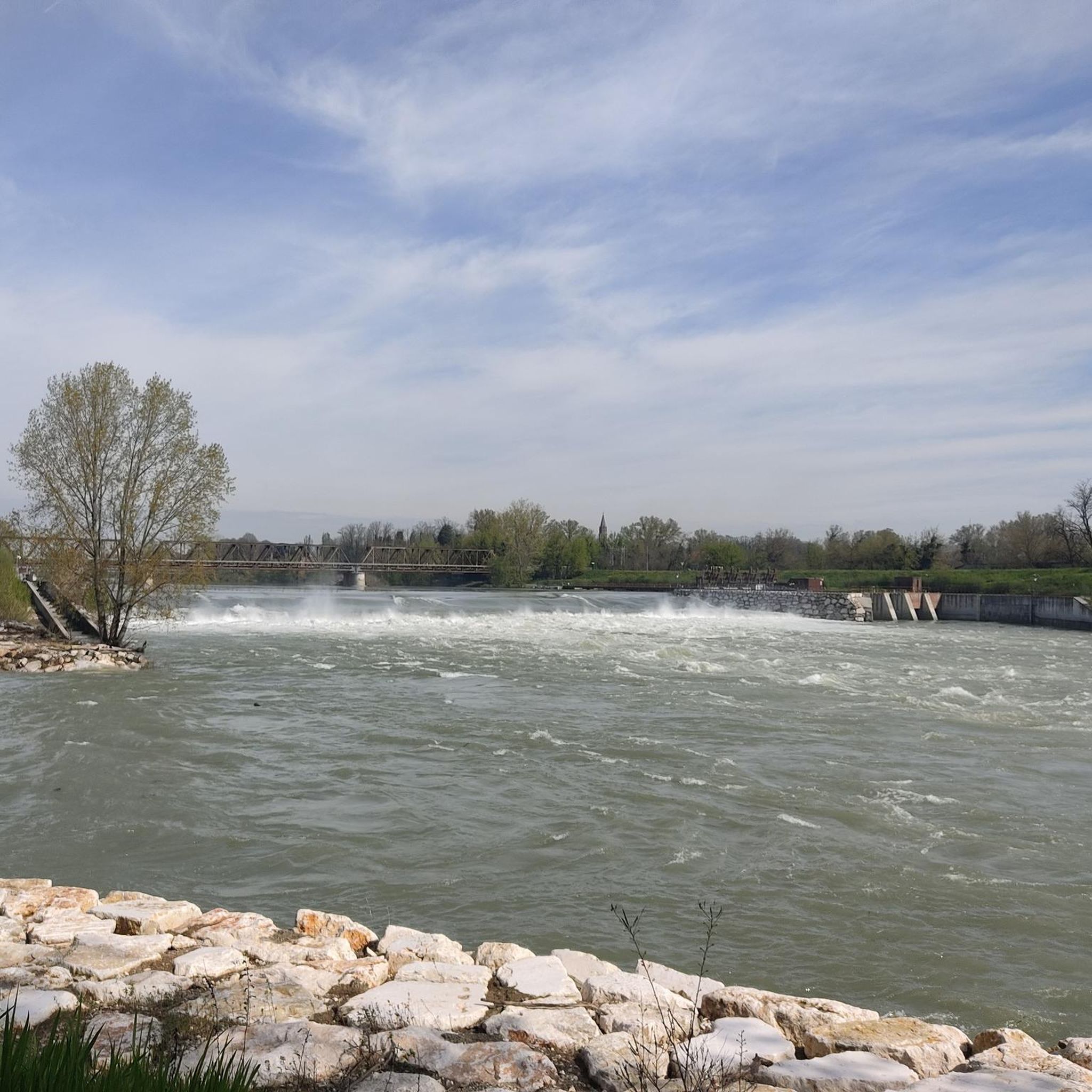
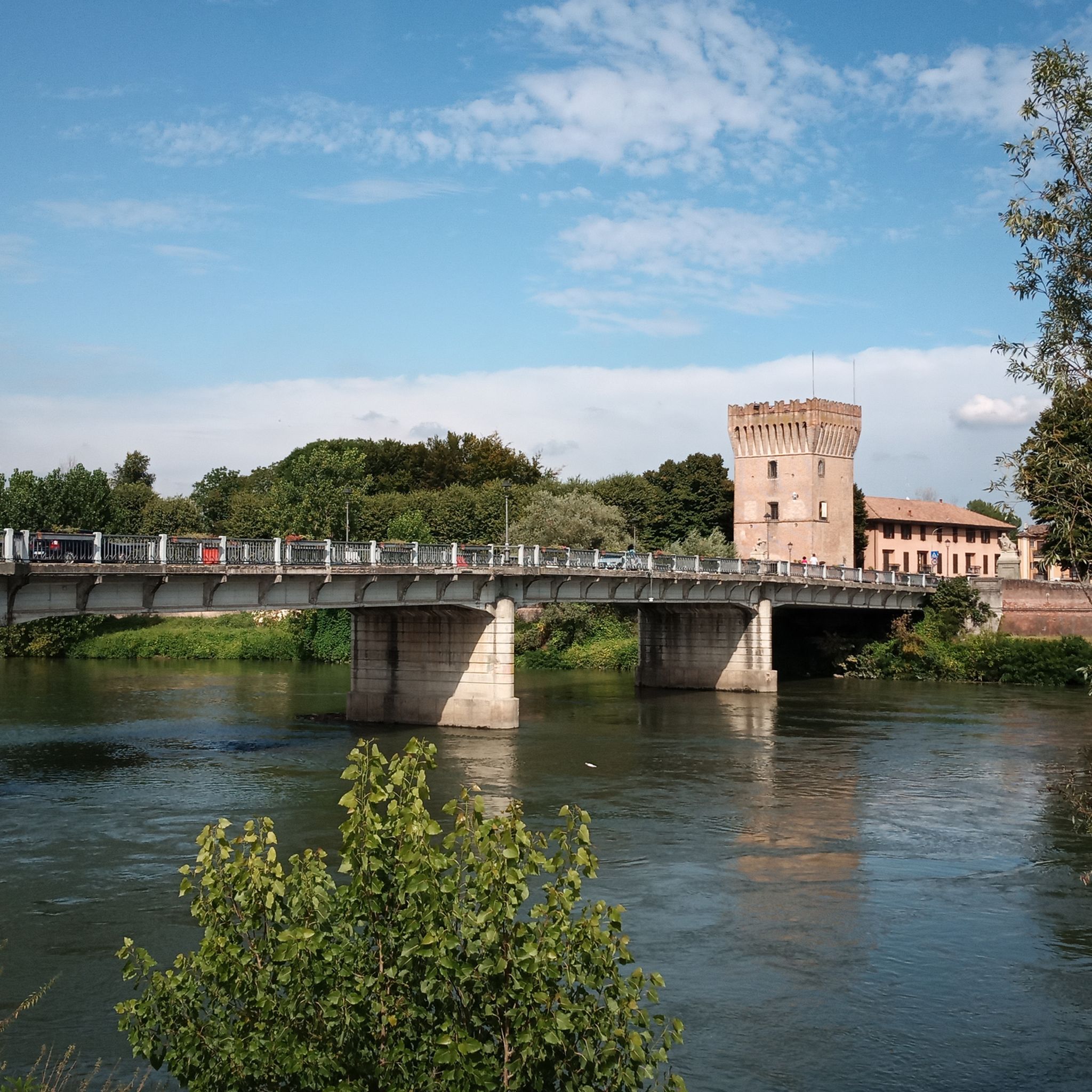
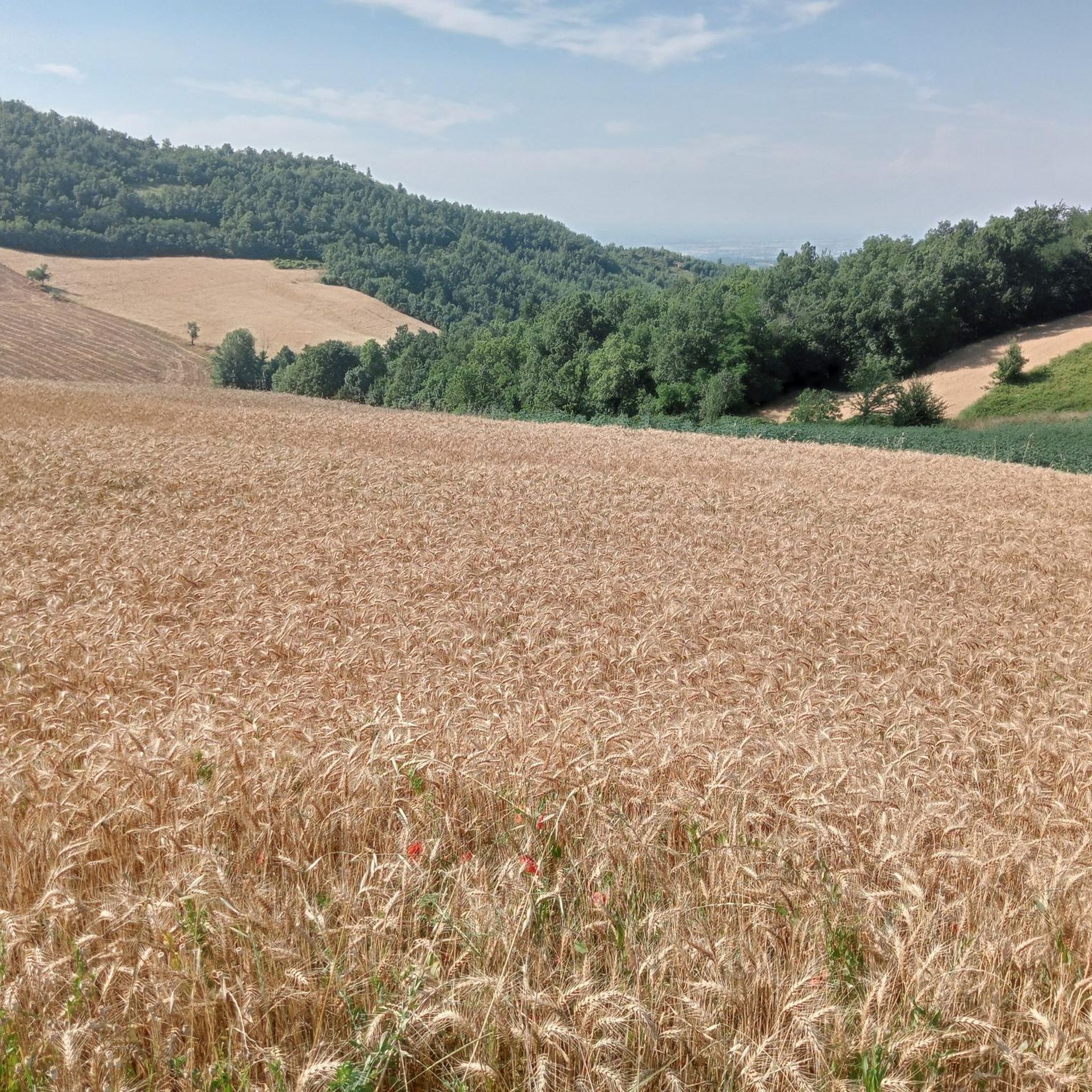
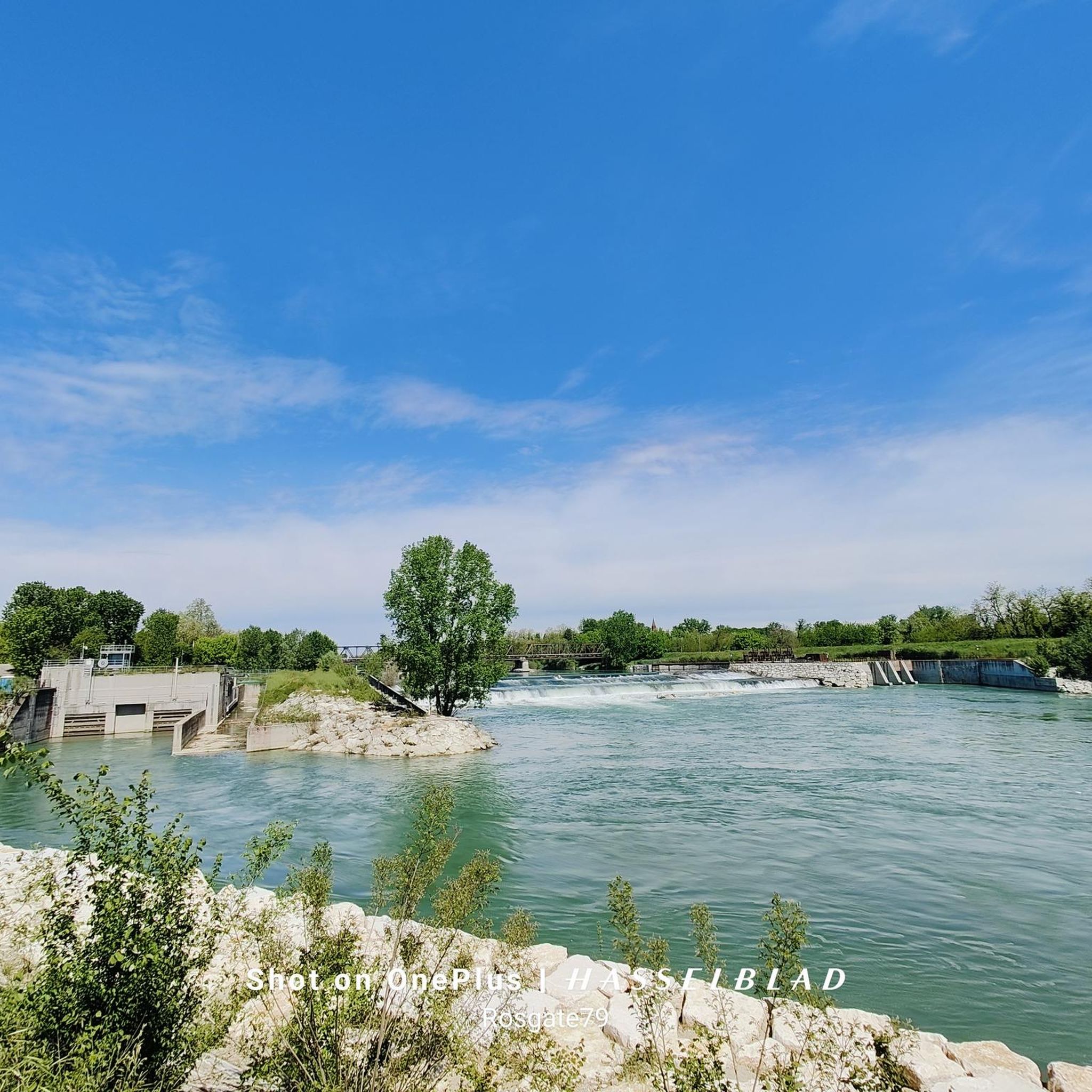

Tips from the Community

Church of San Pietro (Shrine of Our Lady of the Sacred Heart) in the nearby village of Gera, an 18th-century Marian sanctuary entirely covered in marble and mosaics to celebrate the figure of the Virgin, present both inside and outside at the initiative of the priest Pietro Mizzi (parish priest of Pizzighettone until 1999) who dedicated his entire life to its embellishment.
1
0

must see
0
0

The villa was built according to its original design by Count Antonio Cavazzi della Somaglia, VIII Count and Baron of Somaglia, to showcase the power of his family, in an area where he owned several lands and estates. The count entrusted the design to architect Giovanni Ruggeri. Upon his death in 1688, Antonio bequeathed the villa to his great-nephew Antonio Dati, who subsequently assumed the title of Count of Somaglia. Dati oversaw the expansion of the palace, transforming it into a majestic residence intended as a holiday resort and meeting place for great figures of 18th-century Italian literature and culture, but he never lived to see the work completed, which was completed by his son Antonio Giovanni Battista in 1749.
1
0
On the right bank of the Adda, coming from the level crossing, turn left after the petrol station and follow the circle of walls
0
0

An idyllic spot for a rest and a picnic! We soak up the peace and quiet. From here, it's supposedly possible to take a boat across, just as pilgrims did in the Middle Ages. It's probably busier here in the summer.
1
0

Nice tour, nice town discovered with this tour, remarkable the city walls
0
0

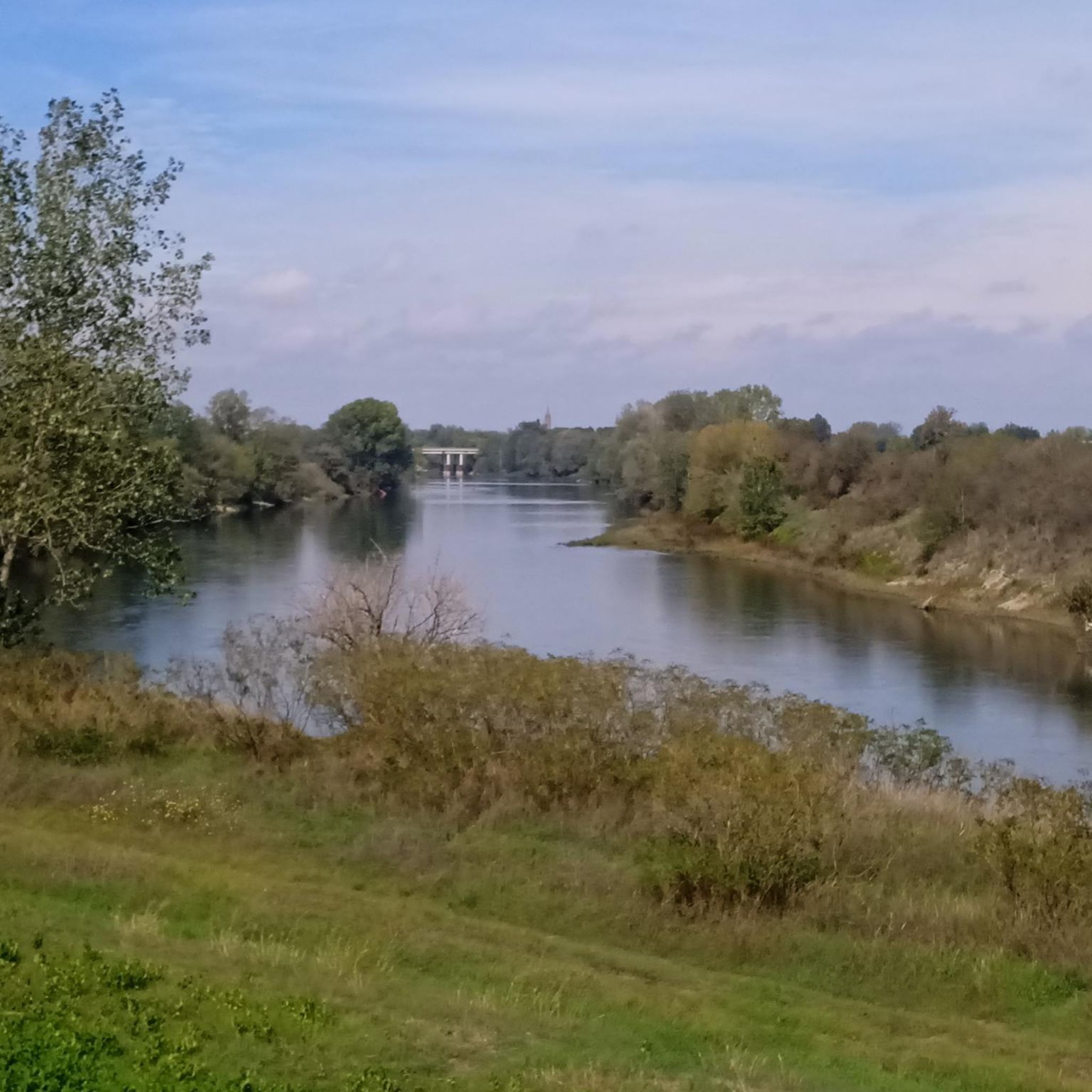
GERA - view of the Adda river from the bridge
0
0

The Church of San Pietro (Shrine of Our Lady of the Sacred Heart), in the nearby village of Gera, dating back to the 11th century, bears witness to the various eras the village has gone through and still retains a sacred and fascinating atmosphere today. At first glance, its colorful façade is striking, dominated by mosaics on a golden background with the images of saints and classic religious scenes, the creation of which is due to the work of Don Pietro Mizzi after the Second World War. Although the structure of the Church of San Pietro is rather classic, of Romanesque layout, it is the entire façade that makes it unique in its kind in Italy. Also on the outside, the spire bell tower makes a beautiful display, while inside you can admire frescoes from different periods, from the oldest of the Lombard school to the most recent of the 17th century.
1
0
Frequently Asked Questions
What historical landmarks can I explore around Codogno?
The region around Codogno is rich in history. You can visit the impressive Adda River Bridge and Visconti Tower, Pizzighettone, a medieval village with well-preserved walls and a 12th-century tower. Other notable historical sites include the 14th-century Castello di Fombio, the Castello Cavazzi Somaglia which now houses the Amphibian Center, and the 15th-century Castello Trecchi in Maleo. The Borromeo Castle of Camairago also offers a glimpse into the past.
Are there any significant religious sites to visit in the area?
Yes, Codogno is home to several important religious buildings. The Church of San Pietro in Pizzighettone is visually striking with its facade covered in precious marbles and mosaics. In Codogno itself, you can find the Parish Church of San Biagio, built in 1511, and the Church of Santa Maria delle Grazie. The Church of Santi Teodoro e Paradiso, also known as "del Cristo," is known for a revered ancient image of the Crucified Christ.
What natural areas are there for outdoor exploration near Codogno?
Codogno is situated in the flat plains of Basso Lodigiano, characterized by the Adda and Po Rivers. These rivers and their surroundings offer opportunities for outdoor activities. The region includes the Parco Adda Sud, a natural park with wetlands and woods, and the Monticchie Nature Reserve, which offers guided tours through the Amphibian Center located in Castello Cavazzi Somaglia.
Can I find family-friendly attractions in the Codogno area?
Yes, several attractions are suitable for families. The Adda River Bridge and Visconti Tower, Pizzighettone, is listed as family-friendly, offering a chance to explore a medieval village. Additionally, the Monticchie Nature Reserve, accessible via the Amphibian Center at Castello Cavazzi Somaglia, provides educational and engaging tours for all ages.
What kind of cycling routes are available near Codogno?
The area around Codogno offers a variety of cycling routes. You can find numerous road cycling routes, such as the "Climb of Palazzo Albergoni – Torre del Guado loop" or the "Po Cycle Route – Vento Cycle Route loop." For more options, explore the Road Cycling Routes around Codogno guide.
Are there opportunities for mountain biking near Codogno?
Yes, mountain biking enthusiasts can find several trails. Routes like the "Argine Po Valloria – Gandiolo Canal Locks loop" and the "Villa Litta – Livraga Cycle Path loop" are available. For a comprehensive list of trails, check out the MTB Trails around Codogno guide.
Where can I experience the local history and culture beyond major landmarks?
Beyond the main landmarks, you can delve into local history at the Museo Cabriniano di Codogno, located in the first house established by Mother Francesca Cabrini, which recreates her living environments. The historic Piazza XX Settembre, once Piazza Maggiore, is also a central point in Codogno's old town, reflecting its rich past. Additionally, various civic buildings, historical villas like Palazzo Lambreti and Palazzo Trivulzio, and agricultural farmsteads showcase the region's heritage.
What are some unique historical sites related to the Via Francigena?
A significant historical site is Sigeric's Ford on the Via Francigena. This location marks the ancient passage over the Po River that pilgrims took on their journey from Canterbury to Rome, as documented by Archbishop Sigeric. It highlights the historical importance of this river crossing for medieval travelers.
What do visitors particularly appreciate about the attractions near Codogno?
Visitors frequently appreciate the well-preserved historical sites and the natural beauty of the area. The medieval village of Pizzighettone, with its walls and tower, is often highlighted for its historical significance and preservation. The impressive engineering of the Po Bridge of Piacenza also draws admiration. The community has shared over 70 photos and given more than 120 upvotes for the attractions, indicating a strong positive reception.
Are there any impressive bridges to see in the region?
Yes, the region features two notable bridges. The Adda River Bridge and Visconti Tower, Pizzighettone, is part of a historic medieval village. Further, the Po Bridge of Piacenza is an impressive cable bridge spanning the Po River, crucial for the high-speed rail line between Milan and Bologna, extending over 1,300 meters.
Is there a nature reserve near Codogno?
Yes, the Monticchie Nature Reserve is a significant natural area in the vicinity. It offers diverse landscapes and opportunities for guided tours, which can be arranged through the Amphibian Center located in Castello Cavazzi Somaglia.
Can I find any historical villas or palaces in the area?
Certainly. The Villa Litta Carini in Orio Litta is a notable historical villa dating back to the second half of the 17th century, considered a national historical and artistic heritage. Codogno itself also features various civic buildings and historical villas such as Palazzo Lambreti and Palazzo Trivulzio, reflecting its rich past.
What is the significance of the Po and Adda Rivers in the region?
The Po and Adda Rivers are defining natural features of the Basso Lodigiano plains where Codogno is located. They not only shape the landscape but also offer opportunities for outdoor activities like hiking and cycling along their banks. Historically, the Po River was a crucial crossing point, as evidenced by sites like Sigeric's Ford on the Via Francigena.
Most popular routes around Codogno
Most popular attractions around Codogno

Get inspired with the komoot mobile app


Explore more
Still not found the Highlight you’re looking for? See guides of the top attractions in other regions:
