The best walks and hikes around Montecchio Emilia
4.4
(555)
2,747
hikers
21
hikes
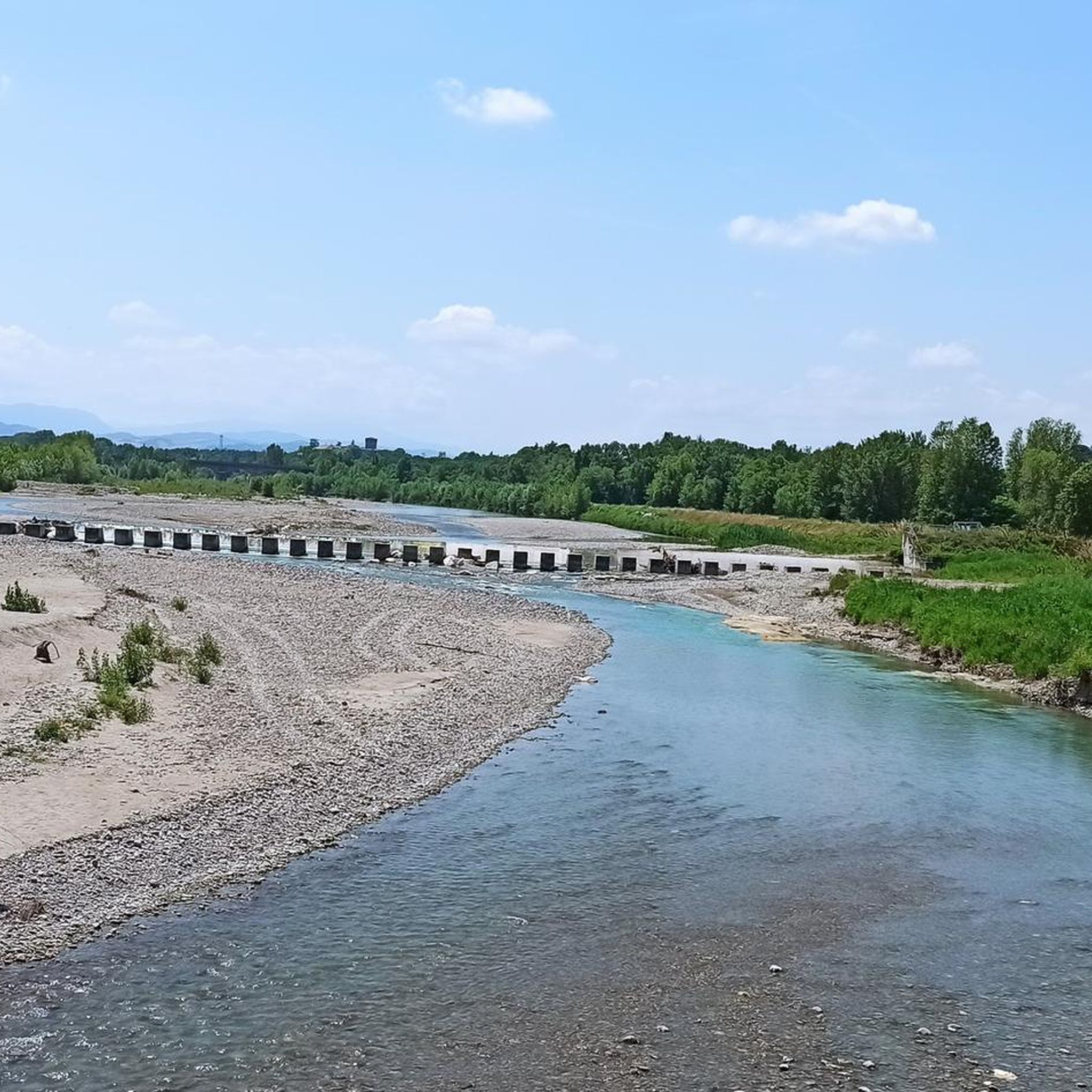
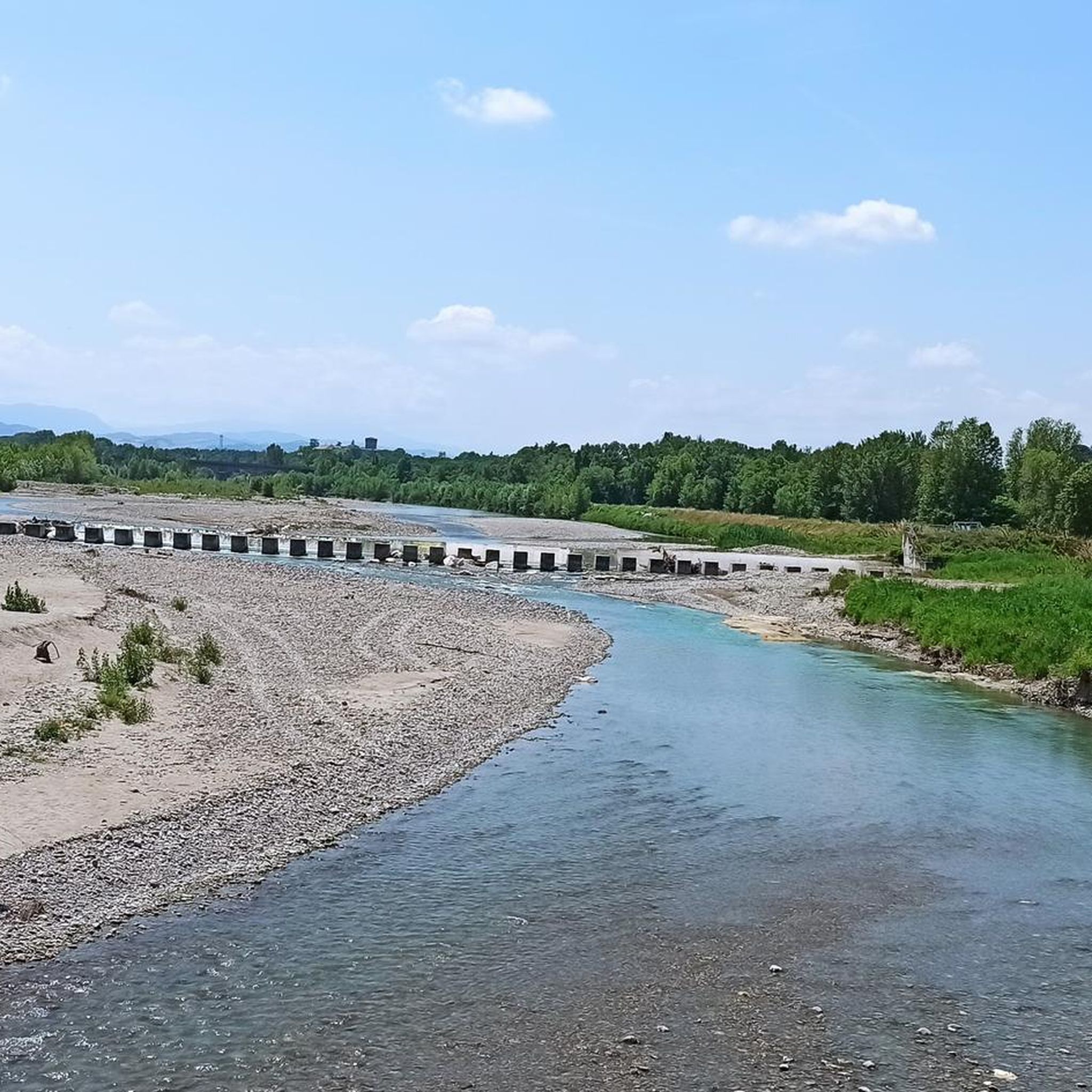
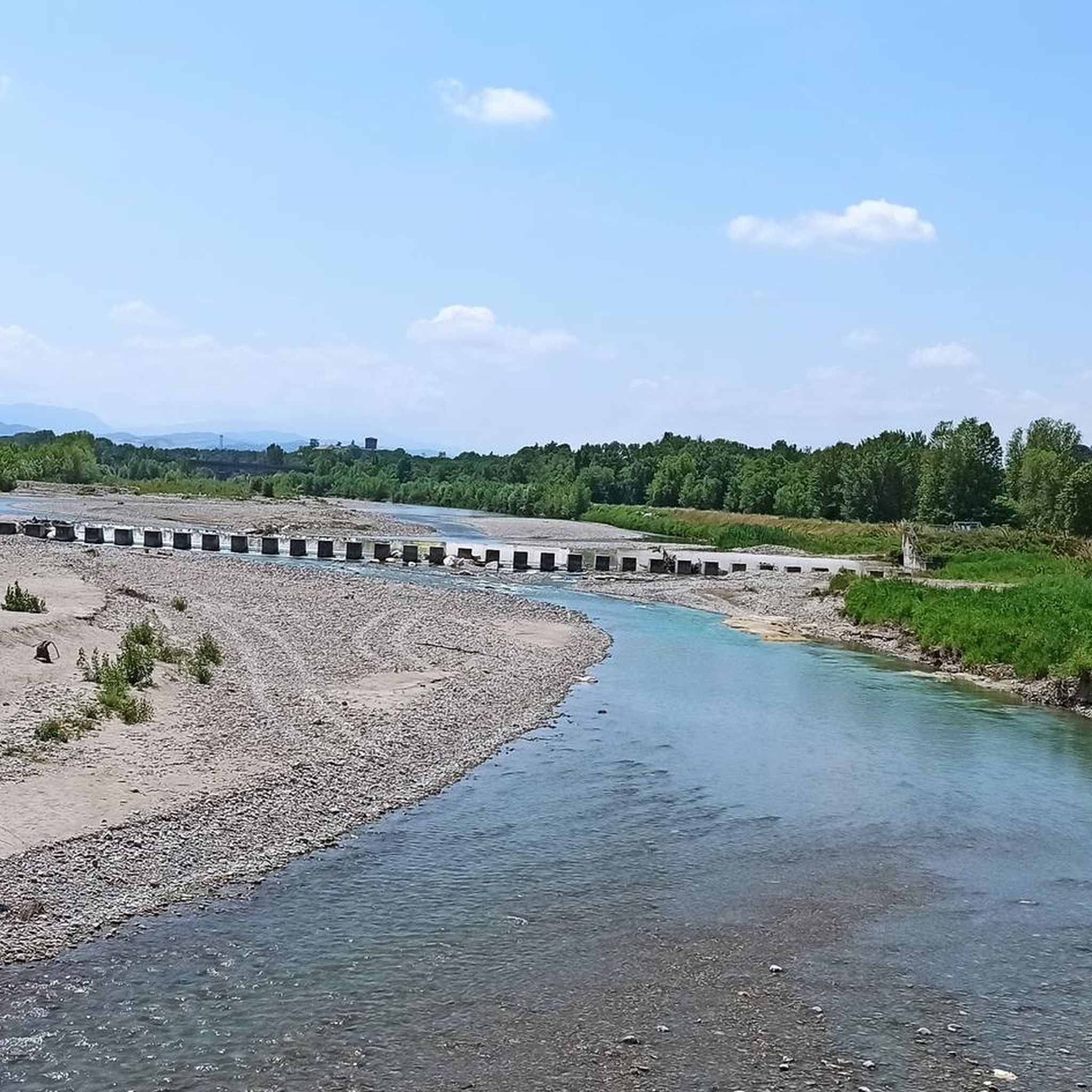
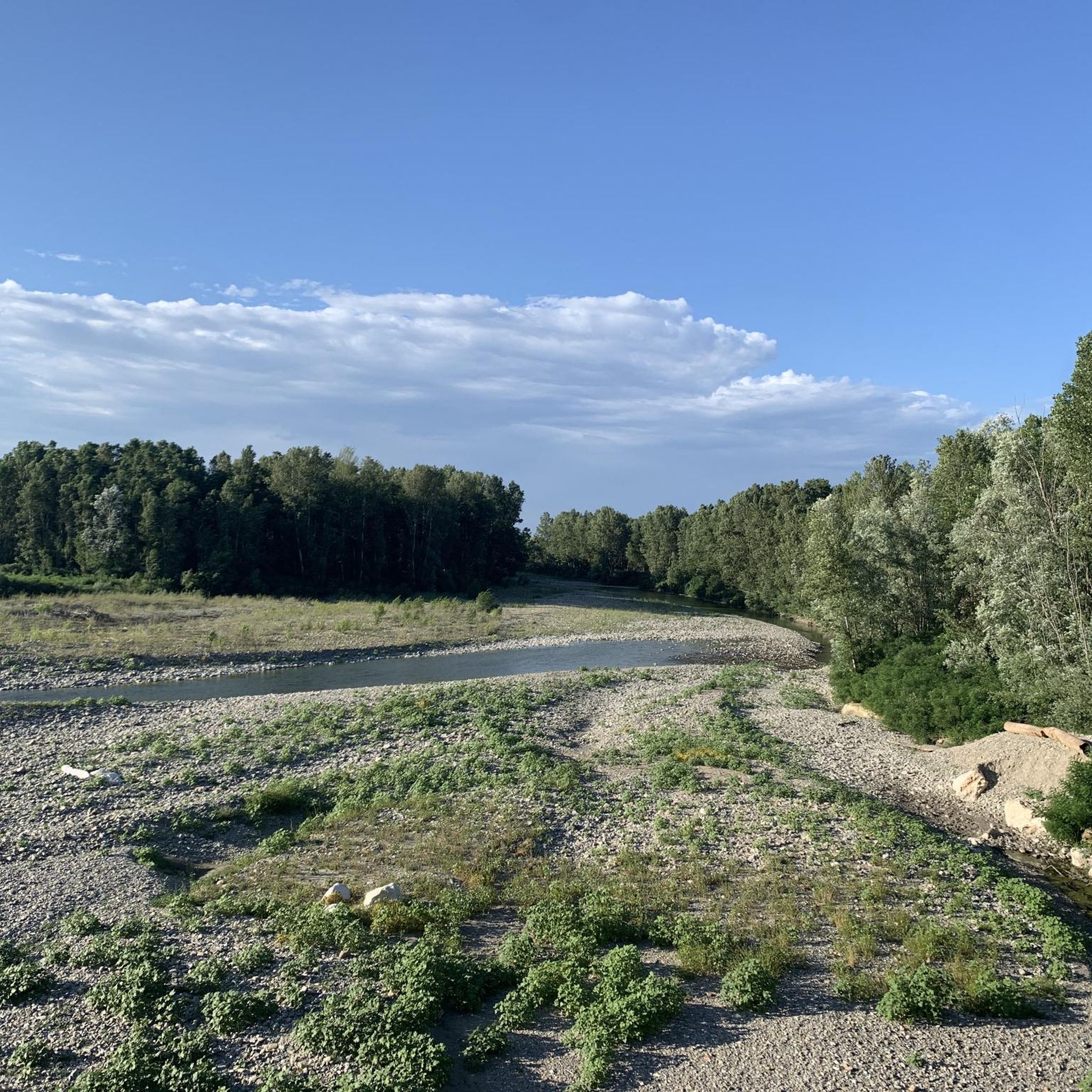
Hiking around Montecchio Emilia offers diverse landscapes within Italy's Emilia-Romagna region. The area is characterized by the Enza River Valley, featuring tranquil riverine paths and fertile plains. Rolling hills provide varied terrain, ranging from gentle ascents to more challenging climbs. Unique natural features like the "Barboj" Park, with its gas and mud emissions, and scenic Lake Ninfa, contribute to the region's distinct outdoor environment.
Best hiking trails around Montecchio Emilia
- The most popular hiking route is CAI Trail 640A,…
Last updated: October 24, 2026
26.2km
06:43
100m
100m
Hike the difficult 16.3-mile CAI Trail 640A from Paverazzi to Montefalcone, exploring cultural sites and varied landscapes in 6 hours and 43
4.7
(3)
30
hikers
7.49km
01:54
20m
20m
Easy hike. Easily walkable paths.

4.3
(3)
14
hikers
Moderate hike. Good fitness required. Easily walkable paths.
4.0
(2)
8
hikers
Moderate hike. Good fitness required. Easily walkable paths.
10
hikers
Easy hike. Easily walkable paths.
Get access to more routes and recommendations from other explorers.
Already have an account?
Our route recommendations are based on thousands of hikes, rides, and runs completed by other people on komoot.
Start today with a free account
Your next adventure awaits.

Tips from the Community

In Montecchio Emilia (Reggio Emilia), important traces of the medieval defensive walls linked to the ancient core of the "citadel" remain. What remains of the walls and fortifications: The front of the walls: Visible on the new market square. Bastions: Three bastions that have almost entirely preserved their original characteristics, along with the bases of the perimeter towers. Wall curtain: Parts of the original circuit survive, consisting of a wall with a slope (inclined) that in the past had quadrangular towers. The Rocca (Castle): The Castle of Montecchio Emilia preserves the keep tower (or clock tower) from the 13th century with Guelph battlements. The two ancient access gates (Porta Vecchia and Porta Nuova) were unfortunately demolished in 1847 and 1902 respectively.
0
0
The mastio (or mastio tower) of the Castle of Montecchio Emilia, also known as the clock tower, is the oldest still visible part of the entire fortification, dating back to a thirteenth-century layout. Located in the northeast corner of the Rocca, this imposing keep emerges from the crenellated body of the building and is provided with a complete circuit of machicolations and Ghibelline battlements covered by a roof. Over the centuries, the structure has taken on a central role in the village in the Val d'Enza, reaching a height of 35 meters in the complex of the main tower.
0
0
The State Nursery School of Montecchio Emilia is named "Armando Giuffredi" and is part of the Comprehensive Institute of Montecchio Emilia. The school welcomes children from 3 to 5 years old and follows the ministerial calendar and guidelines. Regular school attendance without the use of the canteen service does not involve tuition fees for families.
0
0
Monument to the fallen of the world wars in Montecchio Emilia, created in 1923 by the sculptor Alberto Bazzoni. A bronze infantryman in a sentinel position with arms crossed and rifle, dressed in a long coat and helmet. A white stone structure behind the statue with a bas-relief depicting a winged Victory. Inaugurated in 1923 for the fallen of the First World War, it was later also dedicated to those of the Second World War in 1955.
0
0
Halfway between Reggio Emilia and Parma, the Castello di Montecchio Emilia dominates the historic center of the town. The beautiful building stands on a site inhabited since Roman and barbarian times, but its first fortified structure dates back to the 12th century. The first walls rise on a burial ground, along the Enza river valley. Its strategic position allows the Rocca to serve as a military post and a symbol of power. Over the centuries, the Castello di Montecchio passes from the hands of the archbishop of Parma and his allies, the Vicedomini, to those of important families such as the Visconti. In the 15th century the town falls under Este dominion; in 1562 Don Alfonso d'Este obtains the title of Marquisate for the town and the Castle becomes a noble residence. The Este rule Montecchio Emilia until the Unification of Italy in 1861. From the end of the 18th century until 1960 the Castle is used as a prison.
0
0
Encuentro Montecchio is a Mexican restaurant and cocktail bar located at Viale Guglielmo Marconi, 30 in Montecchio Emilia (RE). Address: Viale Guglielmo Marconi, 30, 42027 Montecchio Emilia (RE) Cuisine: Mexican and Tex-Mex (tacos, burritos, hamburgers, and sharing plates) Bar: Cocktail bar specializing in tequila, Margarita, and iconic cocktails Atmosphere: Cozy and immersive, with themed decor and background music
2
0
The image shows the entrance to the "Angelo Umiltà" Cultural Center and the Municipal Library of the Municipality of Montecchio Emilia. A marble plaque on the brick wall lists the official name, mentioning Angelo Umiltà (a Garibaldino, writer, and internationalist born in Montecchio Emilia in 1831 and died in Neuchâtel in 1893) and the municipal library.
2
0
It is located south of the Piazza, within the walls of the ancient castle. It features a 18th-century facade facing North with four pilasters and a triangular pediment connected by a volute to the cornice. On the facade, there was an old painting representing the coat of arms of Alfonso I d'Este. The interior has a single nave with a Latin cross plan, a basin apse, and a lunetted barrel vault. The side chapels contain statues, paintings, 18th-century altarpieces (three of which are the work of don Giuseppe Boni from Montecchio) and a 17th-century icon finely carved in wood, inside which is an oil painting on canvas, representing the veneration of the Blessed Virgin by various saints. Built by the Confraternity of the Suffrage, first mentioned in deeds from 1618, it must have already been open for worship in 1634, even though on February 17, 1682, the construction of the basin cornice was entrusted to the master masons Michele Cartani, Andrea and Prospero Zavaroni from Montecchio. The church was always served by the Confraternity, which followed its events and took care of its maintenance over the years, despite changing its name several times: "of the Souls in Purgatory", "of the Most Holy Blood", and finally "of the Good Death". The relic of a particle of the veil of the Most Holy Mary, sprinkled with the blood of Jesus, was donated to the Chaplain of the church in the early 18th century. In 1798, all the property of the Confraternity was confiscated and subsequently sold due to suppression decrees. Thanks to its very fortunate location, the Church has been sought after over the years by various parish associations in Montecchio, such as the Pious Association of the Sacred Heart of Jesus, which found its headquarters there in 1816. In 1916, due to wartime events, it was closed for some time. Recently, the roof, which was in serious condition, has been restored.
2
0
Frequently Asked Questions
How many hiking trails are available in Montecchio Emilia?
Montecchio Emilia offers a wide variety of hiking opportunities, with over 150 routes recorded on komoot. These range from easy strolls to more challenging, multi-hour treks, catering to all fitness levels.
What types of terrain can I expect on hikes around Montecchio Emilia?
The region features diverse landscapes, including tranquil riverine paths along the Enza River Valley, fertile plains, and rolling hills. This variety means you can find routes with gentle ascents or more significant elevation changes, offering different scenic experiences.
Are there any easy hiking trails suitable for beginners or families in Montecchio Emilia?
Yes, Montecchio Emilia has over 50 easy routes. A good option for a gentle walk is the Castello di Montecchio Emilia loop from Montecchio Emilia, which is just under 5 km and takes about an hour and a quarter to complete, offering a pleasant stroll around the castle.
What natural attractions can I see while hiking in Montecchio Emilia?
Hikers can explore unique natural features such as the Barboj Park of Rivalta, known for its gas and mud emissions, and the scenic Lake Ninfa. Many trails incorporate these natural highlights, providing picturesque views and interesting geological formations.
Are there any circular walks available in Montecchio Emilia?
Yes, many routes in Montecchio Emilia are circular, allowing you to start and end in the same location. For example, the Lake Ninfa – Lakes of the Nymph loop from Montecchio Emilia is a moderate 13.2 km circular trail that takes you through the beautiful area around Lake Ninfa.
What historical landmarks can be found along the hiking routes?
The area combines natural beauty with historical significance. You can hike past the well-preserved Montecchio Emilia Castle, or explore routes that connect Italian villages, monasteries, and churches. The Lakes of the Nymph – Montecchio Emilia Castle loop from Montecchio Emilia is a great example, combining natural scenery with historical sights.
What do other hikers say about the trails in Montecchio Emilia?
The hiking routes in Montecchio Emilia are highly regarded by the komoot community, holding an average rating of 4.5 stars from over 480 reviews. Hikers often praise the varied terrain, the tranquility of the river valleys, and the unique natural features like Lake Ninfa.
Are there any challenging hikes for experienced trekkers?
Yes, for those seeking a more demanding experience, there are 17 difficult routes. The CAI Trail 640A is a challenging 26.2 km route that takes approximately 6 hours and 43 minutes to complete, offering a substantial trek through the countryside.
Can I find viewpoints with scenic vistas on the trails?
While specific viewpoints are not always explicitly named on every trail, the rolling hills and varied topography of the Emilia-Romagna region often provide expansive views of the Enza River Valley and surrounding plains. You might also find the View of the Calanchi of the Terre di Canossa and Rossena Castle to be a rewarding stop.
What is the best time of year to go hiking in Montecchio Emilia?
The Emilia-Romagna region generally offers pleasant hiking conditions during spring and autumn, when temperatures are mild and the landscape is vibrant. Summer can be warm, especially in the plains, while winter might offer different scenery but requires checking local conditions.
Are there any nature reserves or protected areas to explore?
Yes, you can visit the Fontanili di Corte Valle Re Nature Reserve, which offers a chance to experience the local flora and fauna in a protected environment. This provides a different kind of natural exploration alongside the more general hiking trails.
Most popular routes around Montecchio Emilia
Most popular attractions around Montecchio Emilia

Get inspired with the komoot mobile app


Explore more
Browse the best Hikes in other regions.
