Routes

Planner

Features

Updates

App

Login or Signup

Get the App

Login or Signup

Login or Signup

Routes
Cycling routes
Italy
Friuli Venezia Giulia
Udine

Marano Lagunare

The best cycling routes around Marano Lagunare

4.1

(739)

3,909

riders

23

rides

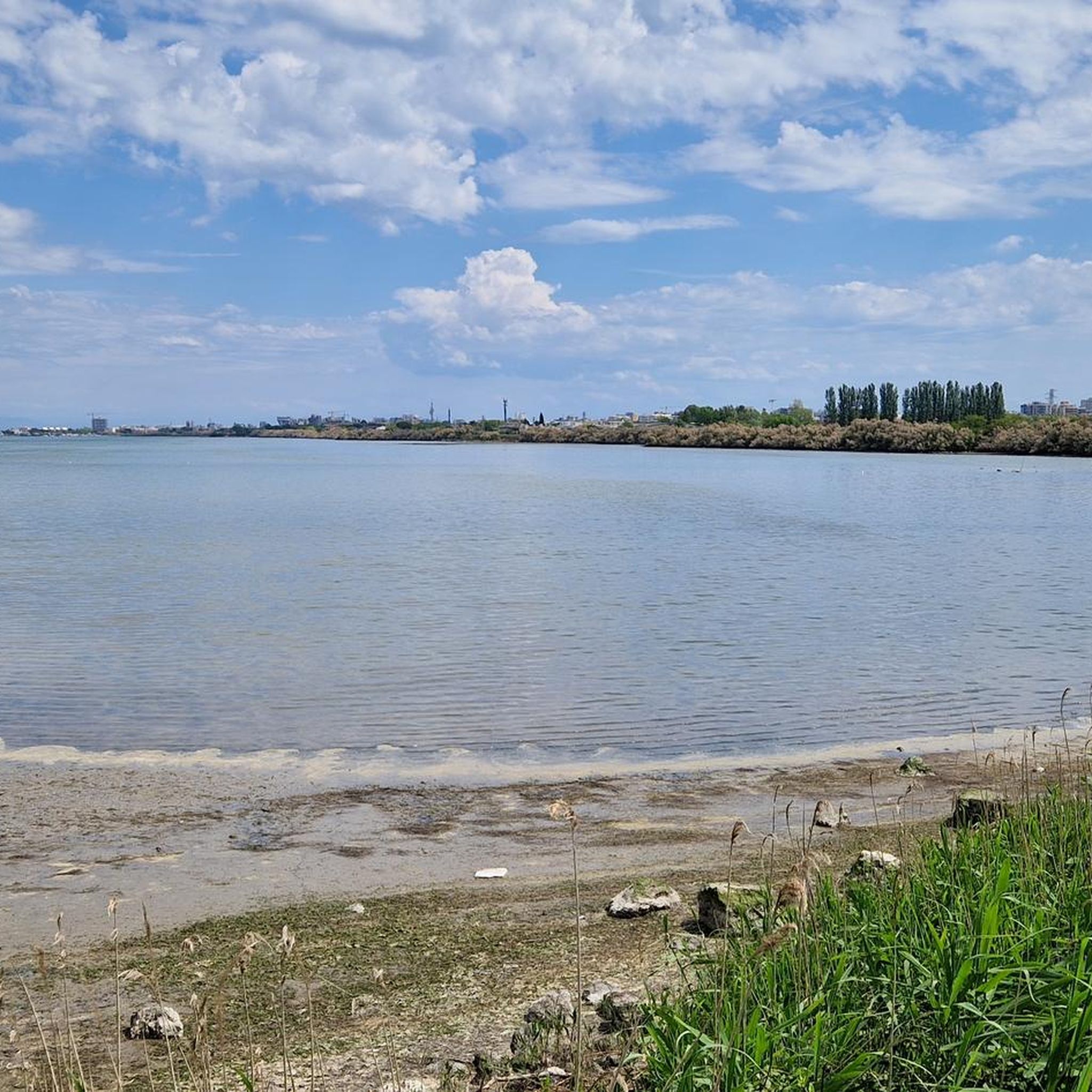
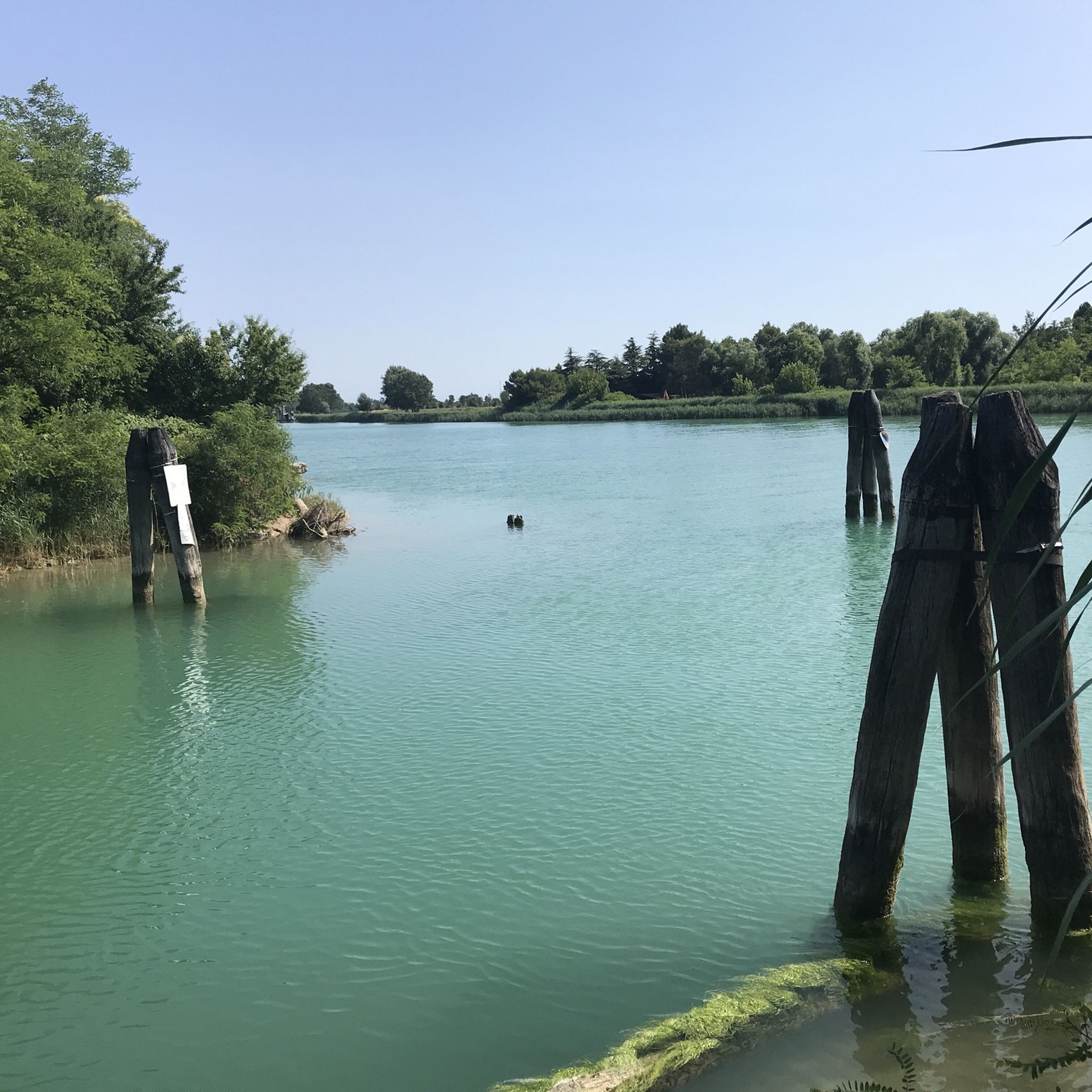
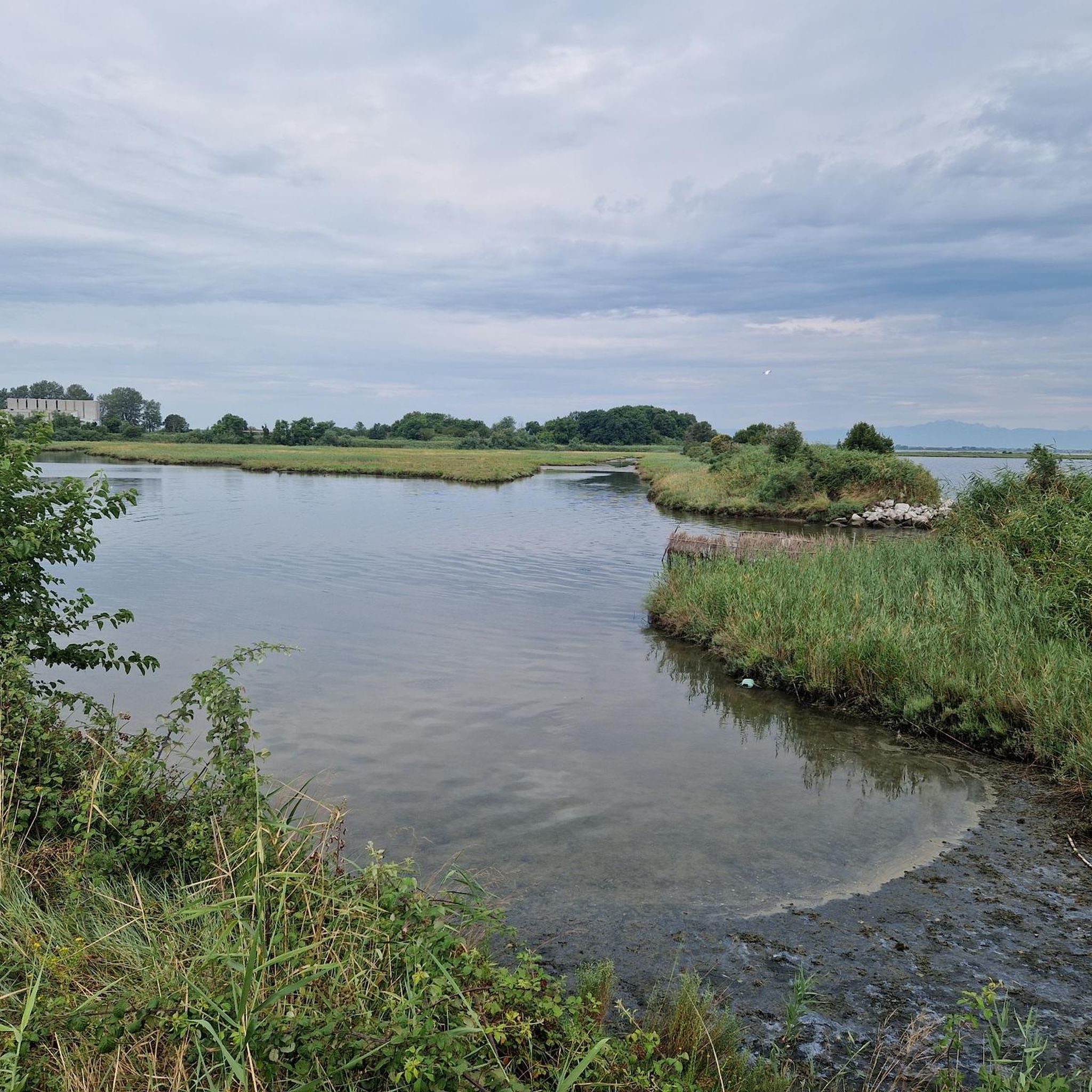
Touring cycling around Marano Lagunare is characterized by its unique lagoon landscape, a network of canals, and resurgent rivers. The terrain is predominantly flat, making it suitable for various skill levels. This area features extensive natural reserves, including the Riserva delle Foci del Fiume Stella and the Riserva della Valle Canal Novo, which offer opportunities to observe diverse flora and fauna. The region's geography is shaped by its proximity to the Adriatic Sea, with routes often following coastal paths or rural roads.

Best touring cycling routes around Marano Lagunare

  • The most popular touring cycling route is Ariis Mill – Ariis loop from Marano Lagunare / Maran, a 32.3 miles (51.9 km) trail that takes 3 hours 30 minutes to complete, offering views of the flat, riverine landscape.
  • Another top favourite among local touring cyclists is Aquileia Roman Forum – Basilica of Aquileia loop from Marano Lagunare / Maran, a moderate 35.2 miles (56.6 km) path that connects natural scenery with historical sites.
  • Local touring cyclists also love the Marano – Bridge Over the Stella River loop from Marano Lagunare / Maran, a 22.7 miles (36.5 km) trail leading through the Stella River area, often completed in about 2 hours 16 minutes.
  • Touring cycling around Marano Lagunare is defined by serene lagoon environments, protected natural reserves, and a network of canals. The routes offer options for different ability levels, from easy, flat paths to moderate distances.
  • The routes in Marano Lagunare are highly rated by the komoot community with an average score of 4.1 stars from over 700 reviews. More than 3,900 touring cyclists have used komoot to explore Marano Lagunare's varied terrain.

Last updated: May 8, 2026

4.2

(6)

25

riders

#1.

Ariis – Villa Ottelio Savorgnan loop from Marano Lagunare / Maran

52.2km

03:32

70m

70m

Moderate bike ride. Good fitness required. Mostly paved surfaces. Suitable for all skill levels.

Navigate with device

Send to Phone

Save

Moderate

Moderate bike ride. Good fitness required. Mostly paved surfaces. Suitable for all skill levels.

Moderate
guide_signup
Let us show you the way with the komoot mobile app
With a free komoot account, you can easily find, customize, and navigate endless outdoor adventures.

Sign up for free

Moderate bike ride. Good fitness required. Mostly paved surfaces. Suitable for all skill levels.

Moderate

Moderate bike ride. Good fitness required. Mostly paved surfaces. Suitable for all skill levels.

Moderate

Easy bike ride. Great for any fitness level. Mostly paved surfaces. Suitable for all skill levels.

Easy
Sign up for free to see 19 more rides around Marano Lagunare.

Get access to more routes and recommendations from other explorers.

Sign up for free

Already have an account?

Our route recommendations are based on thousands of hikes, rides, and runs completed by other people on komoot.

Start today with a free account

Your next adventure awaits.

Login or Signup
Popular around Marano Lagunare

Running Trails around Marano Lagunare

Hiking around Marano Lagunare

Road Cycling Routes around Marano Lagunare

Gravel biking around Marano Lagunare

MTB Trails around Marano Lagunare

Tips from the Community

Luca N.
April 19, 2026, Basilica of Aquileia

The Basilica of Santa Maria Assunta in Aquileia is a masterpiece of inestimable historical value, known primarily for housing the largest early Christian mosaic in the Western world. Dating back to the 4th century AD, this extraordinary floor work covers over 750 square meters and narrates, through colored tesserae, biblical scenes such as the cycle of Jonah and complex symbolisms like the struggle between the rooster and the turtle. Beyond the mosaics, the Basilica is an architectural palimpsest where the Romanesque style blends with Gothic and Renaissance elements. Of great suggestion are the Crypt of the Frescoes, with 12th-century Byzantine paintings, and the Crypt of the Excavations, which allows walking over the remains of the ancient Theodorean structures. The majestic bell tower, which dominates the Friulian plain, was built in the 11th century using marble recovered from the Roman amphitheater, a symbol of the indissoluble link between the imperial city and its Christian heritage.

Translated by Google

0

0

Sim/One
March 15, 2026, Laguna Planais

Fantastic view, especially at sunset, the road to get there is not particularly easy

Translated by Google

0

0

The Stella River near Palazzolo is home to a beautiful park, which can be visited via the beautiful Stella cycle path.

Translated by Google

0

0

Harald
October 19, 2025, Kirche in Villanova

The “Chiesa di San Floriano” is dedicated to the martyr St. Florian and is impressive due to the small bell tower to the right of the church, which is considerably lower than the church itself.

Translated by Google

1

0

The first mention of the village of Torviscosa dates back to 1278, when it was known as Zuino. The surrounding area was rich in water due to numerous springs and threatened to become swampy without adequate canalization. The Counts of Savorgnan, who owned these lands from 1344 to 1818, therefore initiated the first reclamation measures at the end of the 17th century. On the drained land, only the tower of a medieval castle remained standing, which is why the village was renamed Torre di Zuino. Later, other buildings were added, and in 1727, the church of Santa Maria Assunta was added. Until 1915, the village was the last Italian town before the border with Austria-Hungary, a fact commemorated by a plaque on the outskirts of the village. Today, the industrial town of Torviscosa is a planned town built during the heyday of Italian fascism. It was founded in 1937 by Franco Marinotti and takes its name from the pre-war period (Torre) and the processed textile fibers (Viscosa). The totalitarian regimes that shaped much of Europe in the middle decades of the 20th century had a significant impact on urban design. These regimes founded or rebuilt cities, often drawing on the most modern architectural and urban design projects of the time. The oldest part of the industrial complexes included buildings intended for various purposes, all with red brick facades. The desire to organize civilian life based on the same rules that exist in factories was translated into urban planning by a clear separation of residential areas according to professional categories. The houses of the managers, the residences for employees and technicians, and the residential buildings for industrial workers were located in different areas of the main town, while the outskirts of the municipality were reserved for agricultural workers. Even today, the planning and construction of that time are omnipresent and barely altered throughout the city. On the outskirts, buildings and houses have been constructed in keeping with modern times. In terms of social life, the city feels like a mixture of Disneyland, the film A Clockwork Orange, and film studios like Universal Studios. Sources: https://de.wikipedia.org/wiki/Fabrikstadt_Torviscosa, https://grado.it/de/reisetipps/umgebung/torviscosa

Translated by Google

0

0

The first mention of Torviscosa dates back to 1278, when it was known as Zuino. The surrounding area was rich in water due to numerous springs and threatened to become marshy without proper drainage. The Counts of Savorgnan, who owned these lands from 1344 to 1818, therefore initiated the first land reclamation measures at the end of the 17th century. Only the tower of a medieval castle remained standing on the drained land, which is why the village was renamed Torre di Zuino. Later, other buildings were added, and in 1727 the Church of Santa Maria Assunta was built. Until 1915, the village was the last Italian town before the border with Austria-Hungary, a fact commemorated today by a plaque on the outskirts of the town. The modern industrial city of Torviscosa is a planned city built during the heyday of Italian Fascism. It was founded in 1937 by Franco Marinotti and takes its name from the pre-war era (Torre) and processed textile fibers (Viscosa). The totalitarian regimes that dominated much of Europe in the mid-20th century had a significant impact on urban planning. These regimes founded or rebuilt cities, often drawing on the most modern architectural and urban design projects of the time. The oldest part of the industrial complex comprised buildings for various purposes, all sharing red brick facades. The desire to organize civic life according to the same rules that existed in the factory was translated into a clear separation of residential areas based on occupational categories in the urban planning. The houses of managers, residences for employees and technicians, and housing for factory workers were located in different areas of the main town, while the outskirts of the municipality were reserved for agricultural laborers. ... Even today, the original planning and construction methods are omnipresent in the city and remain largely unchanged. On the city's outskirts, buildings and houses have been erected in a more modern style. In terms of social life, the city resembles a blend of Disneyland, the film A Clockwork Orange, and film studios like Universal Studios. Sources: https://de.wikipedia.org/wiki/Fabrikstadt_Torviscosa, https://grado.it/de/reisetipps/umgebung/torviscosa

Translated by Google

0

0

The first mention of the village of Torviscosa dates back to 1278, when it was known as Zuino. The surrounding area was rich in water due to numerous springs and threatened to become swampy without adequate canalization. The Counts of Savorgnan, who owned these lands from 1344 to 1818, therefore initiated the first reclamation measures at the end of the 17th century. On the drained land, only the tower of a medieval castle remained standing, which is why the village was renamed Torre di Zuino. Later, other buildings were added, and in 1727, the church of Santa Maria Assunta was added. Until 1915, the village was the last Italian town before the border with Austria-Hungary, a fact commemorated by a plaque on the outskirts of the village. Today, the industrial town of Torviscosa is a planned town built during the heyday of Italian fascism. It was founded in 1937 by Franco Marinotti and takes its name from the pre-war period (Torre) and the processed textile fibers (Viscosa). The totalitarian regimes that shaped much of Europe in the middle decades of the 20th century had a significant impact on urban design. These regimes founded or rebuilt cities, often drawing on the most modern architectural and urban design projects of the time. The oldest part of the industrial complexes included buildings intended for various purposes, all with red brick facades. The desire to organize civilian life based on the same rules that exist in factories was translated into urban planning by a clear separation of residential areas according to professional categories. The houses of the managers, the residences for employees and technicians, and the residential buildings for industrial workers were located in different areas of the main town, while the outskirts of the municipality were reserved for agricultural workers. Even today, the planning and construction of that time are omnipresent and barely altered throughout the city. On the outskirts, buildings and houses have been constructed in keeping with modern times. In terms of social life, the city feels like a mixture of Disneyland, the film A Clockwork Orange, and film studios like Universal Studios. Sources: https://de.wikipedia.org/wiki/Fabrikstadt_Torviscosa, https://grado.it/de/reisetipps/umgebung/torviscosa

Translated by Google

0

0

Harald
September 29, 2025, Ponte di legno

A classic fishing village on the Adriatic with a historic town center and many quaint fishing boats. A small village square is lined with restaurants. Modern villas and terraced houses have now been built around the town center.

Translated by Google

2

0

Frequently Asked Questions

How many touring cycling routes are available around Marano Lagunare?

There are over 25 touring cycling routes around Marano Lagunare, offering a diverse range of options for exploring the unique lagoon landscape and its surroundings. These routes are highly rated by the komoot community, with an average score of 4.1 stars from over 700 reviews.

What is the typical terrain like for touring cycling in Marano Lagunare?

The terrain around Marano Lagunare is predominantly flat, making it suitable for various skill levels. Routes often follow coastal paths, rural roads, or dedicated cycle paths, with a mix of paved and unpaved surfaces. The landscape is characterized by its extensive lagoon, a network of canals, and resurgent rivers.

Are there touring cycling routes suitable for beginners or families in Marano Lagunare?

Yes, Marano Lagunare is well-suited for beginners and families due to its largely flat terrain. There are 15 easy routes available, with many paths following well-trodden field roads or rural roads transformed into cycle paths. An example of an easy route is the Old Port of Lignano – Laguna di Marano cycle path loop, which is just under 10 km.

What kind of natural features can I expect to see while cycling in Marano Lagunare?

While cycling in Marano Lagunare, you'll encounter a landscape of extraordinary beauty, dominated by the extensive lagoon. Expect to see a dense network of canals, resurgent rivers, and protected natural reserves like the Riserva delle Foci del Fiume Stella and the Riserva della Valle Canal Novo. The area is rich in unique flora and fauna, and you might spot traditional fishermen's lodgings known as 'casoni'.

Are there any specific natural reserves worth exploring by bike?

Absolutely. The region boasts significant naturalistic areas. The Riserva delle Foci del Fiume Stella, encompassing the Stella River delta, and the Riserva della Valle Canal Novo, with its wetland environments and bird hides, are excellent for observing unspoiled nature and diverse wildlife. The Grotari and Vulcan Valleys also offer havens of biodiversity with large reed beds and shallow pools.

What historical or cultural landmarks can I visit along the cycling routes?

Beyond its natural beauty, Marano Lagunare offers cultural and historical attractions. You can explore the well-preserved historic center with its Venetian-style architecture, narrow streets, and canals. Notable landmarks include the medieval Torre Millenaria and the Church of San Martino. For a historical cycling experience, consider the Aquileia Roman Forum – Basilica of Aquileia loop, which connects natural scenery with ancient Roman sites.

Are there any circular touring cycling routes available?

Yes, many touring cycling routes in Marano Lagunare are designed as loops, allowing you to start and end in the same location. Examples include the Ariis Mill – Ariis loop and the Marano – Bridge Over the Stella River loop, both offering scenic rides through the flat, riverine landscape.

What is the best time of year to go touring cycling in Marano Lagunare?

The best time to go touring cycling in Marano Lagunare is generally during the spring and autumn months when the weather is mild and pleasant. Summers can be warm, but the flat terrain and coastal breezes can still make for enjoyable rides. Winters are typically cooler and less ideal for extensive cycling.

Are there opportunities to combine cycling with other activities, like boat trips?

Yes, Marano Lagunare offers unique opportunities to combine cycling with boat trips. You can experience 'bikepacking' adventures, such as a loop that involves cycling and a return journey by sea through the lagoon. Various boat trips are available to explore the wetlands, islands, and 'casoni', often with explanations of the area's ecology and traditional lifestyles.

Where can I find places to eat or stay near the cycling routes?

Marano Lagunare, being a charming fishing town, has a variety of cafes, pubs, and accommodation options. The historic center and fishing harbor are good places to find local cuisine, heavily based on lagoon specialties. Many establishments cater to visitors, and you'll find places to refuel or rest after your rides.

What are some notable natural attractions or viewpoints along the routes?

Along the routes, you can discover several natural attractions. The Tagliamento River Mouth is a significant natural monument. You can also enjoy scenic views of the Marano Lagoon along dedicated cycle paths, such as the View of the Marano Lagoon along the cycle path. The Val Grande Nature Oasis also offers a beautiful natural setting.

Is it possible to access the cycling routes using public transport or find parking?

Marano Lagunare is accessible, and while specific public transport details for route access may vary, the town itself is a good starting point. Parking is generally available within or near the town center, allowing cyclists to easily begin their tours. For more detailed information on local transport and parking, it's advisable to check local resources.

Are there any long-distance cycle paths that pass through or near Marano Lagunare?

Yes, a segment of the renowned Alpe-Adria Cycle Path, which connects Salzburg to Grado, passes near Marano Lagunare. This makes the area accessible for longer touring adventures and connects it to a wider network of European cycling routes.

Most popular routes around Marano Lagunare

Running Trails around Marano Lagunare

Most popular attractions around Marano Lagunare

Places to see

Store rating

Get inspired with the komoot mobile app

With a free komoot account, you can easily find, customize, and navigate endless outdoor adventures.

or

Join komoot Now

Store rating

Explore more

Browse the best Cycling routes in other regions.

TarvisioRiserva Naturale Regionale Della Val AlbaVenzoneMagnano In RivieraLignano SabbiadoroMalborghetto ValbrunaChiusaforteAquileiaDognaGemona Del FriuliTarcentoReana Del RojaleTricesimoAmaroBordanoLatisanaMoggio UdineseRudaRonchisTolmezzoCividale Del FriuliTerzo D'AquileiaPontebbaArtegnaMontenarsRive D'ArcanoLake Fusine inferioreLake Fusine superioreCervignano Del FriuliSan Daniele Del FriuliTrasaghisRigolatoLago Minisini E Rivoli BianchiOsoppoParco naturale regionale delle Prealpi GiulieParco naturale regionale delle Prealpi GiulieCavazzo CarnicoLaucoLaguna di MaranoLake RagognaPreceniccoBujaBagnaria ArsaRemanzaccoSocchieveOvaroVerzegnisComegliansCerciventoResiaVilla SantinaCodroipoResiuttaRavasclettoPalazzolo Dello StellaTavagnaccoTreppo LigosulloLago del PredilAiello Del FriuliNimisForgaria Nel FriuliPrato CarnicoPaluzzaPalmanovaSan Pietro Al NatisoneVilla VicentinaBiciniccoNature Reservele Focilo StellaForni AvoltriSutrioZuglioSan Giovanni Al NatisonePreoneCarlinoLigosulloLuseveraPagnaccoMoimaccoMajanoDrenchiaTreppo GrandePrepotto / PrapotnoCorno Di RosazzoButtrioAttimisEnemonzoLake CavazzoSan LeonardoSavognaColloredo Di Monte AlbanoAmpezzoPavia Di UdineCassaccoTaipanaArta TermeSanta Maria La LongaMoruzzoViscoPradamanoPulferoRaveoManzanoLestizzaChiopris-VisconePovolettoRivignano TeorGrimaccoPorpettoSan Vito Al TorreNature Reserve Lake CorninoMuzzana Del TurgnanoFagagnaFiumicello Villa VicentinaCampoformidoTrivignano UdineseBasilianoMartignaccoForni Di SopraStregnaTorreanoRagognaPasian Di PratoFaedisPoceniaSan Giorgio Di NogaroSedeglianoVarmoPaularoCoseanoMereto Di TombaMorteglianoCastions Di StradaPremariaccoSan Vito Di FagagnaCamino Al TagliamentoLago di SaurisDignanoFlaibanoForni Di SottoGonarsPozzuolo Del FriuliSaurisTorviscosaCampolongo TapoglianoBertioloTalmassons

Nearby adventure guides

Things to Do around Laguna di Marano

background

Get ready to conquer new peaks

Sign up for Free

Explore
RoutesRoute plannerFeaturesHikesMTB TrailsRoad cycling routesBikepackingSitemap
Download the app
Follow Us on Socials

© komoot GmbH

Privacy Policy