Attractions and Places To See around Cagnano Varano - Top 20
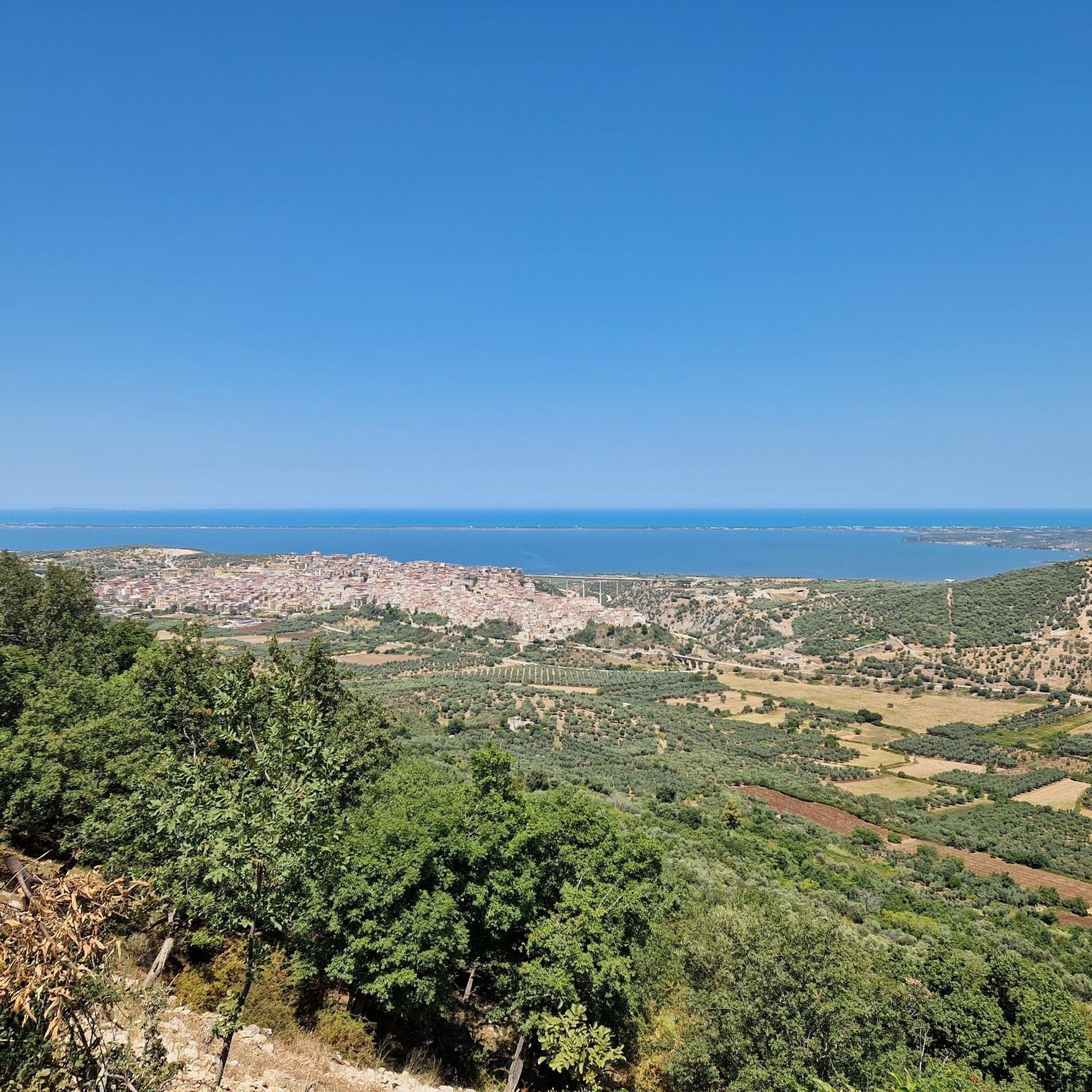
Best attractions and places to see around Cagnano Varano include a blend of historical, cultural, and natural sites. Situated on the Gargano Peninsula, the village offers access to ancient landmarks and spiritual locations. The region is characterized by the natural beauty of Lake Varano and the surrounding Gargano National Park, providing diverse landscapes for exploration.
Best attractions and places to see around Cagnano Varano
- The most popular attractions is Monte Calvo, a summit that is the highest peak in…
Last updated: July 7, 2026
Monte Calvo
Highlight • Summit
Translated by Google •
Tip by

Torre Mileto
Highlight • Monument
Of Aragonese origin with the classic quadrangular base, with the …
Translated by Google •
Tip by
Sign up now to discover places like this
Get recommendations on the best single tracks, peaks, & plenty of other exciting outdoor places.
Sign up for free
Ragusa Valley
Highlight • Forest
Translated by Google •
Tip by

Romandato Stream Bed
Highlight • Gorge
Translated by Google •
Tip by

Translated by Google •
Tip by
Sign up for free to discover even more attractions around Cagnano Varano.
Sign up for free
Already have an account?
Start today with a free account
Your next adventure awaits.
Login or Signup

Tips from the Community

(...continued) Only downstream from the point where the road used by local vehicles diverges from the streambed is the latter periodically left to the sole maintenance work of passing flocks and livestock. This isn't a problem if you're traveling on foot, but on a mountain bike, it's even more advisable to tackle the downhill section, as the very slight incline will greatly facilitate progression, saving effort for the more experienced or avoiding annoying interruptions for the less experienced. It should be noted that, for the easiest and most well-trodden section alone, the more or less soft gravel surface extends for more than six kilometers, and can be a real test for those unable to maintain the momentum of a pace capable of overcoming resistance and swerving. However, there is the option of descending on a dirt road from Ischitella, traversing the most interesting segment of the canyon, and then escaping along the comfortable concrete road that exits the valley.
0
0
Cycling along the Rio Romandato's "sciumara" is extraordinary! This term refers to the bed of a karst stream, almost always dry due to the presence of countless cavities scattered throughout the subsurface where small and medium-sized rainfall finds its outlet, but subject to rare but powerful floods during particularly intense and prolonged storms. The navigability of these "sciumare" by bicycle cannot therefore be guaranteed, as it remains dependent on the rainfall patterns that periodically disturb the gravel on the riverbed. However, there are sections more frequently used by the vehicles of local shepherds and farmers, who promptly restore and keep them accessible, just as in this section carved into the rock like a canyon. (continued...)
0
0
On Monte Calvo, it's best to ascend from the east by mountain bike, despite the numerous unnecessary stone steps that clutter the initial section. The trail, which descends west from the summit to connect with the Sentiero delle Anguille, would be less rideable and much more difficult overall.
1
0

Don't miss, if you're in the Bosco Quarto, with its hornbeams and beech trees, the Ragusa Valley, formed by one of the numerous east-west oriented tectonic fissures that mark the Gargano promontory between the Umbra Forest and the area of San Marco in Lamis. It's very easy to cycle through and can be reached by anyone with a basic understanding of cartography and navigation, yet the impression is of being immersed in an environment profoundly removed from any human presence. On the southern slope, near Coppa del Giglio and Casa Natura, runs what was the line of a Decauville a century ago.
0
0

Absolutely worth seeing. Beautifully restored. Great views of the islands too. The rest of the place is not for the faint of heart.
4
0

Torre Mileto, part of the security system against pirates. There are some gun carriages.
2
0

One of the most famous and best preserved watchtowers in the Gargano. Located halfway between the lagoon lakes of Varano and Lesina.
2
0
Frequently Asked Questions
What are the most popular natural attractions around Cagnano Varano?
Visitors frequently enjoy the diverse natural landscapes. Monte Calvo, the highest peak in the Gargano massif, offers stunning karst morphology and ancient caves. The Ragusa Valley is a forested paradise with a dense arboreal canopy and rich formations of ferns and mosses. Additionally, Lake Varano, Italy's largest coastal lake, is ideal for nature enthusiasts and birdwatching.
Are there any significant historical or cultural sites to visit in Cagnano Varano?
Yes, Cagnano Varano is rich in history. The most significant site is the Cave-Church of St. Michael (Grotta di San Michele), a major pilgrimage site with ancient frescoes and a mystical atmosphere. You can also explore the historic center, known as 'Cavùt,' with its winding stone streets and traditional architecture, or visit the Baronial Palace, a Norman-origin fortress that was once home to feudal lords.
What kind of outdoor activities can I do near Cagnano Varano?
The region offers a variety of outdoor activities. For running, you can explore trails around Lake Varano, such as the 'Lago di Varano from Capojale' route. Cycling enthusiasts can enjoy routes like the 'Lake Varano – Isola Varano's Wild Beaches loop' or the 'View of Peschici – Strada del Mandrione loop' for road cycling. Many of these routes are within the scenic Gargano National Park. Find more details on specific routes in the Running Trails around Cagnano Varano and Cycling around Cagnano Varano guides.
Where can I find the best viewpoints around Cagnano Varano?
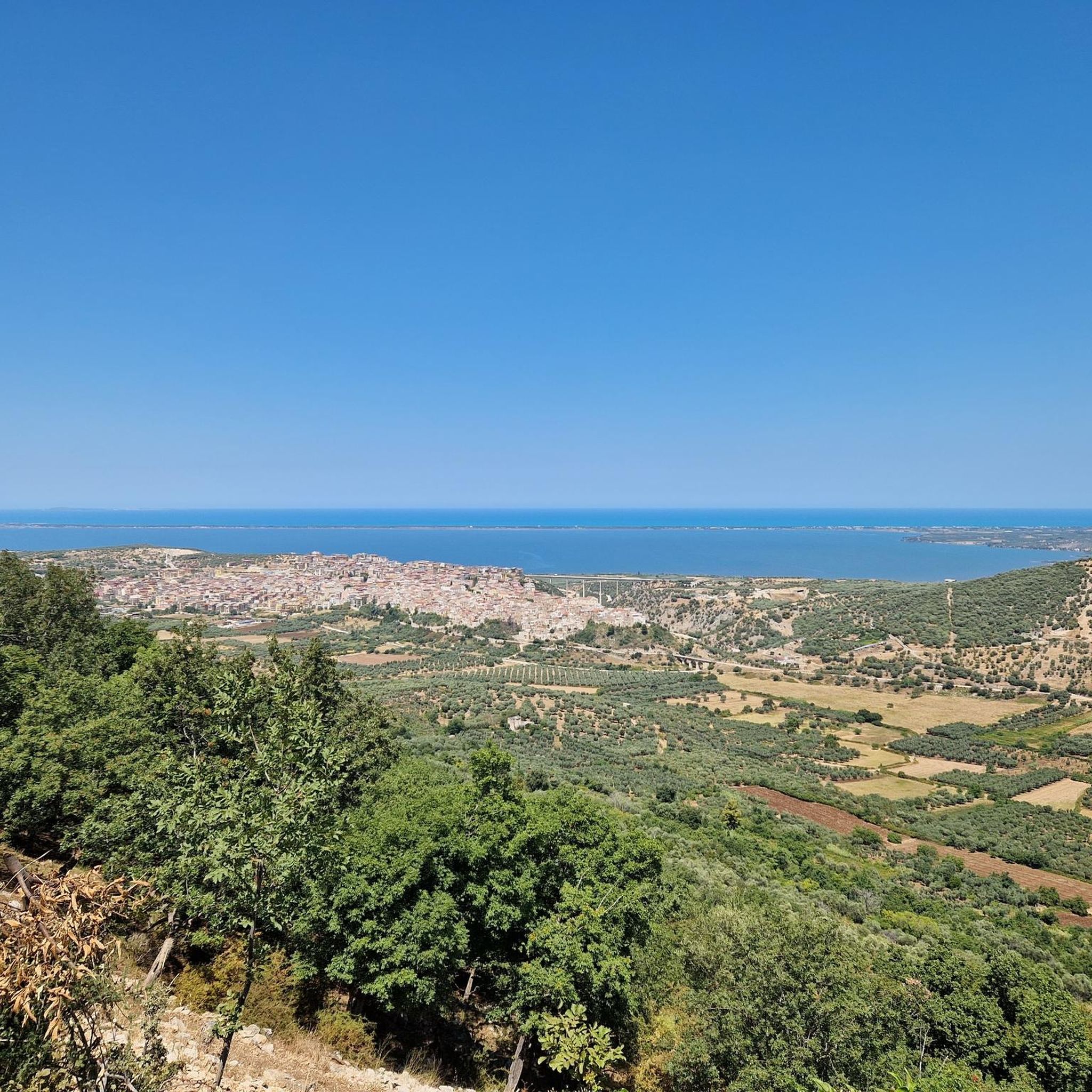
For panoramic views, head to Torre Mileto, an imposing Aragonese coastal tower that offers splendid views towards the Tremiti Islands. Another excellent spot is the Belvedere 'La Madonnina,' where you can simultaneously admire the town, its historic center, Lake Varano, and even catch a glimpse of the Tremiti Islands.
What is the Cave-Church of St. Michael and why is it important?
The Cave-Church of St. Michael (Grotta di San Michele) is a deeply significant spiritual and historical site. Consecrated in the late fifth century AD, it was a major pilgrimage destination throughout the Middle Ages. Inside this evocative cave, you'll find ancient floors with carvings, stalagmites and stalactites, frescoes, and sacred statues, all contributing to its mystical atmosphere. Tradition holds that the Archangel Michael appeared here.
Are there any family-friendly attractions or activities in the area?
Yes, the natural beauty of the area offers family-friendly options. Lake Varano is great for gentle walks and birdwatching, where you might spot flamingos. The Museum of Territory and Culture of the Lagoon provides an educational experience about the local environment and history, serving as a good starting point for family excursions around the lake.
What is the best time of year to visit Cagnano Varano for outdoor activities?
The Gargano region generally enjoys pleasant weather for outdoor activities during spring (April-May) and autumn (September-October). These seasons offer milder temperatures, making hiking, cycling, and exploring the natural parks more comfortable than the hotter summer months.
What is the Romandato Stream Bed and what makes it unique?
The Romandato Stream Bed is an extraordinary karst stream bed, often dry, that carves through the landscape like a canyon. It's unique for its geological formations and the way it channels water during rare, intense storms. While primarily a natural feature, some sections are used by local shepherds and farmers, making it an interesting route for mountain biking or walking, especially downhill.
Can I explore the local culture and traditions in Cagnano Varano?
Absolutely. The historic center, 'Cavùt,' is perfect for experiencing traditional Gargano architecture and local life. The Cathedral of Santa Maria della Pietà, a Baroque-style church, and the Church of the Annunciation, housing the 14th-century 'Varano Crucifix,' offer insights into the region's religious heritage. The Museum of Territory and Culture of the Lagoon also showcases local finds, documents, and objects related to the Varano Lagoon's culture.
What is special about Lake Varano?
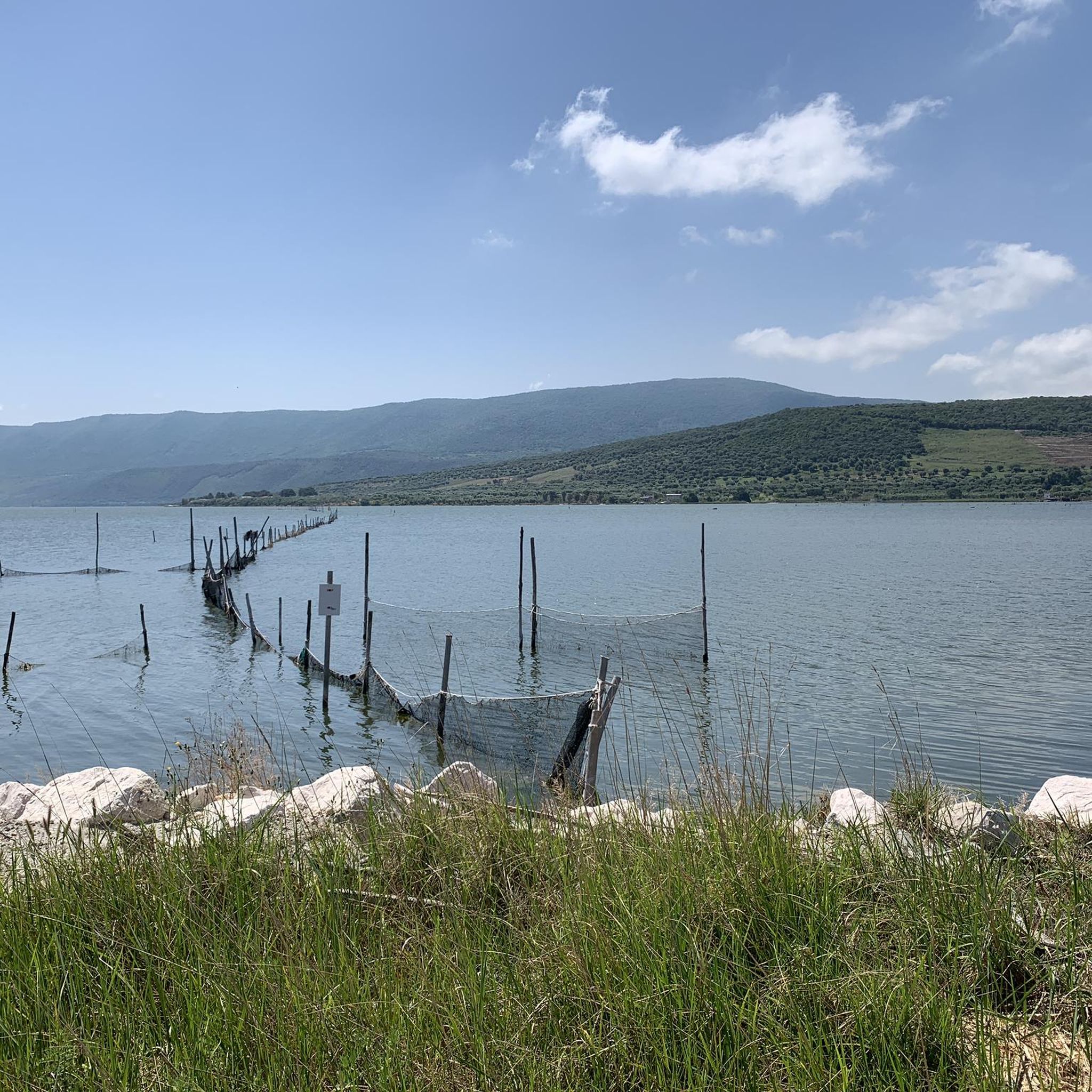
Lake Varano is Italy's largest coastal lake and a significant natural resource. It's renowned for its mussel farming and eel breeding, which are important local industries. The lake provides excellent opportunities for birdwatching, with species like flamingos often present, and offers serene settings for walking and enjoying the natural environment.
Are there any unique natural reserves or forests nearby?
Yes, Cagnano Varano is situated within the Gargano National Park, offering several unique natural reserves. The State Reserve of Varano Island boasts dense vegetation, including majestic pine forests and rich Mediterranean maquis, showcasing significant biodiversity. Additionally, Bosco Quarto, Bosco di Ischitella e Carpino are state nature reserves known for their unusually large beech and turkey oaks, thriving due to a unique microclimate.
Most popular routes around Cagnano Varano
Most popular attractions around Cagnano Varano

Get inspired with the komoot mobile app


Explore more
Still not found the Highlight you’re looking for? See guides of the top attractions in other regions:
