Attractions and Places To See around Taglio Di Po - Top 20
Best attractions and places to see around Taglio Di Po are largely centered within the Po Delta, a UNESCO World Heritage site in the Veneto region of Italy. This area is known for its rich biodiversity, where the Po River meets the Adriatic Sea. Historically, Taglio di Po is significant for 17th-century hydraulic engineering projects that diverted the Po River. The region offers a blend of natural landscapes and cultural insights.
Best attractions and places to see around Taglio Di…
Last updated: July 7, 2026
Via delle Valli, Po Delta Regional Park
Highlight (Segment) • Cycleway
Translated by Google •
Tip by

Po Delta Cycle Path
Highlight (Segment) • Cycleway
Translated by Google •
Tip by

Sign up now to discover places like this
Get recommendations on the best single tracks, peaks, & plenty of other exciting outdoor places.
Sign up for free
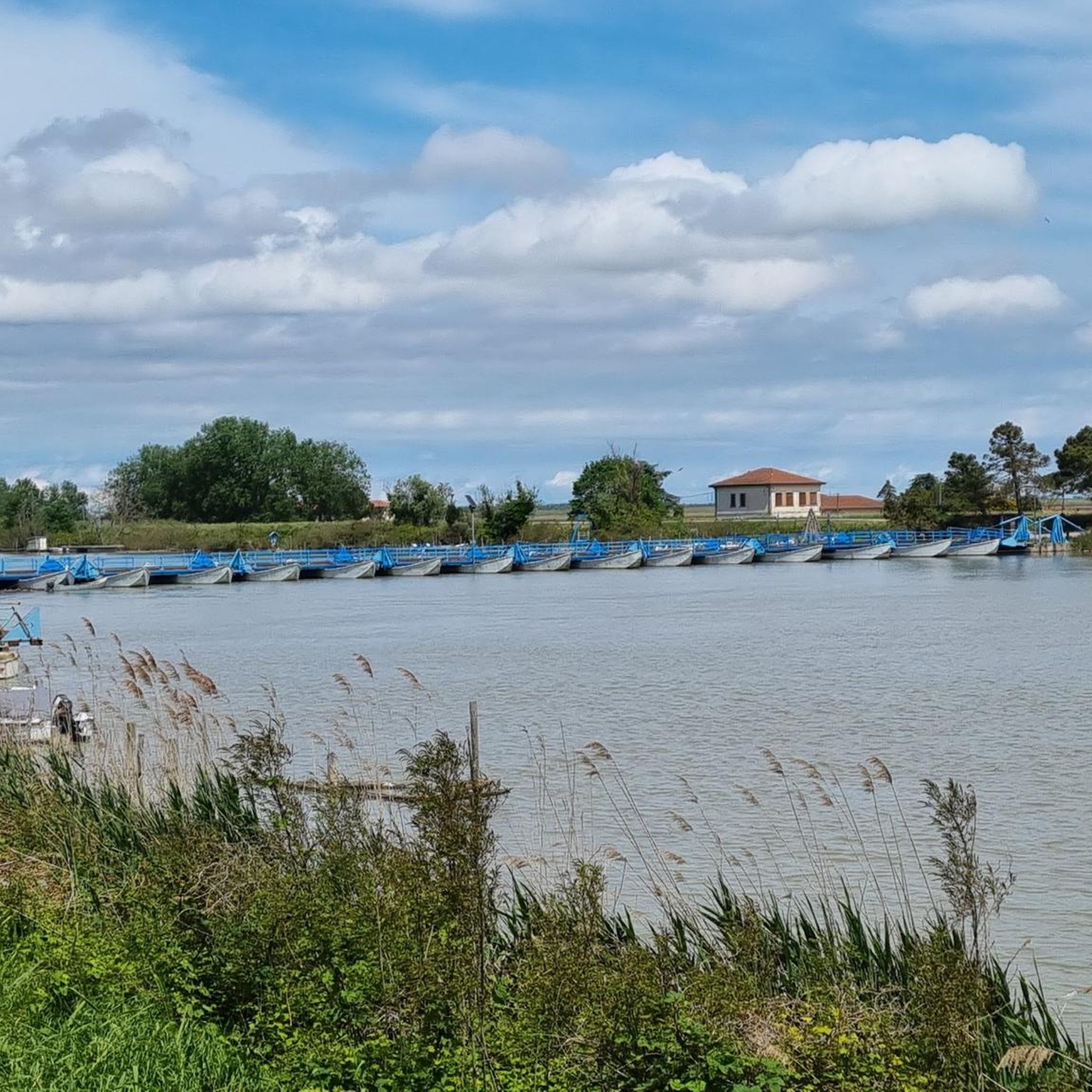
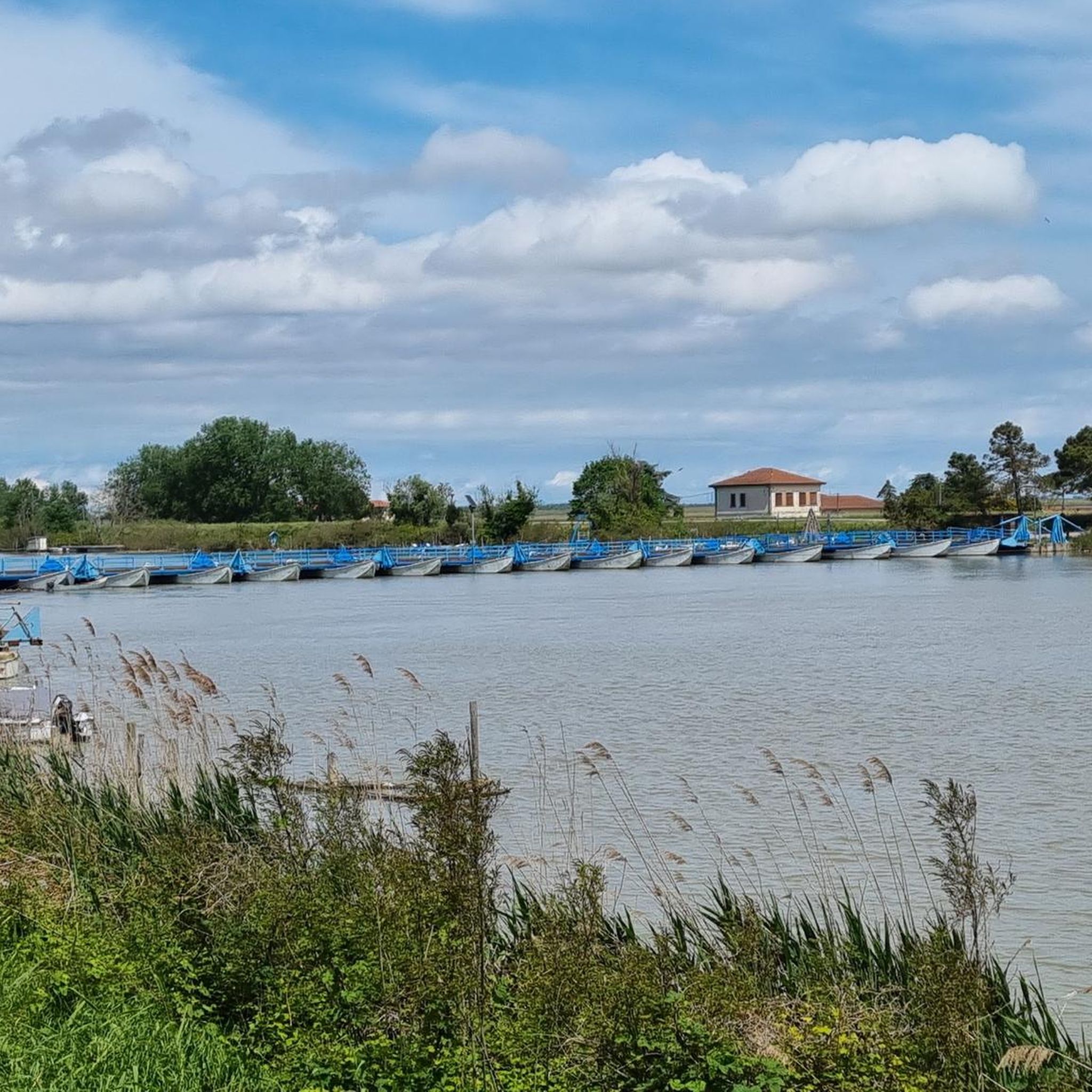
Po di Gnocca Pontoon Bridge
Highlight • Bridge
Translated by Google •
Tip by

Trail of the Lido delle Nazioni Nature Reserve
Highlight • Trail
Translated by Google •
Tip by

Mesola Forest Nature Reserve
Highlight (Segment) • Forest
Translated by Google •
Tip by
Sign up for free to discover even more attractions around Taglio Di Po.
Sign up for free
Already have an account?
Start today with a free account
Your next adventure awaits.
Login or Signup
Popular around Taglio Di Po
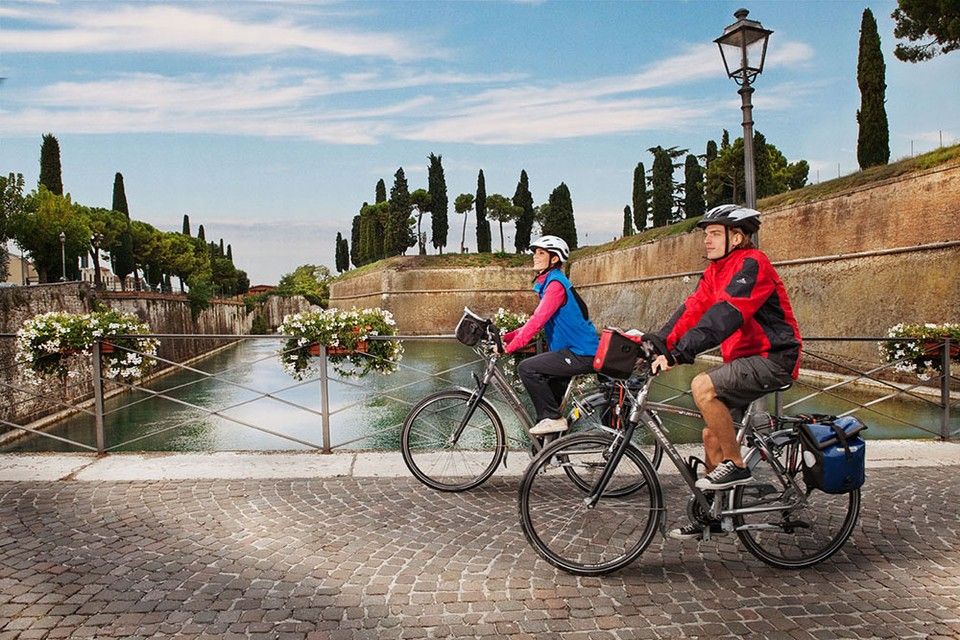
Between Lake Garda and the Adriatic Sea – cycle Tours in Italy’s Veneto
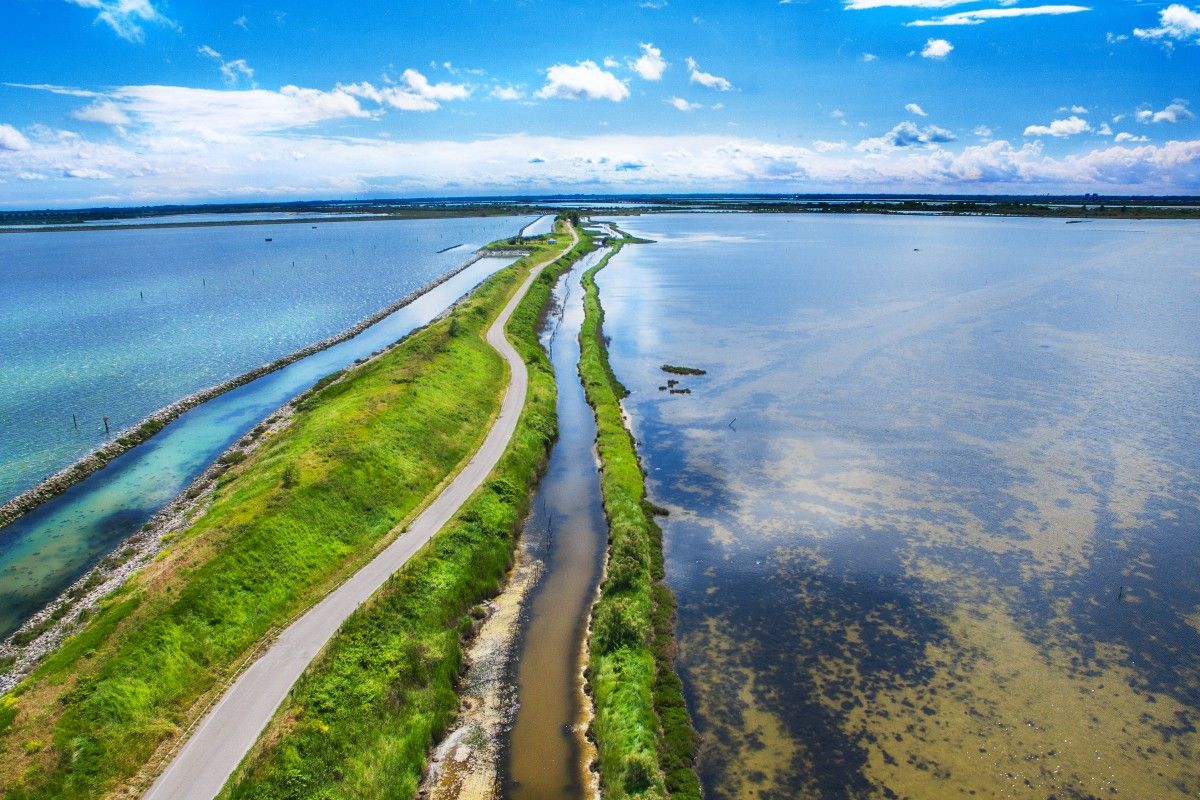
Delta del Po in e-bike – itinerari tra fiume, mare e laguna con DINAclub
Hiking around Taglio Di Po
MTB Trails around Taglio Di Po
Road Cycling Routes around Taglio Di Po
Gravel biking around Taglio Di Po
Cycling around Taglio Di Po
Running Trails around Taglio Di Po


Tips from the Community

Fascinating to cross by bike, free access for bicycles and pedestrians
0
0

This trail immerses you in the lagoon landscape of the Po Delta, among embankments, canals, salt marshes, and fish farms. Birdlife is frequently spotted along the route, particularly flamingos, herons, and other species typical of wetlands. It runs through an open and quiet environment, with long stretches of sparse shade: bring plenty of water and protect yourself from mosquitoes, especially in the evening.
0
0

A floating bridge made of many ships.
1
0

SUMMER 2024 - FERRY ALBARELLA - PORTO LEVANTE: Active Friday, Saturday and Sunday. I have placed the timetable with the photos of this route.
2
1

It is one of the last tangible and still in use testimonies of the Po epic, that era in which the greatest Italian river artery represented not only a geographical record but also one of the main communication routes of our civilisation: it is the boats, a highly effective work of empirical engineering which allowed dialogue between the different banks of the river without the intervention of heavy fixed constructions. It is a series of boats placed symmetrically next to each other, in such a way as to constitute the floating base on which to fix a gangway capable of supporting the passage of mechanical and motorized vehicles.
5
0

Although this stretch is marked as a cycle path, IT IS NOT AT ALL It's a miserable track with a completely fine sandy surface which makes it almost impossible to stay in the saddle and with the wheels straight because it sinks It's basically like cycling on the beach If you have your bike loaded with bags, be prepared to push if you venture into this stretch
1
0

Place where it is easy to find soaking pink flamingos!
2
0

I confirm: the ferry from the left bank of the Po di Levante runs a couple of weekdays and weekends in summer, but with few trips, like two in the morning and three in the afternoon. We gave up on taking it, after Alberella we returned to the starting point up to the Adige embankment (18 km outward and the same number on the return). Pleasant nonetheless
1
0
Frequently Asked Questions
What natural features can I explore in Taglio di Po and the Po Delta?
Taglio di Po is situated within the vast Po Delta Regional Park, a UNESCO World Heritage site known for its extensive wetlands where the Po River meets the Adriatic Sea. You can explore diverse ecosystems, including the Mesola Forest Nature Reserve, home to the unique Mesola deer, or the Canneviè Oasis Nature Reserve, ideal for walking and observing diverse flora and wetland fauna. The Faro di Punta Maistra also marks the easternmost point of the park, offering scenic views.
Are there good cycling routes in the Po Delta near Taglio di Po?
Yes, the Po Delta is excellent for cycling. The Po Delta Cycle Path offers an immersive experience through wetlands, canals, and fish farms, with frequent bird sightings. Another popular option is the Via delle Valli, which provides scenic rides along lagoon banks and fishing valleys, especially beautiful at sunset. For more cycling options, you can explore various routes for gravel biking or MTB trails around Taglio di Po.
Where can I go hiking around Taglio di Po?
The Po Delta offers numerous opportunities for hiking. The Mesola Forest Nature Reserve provides trails for observing wildlife, including the Mesola deer. The Canneviè Oasis Nature Reserve is also ideal for walking. For more structured hiking routes, you can find various hiking trails around Taglio di Po, including options like the Sacca di Goro Loop or the Loop tour in the Sacca di Scardovari.
What historical landmarks can I visit in Taglio di Po?
Taglio di Po and its surroundings boast several historical landmarks. You can visit the ancient Po di Gnocca Pontoon Bridge, a unique structure made of boats that connects villages. Other notable sites include the Castello di Pozzanghera, a historical fortress, and the Santa Maria Assunta Church, an architectural masterpiece reflecting the region's religious history. The Tenuta Ca' Zen, an elegant Venetian villa, is also famous for being a retreat for Lord Byron.
Are there any museums in the Taglio di Po area?
Yes, the Regional Museum of Land Reclamation of Ca' Vendramin (Museo Regionale della Bonifica di Ca' Vendramin) offers insight into the significant land reclamation efforts in the Po Delta. It showcases the ongoing interaction between humans and the environment, highlighting the water system central to the reclamation of the island of Ariano.
What activities are available for families in Taglio di Po?
The region offers several family-friendly activities. Exploring the Po Delta by boat is highly recommended, with various excursions available. Cycling along routes like the Po Delta Cycle Path or Via delle Valli is also suitable for families, offering opportunities for birdwatching. The Castello di Pozzanghera, with its ancient walls, provides an educational and engaging experience for children.
What is the best time of year to visit the Po Delta?
The Po Delta can be visited in any season, as many cycling and walking itineraries, like the Via delle Valli, do not have altitude difficulties and feature asphalted surfaces. However, for birdwatching and enjoying the natural beauty, spring and autumn are often considered ideal due to milder temperatures and active wildlife. Summer can be hot and humid, with mosquitoes, so adequate protection is advised.
Can I go birdwatching in the Po Delta?
Absolutely, the Po Delta is a paradise for birdwatchers. It's one of Europe's largest wetlands, boasting nearly 300 species of birds, including flamingos, herons, and many other wetland species. Areas like Ca' Mello Oasis, Via delle Valli Sud, and Valle Canelle are prime spots for observation. The Po Delta Cycle Path also offers frequent bird sightings.
Are there any unique architectural sites to see?
Beyond the historical churches, the region features unique hydraulic architectural monuments. The Torre dell'Abate, a 16th-century structure with five basins, once served defensive and control functions and is now surrounded by water and marshy vegetation. The Po di Gnocca Pontoon Bridge is also a remarkable example of empirical engineering, allowing passage across the river using a series of symmetrically placed boats.
What kind of wildlife can I expect to see in the Po Delta?
The Po Delta is incredibly rich in biodiversity. You can expect to see a wide array of bird species, including flamingos, herons, bitterns, blackbirds, and snipe. The Mesola Forest Nature Reserve is particularly notable as it is home to the unique Mesola deer, with around 300 specimens residing there. The wetlands also host 50 species of fish and over 1,000 plant species.
Are there dog-friendly trails in the Po Delta?
While specific dog-friendly trail designations can vary, many of the natural areas and embankments within the Po Delta Regional Park are suitable for walks with dogs, provided they are kept on a leash and owners clean up after them. The open and natural environment of routes like the Via delle Valli can be enjoyable for both you and your pet.
How can I explore the Po Delta by boat?
Exploring the Po Delta by boat is a highly recommended way to experience its unique landscape. Various excursions are available to navigate the canals, reach the sea, or explore different river branches. These boat trips offer a different perspective on the wetlands and provide excellent opportunities for birdwatching and photography.
Where can I find viewpoints for scenic photography in the Po Delta?
The Po Delta offers numerous scenic viewpoints, especially for landscape and wildlife photography. The Via delle Valli is particularly beautiful at sunset, offering stunning views along lagoon banks and fishing valleys. Sacca di Scardovari is noted for its sunset photography opportunities, and the Faro di Punta Maistra provides panoramic views of the delta meeting the Adriatic Sea.
What are some easy walking trails near Taglio di Po?
Many trails in the Po Delta are relatively flat and easy, making them suitable for leisurely walks. The Via delle Valli, for instance, is an easy ride/walk with no gradients. The Canneviè Oasis Nature Reserve also offers well-maintained paths ideal for walking. For more options, you can check the hiking guide for Taglio di Po, which includes routes with varying difficulty levels.
Is there a place to learn about the region's land reclamation history?
Yes, the Regional Museum of Land Reclamation of Ca' Vendramin (Museo Regionale della Bonifica di Ca' Vendramin) is dedicated to this very topic. It provides comprehensive insight into the significant hydraulic engineering projects and land reclamation efforts that shaped the Po Delta, showcasing the historical and ongoing interaction between humans and the environment in this unique region.
Most popular routes around Taglio Di Po
Most popular attractions around Taglio Di Po

Get inspired with the komoot mobile app


Explore more
Still not found the Highlight you’re looking for? See guides of the top attractions in other regions:
