Top 18 Castles around La Hulpe
Best castles around La Hulpe are situated in a region known for its natural landscapes and historical sites. The area features prominent estates like the Château de La Hulpe, also known as Solvay Castle, set within extensive parkland. This location offers a blend of architectural heritage and natural beauty, including forests, lakes, and walking routes. The region provides opportunities to explore historical buildings and enjoy outdoor activities.
Best castles around La Hulpe
- The most popular castles is Château de La…
Last updated: July 7, 2026
Château de La Hulpe
Highlight • Castle
Translated by Google •
Tip by

Domaine Solvay
Highlight • Castle
Translated by Google •
Tip by

Sign up now to discover places like this
Get recommendations on the best single tracks, peaks, & plenty of other exciting outdoor places.
Sign up for free
Hoeilaart Castle
Highlight • Castle
Translated by Google •
Tip by
The Little Mermaid of the Lake
Highlight • Monument
Last Sunday June 30 (2019), it was the inauguration of the Little Mermaid of Lake Genval. A Little Mermaid, like the one …
Translated by Google •
Tip by
Mirror Pond with a view of the AfricaMuseum
Highlight • Lake
Translated by Google •
Tip by

Sign up for free to discover even more castles around La Hulpe.
Sign up for free
Already have an account?
Start today with a free account
Your next adventure awaits.
Login or Signup
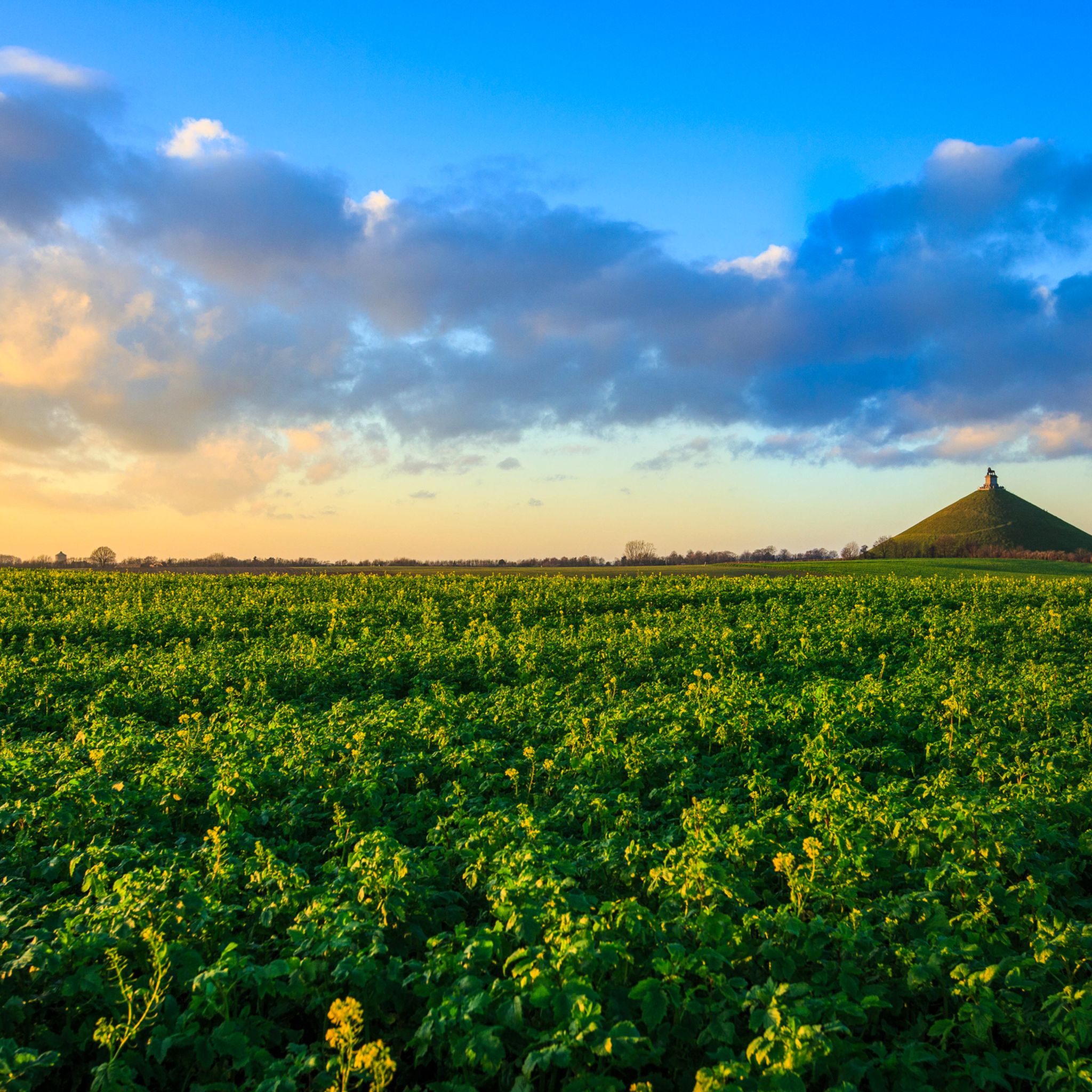
Tips from the Community

Two important lordships formed the basis of the current Hoeilaart: the lordship of Ter Heyde south of the IJse on the one hand, and the lordship of Holaer or Hoeilaart north of the IJse on the other. Here once stood the castle of the Ter Heyde lordship from the fifteenth century. That lordship ceased to exist after the abolition of the ancien régime. The current castle was built in 1858 on the orders of baron Jean de Man d’Attenrode (mayor of Hoeilaart from 1854-1878) and his wife Maria Carolina d’Ormesson. It is therefore not a remnant of the old lordship. BUT: the chapel and former closed farm next to it are. This building has now, as others have mentioned, been given a different function and dominates the view in the park. Inventory of Immovable Heritage: Kasteel van Hoeilaart, https://id.erfgoed.net/erfgoedobjecten/39785
6
0

A beautiful place for rest and walking: you can stroll along it, enjoy the greenery and water, and it is part of the historical and natural charm of Tervuren.
6
0

Excellent quality hotel and restaurant
0
0

To see and don't hesitate to get lost there
1
0

Beautiful but very busy. Good to know!
4
0

Early in the morning to avoid the crowds
4
0
Le Château du Lac is best known today as a 5-star hotel. Events are also often organised there and that is why I know it from a professional long-gone past. But the building, whether you call it a castle or rather a glorified villa, it does have a fairly intense past. In the past, the mineral water of Genval was collected and bottled here. Together with the source of Bonne Fontaine, the Château du Lac was the true symbol of Genval-les-Eaux. The Etablissement des Eaux, as it was originally called, was built between 1905 and 1907 by the architect Julien Wendrickx, the future production director of the Compagnie Internationale des Eaux Minérales, to house the collection of sources and the bottling of the mineral water of Genval. After the First World War and the receivership of the companies that managed the Genval site, the castle became the property of an English company before being taken over by the Princes of Merode, who leased the facilities to Schweppes Belgium. The Belgian branch was then managed by John Martin, an English brewer based in Antwerp, who had been importing beers from Great Britain and Ireland to the continent since 1909, including the famous Guinness. He obtained the exclusive production rights for the Schweppes range, which he transferred to Genval in 1952 following the deterioration in the quality of Antwerp's drinking water, which was now pumped into the Albert Canal. Since the divestment of Schweppes in 1988, the John Martin group has further diversified its range, with speciality beers (Timmermans, Gordon, etc.), soft drinks (Orangina) and fruit juices (Looza). After the Schweppes factory moved to Rue du Cerf, the château, now owned by the Martin family, was converted into the five-star Château du Lac Source: https://www.parismatch.be/lifestyle/voyages/2020/08/23/le-lac-de-genval-et-ses-villas-2D3Q25DBTVANBFBV5WXJG3R2NI/
8
0
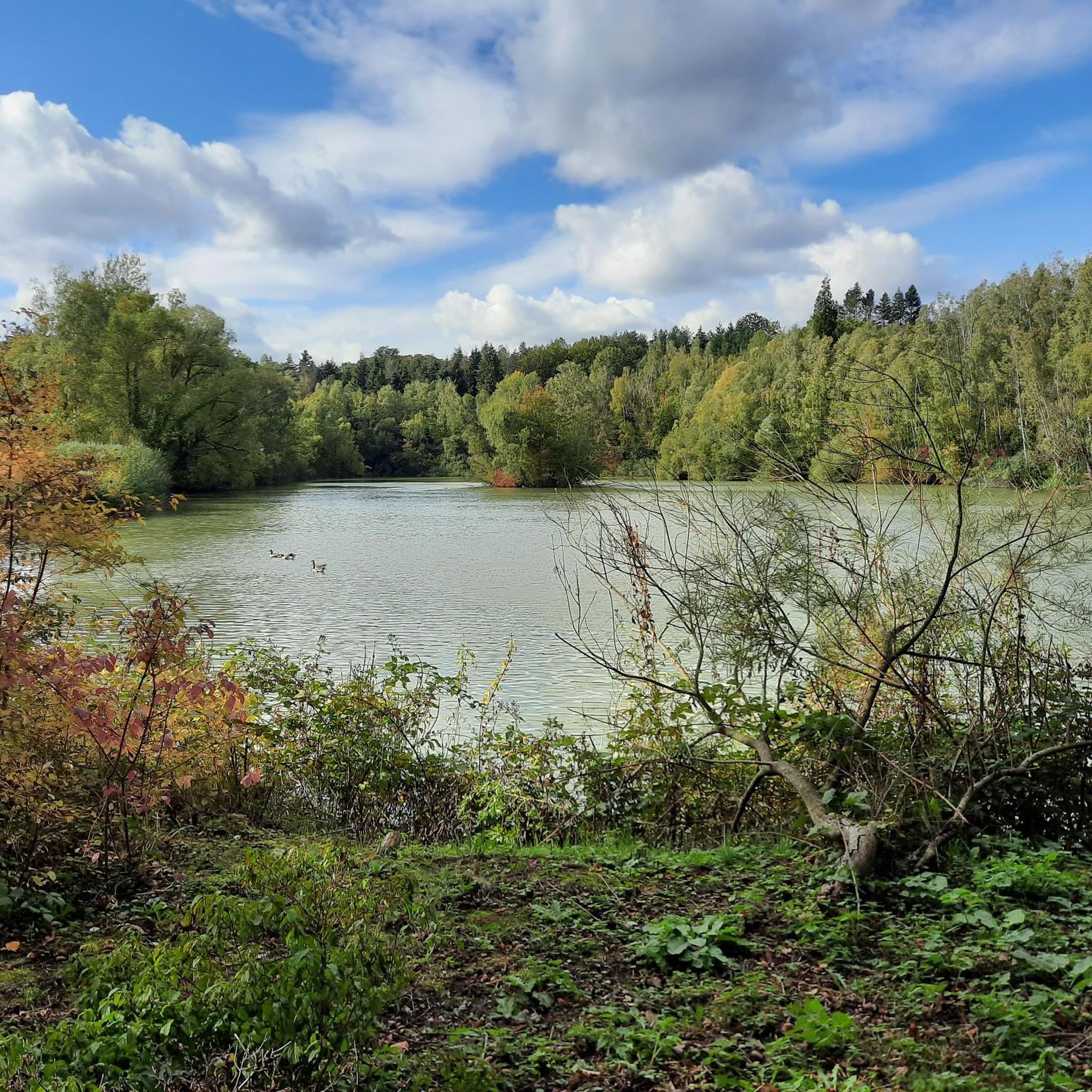
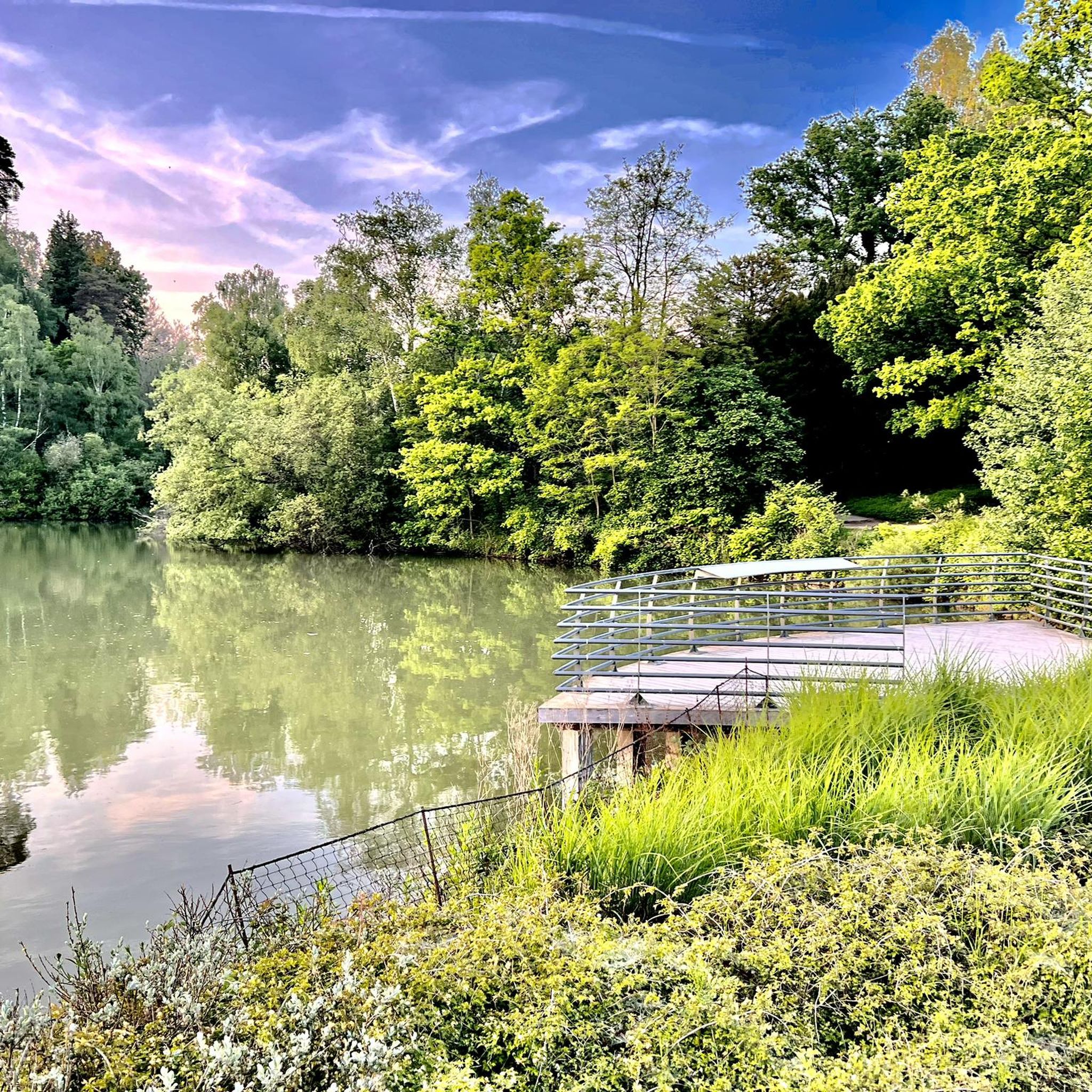
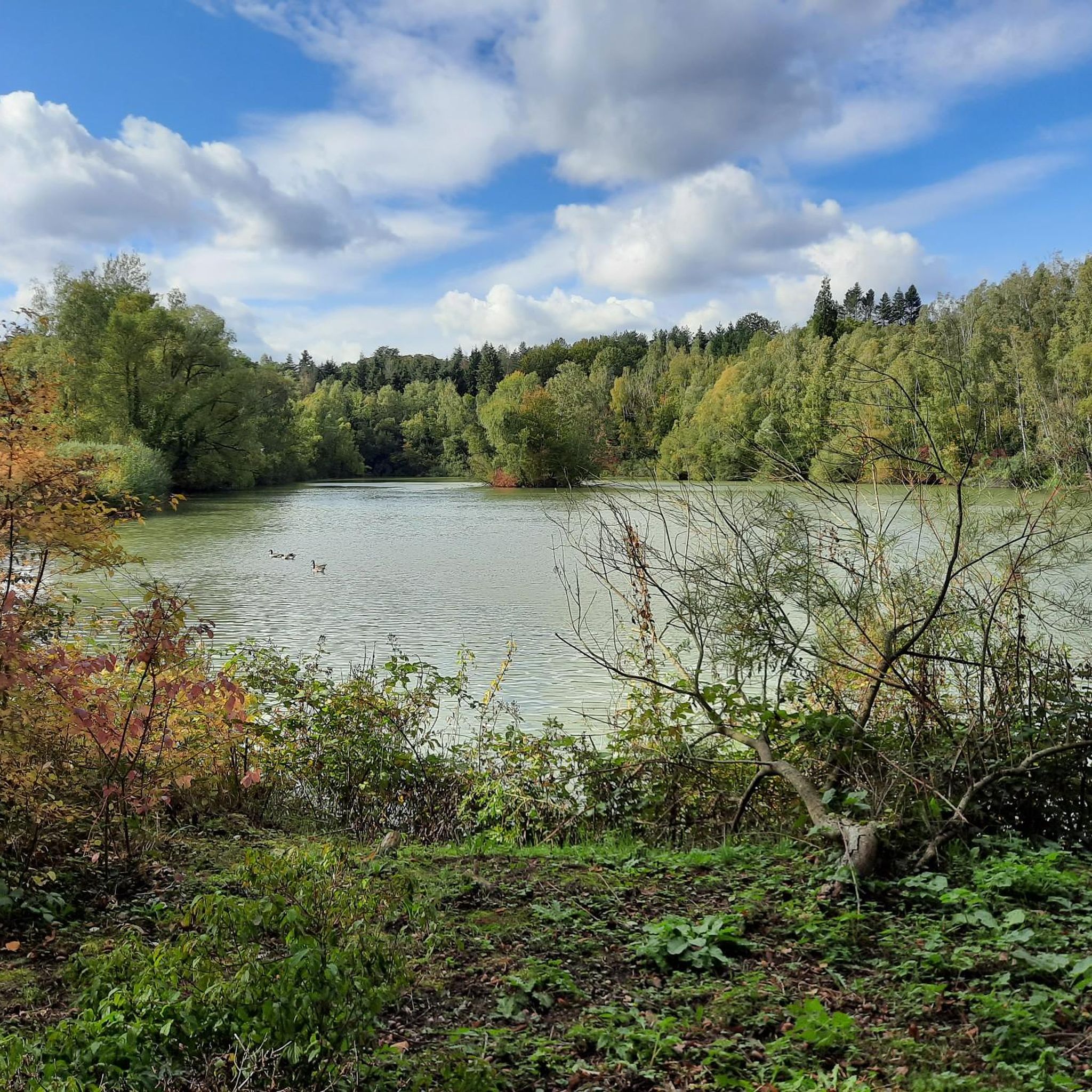
The Genval lake is located in the Zilverbeek valley. The artificial lake is located for the most part on the territory of Overijse and was constructed by order of lawyer and businessman Gustave Smets - Mondez. The 18 ha lake was constructed in 1904 in an area with a series of spring-rich ponds and marshes through which the Zilverbeek or the Argentine flowed. The Zilverbeek still flows along the lake on the Overijse side. The area attracted many tourists from the very beginning. Around 1900, the urban development plans were also drawn up for the construction of the park on the Walloon side. Several impressive villas were built here that were reminiscent of copies of buildings from Versailles and monuments on the Swiss Lake Lucerne. On the Overijse side, there was less interest in the construction, which is why the slopes are less developed than on the Walloon side, where it was promoted as a spa. After the First World War, the lake was sold to John Martin (1886-1966), an English brewer from Antwerp. He would establish the Schweppes factory here (Belgian license) in the "Château du Lac" (until 1981). The lake is still in the hands of his heirs. On the Meerlaan there are still a few cottage-style villas overlooking the lake. These villas are depicted on various old postcards and are still recognizable today but have been heavily modified. Inventory of Immovable Heritage: Maleizen, https://id.erfgoed.net/themas/14294
8
0
Frequently Asked Questions
What is the main castle attraction in La Hulpe?
The primary castle attraction in La Hulpe is the Château de La Hulpe, also known as Solvay Castle. This magnificent estate, built in 1842, is set within the expansive Domaine Solvay, offering a blend of architectural heritage and natural beauty.
Can I visit the interior of Château de La Hulpe?
While the Château de La Hulpe itself is generally not open to the public for casual visits, it can be booked for events and receptions. The surrounding Domaine Solvay, however, is freely accessible year-round for walks and exploration.
What natural features can I explore around the castles in La Hulpe?
The region around La Hulpe's castles is rich in natural beauty. The Domaine Solvay, surrounding the Château de La Hulpe, features 227 hectares of forests, lawns, and ponds, including the picturesque Long Tail Pond. You'll find diverse trees, rhododendron beds, and serene walking paths. The area is often called 'the park of a thousand rhododendrons'.
Are there historical sites related to the castles in La Hulpe?
Yes, beyond the grand estates, you can visit Hougoumont Castle. This historical site was a key location during the Battle of Waterloo in 1815. It has been restored and is open to the public, showcasing its significant past.
What outdoor activities can I do near these castles?
The area around La Hulpe's castles offers various outdoor activities. You can enjoy road cycling, gravel biking, and mountain biking. For cycling, explore routes like the 'Domaine Solvay – Château de La Hulpe loop' for gravel biking or 'Nature Oasis Sonian Forest – Château de La Hulpe loop' for MTB. Find more details on these activities in the Road Cycling Routes around La Hulpe, Gravel biking around La Hulpe, and MTB Trails around La Hulpe guides.
Are there family-friendly activities around the castles?
Absolutely. The Domaine Solvay is an excellent family-friendly destination, perfect for strolls, picnics, and enjoying nature. Within the estate, the Fondation Folon, located in an old farmhouse, is a museum dedicated to Belgian artist Jean-Michel Folon, offering a cultural experience for all ages. The Little Mermaid of the Lake in Genval is also a charming spot for families.
What is the best time to visit the castles and their surrounding parks?
The Domaine Solvay is beautiful year-round. Spring is particularly stunning when the 'park of a thousand rhododendrons' bursts into bloom. Autumn offers vibrant foliage, making it ideal for scenic walks. Even in winter, the serene landscapes provide a peaceful environment for exploration.
Are there walking routes available around the castles?
Yes, the Domaine Solvay offers several mapped walking routes, typically around 5 kilometers in length, perfect for exploring the park's diverse landscapes. These paths are suitable for leisurely strolls and more active walks.
Is the Domaine Solvay accessible by public transport?
Yes, the Domaine Solvay is accessible by both car and public transport, making it convenient for visitors to reach and enjoy the park and its castle views.
What is the Fondation Folon and where is it located?
The Fondation Folon is a museum dedicated to the works of Belgian artist Jean-Michel Folon, showcasing over 500 of his pieces. It is located within an old farmhouse on the Domaine Solvay, offering a unique cultural experience amidst the natural beauty of the estate.
What do visitors enjoy most about the castles and parks in La Hulpe?
Visitors frequently praise the peaceful and enchanting green environment of the Domaine Solvay. They appreciate the stunning gardens, diverse trees, and the tranquility away from city life. The historical significance of sites like Hougoumont Castle and the artistic offerings of the Fondation Folon also contribute to a rich visitor experience.
Are there any unique landmarks or features within the Domaine Solvay?
Beyond the Château de La Hulpe, the Domaine Solvay features several unique elements. You can find the obelisk of Monsieur Solvay and a distinctive water pump designed by the renowned architect Victor Horta within the park, adding to its historical and architectural interest.
Most popular routes around La Hulpe
Most popular attractions around La Hulpe

Get inspired with the komoot mobile app


Explore more
Looking for the best castles somewhere else? Discover other guides around La Hulpe:
