The best walks and hikes around Auderghem - Oudergem
4.6
(695)
4,109
hikers
95
hikes
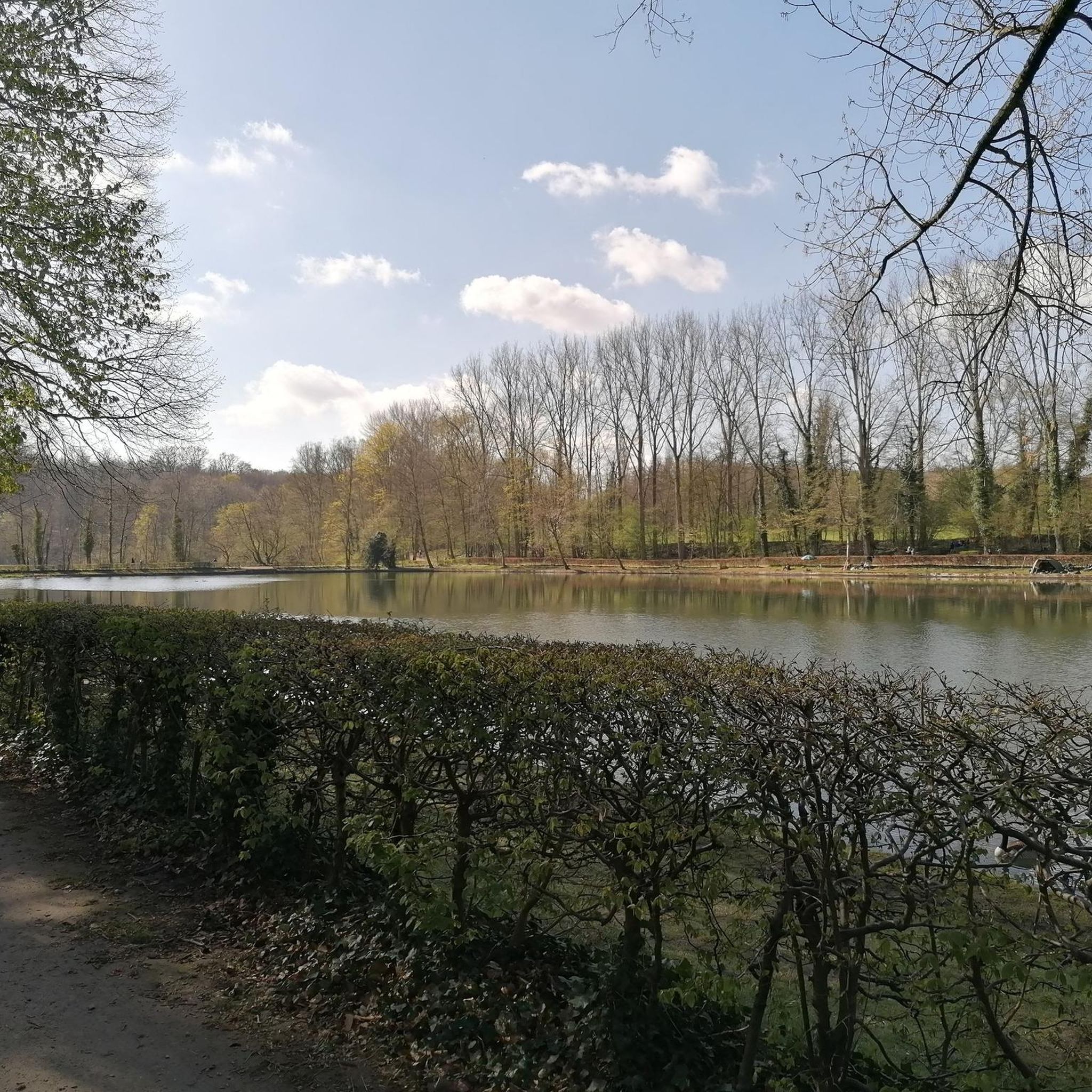
Hiking around Auderghem - Oudergem offers direct access to the expansive Sonian Forest, a significant natural feature covering 4,400 hectares with a dense network of trails. The municipality, located in the southeastern part of the Brussels-Capital Region, is characterized by its blend of serene natural landscapes and historical sites. The Woluwe River Valley also contributes to the green character, featuring picturesque areas and various ponds that enhance the scenic beauty for hikers.
Best hiking trails around Auderghem - Oudergem
- The…
Last updated: July 3, 2026
4.6
(85)
438
hikers
Moderate hike. Good fitness required. Easily-accessible paths. Suitable for all skill levels.
4.6
(29)
161
hikers
Easy hike. Great for any fitness level. Easily-accessible paths. Suitable for all skill levels.

Sign up for free
4.5
(23)
77
hikers
Easy hike. Great for any fitness level. Easily-accessible paths. Suitable for all skill levels.
4.7
(29)
152
hikers
11.1km
02:55
90m
90m
Moderate hike. Good fitness required. Easily-accessible paths. Suitable for all skill levels.
4.5
(17)
104
hikers
21.2km
05:33
160m
160m
Hard hike. Very good fitness required. Easily-accessible paths. Suitable for all skill levels.
Get access to more routes and recommendations from other explorers.
Sign up for free
Already have an account?
Our route recommendations are based on thousands of hikes, rides, and runs completed by other people on komoot.
Start today with a free account
Your next adventure awaits.
Login or Signup

Other adventures around Auderghem - Oudergem

Tips from the Community

Different every season...
0
0

Magnificent rites, super even we can find a bar
1
0

A beech tree likes shade in its youth. They can establish themselves in the shade of other more light-loving tree species. Conversely, no tree is able to establish itself under a closed canopy of beeches. We therefore call the beech the climax tree species. It closes off the natural forest succession and can maintain it for a very long time, provided that no large-scale and brutal disturbances disrupt its kingdom. This place is very typical of the forest management of the Sonian Forest: all the trees are the same age and of the same species. In this part you see monospecific forest management, they are all beeches.
1
0
Forests are central to the fight against the triple global crisis of climate change, biodiversity loss, and pollution. They cover nearly a third of the Earth’s land surface and are home to the vast majority of terrestrial biodiversity. Despite efforts to halt deforestation and restore degraded areas, forest cover continues to shrink. Since the end of the last great ice age, about 10,000 years ago, 57% of the Earth’s habitable land was covered by forests. Over the past 10,000 years, a third of the world’s forests have been lost, an area twice the size of the United States. Half of that loss has occurred in the past century. Forests are essential to combating climate change. They contain 662 billion tons of carbon, more than half of the world’s total carbon stock in soils and vegetation. Societies derive significant benefits from forests and are heavily dependent on them. It is estimated that more than half of global gross domestic product is heavily dependent on what ecosystems provide. The forestry sector contributes more than USD 1.52 trillion to global gross domestic product and employs 33 million people. Yet many people living close to forests do not benefit sufficiently from them. Although 75 percent of rural residents live within 1 km of a forest, they have little right to those forests. Nearly three-quarters (73 percent) of all forests are state-owned, while 80 percent of people live in extreme poverty in rural areas. The COVID-19 pandemic had a major impact on forest value chains and trade in early 2020. Most sectors have recovered quickly, but the risk of future pandemics remains. Forest management is well-positioned to play a key role in a green recovery.
0
0
The beech likes shade in its youth. It can settle in the shade of other species of trees that are more light-hungry. Conversely, no tree is able to establish itself under a closed crown of beeches. This is why we call the beech a climax tree species. It closes the natural forest succession and can maintain it for a very long time, provided that no sudden and large-scale disturbance comes to upset its domain. This place is typical of the management of the Sonian Forest: all the trees are the same age and belong to the same species. In this part, we observe a monospecific silviculture, they are all beeches.
1
0
Forests cover nearly one-third of the Earth’s surface and contain the majority of terrestrial biodiversity. However, forest area continues to decline, despite efforts to halt deforestation and restore degraded land. Shortly after the end of the last major ice age—10,000 years ago—57 percent of the world’s habitable land was covered by forest. Over the past 10,000 years, the world has lost one-third of its forests, an area twice the size of the United States. Half of this loss has occurred in the past century. Forests are critical to mitigating climate change. They contain 662 billion tons of carbon, more than half of the world’s carbon stock in soils and vegetation. Human societies benefit from and are extremely dependent on forests. It is estimated that more than half of the world’s gross domestic product (GDP) depends significantly on ecosystem services. The forest sector contributes over $1.52 trillion to global GDP and employs 33 million people. However, many people living close to forests receive insufficient benefits. Three-quarters of the rural population live within 1 km of a forest, but many have few rights to these forested areas, with governments owning almost three-quarters (73%) of them. As many as 80% of the extremely poor live in rural areas. The COVID-19 pandemic had a major impact on forest value chains and trade, starting early in 2020. Most sectors have rebounded quickly, but the risk of new pandemics remains. Forest management is well placed to play a significant role in the “green recovery”. Source: https://www.unep.org/news-stories/story/a-beginners-guide-to-ecosystem-restoration
1
0
In its youth, a beech tree likes shade. They can establish in the shade of other more light-loving tree species. Conversely, no tree is able to establish itself under a closed crown canopy of beeches. We therefore call beech the climax tree species. It closes the natural forest succession and can maintain it for a very long time, provided that no large-scale and brutal disturbances turn its realm upside down. This spot is very typical of the forest management of the Sonian forest: all the trees are the same age, same species. In this part you see mono-specific forestry, these are all beech trees.
1
0
Frequently Asked Questions
How many hiking trails are available in Auderghem - Oudergem?
Auderghem - Oudergem offers a wide variety of hiking experiences, with over 90 trails available. These range from easy strolls to more challenging routes, primarily within the expansive Sonian Forest.
Are there family-friendly hiking options in Auderghem - Oudergem?
Yes, Auderghem - Oudergem has many family-friendly trails. For an easy and scenic option, consider the Grote Flossendelle Spring – Rouge-Cloître Abbey and Ponds loop from Auderghem - Oudergem, which is 3.3 miles (5.2 km) long and features natural springs and tranquil ponds.
Can I bring my dog on the hiking trails in Auderghem - Oudergem?
The Sonian Forest, which Auderghem - Oudergem provides access to, generally welcomes dogs. However, specific rules may apply in certain protected areas or during particular seasons. It's always best to check local signage or official forest regulations for the most current information regarding dog access.
What kind of natural features or landmarks can I expect to see while hiking?
Hikers in Auderghem - Oudergem can explore diverse landscapes. The region is known for the ancient beech trees of the Sonian Forest, the picturesque Woluwe River Valley, and various serene ponds. Notable landmarks include the historic Rouge-Cloître Abbey and its ponds, and the Château of Three Fountains. You can also discover beautiful Drowned Children Ponds or the Ponds of Tervuren Park nearby.
Are there any circular hiking routes in the area?
Yes, many trails in Auderghem - Oudergem are designed as circular routes, allowing you to start and end at the same point. An example is the Red Monastery (Rouge-Cloître) – Rouge-Cloître Abbey and Ponds loop from Herrmann-Debroux, a moderate 9.4 miles (15.1 km) trail.
What is the best time of year to go hiking in Auderghem - Oudergem?
Auderghem - Oudergem offers pleasant hiking experiences throughout the year. Spring brings lush greenery and blooming flora, while autumn transforms the Sonian Forest with vibrant colors. Summer is ideal for shaded walks, and even winter can be beautiful with crisp air, though some paths might be muddy or icy.
How can I reach the trailheads using public transport?
Auderghem - Oudergem is well-connected by public transport, making many trailheads accessible. The municipality is located in the Brussels-Capital Region, so various bus, tram, and metro lines can bring you close to entry points for the Sonian Forest and other green spaces. Check local transport schedules for specific routes to your chosen trailhead.
Is parking available near the hiking trails?
Yes, parking is generally available near popular entry points to the Sonian Forest and other parks in Auderghem - Oudergem. For instance, areas around the Rouge-Cloître Abbey often have parking facilities. It's advisable to check specific trailhead locations for detailed parking information.
What do other hikers say about their experience in Auderghem - Oudergem?
The hiking trails in Auderghem - Oudergem are highly rated by the komoot community, with an average score of 4.6 stars from over 600 reviews. Hikers often praise the serene natural landscapes, the well-maintained trails within the Sonian Forest, and the blend of natural beauty with historical sites like the Rouge-Cloître Abbey.
Are there options for longer, more challenging hikes?
Yes, for those seeking a greater challenge, Auderghem - Oudergem offers several longer and more demanding routes. An example is the Drohmepark Forest Path – Eikendalvoetweg loop from Auderghem - Oudergem, a difficult 21.2 km (13.2 miles) trail that takes approximately 5 hours 33 minutes to complete.
Where can I find refreshments or cafes after a hike?
Auderghem - Oudergem, being part of the Brussels-Capital Region, has various cafes and establishments where you can enjoy refreshments after your hike. The area around Rouge-Cloître Abbey, for example, often has options. Additionally, the municipality's urban centers provide a range of choices for food and drink.
Are there any less crowded trails for a more peaceful experience?
While popular routes can see more visitors, the vastness of the Sonian Forest allows for quieter experiences. Exploring some of the less-trafficked paths deeper within the forest, or hiking during off-peak hours (early mornings or weekdays), can offer a more peaceful and solitary experience.
Most popular routes around Auderghem - Oudergem
Most popular attractions around Auderghem - Oudergem

Get inspired with the komoot mobile app


Explore more
Browse the best Hikes in other regions.
