The best MTB trails around Burdinne
4.4
(362)
2,391
riders
18
rides
Mountain biking around Burdinne offers a diverse landscape characterized by rolling hills, dense woodlands, and historical sites. The region features a mix of natural trails and gravel roads, providing varied terrain for mountain bikers. Riders can expect routes that traverse through forests and open countryside, often passing by historical landmarks. The elevation changes are moderate, making for engaging rides without extreme climbs.
Best mountain bike trails around Burdinne
- The most popular mountain bike trail is Bois des Bachets – Bois…
Last updated: July 1, 2026
4.2
(23)
279
riders
41.7km
03:04
560m
560m
Moderate mountain bike ride. Good fitness required. Advanced riding skills necessary.
4.6
(5)
71
riders
48.7km
03:40
700m
700m
Moderate mountain bike ride. Good fitness required. Advanced riding skills necessary.

Sign up for free
4.3
(4)
10
riders
27.0km
01:57
370m
370m
Moderate mountain bike ride. Good fitness required. Advanced riding skills necessary.
4.3
(3)
31
riders
52.0km
04:19
930m
930m
Hard mountain bike ride. Very good fitness required. Advanced riding skills necessary. Some portions of the route may require you to push your bike.
4.2
(6)
14
riders
17.2km
01:02
170m
170m
Easy mountain bike ride. Great for any fitness level. Suitable for all skill levels.
Get access to more routes and recommendations from other explorers.
Sign up for free
Already have an account?
Our route recommendations are based on thousands of hikes, rides, and runs completed by other people on komoot.
Start today with a free account
Your next adventure awaits.
Login or Signup
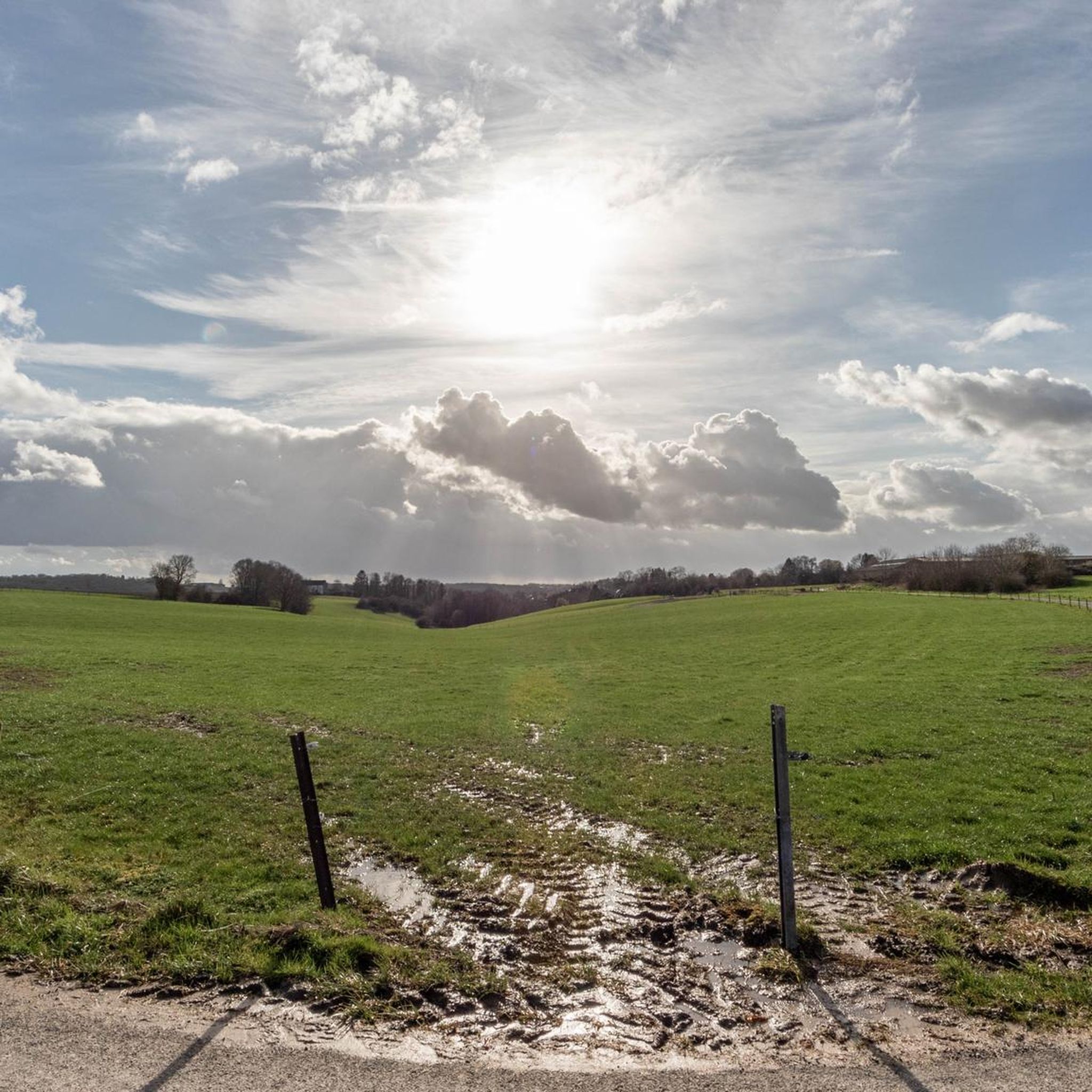
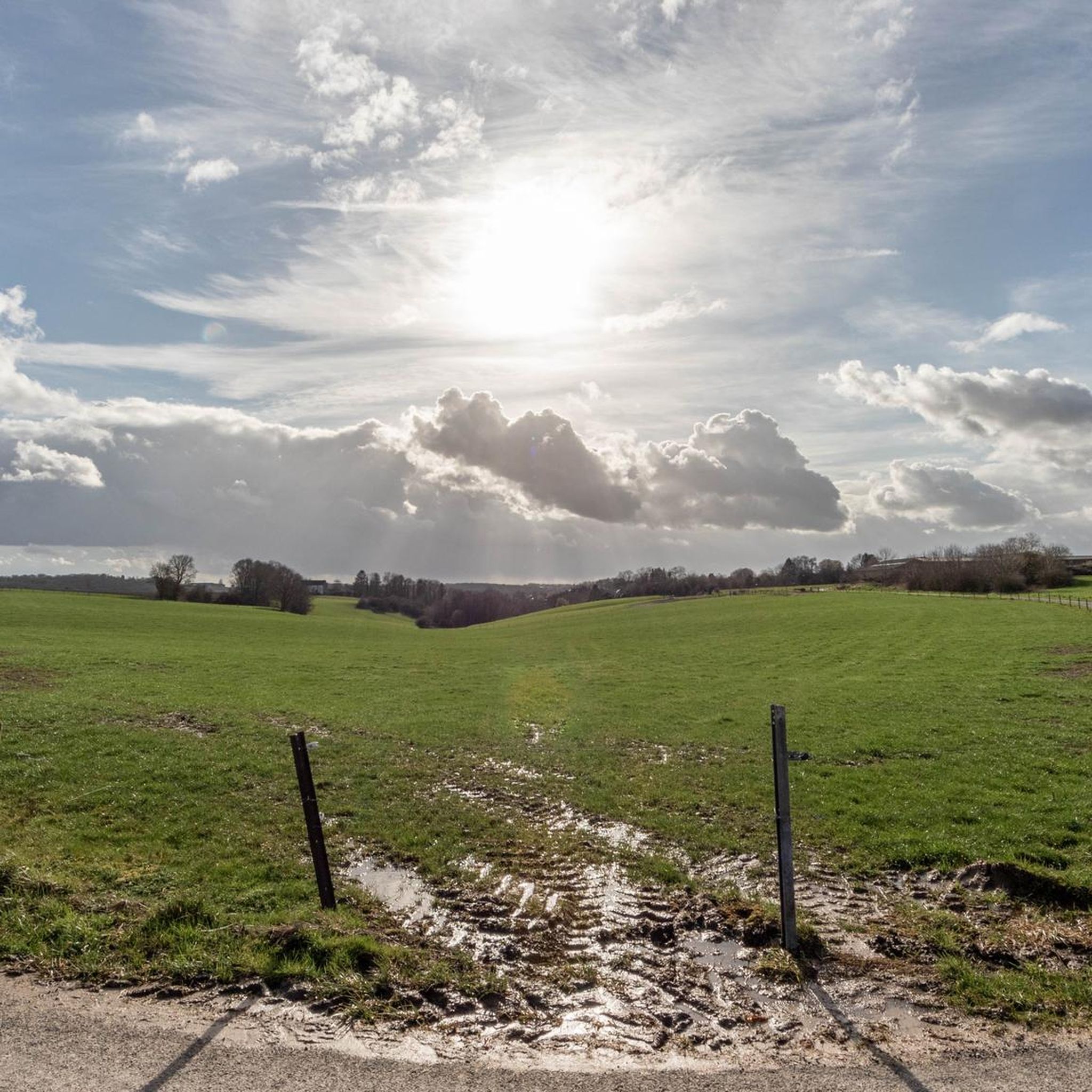
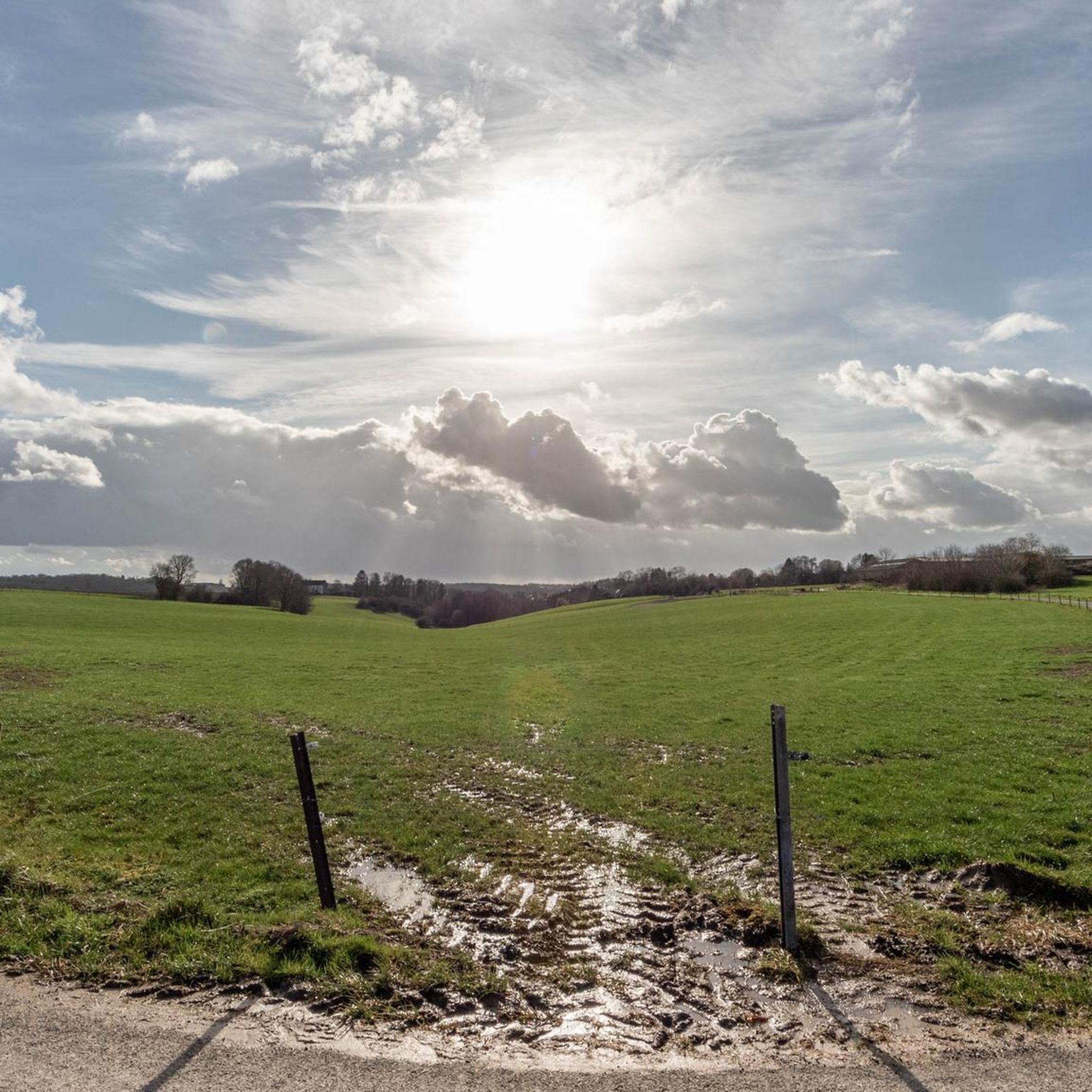
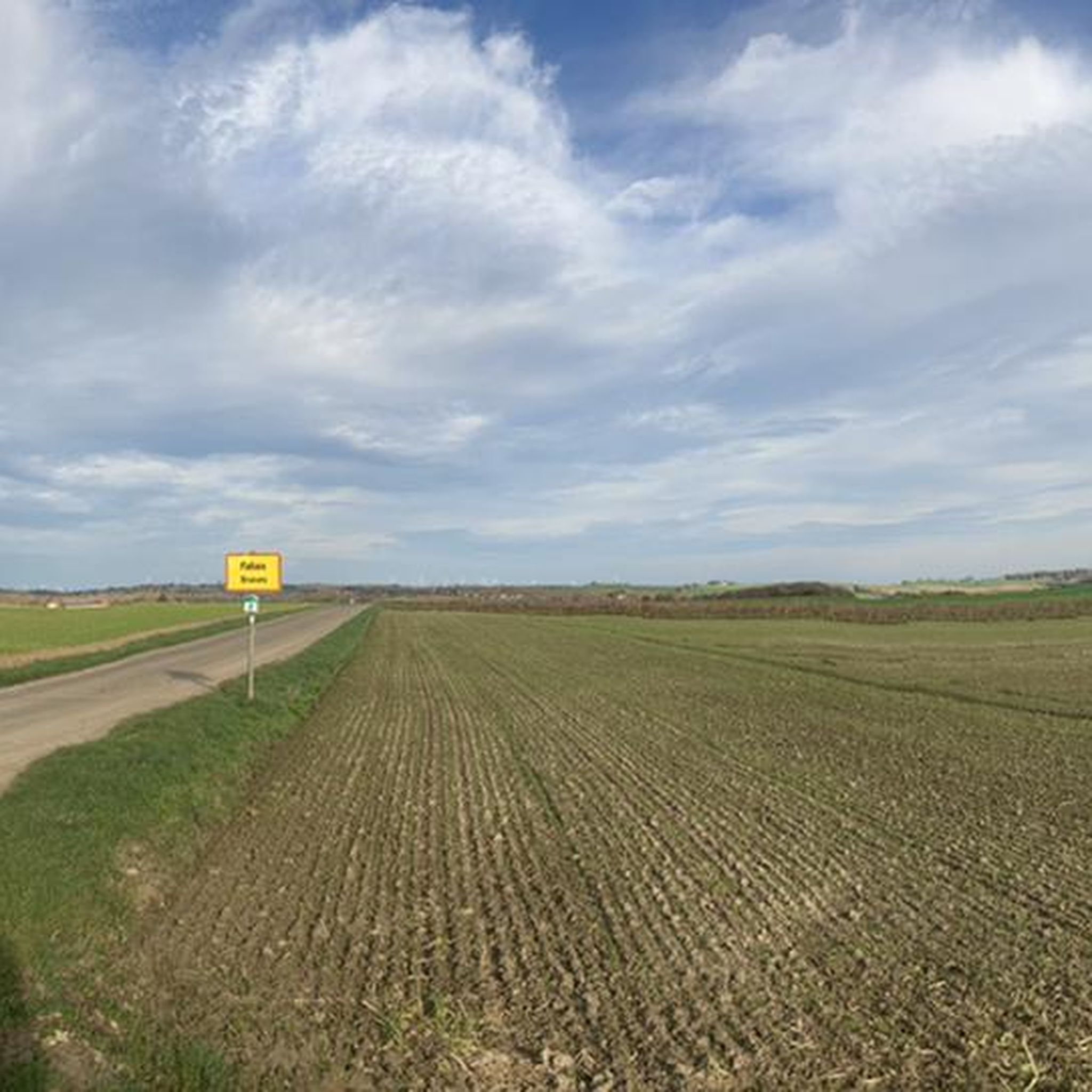

Tips from the Community

Excavations are conducted year-round at Moha Castle, making it unique in Belgium. When I visited, two archaeologists were uncovering a wall that runs beneath the visible castle and likely dates back to the 12th century.
2
0
The castle is free to visit. At the foot of the rock, there's a visitor center where you can pick up a badge to open the gate. For €4, you can also get a brochure with information about the most important points. The castle is only open to visitors starting in April, but the friendly man at the visitor center let me in on February 27th... as far as you can even call it "inside" at this ruin ;-)
2
0
Quarries have been a major industry in this region for almost a century. In recent decades, further expansion projects have been planned here in Moha. These have repeatedly met with resistance from residents of neighboring Vinalmont, where the rural hamlets of Wanzoul and Roua are threatened by an expansion of the quarry's current infrastructure. During a public inquiry organized by the local government in 1997, the number of written protests (nearly 1,500) exceeded the total number of residents of Vinalmont (over 1,070). Source: Wikipedia
3
0
The fortified tower, situated on the edge of the Fosseroule stream and defending the valley, is considered a peripheral bastion of Moha Castle, located a mile and a half away. Agricultural and residential buildings form an enclosed complex, built between the 17th and 19th centuries. In the eastern corner stands an imposing tower, built of limestone rubble, with a square plan (16th century) on a wider, sloping base. This tower originates from an earlier structure, the cellars of which have also been preserved. The openings were modified, and in the 17th century, the tower was extended on the south side with a bay of limestone rubble and brick, reaching the limits of the original structure. To the west of the tower stands a two-story house, perpendicular to the tower, built of limestone rubble, probably dating from the 17th century. Source: bibliotheca.wanze.be
3
0
One of the events held annually at this location is the Marsinne Folk Festival (September). It was founded in 1991 at the Moulin de Ferrières, but moved here years ago. Furthermore, a brewery has also been located at the castle farm since 2013: the Leopold 7 brewery, actually a reconstruction of a brewery that was already active here in the mid-19th century.
3
0

The Château de Fosseroule is actually the Ferme-château de Fosseroule, a historic farmhouse with castle features, located at the confluence of the Mehaigne and Fosseroule rivers, near the famous medieval Château de Moha. It is a former walled farm and residence built in the 17th-19th centuries with an impressive east tower, a beautiful example of local heritage. The Fosseroule, after which the castle is named, flows into the Mehaigne River here. The castle grounds house a rural gîte "La Vieille Brasserie" (separate building) - see https://visitwallonia.be/fr-be/content/gite-rural-huccorgne-la-vieille-brasserie
6
0
The exact origins of the medieval County of Moha remain unknown. It is likely that the county was formed during the fragmentation of the Carolingian Empire and the Hesbaye region at the end of the 9th century. The first known count, Albert of Moha, is mentioned in a document dated 1026 or 1028. The first defensive stone walls also date from the first half of the 11th century. Having no male heir, Albert of Moha married his daughter to Henry I of Dasbourg around 1050, thus linking the county's destiny to that of this powerful family of Alsatian origin. Initially, it is highly unlikely that the Counts of Dasbourg regularly resided in Moha, entrusting the county's administration to trusted men and a small garrison. However, the situation changed with Hugh II (1130-1180) and his son Albert II (d. 1212), who decided to become more involved in the region's politics. Albert II, in particular, chose to align his interests with those of his nephew, Duke Henry I of Brabant, whose policies he would follow until the end of the 12th century. In 1204, Count Albert III, having lost hope of having a son, chose the Prince-Bishop of Liège as his heir. But the late birth of his daughter Gertrude would jeopardize these agreements. Quickly betrothed to Thibaut of Lorraine, who died in 1219, she then married Thibaut of Champagne, who repudiated her, and subsequently Simon of Linange. At 19, she died childless. On March 19, 1225, the Prince-Bishop of Liège, Hugues de Pierrepont, took possession of Moha. Under the Prince-Bishops, Moha became a prison for political prisoners and a fortification tasked with controlling the city of Huy and blockading merchants. This policy was deeply unpopular and led to reprisals: the people of Huy besieged Moha in 1255. The fortress of Moha was considered impregnable. It was therefore through trickery that the people of Huy, taking advantage of a request for a truce, seized the castle on May 6, 1376. After the attack on the castle, the site's history is largely unknown. Mass is still celebrated twice a year in the castle chapel. During the 18th century, the ruins served as a refuge for a hermit. The castle's stones were gradually plundered, notably to build the surrounding houses. In 1889, the ruins of the castle were purchased by the Belgian state. Source: https://chateaumoha.be/histoire
6
0

Moha's old career
0
1
Frequently Asked Questions
How many mountain bike trails are available around Burdinne?
There are over 15 mountain bike trails around Burdinne, catering to various skill levels. The komoot community has explored these routes over 3000 times.
Are there mountain bike trails suitable for beginners in Burdinne?
Yes, Burdinne offers a few easy mountain bike trails. These routes are generally less demanding and suitable for those new to mountain biking, allowing you to enjoy the scenic countryside without extreme challenges.
What kind of terrain can I expect on mountain bike trails in Burdinne?
The terrain around Burdinne is characterized by rolling hills, dense woodlands, and a mix of natural trails and gravel roads. You'll find routes traversing through forests and open countryside, with moderate elevation changes that provide engaging rides.
Are there any challenging mountain bike routes for experienced riders?
Yes, for experienced riders seeking a challenge, Burdinne features a few difficult mountain bike trails. One such route is the Moha Castle Ruins loop from Burdinne, which covers over 60 km and includes significant elevation gains.
What do other mountain bikers enjoy the most about mountain biking in Burdinne?
The mountain bike routes in Burdinne are highly rated by the komoot community, with an average score of 4.4 stars from over 400 reviews. Riders often praise the diverse landscape, which includes dense woodlands, rolling hills, and the presence of historical landmarks along the trails.
Are there any circular mountain bike routes in Burdinne?
Yes, many of the mountain bike trails in Burdinne are circular, offering convenient starting and ending points. An example is the Old Cobbles and Gravel Road – Ferme de la Grosse Tour loop from Burdinne, which provides a varied ride through different surfaces.
What historical landmarks can I see along the mountain bike trails?
Several mountain bike routes pass by historical landmarks. For instance, the Moha Castle loop from Marneffe offers views of the historic Moha Castle. Other notable attractions in the wider region include the Wall of Huy and the Collegiate Church of Our Lady and Saint Domitian.
Are there any family-friendly mountain bike trails in Burdinne?
While specific 'family-friendly' designations aren't always explicit, the easier mountain bike trails in Burdinne, characterized by moderate elevation changes and less technical terrain, can be suitable for families with some biking experience. Always check the route details for distance and difficulty before heading out.
What is the best time of year for mountain biking in Burdinne?
The spring and autumn months are generally ideal for mountain biking in Burdinne. The weather is typically milder, and the natural scenery of dense woodlands and open countryside is particularly vibrant or colorful. Summer can also be pleasant, but trails might be busier.
Are there any mountain bike trails that explore extensive forest sections?
Yes, many trails in Burdinne traverse through extensive forest sections. The Bois des Bachets – Bois Falihou loop from Burdinne is a prime example, taking you through significant woodland areas and open fields.
Are there mountain bike trails near Burdinne that offer views of castles?
Absolutely. Several routes in the vicinity of Burdinne provide opportunities to see historical castles. The Moha Castle Ruins loop from Oteppe is one such route, offering glimpses of the impressive Moha Castle.
What are the typical trail conditions for mountain biking in Burdinne?
The trails around Burdinne feature a mix of natural paths, gravel roads, and sometimes old cobbles. Conditions can vary with weather, so it's always advisable to check recent reviews or local forecasts, especially after rain, as some natural sections may become muddy.
Most popular attractions around Burdinne

Get inspired with the komoot mobile app


Explore more
Browse the best MTB trails in other regions.
