The best road cycling routes around Donceel
4.1
(181)
7,662
riders
621
rides
Road cycling routes around Donceel are characterized by the open, rolling countryside of Belgium's Hesbaye region. The area features mostly well-paved surfaces, making it suitable for smooth rides across expansive agricultural fields. While generally not mountainous, the terrain includes gentle ascents, providing varied elevation gains without overly demanding climbs. The Yerne river flows through the municipality, connecting agricultural villages and adding to the scenic backdrop.
Best road cycling routes around Donceel
- The most popular road cycling route is Lexhy Castle…
Last updated: July 11, 2026
59
riders
53.7km
02:20
240m
240m
Moderate road ride. Good fitness required. Some segments of this route may be unpaved and difficult to ride.
23
riders
94.7km
04:13
700m
700m
Moderate road ride. Good fitness required. Mostly well-paved surfaces and easy to ride.

Sign up for free
5.0
(3)
10
riders
41.9km
01:56
200m
200m
Easy road ride. Great for any fitness level. Mostly well-paved surfaces and easy to ride.
15
riders
69.6km
03:11
520m
520m
Moderate road ride. Good fitness required. Mostly well-paved surfaces and easy to ride.
13
riders
73.8km
03:20
480m
480m
Moderate road ride. Good fitness required. Mostly well-paved surfaces and easy to ride.
Get access to more routes and recommendations from other explorers.
Sign up for free
Already have an account?
Our route recommendations are based on thousands of hikes, rides, and runs completed by other people on komoot.
Start today with a free account
Your next adventure awaits.
Login or Signup

Tips from the Community

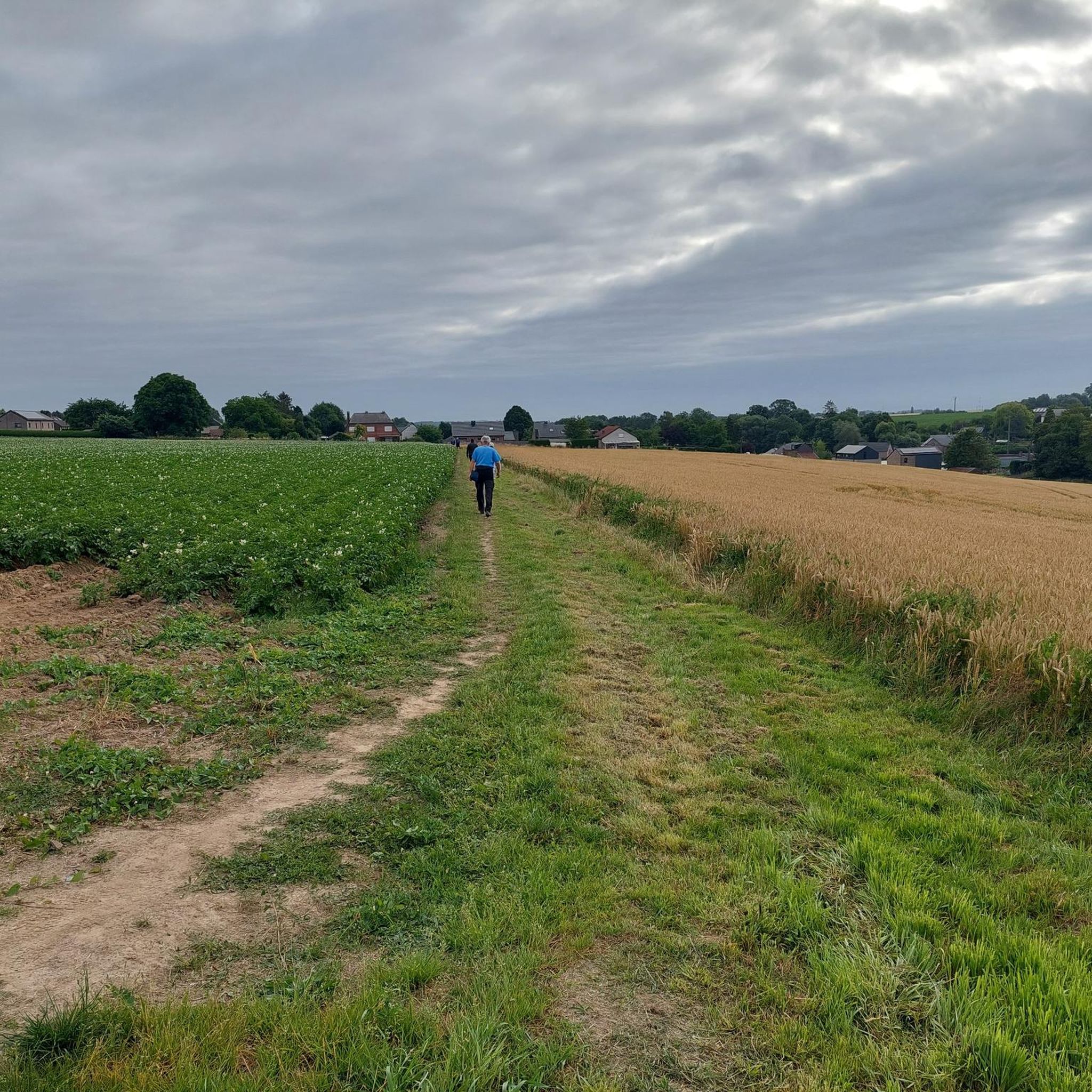
Since 1965, the Oteppe castle and its surrounding estate (65 ha) have been run as a holiday centre ("L'Hirondelle") with a hotel, campsite, holiday chalets and bungalows, swimming pools, playground and fishing ponds; as a result, the village's population has almost doubled during the summer months.
2
0

The center of Aubel, located in the Land of Herve, is a charming village center with historic buildings, a lively market and a rich tradition of regional products such as syrup, cheese and cider.
12
0

Saint Evermarus is venerated in three places in Europe: in Borth, in Burtscheid near Aachen, and in Rutten, a small municipality belonging to Tongeren in Belgium. According to legend, Evermarus and his seven companions were slain here by the robber chief Hacco. This is said to have happened around the year 700, and his remains were discovered around 960. A small chapel was built on the site. Every year on May 1st, the patron saint's festival of Saint Evermarus is celebrated in Rutten. After a procession through the town, the so-called Martyrs' Play takes place, during which local actors reenact the story of the saint's life and death.
10
0

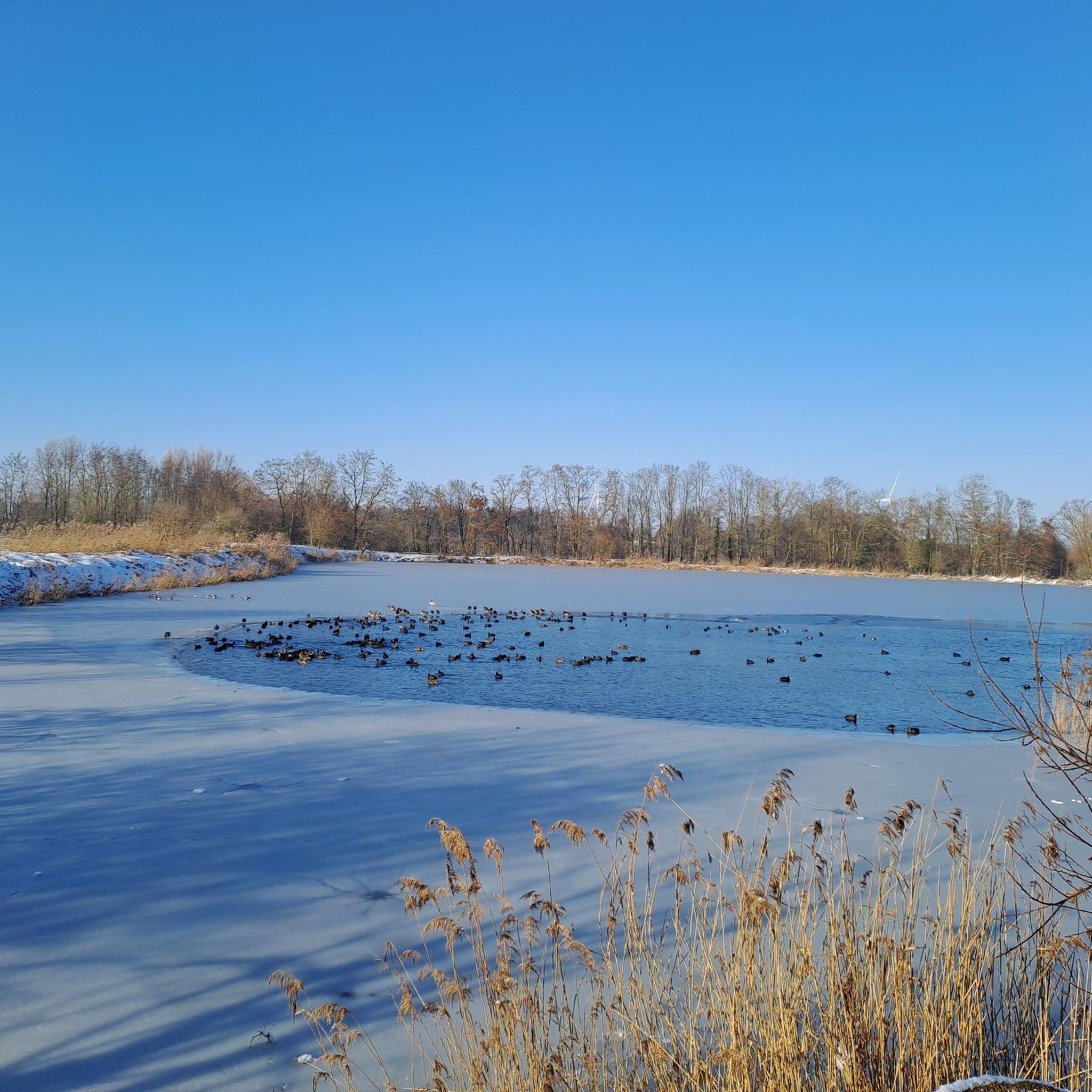
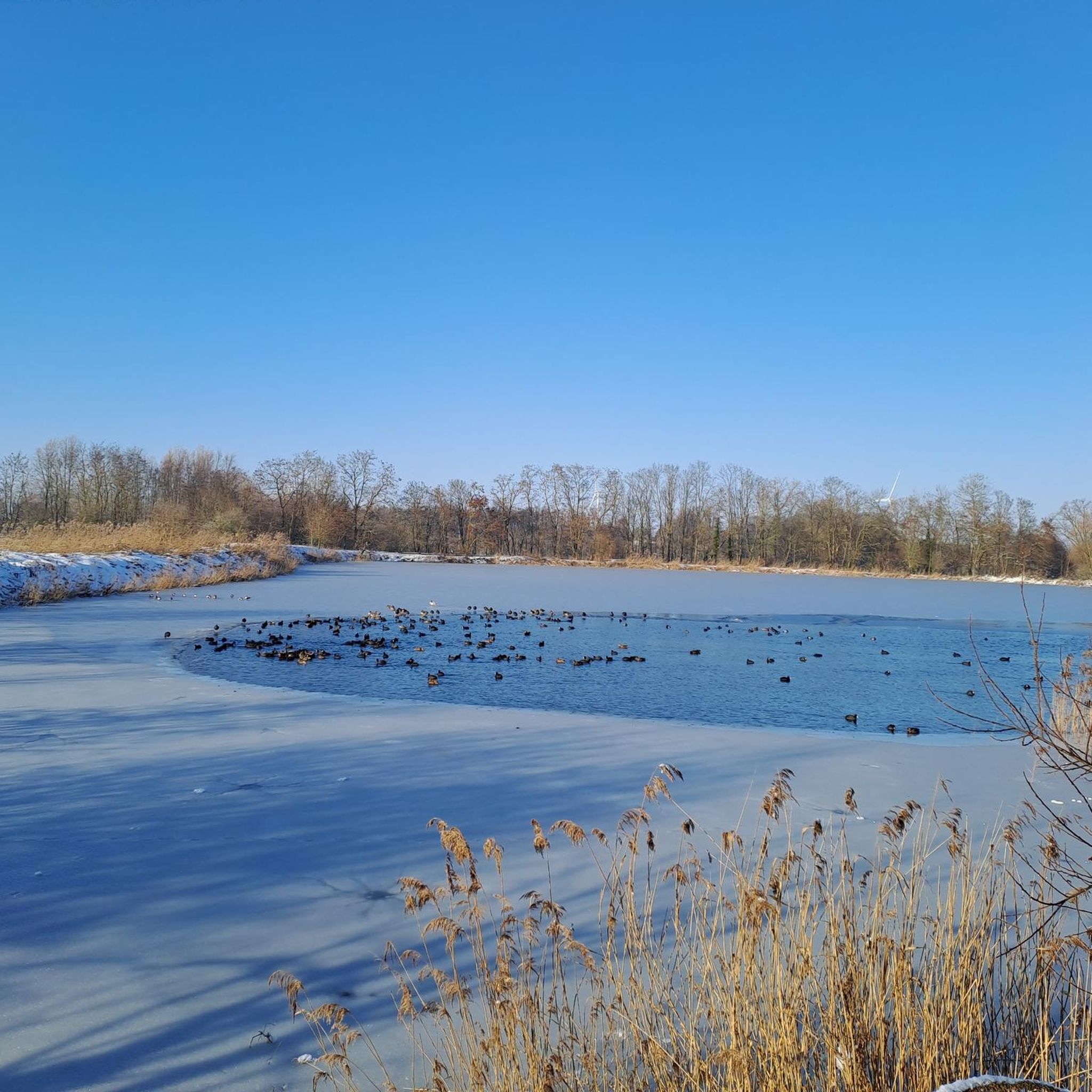
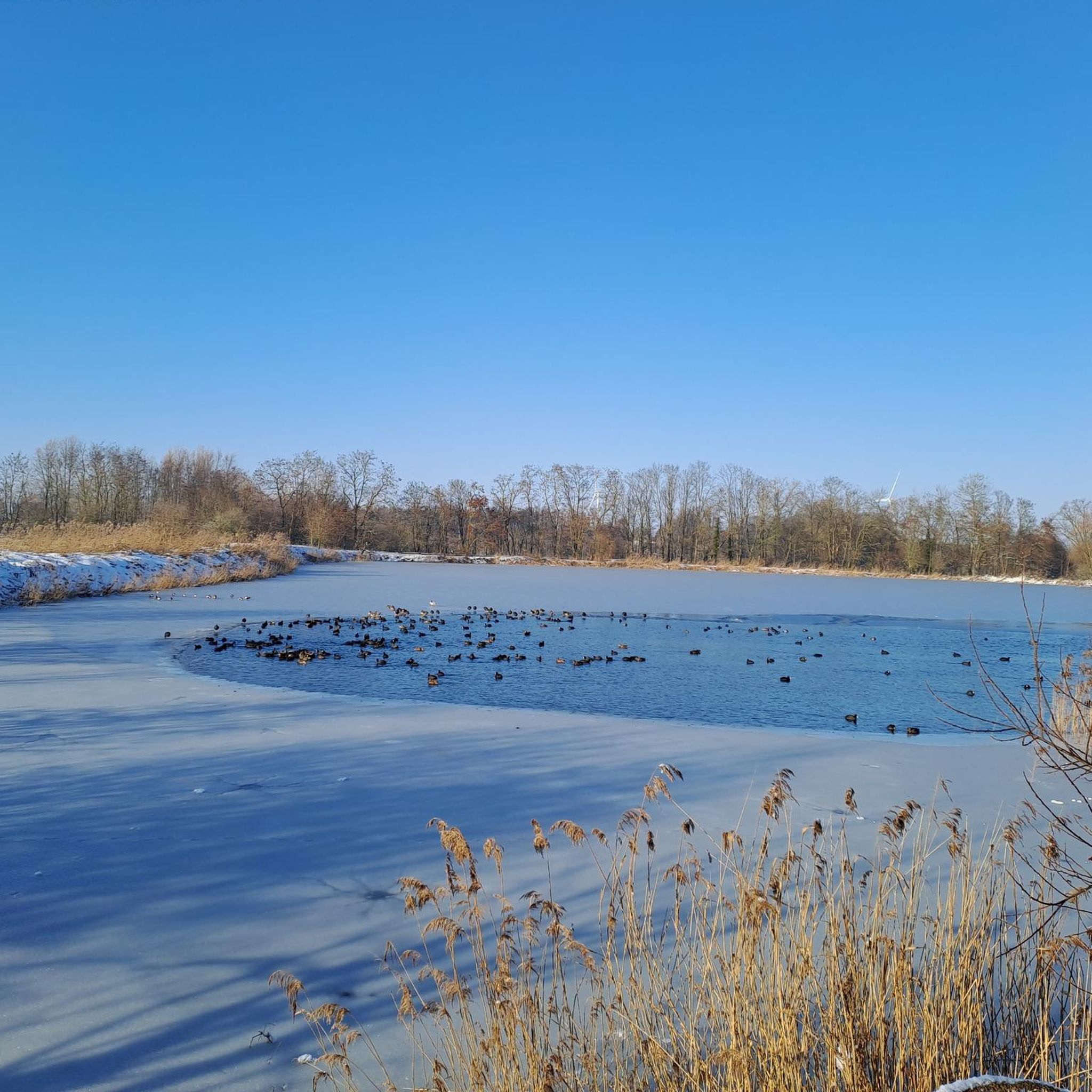
Atmospheric Abbey, with its own brewery
1
0

The castle of Otrange, which belonged to the de Liberts, the Lords of Otrange, at the end of the Old Regime, suffered at the hands of Republican troops, who stayed there several times and built a hospital there in 1794. The castle remained unoccupied until at least 1792 and 1835. The descendants of Berthold-Louis de Libert sold the property at the beginning of the 19th century to the Grisard family, Liège industrialists active in the iron trade and cannon manufacture. It passed to the widow of Servais Grisard, née Jeanne-Hélène-Victoire Grisar, who bequeathed it to her nephew, Pierre Alexandre de Blochouse (1773-1849), the mayor of Otrange. He was married to Marie-Josèphe Magnée de Hornes (de Bommershov). Then came his son, Marcel Alexandre (Liège 1797 - Grammont 1853), who had married Adélaide du Bois of Basècles, who died in Ixelles in 1880 but was buried in Otrange. On July 20, 1874, the widow Marcel-Alexandre de Blochouse and her children transferred the property by family agreement to Émile Henri Naveau, husband of Louise Demarteau, who died in Otrange in 1907. The château passed by inheritance to Caroline Naveau, daughter of Émile, who married Nicolas Breuls; then to her daughter Juliette Breuls, wife of Knight Georges de Schaetzen; and finally to the latter's son, Knight Jean de Schaetzen van Brienen (died 2007), who married Sabine de Neve de Roden, the current occupant of the castle.
3
0
It is a cult building dating back to 1784, but its legendary origins date back to 968. For centuries, it has been a center of popular worship.
6
0

visible from the road (private property)
0
0

View over Huy, on the left Tihange nuclear power plant, on the right Huy centre and citadel.
0
0
Frequently Asked Questions
How many road cycling routes are available around Donceel?
There are over 590 road cycling routes around Donceel, offering a wide variety of options for different skill levels and preferences. The komoot community has explored these routes over 7,000 times.
What kind of terrain can I expect when road cycling in Donceel?
Donceel, located in Belgium's Hesbaye region, is characterized by open, rolling countryside with mostly well-paved surfaces. While generally not mountainous, routes feature gentle ascents and descents, providing varied elevation gains without overly demanding climbs. You'll cycle through expansive agricultural fields and picturesque villages.
Are there routes suitable for beginners or those looking for an easy ride?
Yes, Donceel offers a good selection of easy road cycling routes. There are over 110 easy routes available, perfect for beginners or those seeking a relaxed ride. An example is The Old Haneffe Café – Church of Chapon Seraing loop from Remicourt, which is 26.7 km long with a moderate elevation gain.
What about more challenging road cycling routes in the Donceel area?
For more experienced cyclists, Donceel also provides challenging routes. There are over 50 difficult road cycling routes, with longer distances and more significant elevation gains. For instance, the Val-Dieu Abbey – Veurs Forest climb loop from Momalle covers 94.7 km with nearly 700 meters of ascent, offering a more demanding experience.
Can I find circular road cycling routes around Donceel?
Yes, many of the road cycling routes around Donceel are designed as loops, allowing you to start and finish at the same point. This includes popular options like Lexhy Castle – Château de Horion loop from Remicourt, which is a 78.4 km circular tour traversing agricultural fields and historical sites.
What historical landmarks or attractions can I see along the road cycling routes?
Donceel and its surrounding villages are rich in history. Along the routes, you can encounter relics from the Middle Ages, including distinctive square farms, castle farms, and Roman churches. Notable sites include the medieval church dedicated to Saint Cyr, the abbey farm of Saint-Jacques in Donceel, and a fortified house in Haneffe. You might also pass by impressive structures like Lexhy Castle or Château de Fallais.
Are there any natural features or scenic viewpoints to enjoy while cycling?
Absolutely. The region is known for its delightful crop-filled expanses, offering wide-open vistas of fertile farmlands that change with the seasons. The Yerne river flows through the municipality, adding to the scenic beauty. You can also find natural reserves nearby, such as the Haut-Geer Nature Reserve, a haven for Haspengouwse birds, or the Aux Roches Nature Reserve.
What is the best time of year to go road cycling in Donceel?
The open, agricultural landscapes of Donceel are beautiful throughout the warmer months. Spring and autumn offer pleasant temperatures and stunning scenery as the fields change color. Summer is also excellent, though it can be warmer. The region's well-paved roads make it accessible for cycling for a good portion of the year.
Is Donceel a good destination for family-friendly road cycling?
While specific 'family-friendly' routes are not explicitly categorized, the generally gentle terrain and well-paved surfaces of many routes in Donceel make it suitable for families with older children or those comfortable with road cycling. The picturesque agricultural landscapes provide a pleasant backdrop for a leisurely family ride.
What do other road cyclists enjoy the most about road cycling in Donceel?
The komoot community highly rates road cycling in Donceel, with an average score of 4.2 stars from over 130 reviews. Cyclists often praise the region's open, rolling countryside, the well-maintained road surfaces, and the charming historical villages encountered along the routes. The varied elevation, offering both easy spins and engaging ascents, is also a frequently appreciated aspect.
Are there options for long-distance road cycling routes in Donceel?
Yes, Donceel offers several long-distance road cycling routes. For example, the Val-Dieu Abbey – Veurs Forest climb loop from Momalle is nearly 95 km long, providing an excellent option for cyclists looking for an extended ride through the region's varied terrain.
Where can I find parking for road cycling trails in Donceel?
Parking is generally available in and around the villages of Donceel, Haneffe, Limont, and Jeneffe, which serve as common starting points for many routes. Specific parking information can often be found in the details of individual komoot tours, or by checking local village amenities.
Most popular attractions around Donceel

Get inspired with the komoot mobile app


Explore more
Browse the best Road cycling routes in other regions.
