Top 20 Castles around Limbourg
Best castles around Limbourg are found in a region known for its rich history and varied landscapes. This area, once a significant duchy, features a mix of fortified towns and picturesque villages nestled within the land of Herve and along the Vesder river. The historical significance of Limbourg is evident in its architectural heritage, offering insights into medieval life and regional power dynamics. Visitors can explore a landscape characterized by wooded hills and scenic river valleys, providing a natural backdrop to its historical sites.
Best castles around Limbourg
- The most popular castles is Ruins of Franchimont Castle, a castle that is an old medieval fortress built in the 11th century on a rocky outcrop. The imposing ruins served to defend the eastern border of the principality from the 11th to 12th centuries.
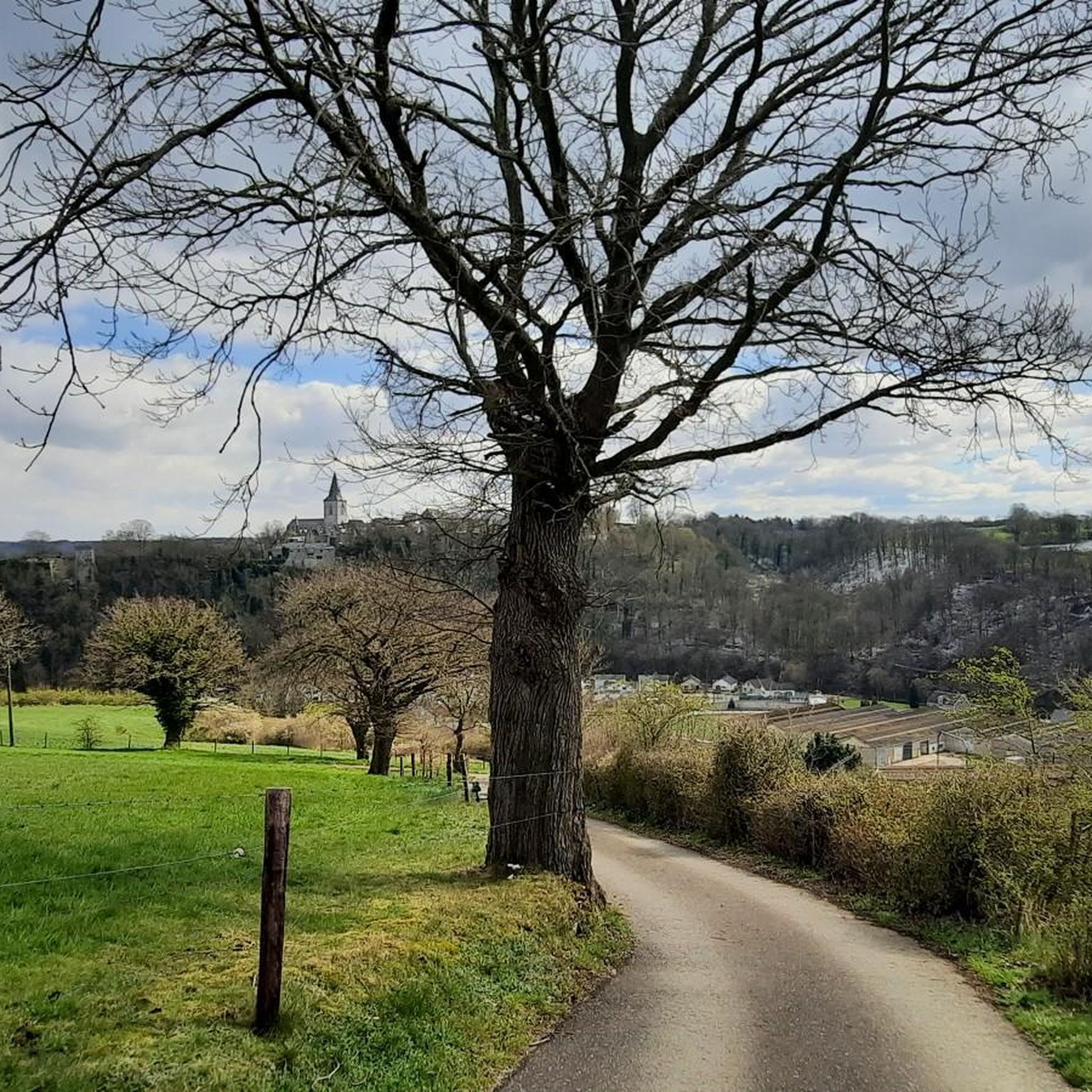
- Another must-see spot is Historic Center of Limbourg, a historical site and settlement. Visitors can explore its well-preserved old village square, which was once the capital of a duchy.
- Visitors also love Eyneburg Castle, one of the most important historical buildings in East Belgium, situated in a beautiful landscape. First mentioned in 1260, it features a mighty keep, a chapel, and extensive grounds.
- Limbourg is known for its medieval fortresses, historical ruins, and village centers with castle remnants. The region offers a variety of castles to see and explore, from well-preserved historical sites to impressive ruins.
- The castles around Limbourg are appreciated by the komoot community, with more than 600 upvotes and over 400 photos shared by visitors.
Last updated: May 9, 2026
Eyneburg Castle
Highlight • Castle
The ascent from the Geul up the slope is still worthwhile, because the castle lies in a beautiful landscape.
However, one then comes out in the courtyard above and on the other side all exits are closed. You have to climb over part of the dilapidated wall to get out.
Translated by Google •
Tip by

Mining ruins and stone bridge on the Göhl between Hergenrath and Kelmis
Highlight • Monument
Translated by Google •
Tip by

Sign up now to discover places like this
Get recommendations on the best single tracks, peaks, & plenty of other exciting outdoor places.
Sign up for free
Ruins of Franchimont Castle
Highlight • Castle
Translated by Google •
Tip by

Clermont-sur-Berwinne Village Center
Highlight • Settlement
The entire town center is worth seeing, but especially the church from 1695 dedicated to Saint James the Elder, the former town hall from 1888 spanning the street, where civil weddings are now often held, and the "Place des Halles". All that remains of the former castle of the Lords of Clermont is a wall with an archway. A few kilometers outside the town is the manor house "Château Crawhez", which has remained almost unchanged since it was built in 1551.
Until the dissolution of the Duchy of Limburg, Clermont belonged to the Herve high bank, one of five Limburg administrative and judicial districts. Like the rest of the duchy, Clermont was annexed by France in 1795 and incorporated into the Ourthe department that was formed at the time.
Source: Wikipedia de.wikipedia.org/w/index.php?title=Clermont-sur-Berwinne&oldid=175019850
Translated by Google •
Tip by

Historic Center of Limbourg
Highlight • Historical Site
Translated by Google •
Tip by

Sign up for free to discover even more castles around Limbourg.
Sign up for free
Already have an account?
Start today with a free account
Your next adventure awaits.
Login or Signup
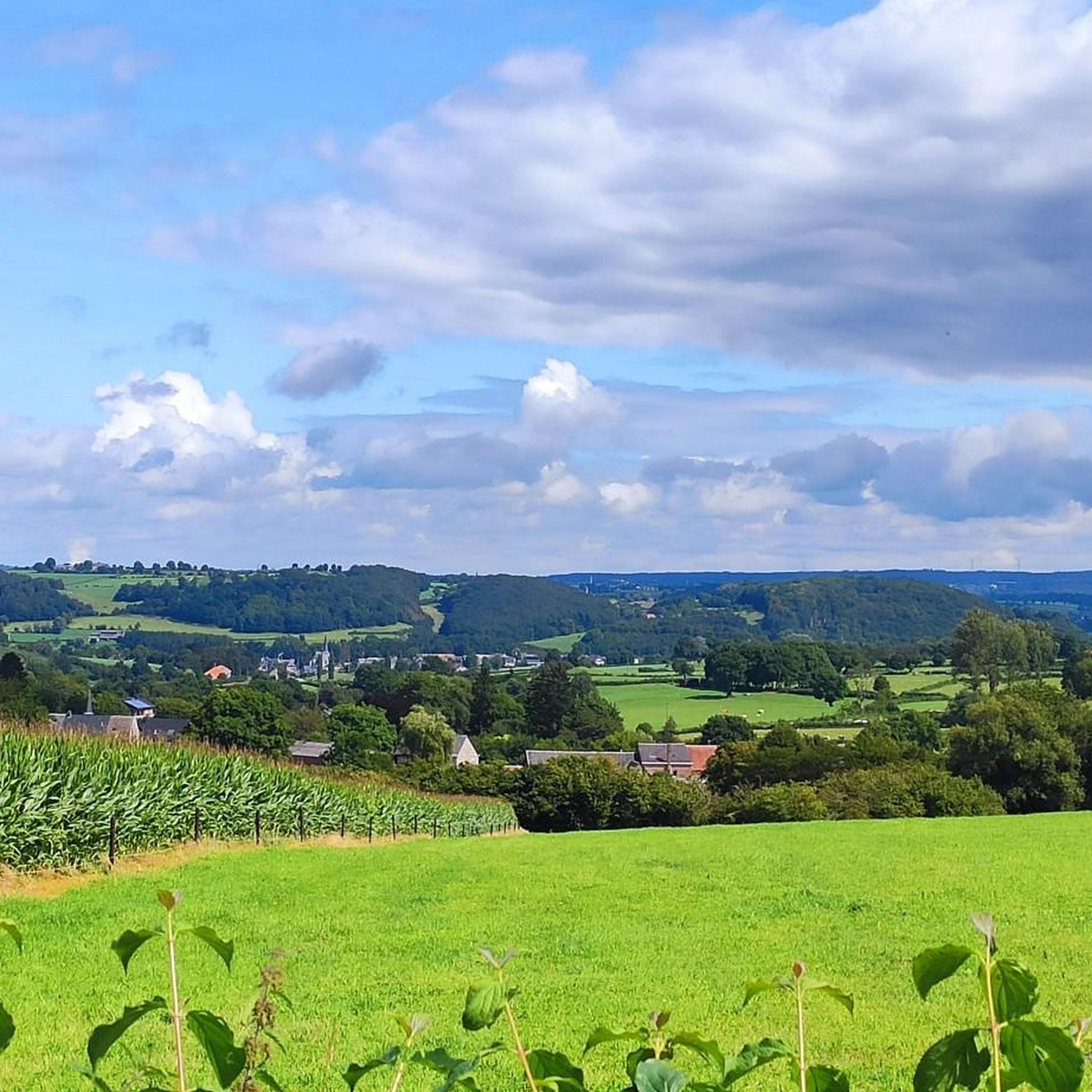
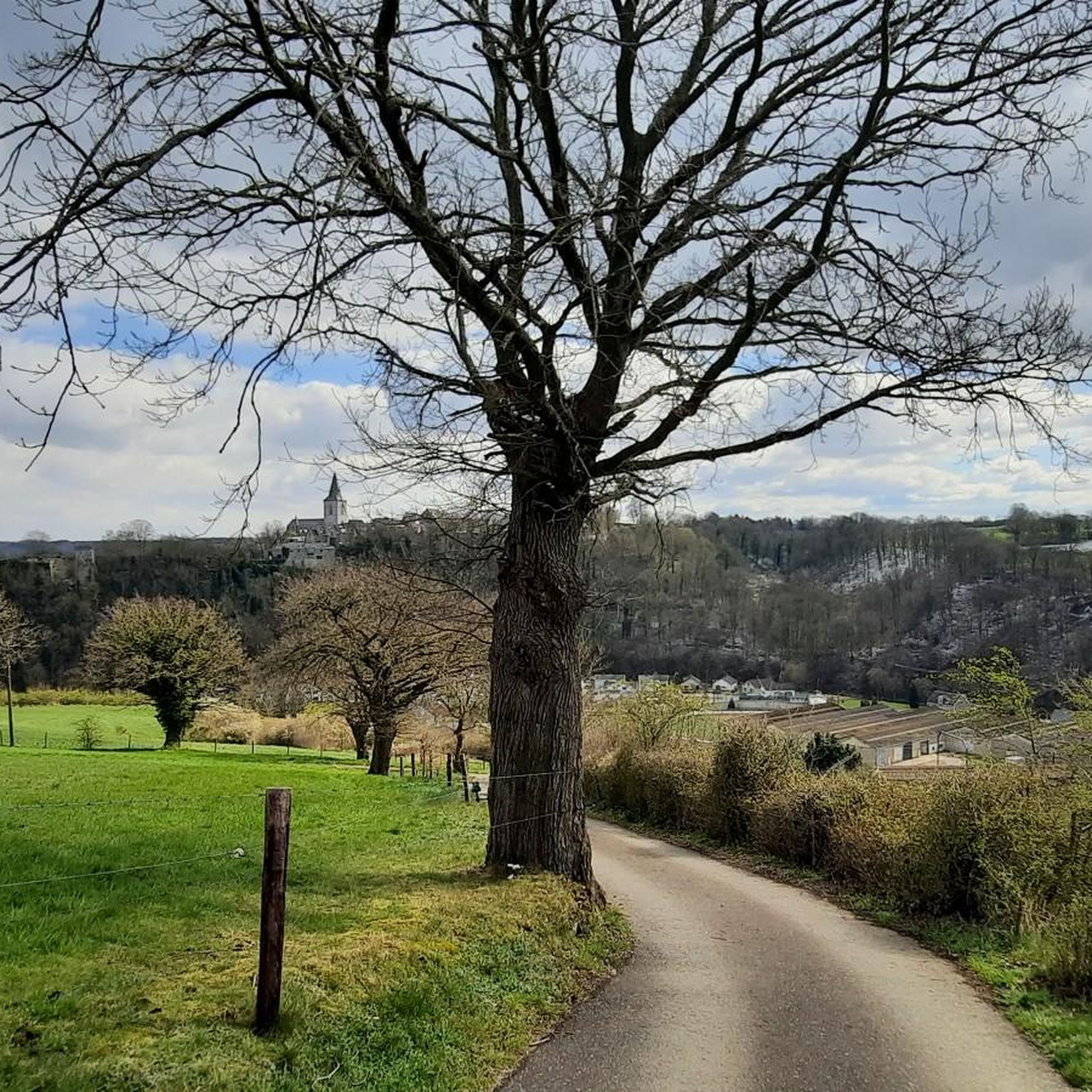
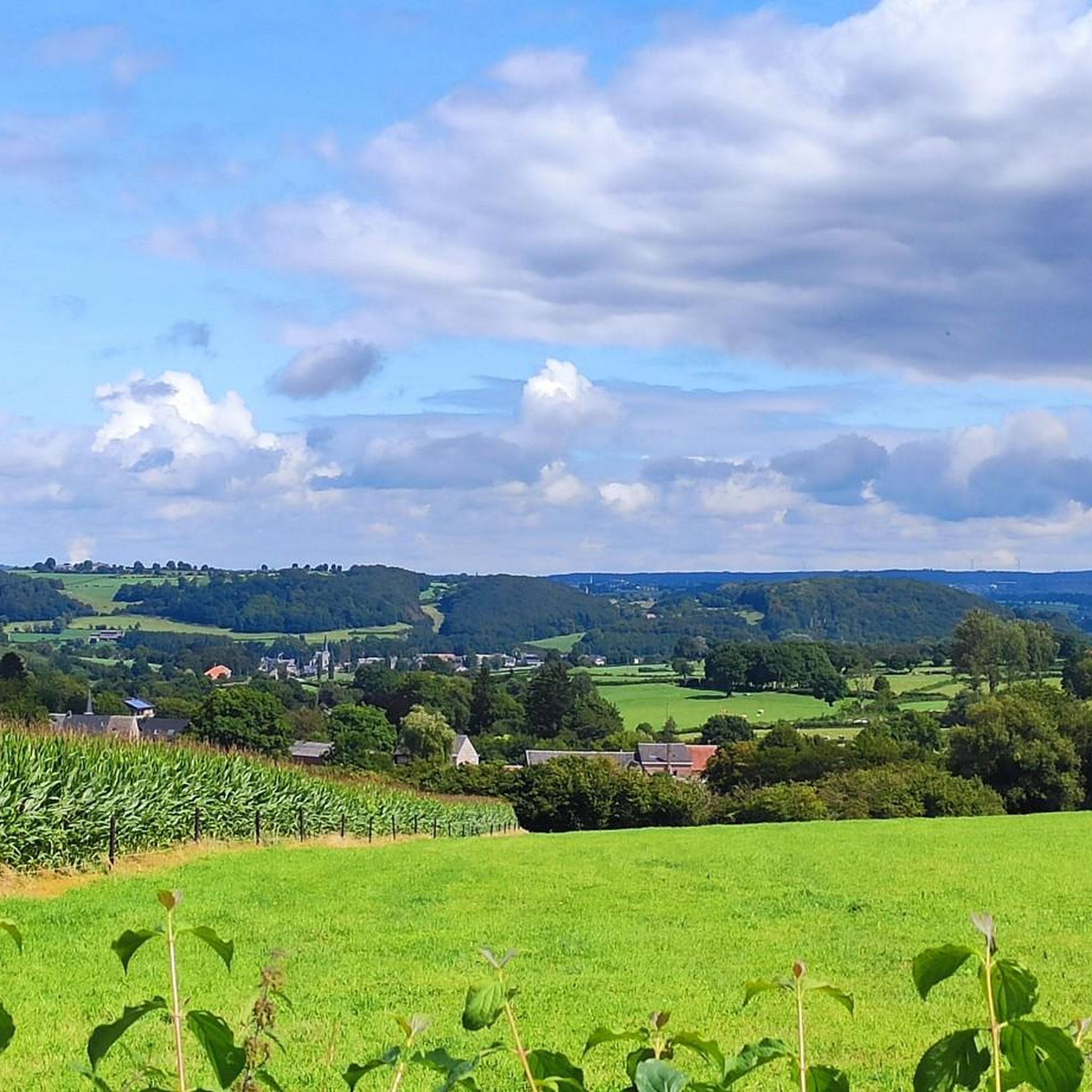
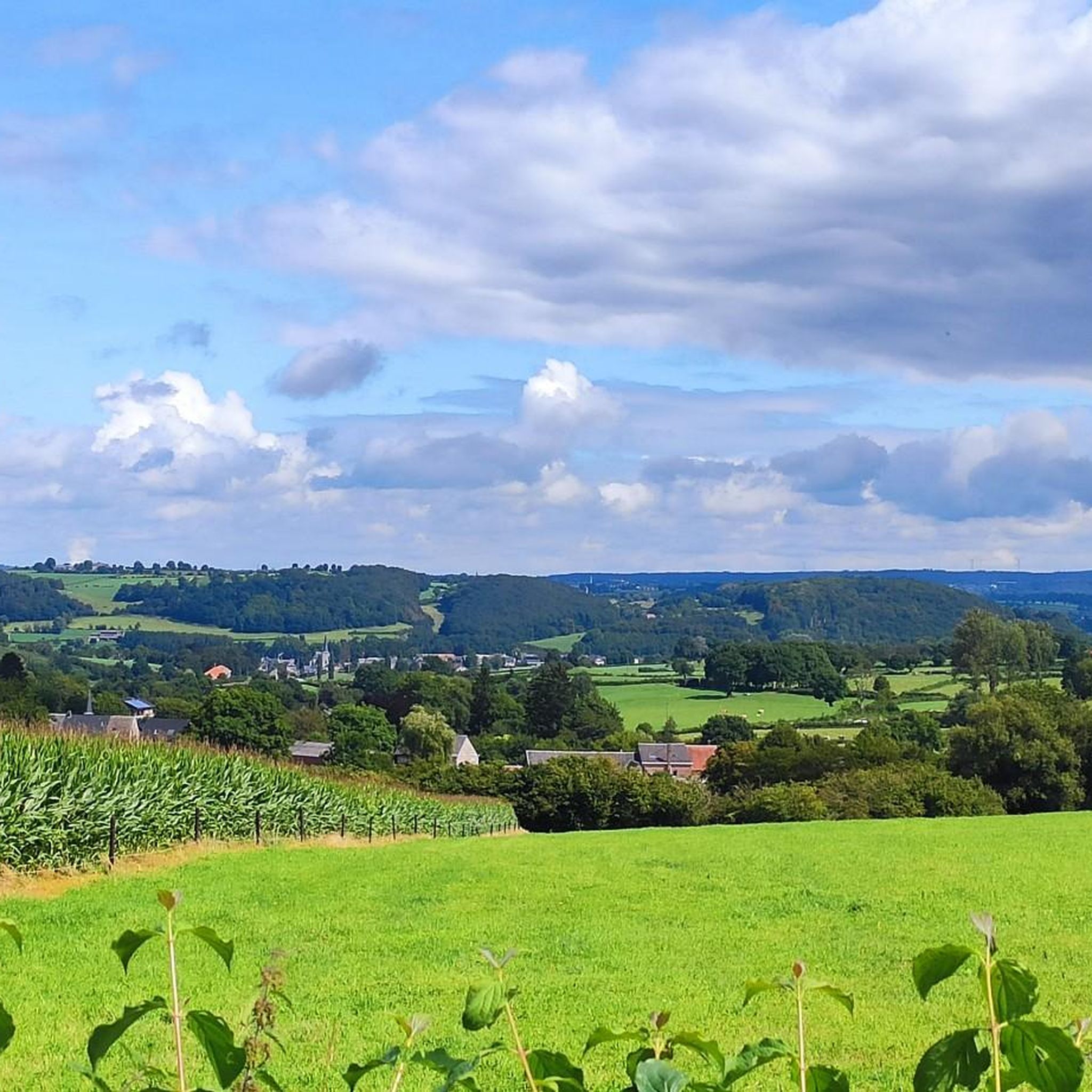


Tips from the Community

The castle's origins date back to the 11th century. It was first documented in 1155, but the first buildings probably date back to the time of Bishops Henry of Verdun (1075–1091) and Otbert (1091–1119). As one of twelve residences of the Prince-Bishop of Liège, it served to defend the eastern border of the principality.
35
0

Beautiful hiking trails along the Göhl. In spring, with fresh green flanks 🌱
6
0

Limburg but in Liège, with a big dash of history...
15
1

This former town hall, built between 1681 and 1687, hosts exhibitions and houses a model of Limburg from the year 1632. The portal is decorated with a shield of the Burgundian cross. In the basement you will find one of the oldest seals in the city.
6
0

The fact that Belgium and the Netherlands both have a province of Limburg is "thanks" to this former fortified city on the Vesder in the current province of Liège known as Limbourg, with its beautiful centre and once the capital of a duchy, also called Limburg. Or rather: we actually "thank" it to King William I who decided in 1815 that the current provinces of Limburg, which in Belgium largely overlap with the former county of Loon, would be given the name of this former duchy. And that despite the fact that there was virtually no overlap between the territory of Limburg that had long belonged to the former States-General of the Netherlands and the current provinces. But William I did not want the name of that duchy in the land of Herve to be lost and got his way. Today, the former capital of the former Duchy of Limburg is, after a turbulent history, a beautiful village with a fascinating historical centre in the wonderful land of Herve and more than worth a visit, even though the character of a fortified town has somewhat disappeared over time. And the province of Limburg in Belgium? Historically, it would have been much better called the province of Loon or, it is blasphemy, one with the province of Liège, whereby the current Limburg had little to do with Flanders and, together with Liège, was always much closer to Germany. Only many do not like to hear that historical reality.
13
0

The portal probably once belonged to the Eyneburg castle wall.
4
0

Franchimont: a former fortress of the Bishop of Liège in the north of the Belgian Ardennes. The castle of Franchimont (province of Liège, municipality of Theux) was one of twelve residences and fortresses of the Principality of Liège. The fortress was first mentioned in writing in 1155, but the first buildings were probably built during the time of the bishops Henry of Verdun (1075-1091) and Otbert (1091-1119). During the feudal period, both bishops vigorously defended the principality. Nestled in the middle of "non-Liège" territories (Duchy of Limburg and Luxembourg, as well as the Principality of Stavelot), the country thus had not only a defense system, but also an administrative and judicial center where the representative of the Prince-Bishop resided. The castle defended a mark, a kind of border
7
0
The ruins of Franchimont Castle (French: Château de Franchimont) stand on a rocky outcrop in the Ardennes in the municipality of Theux, about eight kilometers from Spa. Franchimont is the name of a former fortress and, until the Liège Revolution, a margraviate in the diocese of Liège. The castle complex originated from a building from the 11th to 12th centuries, which was supplemented by a large protective wall at the beginning of the 16th century. The first written mention dates back to 1156, from the time of Bishop Henry II of Liège. The castle was demilitarized around 1650, as the artillery technology that had been developed in the meantime meant that it was vulnerable to attack from the neighboring hills. After that, it was mostly used as a prison, but also as a summer residence for nobles. In 1676, Louis XIV ordered its destruction, but it was only partially carried out. In the following century, the castle was visited by several crowned heads because of its peculiarities. Since 1967, it has belonged to a non-profit foundation that carries out restoration and maintenance work and carries out excavations in the area surrounding the castle. Today, Franchimont is a tourist destination, with a railway station on the Verviers-Spa-Géronstère railway line.
7
0
Frequently Asked Questions
Which castles around Limbourg are suitable for families?
For families, the Eyneburg Castle is a good option, as its categories include 'family_friendly'. Additionally, the Clermont-sur-Berwinne Village Center, which features remnants of a former castle, is also noted as family-friendly and offers a charming village atmosphere to explore.
Are there any good viewpoints near the castles in Limbourg?
Yes, several castles and historical sites offer excellent viewpoints. Eyneburg Castle and the Ruins of Franchimont Castle are both categorized as viewpoints. The Historic Center of Limbourg also provides scenic views of the surrounding area from its elevated position.
What kind of historical sites can I explore in the Limbourg region besides castles?
Beyond the castles themselves, the region is rich in historical sites. The Historic Center of Limbourg is a well-preserved old village square that was once the capital of a duchy. The Clermont-sur-Berwinne Village Center is another notable historical settlement, recognized as one of Wallonia's most beautiful villages, featuring a 17th-century church and remnants of a former castle.
What outdoor activities can I do near the castles in Limbourg?
The Limbourg region offers various outdoor activities. You can find numerous routes for gravel biking, running, and mountain hikes. For gravel biking, explore routes around the Gileppe Dam. Runners can enjoy trails like the Coingsoux Arboretum loop. For mountain hikes, consider the Hoëgne Valley or routes near Streversdorp Castle. You can find more details and specific routes in the Gravel biking around Limbourg, Running Trails around Limbourg, and Mountain Hikes around Limbourg guides.
Are there any easy walking routes around the castles?
While specific 'easy castle walks' are not detailed for every site, many of the surrounding areas offer pleasant walking opportunities. For instance, the Eyneburg Castle is situated in a beautiful landscape with an ascent from the Geul river that is worthwhile for walkers. For general easy hiking, the 'Mountain Hikes around Limbourg' guide includes routes like the Clouseweiher loop from Dam of the Weser and the Streversdorp Castle loop, both rated as easy.
What is the best time of year to visit the castles in Limbourg?
The Limbourg region, with its wooded hills and river valleys, is beautiful throughout much of the year. Spring and autumn offer pleasant temperatures for exploring and vibrant natural scenery. Summer is also popular, though it can be busier. While some castles might have limited access in winter, the historical sites and surrounding landscapes can still be enjoyed, especially if you are prepared for colder weather.
What are some lesser-known or 'hidden gem' castles or historical sites in the Limbourg area?
While the main highlights are well-known, the region has many charming spots. The Clermont-sur-Berwinne Village Center, though recognized as one of Wallonia's most beautiful villages, offers a more intimate historical experience with castle remnants and a preserved town center, away from larger tourist crowds. The Eyneburg Gatehouse and the Göhl Stream, part of the larger Eyneburg complex, is a striking historical monument that provides a unique photo opportunity and a sense of history, often less frequented than the main castle ruins.
How long should I allocate for visiting a castle in Limbourg?
The time needed can vary. For extensive ruins like the Ruins of Franchimont Castle, you might spend 1-2 hours exploring the site and its history. For village centers like the Historic Center of Limbourg or Clermont-sur-Berwinne, you could easily spend 2-3 hours wandering the streets, visiting local shops, and enjoying a meal. If you plan to combine a castle visit with a hike, allocate half a day or more.
Are there cafes or restaurants near the castles in Limbourg?
Many of the historical towns and villages in the Limbourg region, such as the Historic Center of Limbourg and Clermont-sur-Berwinne, have local cafes and restaurants where you can enjoy regional cuisine. While some castle sites might have limited facilities directly on-site, you'll generally find dining options within a short drive or walk in the nearby villages.
What do visitors enjoy most about the castles and historical sites in Limbourg?
Visitors frequently appreciate the rich history and the picturesque settings of the castles. The imposing ruins of Franchimont Castle are a particular highlight, especially during events like the medieval fair. The Historic Center of Limbourg is loved for its authentic, untouristy atmosphere and well-preserved old village square. The Eyneburg Castle is noted for its beautiful landscape and historical significance, despite its current state.
Is it possible to visit the castles in Limbourg during winter?
Yes, visiting the castles in Limbourg during winter is possible, though conditions may vary. The historical sites and their surrounding landscapes can offer a unique, serene beauty under winter skies. However, some facilities or access points might have reduced hours or be closed, especially in rural areas. It's always advisable to check specific opening times for individual sites before your visit and to dress warmly for outdoor exploration.
Most popular routes around Limbourg
Most popular attractions around Limbourg

Get inspired with the komoot mobile app


Explore more
Looking for the best castles somewhere else? Discover other guides around Limbourg:
