Top 20 Waterfalls around Stavelot
Best waterfalls around Stavelot are found in the Amblève valley, a region characterized by its natural features and varied landscape. Stavelot, located in the Ardennes, serves as a base for exploring several notable waterfalls. The area combines natural beauty with historical significance, offering diverse outdoor experiences. This region is known for its river valleys and forested gorges, which contribute to the formation of its waterfalls.
Best waterfalls around Stavelot
- The most popular waterfalls is Coo Waterfall, a waterfall that features a 15-meter drop, making it one of the highest in Belgium. It was created in the 18th century by monks from Stavelot Abbey.
- Another must-see spot is Bayehon Waterfall, a waterfall near the village of Longfaye. This approximately 9-meter-high waterfall is known for its unique reddish water and is situated within a deep, wooded gorge.
- Visitors also love Trôs Marets Valley, a gorge with a wild river. This valley offers an idyllic setting for hiking and is suitable for families and hikers with dogs.
- Stavelot is known for its natural waterfalls and river-fed cascades. The area offers a variety of waterfalls to see and explore, from significant drops to smaller, picturesque falls within valleys.
- The waterfalls around Stavelot are appreciated by the komoot community. Over 2700 upvotes and more than 1000 photos have been shared by visitors exploring these natural attractions.
Last updated: August 16, 2026
Bayehon Waterfall
Highlight • Waterfall
Translated by Google •
Tip by

Trôs Marets Valley
Highlight (Segment) • Gorge
Translated by Google •
Tip by

Sign up now to discover places like this
Get recommendations on the best single tracks, peaks, & plenty of other exciting outdoor places.
Sign up for free
Trôs Marets Waterfall
Highlight • Waterfall
Translated by Google •
Tip by
Venus' Bath
Highlight • Waterfall
Translated by Google •
Tip by
Coo Waterfall
Highlight • Waterfall
Translated by Google •
Tip by

Sign up for free to discover even more waterfalls around Stavelot.
Sign up for free
Already have an account?
Start today with a free account
Your next adventure awaits.
Login or Signup
Popular around Stavelot
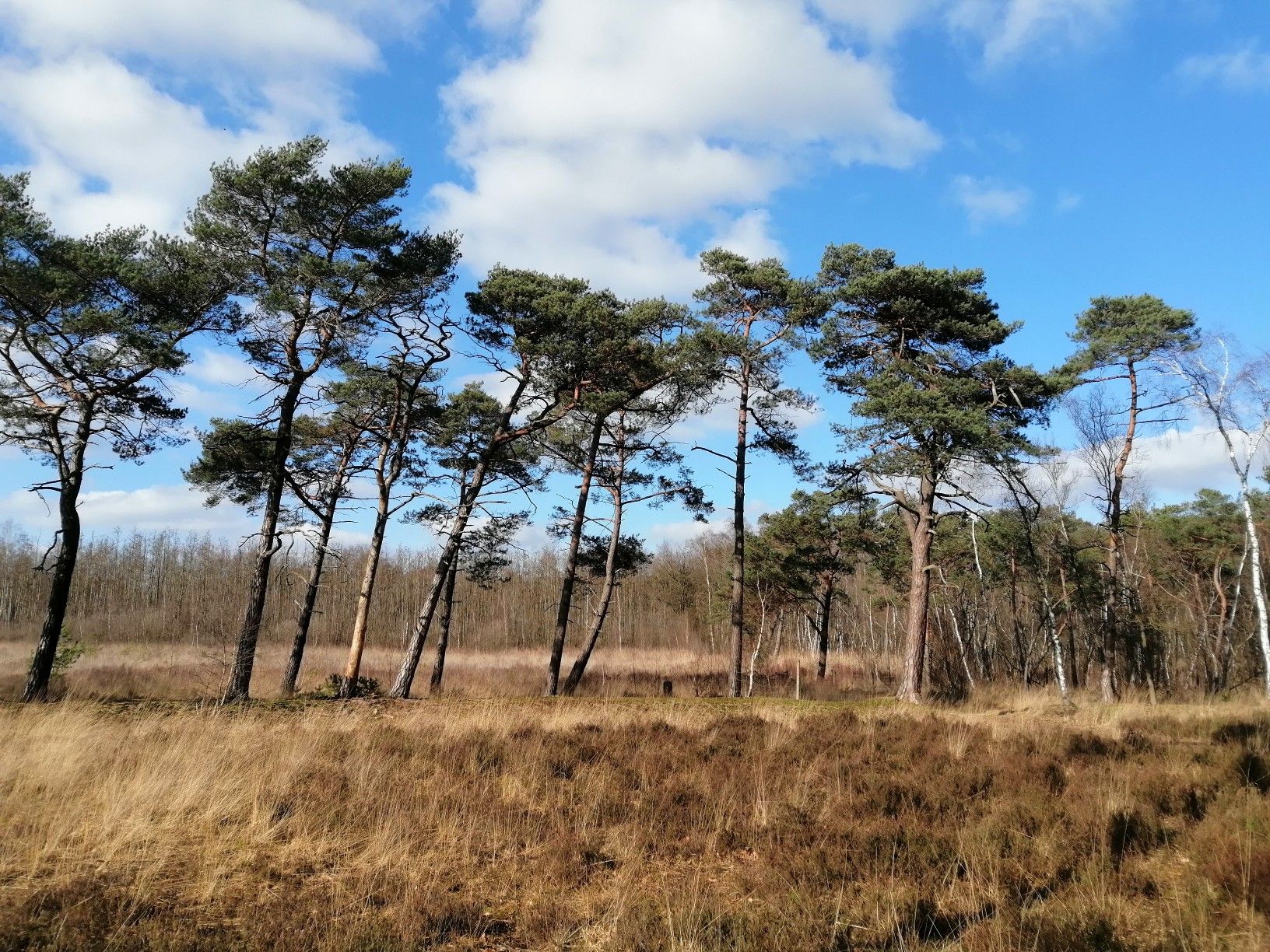
From Flanders to the Ardennes — GR 5 in Belgium
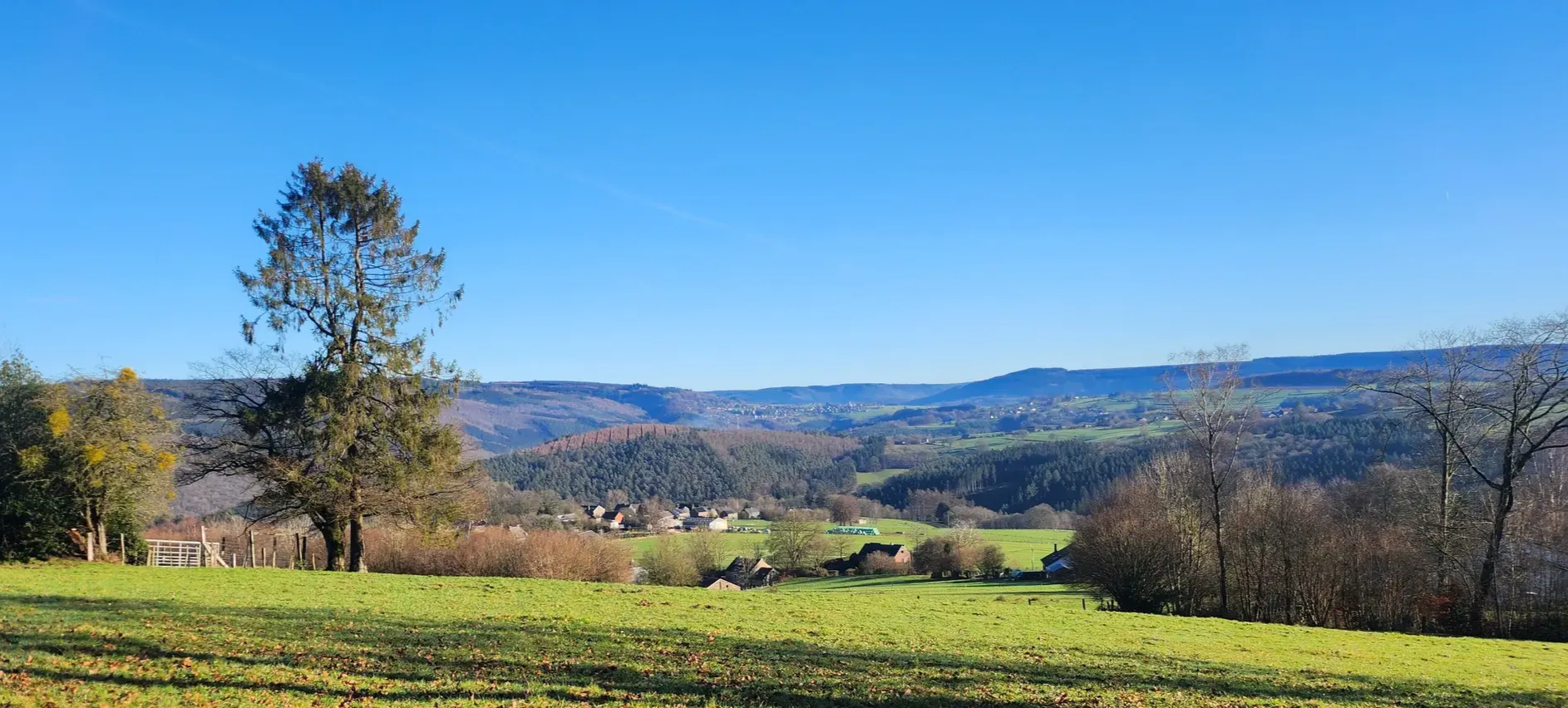
A waymarked trail all year round — Ultra Tour des Sources
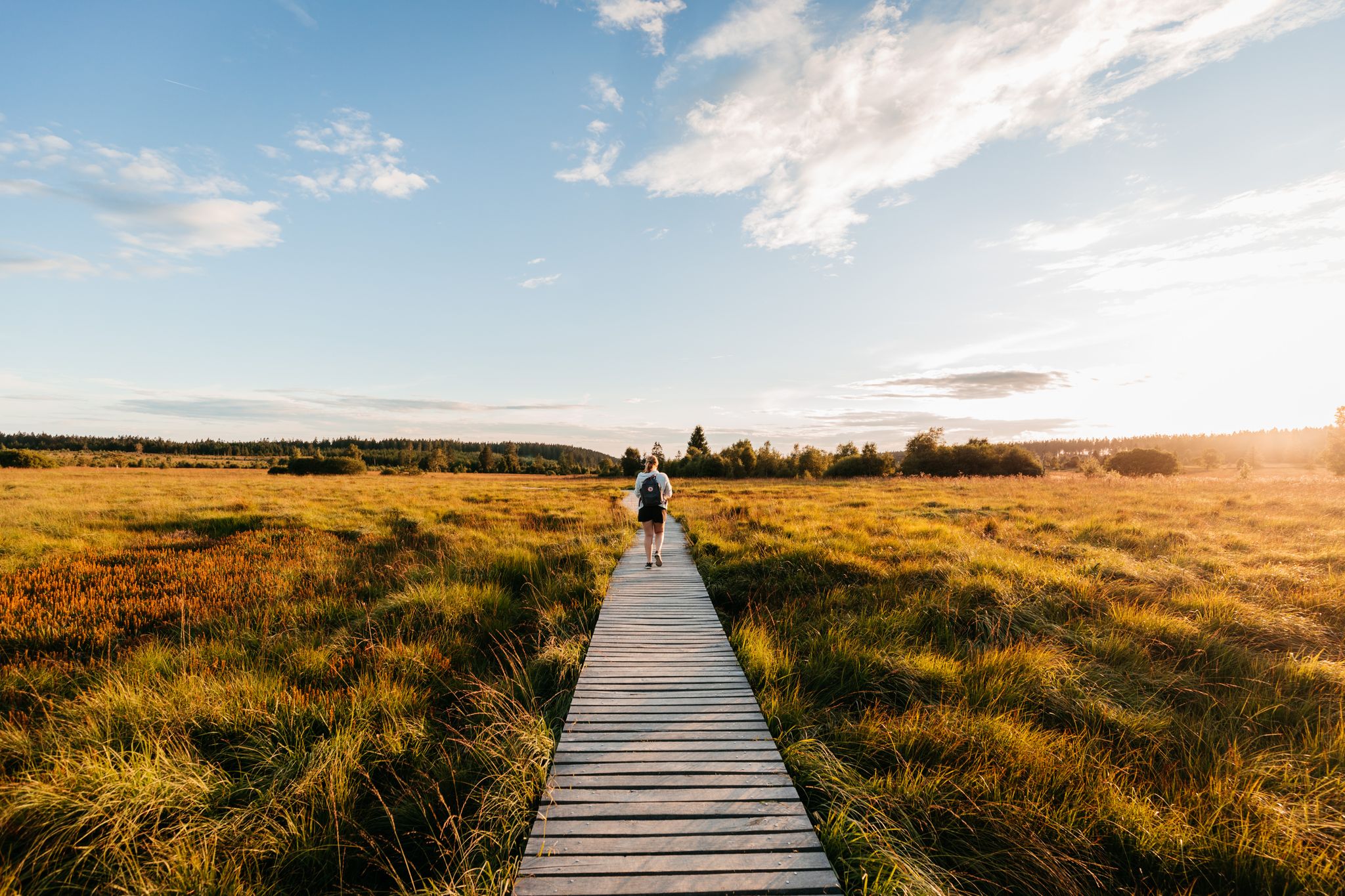
Unspoilt nature and wide views – hiking in Wallonia
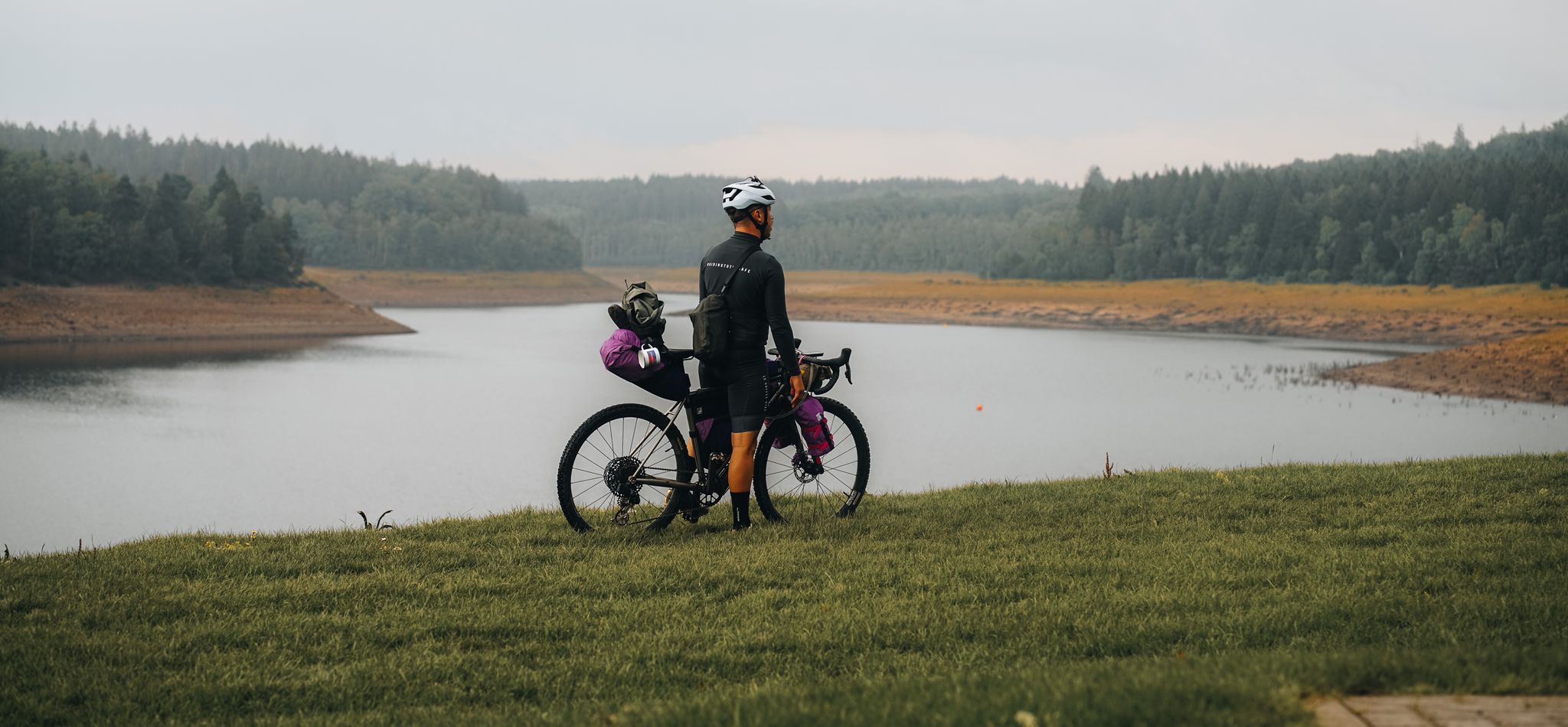
Bikepacking through the Eifel – The Reservoir Loop
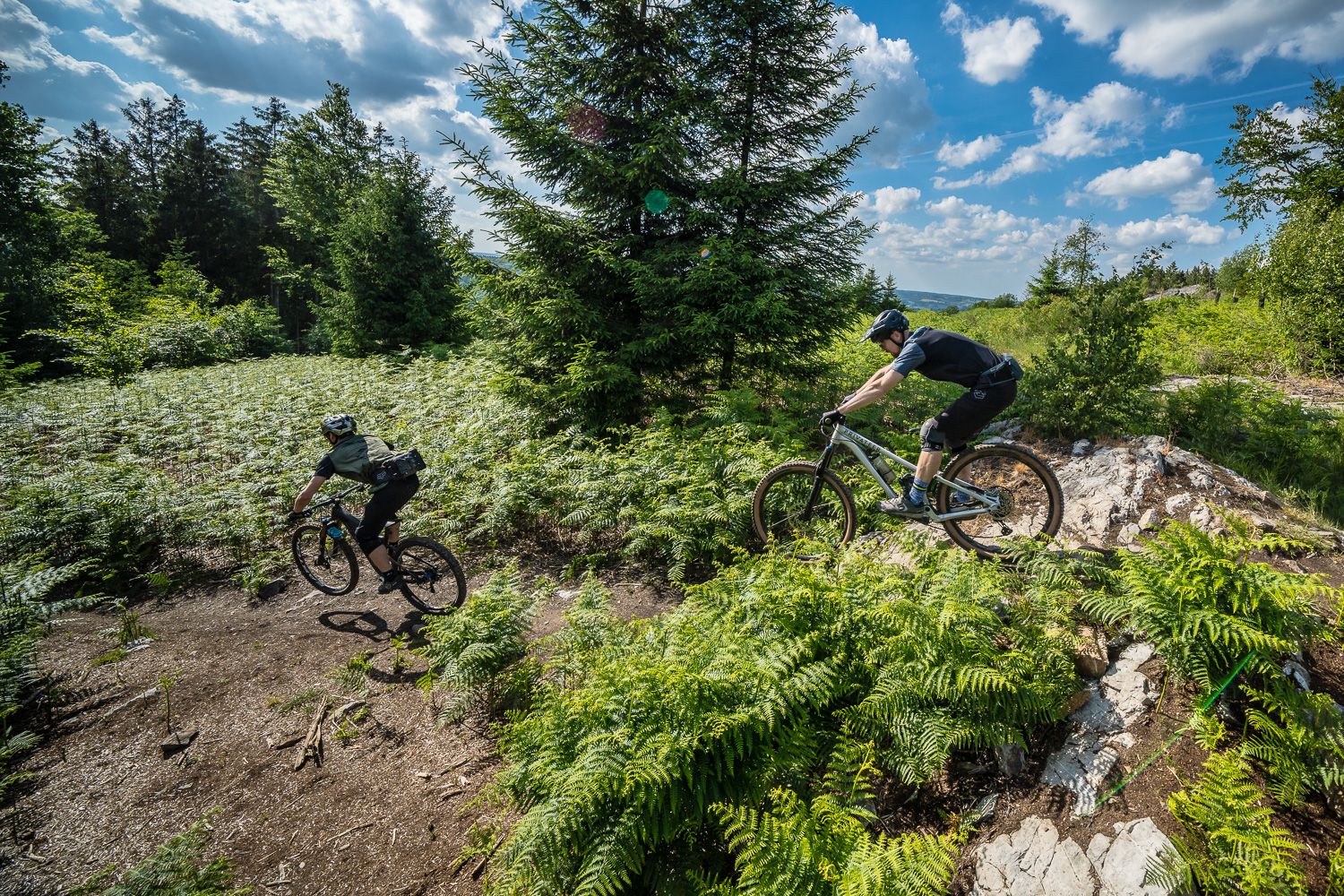
Fries and trails special in the Belgian Ardennes
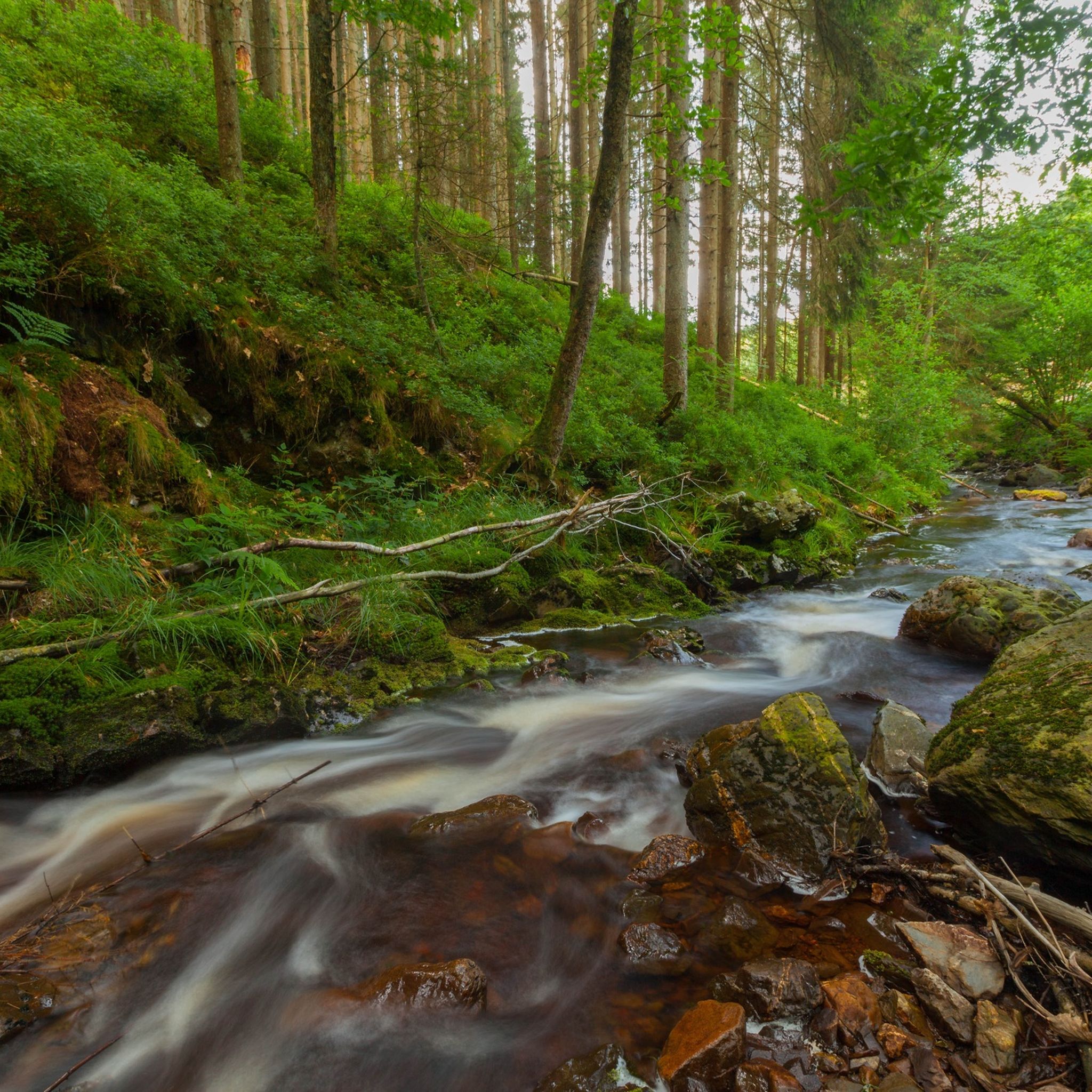
Hiking around Stavelot
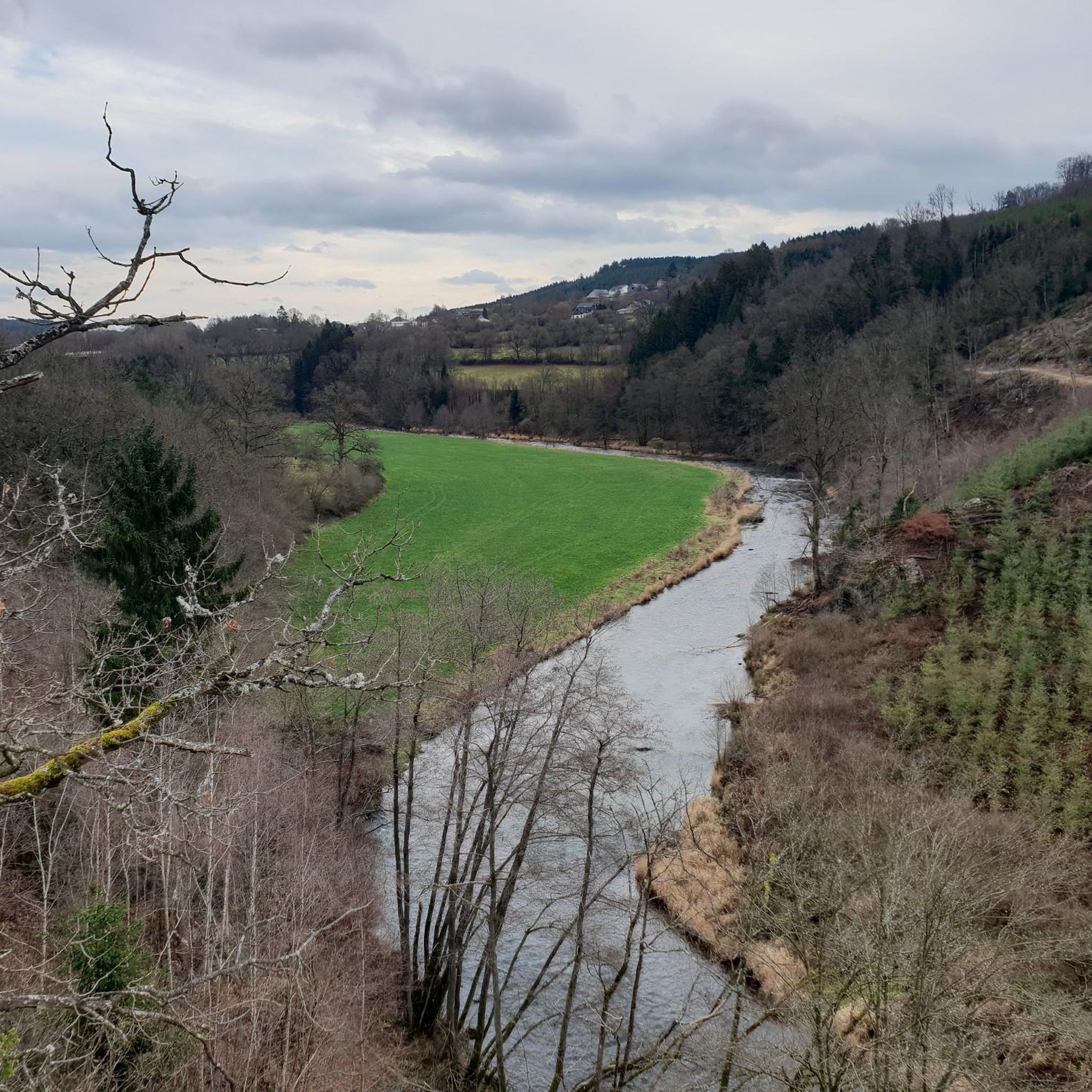
Road Cycling Routes around Stavelot
Cycling around Stavelot
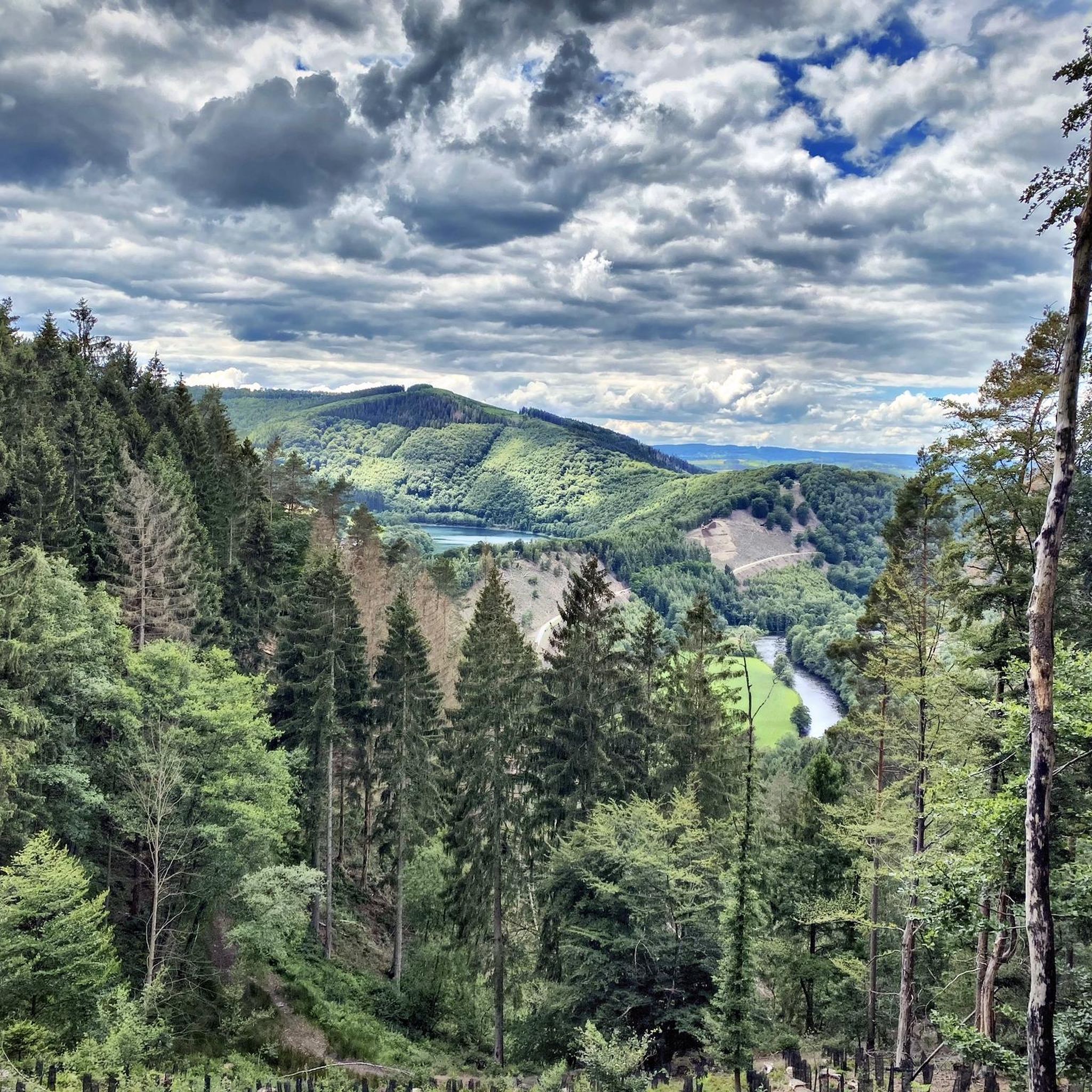
Running Trails around Stavelot
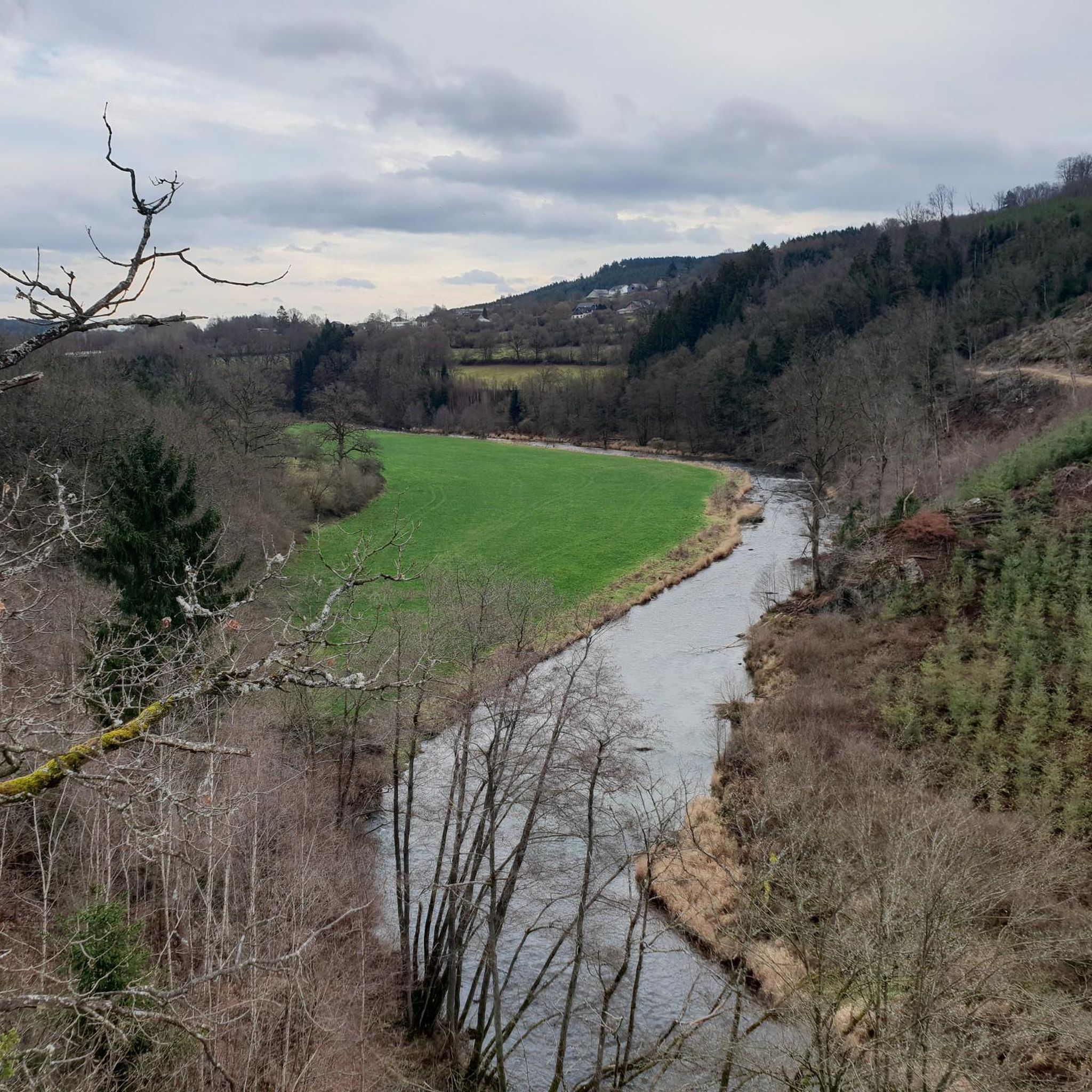
MTB Trails around Stavelot
Other adventures around Stavelot


Tips from the Community

Adventure tours, amusement park, kayaking or just marveling, there can be a lot going on here.
11
0

The Coo waterfall is artificial. Starting from a simple waterfall that appeared in the 15th century, the monks of Stavelot Abbey dug the large waterfall, crossing a meander of the river, to protect the village of Petit-Coo. The fact remains that it is very impressive and at its height of 15 meters is the pride of Belgium.
1
0

This "bathtub" shows very well what the water can do with its natural power over the millennia.
10
0
One of the highlights of the Ninglinspo Valley is this beautiful waterfall.
9
0


The earliest mention of the town of Coo, under the Latin form “collo”, dates back to 1307. A mill, whose existence is documented from 1483, was fed by the water of the Amel. It is very likely that the monks of Stavelot Abbey created a meander along the river to feed the mill and not to create a waterfall, but it is likely that the water sometimes had to overflow and spread over the nearby rocks … Source: http://tourismestavelot.be/de/wasserfall-von-coo
36
1

Undoubtedly a beautiful piece of nature, but I have to admit that I lack the necessary imagination here to be able to imagine the Roman goddess VENUS as the foam-born rising from the sea in this pool formed by the power of the water .
20
0
The rocks formed and polished by water are called vats.
55
1
Frequently Asked Questions
What are the most significant waterfalls in the Stavelot area?
The most significant waterfall is the Coo Waterfall, known for its 15-meter drop and historical creation by monks from Stavelot Abbey. Another notable waterfall is the Bayehon Waterfall, recognized for its unique reddish water and picturesque setting near Longfaye.
What is the best time to visit the waterfalls around Stavelot?
The waterfalls are beautiful year-round. Spring and autumn offer vibrant natural colors, making them ideal for hiking. During spring, the water flow is often at its strongest due to snowmelt and rain. Winter can also be picturesque, though trails may be more challenging due to slippery conditions.
Are there family-friendly options for visiting waterfalls in Stavelot?
Yes, the Coo Waterfall area is very family-friendly. It features an amusement park (Plopsa Coo) nearby, and the paths around the waterfall and lake are designed to be accessible for strollers and wheelchairs. The Bayehon Waterfall is also considered appealing to families due to its easy accessibility via the Moulin de Bayehon watermill.
What natural features can I expect to see around Stavelot's waterfalls?
Beyond the waterfalls themselves, you'll encounter the picturesque Amblève valley, dense green forests, and river gorges. The Trôs Marets Valley, for example, is a gorge with a wild river, offering an idyllic setting for hiking. You might also see unique geological formations like the basin at Venus' Bath, formed by water erosion.
What outdoor activities can I do near the waterfalls around Stavelot?
The region offers a variety of outdoor activities. You can find numerous hiking trails, such as those in the Hiking around Stavelot guide, including routes like the 'Lake Coo Loop' or 'Cascade de Coo loop'. There are also options for running, with routes like 'Stavelot and Coo Waterfall Loop' in the Running Trails around Stavelot guide, and gravel biking, as detailed in the Gravel biking around Stavelot guide.
Are the waterfall trails around Stavelot accessible for people with limited mobility or strollers?
The area around Coo Waterfall is generally accessible, with stroller and wheelchair-friendly roads allowing for walks around the lake near the hydroelectric plant. However, many hiking trails, especially those leading to other waterfalls like Bayehon Waterfall or through the Trôs Marets Valley, can be rugged with roots and uneven terrain, requiring sturdy shoes and sure-footedness.
Can I bring my dog on the trails near Stavelot's waterfalls?
Yes, many trails in the region are dog-friendly. For instance, the hike through the Trôs Marets Valley is suitable for hikers with dogs. Always ensure your dog is on a leash and you clean up after them to preserve the natural environment.
Where can I park when visiting the waterfalls in Stavelot?
Parking is available at popular sites. For the Bayehon Waterfall, parking is conveniently located near the Moulin de Bayehon watermill. The Coo Waterfall area also has designated parking facilities due to its popularity as a tourist attraction.
Are there cafes or places to eat near the waterfalls?
Yes, particularly around the popular Coo Waterfall, you'll find several cafes where you can relax and enjoy the scenery. These establishments cater to visitors exploring the falls and the nearby attractions.
What is the difficulty level of hiking trails around Stavelot's waterfalls?
Hiking difficulties vary. Some trails, like parts of the Coo Waterfall area, are easy and accessible. However, many routes, such as those leading to Bayehon Waterfall or through the Trôs Marets Valley, are rated intermediate to difficult. They can feature root-covered paths, steep sections, and slippery terrain, especially in wet weather. Sturdy shoes are highly recommended.
Are there any historical aspects related to the waterfalls in Stavelot?
Yes, the Coo Waterfall has a rich history. While a smaller natural fall existed, the larger, prominent fall was created in the 18th century when monks from Stavelot Abbey diverted a meander of the Amblève River. This was done to protect the village of Petit-Coo from flooding and to power a mill, showcasing a blend of natural wonder and human ingenuity.
What makes the Bayehon Waterfall unique?
The Bayehon Waterfall is unique for its approximately nine-meter height and its distinctive reddish water. This coloration is caused by iron oxidation, giving it a striking appearance within its deep, wooded gorge near the village of Longfaye.
Most popular routes around Stavelot
Most popular attractions around Stavelot

Get inspired with the komoot mobile app


Explore more
Happy to travel a little further afield? Then browse these guides for the best waterfalls around Stavelot:
