The best walks and hikes around Herve
4.4
(2405)
9,705
hikers
352
hikes
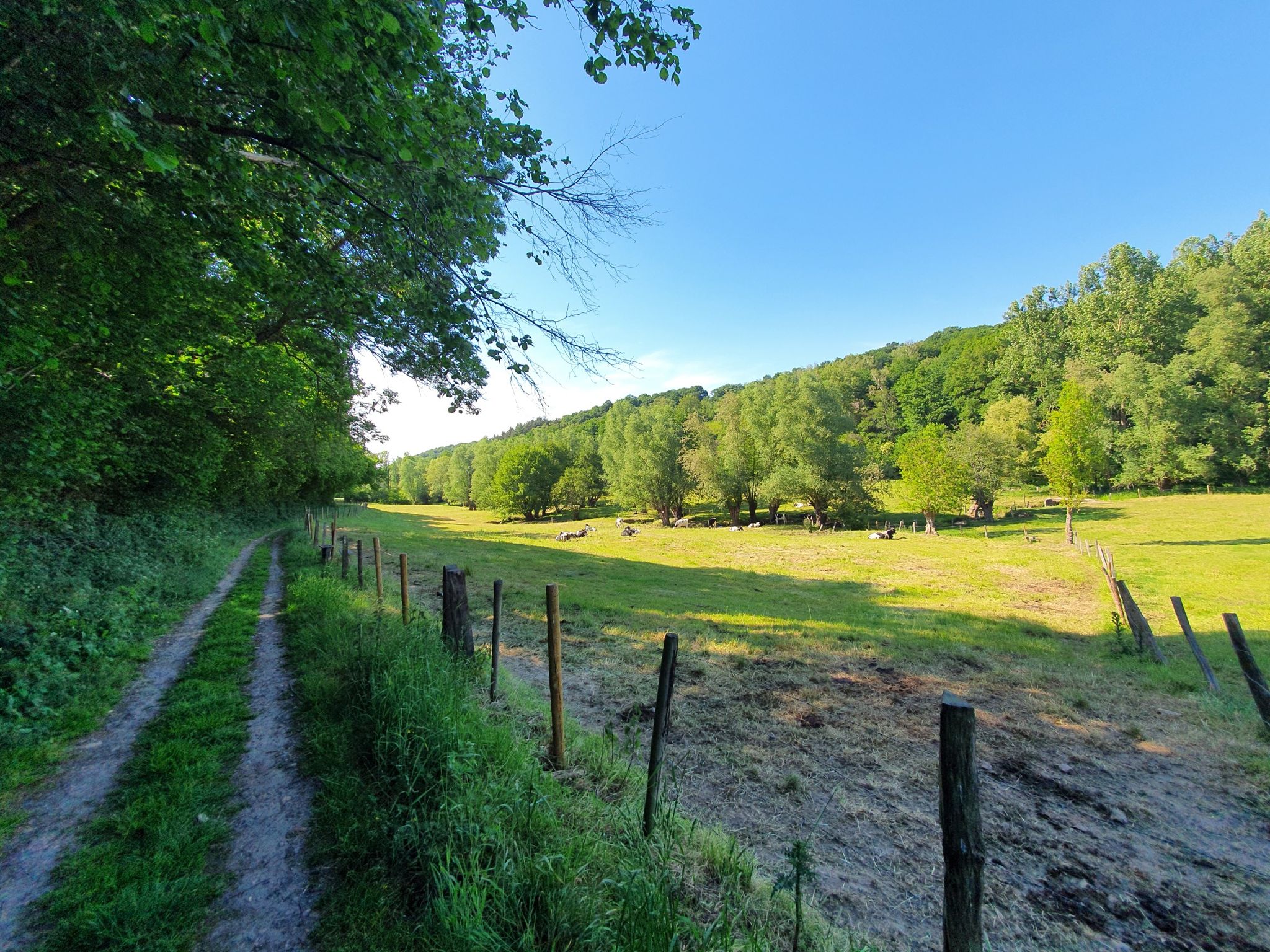
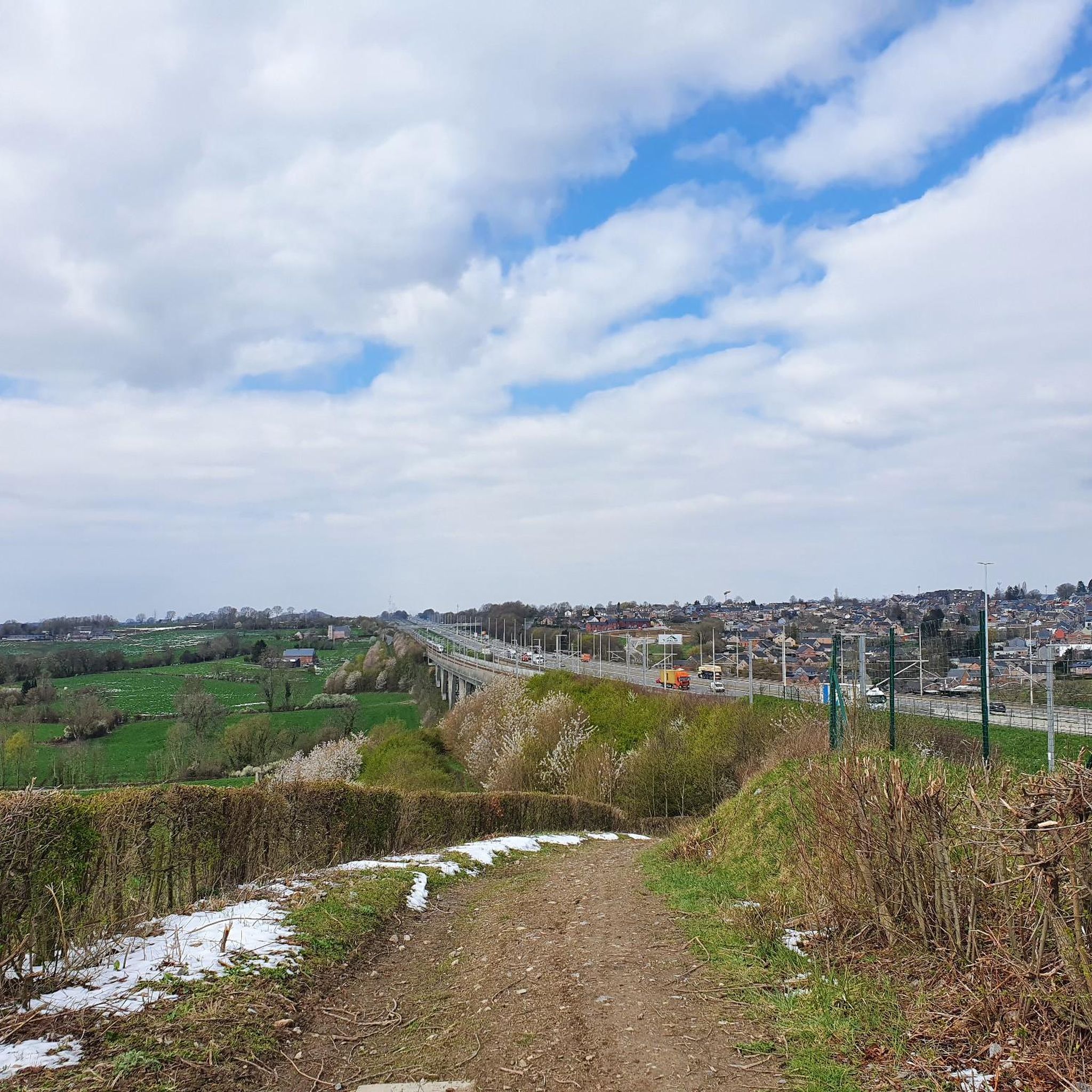
Hiking around Herve offers exploration of a distinctive bocage landscape, characterized by green meadows, hedgerows, and old orchards. The region features rolling hills, plateaus, and depressions shaped by various waterways, providing varied inclines and descents. This topography creates diverse hiking experiences with wide green panoramas from elevated points.
Best hiking trails around Herve
- The most popular hiking route is View of the Bocage Countryside – Val-Dieu Countryside loop from Abbaye du Val-Dieu, an 8.1 miles (13.1 km) trail that takes 3 hours 38 minutes to complete. This moderate route offers extensive views of the region's unique bocage.
- Another top favourite among local hikers is View of Val-Dieu Abbey – Val-Dieu Countryside loop from Saint-Jean-Sart, an easy 2.9 miles (4.6 km) path. This route provides views of the historic Val-Dieu Abbey and the surrounding countryside.
- Local hikers also love the Val-Dieu Countryside – View of the Bocage Countryside loop from Abbaye du Val-Dieu, a 9.4 miles (15.2 km) trail leading through the characteristic bocage landscape, often completed in about 4 hours 12 minutes.
- Hiking around Herve is defined by its bocage landscape, rolling hills, and extensive network of hedgerows and orchards. The region's trails offer options for various ability levels, from easy strolls to more challenging moderate routes.
- The routes in Herve are highly rated by the komoot community with an average score of 4.3 stars from over 2,100 reviews. More than 9,500 hikers have used komoot to explore Herve's varied terrain.
Last updated: October 7, 2026
4.7
(173)
646
hikers
9.90km
02:46
190m
190m
Moderate hike. Good fitness required. Easily-accessible paths. Suitable for all skill levels.
4.7
(267)
978
hikers
Moderate hike. Good fitness required. Easily-accessible paths. Suitable for all skill levels.

4.7
(86)
254
hikers
Moderate hike. Good fitness required. Easily-accessible paths. Suitable for all skill levels.
4.6
(43)
205
hikers
12.4km
03:29
260m
260m
Moderate hike. Good fitness required. Easily-accessible paths. Suitable for all skill levels.
4.6
(46)
215
hikers
14.2km
04:02
330m
330m
Moderate hike. Good fitness required. Easily-accessible paths. Suitable for all skill levels.
Get access to more routes and recommendations from other explorers.
Already have an account?
Our route recommendations are based on thousands of hikes, rides, and runs completed by other people on komoot.
Start today with a free account
Your next adventure awaits.
Other adventures around Herve

Tips from the Community


Cozy corner with beautiful horses next to the path.
3
0

In the small Walloon village of Saint-Jean-Sart, part of the municipality of Aubel and located near the famous Abbaye de Val-Dieu, you'll find an old traditional spring of great historical importance to the local population. Often referred to in French as Fontaine de Saint-Jean-Sart, this spring is more than just a water source. For centuries, it was where villagers drew their drinking water directly from the ground, forming a tangible link to village life in the past. The spring is located at 9 Rue de Lammerschot in Saint-Jean-Sart, a quiet street in this rural village in the province of Liège, Belgium. It is a natural outflow from the ground, where clean spring water emerges, a fact that was of great practical importance to residents before modern water supply systems existed. Today, many locals still use the spring to fill bottles with spring water. On the stones of the spring or near it, there is often an inscription or reference to the history of the village, first mentioned in sources around 1216. This demonstrates how long Saint-Jean-Sart has had a community around this spring and its church. Saint-Jean-Sart is a small village whose history is closely linked to that of Val-Dieu Abbey. The village was already mentioned in documents around the beginning of the 13th century, and the presence of a spring like this played a role in its development as a settlement. The inscription you can see at the spring, "j'ai vu naître Saint Jean-Sart 1216," symbolically emphasizes that the village was born in that year and that the spring played a central role there from the beginning. The second reason this spring is remarkable is that such public springs were once essential for daily needs, such as drinking, cooking, livestock, and other agricultural tasks. In a time without piped water or municipal water supplies, this spring served as a local meeting and living place.
0
0
A church is much more than just a building because it's a place where history, faith, architecture, and community converge. For centuries, churches have been the heart of villages and towns. Often the oldest buildings in the area, they serve as landmarks in the landscape, visible from afar thanks to their steeple or robust walls. Architecturally, churches tell the story of their time. From austere Romanesque styles with thick walls and small windows to Gothic churches with high, pointed arches and colorful stained-glass windows that let light in almost magically. Every stone arch and niche has a function and symbolism, often aimed at lifting the gaze upward, both literally and figuratively. But a church is more than just a religious symbol. It is also a place of gathering where people have gathered throughout the centuries for joyful moments such as weddings and baptisms, but also for silence and mourning. Even for those who are not religious, a church often exudes peace, contemplation, and timelessness. The silence within contrasts with the world outside and invites slowing down and reflection.
2
0

...or if you come from Aubel, beautiful view into the valley.
12
0
In landscape architecture or spatial planning, a coulisse landscape refers to a landscape with alternating open and closed spaces, often created by hedges, rows of trees, or buildings. It resembles a stage with varying sightlines.
12
0
Frequently Asked Questions
How many hiking trails are available around Herve?
Herve offers a wide selection of hiking opportunities, with over 330 routes recorded on komoot. These range from easy strolls to more challenging moderate trails, ensuring options for various fitness levels.
What makes the landscape around Herve unique for hiking?
The Herve region is renowned for its distinctive 'bocage' landscape, often called the 'Tuscany of Belgium'. You'll hike through a mosaic of green meadows, hedgerows, and old orchards. The rolling hills and valleys, sculpted by various waterways, provide varied inclines and descents, offering breathtaking panoramic views from elevated points.
Are there easy hiking trails suitable for families in Herve?
Yes, Herve has over 140 easy hiking routes perfect for families. An excellent option is the View of Val-Dieu Abbey – Val-Dieu Countryside loop from Saint-Jean-Sart, an easy 2.9-mile (4.6 km) path that offers views of the historic Val-Dieu Abbey and the surrounding countryside.
Can I find circular hiking routes in Herve?
Many of the trails in Herve are circular, allowing you to start and end at the same point. For example, the View of the Bocage Countryside – Val-Dieu Countryside loop from Abbaye du Val-Dieu is an 8.1-mile (13.1 km) moderate loop that showcases the region's unique bocage landscape.
Are dogs allowed on hiking trails in Herve?
Generally, dogs are welcome on most hiking trails in the Herve region, especially on public paths. However, it's always advisable to keep them on a leash, particularly when passing through agricultural areas or near livestock, and to respect local signage regarding pet access.
What kind of natural features can I expect to see while hiking in Herve?
Beyond the iconic bocage landscape, you'll encounter rolling hills, lush valleys, and various waterways. The region's topography creates diverse environments. You might also explore areas like the Julienne Valley or discover unique geological formations such as the Nutons' Cave.
Are there any historical sites or charming villages to visit along the trails?
Absolutely. The Pays de Herve is dotted with charming villages like Clermont-sur-Berwinne, Olne, Soiron, and Limbourg, many of which are recognized as 'Most Beautiful Villages of Wallonia'. The historic Abbey of Val-Dieu is a significant landmark and a popular starting point for hikes, offering cultural insights and beautiful architecture.
What is the best time of year to go hiking in Herve?
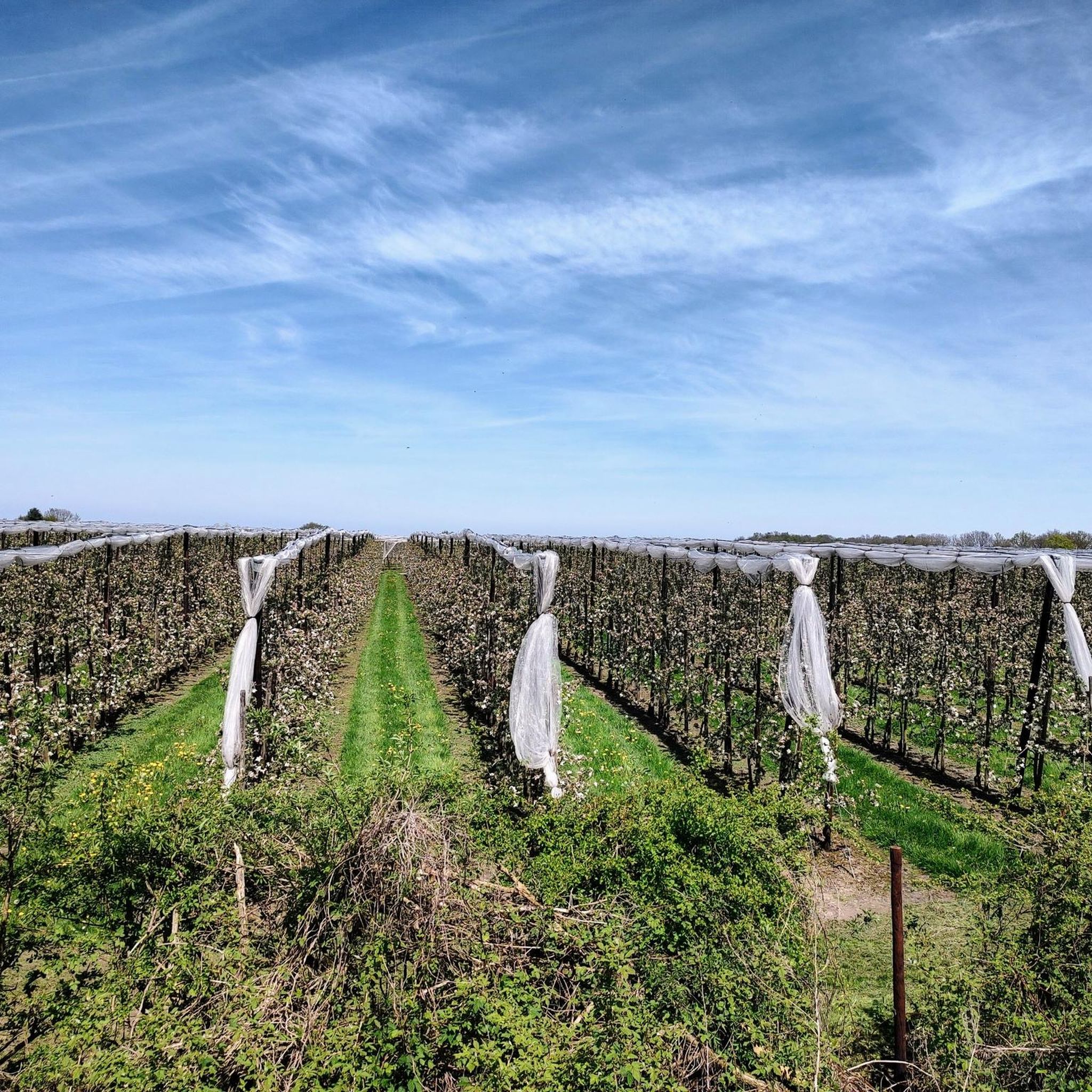
The Herve region is beautiful year-round, but spring and autumn are particularly pleasant. In spring, the orchards are in bloom, and the landscape is vibrant green. Autumn brings stunning fall colors to the hedgerows and trees. Summer offers warm weather, while winter can provide crisp, scenic walks, though some paths might be muddy.
How can I access hiking trails in Herve using public transport?
While many trailheads are accessible by car, some routes around Herve can be reached via local bus services connecting the villages. It's recommended to check the local public transport schedules for specific routes and stops that align with your chosen hiking trail.
Is parking available near the hiking trailheads in Herve?
Yes, parking is generally available near popular trailheads, especially in and around villages or at significant landmarks like the Abbey of Val-Dieu. Look for designated parking areas or roadside spots, but always be mindful of local regulations and private property.
What do other hikers say about the trails in Herve?
The hiking trails in Herve are highly rated by the komoot community, with an average score of 4.3 stars from over 2,100 reviews. Hikers often praise the region's unique bocage landscape, the tranquility of the countryside, and the well-maintained network of paths that offer diverse experiences.
Are there options for longer, more challenging hikes in the region?
Yes, Herve offers a good selection of moderate to difficult hikes for those seeking a longer challenge. With 172 moderate and 19 difficult routes, you can find trails that test your endurance. For instance, the View of Val-Dieu Abbey – Val-Dieu Abbey loop from Julémont is a moderate 8.8-mile (14.2 km) route with significant elevation changes.
Where can I find food or drinks near the hiking trails?
The charming villages throughout the Pays de Herve, such as those mentioned earlier, often have local cafes, restaurants, or pubs where you can enjoy a break. The region is also known for its local products like Limburger cheese, ciders, and 'stroop' syrup, offering opportunities to sample local delicacies after your hike.
Most popular attractions around Herve

Get inspired with the komoot mobile app


Explore more
Browse the best Hikes in other regions.
