Top 20 Lakes around Destelbergen
Best lakes around Destelbergen are primarily found within the Damvallei nature reserve, a significant natural area in East Flanders, Belgium. This region is characterized by its unique low-moor ecosystem, formed by ancient Scheldt river meanders and former peat pits. The Damvalleimeer, an artificial lake within the reserve, is a focal point for biodiversity and nature observation. Destelbergen offers opportunities for walking and experiencing diverse wetland habitats.
Best lakes around Destelbergen
- The most popular lakes is Kalkense Meersen, a natural…
Last updated: August 25, 2026
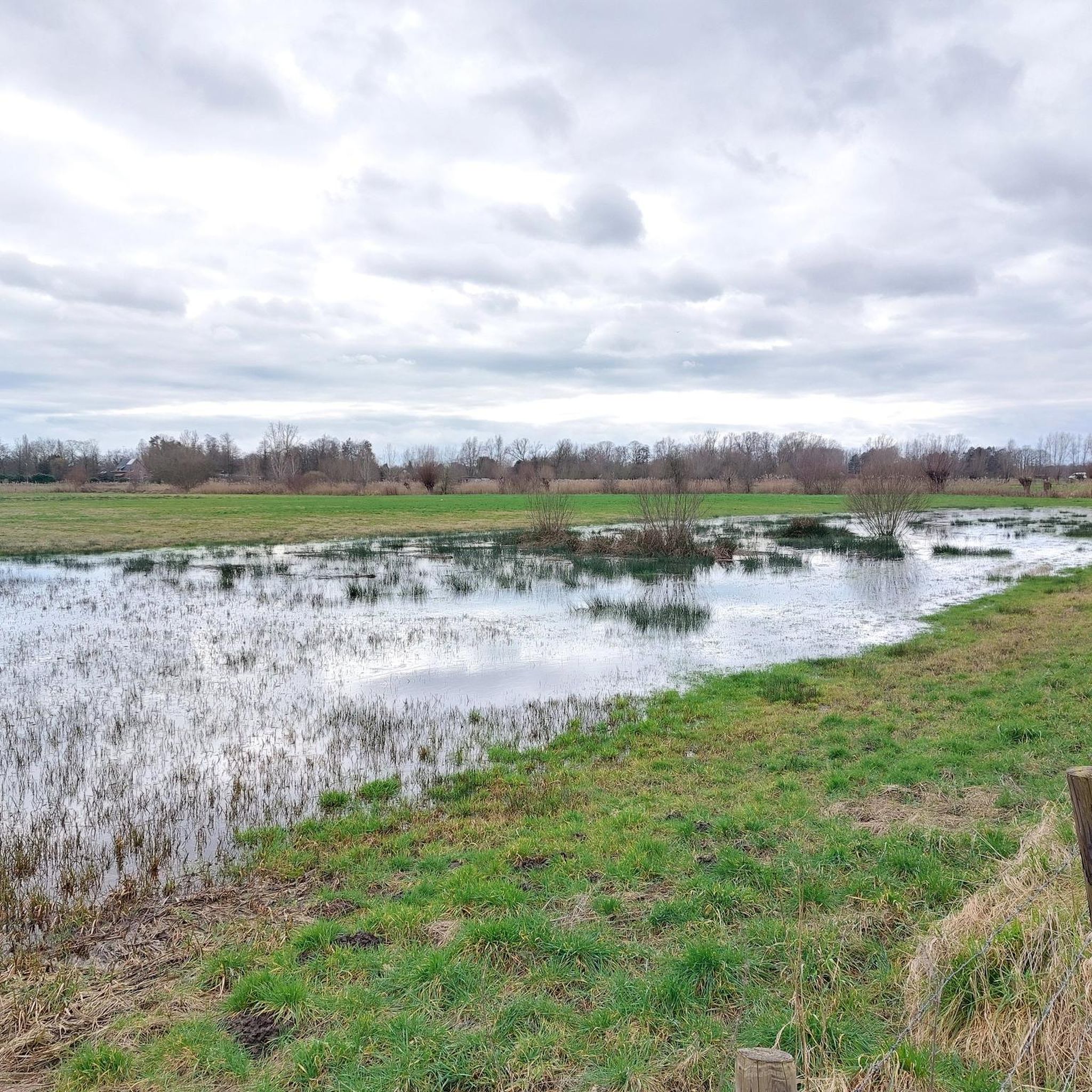
Kalkense Meersen
Highlight • Natural
Translated by Google •
Tip by

Bourgoyen-Ossemeersen Nature Reserve
Highlight • Natural
Translated by Google •
Tip by

Sign up now to discover places like this
Get recommendations on the best single tracks, peaks, & plenty of other exciting outdoor places.
Sign up for free
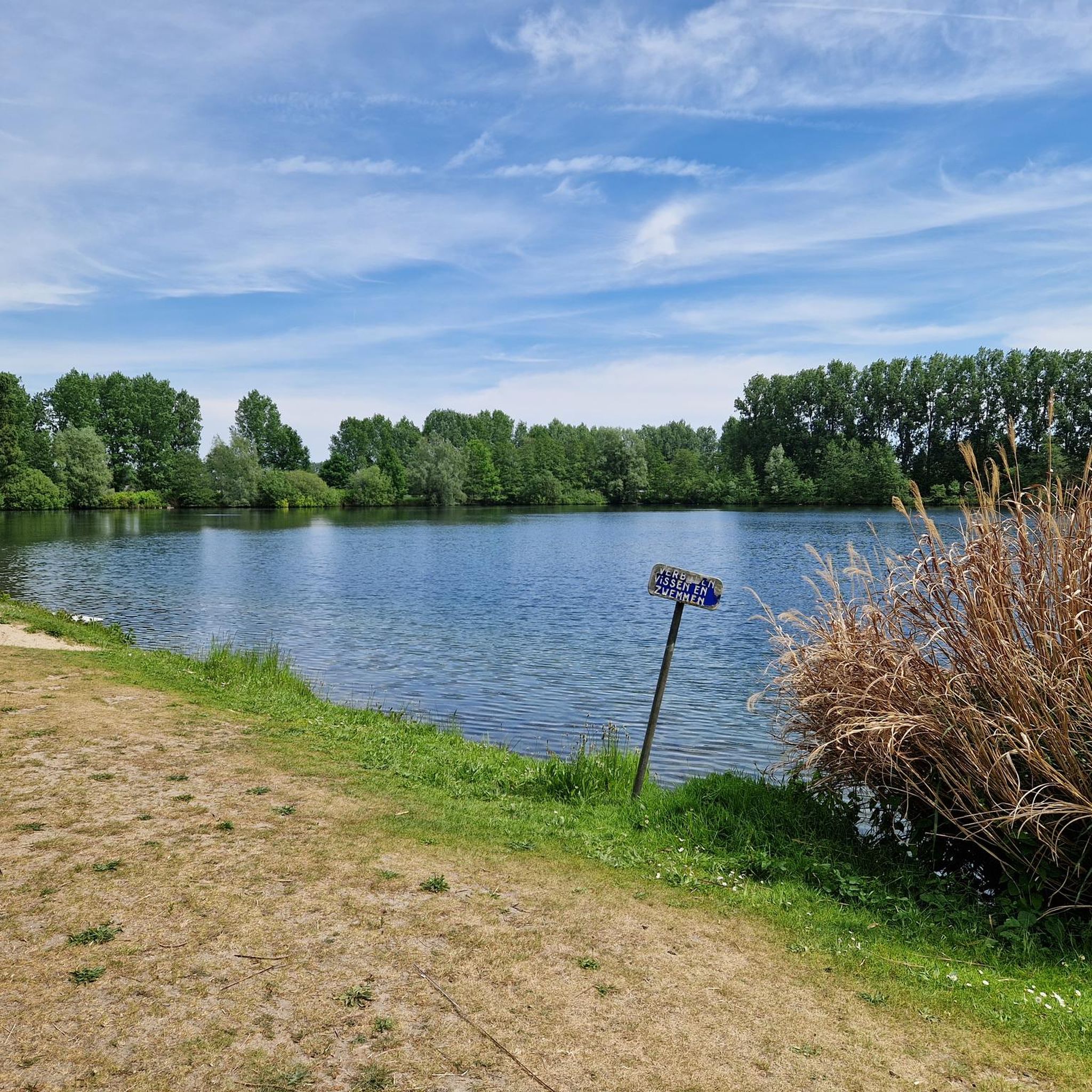
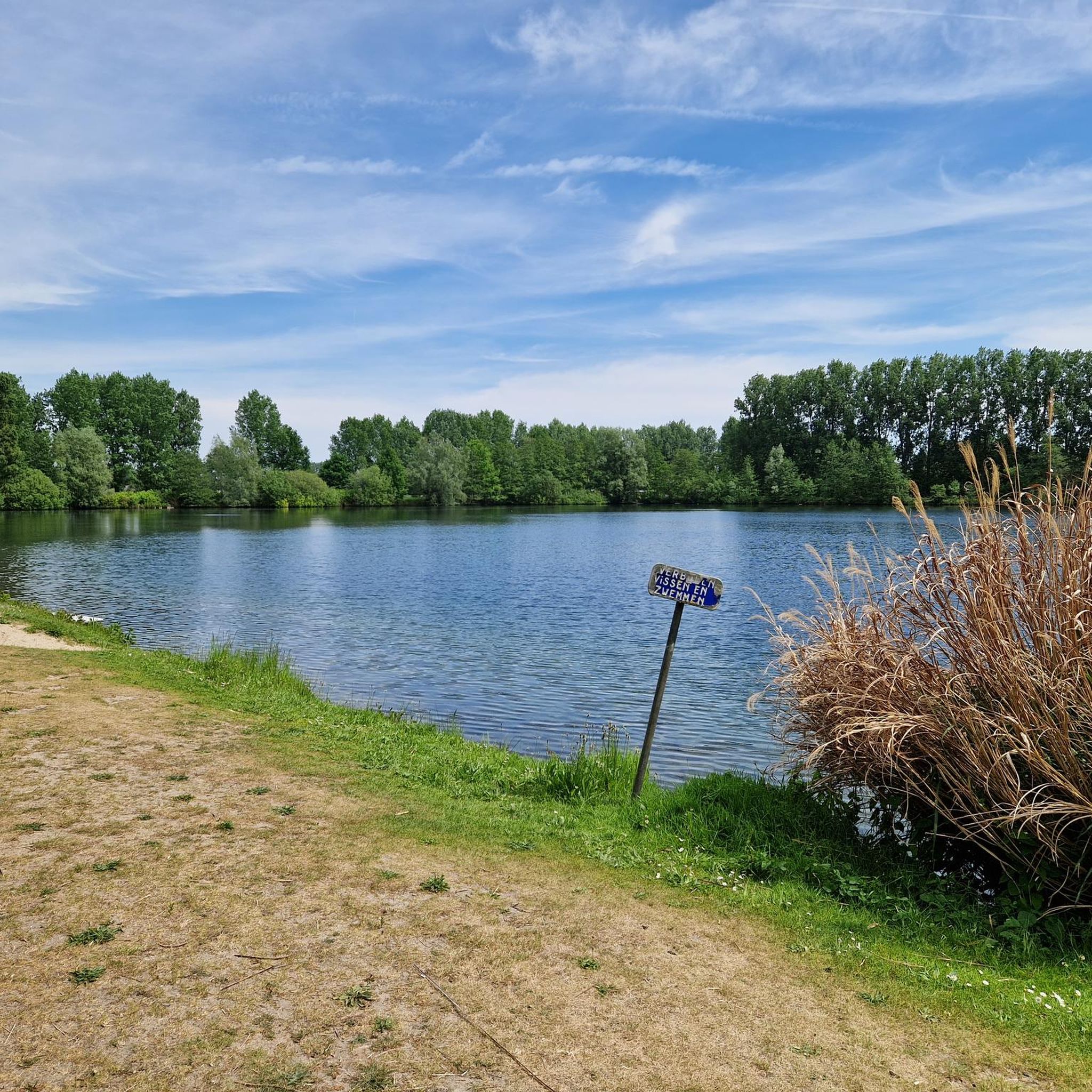
Damvallei Lake
Highlight (Segment) • Lake
Translated by Google •
Tip by

Aelmoeseneiebos Stream and Wooden Bridge
Highlight • Forest
It includes more than 60 tree species, including all native trees of Flanders, as well as a number of park trees.
It is currently …
Translated by Google •
Tip by
Puyenbroeck Provincial Park
Highlight • Rest Area
Translated by Google •
Tip by
Sign up for free to discover even more lakes around Destelbergen.
Sign up for free
Already have an account?
Start today with a free account
Your next adventure awaits.
Login or Signup
Other adventures around Destelbergen

Tips from the Community


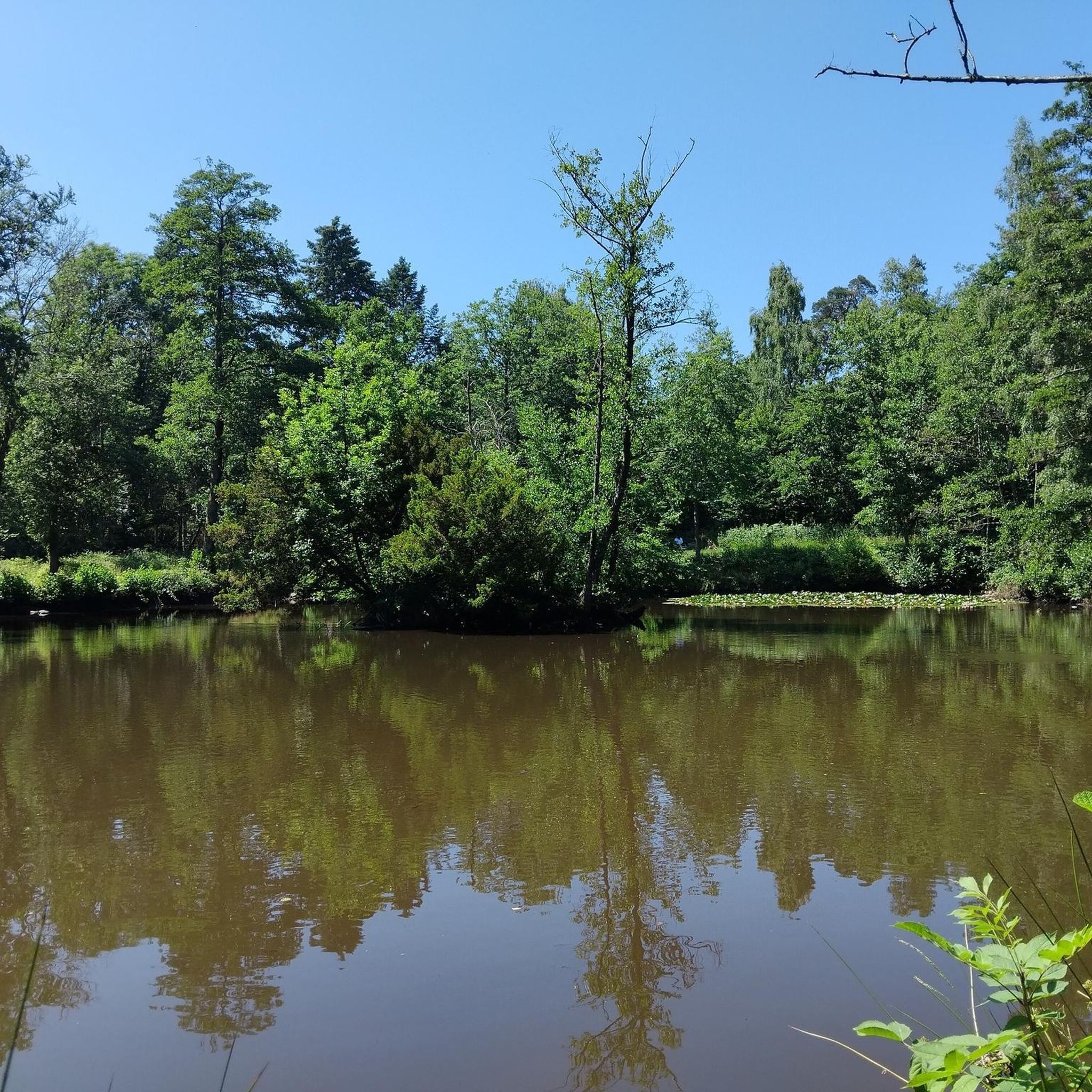
The Aelmoeseneiebos (or Aalmoezenijebos) is a nature reserve on the territory of the municipalities of Melle (Gontrode) and Oosterzele (Landskouter). The forest is 28.5 hectares in size and is owned by the University of Ghent. The forest area is now managed by the university Lab for Forest & Nature. The railway line Ghent-Geraardsbergen divides the forest in two. The Aelmoeseneiebos is an old forest area that already appeared on the Ferraris map in 1775. The forest was owned by the Saint Bavo's Abbey of Ghent for centuries. During the French period (1794-1815) it was transferred to the public poor relief of the city of Ghent. In 1967-1968 the Belgian State bought the forest so that the University of Ghent could use it as a test forest. The most important tree species are summer oak and beech, with ash and maple in the stream valleys. The Aelmoeseneiebos is known for its spring flora such as wood anemone, slender primrose, yellow dead-nettle and small periwinkle. During the First World War, the forest was largely cut down but replanted in 1920. Adjacent to the western part of the Aelmoeseneiebos, 10 hectares of plots of land belonging to Natuurpunt, Oosterzele department, are located in the valley of the Gondebeek. With the 'Rodeland landscape project' [1], the aim is to connect the Aelmoeseneiebos with the Makegemse forests through afforestation in the valleys of the Gondebeek, Kerkesbeek and Driesbeek[2][3]. In 2021, 5 amphibian tunnels were constructed in the Gondebeek valley[4]. Inventories and research in the Aelmoeseneiebos found 1329 different species: including 64 tree and shrub species and 599 species of invertebrates. The Aelmoeseneiebos is protected in Europe as part of the Natura 2000 area (habitat directive area) 'Forests of the south-east of the Zandleemstreek' (BE2300044). The forest is freely accessible on the footpaths.
1
0

This nature reserve is a remnant of an extensive forest area that gradually had to make way for agriculture in the 18th century. The surrounding land and the forest were owned for centuries by the Aalmoezenij, the poor relief of the Ghent Saint Bavo's Abbey. The production of wood was the main function at that time. The forest was purchased by the Belgian state in 1967-1968 so that the University of Ghent could use it as a test forest. In the early years, it was mainly used for studies on the growth and management of forests with a view to wood production. It also had a recreational and educational function. Railway line 122 Melle-Geraardsbergen divides the forest in two. In the western part (where we walked) an arboretum was created in 1973. With the 'Rodeland landscape project', the aim is to connect the Aelmoeseneiebos with the Makegemse forests through further afforestation of a number of stream valleys.
4
0

A true hiking paradise. Bourgoyen-Ossemeersen is famous for its rich bird population and is an important bird reserve. While hiking, you can spot various bird species, especially in the winter months, when the area is a refuge for numerous migratory birds. Species that you can encounter include grey herons, ducks, sea eagles and birds of prey such as the hawk and buzzard. In spring and summer, the area is also rich in breeding birds, such as the redstart and the common teal.
1
1

The Bourgoyen-Ossemeersen Urban Nature Reserve in Ghent is a vast and water-rich nature reserve, ideal for nature lovers who want to escape the hustle and bustle of the city. This unique marshland offers a beautiful landscape of grasslands, reed beds and ponds, where numerous water birds breed and forage. With well-maintained hiking trails and viewpoints, it is a wonderful place to walk and spot birds, in the middle of nature.
2
1

A beautiful and educational green walk through a unique forest! In beautiful autumn weather we enjoyed the variety of this forest and the information we received during the walk from the signs provided. The open parts of the walk with the views and the view of the old airport are also worth a visit. Recommended !
1
0

This forest is owned by Ghent University and is managed by Labo voor Bos en Natuur. This area has been forested since the end of the 18th century, but was cut down during the First World War and redeveloped shortly afterwards (1920). The forest is intersected by the Ghent-Zottegem railway line. In the western part there is an arboretum with a great diversity of trees.
1
0

Frequently Asked Questions
What makes the lakes around Destelbergen unique?
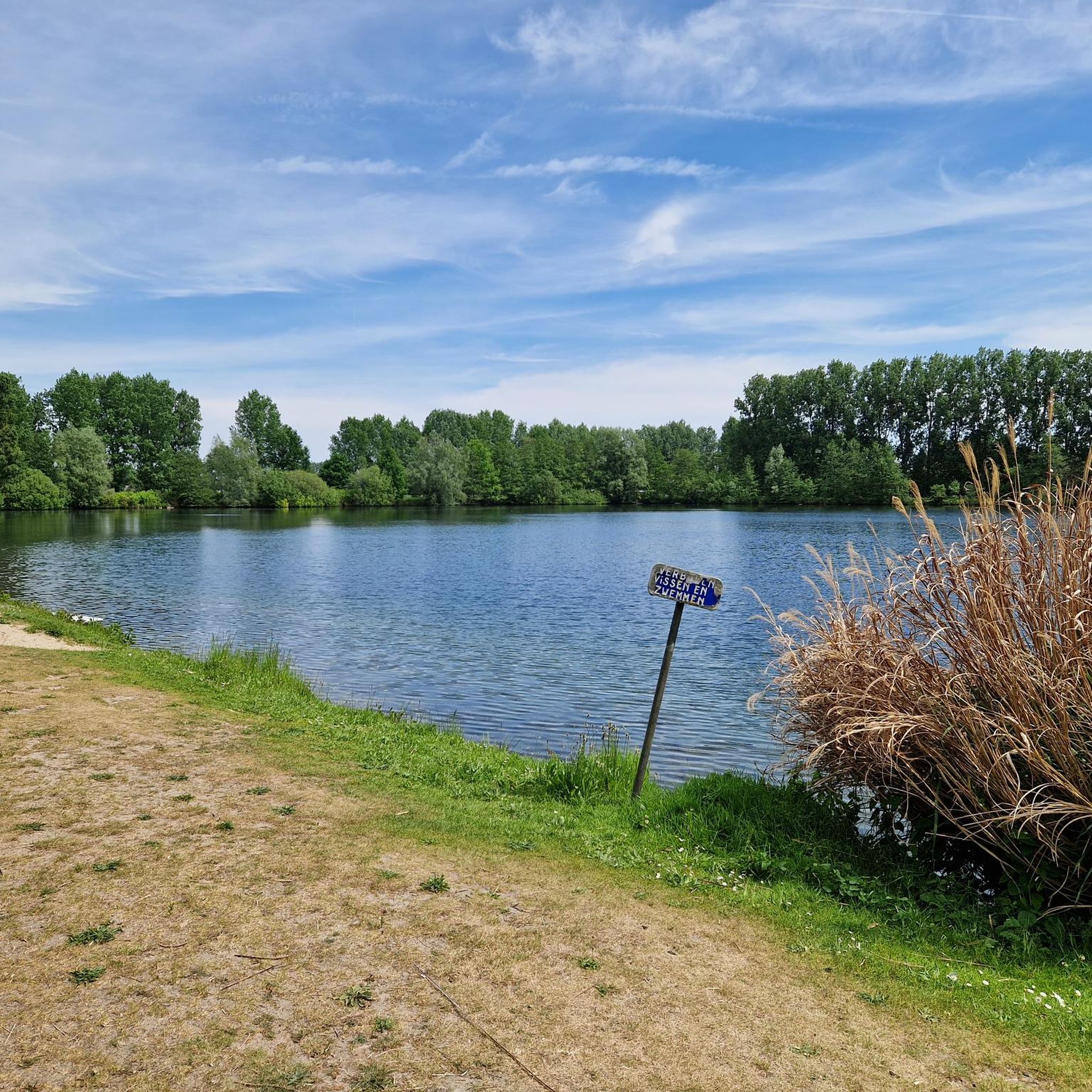
The lakes around Destelbergen are primarily characterized by the unique low-moor ecosystem of the Damvallei nature reserve. This area, including the Damvalleimeer, was formed by ancient Scheldt river meanders and former peat pits, creating a rich wetland habitat. It's a biodiversity hotspot, especially known for its dragonflies, frogs, salamanders, and various water birds.
What kind of wildlife can I expect to see near the lakes?
The Damvallei nature reserve is a renowned biodiversity hotspot. You can expect to see a wide variety of dragonflies and damselflies, protected fish species like the European weatherfish and bitterling, and numerous water birds, especially overwintering ducks from a bird-watching hut at the Damvallei Lake. Common terns also raise their young on breeding rafts from late April.
What outdoor activities can I do around the lakes in Destelbergen?
You can enjoy various activities such as walking, running, and nature observation. The Damvallei offers several marked walking routes, including the Damvalleipad and Bergenmeersenpad. For cycling, there are numerous options, including gravel biking and road cycling routes. You can find more details on routes in the Gravel biking around Destelbergen and Road Cycling Routes around Destelbergen guides.
Are there hiking trails suitable for different skill levels near the lakes?
Yes, the Damvallei nature reserve offers several marked walking routes. The Damvalleipad and Bergenmeersenpad provide general walking experiences, while the shorter Damvalleimeerpad is specifically designed to be accessible for wheelchairs and strollers. For more challenging options, you can explore the MTB Trails around Destelbergen guide, which includes routes like the 'Destelbergen - Laarne Red MTB Loop'.
What is the best time of year to visit the lakes in Destelbergen?
The best time to visit depends on your interests. From late April, you can observe common terns raising their young. Spring offers guided flower walks in the 'Bochten' area to see blooming hay meadows. In autumn, the 'Hauw' area is ideal for spotting rare mushrooms. Winter is excellent for bird-watching, especially for overwintering ducks at the Damvallei Lake when it freezes.
Are the lakes and nature reserves around Destelbergen family-friendly?
Yes, many areas are family-friendly. The Damvallei Lake and Kalkense Meersen are noted as family-friendly. The Damvalleimeerpad is accessible for wheelchairs and strollers. Additionally, Puyenbroeck Provincial Park offers a large playground, an animal park, and opportunities to rent bicycles or pedal boats, making it a great destination for families.
Are dogs allowed in the lake areas?
Dogs are generally welcome in most areas of the Damvallei nature reserve, but they must be kept on a leash. There are clearly marked exceptions for sensitive habitats where dogs are not permitted to protect wildlife.
Where can I find extensive meadows and river views?
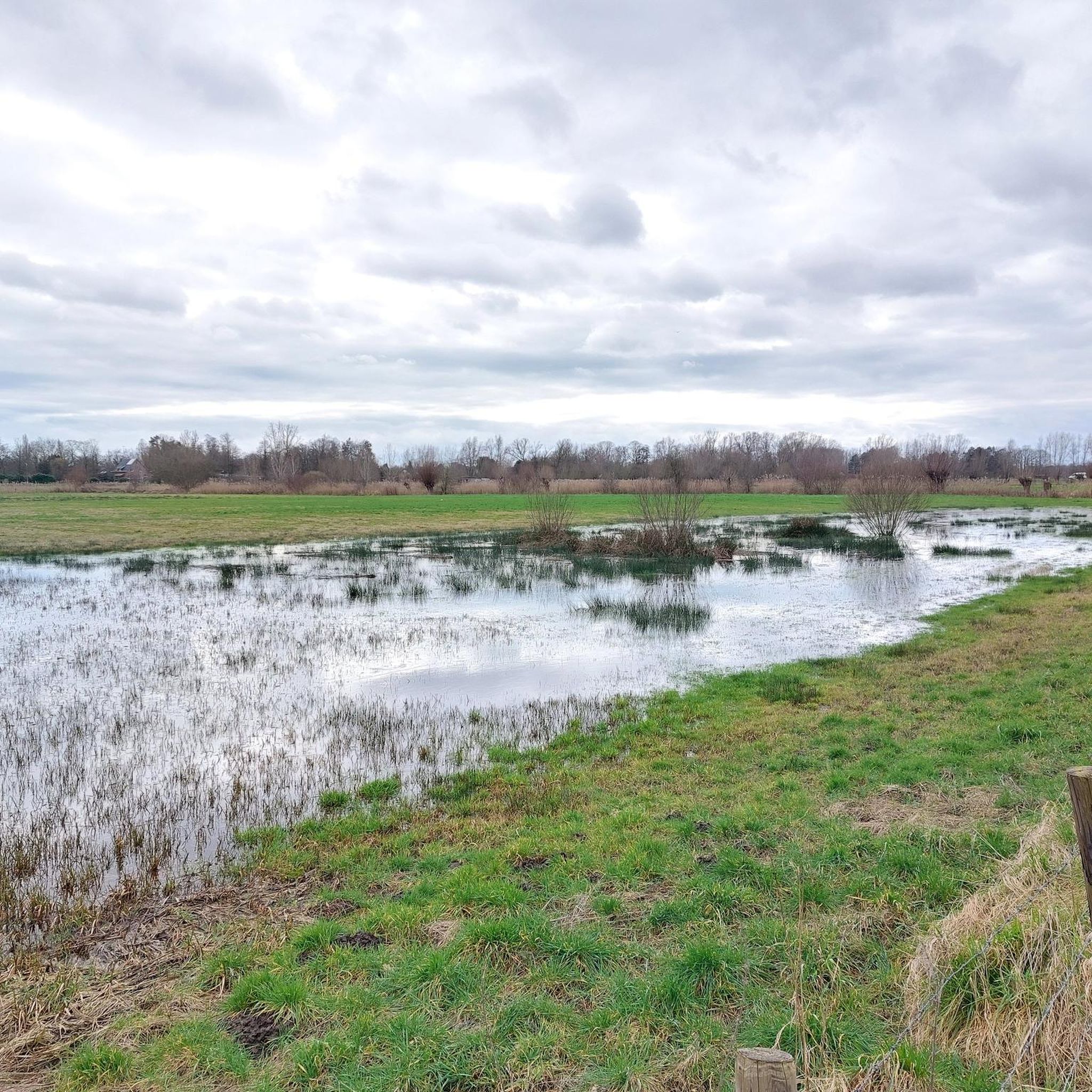
For extensive meadows and beautiful river views, visit Kalkense Meersen. This natural area features vast fields and the presence of the Scheldt river, offering a sense of tranquility. It's an ideal spot for cycling or walking along the towpath, with opportunities to see thousands of meadow birds.
Is there a place with a variety of trees and forests?
Yes, the Aelmoeseneiebos Stream and Wooden Bridge area features an arboretum with over 60 tree species, including all native trees of Flanders. It's a great place for walks through tall trees and is freely accessible to visitors.
What facilities are available at Puyenbroeck Provincial Park?
Puyenbroeck Provincial Park offers a wide range of facilities. These include a large playground, sunbathing areas, a 23-hectare flower park, a 10-hectare play forest, and an animal park focusing on ancient livestock breeds. You can also rent bicycles, carts, rowing boats, and pedalos. The park features approximately 150 hectares of forest and hosts the MOLA provincial mill center.
What is the Bourgoyen-Ossemeersen Nature Reserve known for?
The Bourgoyen-Ossemeersen Nature Reserve, located near Ghent, is a vast and water-rich marshland known for its rich bird population. It's an important bird reserve where you can spot various species, especially migratory birds in winter. It offers well-maintained hiking trails and viewpoints amidst grasslands, reed beds, and ponds.
Are there any artificial lakes in the region?
Yes, the Damvallei Lake (Damvalleimeer) within the Damvallei nature reserve is an artificial water body. It was created from sand extraction for the construction of the E17 motorway. Conservation efforts have since transformed its banks into vital wetland habitats for various species.
Most popular routes around Destelbergen
Most popular attractions around Destelbergen

Get inspired with the komoot mobile app


Explore more
Still not found your perfect lake around Destelbergen? Check out the guides of these regions to see even more beautiful places.
