Attractions and Places To See around Sint-Gillis-Waas - Top 20
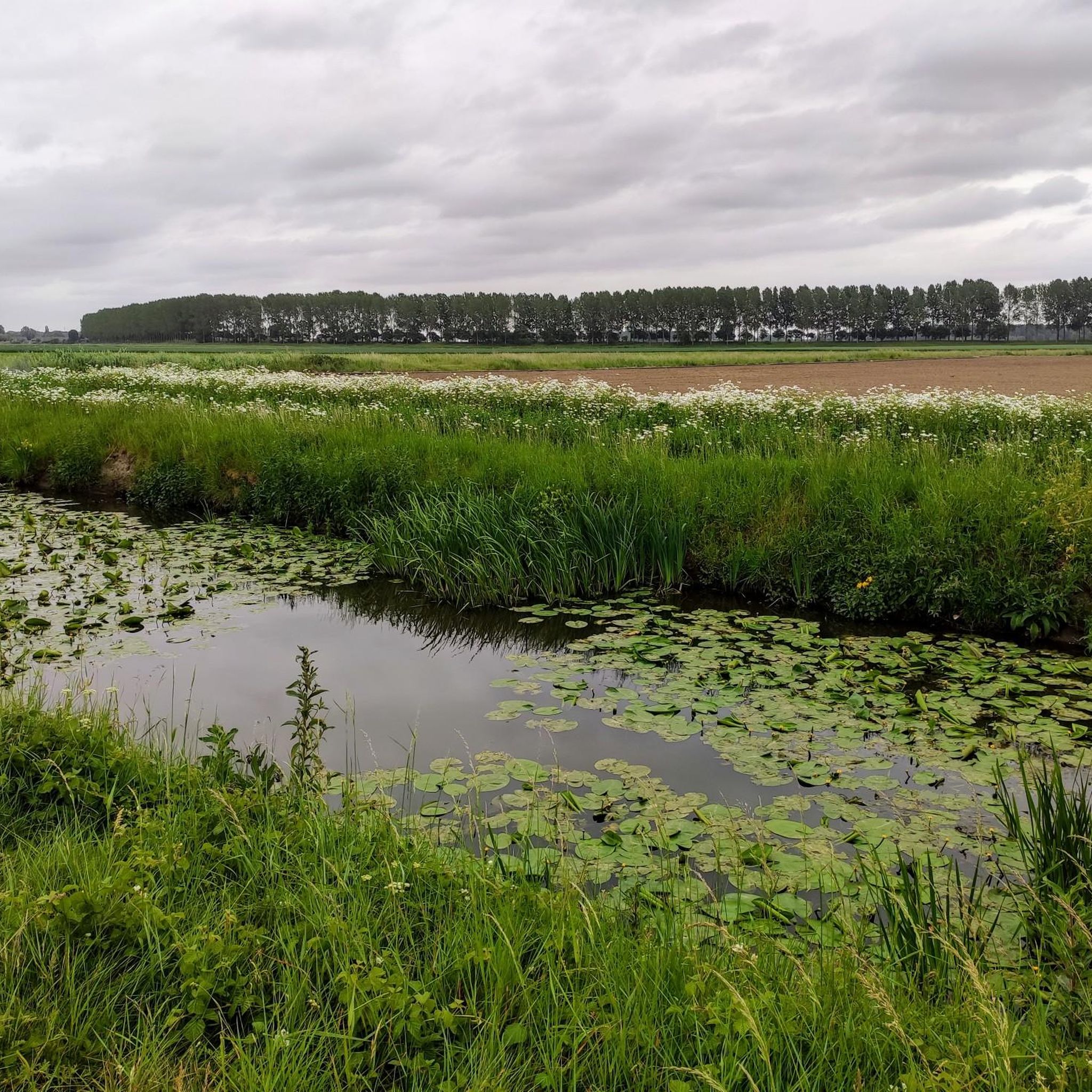
Best attractions and places to see around Sint-Gillis-Waas, a municipality in the Belgian province of East Flanders, highlight its natural landscapes and historical landmarks. The region features flat, fertile land, numerous waterways, and a blend of forests, orchards, and polders. This area offers a variety of outdoor activities and points of interest for visitors.
Best attractions and places to see around Sint-Gillis-Waas
- The most popular attractions is Heather Stropersbos, a natural area known for its heathland. This expansive forest…
Last updated: July 20, 2026
Temse Scheldt Bridge
Highlight • Bridge
The bridges connect landscapes and people.
Trains, cars, cyclists and walkers …
Translated by Google •
Tip by

Mira Bridge
Highlight • Bridge
The bridge got …
Translated by Google •
Tip by

Sign up now to discover places like this
Get recommendations on the best single tracks, peaks, & plenty of other exciting outdoor places.
Sign up for free
Heather Stropersbos
Highlight • Natural
Translated by Google •
Tip by
Koolputten
Highlight • Restaurant
Now it is a meeting place. When the weather is nice, you will always find an ice cream cart here.
Translated by Google •
Tip by
Terwest Bridge, Moerbeke
Highlight • Bridge
Translated by Google •
Tip by

Sign up for free to discover even more attractions around Sint-Gillis-Waas.
Sign up for free
Already have an account?
Start today with a free account
Your next adventure awaits.
Login or Signup

Tips from the Community


The 1955 bridge caused considerable traffic congestion, a problem largely resolved since 2009 by the construction of a second parallel bridge. However, the current bridge complex remains a busy traffic intersection, and it largely defines the skyline of the Scheldt municipality of Temse. Cyclists can safely cross the bridge or cross the N16 under it.
11
0


The name "Koolputten" would refer to the former unloading place for coal that was located here in the vicinity of the current Durme bridge. This iron bridge was preceded by a wooden bridge, built in 1826 to replace the old ferry or Hammeveer between Sombeke and Hamme. In this area on the Durme there was also a small eel quay or beer quay known as " 't Kaaiken".
5
0

Temse is an idyllic place with many cycling options
6
0

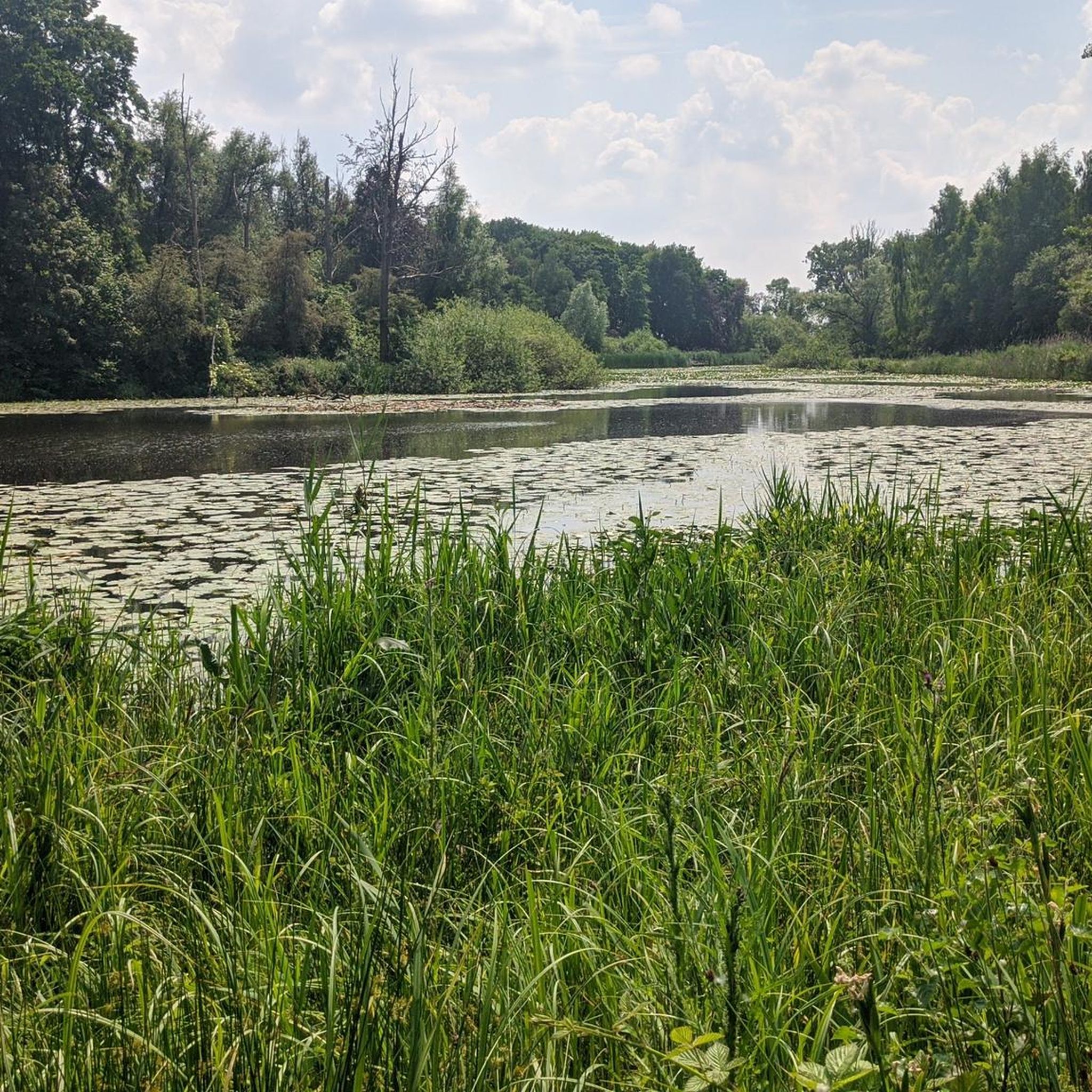
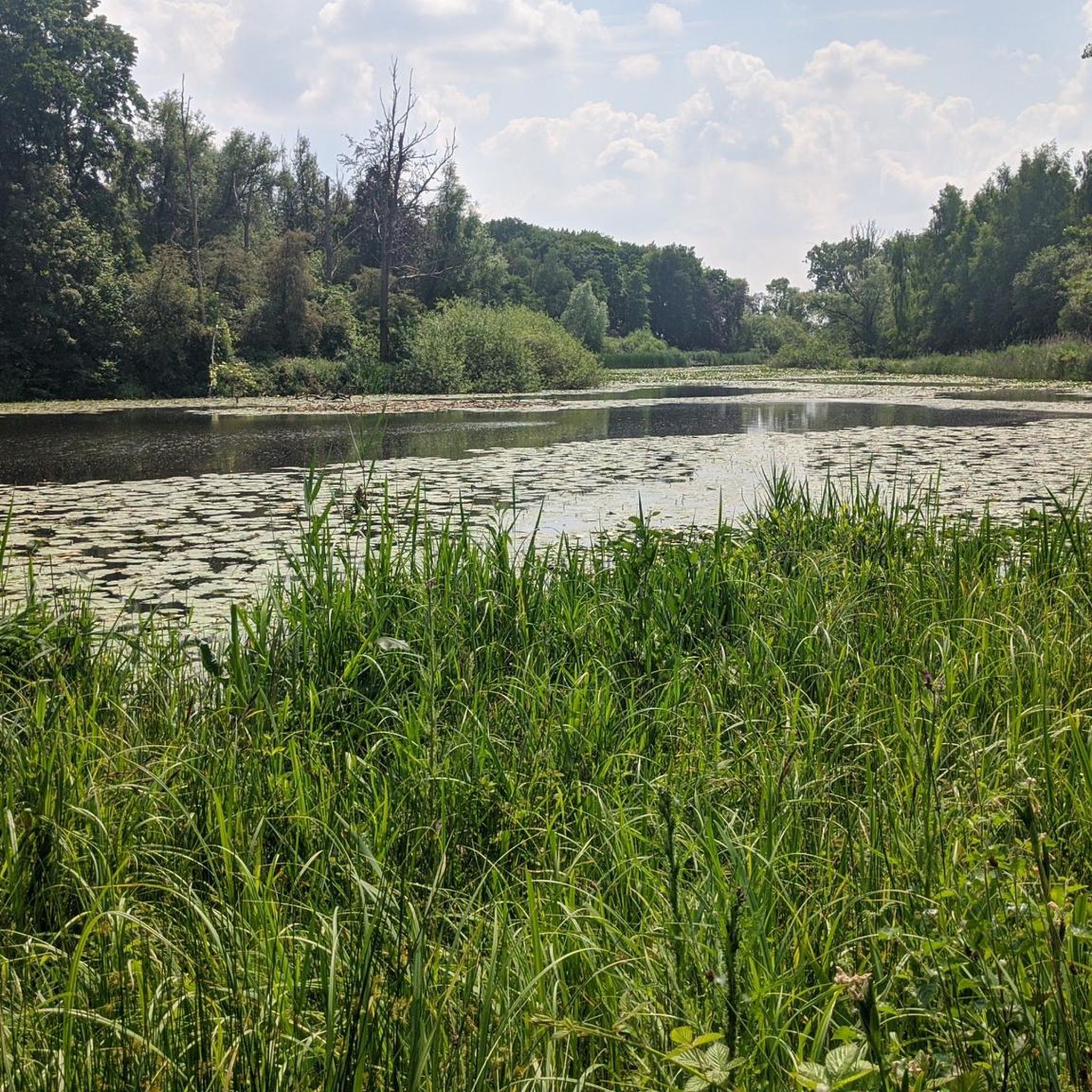
Be sure to come and meet Erica when she is in bloom. The landscape is then colored purple. Rest benches invite you to press the pause button.
7
1
The Mira Bridge is a bridge over the Durme, on the border of the Belgian municipalities of Hamme and Waasmunster. It was built in the period 1896-1900. The bridge got its name and fame thanks to the feature film Mira, the 1971 film adaptation of the book De teleurgang van de Waterhoek by Stijn Streuvels by Fons Rademakers, with Willeke van Ammelrooy and Jan Decleir in the leading roles. The script was by Hugo Claus. The bridge that Streuvels described was not between Hamme and Waasmunster, but was the Vierendeel Bridge that connected Ruien with Avelgem. However, it was dynamited and replaced twice. The current bridge is a much more modern version of the original. At the beginning of the First World War, the middle section of the bridge was blown up by the local population, in an attempt to stop the Germans and their war material. (Wikipedia)
11
0
Frequently Asked Questions
What natural attractions can I explore in Sint-Gillis-Waas?
Sint-Gillis-Waas is rich in natural beauty. You can explore the expansive Heather Stropersbos, known for its rich biodiversity and heathland. Other significant natural areas include Natuurgebied Panneweel, Saleghem Krekengebied with its unique ponds and reed beds, and De Gavers, ancient hay meadows at the edge of Stropersbos.
Are there any historical landmarks or sites of interest in the region?
Yes, Sint-Gillis-Waas and its surroundings offer several historical sites. The Temse Scheldt Bridge is a significant historical and architectural landmark, designed by Gustave Eiffel. You can also visit the Mira Bridge, famous from the 1971 film, and the historic Koolputten, a former loading site now a meeting point. The Roomanmolen, Flanders' highest stone windmill, and Fort Bedmar are also notable.
What kind of outdoor activities are available near these attractions?
The region is excellent for outdoor activities. You can find numerous routes for road cycling, gravel biking, and running. For example, explore the "Path Along the Waterway" for road cycling or the "Clingebos Forest Path" for gravel biking. Runners can enjoy trails like "Stropersbos – Clinge Play Forest." You can find more details on these activities and routes in the dedicated guides for Road Cycling Routes, Gravel Biking, and Running Trails around Sint-Gillis-Waas.
Are there family-friendly places to visit in Sint-Gillis-Waas?
Many attractions in Sint-Gillis-Waas are family-friendly. Natural areas like Heather Stropersbos offer easy walking paths suitable for families. Historical sites such as the Temse Scheldt Bridge and Mira Bridge are also accessible and interesting for all ages. The Koolputten area is a pleasant meeting point, often with an ice cream cart in good weather.
Where can I find unique local products or experiences in Sint-Gillis-Waas?
For local flavors, you can visit Brouwerij The Musketeer for craft beverages or Wijnen van Berckelaer for local wines. Ijshoeve De Boey offers delicious local ice cream. If you visit in spring, look out for the annual Bloesem Beleef Bal, an event celebrating the region's blooming orchards.
What is the best time of year to visit Sint-Gillis-Waas for outdoor activities?
The spring and summer months are ideal for enjoying the outdoor activities and natural beauty of Sint-Gillis-Waas. Spring brings the blooming orchards, while summer offers pleasant weather for hiking, cycling, and exploring the forests and waterways. Autumn also provides beautiful scenery with changing foliage.
Can I bring my dog to the trails and natural areas in Sint-Gillis-Waas?
Many natural areas and trails in Sint-Gillis-Waas are dog-friendly, making it a great destination for walks with your canine companion. Always ensure your dog is on a leash and follow local regulations, especially in nature reserves to protect wildlife.
Are there any unique natural landscapes like polders or krekengebieden to explore?
Absolutely. The Saleghem Krekengebied is a unique landscape featuring a string of small and large ponds, reed beds, and thickets. You can also explore the Polders van Kruibeke, which are accessible via DeWaterbus, offering a different perspective on the region's waterways and flatlands.
What do visitors particularly enjoy about the natural areas here?
Visitors highly appreciate the tranquility and rich biodiversity of the natural areas. For instance, the Heather Stropersbos is praised for its open plains, heathland, and the opportunity to spot various birds and insects. Many enjoy the well-maintained paths and the presence of benches for a relaxing picnic amidst nature.
Are there any wheelchair-accessible paths or attractions?
Yes, the Natuurgebied Panneweel is known for having extended walking paths, including a wheelchair-friendly loop, allowing visitors with mobility needs to enjoy the natural beauty of Sint-Gillis-Waas.
Where can I experience the local agricultural heritage?
Sint-Gillis-Waas is known for its agricultural heritage, particularly potato cultivation. You can experience this through activities like "De Boer op!" (On the Farm!), which highlights the region's farming traditions. Keep an eye out for local farm stands or markets for fresh produce.
What is the significance of the Koningsdijk?
The Koningsdijk is a historic dike lined with beautiful trees, created after the Eighty Years' War. It offers a scenic detour for walkers and cyclists, providing both natural beauty and a glimpse into the region's past.
Most popular routes around Sint-Gillis-Waas
Most popular attractions around Sint-Gillis-Waas

Get inspired with the komoot mobile app


Explore more
Still not found the Highlight you’re looking for? See guides of the top attractions in other regions:
