The best road cycling routes around Erpe-Mere
4.0
(9)
784
riders
71
rides
Road cycling around Erpe-Mere, nestled in Flanders, Belgium, features diverse landscapes and well-maintained infrastructure. The region offers a mix of terrain, including expansive natural areas like the Kalkense Meersen and Honegem Nature Reserve, alongside routes that incorporate historical watermills. Cyclists will find mostly paved surfaces, with some segments offering slight elevation changes suitable for various fitness levels.
Best road cycling routes around Erpe-Mere
- The most popular road cycling route is La Houppe Chapel – Plachettes Road loop from Vijfhuizen, a 57.2 miles (92.0 km) trail that takes 4 hours 18 minutes to complete. This route traverses the varied landscapes characteristic of the region.
- Another top favourite among local road cyclists is Scheldt River Cycle Path – Railway Viaducts in Melle loop from Erpe-Mere, a moderate 42.6 miles (68.6 km) path. This route offers views along the majestic Scheldt river, a prominent natural feature of the area.
- Local road cyclists also love the Chapel on the Short Climb – Waagstraat Climb loop from Erpe-Mere, a 30.4 miles (49.0 km) trail leading through areas with slight elevation changes, often completed in about 2 hours 10 minutes.
- Road cycling around Erpe-Mere is defined by expansive natural reserves like Kalkense Meersen, the tranquil Molenbeek stream, and historical watermills. The network offers options for different ability levels, from moderate rides to those with more significant elevation gain.
- The routes in Erpe-Mere are highly rated by the komoot community with an average score of 4.4 stars from over 5 reviews. More than 700 road cyclists have used komoot to explore Erpe-Mere's varied terrain.
Last updated: July 13, 2026
62
riders
94.2km
04:22
630m
630m
Moderate road ride. Good fitness required. Mostly well-paved surfaces and easy to ride.
52
riders
56.5km
02:44
290m
290m
Moderate road ride. Good fitness required. Mostly well-paved surfaces and easy to ride.

Sign up for free
76
riders
68.7km
03:10
290m
290m
Moderate road ride. Good fitness required. Mostly well-paved surfaces and easy to ride.
4.0
(1)
45
riders
48.3km
02:10
230m
230m
Moderate road ride. Good fitness required. Mostly well-paved surfaces and easy to ride.
38
riders
89.9km
04:12
420m
420m
Moderate road ride. Good fitness required. Mostly well-paved surfaces and easy to ride.
Get access to more routes and recommendations from other explorers.
Sign up for free
Already have an account?
Our route recommendations are based on thousands of hikes, rides, and runs completed by other people on komoot.
Start today with a free account
Your next adventure awaits.
Login or Signup
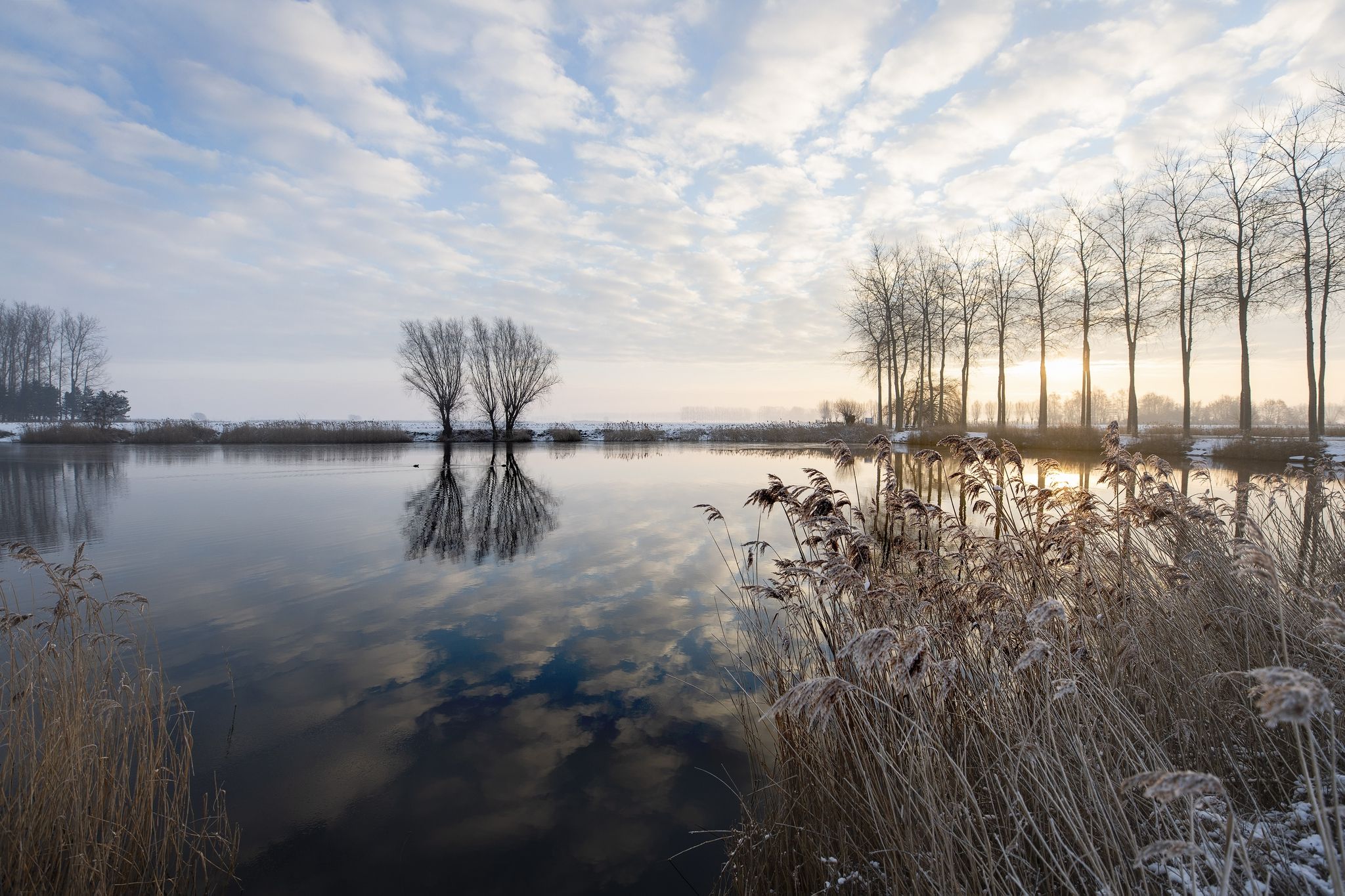
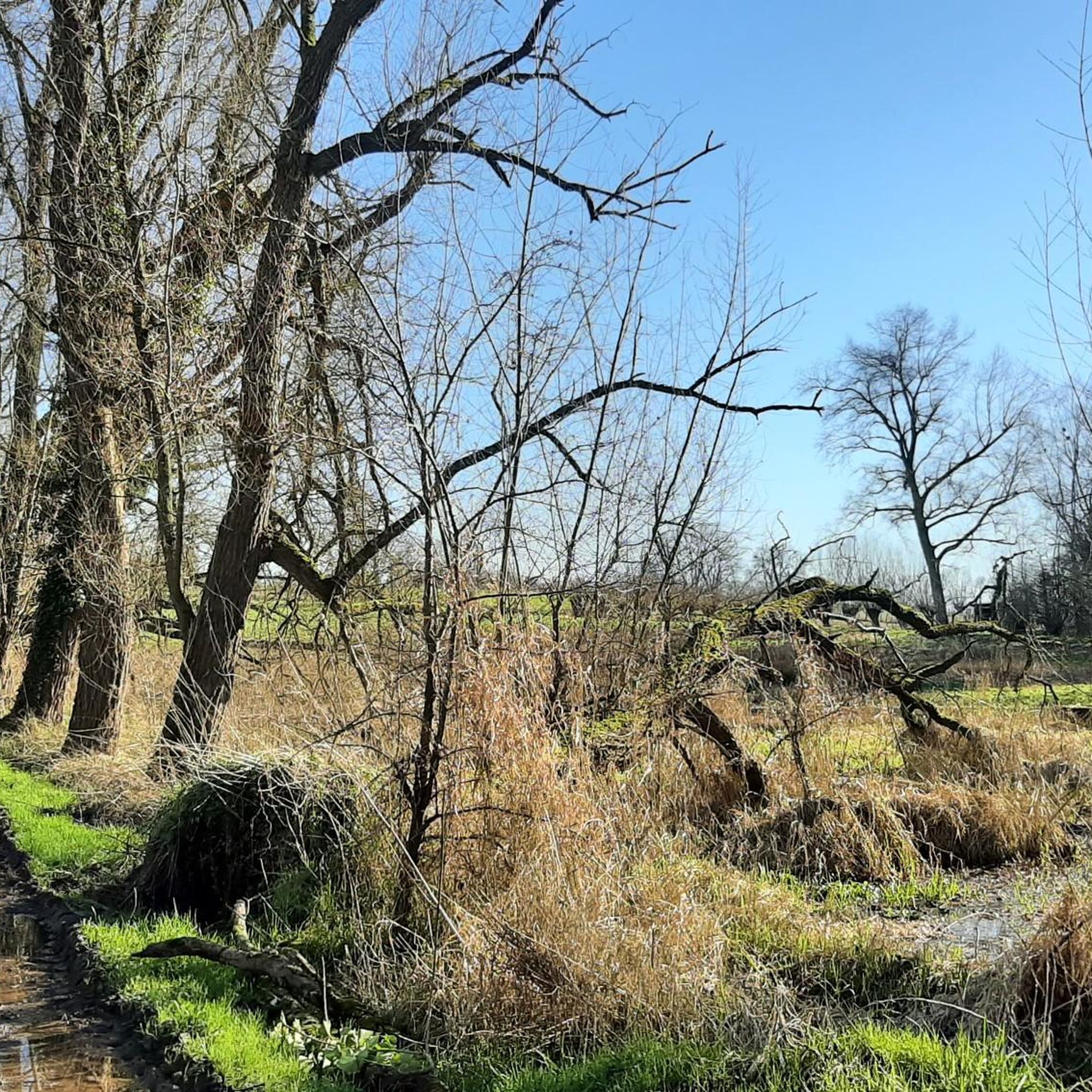
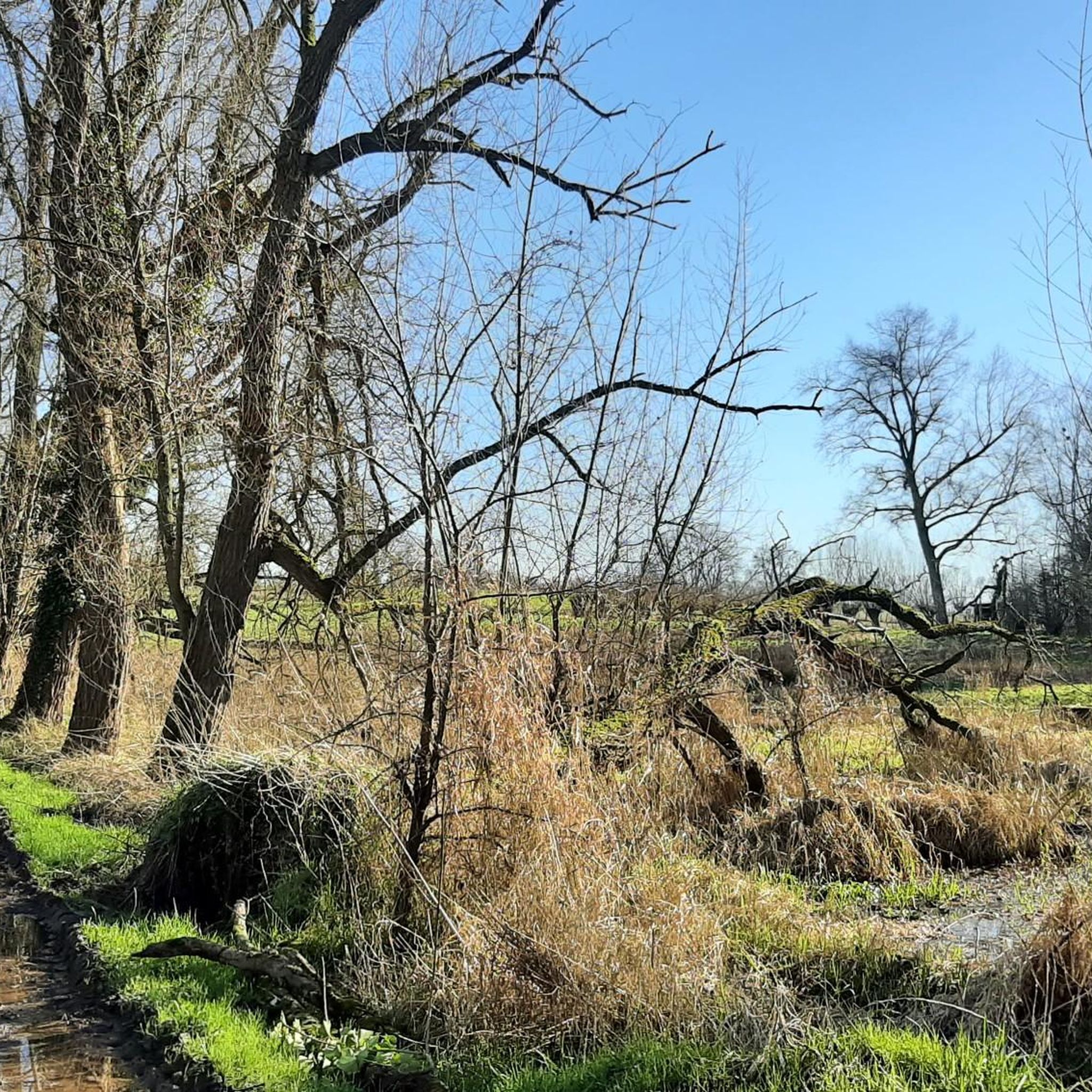
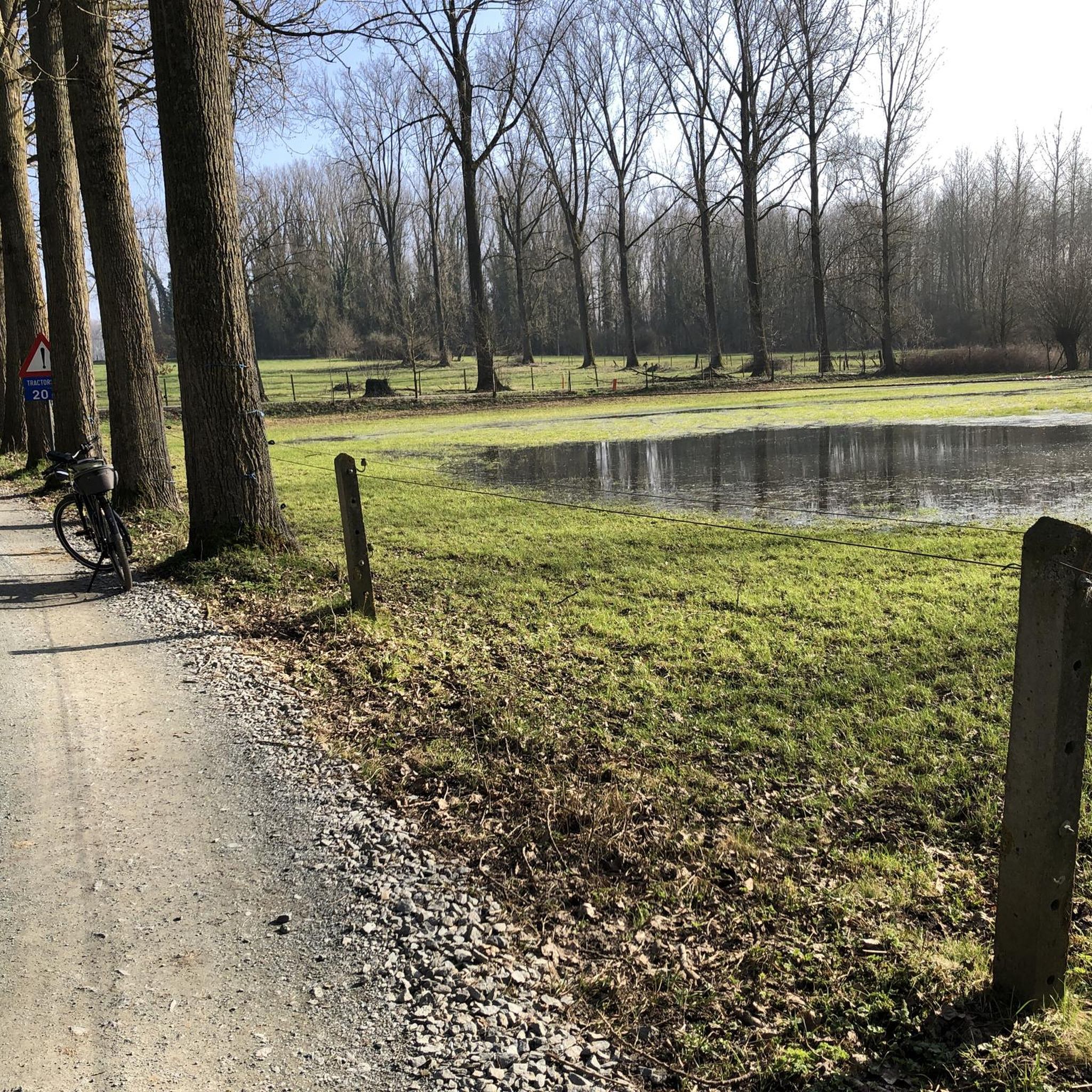

Other adventures around Erpe-Mere

Tips from the Community

Scenic towpath along the meandering Dender River. The towpath is narrower than other towpaths, which can lead to precarious situations on weekends between pedestrians, runners, recreational cyclists, and athletic cyclists.
6
0
The Schiptrekkersbrug (Ship Tractors Bridge) spans the Dender River between Denderleeuw and Liedekerke, and is part of the Schiptrekkers cycling route. The bridge is named after the people who used to pull ships across the river using ropes and horses. It was a hard and impoverished profession, also performed by women and children. The Schiptrekkersbrug is a tribute to these people, who played an important role in the region's history. A heritage plaque on the bridge tells their story.
9
0

Ninove, which acquired city rights in the 14th century, was defended by a castle, a tower, and an earthen rampart, interrupted by four city gates. The gates provided access to the city via the four main approaches: the Brabantse Poort on the road from Brussels, the Geraardsbergse Poort on the road from the city of the same name, and the Kloosterpoort on the road from Aalst. The Koepoort provided access to the Nederwijk (hence also called Nederwijkpoort), the Kouter, and the Dendermeersen. In peacetime, all gates served as housing for the poor, a storehouse for powder and weapons, and a prison. By the end of the 18th century, three of Ninove's four city gates had been demolished. Where they once stood, you now find reminders: a fountain with two turrets (Brabantse Poort), a work of art (Geraardsbergse Poort), and two memorial stones (Kloosterpoort). The Koepoort's survival from demolition likely stems from the fact that it stood least in the way of the city's systematic expansion. The Koepoort, first mentioned in 1397 under the name "Warmoespoort," was completely rebuilt around 1600. It was constructed of sandstone from the quarries of Geraardsbergen and, after its restoration, officially served as the city prison. Because, unlike the other gates, it lacked a drawbridge, an earthen rampart was built around it in times of war. After its function as a city prison, the Koepoort successively housed the city's volunteer fire department and the library. It was then used as a venue for socio-cultural organizations. However, the ravages of time took their toll, and the building required a complete and thorough restoration, both interior and exterior.
1
0

The statue "The Cyclist" in Mere is a tribute to Lucien Van Impe, the legendary Belgian cyclist who won the Tour de France in 1976. The statue was unveiled in 2016, exactly forty years after his Tour victory.
2
0

Denderpad between Denderleeuw and Erembodegem
0
0

The Makegemse Bos is a beautiful, unspoiled natural area. It's actually a collective name for nine forests. Here you'll find diverse tree and animal species, such as salamanders, birds, and bats.
0
0

Fun climb, but be careful on the steepest section (after the railroad crossing), because the road surface is in a bad state. That makes this segment pretty tricky to ride down.
1
0
A steep, but fun little climb in Dikkelvenne
0
0
Frequently Asked Questions
How many road cycling routes are available in Erpe-Mere?
Erpe-Mere offers a wide selection of road cycling routes, with over 70 tours available on komoot. These routes cater to various skill levels, including easy, moderate, and challenging options.
What kind of terrain can I expect on road cycling routes around Erpe-Mere?
The region features diverse terrain, primarily consisting of paved surfaces. You'll encounter routes with slight elevation changes, providing a good workout without being overly strenuous, as well as more challenging options with significant elevation gain. The landscape includes expansive natural areas, tranquil river views, and historical sites.
Are there road cycling routes suitable for beginners or families in Erpe-Mere?
Yes, Erpe-Mere has several road cycling routes suitable for beginners or families. There are 5 easy routes available, designed for a more relaxed pace. These routes often prioritize quiet roads and dedicated cycleways, enhancing safety and enjoyment.
Are there challenging road cycling routes in Erpe-Mere?
For experienced cyclists seeking a challenge, Erpe-Mere offers 5 difficult road cycling routes. These routes typically feature more significant elevation gains and longer distances, providing a demanding and rewarding experience. An example is the La Houppe Chapel – Plachettes Road loop from Vijfhuizen, which covers over 92 km with more than 600 meters of elevation gain.
What natural features can I see while road cycling in Erpe-Mere?
Road cycling in Erpe-Mere allows you to explore significant natural features. You can ride through the serene Kalkense Meersen, an expansive natural area with views of the Scheldt river, or discover the tranquil Honegem Nature Reserve with its meadows and wetlands. The Scheldt River Cycle Path – Railway Viaducts in Melle loop from Erpe-Mere offers direct views along the majestic Scheldt.
Are there any historical landmarks or cultural points of interest along the road cycling routes?
Absolutely. Erpe-Mere is rich in historical and cultural points of interest. You can encounter numerous historical watermills, and the village of Erpe features a medieval motte. The Ship Haulers Bridge in Denderleeuw is another notable landmark that honors the region's history. Consider the Windekemolen Balegem – Makegembos loop from Bambrugge to experience some of these historical elements.
What do other road cyclists enjoy most about road cycling in Erpe-Mere?
The road cycling routes around Erpe-Mere are highly rated by the komoot community, with an average score of 4.4 stars from over 5 reviews. Cyclists often praise the diverse landscapes, the mix of terrain, and the well-maintained infrastructure that makes for an enjoyable ride. The presence of expansive natural reserves and historical watermills also adds to the appeal.
Are there loop road cycling routes available in Erpe-Mere?
Yes, many of the road cycling routes in Erpe-Mere are designed as loops, allowing you to start and finish at the same point. Examples include the Chapel on the Short Climb – Waagstraat Climb loop from Erpe-Mere and the Ginstberg Climb – Klepmolen Balegem loop from Vijfhuizen, providing convenient options for exploration.
What is the typical length and elevation gain of road cycling routes in Erpe-Mere?
Road cycling routes in Erpe-Mere vary significantly in length and elevation. You can find routes as short as 30 km with around 240 meters of elevation gain, like the Chapel on the Short Climb – Waagstraat Climb loop from Erpe-Mere. Longer routes can extend up to 90 km with over 600 meters of elevation, such as the La Houppe Chapel – Plachettes Road loop from Vijfhuizen.
What is the best time of year for road cycling in Erpe-Mere?
The region's climate makes spring, summer, and early autumn ideal for road cycling. During these seasons, the weather is generally mild, and the natural landscapes are at their most vibrant, offering pleasant conditions for exploring the diverse routes.
Are there options for parking near the road cycling routes in Erpe-Mere?
While specific parking locations are not detailed for every route, Erpe-Mere is well-equipped for visitors. Many routes start from villages or towns where public parking is typically available. Checking the starting points of individual komoot tours will often provide more precise information on nearby parking facilities.
Can I combine road cycling with public transport in Erpe-Mere?
Erpe-Mere is part of Flanders, Belgium, which generally has good public transport infrastructure. While specific details for carrying bikes on public transport should be verified with local operators (like De Lijn for buses and trams, or SNCB/NMBS for trains), combining cycling with public transport is often feasible for reaching starting points or returning from longer rides.
Most popular attractions around Erpe-Mere

Get inspired with the komoot mobile app


Explore more
Browse the best Road cycling routes in other regions.
