Attractions and Places To See around Court-Saint-Étienne - Top 20
Best attractions and places to see around Court-Saint-Étienne include a blend of historical landmarks, cultural sites, and natural beauty in the Walloon Region of Belgium. The area features rolling hills and scenic landscapes, offering a variety of outdoor exploration opportunities. Its rich cultural heritage encompasses rural architecture, industrial history, and significant commemorative monuments. Visitors can explore both the town's immediate vicinity and notable sites in the surrounding areas.
Best attractions and places to see around Court-Saint-Étienne
- The most popular attractions is Villers-la-Ville Abbey, a historical site founded in the 12th century by Cistercian monks. This former abbey is listed as a UNESCO World Heritage Site, showcasing 900 years of history through its extensive ruins, medieval gardens, and vaults.
- Another must-see spot is View of the Lion's Mound at Waterloo, a man-made monument offering a panoramic view. This site is part of the Mémorial 1815 museum, where visitors can experience the Battle of Waterloo through a cylindrical painting with sound effects.
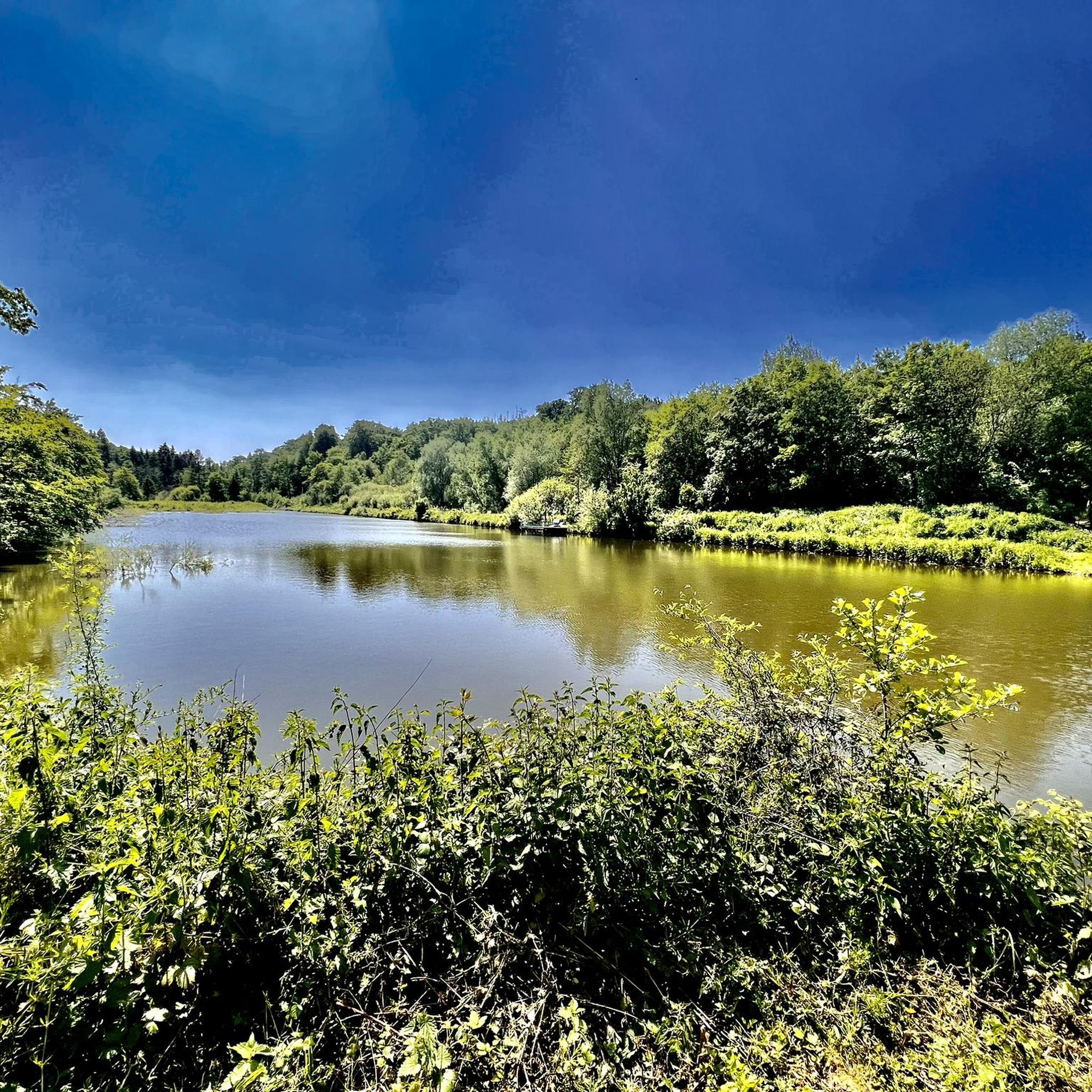
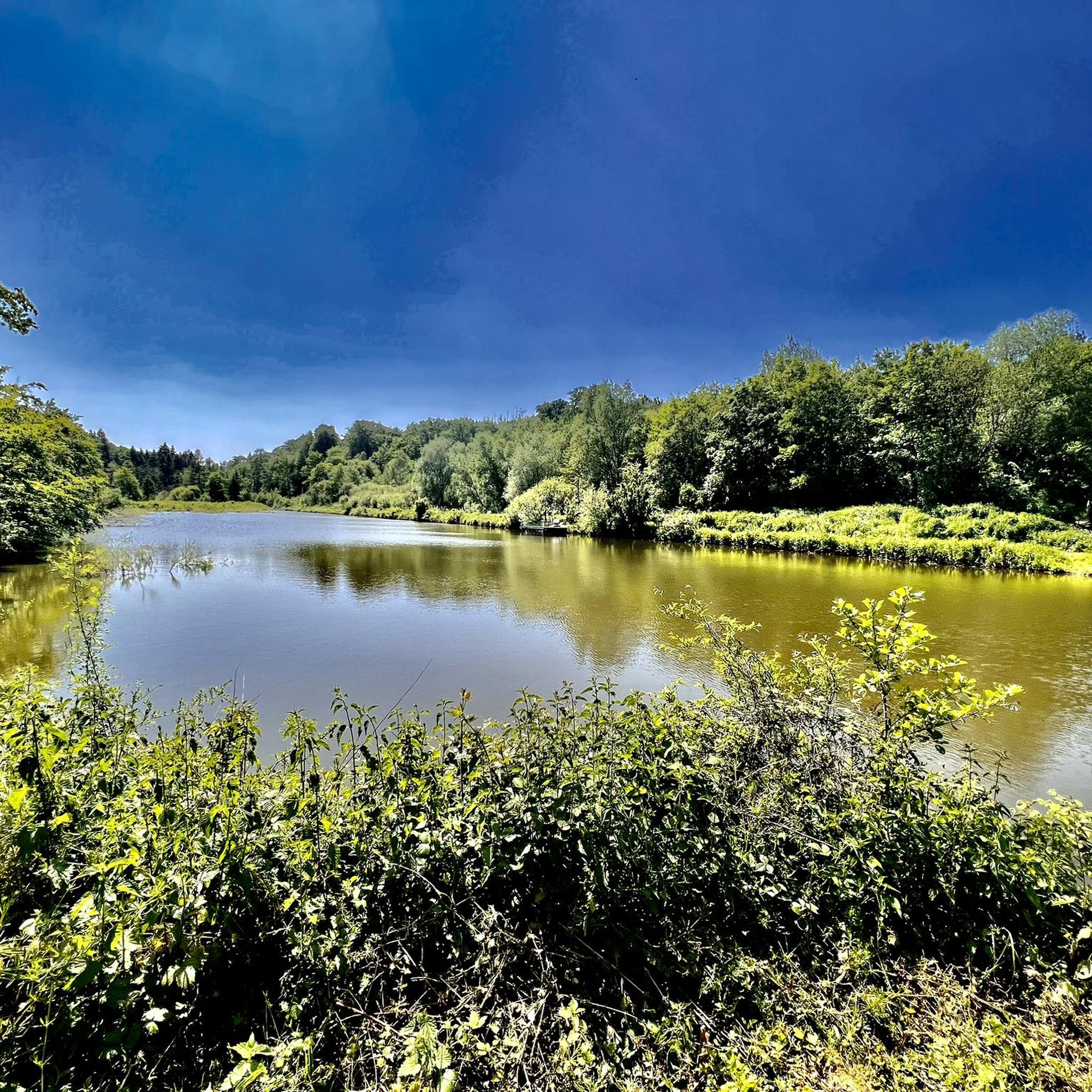
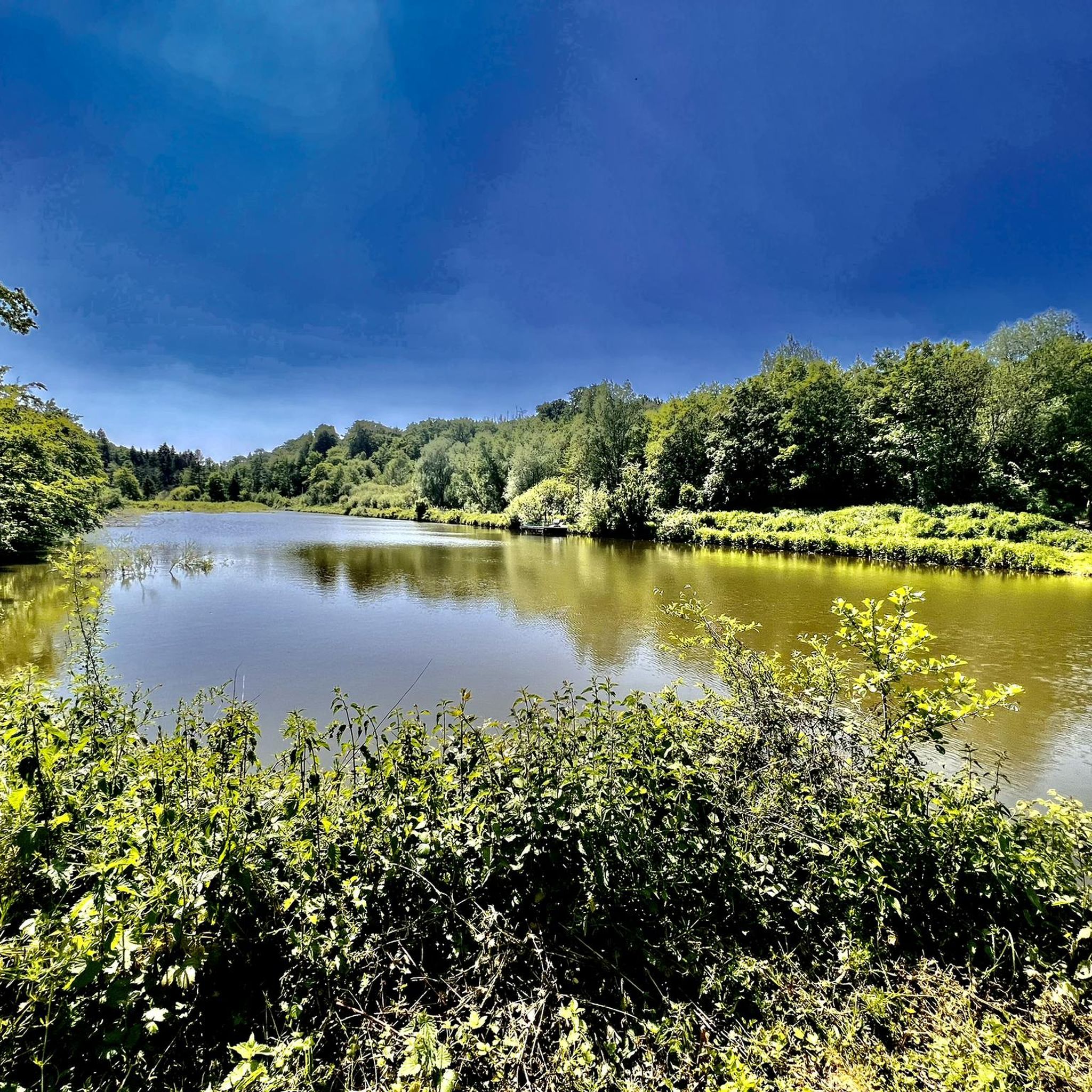
- Visitors also love Lake Genval, a lake located southeast of Brussels. This lake has been a popular tourist destination, offering activities such as angling, sailing, and canoeing, with several restaurants situated along its shores.
- Court-Saint-Étienne is known for its historical sites, natural features, and cultural heritage. The region offers a variety of attractions to see and explore, from ancient abbeys to scenic lakes and industrial remnants.
- The attractions around Court-Saint-Étienne are appreciated by the komoot community, with more than 900 upvotes and over 600 photos shared by visitors.
Last updated: May 9, 2026
Villers-la-Ville Abbey
Highlight • Historical Site
Translated by Google •
Tip by

Villers Abbey Mill
Highlight • Historical Site
Translated by Google •
Tip by

Sign up now to discover places like this
Get recommendations on the best single tracks, peaks, & plenty of other exciting outdoor places.
Sign up for free
Lake Genval
Highlight • Lake
The small river Argentina, which fed a modest pond in the 19th century, today defines the language barrier. Since its inception, Lake Genval has been a popular tourist spot for locals in Brussels and wealthy foreigners who live in the region. Experience the numerous and opulent villas that were built from the Belle Epoque to the present day. One of these highlights is without a doubt the Château du Lac, a prestigious five-star hotel where the French football team stayed in Belgium during the Euro 2000.
Translated by Google •
Tip by

Porte de Namur
Highlight • Monument
Translated by Google •
Tip by

View of the Lion's Mound at Waterloo
Highlight • Monument
The panorama is located near the Lion of Waterloo in Braine-l'Alleud. Since 2015, the panorama has been part of the Mémorial 1815 museum.
The painting is located in a building that can be characterized as a roundabout in terms of architectural style. The raised center of the rotunda and the perspective talent of Louis DuMoulin gives the viewer the feeling that he is looking out at scenes set during the Battle of Waterloo. In addition to the visual aspect, sound effects are played to give the viewer the most realistic experience possible of the battle between the infantry and the cavalry.
In July 2008, the International Panorama Council had the panorama added to Belgium's preliminary proposal for the UNESCO World Heritage List.
nl.wikipedia.org/wiki/Panorama_van_de_Slag_bij_Waterloo
Translated by Google •
Tip by

Sign up for free to discover even more attractions around Court-Saint-Étienne.
Sign up for free
Already have an account?
Start today with a free account
Your next adventure awaits.
Login or Signup
Tips from the Community

View of the famous Lion of Waterloo and its accompanying mound, which will celebrate its bicentennial in 2026. They were constructed at the request of King William I Frederik, using clay soil from the surrounding area. William I, who lived from 1772 to 1843, was the first and only king of the United Kingdom of the Netherlands. He commissioned many works and is also known as the merchant king and the canal king. His son, William II, was second-in-command of the British-Dutch-German forces. After his supposedly courageous actions at the Battle of Quatre-Bras, two days before Waterloo, he was also called "the hero of Waterloo." King William I commissioned the construction of the Lion of Waterloo in his honor. However, the British considered him a troublemaker, who took unnecessary risks and made many mistakes. Moreover, the one-sided and unjustified focus on the role of the impulsive William led to many Dutch heroes being ignored during the battle. You can read more about this at https://geschiedenismagazine.nl/was-de-prins-van-oranje-wel-de-held-van-waterloo-1815 The mound is 41 meters high, has a diameter of 169 meters, and slopes at a 30-degree angle. It is crowned by a lion, symbolizing the victory of the monarchies of the time. Sources: - https://www.regiedergebouwen.be/nl/projects/de-leeuw-van-waterloo - https://historiek.net/koning-willem-i-der-nederlanden/172414/
6
0

The symbol of the terrible Battle of Waterloo towers over the place where the Allies defeated Napoleon's Imperial troops. The famous lion still roars at France from its 40-metre-high mound.
5
0
Check the official website at https://visitwallonia.be/nl and make an appointment with history. At the re-enactment 1815-2025 you can relive the mythical battle of Waterloo. From the stands you have an overview of the fighting armies. On the battlefield, more than 2000 soldiers, 100 horses and 25 cannons take part in the spectacle. Napoleon's defeat at the Battle of Waterloo in 1815 changed the fate of Europe.
6
0

The Porte de Namur – Heritage of the Abbey of Villers-la-Ville The Porte de Namur dates from 1725 and is an impressive remnant of the former abbey of Villers-la-Ville. It was built under Abbot Jacques Hache, the 61st abbot of the abbey, who led it from 1716 to 1734. The gate stands right next to the ruins of the abbey and is located near the tourist information point (Syndicat d’Initiative). It spans the rue de l’Abbaye (national road RN274) and provides access to the Notre-Dame des Affligés chapel and the village of Mellery. On the left, there is a reconstructed terraced vineyard supported by slate retaining walls – a nod to the abbey’s wine-making past. The Namur Gate is built in a classical style, with two tall pilasters supporting a red brick entablature. At the top, a triangular pediment adorns the gate, containing niches, the coat of arms of Abbot Hache and his motto: Fortiter et Suaviter – ‘strong and gentle’.
6
0
The mill was built in the 13th century. Part of the building housed the abbey bakery. At the beginning of the 14th century, it delivered more than 2,000 loaves of brown bread every week, intended for the poor who presented themselves at the porter's lodge. Hydraulic wheels operated the millstones for grinding wheat and barley, but also for sawing wood and pressing oil. In the 19th century, the mill-bakery was transformed into a hotel: the Hôtel des Ruines. Victor Hugo stayed there several times.
7
0
Villers Abbey was founded in 1146 by the Cistercians. With the presence of slate and rich silt soil, all the conditions were present to found an abbey in this area. The domain surrounding the historical heritage is 30 hectares in size and houses eight gardens with different themes, a historical mill and a monk's pharmacy. Exhibitions, concerts and shows are regularly held on the site. If there is nothing to do, you can still settle down in the bistro to taste the abbey's beer.
8
0

A highlight suburb with worthwhile impressions of the battle.
3
0

to travel the dreary plain and the sunken roads with an infinite horizon and to see again the main buildings of the battle
3
0
Frequently Asked Questions
What historical sites can I explore around Court-Saint-Étienne?
The region is rich in history. A must-visit is the Villers-la-Ville Abbey, a UNESCO World Heritage Site with 900 years of history, including extensive ruins, medieval gardens, and vaults. You can also explore the Villers Abbey Mill, which once housed an abbey bakery, and the classical Porte de Namur, a remnant of the 1725 abbey walls. Within Court-Saint-Étienne itself, you'll find the significant Mausolée Goblet d'Alviella, the industrial remnants of Usines Henricot (Hall n°11), and the historic Moulin de Beaurieux.
Are there any natural features or viewpoints worth visiting?
Yes, the area offers scenic natural spots. Lake Genval is a beautiful lake popular for walks, angling, sailing, and canoeing, with several restaurants along its shores. You can also visit the intriguing Pierre qui tourne (The Turning Stone), a large flat stone with local legends. For panoramic views, the View of the Lion's Mound at Waterloo offers a commanding perspective of the historic battlefield.
What outdoor activities can I do near these attractions?
Court-Saint-Étienne is surrounded by rolling hills and scenic landscapes, perfect for outdoor activities. You can find numerous routes for running, road cycling, and gravel biking. For example, explore running trails like 'Chapelle du Try-au-Chêne' or 'Céroux-Mousty Station – Forest Descent Path'. Road cyclists can enjoy routes such as 'Sombreffe Castle – Corroy-le-Château Castle', while gravel bikers might like 'Gravel Path by the River' or 'Sonian Forest Path – Lake Genval'. You can find detailed routes and guides for these activities on the Running Trails around Court-Saint-Étienne, Road Cycling Routes around Court-Saint-Étienne, and Gravel biking around Court-Saint-Étienne guide pages.
Are there family-friendly attractions around Court-Saint-Étienne?
Absolutely! Several attractions are great for families. The Villers-la-Ville Abbey offers vast grounds to explore, captivating both adults and children with its historical ruins. Lake Genval provides opportunities for leisurely walks and water activities. The View of the Lion's Mound at Waterloo and the Mémorial 1815 museum offer an engaging historical experience, including a cylindrical painting with sound effects that brings the Battle of Waterloo to life.
What is the best time to visit Court-Saint-Étienne for outdoor activities?
The region's rolling hills and scenic landscapes are enjoyable throughout much of the year. Spring and autumn offer pleasant temperatures for hiking and cycling, with beautiful foliage changes. Summer is also popular, especially for activities around Lake Genval. Some attractions, like Villers-la-Ville Abbey, have extended opening hours during the warmer months (April to October).
Can I find hiking trails near Court-Saint-Étienne?
Yes, Court-Saint-Étienne is known for its variety of hiking trails. Popular routes include the 'Circuit de la Thyle,' which follows brooks and passes ancient ruins, and the 'Mont Saint-Remy Trail,' offering panoramic views. The town's rural heritage means you'll encounter numerous large farms dotting the bucolic landscape. For specific routes and details, check out the Running Trails around Court-Saint-Étienne guide, which includes many walking-friendly paths.
What cultural heritage does Court-Saint-Étienne offer?
Court-Saint-Étienne boasts a rich cultural heritage, blending rural architecture, religious and philosophical sites, and commemorative monuments. Beyond the grand Villers-la-Ville Abbey, you can explore the unique Mausolée Goblet d'Alviella with its enigmatic symbols, the Chapelle castrale de Sart, and the Monument Français commemorating fallen soldiers from WWII. The town also has a history of industry, evident in the former Émile Henricot factories.
What do visitors enjoy most about the attractions around Court-Saint-Étienne?
Visitors frequently praise the historical depth and scenic beauty of the area. The Villers-la-Ville Abbey is particularly appreciated for its impressive ruins and the sense of history it evokes. The View of the Lion's Mound at Waterloo is noted for making history 'come alive' through its panorama and museum. The tranquil environment of Lake Genval is also a favorite for its beautiful setting. The komoot community has shared over 600 photos and given more than 900 upvotes to the attractions in the region, highlighting their appeal.
Are there any hidden gems or lesser-known spots to discover?
Beyond the major highlights, Court-Saint-Étienne holds some intriguing lesser-known sites. The Pierre qui tourne (The Turning Stone) is a local legend with a mysterious past. The remnants of the Usines Henricot (Hall n°11) offer a glimpse into the town's industrial heritage, showcasing 19th-century iron architecture. The Moulin de Beaurieux, with mentions dating back to 1312, also provides a quiet historical escape.
What are the options for cycling around Court-Saint-Étienne?
The region offers diverse cycling opportunities. You can find numerous routes for both road cycling and gravel biking, catering to various skill levels. Road cyclists can explore routes like 'Mur de Wavre Climb – Moskesstraat Climb' or 'RAVeL 141 – Old Canal Path'. For gravel biking, options include 'Gravel Path by the River' and 'Sonian Forest Path – Lake Genval'. Detailed routes and guides are available on the Road Cycling Routes around Court-Saint-Étienne and Gravel biking around Court-Saint-Étienne guide pages.
Is the Battle of Waterloo site easily accessible from Court-Saint-Étienne?
Yes, the Battle of Waterloo site, including the View of the Lion's Mound at Waterloo and the Mémorial 1815 museum, is located near Court-Saint-Étienne. It's a popular and easily accessible destination for those interested in history, offering a comprehensive experience of the famous battle.
Are there any specific architectural highlights in Court-Saint-Étienne?
Beyond the ruins of Villers-la-Ville Abbey, the town itself features notable architectural elements. The Mausolée Goblet d'Alviella is a significant architectural and philosophical monument. The Usines Henricot (Hall n°11) stands as a representative example of 19th-century iron architecture, notable for its metal framework. The Chapelle castrale de Sart is a Gothic ogival chapel built with bricks on a base of local schists.
Most popular routes around Court-Saint-Étienne
Most popular attractions around Court-Saint-Étienne

Get inspired with the komoot mobile app


Explore more
Still not found the Highlight you’re looking for? See guides of the top attractions in other regions:
