Top 20 Castles around Rixensart
Best castles around Rixensart are found in a region characterized by its green landscapes and historical significance in Walloon Brabant. The area offers a blend of natural beauty, including forests and lakes, alongside architectural heritage. Rixensart itself is home to the notable Château de Rixensart, a significant example of Brabantine Renaissance architecture. This setting provides a backdrop for exploring historical sites and enjoying outdoor activities.
Best castles around Rixensart
- The most popular castles is Château de La Hulpe, a castle built in 1842 on the model of the Loire castles. It is surrounded by lush gardens and is part of the exceptional heritage “Parks and Gardens in Walonia”.
- Another must-see spot is Domaine Solvay, a public park housing the Château de Béthune. This domain covers 227 hectares of forest, lawn, and ponds, and is part of Wallonia's important heritage.
- Visitors also love Sint-Hubertus Chapel, a baroque castle chapel located in the Park of Tervuren. It was built in 1617 and is associated with the veneration of Saint Hubert.
- Rixensart is known for its historical castles, including those with French-style gardens and those set within extensive parklands. Visitors can explore a variety of architectural styles, from Renaissance to neo-Romanesque, and discover sites with rich historical narratives.
- The castles around Rixensart are appreciated by the komoot community, with more than 1500 upvotes and over 300 photos shared by visitors.
Last updated: July 7, 2026
Château de La Hulpe
Highlight • Castle
Translated by Google •
Tip by

Domaine Solvay
Highlight • Castle
The castle is not open to the general public, but is suitable for all kinds of events.
destinationbw.be/nl/ontdekken/de-hoogtepunten/het-gewestelijk-domein-solvay
Translated by Google •
Tip by

Sign up now to discover places like this
Get recommendations on the best single tracks, peaks, & plenty of other exciting outdoor places.
Sign up for free
Hoeilaart Castle
Highlight • Castle
Translated by Google •
Tip by
The Little Mermaid of the Lake
Highlight • Monument
Last Sunday June 30 (2019), it was the inauguration of the Little Mermaid of Lake Genval. A Little Mermaid, like the one in Copenhagen, but smaller. The small bronze statue sits on a rock in the waters of Lac de Genval, in front of the Château du Lac. It is the work of Michal, whose real name is Michel Alexandre Neuwels, sculptor from Plancenoit (Lasne).
facebook.com/MagazineBW/posts/2586373058053274
Translated by Google •
Tip by
Mirror Pond with a view of the AfricaMuseum
Highlight • Lake
The Palais de l'Afrique quickly became too small, so Leopold II commissioned Charles Girault, architect of the Petit Palais in Paris, to build a new museum and redevelop the entire site. Leopold II died before the project was completed, and the museum was inaugurated in 1910 by King Albert I.
The museum was closed for five years, from 2013 to 2018, for major restoration and renovation work.
Translated by Google •
Tip by

Sign up for free to discover even more castles around Rixensart.
Sign up for free
Already have an account?
Start today with a free account
Your next adventure awaits.
Login or Signup
Tips from the Community

Two important lordships formed the basis of the current Hoeilaart: the lordship of Ter Heyde south of the IJse on the one hand, and the lordship of Holaer or Hoeilaart north of the IJse on the other. Here once stood the castle of the Ter Heyde lordship from the fifteenth century. That lordship ceased to exist after the abolition of the ancien régime. The current castle was built in 1858 on the orders of baron Jean de Man d’Attenrode (mayor of Hoeilaart from 1854-1878) and his wife Maria Carolina d’Ormesson. It is therefore not a remnant of the old lordship. BUT: the chapel and former closed farm next to it are. This building has now, as others have mentioned, been given a different function and dominates the view in the park. Inventory of Immovable Heritage: Kasteel van Hoeilaart, https://id.erfgoed.net/erfgoedobjecten/39785
6
0

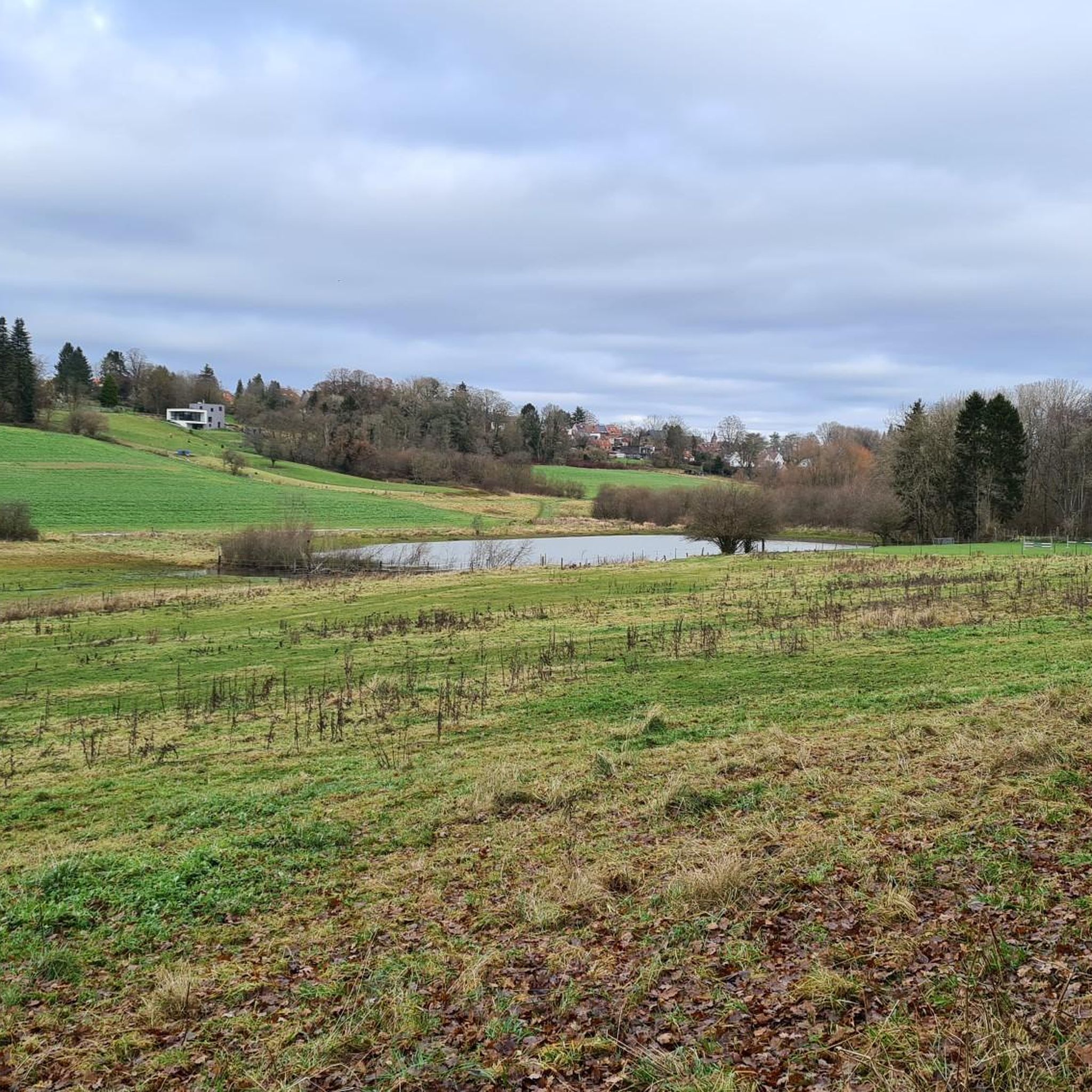
A beautiful place for rest and walking: you can stroll along it, enjoy the greenery and water, and it is part of the historical and natural charm of Tervuren.
6
0

Excellent quality hotel and restaurant
0
0

To see and don't hesitate to get lost there
1
0

Beautiful but very busy. Good to know!
4
0

Early in the morning to avoid the crowds
4
0
Le Château du Lac is best known today as a 5-star hotel. Events are also often organised there and that is why I know it from a professional long-gone past. But the building, whether you call it a castle or rather a glorified villa, it does have a fairly intense past. In the past, the mineral water of Genval was collected and bottled here. Together with the source of Bonne Fontaine, the Château du Lac was the true symbol of Genval-les-Eaux. The Etablissement des Eaux, as it was originally called, was built between 1905 and 1907 by the architect Julien Wendrickx, the future production director of the Compagnie Internationale des Eaux Minérales, to house the collection of sources and the bottling of the mineral water of Genval. After the First World War and the receivership of the companies that managed the Genval site, the castle became the property of an English company before being taken over by the Princes of Merode, who leased the facilities to Schweppes Belgium. The Belgian branch was then managed by John Martin, an English brewer based in Antwerp, who had been importing beers from Great Britain and Ireland to the continent since 1909, including the famous Guinness. He obtained the exclusive production rights for the Schweppes range, which he transferred to Genval in 1952 following the deterioration in the quality of Antwerp's drinking water, which was now pumped into the Albert Canal. Since the divestment of Schweppes in 1988, the John Martin group has further diversified its range, with speciality beers (Timmermans, Gordon, etc.), soft drinks (Orangina) and fruit juices (Looza). After the Schweppes factory moved to Rue du Cerf, the château, now owned by the Martin family, was converted into the five-star Château du Lac Source: https://www.parismatch.be/lifestyle/voyages/2020/08/23/le-lac-de-genval-et-ses-villas-2D3Q25DBTVANBFBV5WXJG3R2NI/
8
0
The Genval lake is located in the Zilverbeek valley. The artificial lake is located for the most part on the territory of Overijse and was constructed by order of lawyer and businessman Gustave Smets - Mondez. The 18 ha lake was constructed in 1904 in an area with a series of spring-rich ponds and marshes through which the Zilverbeek or the Argentine flowed. The Zilverbeek still flows along the lake on the Overijse side. The area attracted many tourists from the very beginning. Around 1900, the urban development plans were also drawn up for the construction of the park on the Walloon side. Several impressive villas were built here that were reminiscent of copies of buildings from Versailles and monuments on the Swiss Lake Lucerne. On the Overijse side, there was less interest in the construction, which is why the slopes are less developed than on the Walloon side, where it was promoted as a spa. After the First World War, the lake was sold to John Martin (1886-1966), an English brewer from Antwerp. He would establish the Schweppes factory here (Belgian license) in the "Château du Lac" (until 1981). The lake is still in the hands of his heirs. On the Meerlaan there are still a few cottage-style villas overlooking the lake. These villas are depicted on various old postcards and are still recognizable today but have been heavily modified. Inventory of Immovable Heritage: Maleizen, https://id.erfgoed.net/themas/14294
8
0
Frequently Asked Questions
What is the most prominent castle located directly in Rixensart?
The most prominent castle in Rixensart is the Château de Rixensart. This remarkable example of Brabantine Renaissance architecture has been the residence of the Princes of Mérode since 1715 and is recognized as exceptional heritage in Wallonia.
What are the typical opening hours and best time to visit Château de Rixensart?
The Château de Rixensart is typically open on weekends and holidays from April 15 to October 31, between 2:00 PM and 6:00 PM. Guided tours may require reservations. The spring and autumn months offer pleasant weather for exploring the castle and its French-style gardens.
Are there any family-friendly castles or activities near Rixensart?
Yes, several castles and their surrounding domains offer family-friendly experiences. The park around Château de La Hulpe is freely accessible and features lush gardens. Similarly, Domaine Solvay, which houses the Château de Béthune, is a public park covering 227 hectares of forest, lawn, and ponds, perfect for family strolls. The Château de Rixensart also hosts special events like the 'Garden of Lights' which can be enjoyable for families.
What kind of historical significance do the castles around Rixensart hold?
The castles in the region boast rich historical narratives. The Château de Rixensart, for instance, showcases Brabantine Renaissance style and has housed illustrious residents, including figures from the Belgian Revolution. Hougoumont Castle was a pivotal site during the Battle of Waterloo in 1815. Even the Sint-Hubertus Chapel in Tervuren dates back to 1617 and is associated with Saint Hubert.
Can I explore the gardens and parks around these castles?
Absolutely. Many castles around Rixensart are set within extensive parklands and gardens. The Château de Rixensart features French-style gardens inspired by André Le Nôtre. The Château de La Hulpe is surrounded by lush gardens that are part of the 'Parks and Gardens in Walonia' exceptional heritage. Domaine Solvay is a vast public park with forests, lawns, and ponds.
Are there hiking opportunities near the castles in Rixensart?
Yes, there are several hiking trails near the castles. For example, you can find routes like the 'Lake Genval – Rixensart Castle loop' or the 'KW Line Bunker – Rixensart Castle loop'. You can explore various hiking options in the area by visiting our Hiking around Rixensart guide.
What other outdoor activities can I do near these castles?
Beyond hiking, the region offers road cycling and running opportunities. You can find numerous routes, such as the 'Lake Genval – East Pond, Bois de la Cambre loop' for road cycling or the 'Lake Genval – Lakeside View loop' for running. Discover more options in our dedicated guides for Road Cycling Routes around Rixensart and Running Trails around Rixensart.
Is there a castle that also functions as a hotel or offers unique accommodation?
Yes, the Château du Lac on Lake Genval, which is near the highlight The Little Mermaid of the Lake, was built in 1904 and now serves as a five-star hotel. It features a distinctive neo-Romanesque look with many round arches and a round tower.
What architectural styles can I expect to see among the castles?
The castles around Rixensart showcase a variety of architectural styles. The Château de Rixensart is a prime example of Brabantine Renaissance. Château de La Hulpe and the Château de Béthune within Domaine Solvay were built in the style of the Loire castles. The Château du Lac on Lake Genval exhibits a neo-Romanesque appearance, while the Sint-Hubertus Chapel is a baroque castle chapel.
What unique collections or features can be found inside the castles?
The Château de Rixensart offers a glimpse into opulent past with sumptuously decorated interiors featuring Louis XV and Louis XVI-style furniture and traditional Flemish tapestries. It also houses a unique collection of Arabian arms brought back from Egypt by Gaspard Monge during Napoleon's expedition.
Are there any castles near Rixensart that are particularly known for their natural surroundings?
Yes, Domaine Solvay is a public park that covers 227 hectares of forest, lawn, and ponds, making it a significant natural heritage site. The Château de La Hulpe is also surrounded by lush gardens and is part of the 'Parks and Gardens in Walonia', offering beautiful natural settings.
Most popular routes around Rixensart
Most popular attractions around Rixensart

Get inspired with the komoot mobile app


Explore more
Looking for the best castles somewhere else? Discover other guides around Rixensart:
