Attractions and Places To See around Chastre - Top 20
Best attractions and places to see around Chastre, a French-speaking municipality in Wallonia, Belgium, offers a blend of rural charm and historical sites. The area is characterized by its countryside and green spaces, traversed by the small rivers Orne and Houssière. Chastre provides a setting rich in historical landmarks and natural features for exploration.
Best attractions and places to see around Chastre
- The most popular attractions is Villers-la-Ville Abbey, a historical site. Founded in the 12th century by Cistercian monks, this former abbey is listed as a UNESCO World Heritage Site, showcasing 900 years of history through its extensive ruins, medieval gardens, and vineyards.
- Another must-see spot is Try-au-Chêne Chapel, a religious building. This rural chapel, built in 1608, is known for its historical significance during the Eighty Years' War and offers views over the Dyle and Thyle valleys.
- Visitors also love Château Le Châtelet, a castle. This medieval castle from the 12th or 13th century features a massive schist keep and is recognized as a rare example of a fortress from that period.
- Chastre is known for its historical sites, religious buildings, and natural features. The region offers a variety of attractions to see and explore, from ancient ruins to rural chapels and medieval castles.
- The attractions around Chastre are appreciated by the komoot community, with over 900 upvotes and more than 600 photos shared.
Last updated: August 16, 2026
Villers-la-Ville Abbey
Highlight • Historical Site
Translated by Google •
Tip by

Villers Abbey Mill
Highlight • Historical Site
Translated by Google •
Tip by

Sign up now to discover places like this
Get recommendations on the best single tracks, peaks, & plenty of other exciting outdoor places.
Sign up for free
Porte de Namur
Highlight • Monument
Translated by Google •
Tip by

Ruins of Villers-la-Ville Abbey
Highlight • Historical Site
Translated by Google •
Tip by

Chapelle du Try-au-Chêne
Highlight • Religious Site
The Chapelle du Try-au-Chêne, also known as Chapelle de Notre-Dame de Hault, is a rural chapel located in Bousval...
Translated by Google •
Tip by
Sign up for free to discover even more attractions around Chastre.
Sign up for free
Already have an account?
Start today with a free account
Your next adventure awaits.
Login or Signup

Tips from the Community

Mill, history & enjoyment A wonderful place to stop after your visit to the abbey. Behind the building, the authentic water wheel still turns, powered by the river Thyle – a beautiful piece of living history. In the 19th century, Victor Hugo himself stayed here several times, finding inspiration for his work. Today, this is still an atmospheric stop: discover more about the abbey in the visitor centre and then enjoy the terrace or the historic vaulted rooms at Bistro de l’Abbaye. Be sure to try one of the artisanal abbey beers from the in-house microbrewery. 🍺 History, water, atmosphere, and a delicious local beer… a stop you don't want to miss! 😉
2
0
The Mills of Villers Abbey is where history & the present meet. The historic Abbey Mill is the ultimate gateway to the magical Cistercian site of Villers-la-Ville. This 13th-century monumental building, where the monks once ground their grain and baked 2000 loaves weekly for the poor, now serves as the modern visitor centre and the atmospheric Bistro de l'Abbaye. It forms the perfect starting or stopping point for your walk or bike ride.
2
0
Visit Abdij Villers-la-Ville Abdij van Villers – a ruin to reflect on 😉 The Abdij van Villers-la-Ville is an impressive Cistercian ruin from 1146 and one of the largest and best-preserved medieval abbey sites in Europe. Wander among the gigantic Gothic walls, columns, and roofless vaults where nature and centuries-old architecture are beautifully intertwined. The abbey reached its peak in the 13th century, but after centuries of wars and changes, monastic life came to an abrupt end in 1796. During the French Revolution, the monks were expelled and the abbey was sold. Buildings were dismantled stone by stone, after which wind, rain, and encroaching nature slowly transformed the complex into an impressive ruin. In the 19th century, Villers became a beloved spot for artists and romantics. Victor Hugo (French writer, poet, playwright, and political thinker) was also fascinated by the ruins and visited the abbey several times. Thanks to restoration and heritage conservation, the site is beautifully preserved today. The combination of history, architecture, and nature makes a visit particularly atmospheric. Tip: allow at least 1.5 to 2 hours to explore the abbey at a leisurely pace. Admission – entrance fees: Adults: €10 Children (6 to 12 years): €4 Children (under 6 years): free Seniors (65+): €8 People with disabilities: free Dogs are welcome on a leash. An absolute must-see for anyone who loves history, mysterious ruins, and photogenic places! “Post tenebras, spero lucem” – “After darkness, I hope for light.” 🌑➡️☀️
3
0
The imposing Porte de Namur was built in 1725 under the leadership of the influential abbot Jacques de Lierneux. What makes this gate extra special is that it had a double function. The exterior (which you are now looking at) was erected in a rich, classic Renaissance style of brick and bluestone to impress high-ranking guests. On top of the gate passage is a robust stone tower room. Historically, this served as a guardhouse and prison cell for the abbey, which was allowed to exercise its own jurisdiction at the time. A monumental transition from the open nature to the ancient abbey domain!
2
0

It is probably this contrast that makes Villers-la-Ville so endearing. On one hand, the majestic remains of an abbey founded in 1146; on the other, paths that plunge into the woods and cross the peaceful landscapes of Walloon Brabant. The mineral and the vegetal respond to each other throughout the hike, giving the route a historic, romantic, and deeply natural atmosphere.
3
0

Steep and bad cobblestones
1
0

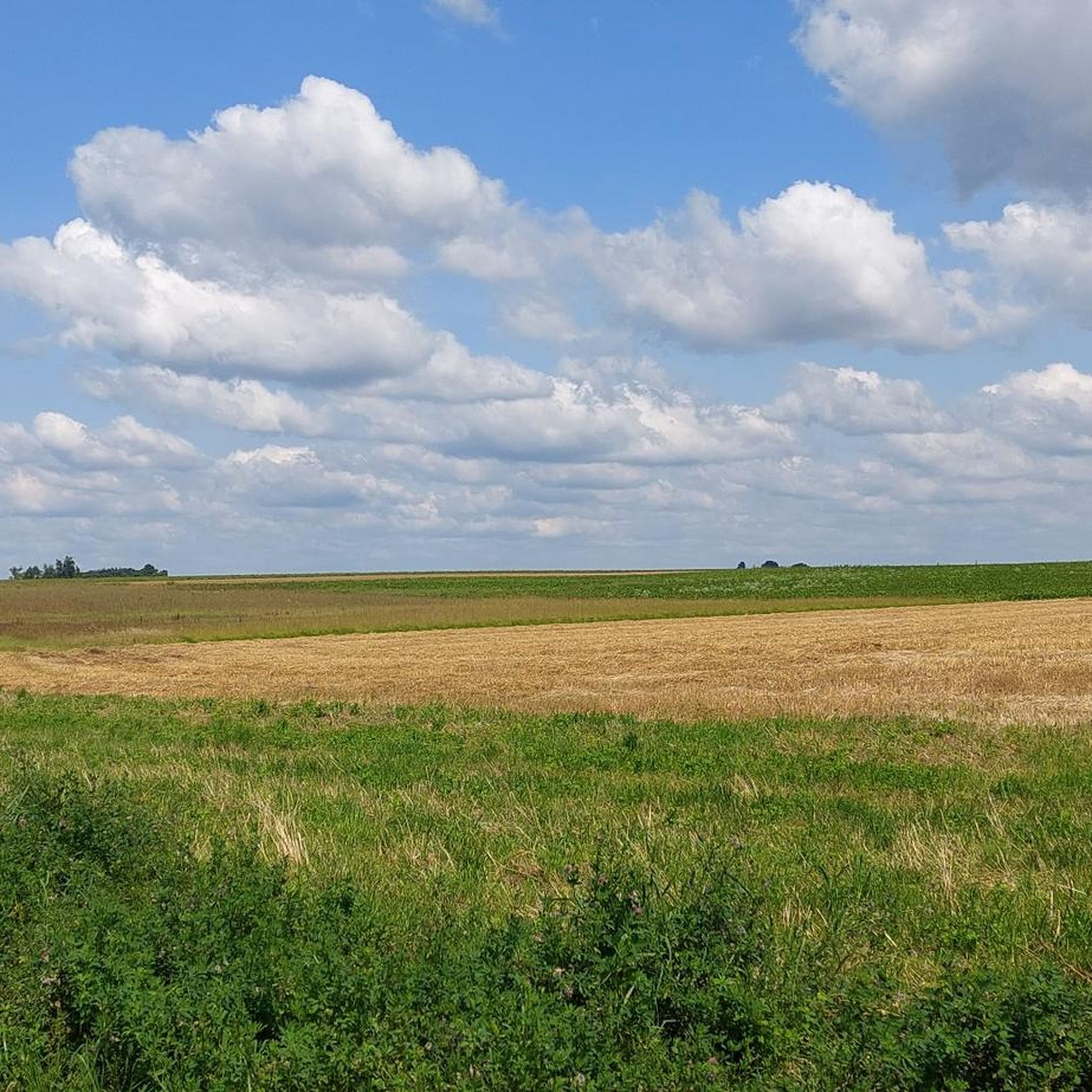
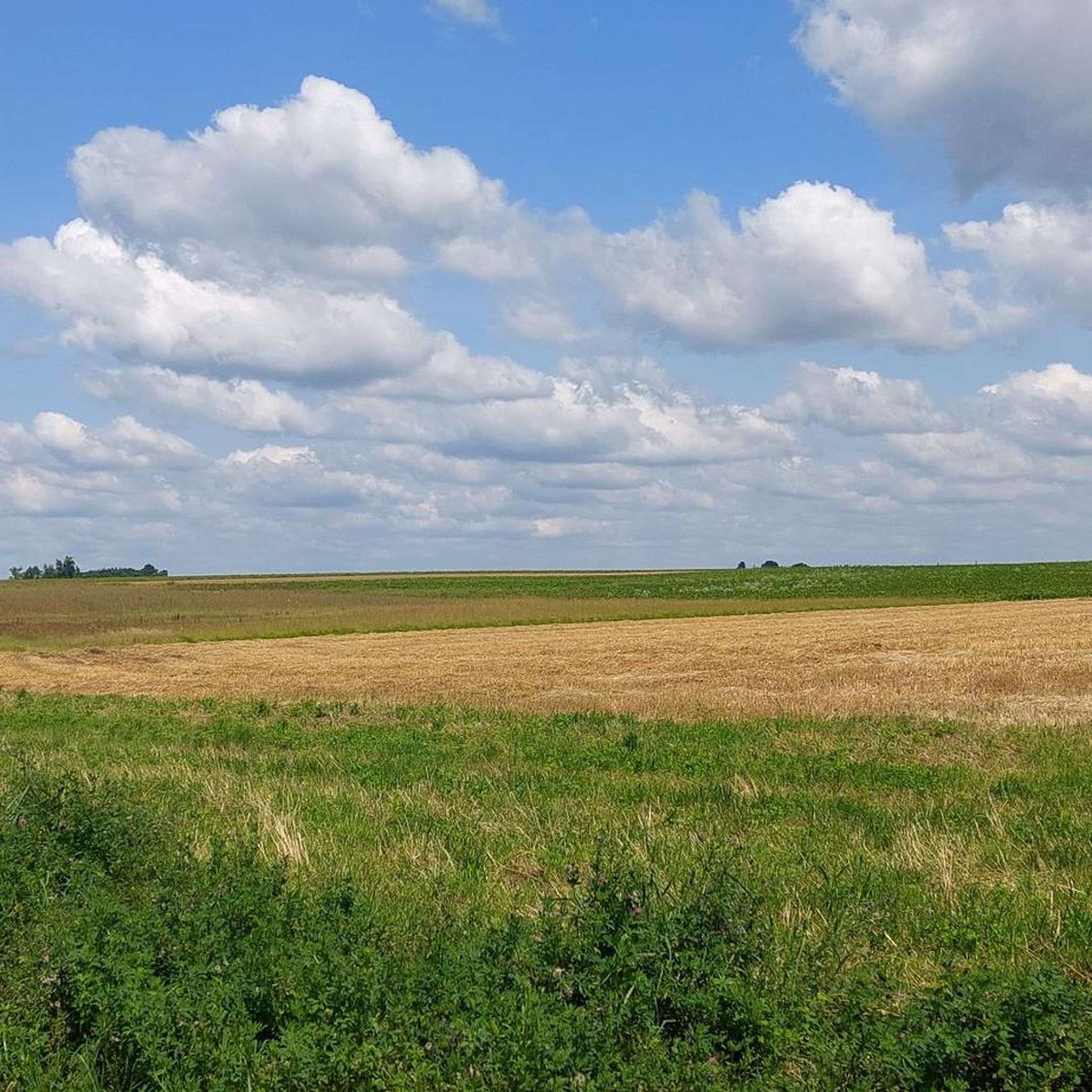
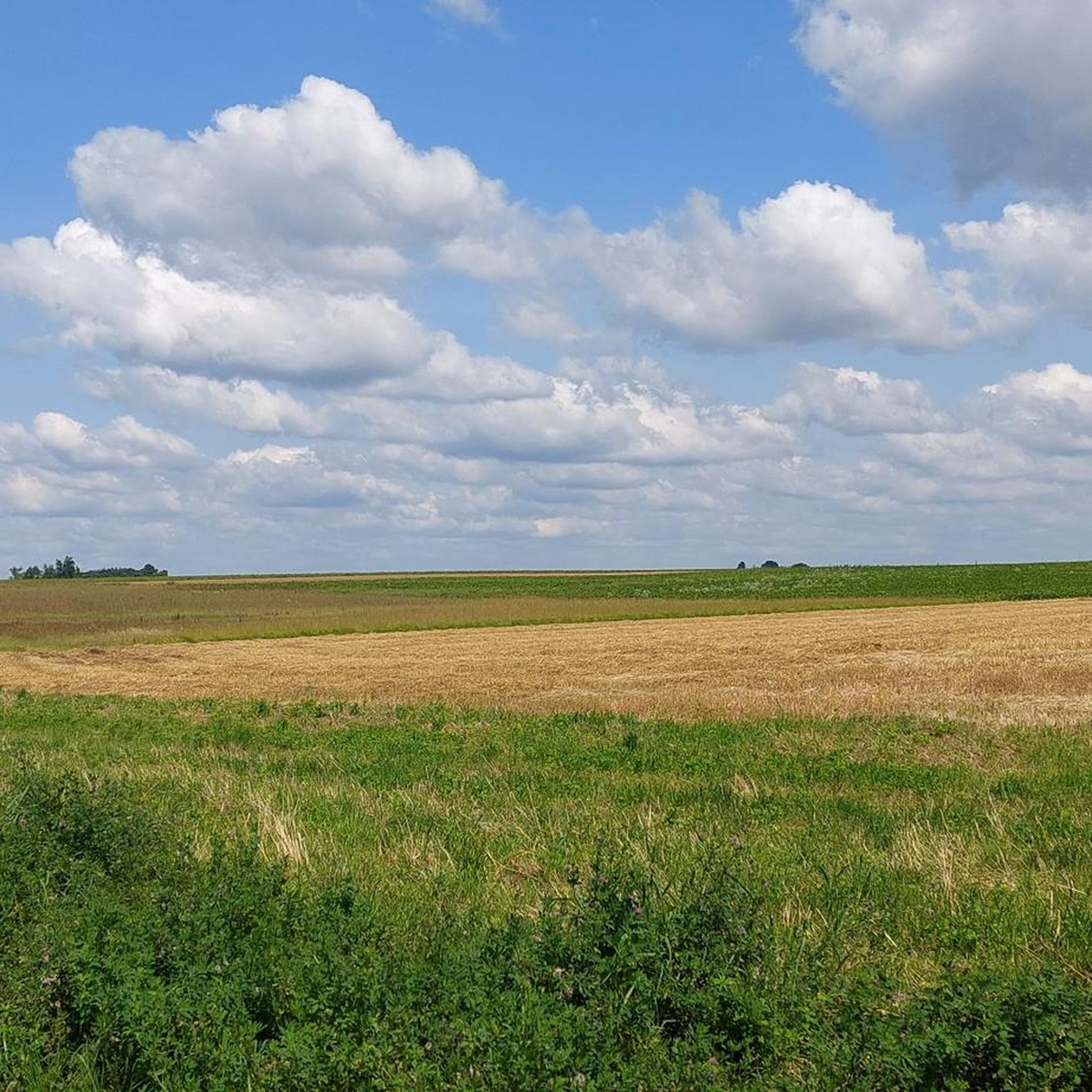
Beautiful little chapel in the middle of a field
1
0

The Porte de Namur – Heritage of the Abbey of Villers-la-Ville The Porte de Namur dates from 1725 and is an impressive remnant of the former abbey of Villers-la-Ville. It was built under Abbot Jacques Hache, the 61st abbot of the abbey, who led it from 1716 to 1734. The gate stands right next to the ruins of the abbey and is located near the tourist information point (Syndicat d’Initiative). It spans the rue de l’Abbaye (national road RN274) and provides access to the Notre-Dame des Affligés chapel and the village of Mellery. On the left, there is a reconstructed terraced vineyard supported by slate retaining walls – a nod to the abbey’s wine-making past. The Namur Gate is built in a classical style, with two tall pilasters supporting a red brick entablature. At the top, a triangular pediment adorns the gate, containing niches, the coat of arms of Abbot Hache and his motto: Fortiter et Suaviter – ‘strong and gentle’.
5
0
Frequently Asked Questions
What historical sites can I explore around Chastre?
The region around Chastre is rich in history. A must-visit is the Villers-la-Ville Abbey, a UNESCO World Heritage Site with extensive ruins and medieval gardens. You can also see the historic Try-au-Chêne Chapel, built in 1608, and the medieval Château Le Châtelet with its massive 12th-century keep. Don't miss the Porte de Namur, a monumental gate from 1725 that is a remnant of the abbey walls.
Are there any family-friendly attractions in the Chastre area?
Yes, the Villers-la-Ville Abbey is considered family-friendly, offering a vast historical site for exploration. Additionally, Chastre offers a 6.5 km treasure hunt through the Totemus app, which is a fun and interactive way for families to discover the region's heritage and castles.
What natural features can I discover in Chastre?
Chastre is characterized by its charming countryside and green spaces. The municipality is traversed by two small rivers, the Orne and the Houssière, which create picturesque landscapes. You can also find the Rêves Woods nearby, offering a natural escape.
What kind of outdoor activities can I do near Chastre?
Chastre is excellent for outdoor enthusiasts. You can enjoy hiking, cycling, and gravel biking. For hiking, consider routes like the 'Villers-la-Ville Abbey – Villers Valley Forest Path loop' or the 'Woodland trail – Marsh Trail loop'. Cyclists can explore routes such as the 'Cycle path to Walhain – Ruins of Walhain Castle loop'. For more options, check out the dedicated guides for hiking, cycling, and gravel biking around Chastre.
Are there any easy walking trails suitable for all skill levels around Chastre?
Yes, there are several walking trails around Chastre that cater to different difficulty levels. For an easier option, you might consider the 'Ferme du Castillon – Chastre Church loop from Cortil-Noirmont', which is rated as easy. Other moderate options include the 'Voetweg 9 – Al' Poudre Mill loop' and the 'Woodland trail – Marsh Trail loop'. You can find more details in the hiking guide for Chastre.
What is the best time to visit Chastre for outdoor activities?
While outdoor activities can be enjoyed year-round, spring and autumn offer pleasant temperatures and beautiful scenery for hiking and cycling. The region hosts a Kermesse (fair) annually on the fourth weekend of September, and a brocante (flea market) and 'fête des voisins' (neighbors' party) in the Boischamps neighborhood, which can add to your visit experience.
Are there any protected heritage sites within Chastre?
Yes, Chastre is home to several protected heritage sites. These include a farm at Rue de la Station #43, the Tumuli of Noirmont (ancient graves), and the facades and roof of the farmhouse 'La Grande Bierwart' at No. 32 on rue de Mellery. These sites highlight the area's rich historical significance.
Can I find any ancient Roman history in Chastre?
Indeed. The Old Roman Road, also known as Chaussée Brunehaut, which once connected Bavay and Cologne, runs through Chastre. This ancient route underscores the area's long historical past and its importance in Roman times.
What do visitors particularly enjoy about the attractions around Chastre?
Visitors appreciate the blend of rural charm and historical depth. The Villers-la-Ville Abbey is particularly loved for its extensive ruins and the sense of history it evokes. The Try-au-Chêne Chapel is noted for its picturesque setting and historical significance. The community has shared over 600 photos and given more than 900 upvotes to the attractions, indicating a strong appreciation for the area's unique character.
Are there any unique local landmarks or cultural points of interest beyond the main attractions?
Beyond the major sites, Chastre offers several local points of interest. These include the Saint Apolline Chapel, dedicated to the patron saint invoked for toothaches, the French Necropolis of Chastre, and historical buildings like Ferme Rose (1689) and Église Notre-Dame Alerne (1780). The Moulin de Godeupont, a local mill, and Chapelle Sainte-Wivine also add to the region's cultural tapestry.
Where can I find cafes or restaurants near the main attractions?
The Villers-la-Ville Abbey itself has facilities, and the Villers Abbey Mill, located nearby, houses a restaurant. The surrounding villages will also offer various dining options, from cafes to pubs and restaurants, perfect for a break after exploring.
Most popular routes around Chastre
Most popular attractions around Chastre

Get inspired with the komoot mobile app


Explore more
Still not found the Highlight you’re looking for? See guides of the top attractions in other regions:
