Attractions and Places To See around Sombreffe - Top 20
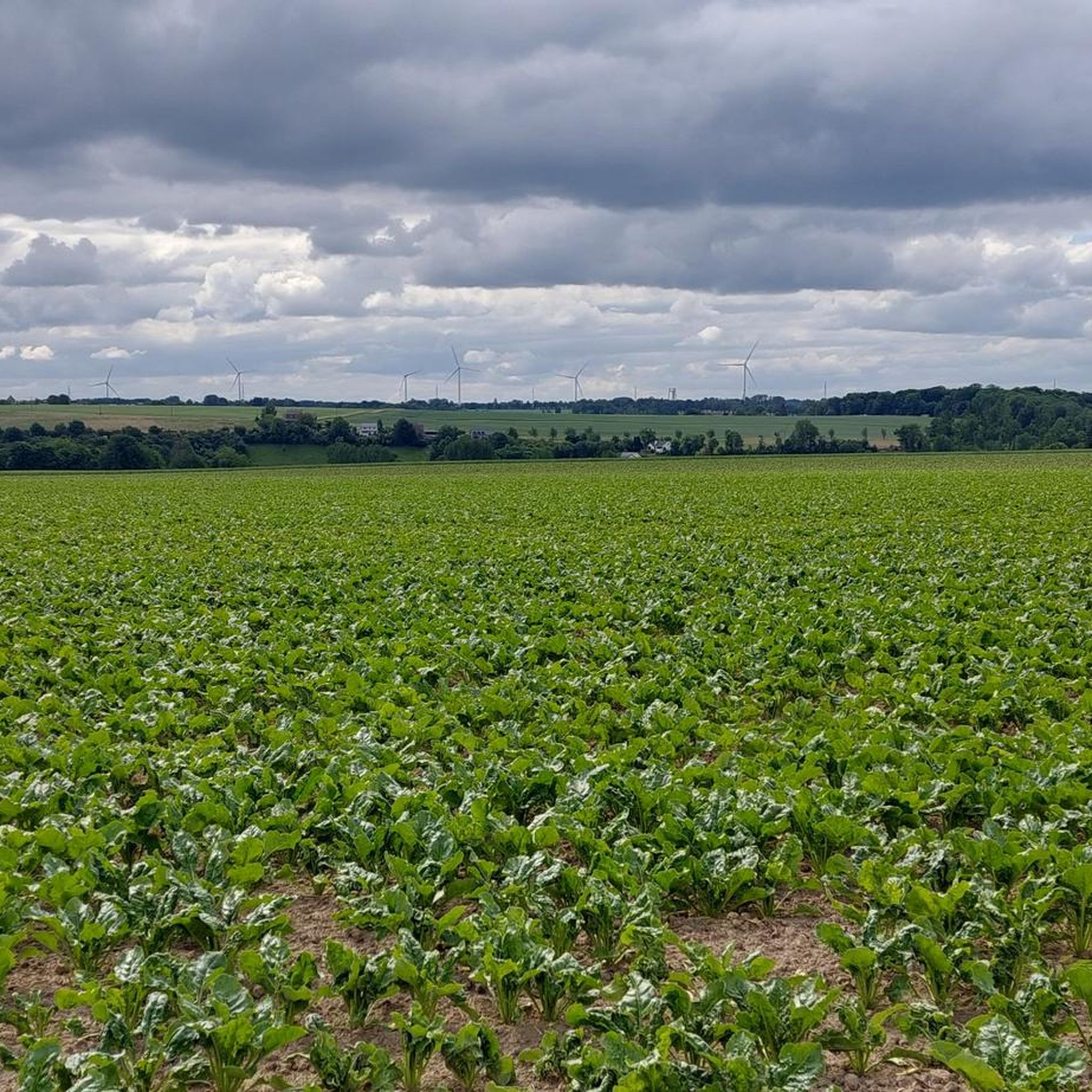
Best attractions and places to see around Sombreffe include historical landmarks and natural areas within this Belgian municipality. The region offers a blend of historical sites, such as medieval castles and battle museums, alongside rural landscapes suitable for outdoor activities. Visitors can explore protected heritage sites and natural reserves, providing diverse points of interest. The area is characterized by its peaceful countryside, ideal for walking and cycling.
Best attractions and places to see around Sombreffe
- The most popular attractions is…
Last updated: July 6, 2026
Villers-la-Ville Abbey
Highlight • Historical Site
Translated by Google •
Tip by

Villers Abbey Mill
Highlight • Historical Site
Translated by Google •
Tip by

Sign up now to discover places like this
Get recommendations on the best single tracks, peaks, & plenty of other exciting outdoor places.
Sign up for free
Porte de Namur
Highlight • Monument
Translated by Google •
Tip by

Try-au-Chêne Chapel
Highlight • Religious Site
The Chapelle du Try-au-Chêne, also known as Chapelle de Notre-Dame de Hault, is a rural chapel located in Bousval...
Translated by Google •
Tip by
Château Le Châtelet
Highlight • Castle
In the middle rises a massive three-storey schist keep from the 12th or 13th century.
It is one of the rare fortifications from this period.
villers-la-ville.net/nl/2014/06/11/het-poortgebouw
Translated by Google •
Tip by

Sign up for free to discover even more attractions around Sombreffe.
Sign up for free
Already have an account?
Start today with a free account
Your next adventure awaits.
Login or Signup

Tips from the Community

A lovely place for meditation. A very beautiful little chapel.
0
0

The Old Castle of Marbais is a 13th-century medieval castle. It is located on a rocky spur overlooking the confluence of the Thyle and the Ri des Goutailles valley, in Marbais, within the municipality of Villers-la-Ville. This site was once part of the former seigneury of Marbais.
3
0

The Porte de Namur – Heritage of the Abbey of Villers-la-Ville The Porte de Namur dates from 1725 and is an impressive remnant of the former abbey of Villers-la-Ville. It was built under Abbot Jacques Hache, the 61st abbot of the abbey, who led it from 1716 to 1734. The gate stands right next to the ruins of the abbey and is located near the tourist information point (Syndicat d’Initiative). It spans the rue de l’Abbaye (national road RN274) and provides access to the Notre-Dame des Affligés chapel and the village of Mellery. On the left, there is a reconstructed terraced vineyard supported by slate retaining walls – a nod to the abbey’s wine-making past. The Namur Gate is built in a classical style, with two tall pilasters supporting a red brick entablature. At the top, a triangular pediment adorns the gate, containing niches, the coat of arms of Abbot Hache and his motto: Fortiter et Suaviter – ‘strong and gentle’.
6
0
The mill was built in the 13th century. Part of the building housed the abbey bakery. At the beginning of the 14th century, it delivered more than 2,000 loaves of brown bread every week, intended for the poor who presented themselves at the porter's lodge. Hydraulic wheels operated the millstones for grinding wheat and barley, but also for sawing wood and pressing oil. In the 19th century, the mill-bakery was transformed into a hotel: the Hôtel des Ruines. Victor Hugo stayed there several times.
7
0
Villers Abbey was founded in 1146 by the Cistercians. With the presence of slate and rich silt soil, all the conditions were present to found an abbey in this area. The domain surrounding the historical heritage is 30 hectares in size and houses eight gardens with different themes, a historical mill and a monk's pharmacy. Exhibitions, concerts and shows are regularly held on the site. If there is nothing to do, you can still settle down in the bistro to taste the abbey's beer.
8
0

The Porte de Namur is a monumental gate in the classical style. It is a remnant of the abbey walls from 1725, which were built under Abbot Jacques Hache. The walls already show their long history. Who has walked through here?
3
0

Beautiful ruin that still shows the grandeur of this abbey...
8
0
Frequently Asked Questions
What historical landmarks can I visit in Sombreffe?
Sombreffe is rich in history. You can explore the medieval Sombreffe Castle, which dates back to the early 13th century and offers a freely accessible courtyard. Another significant site is the Ligny 1815 Museum, dedicated to Napoleon's last victory. Additionally, the municipality features protected heritage sites like the old marker at "Le Point du Jour" and parts of the Old Sombreffe Castle.
Are there any significant religious sites to explore in the area?
Yes, the region offers several notable religious sites. The Villers-la-Ville Abbey, a UNESCO World Heritage site, is a magnificent former Cistercian abbey showcasing 900 years of history. Within Sombreffe, you can also visit the beautiful Try-au-Chêne Chapel, a rural chapel built in 1608, and the protected Church of Notre Dame in Tongrinne.
What natural attractions are there in Sombreffe?
Sombreffe offers peaceful rural landscapes ideal for nature lovers. You can visit the Réserve naturelle des 3 Viviers for nature walks, birdwatching, and observing local flora and fauna from its observatory. The picturesque Ligny Stream also flows through the region, passing by an old water mill.
What outdoor activities can I do near these attractions?
The Sombreffe countryside is perfect for walking and cycling. The municipality has a fully marked network of pedestrian 'points-nœuds' (node points), allowing you to create custom itineraries. For specific routes, you can find various running trails like the 'Tongrenelle Farm-Castle loop' or 'Sombreffe Castle loop' on the Running Trails around Sombreffe guide. Cycling enthusiasts can explore routes such as the 'Sombreffe Castle loop' on the Cycling around Sombreffe guide.
Are there family-friendly activities available in Sombreffe?
Absolutely. The Ligny 1815 Museum offers an interactive and immersive experience with game booklets, VR headsets, films, and educational workshops, making it suitable for families. Nature walks in the Réserve naturelle des 3 Viviers are also a great option for families to enjoy the outdoors.
What is the best time of year to visit Sombreffe?
The Sombreffe region is enjoyable throughout the year, but for outdoor activities like walking and cycling, spring and summer offer the most pleasant weather. The annual historical reenactment of the Battle of Ligny, "Les Napoléoniennes," typically takes place in May or June, which could be a highlight for history enthusiasts.
Can I visit Sombreffe Castle?
Yes, you can visit Sombreffe Castle. Its courtyard is freely accessible, offering a glimpse into its medieval history. While the main keep and areas behind it are private, the castle's exterior and grounds provide a significant historical experience.
What unique local experiences can I find in Sombreffe?
For a unique local experience, you can visit the Miellerie Vallero to learn about beekeeping and honey production from a local apiarist. Another picturesque spot is La Goffe, where the Sombre river cascades over a reddish stone wall, a site with historical significance for laundry and livestock watering.
What do visitors enjoy most about the attractions around Sombreffe?
Visitors particularly appreciate the rich history and serene natural beauty. The Villers-la-Ville Abbey is highly praised for its monumental ruins and historical depth, attracting over 160,000 visitors annually. The peaceful countryside and well-marked walking and cycling routes are also popular for those seeking outdoor exploration.
Are there cycling routes available in Sombreffe?
Yes, Sombreffe offers various cycling routes. The municipality is one of the first in Wallonia to have a fully marked network of 'points-nœuds' for creating custom itineraries. You can find specific routes, such as the 'Sombreffe Castle loop' or the 'Gembloux Agro-Bio Tech loop', on the Cycling around Sombreffe guide. Bicycle rentals are also offered by Visit Sombreffe.
What is the Ligny 1815 Museum about?
The Ligny 1815 Museum is dedicated to Napoleon's last victory, the Battle of Ligny, which took place two days before Waterloo. It provides an interactive and immersive experience to relive the battle and understand the lives of soldiers and villagers, featuring period objects, engaging scenography, and educational activities.
How can I explore the countryside around Sombreffe?
The Sombreffe countryside is best explored on foot or by bicycle. The region boasts a unique 'points-nœuds' (node points) network, which is a fully marked system allowing you to easily create your own walking or cycling itineraries. These routes often pass by historical sites, viewpoints, and ancient Roman roads, offering a comprehensive way to experience the area's heritage and natural beauty.
Most popular routes around Sombreffe
Most popular attractions around Sombreffe

Get inspired with the komoot mobile app


Explore more
Still not found the Highlight you’re looking for? See guides of the top attractions in other regions:
