Top 8 Castles around Sombreffe
Castles around Sombreffe are located in the province of Namur, Wallonia, Belgium. This region features a historical landscape, with several castles serving as defensive strongholds. The area's terrain includes natural features that historically supported these fortifications. Sombreffe is situated within a historical context, having been a border fortress for the Duchy of Brabant.
Best castles around Sombreffe
- The most popular castles is Château Le Châtelet, a castle that was inhabited in 1219 by the lords of Marbais. It features…
Last updated: August 25, 2026
Château Le Châtelet
Highlight • Castle
In the middle rises a massive three-storey schist keep from the 12th or 13th century.
It is one of the rare fortifications from this period.
villers-la-ville.net/nl/2014/06/11/het-poortgebouw
Translated by Google •
Tip by

The Soye castle-farm
Highlight • Castle
Translated by Google •
Tip by
Sign up now to discover places like this
Get recommendations on the best single tracks, peaks, & plenty of other exciting outdoor places.
Sign up for free
Corroy-le-Château Castle
Highlight • Castle
Translated by Google •
Tip by

Farciennes Castle
Highlight • Castle
Farciennes was once established on the borders of the Principality …
Translated by Google •
Tip by

Tongrenelle Farm-Castle
Highlight • Historical Site
Translated by Google •
Tip by
Sign up for free to discover even more castles around Sombreffe.
Sign up for free
Already have an account?
Start today with a free account
Your next adventure awaits.
Login or Signup
Tips from the Community

The Old Castle of Marbais is a 13th-century medieval castle. It is located on a rocky spur overlooking the confluence of the Thyle and the Ri des Goutailles valley, in Marbais, within the municipality of Villers-la-Ville. This site was once part of the former seigneury of Marbais.
3
0

Farciennes Castle is a ruined building, stabilized by a metal structure and covered with tarpaulins, located in a post-industrial environment. One can still see walls built of brick and bluestone for the window frames and crosses, and the chain links of the ridges of the three square towers.
0
0


And suddenly this castle from the 13th century appears in front of you...
13
0

Old castle occupied in 1219 by the Lords of Marbais. In the center of the courtyard stands a massive 12th or 13th century schist keep on 3 levels. Walls with a thickness of 1.80 m. It is a rare example of a fortress dating from this period. Burned in 1554 by the French king Henry II.
10
0

Tongrenelle Farm Castle, located in the hamlet of Tongrenelle, Belgium, was once part of a fortress in the County of Namur, first mentioned in 1209. The castle fell into disrepair and was completely destroyed in 1860, leaving only the farmhouse that preceded it. The buildings date from the 17th and 18th centuries and are surrounded by a moat fed by the River Ligne, which lends a certain charm to the site. However, the property is private and cannot be visited, so you can only admire it from a distance.
3
0
If you are looking for a medieval castle that has retained its original architecture and charm, you should visit the Château de Corroy-le-Château in the province of Namur, Belgium. There you will find a magnificent fortress surrounded by a moat, with four towers, a drawbridge and a chapel. The castle was built in the 13th century by the counts of Vianden to defend the border of the Duchy of Brabant against the counts of Flanders and Namur. You will be able to admire the impressive collection of weapons, armor, tapestries and furniture that belonged to the noble families who owned the castle over the centuries. The castle is open to visitors from May to September, on Sundays and public holidays. Don't miss this opportunity to travel back in time and discover the history and culture of this remarkable place.
2
0

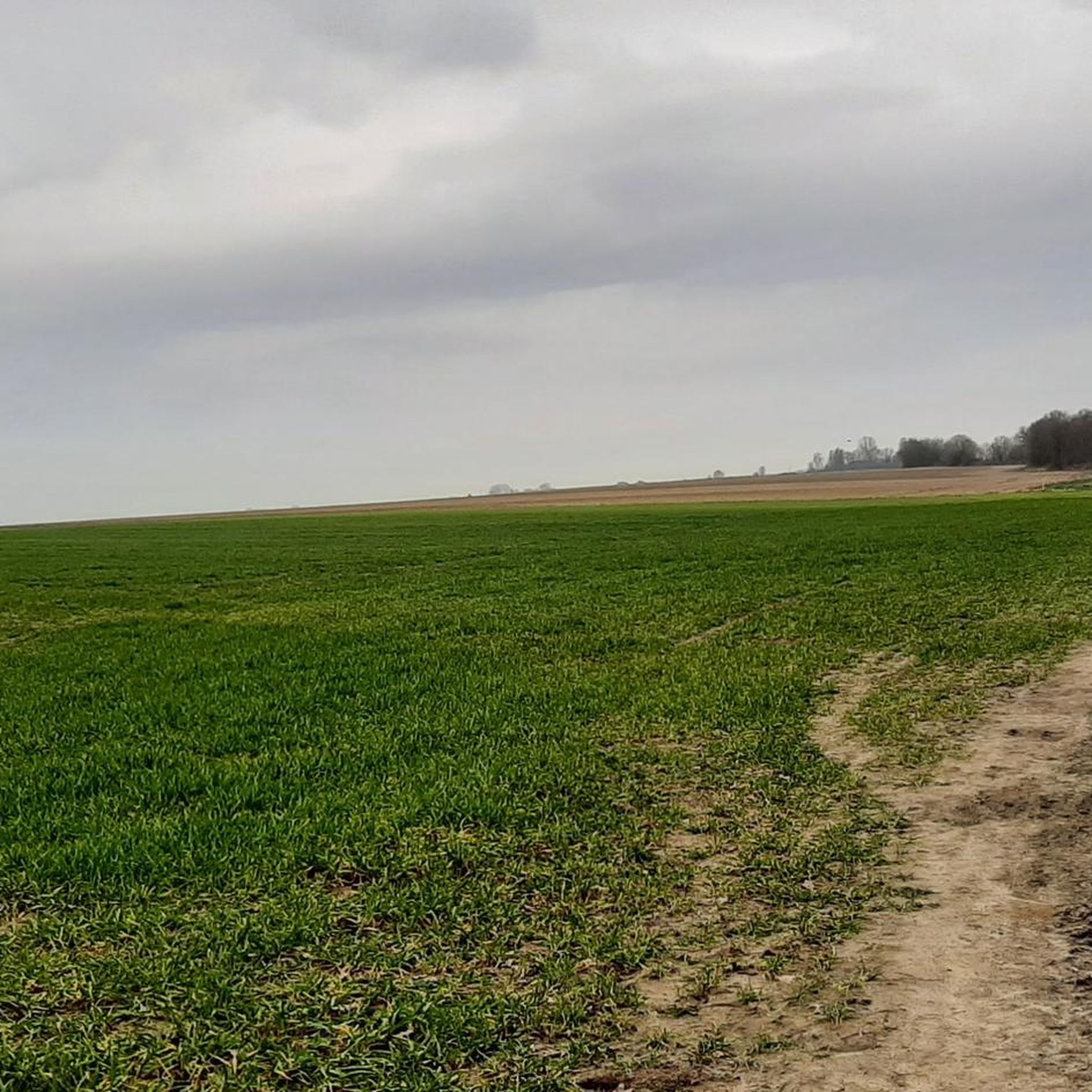
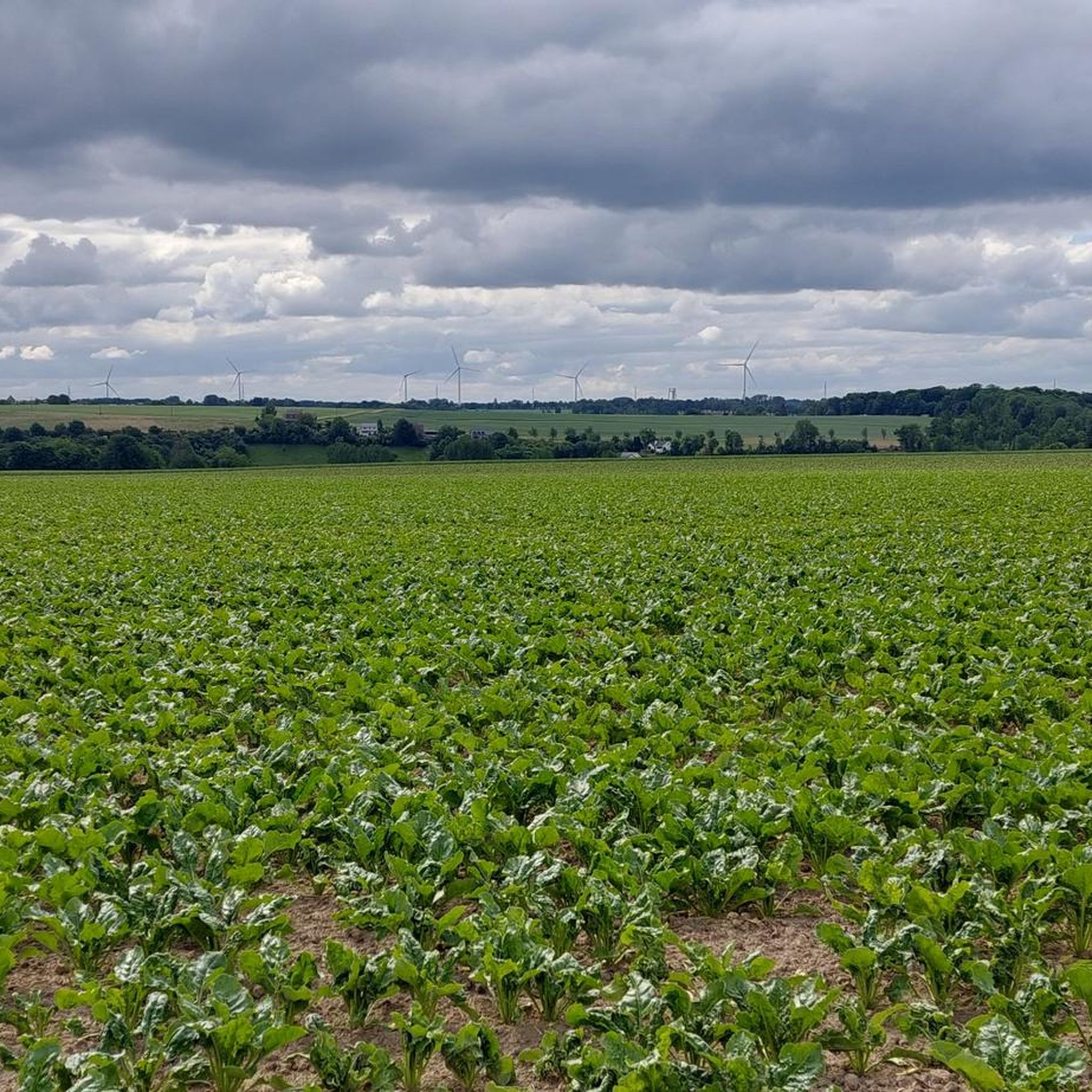
Deviate for a short climb, but this beautiful, fortified farm / castle is definitely worth the detour!
5
0
Frequently Asked Questions
What are some historically significant castles to visit in the Sombreffe region?
The region is rich in history. The Château de Sombreffe, a medieval fortress dating back to the 13th century, is a prime example of a border stronghold for the Duchy of Brabant. While the main keep and buildings are private, its courtyard is accessible during daylight hours. Another notable site is Corroy-le-Château Castle, a medieval fortress that has retained its original architecture, including a moat, four towers, and a drawbridge.
Are there any farm-castles or unique historical sites near Sombreffe?
Yes, the region features unique farm-castles. The Tongrenelle Farm-Castle, once part of a fortress from 1209, has buildings dating from the 17th and 18th centuries surrounded by a moat. Similarly, The Soye castle-farm, mentioned as early as 1546, showcases significant architectural evolution, with its remarkable farm designed according to sketches by Vauban.
What kind of outdoor activities can I do around the castles in Sombreffe?
You can enjoy various outdoor activities. For road cycling, explore routes like the 'Tree-Lined Road – Sombreffe Castle loop' or the 'Sombreffe Castle – Lorge Mill loop'. If you prefer running, there are trails such as the 'Tongrenelle Farm-Castle loop' from Sombreffe. For general cycling, consider the 'Gembloux Agro-Bio Tech loop'. You can find more details on these and other routes in the Road Cycling Routes around Sombreffe, Running Trails around Sombreffe, and Cycling around Sombreffe guides.
Are there family-friendly castles or activities in the Sombreffe area?
Many castles in the region offer an engaging experience for families. Corroy-le-Château Castle is listed as family-friendly, allowing visitors to step back in time with its well-preserved medieval architecture. While specific playgrounds are not always present at the castles themselves, the historical context and surrounding natural areas provide ample opportunities for exploration.
What is the best time of year to visit the castles around Sombreffe?
The spring and summer months (May to September) are generally ideal for visiting the castles, as the weather is milder and many sites, like Corroy-le-Château Castle, are open to visitors during this period. The surrounding landscapes are also at their most vibrant, making outdoor activities more enjoyable.
Can I visit the interior of Château de Sombreffe?
The main keep and surrounding buildings of the Château de Sombreffe are private property. However, the castle courtyard is accessible during daylight hours, allowing visitors to appreciate its exterior and historical architecture. The site also functions as an event venue.
Are there any ruined or partially preserved castles that offer a different historical perspective?
Yes, Farciennes Castle is a notable example of a ruined building. Once a 17th-century castle, it is now stabilized by a metal structure and covered with tarpaulins, offering a glimpse into its past grandeur through its brick and bluestone walls and the remains of its three square towers. It provides a different perspective on the region's historical architecture.
What kind of architectural styles can be seen among the castles in the Sombreffe region?
The castles around Sombreffe showcase a variety of architectural styles reflecting different historical periods. You'll find medieval fortresses like Château Le Châtelet with its 12th or 13th-century schist keep, and Corroy-le-Château Castle retaining its original medieval design. There are also 17th and 18th-century structures, such as parts of Tongrenelle Farm-Castle, and modifications over centuries, as seen in the blend of stone and brick at Château de Sombreffe.
Are there any castles that are particularly well-preserved or offer a complete medieval experience?
Corroy-le-Château Castle is an excellent choice if you're seeking a complete medieval experience. This fortress has remarkably retained its original architecture, featuring a moat, four towers, a drawbridge, and a chapel, allowing visitors to truly step back in time.
What are the natural features surrounding the castles in the Sombreffe region?
The region's terrain includes natural features that historically supported these fortifications. Many castles, like Tongrenelle Farm-Castle, are surrounded by moats fed by local rivers, such as the River Ligne. The historical landscape often features rolling hills and agricultural areas, providing scenic backdrops for the ancient structures.
What do visitors appreciate most about the castles around Sombreffe?
Visitors frequently appreciate the historical authenticity and architectural preservation of the castles. The massive three-storey schist keep of Château Le Châtelet is often highlighted as a rare fortification from its period. The overall charm of the well-preserved medieval structures and the opportunity to explore centuries of history are also highly valued.
Most popular routes around Sombreffe
Most popular attractions around Sombreffe

Get inspired with the komoot mobile app


Explore more
Looking for the best castles somewhere else? Discover other guides around Sombreffe:
