The best walks and hikes around Jurbise
4.4
(873)
5,945
hikers
70
hikes
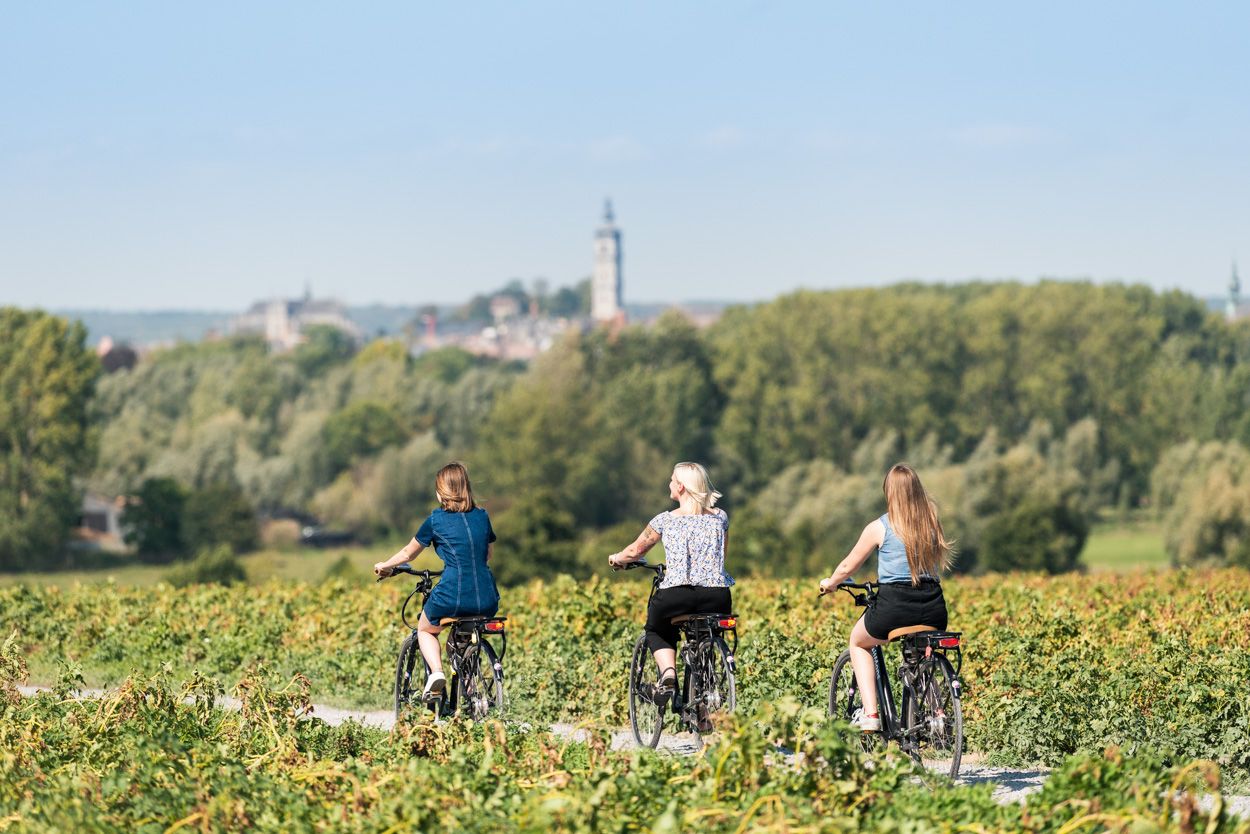
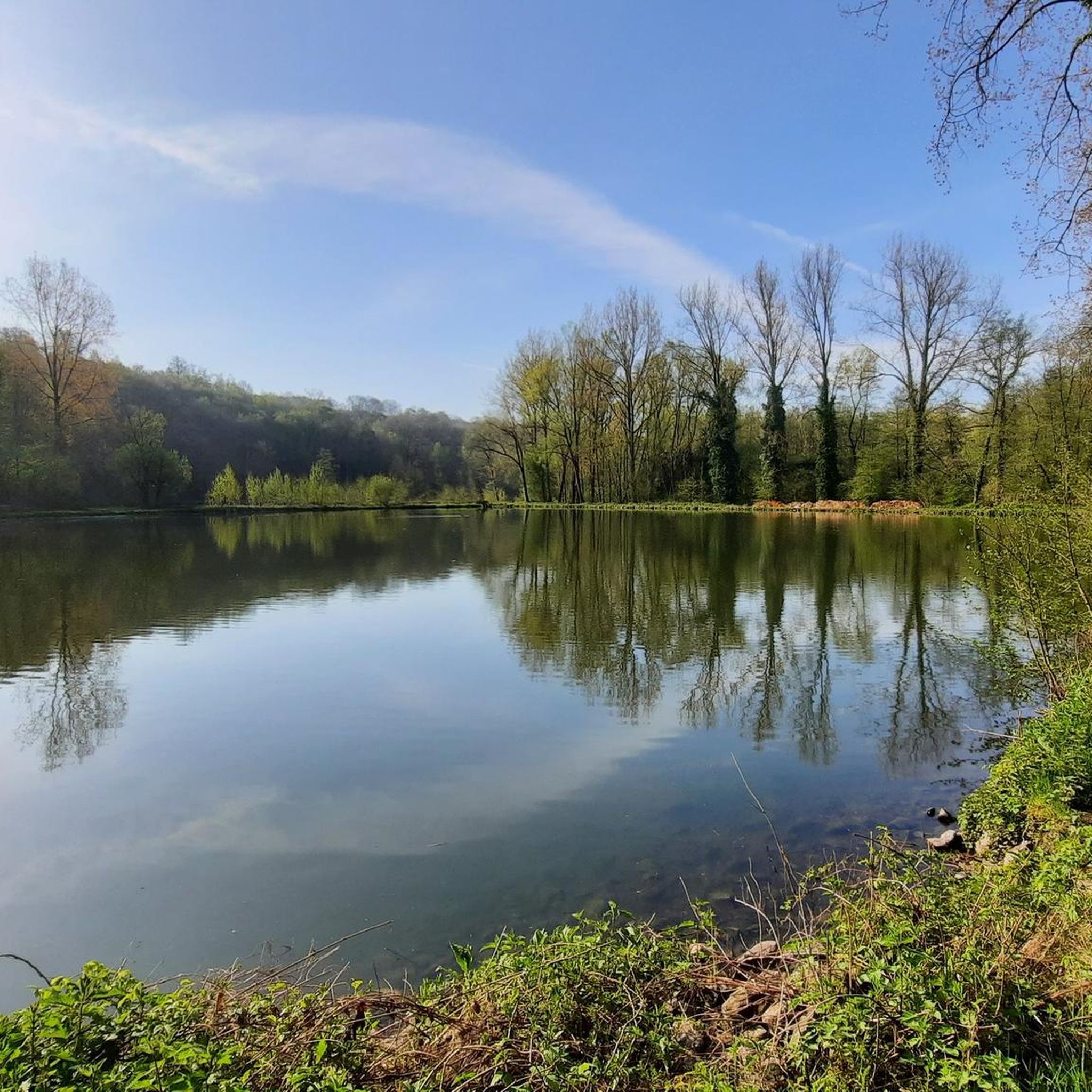
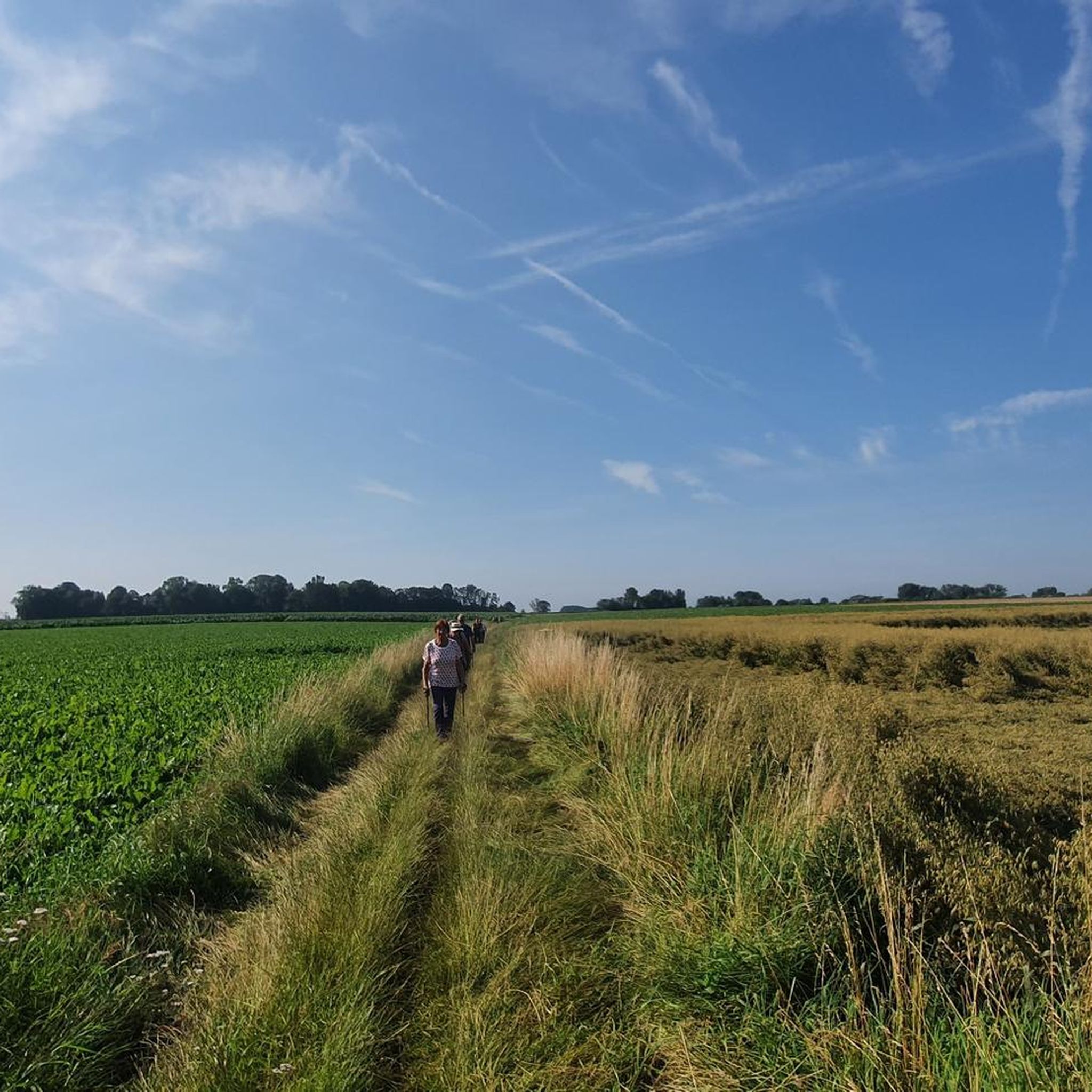
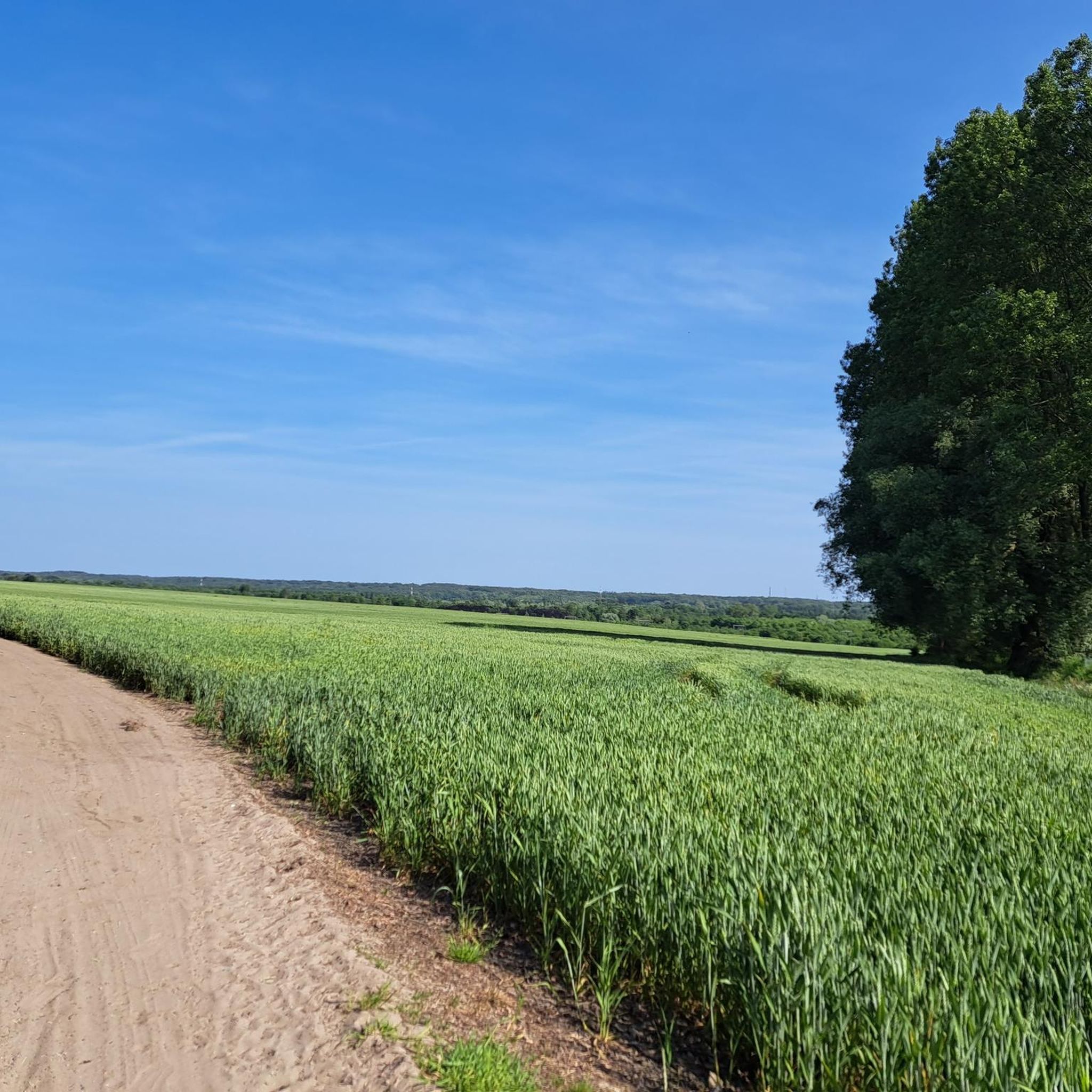
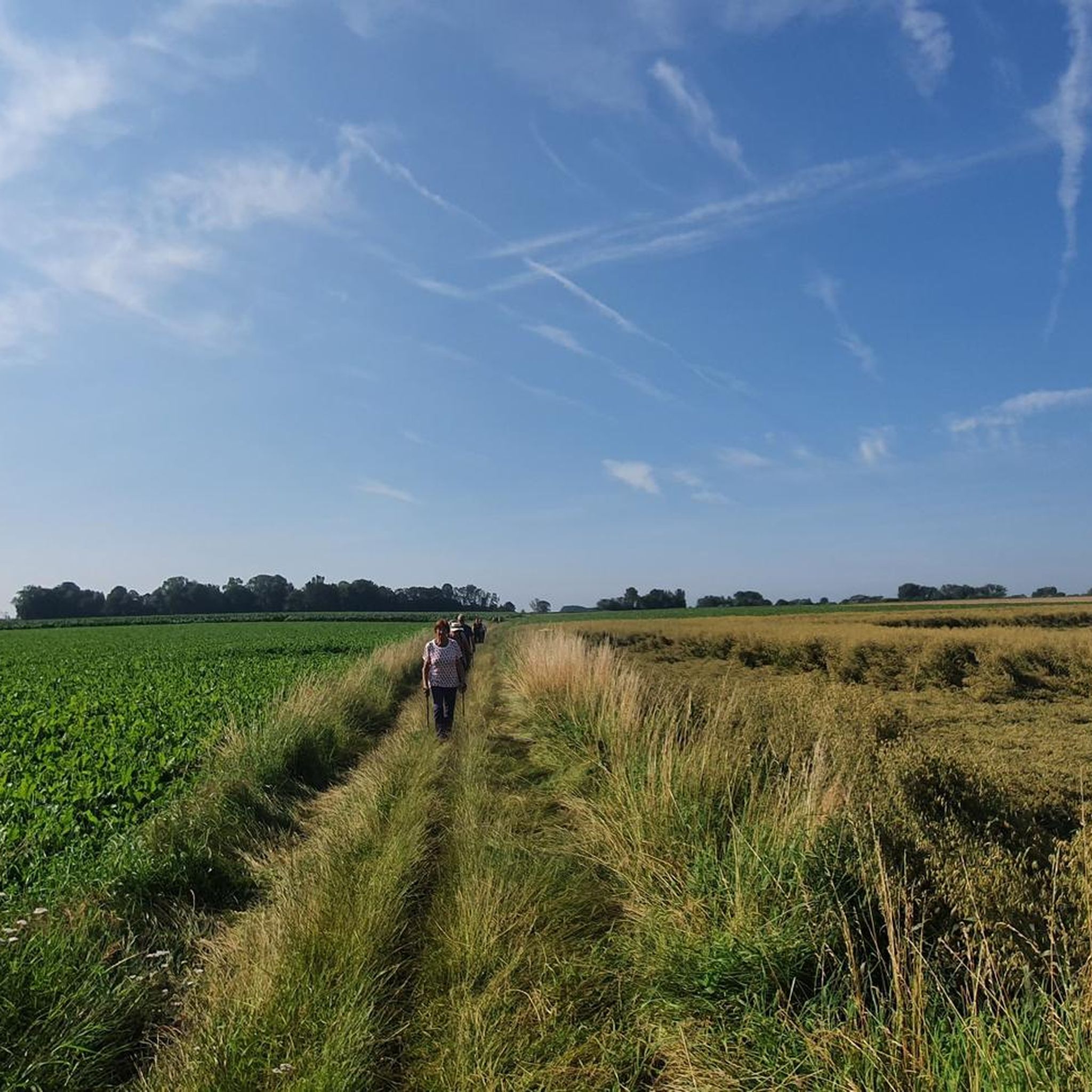
Hiking around Jurbise offers diverse landscapes, combining preserved natural areas with picturesque countryside. The region features unique peat moors, young birch forests, and extensive woodlands like the Bois de Ghlin and Bois de Baudour. Trails often traverse rural fields, small hills, and areas with historical elements, providing varied experiences for hikers.
Best hiking trails around Jurbise
- The most popular hiking route is Golf Club de Ghlin – Forest Trail Near Golf Course loop from Erbisœul Route de Jurbise, a…
Last updated: October 18, 2026
4.4
(17)
84
hikers
Moderate hike. Good fitness required. Easily walkable paths.
4.3
(12)
53
hikers
Hard hike. Very good fitness required. Easily walkable paths.

5.0
(6)
54
hikers
3.35km
00:51
10m
10m
Easy hike. Easily walkable paths.
4.6
(8)
45
hikers
Moderate hike. Good fitness required. Easily walkable paths.
4.2
(12)
54
hikers
10.0km
02:36
60m
60m
Moderate hike. Good fitness required. Easily walkable paths.
Get access to more routes and recommendations from other explorers.
Already have an account?
Our route recommendations are based on thousands of hikes, rides, and runs completed by other people on komoot.
Start today with a free account
Your next adventure awaits.

Other adventures around Jurbise

Tips from the Community

The collegiate church of Saint Waltrudis in Mons is a church built in the Brabantine Gothic style, dedicated to the patron saint of the city, Saint Waltrudis. The first stone of the church, originally designed by the architect Jan Spijkens, was laid in the year 1450 by order of the chapter of Saint Waltrudis. From 1457, the management of the work that had just begun was entrusted to Matthijs de Layens, who was inspired by the Saint Peter's Church in Leuven. Work continued until 1686, but the stylistic unity of the building did not suffer. With its 16th-century stained glass windows and the famous Car d'or, a richly decorated, gilded ceremonial carriage from 1780, containing the reliquary of Saint Waltrudis, which is driven through the city in procession every year during the Doudou, the interior of the church is particularly remarkable. In the 16th century, the church gained a remarkable work of art: an alabaster rood screen decorated with Renaissance sculptures by the local artist Jacques Dubrœucq. The screen itself was destroyed during the French Revolution in 1797, but some statues and bas-reliefs were recovered and are displayed here and there in the choir, the transept, and the side chapels.
0
0
The construction of the new train station in Bergen is a long story with many episodes. The year is 2004: the original plan provides for a refurbishment of the existing station building by the modernist architect René Panis, a footbridge over the railway tracks connecting the city center with a nearby shopping center and providing access to the platforms, a roof over the platforms, and a parking lot for commuters. The NMBS provides a budget of 37 million euros. The railway company launches a competition. The plans for a refurbishment of the station building 'mature' and change gradually. After much discussion between all parties involved, a jury led by Elio Di Rupo (PS), Walloon Minister-President and mayor of Bergen, chooses the design of the Spanish architect Santiago Calatrava. He is not only an architect, but also an artist. He is also notorious for his projects that are often much more expensive than planned. Delay The target date for the new station is 2015, the year in which Bergen is the European Capital of Culture. There is therefore some prestige involved in the project. The plans for the new train station are being redrawn. The footbridge over the railway tracks has become a brand-new station building above the tracks, the new design provides multimodal transfer options between the train and city and regional transport, and the parking lot has become a covered parking garage. The modernist station building from the 1950s is being demolished, despite protests. Work on the new building is delayed. Thanks to the bankruptcy of one of the contractors and conflicts with subcontractors. The construction site is regularly at a standstill and the target date of 2015 turns out not to be possible. Meanwhile, the bill is rising: in 2011 to 222 million euros, in 2021 to 289 million, and today to 480 million. That figure is, by the way, not yet final.
0
0

great course crossing the golf course
1
0

Beautiful building in a quiet forest. Benches provided to enjoy a moment
0
0

Magnificent collegiate church with superb alabaster sculptures.
2
0
Pretty sculpture at the foot of the collegiate church.
3
1

Square Saint-Germain with its stately chestnut tree and its fountain of the volunteers of 1830. This fountain in memory of the Mons warriors from 1830 originally stood on the place Régnier-au-Long-Col and was festively unveiled on 1 June 1930, on the occasion of 100 years of the Belgian revolution, by Mayor Victor Maistriau.
6
0
Frequently Asked Questions
How many hiking trails are available around Jurbise?
Jurbise offers a wide selection of hiking trails, with over 50 routes recorded on komoot. These range from easy strolls to more challenging day hikes, ensuring options for various fitness levels and preferences.
What kind of landscapes can I expect to see while hiking in Jurbise?
Hiking in Jurbise reveals diverse landscapes, including unique peat moors and young birch forests within the Mer de Sable Nature Reserve, extensive woodlands like the Bois de Ghlin and Bois de Baudour, and picturesque rural countryside with fields and small chapels. You'll also find trails passing near the Royal Golf Club of Hainaut, offering a tranquil setting.
Are there any easy, family-friendly walks in Jurbise?
Yes, Jurbise has several easy trails suitable for families. For example, the Lake View – Pond in the Baudour forest loop from Mares du Bois de Baudour is an easy 3.2 km route that can be completed in under an hour, perfect for a relaxed outing.
What are some notable natural features or landmarks to look out for on Jurbise hikes?
Beyond the general natural beauty, you can explore the unique ecosystem of the Mer de Sable State Reserve, known for its peat moors and rare flora. Other interesting features include the Locquet Fountain in Herchies and the intriguing Clou Tree, both adding a touch of local heritage to your walk.
Are there any circular hiking routes in Jurbise?
Many of the trails in Jurbise are designed as circular routes, allowing you to start and end at the same point. An example is the Golf Club de Ghlin – Forest Trail Near Golf Course loop from Erbisœul Route de Jurbise, which is a moderate 7.9 km loop through wooded areas.
What do other hikers say about the trails in Jurbise?
The hiking routes in Jurbise are highly regarded by the komoot community, with an average rating of 4.5 stars from over 680 reviews. Hikers often praise the well-maintained paths, the peaceful atmosphere of the woodlands, and the varied scenery that combines natural beauty with glimpses of rural life.
Can I find longer, more moderate hikes in the Jurbise area?
Absolutely. Jurbise offers several moderate trails for those seeking a longer excursion. The Eiffel Tower of Jurbise – Forest Trail Near Golf Course loop from Jurbise is a moderate 10.2 km path that provides scenic views and passes through forest sections, typically taking around 2 hours and 35 minutes.
Are there historical sites or castles accessible from hiking trails in Jurbise?
Yes, Jurbise's hiking routes often integrate cultural and historical elements. You might encounter beautifully maintained chapels, old farms, and even several castles in the wider region, such as the Château de Beloeil or Havré Castle, adding a rich cultural dimension to your walk.
What is the best time of year to go hiking in Jurbise?
Jurbise offers pleasant hiking experiences throughout the year. Spring brings blooming flora, while autumn showcases vibrant foliage in the extensive woodlands. The unique peat moors of the Mer de Sable Nature Reserve can be particularly interesting in different seasons, with heather and carnivorous plants visible at various times.
Are there any trails that explore the Bois de Baudour?
Yes, the Bois de Baudour is a popular area for hikers. The The Round House – Pond in the Baudour forest loop from Herchies Vacresse is a moderate 11.25 km trail that allows you to explore the diverse flora and serene environment of this forest.
Where can I find more information about the Jurbise region?
For additional information about the municipality of Jurbise and its attractions, you can visit the official tourism website for the region: visitmons.be.
Most popular attractions around Jurbise

Get inspired with the komoot mobile app


Explore more
Browse the best Hikes in other regions.
