The best cycling routes around Willebroek
4.5
(170)
1,810
riders
85
rides
Touring cycling around Willebroek offers an extensive network of routes across a predominantly flat terrain, making it accessible for various skill levels. The region is characterized by its significant waterways, including the Rupel River and the historic Willebroek Canal, which provide scenic paths. Cyclists can explore diverse landscapes such as the Polders of Kruibeke, known for their floodplains and natural beauty, alongside numerous green spaces and historical features like forts. Navigation is often facilitated by a convenient node network, allowing…
Last updated: July 11, 2026
4.4
(24)
209
riders
53.9km
03:10
100m
100m
Moderate bike ride. Good fitness required. Mostly paved surfaces. Suitable for all skill levels.
4.3
(15)
82
riders
49.5km
02:57
60m
60m
Moderate bike ride. Good fitness required. Mostly paved surfaces. Suitable for all skill levels.

Sign up for free
4.6
(10)
81
riders
30.2km
01:53
50m
50m
Easy bike ride. Great for any fitness level. Mostly paved surfaces. Suitable for all skill levels.
3.8
(4)
44
riders
Moderate bike ride. Good fitness required. Mostly paved surfaces. Suitable for all skill levels.
4.0
(8)
46
riders
45.9km
02:53
60m
60m
Hard bike ride. Good fitness required. You may need to push your bike for some segments of this route.
Get access to more routes and recommendations from other explorers.
Sign up for free
Already have an account?
Our route recommendations are based on thousands of hikes, rides, and runs completed by other people on komoot.
Start today with a free account
Your next adventure awaits.
Login or Signup
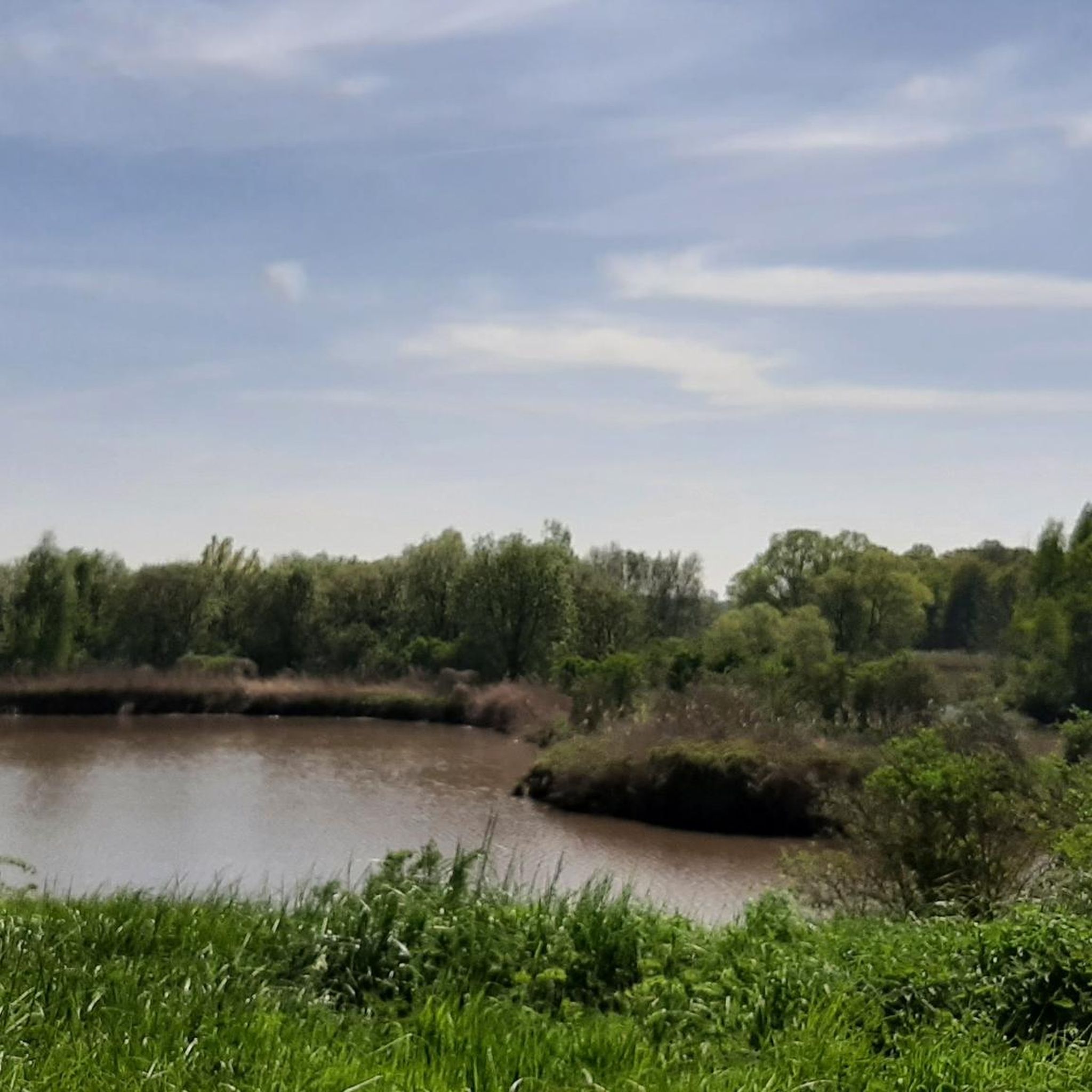
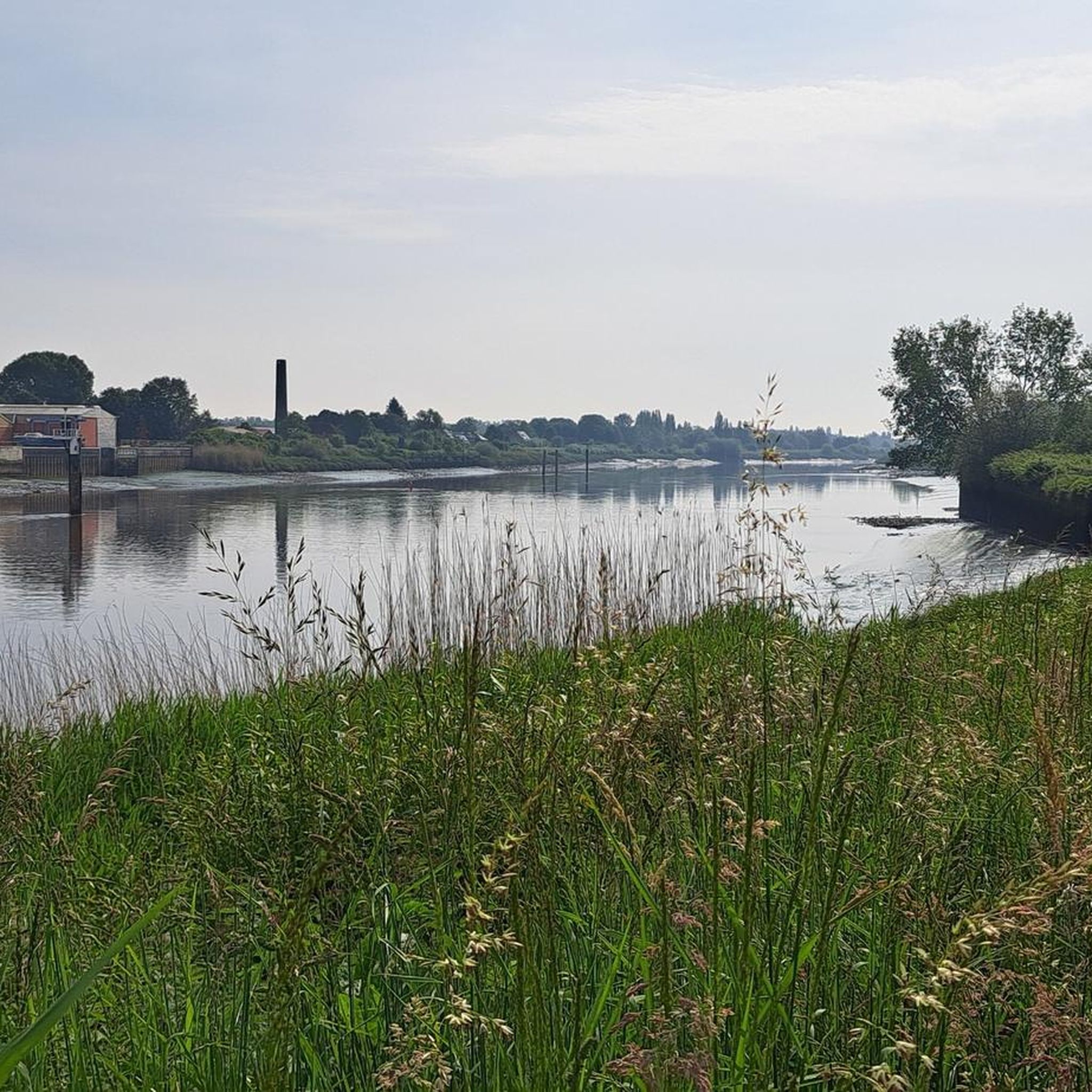
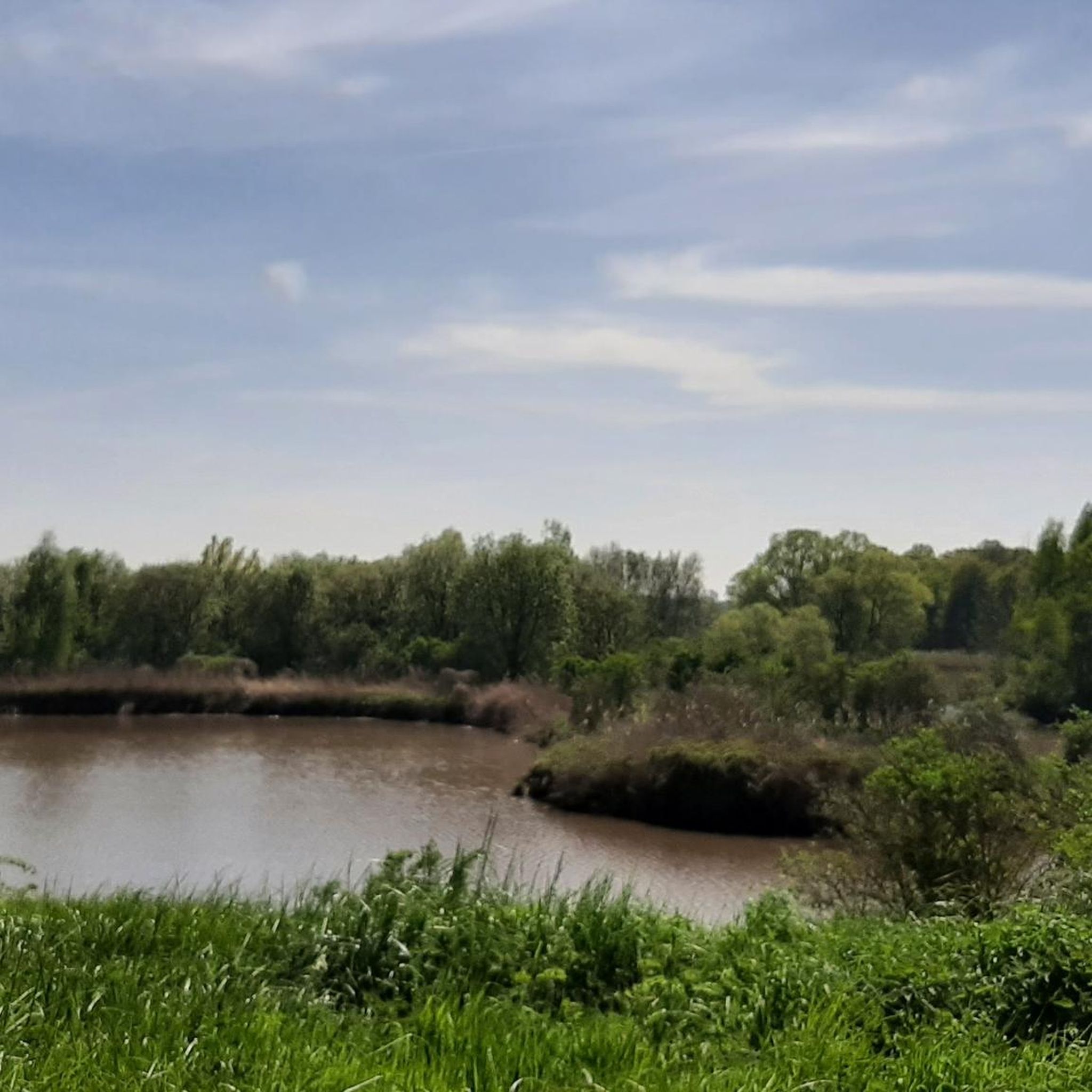
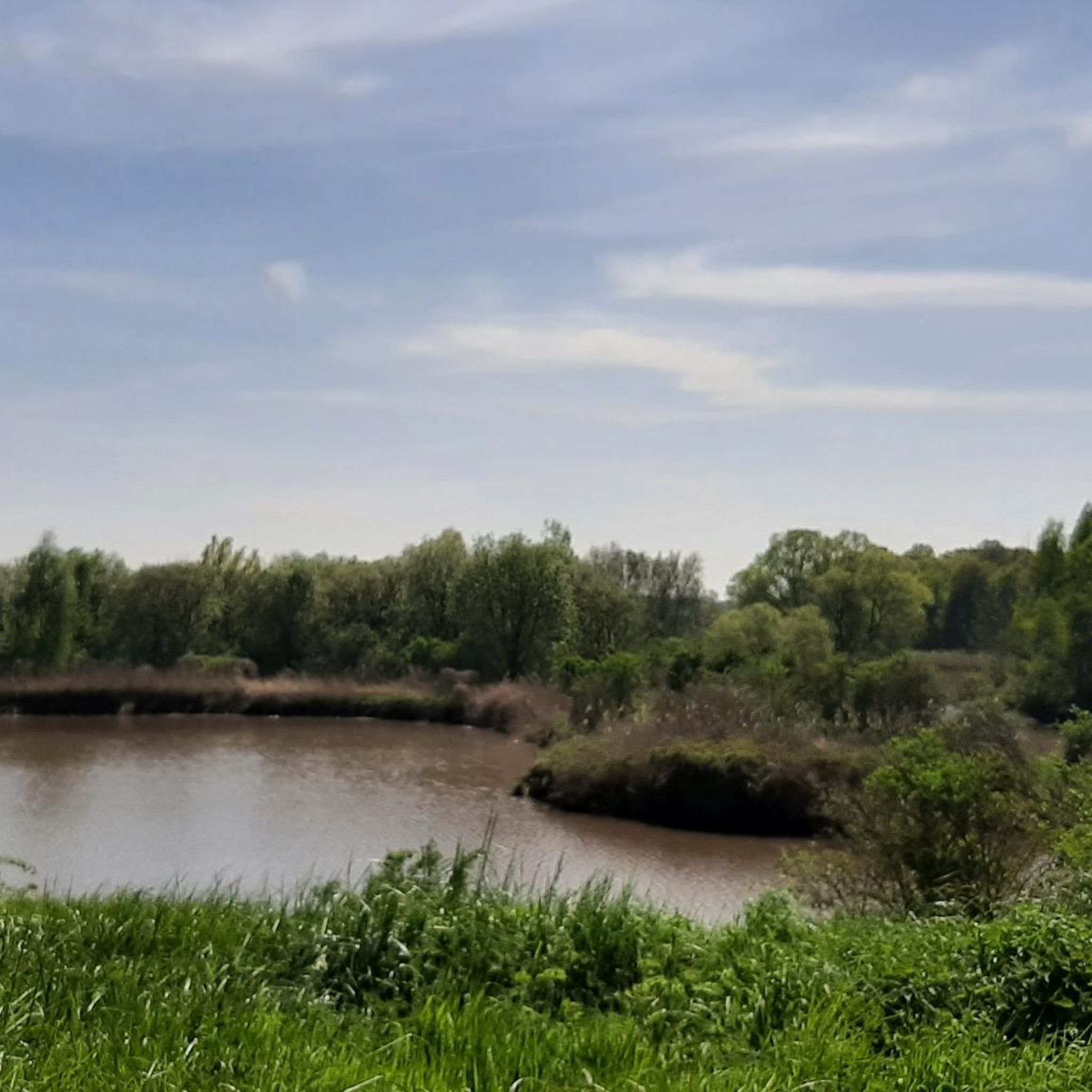
Tips from the Community

For cyclists, this is a short but striking moment: you take the lift up, roll over the bridge, and descend again with the lift on the other side – a vertical movement that briefly breaks the rhythm of the ride. The bridge is located just behind the Vilvoorde viaduct, making it appear both small and striking within the grand infrastructure setting. The name refers to the salangan, a swift that returns over Vilvoorde in April, and to Frederik Vanclooster, whose totem name ‘entertaining salangan’ adds a personal layer to the work.
7
0

Next to the church's large entrance gate hangs a memorial plaque for the 16 Tisselt members of the resistance group De Zwarte Hand. Only 4 of the 16 members survived the war. Marcel De Mol, who was the sacristan of this church in 1940, founded the group as early as the summer of 1940. For his non-violent resistance against Nazism, he was executed in Lingen on August 7, 1943, after a sham trial.
0
0

History: formerly Buitenland was marshland. Over the centuries, dikes were built and land was reclaimed. The name "Buitenland" (also "Buytenland" or "Buijten landt") presumably refers to land reclaimed from the marshes outside the dikes. Until 1845, the area was almost uninhabited. After further land reclamation, the hamlet grew into a residential nucleus, stimulated by the family business. The hamlet has no church or school. It remains to this day a biologically valuable area.
3
0

The St. John the Baptist Church in Tisselt has found a secondary purpose. The Orthodox parish of the Holy Theophany has been using the church building for services since October 2025, in addition to its current use by the local Catholic community. The parish concluded this agreement with Kerkfabriek Sint-Niklaas Willebroek. Kerkfabriek Sint-Niklaas Willebroek had been looking for a new purpose for the St. John the Baptist Church in Tisselt for some time. Studies conducted to list the various options yielded few concrete proposals. However, Kerkfabriek came into contact with the Holy Theophany parish. This Orthodox community was urgently looking for a new location for their services. Their current space in Mechelen was no longer available. The solution was found in a shared use of the church in Tisselt. (RTV)
7
0
The Humbeek-Sas lift bridge is a classic metal lift bridge that spans the Brussels–Scheldt Sea Canal in Humbeek, a sub-municipality of Grimbergen. Built in 1968, it is one of three identical lift bridges on the canal, along with: Brielen Bridge (Tisselt) Verbrande Bridge (Grimbergen) All three share the same dimensions: 38.4 m long and 11.6 m wide.
6
0
One of the best options if you are on a racing bike.
5
0

Please note, Café den Etranger was not open when we passed by, even though it was a Saturday 😎
1
0

Perhaps you've already spotted a small tower from afar, proudly rising above the greenery and the Rupeldijk. The tower belongs to Den Bocht Castle, situated in a bend in the Rupel River. However, this small castle wasn't the first structure on this site. A 16th-century map already shows two moated farms: De Bocht Farm and the old stone fortress Steendere, which some even believe dates back to Roman times. Remnants of this can be recognized as a large body of water just behind the Rupeldijk.
7
0
Frequently Asked Questions
How many touring cycling routes are available around Willebroek?
There are over 70 touring cycling routes around Willebroek. These routes cater to various skill levels, with 37 easy, 31 moderate, and 5 more challenging options, ensuring there's a suitable path for almost every cyclist.
Are there touring cycling routes suitable for beginners or families in Willebroek?
Yes, Willebroek's predominantly flat terrain and well-developed cycling infrastructure make it ideal for beginners and families. You'll find 37 easy routes, many of which follow scenic waterways like the Willebroek Canal. A great option for a leisurely ride is the Riverside Gravel Path – Brielen Bridge - Tisselt loop from Willebroek, which is 30.1 km long and rated easy.
What kind of landscapes can I expect to see while cycling in Willebroek?
Willebroek offers diverse landscapes characterized by its extensive waterways, including the Rupel River and the historic Willebroek Canal. Cyclists can explore the vast floodplains of the Polders of Kruibeke, known for their rich natural beauty and wildlife, as well as numerous green spaces like Biezenweiden and Blaasveldbroek. The routes often feature picturesque riverside paths and charming villages.
Are there any historical sites or landmarks along the cycling routes?
Yes, many touring cycling routes in Willebroek pass by significant historical sites and landmarks. You can explore historical fortifications like Fort Liezele, or admire architectural features such as the Blue Cycle Bridge over the Dijle and the Blue Pedestrian Bridges at the Three Rivers Point. The Fort Liezele – Zennegat loop from Heindonk is a moderate 48.8 km route that specifically explores historical forts and the natural area around Zennegat.
What do other touring cyclists enjoy most about cycling in Willebroek?
The touring cycling routes in Willebroek are highly rated by the komoot community, with an average score of 4.6 stars from over 130 reviews. Cyclists often praise the region's flat and accessible terrain, the scenic beauty of the waterways and polders, and the convenience of the node network for navigation. The variety of routes, from easy canal-side rides to longer excursions, is also frequently highlighted.
Are there any circular touring cycling routes in Willebroek?
Yes, many of the touring cycling routes around Willebroek are designed as loops, offering convenient starting and ending points. For example, the popular Humbeek Sas Lift Bridge – Murals on the Brussels Canal loop from Willebroek is a 56.6 km moderate route that takes you past unique murals and a lift bridge. Another option is the Klein Willebroek Little Bridge – A bird paradise loop from Willebroek, a 40.6 km moderate route.
Can I find routes that offer good viewpoints or natural features?
Absolutely. Willebroek's landscape is rich in natural features and scenic spots. The waterways, including the Rupel River and Willebroek Canal, provide numerous picturesque views. The Polders of Kruibeke are a highlight for nature lovers, offering vast floodplains and diverse wildlife. The Beautiful view of Hof te Melis – Buitenland hamlet loop from Willebroek is a 45.7 km moderate route that specifically highlights a beautiful view.
What is the best season for touring cycling in Willebroek?
Willebroek is enjoyable for touring cycling throughout much of the year, but spring and autumn often offer the most pleasant conditions. Spring brings blooming nature and mild temperatures, while autumn provides beautiful foliage. The flat terrain means routes are generally accessible, but checking local weather forecasts is always recommended, especially for potential rain.
Are there options for parking near the cycling routes in Willebroek?
Yes, Willebroek is generally well-equipped for cyclists, and you can find various parking options in and around the municipality, especially near popular starting points for routes. Many routes are accessible from central locations or specific trailheads where parking facilities are available. It's advisable to check specific route details for recommended parking spots.
Are there any cafes or pubs along the cycling routes for a break?
Given Willebroek's well-developed infrastructure and charming villages, you'll often find opportunities for breaks at cafes and pubs along or near the cycling routes. The region is known for its hospitality, and many establishments cater to cyclists, offering a chance to refuel and relax. The 'node' network system also makes it easy to detour slightly to find amenities.
Is it possible to combine cycling with public transport in Willebroek?
Yes, combining cycling with public transport is a convenient way to explore Willebroek and its surroundings. Belgian public transport, including trains and buses, often accommodates bicycles, though specific rules and peak hour restrictions may apply. This allows cyclists to reach starting points easily or extend their range beyond a single loop, making the region highly accessible.
Are there any specific cycling networks or systems used in Willebroek?
Willebroek is part of a convenient 'node' network system, which is popular in Belgium and the Netherlands. This system uses numbered junctions (nodes) on cycling paths, allowing you to easily plan and customize your own routes by following the numbers from one node to the next. This makes navigation straightforward and offers great flexibility for exploring the region.
Most popular routes around Willebroek
Most popular attractions around Willebroek

Get inspired with the komoot mobile app


Explore more
Browse the best Cycling routes in other regions.
