The best MTB trails around Kapelle-Op-Den-Bos
4.5
(25)
224
riders
30
rides
Mountain biking around Kapelle-Op-Den-Bos offers varied terrain across a predominantly flat, agricultural landscape. The region is characterized by gentle rivers like the Dijle and Nete, alongside wooded areas and dedicated paths. Elevation gains are generally low, making many routes accessible, while some sections provide more technical challenges. The network includes quiet roads, unpaved sections, and gravel paths, connecting various natural features and local towns.
Best mountain bike trails around Kapelle-Op-Den-Bos
- The most popular mountain bike trail is Juleskesroute - Red…
Last updated: July 7, 2026
3.5
(12)
78
riders
32.9km
02:09
40m
40m
Moderate mountain bike ride. Good fitness required. Advanced riding skills necessary.
4.0
(4)
10
riders
19.8km
01:18
30m
30m
Moderate mountain bike ride. Great for any fitness level. Advanced riding skills necessary.

Sign up for free
7
riders
126km
07:59
810m
810m
Hard mountain bike ride. Very good fitness required. Advanced riding skills necessary. Some portions of the route may require you to push your bike.
10
riders
58.1km
03:09
100m
100m
Moderate mountain bike ride. Good fitness required. Suitable for all skill levels.
5.0
(3)
7
riders
85.2km
04:50
290m
290m
Moderate mountain bike ride. Good fitness required. Suitable for all skill levels.
Get access to more routes and recommendations from other explorers.
Sign up for free
Already have an account?
Our route recommendations are based on thousands of hikes, rides, and runs completed by other people on komoot.
Start today with a free account
Your next adventure awaits.
Login or Signup

Tips from the Community


A church with a wooden tower dates back to the 11th century. Construction began in the 13th century on a stone church, which was modified and expanded primarily in the 15th and 17th centuries. The church was significantly enlarged in 1655 with the support of Count Eugeen de Berghe, Lord of Sint-Brixius-Rode (see the coat of arms on the west facade). When the church became very dilapidated at the end of the 19th century, urgent repairs were necessary. Between 1907 and 1908, the church underwent a thorough renovation in the Neo-Gothic style, carried out according to plans by architect F. Symons (1869-1942). The windows and roofing, in particular, were extensively modified. Source: Inventory of Immovable Heritage
1
0

The mention of Rode appears in a letter from 1110 when the Berthouts, lords of Grimbergen, transferred the 'altare de Mensce' together with its dependencies Oppem and Rode to Bishop Odo van Kamerijk. Meise then came under the patronage of the church of Grimbergen. When the abbey of Grimbergen was founded in 1127, this was accompanied by the transfer of the aforementioned goods (1132). In 1838, Sint-Brixius-Rode finally became independent of the parish of Meise and was given its own rectory. As early as the 11th century, there was mention of a church with a wooden tower. In the 13th century, a stone church was started, which was mainly modified and expanded in the 15th and 17th centuries. For example, the church was significantly enlarged in 1655 with the support of Count Eugeen de Berghe, lord of Sint-Brixius-Rode, see coat of arms in the west facade. When the church had become very dilapidated at the end of the 19th century, urgent restoration work was necessary. In the period 1907-1908, the church underwent a thorough transformation in neo-Gothic style, carried out according to the plans of architect F. Symons (1869-1942). The windows and roofing in particular were thoroughly modified. Previously, the church had pointed arch windows that were changed into neo-Gothic pointed arch windows with tracery. The choir, which was previously shorter and provided with the date 1749, was extended with a sacristy. (Inventory of Immovable Heritage)
13
0

It's beautiful here in all seasons.
0
0
It is wonderful to cycle through the forest here.
0
0
Beautiful drive along a stately avenue.
0
0
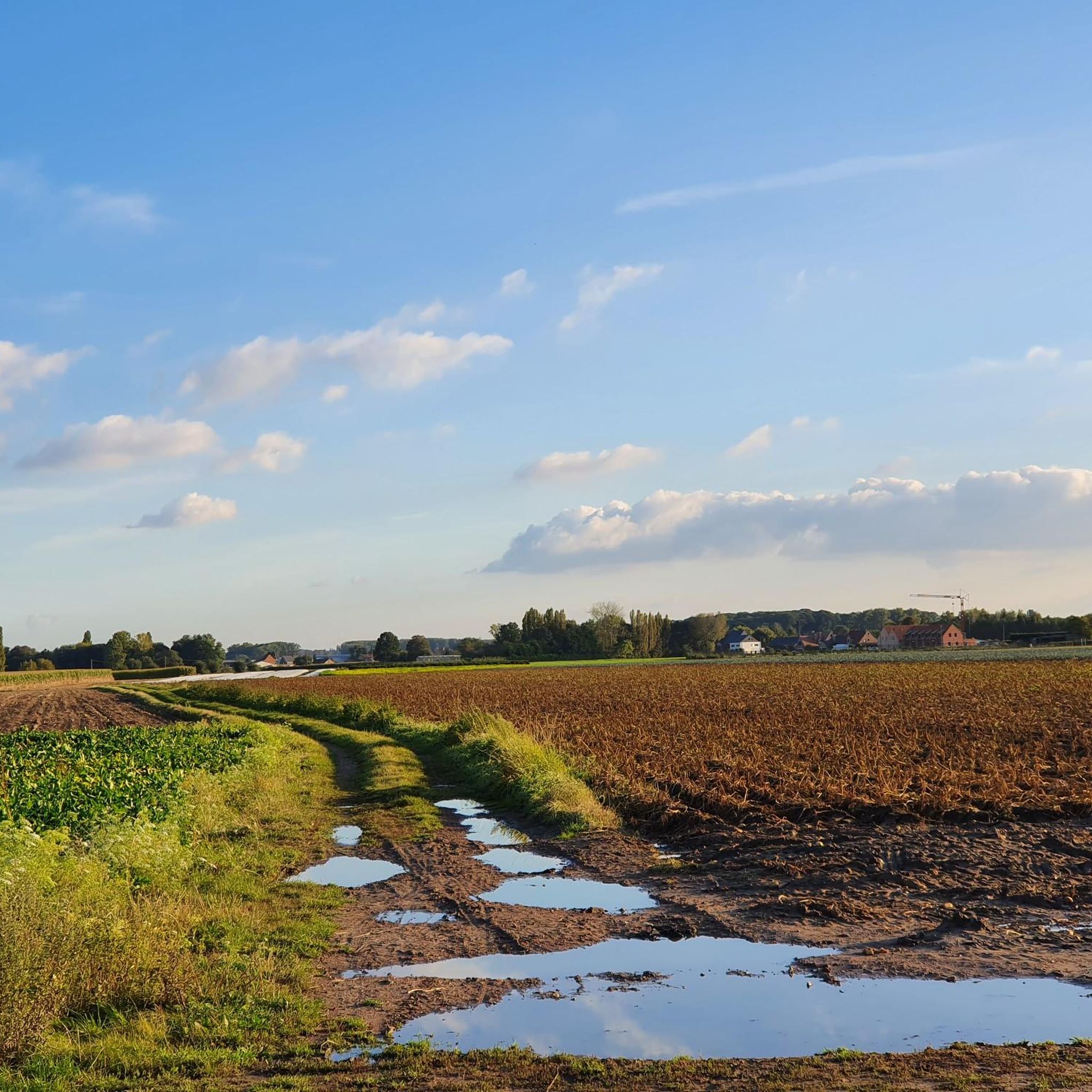
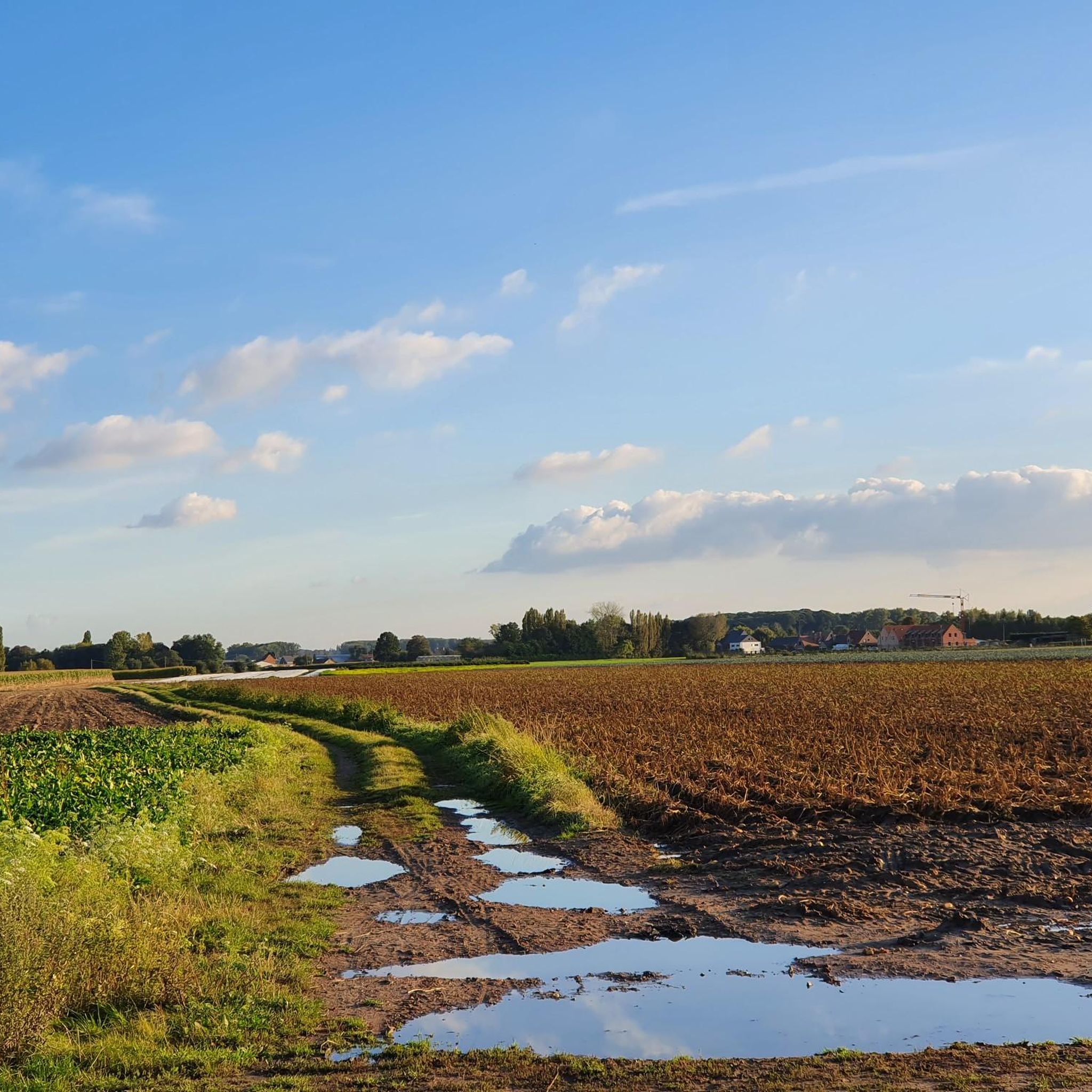
Nice narrow track through the grass.
0
0
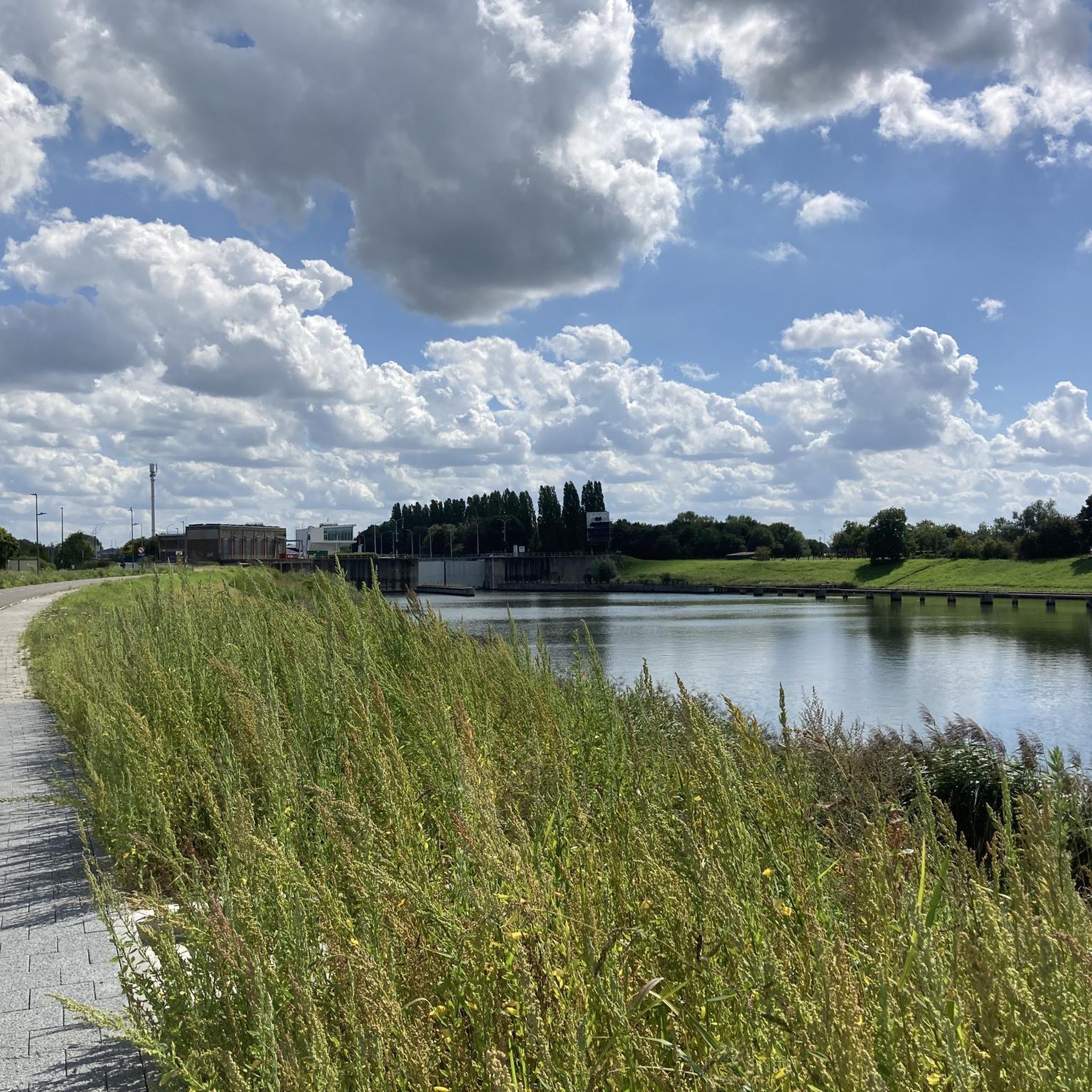
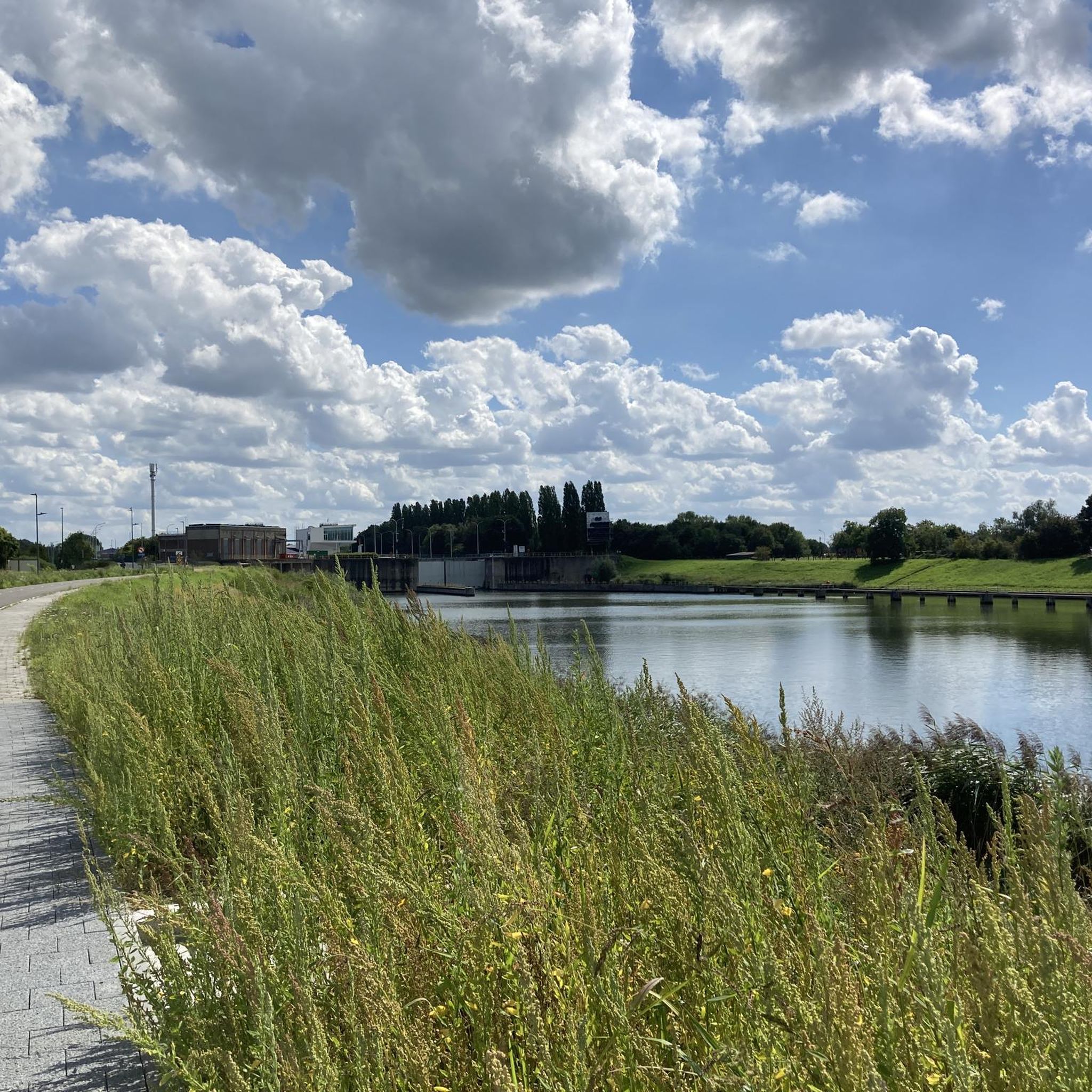
Amazing gravel section between paved paths. The sight of planes landing just above makes the sector even better.
0
0
Frequently Asked Questions
How many mountain bike trails are available in Kapelle-Op-Den-Bos?
There are over 35 mountain bike trails around Kapelle-Op-Den-Bos, offering a variety of options for different skill levels.
What kind of terrain can I expect on mountain bike trails in Kapelle-Op-Den-Bos?
The trails in Kapelle-Op-Den-Bos feature a mix of flat agricultural land, gentle river paths, and wooded sections. You'll encounter quiet roads, dedicated paths, unpaved sections, and gravel paths. While generally flat, some routes offer more technical challenges.
Are there any easy mountain bike trails suitable for beginners or families?
Yes, there are several easy trails. For instance, the Broekweg Hombeek loop from Kapelle-op-den-Bos is an easy route that covers 36.5 km and is suitable for those looking for a less strenuous ride.
What are some of the longer or more challenging mountain bike routes in the area?
For longer, moderate rides, consider the Over de Beek Trail – Gravel Road loop from Kapelle-op-den-Bos, which is 55.5 km, or the Nonnenbos singletrack – Fort van Liezele loop from Kapelle-op-den-Bos at 63.6 km. These routes offer extensive gravel roads and wooded sections.
Are there any circular mountain bike routes in Kapelle-Op-Den-Bos?
Many of the mountain bike routes in Kapelle-Op-Den-Bos are designed as loops. A popular example is the Juleskesroute - Red Loop, which is a 32.9 km circular trail winding through Kapelle centrum, Zemst, and Oxdonk.
What natural features or landmarks can I see along the mountain bike trails?
You can explore various natural features and landmarks. Many routes pass by the beautiful bridge constructions over the Dijle and Nete rivers, including the Blue Cycle Bridge over the Dijle and the Blue Pedestrian Bridges at the Three Rivers Point. The confluence of the Senne and Dijle rivers at Zennegat also offers scenic views.
Are there any historical sites or castles accessible from the mountain bike trails?
Yes, some mountain bike routes pass through picturesque castle domains like Berentrode and Zellaar. You might also encounter historical sites such as Fort Liezele, or catch a glimpse of Hof te Melis.
What do other mountain bikers enjoy most about the trails in Kapelle-Op-Den-Bos?
The mountain bike trails in Kapelle-Op-Den-Bos are highly rated by the komoot community, with an average score of 4.6 stars. Riders often praise the varied terrain, the peaceful agricultural landscapes, and the well-maintained gravel paths and singletracks.
Are there any amenities like cafes or pubs near the mountain bike trails?
Yes, after a ride, you can find cozy spots for refreshments. The 'De Drie Rievieren' terrace, located near the Blue Pedestrian Bridges, is a popular choice for cyclists.
Is parking available at the trailheads for mountain bikers?
While specific parking areas for each trailhead are not always explicitly marked, Kapelle-Op-Den-Bos is generally accessible, and parking can often be found in the vicinity of the town center or starting points of major routes like the Juleskesroute.
What is the best time of year to go mountain biking in Kapelle-Op-Den-Bos?
The region's predominantly flat terrain and varied paths make it suitable for mountain biking through much of the year. Spring and autumn offer pleasant temperatures and beautiful scenery, while summer can be enjoyable, especially on shaded routes. Always check local weather conditions before heading out.
Are there any trails that feature singletrack sections?
Yes, the area includes singletrack sections for those seeking a more technical experience. The Nonnenbos singletrack – Fort van Liezele loop from Kapelle-op-den-Bos is a prime example, leading through wooded areas and offering dedicated singletrack segments.
Most popular routes around Kapelle-Op-Den-Bos
Most popular attractions around Kapelle-Op-Den-Bos

Get inspired with the komoot mobile app


Explore more
Browse the best MTB trails in other regions.
