Top 20 Castles around Ghent
Castles around Ghent offer a journey through centuries of history in a region shaped by the confluence of the Lys and Scheldt rivers. This historic city, once a powerful medieval hub, features a landscape dotted with fortifications and grand estates. The area's strategic importance led to the construction of numerous castles, reflecting its rich past and architectural evolution. Visitors can explore a variety of these structures, from imposing medieval fortresses to elegant Renaissance châteaux.
Best castles around Ghent
- The most popular castles is Poeke Castle, a castle completely surrounded by water and accessible via a bridge. Its 56-hectare park features a neoclassical castle with a history dating back to the 12th century.
- Another must-see spot is Gravensteen Castle, a fortified moated castle. It is the only remaining medieval castle in Flanders with an almost intact defense system, dating from 1180.
- Visitors also love Ooidonk Castle, a Renaissance castle known for its impressive towers and stepped gables. The castle and its beautifully maintained gardens are open to the public on specific days.
- Ghent is known for medieval fortresses, Renaissance châteaux, and moated castles. The region offers a variety of castles to see and explore, each with its own unique history and architectural style.
- The castles around Ghent are appreciated by the komoot community. The guide features 14 highlights, with more than 800 photos and over 1100 upvotes from visitors.
Last updated: July 1, 2026
Gravensteen Castle
Highlight • Castle
gravensteengent.be
Translated by Google •
Tip by

The Blue Gate
Highlight • Monument
Translated by Google •
Tip by
Sign up now to discover places like this
Get recommendations on the best single tracks, peaks, & plenty of other exciting outdoor places.
Sign up for free
Ooidonk Castle
Highlight • Castle
If you are planning this tour, take this visit into account as well! (I absolutely must, for € 3 you can get in.) (=> route description Routen.be)
Translated by Google •
Tip by
Poeke Castle
Highlight • Castle
It is unknown when the first castle was built on site, but Poeke was already mentioned in 1139. The building did play an important role in the conflict between Louis of Male and the people of Ghent in 1382. In the same year, Eulaard II van Poeke was killed when he led the count's troops at the battle of the Beverhoutsveld against the advance of the Ghent militia. who had tried to stop his castle.
The lords of Poeke were loyal vassals of the Count of Flanders. For example, Anastasia van Oultre, second wife of Eulard III of Poeke, remarried Robert of Flanders, bastard son of Louis of Male.
In 2021, the municipality of Aalter sold the castle to Tourism Flanders for a symbolic amount.
Translated by Google •
Tip by

Geeraard the Devil's Castle
Highlight • Castle
Geraard de Duivel was born around 1210 as the son of Zeger II, Viscount of Ghent. In official documents he called himself "Knight Geraard van Gent; nicknamed the Devil". There are several legends surrounding this lordship. He would have killed his father because he wanted his son to participate in a crusade. he would also have kicked his son to death. Furthermore, he occupied himself with "brasserie, infamy, and atrocities."
Translated by Google •
Tip by
Sign up for free to discover even more castles around Ghent.
Sign up for free
Already have an account?
Start today with a free account
Your next adventure awaits.
Login or Signup
Popular around Ghent
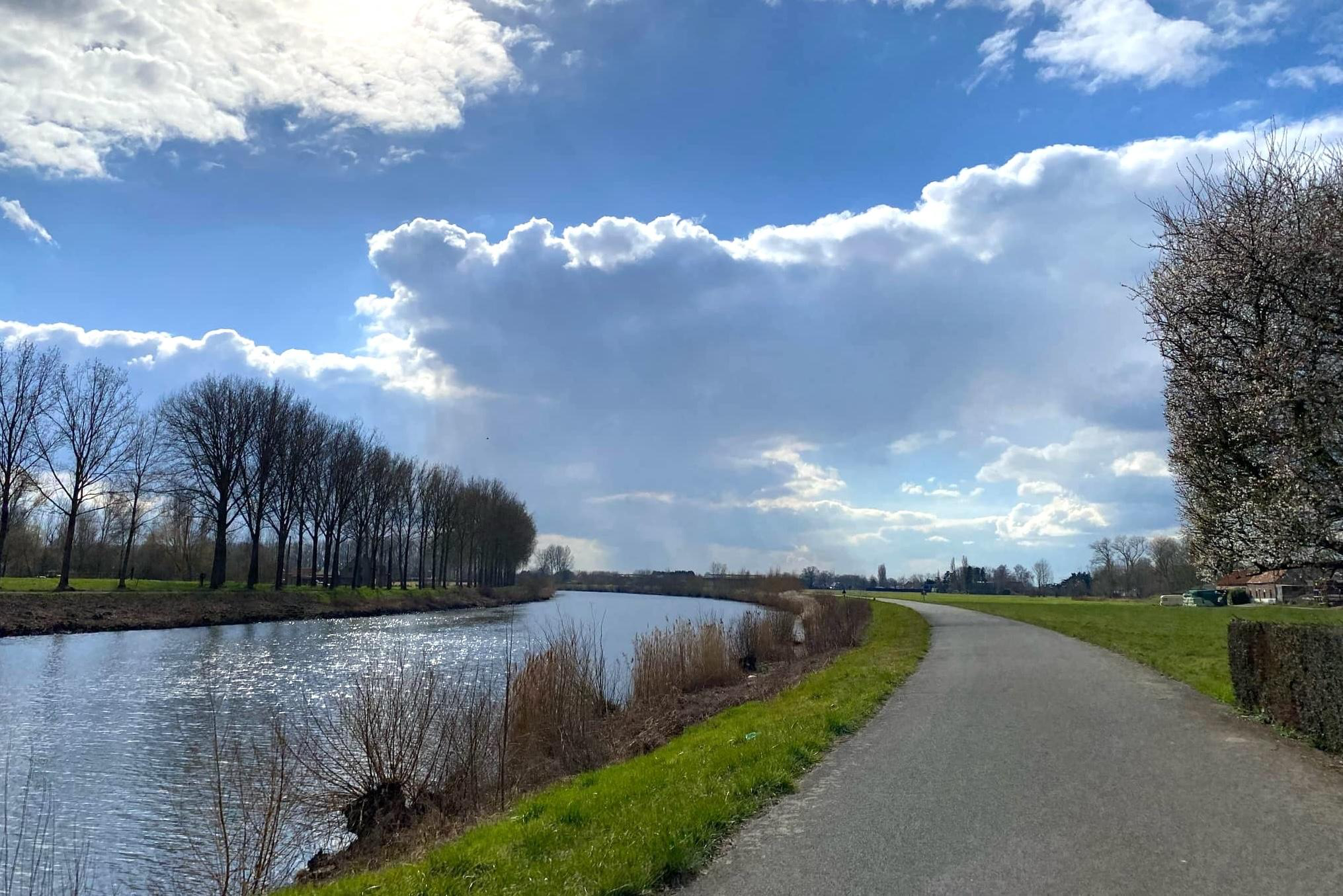
Three days of pure cycling pleasure from Spiere to Zandvliet – Schelderoute
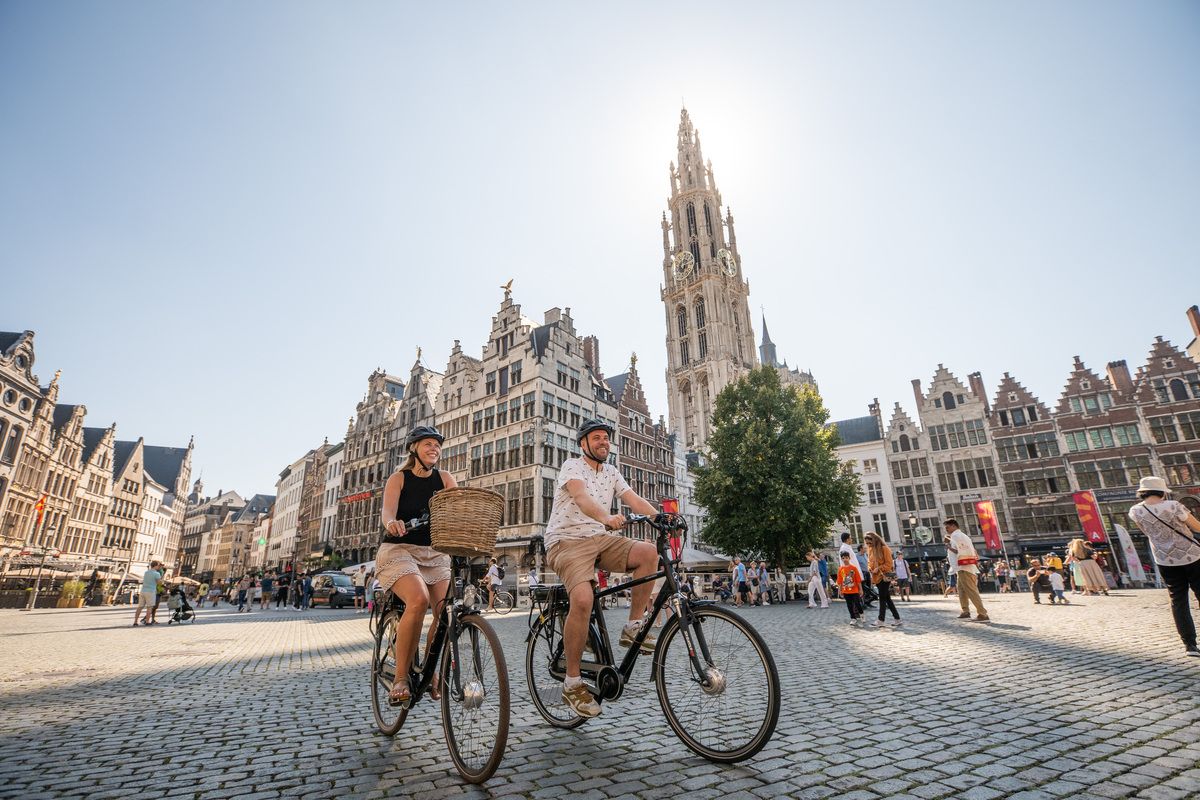
Flanders' Finest Cycle Routes: routes around the Flemish art cities
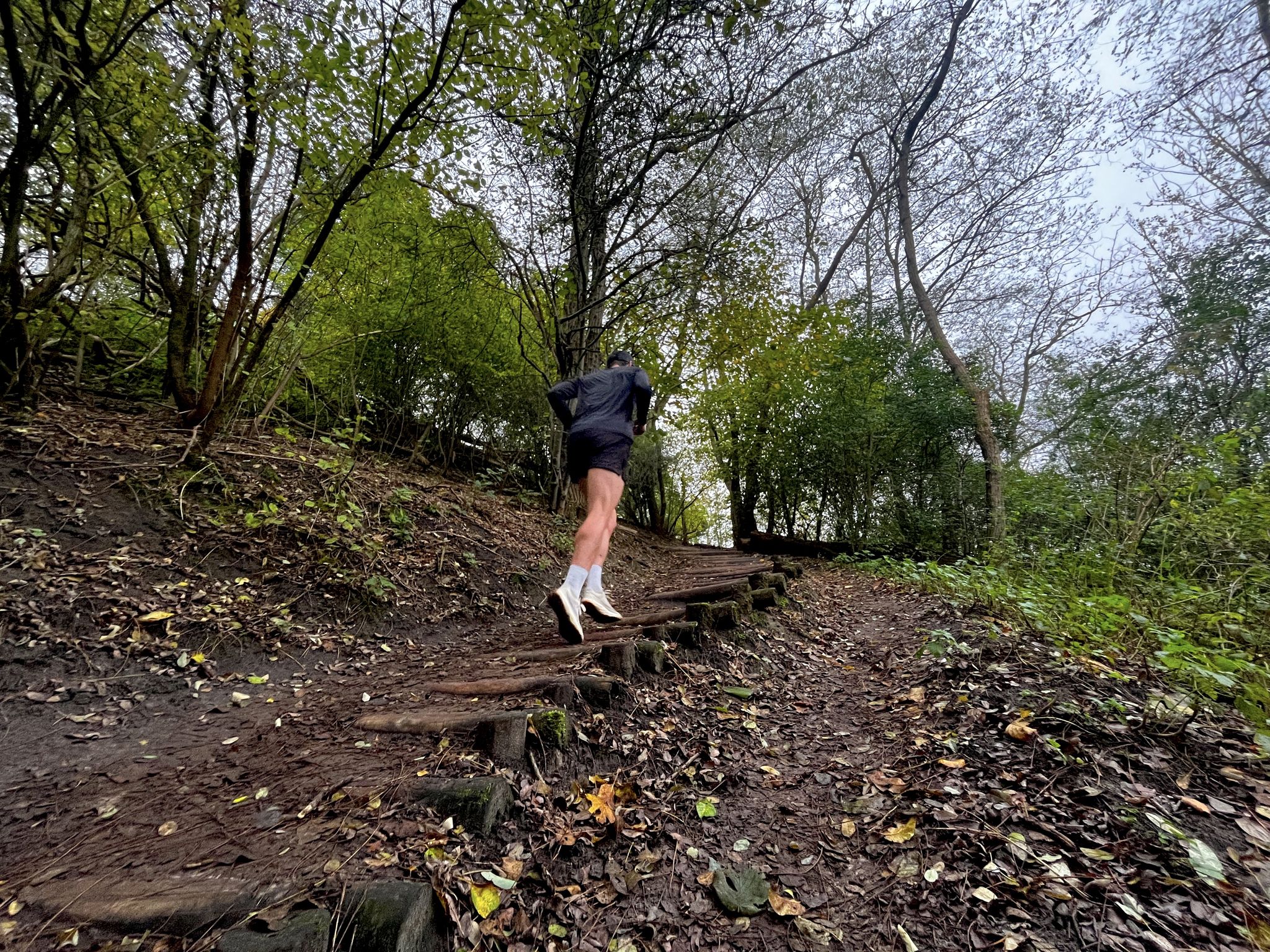
Between city and nature – running on the outskirts of Ghent
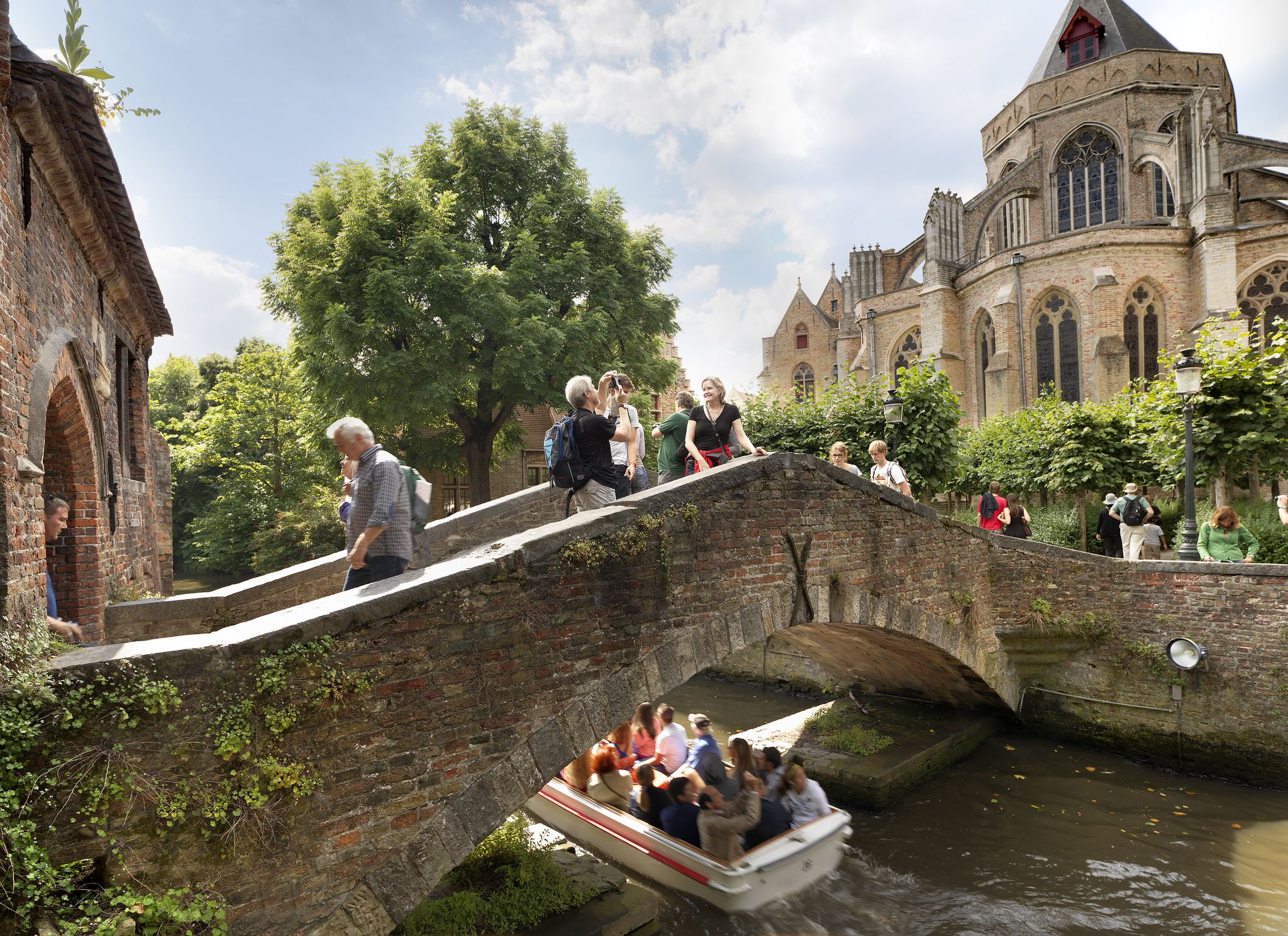
10,000 steps through Flanders' Art Cities
Waterside walks in Flanders
The best of Flanders — the Flanders Route
Flanders by bike: cycling along the water
Running Trails around Ghent
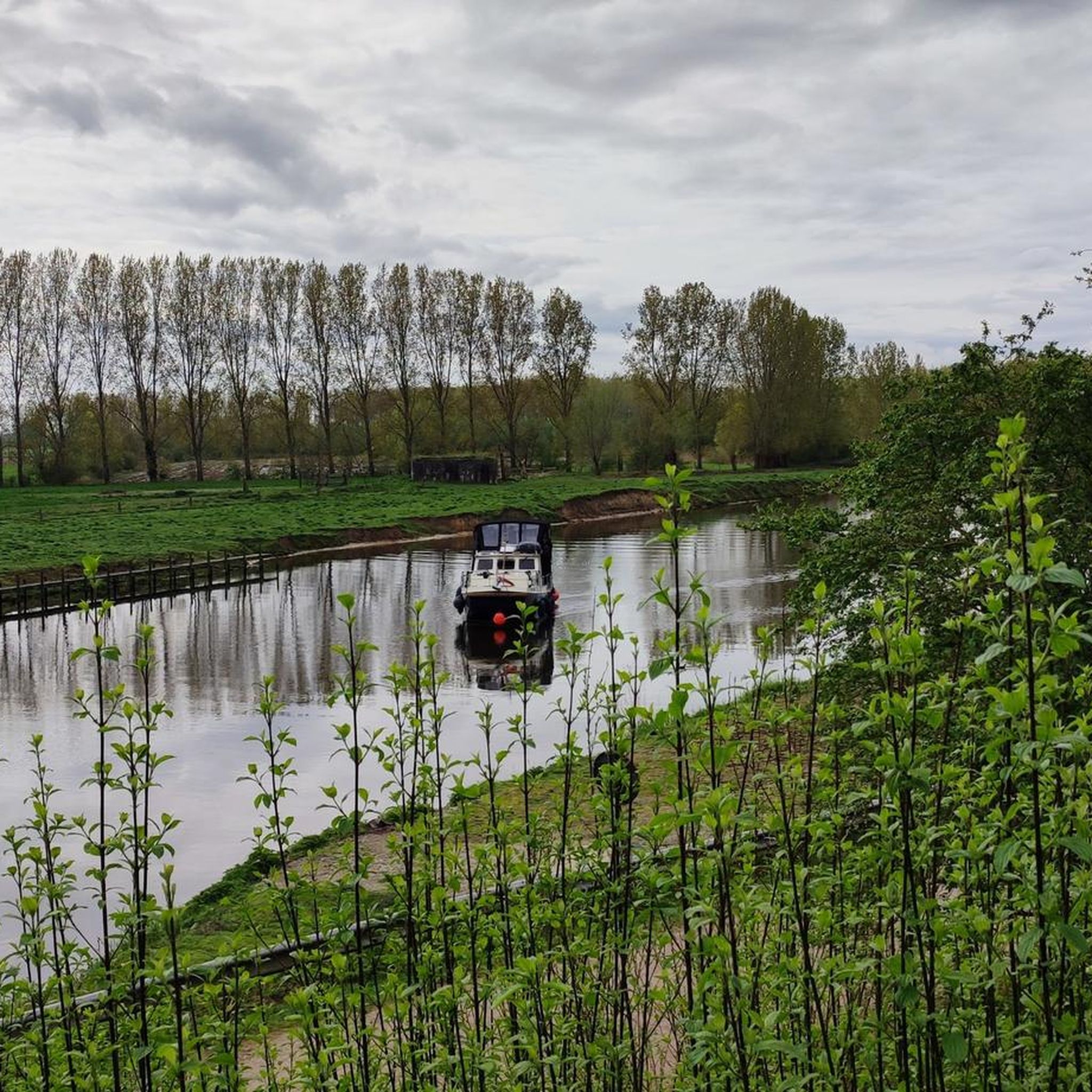
Hiking around Ghent
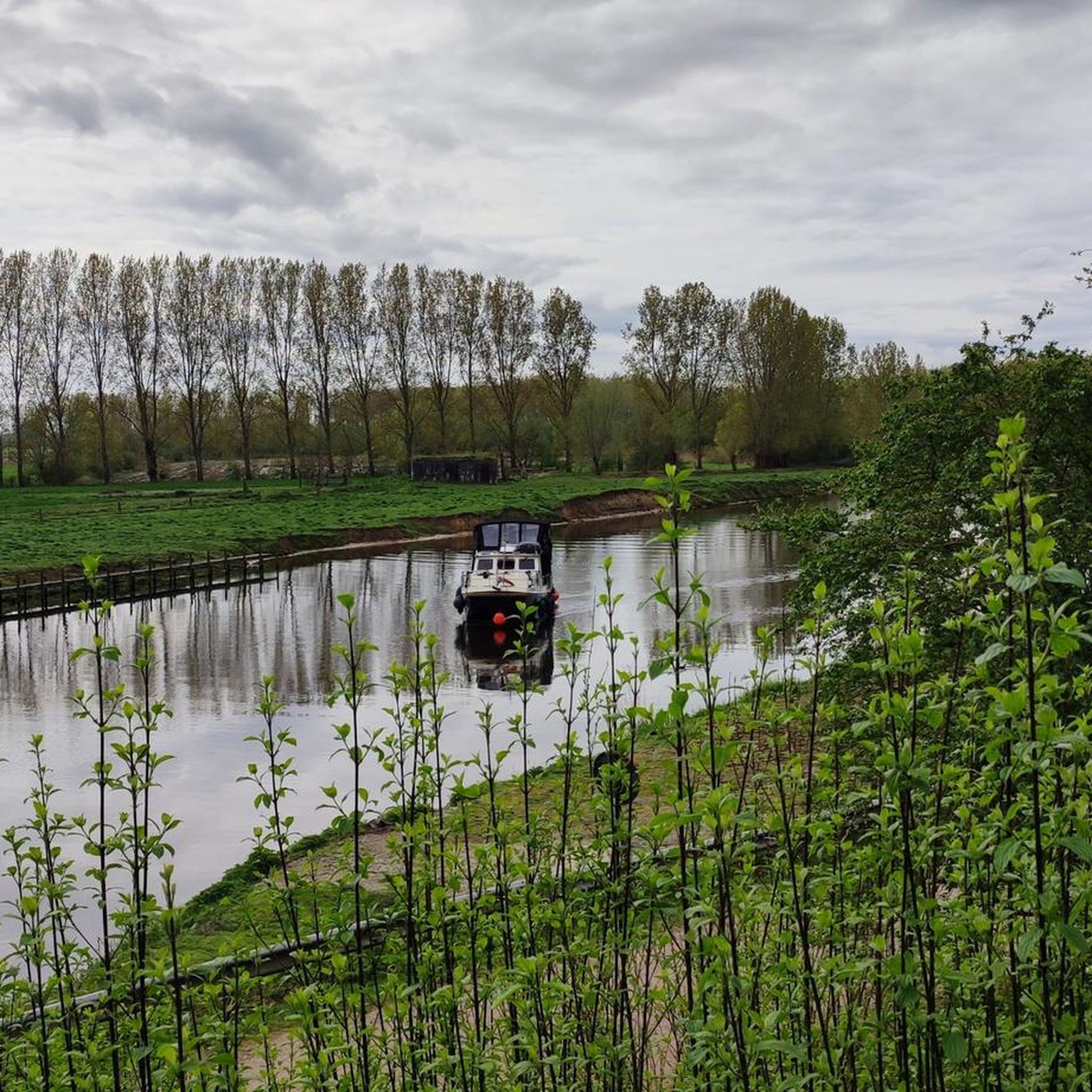
Cycling around Ghent
Other adventures around Ghent


Tips from the Community

Porta Arboreti; monumental entrance gate and former dovecote belonging to and once forming access to the Ooidonk castle domain, which originates in the 14th century.
0
0

The gate also serves as a bridge over the Kalebeek stream. The north facade of the gate (facing the church) features, in addition to the date 1864, the coat of arms of the t'Kint de Roodenbeke family, who acquired the castle that year (and still own it).
3
0
The last baroness (also mayor of Poeke, which at the time was still a separate municipality), Ines Pycke de Peteghem, bequeathed the castle in her will to the National Work of Catholic School Colonies (NWKS). After her death in 1955, the castle served for a long time as a holiday camp for young children from (often rather vulnerable) families of workers and small business owners (NWKS later became "Duinen-Heide"). Later, the local playground found a home here. The castle also served as a venue for classical concerts, among other events. I remember an "Interludium" (a short segment produced by the then BRT to fill the gaps between programs) being recorded here. Poetry evenings (under the banner: "The Closer the Better") featuring artists such as Simon Vinkenoog and Ivo Van Strijtem were also held here. And now in 2025 the castle expects the 22nd edition of the East Flanders Biennale of Contemporary Art.
3
2

The Geeraard de Duivelsteen is a building in the Belgian city of Ghent. The stone played an important role in the defense of the Portus on the Reep, a trading settlement that was at the cradle of the origin of Ghent. It is a former Gothic stone (stone house of a nobleman) from the 13th century, named after knight Geeraard van Gent, nicknamed Geeraard de Duivel. He was the third son of a viscount of Ghent, Zeger III. The building became the property of the city in the 14th century. Over the centuries it fulfilled various functions: knight's residence, weapons arsenal, monastery, school, episcopal seminary, insane asylum and prison until the Rasphuis on the Coupure took over that task in 1775. In 1830 a fire station was set up there. At the end of the 19th century, the Geraard de Duivelsteen was purchased by the government to house the State Archives of Ghent. Under the leadership of Arthur Verhaegen, the building was restored between 1891 and 1908 and expanded with a new wing, which housed the reading room and the offices of the archive staff. The building remained in use as an archive until 2015. In 2016, it was purchased for 2,205,000 euros by the Ghent holding company NV Koiba. The building is being converted into a youth centre. In addition, there will be a few residential units; the former quay wall is being restored. The building has undergone so many changes since the Middle Ages that the square keep (left in the photo), which was lowered too much during the last restoration in the 19th century, is barely recognisable. However, this keep can point to a function that refers to an older past. The keep, located along the partially filled-in Scheldt and within the semi-circular moat from the 9th century that surrounded Ghent at the time, may have had a defensive function at the time.
5
1

The castle has a fascinating history, with the first mentions dating back to the 12th century. It belonged to various noble owners, including the de Preudhomme d’Hailley family and the Pycke de Peteghem family, until the municipal authorities purchased it in 1977. Since September 1, 2021, Tourism Flanders has owned the castle and its estate. The Poeke castle park is a wooded 56-hectare park featuring a truly magnificent neoclassical castle. The gardens are open daily from sunrise to sunset.
1
0
Poeke Castle is a castle near Poeke, a sub-municipality of Aalter in the Belgian province of East Flanders. The building is completely surrounded by water and is accessible via a bridge from both the front and the back. It is unknown when the first castle was built on site, but Poeke was already mentioned in 1139. The building did play an important role in the conflict between Louis of Male and the people of Ghent in 1382. In the same year, Eulaard II van Poeke was killed when he led the count's troops at the battle of the Beverhoutsveld against the advance of the Ghent militia. who had tried to stop his castle. The lords of Poeke were loyal vassals of the Count of Flanders. For example, Anastasia van Oultre, second wife of Eulard III of Poeke, remarried Robert of Flanders, bastard son of Louis of Male. In 2021, the municipality of Aalter sold the castle to Tourism Flanders for a symbolic amount.
7
1
Very occasionally an exhibition is organized here (such as that of photographer Carl De Keyzer in December 2021 to February 2022), what an exceptional opportunity to see the inside of this building with a rich history. Grab that chance!
6
3

Frequently Asked Questions
What is the best time of year to visit castles around Ghent?
The castles around Ghent can be visited year-round. However, spring and summer offer pleasant weather for exploring the castle grounds and nearby natural areas. Some castles, like Ooidonk Castle, have beautifully maintained gardens that are particularly enjoyable during warmer months. Always check individual castle opening hours, as these can vary seasonally.
Are there family-friendly castles to visit near Ghent?
Yes, several castles around Ghent are considered family-friendly. Gravensteen Castle in Ghent city center is a great option, offering an engaging audio tour that brings its history to life. Ooidonk Castle and Poeke Castle also welcome families to explore their grounds and often have events suitable for children.
Are any castles around Ghent dog-friendly?
While dogs are generally not allowed inside the castle buildings for preservation reasons, many castle parks and grounds are dog-friendly, usually requiring dogs to be on a leash. For example, the 56-hectare park surrounding Poeke Castle is open daily from sunrise to sunset and is suitable for walks with your dog. It's always best to check the specific rules for each castle before your visit.
How can I reach the castles around Ghent using public transport?
The most prominent castle, Gravensteen Castle, is centrally located in Ghent and easily accessible by public transport within the city. For castles outside the city center, such as Ooidonk Castle or Poeke Castle, you might need to combine train or bus services with a short walk or taxi ride. Public transport information can usually be found on the websites of the regional transport companies.
Is parking available at the castles, particularly Ooidonk Castle?
Parking availability varies by castle. For Ooidonk Castle, there is typically parking available for visitors, though it's advisable to check their official website for specific directions and any potential fees or restrictions, especially on event days. For castles within Ghent city, public parking garages are usually available nearby.
What makes Gravensteen Castle unique among the castles in Flanders?
Gravensteen Castle is unique as it is the only remaining medieval castle in Flanders with an almost intact defense system, dating from 1180. It features a substantial central donjon, living quarters, and a fortified wall with 24 turrets, all encircled by a sizable moat fed by the Lys River. Its history spans from being a residence for the Counts of Flanders to a court, prison, mint, and even a cotton mill.
What kind of historical collections or exhibits can I find in these castles?
Many castles offer insights into their past through exhibits. Gravensteen Castle, for instance, houses exhibits detailing its history, including a collection of judicial artifacts. Ooidonk Castle, while privately owned, showcases rare pieces of furniture, historical objects, carpets, and unique collections within its Renaissance architecture.
Are there any 'hidden gem' castles worth exploring near Ghent?
While the main castles like Gravensteen, Ooidonk, and Poeke are well-known, exploring the smaller, lesser-known estates or ruins can offer a unique experience. The region is dotted with various historical sites, and sometimes the journey through the scenic countryside to reach them reveals unexpected architectural beauty. For example, Geeraard the Devil's Castle, though more of a stone house than a traditional castle, has a fascinating history and unique architecture.
What are the architectural styles of the castles around Ghent?
The castles around Ghent showcase a range of architectural styles reflecting different historical periods. Gravensteen Castle is a prime example of a medieval fortress with its robust stone walls and defensive features. In contrast, Ooidonk Castle is a stunning Renaissance castle known for its impressive towers and stepped gables, often compared to Loire châteaux. Poeke Castle features a neoclassical style within its historic park.
Can I combine a castle visit with outdoor activities like hiking or cycling?
Absolutely! The region around Ghent is ideal for combining castle visits with outdoor activities. Many castles are surrounded by beautiful parks and natural areas. You can find numerous hiking routes and cycling routes that pass by or lead to these historical sites, allowing you to enjoy both culture and nature. For example, the park around Poeke Castle is perfect for walks.
Are there specific cycling routes that connect castles around Ghent?
Yes, the region offers dedicated cycling routes that allow you to explore multiple castles. For instance, the 'Cycling past castles' route, found in the Cycling around Ghent guide, covers a distance of approximately 57.8 kilometers and is a moderate difficulty ride. These routes provide a scenic way to visit several historical sites while enjoying the Flemish countryside.
Are there dining options or cafes near the castles?
For castles located within Ghent city, such as Gravensteen Castle, you'll find a wide array of cafes, restaurants, and pubs within easy walking distance. For castles in more rural settings, like Ooidonk Castle or Poeke Castle, there are often local establishments in nearby villages, or sometimes small cafes directly on the castle grounds, especially during opening hours.
Most popular attractions around Ghent

Get inspired with the komoot mobile app


Explore more
Looking for the best castles somewhere else? Discover other guides around Ghent:
