Top 12 Castles around Braine-Le-Château
Best castles around Braine-Le-Château are situated in a region with a rich historical past. The Château de Braine-le-Château, a significant historical site, originated as a medieval fortress in the early 13th century. Strategically located in a marshy area, it evolved over centuries into a pleasure castle. This area offers a tangible link to centuries of Belgian history and diverse architectural styles.
Best castles around Braine-Le-Château
- The most popular castles is Coloma Estate, a castle that features an 18th-century moated…
Last updated: August 31, 2026
La Rocq Castle
Highlight • Castle
Translated by Google •
Tip by

Coloma Estate
Highlight • Castle
Translated by Google •
Tip by

Sign up now to discover places like this
Get recommendations on the best single tracks, peaks, & plenty of other exciting outdoor places.
Sign up for free
Château de Bois-Seigneur-Isaac
Highlight • Castle
Translated by Google •
Tip by

Hougoumont Castle
Highlight • Historical Site
Translated by Google •
Tip by

Mussain Castle Park
Highlight • Historical Site
Translated by Google •
Tip by

Sign up for free to discover even more castles around Braine-Le-Château.
Sign up for free
Already have an account?
Start today with a free account
Your next adventure awaits.
Login or Signup
Tips from the Community

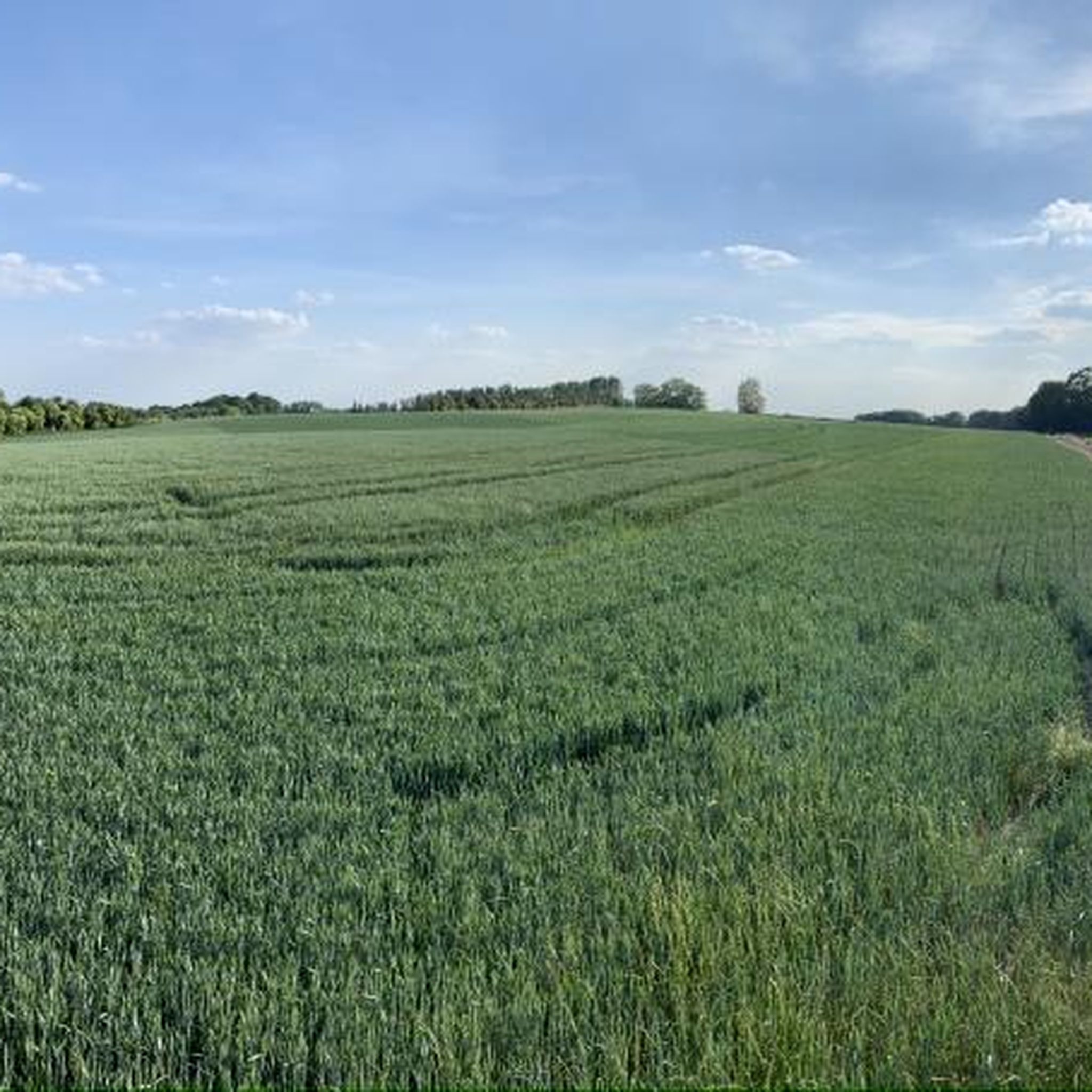
The castle or farm of Hougoumont played a crucial role during the Battle of Waterloo. Next to the farm, there are still chestnut trees where you can still find bullet holes from the battle. You can visit the farm in combination with the 1815 museum.
0
0

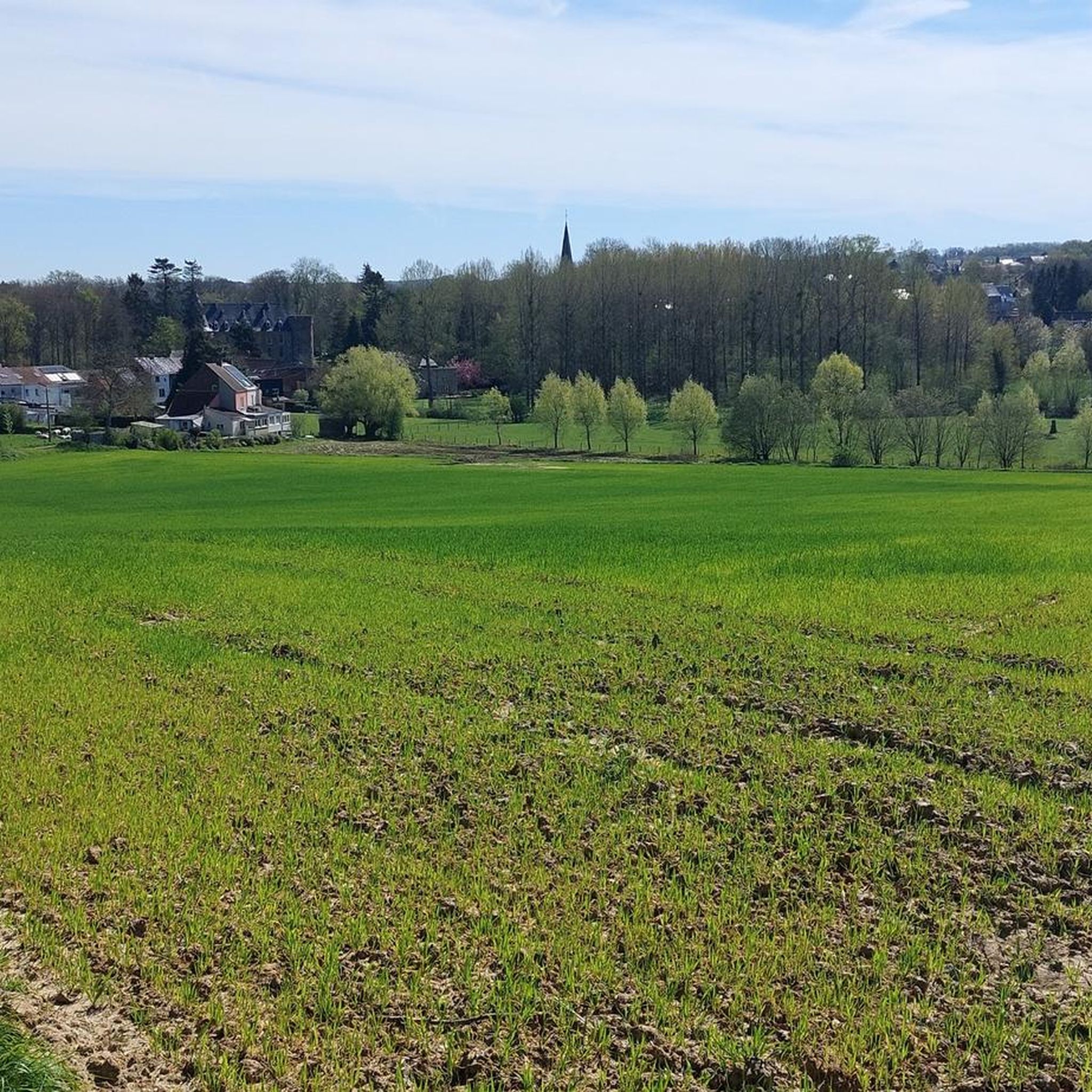
Beautiful pond with majestic oaks
0
1

Unfortunately, it's not very visible in summer Open for Adeps walks
0
0

In the middle of the Pajottenland lies the charming Coloma Estate, with an 18th-century moated castle, winding paths and the largest rose garden in Europe. More than 3,000 rose varieties from 25 countries bloom here in perfectly landscaped garden rooms, with the castle and the old garden pavilion as a romantic backdrop. In every season, the estate offers a fragrant, colourful and relaxing experience.
2
0

Access to the castle authorized for the occasion of the Adeps march. Thank you 🤗💕
1
0

It is very nice to walk and stay here when the roses are in bloom.
4
3

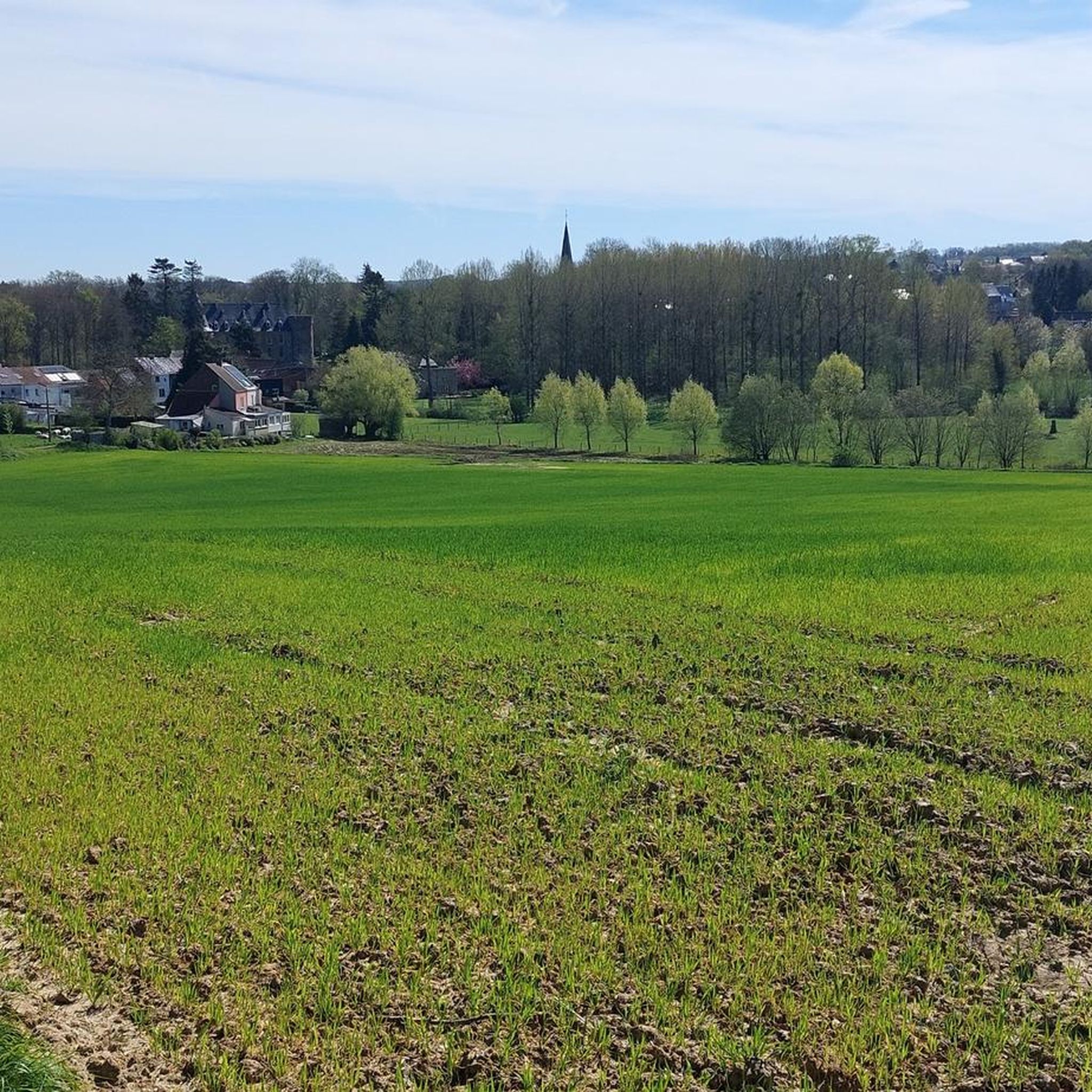
Nice view, good route location for bike tours.
1
0

After the Battle, most of Hougoumont's buildings were destroyed or set on fire. The walls of some of the buildings of the complex that had survived were riddled with shrapnel and bullet holes. The condition of the trees was appalling: torn branches and leaves, trunks torn apart. Little more than a ruin remained of the castle and it was of course uninhabitable. All that remains now are the foundations.
9
0
Frequently Asked Questions
What is the main historical castle in the Braine-le-Château area?
The most significant historical site is the Château de Braine-le-Château, also known as the Château du Comte des Hornes. It originated as a medieval fortress in the early 13th century and evolved over centuries into a pleasure castle, showcasing a rich history and diverse architectural styles.
Can I visit the interior of Château de Braine-le-Château?
The interior of the Château de Braine-le-Château is a private residence and is generally not open to the public. However, its peaceful six-hectare park is accessible through guided tours organized by the local Syndicat d'Initiative, and during special events like Heritage Days. These tours often provide insights into the castle's history and allow you to appreciate its exterior and serene surroundings.
Are there any castles with notable gardens or parks to explore?
Yes, several castles in the area feature beautiful gardens and parks. The Coloma Estate boasts an 18th-century moated castle and Europe's largest rose garden with over 3,000 varieties. The Château de Bois-Seigneur-Isaac offers a charming French garden extended by an English-style park. Additionally, the Château de Braine-le-Château is surrounded by a serene park with water features.
Which castles are suitable for families with children?
For families, the Coloma Estate is a great choice, especially when the roses are in bloom, offering a fragrant and colorful experience. The Château de Bois-Seigneur-Isaac, with its French and English-style gardens, also provides a pleasant setting for family visits. The restored Hougoumont Castle, with its historical significance from the Battle of Waterloo, can also be an engaging educational visit for older children.
Are there castles with significant historical battle connections in the region?
Yes, Hougoumont Castle is a walled farm that played a crucial role in the Battle of Waterloo in 1815. It was one of the advanced defensible positions of the Anglo-allied army and became an epicenter of fighting. The site has been restored and opened to the public, offering a tangible link to this pivotal historical event.
What kind of architectural styles can I expect to see among the castles?
The castles around Braine-le-Château showcase a fascinating evolution of architectural styles. You can see structures that began as medieval fortresses, like the Château de Braine-le-Château, which later transformed into pleasure castles with Renaissance and 18th-century modifications. Examples include the 16th-century La Rocq Castle and the 18th-century moated Coloma Estate, reflecting centuries of architectural development.
What outdoor activities can I combine with a castle visit in the region?
The area around Braine-le-Château offers various outdoor activities. You can find numerous cycling routes, such as the 'Ronquières Houseboat Village – The swing bridge of Arquennes loop' or the 'Forest Path Through Hallerbos – Sonian Forest Path loop'. For hikers, there are trails like the 'Hyacinth walk (6.3 km) - Hallerbos' or the 'Sainte-Croix Chapel – Mill loop'. You can explore more options on the cycling guide and hiking guide for the region.
Are there hiking trails that pass by castles near Braine-le-Château?
While specific trails directly passing through castle grounds might be limited due to private ownership, many hiking routes in the region offer views of these historical sites or are located nearby. For instance, the 'Sainte-Croix Chapel – Mill loop' and 'Chapel in the forest – Saint-Remy Church of Ittre loop' are moderate hiking options in the vicinity. You can find detailed information on these and other routes in the Hiking around Braine-Le-Château guide.
When is the best time of year to visit the castles and their parks?
The best time to visit depends on your interests. Spring and summer are ideal for enjoying the castle parks and gardens, especially when the roses are in bloom at Coloma Estate. Autumn offers beautiful foliage, while winter can provide a serene, stark beauty, though some outdoor areas might be less vibrant. Always check specific opening times for guided tours or events, particularly for the Château de Braine-le-Château park.
Are there any castles that are less visible or considered 'hidden gems'?
La Rocq Castle, a 16th-century structure, is noted for being almost impossible to see along the canal due to dense vegetation, giving it a somewhat 'hidden' quality. Similarly, the Mussain Castle Park, while historically significant, only has the farm and outbuildings remaining today, with the last castle demolished in the 1950s, making it a less obvious historical site.
What do visitors enjoy the most about the castles around Braine-Le-Château?
Visitors appreciate the tangible link to centuries of Belgian history, from medieval fortresses to transformed pleasure castles. The diverse architectural styles, picturesque settings, and serene parks are frequently highlighted. The Coloma Estate's rose garden is particularly popular when in bloom, offering a fragrant and relaxing experience. The historical significance of sites like Hougoumont Castle also draws considerable interest.
Are there options for parking when visiting the castles?
Parking availability varies by location. For instance, Coloma Estate is noted to have parking facilities. For other castles, especially private residences like Château de Braine-le-Château, parking might be available in nearby public areas or designated visitor parking for guided tours. It's advisable to check specific visitor information for each castle if driving.
Most popular routes around Braine-Le-Château
Most popular attractions around Braine-Le-Château

Get inspired with the komoot mobile app


Explore more
Looking for the best castles somewhere else? Discover other guides around Braine-Le-Château:
