Attractions and Places To See around Chimay - Top 20
Best attractions and places to see around Chimay include historical landmarks, cultural sites, and natural features within the Walloon region of Belgium. The area is characterized by its tranquil landscapes, forests, and lakes, offering a blend of architectural heritage and outdoor exploration opportunities. Chimay is also recognized for its Trappist beer and cheese production. The region provides diverse settings for visitors to discover.
Best attractions and places to see around Chimay
- The most popular attractions is Blaimont Viaduct, a historic railway viaduct. Built in 1856, this impressive structure measures 135 meters long and 26.5 meters high with 8 arches.
- Another must-see spot is Ry de Rome Dam, a man-made monument. Visitors can enjoy views of the water and forest from the dam, and crossing it provides an exceptional viewpoint.
- Visitors also love Plate-Taille Dam, a significant dam. Built in 1977, it is the largest dam in Belgium and can be visited from the inside, offering views from its 107-meter tower.
- Chimay is known for its historical landmarks, natural sites, and cultural experiences. Visitors can explore castles, abbeys, viaducts, and lakes, alongside cycling and walking routes.
- The attractions around Chimay are appreciated by the komoot community, with more than 190 upvotes and 7 photos shared by visitors.
Last updated: July 6, 2026
Natura Parc Adventure Park
Highlight • MTB Park
Translated by Google •
Tip by

Blaimont Viaduct
Highlight • Bridge
Height: 26.5 meters; Length: 135 meters; Year of construction: 1856; Number of arcs: 81
The viaduct was built to carry the Chimay railway across the Eau Blanche valley.
Translated by Google •
Tip by

Sign up now to discover places like this
Get recommendations on the best single tracks, peaks, & plenty of other exciting outdoor places.
Sign up for free
Plate-Taille Dam
Highlight • Monument
Translated by Google •
Tip by

Ry de Rome Dam
Highlight • Monument
Translated by Google •
Tip by

View over the Étang de Virelles
Highlight • Viewpoint
You can find more information about the Aquascope at belgien-tourismus-wallonie.de/de/content/das-aquascope-virelles-der-natur-auf-der-spur.
Translated by Google •
Tip by

Sign up for free to discover even more attractions around Chimay.
Sign up for free
Already have an account?
Start today with a free account
Your next adventure awaits.
Login or Signup
Popular around Chimay
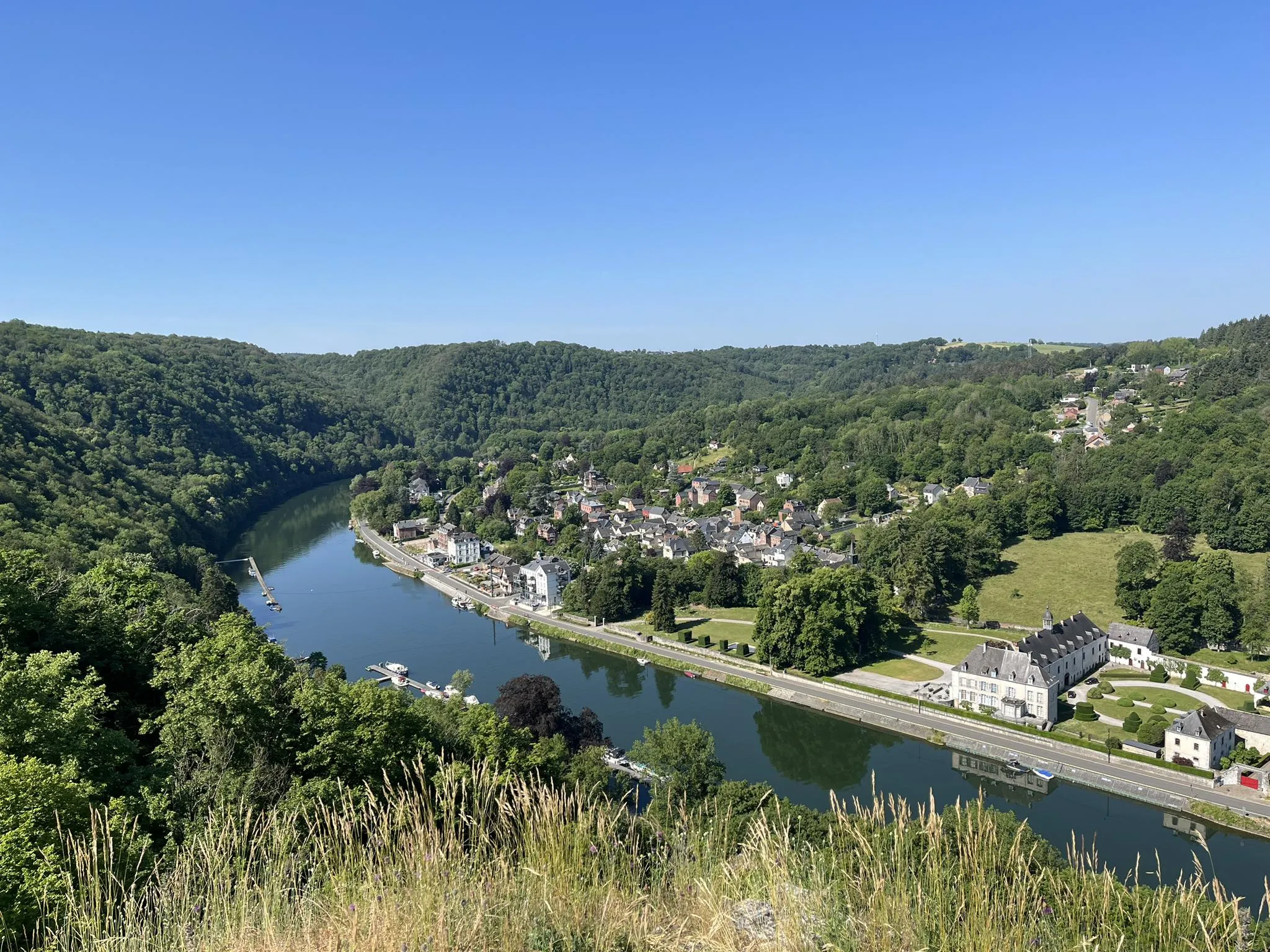
Sentier des abbayes trappistes part 1 – Between nature and gastronomy
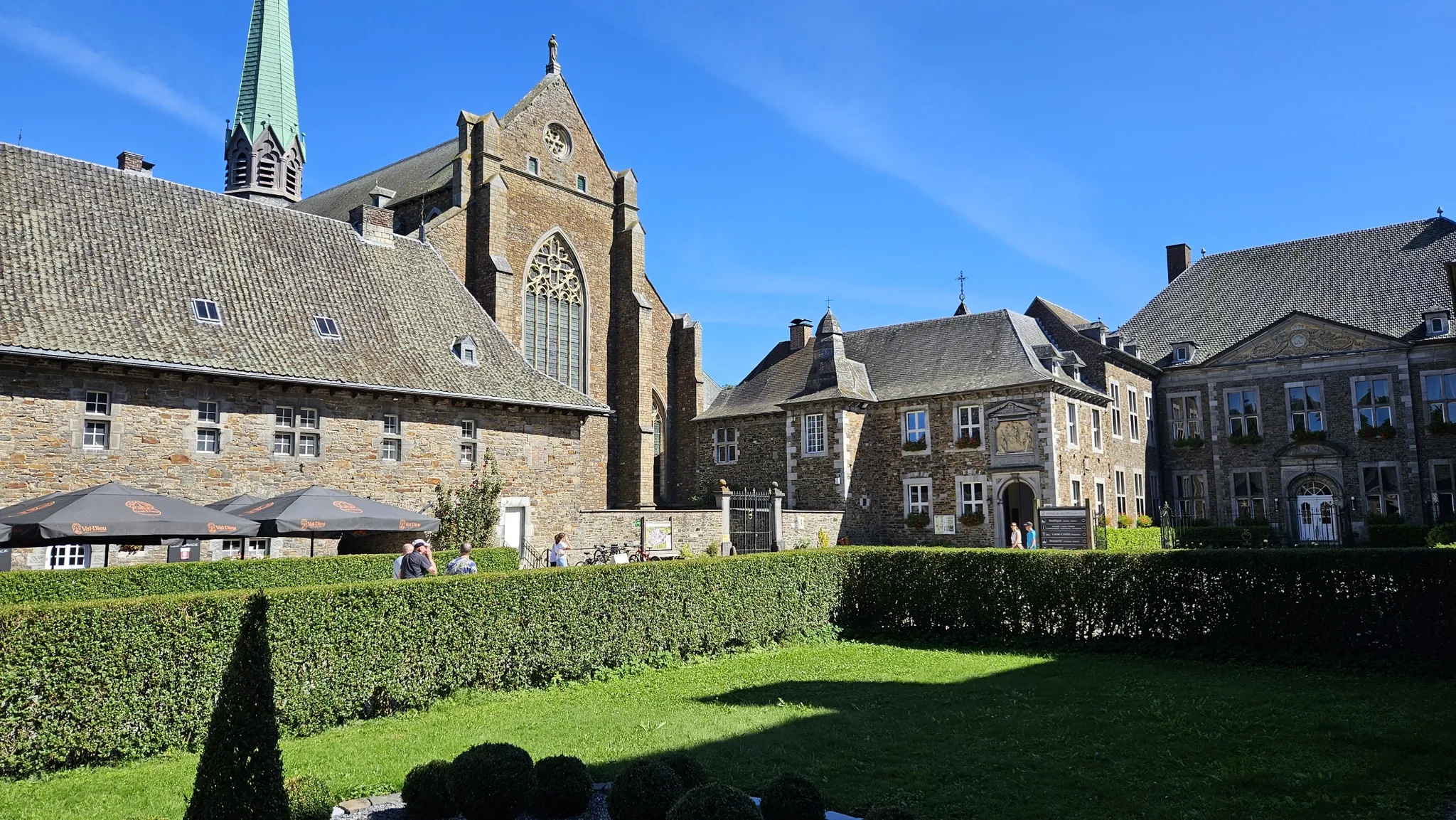
Trappist abbeys cycle route – Between beers and heritage
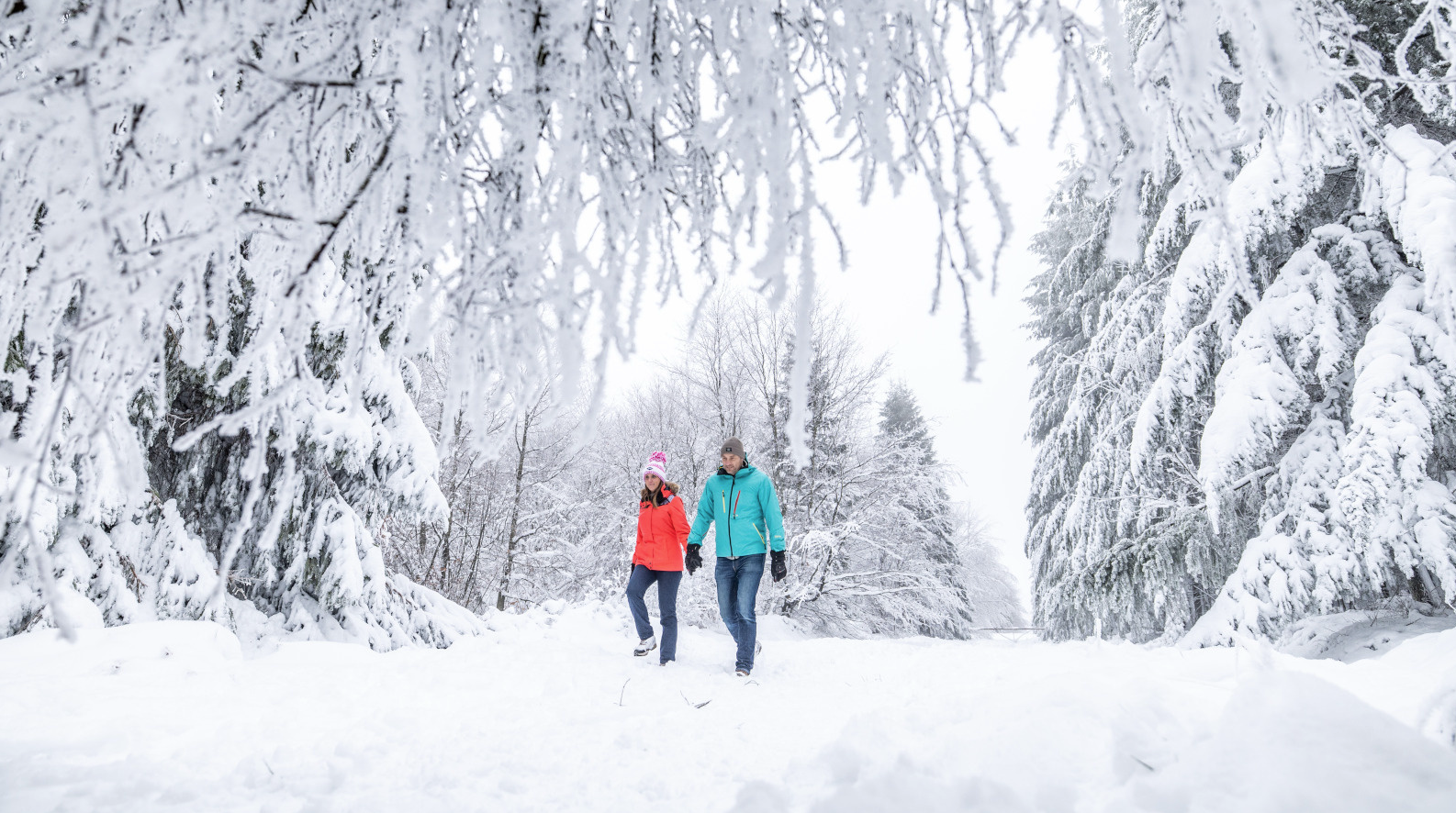
Belgian Ballads – winter hiking in the Belgian Ardennes
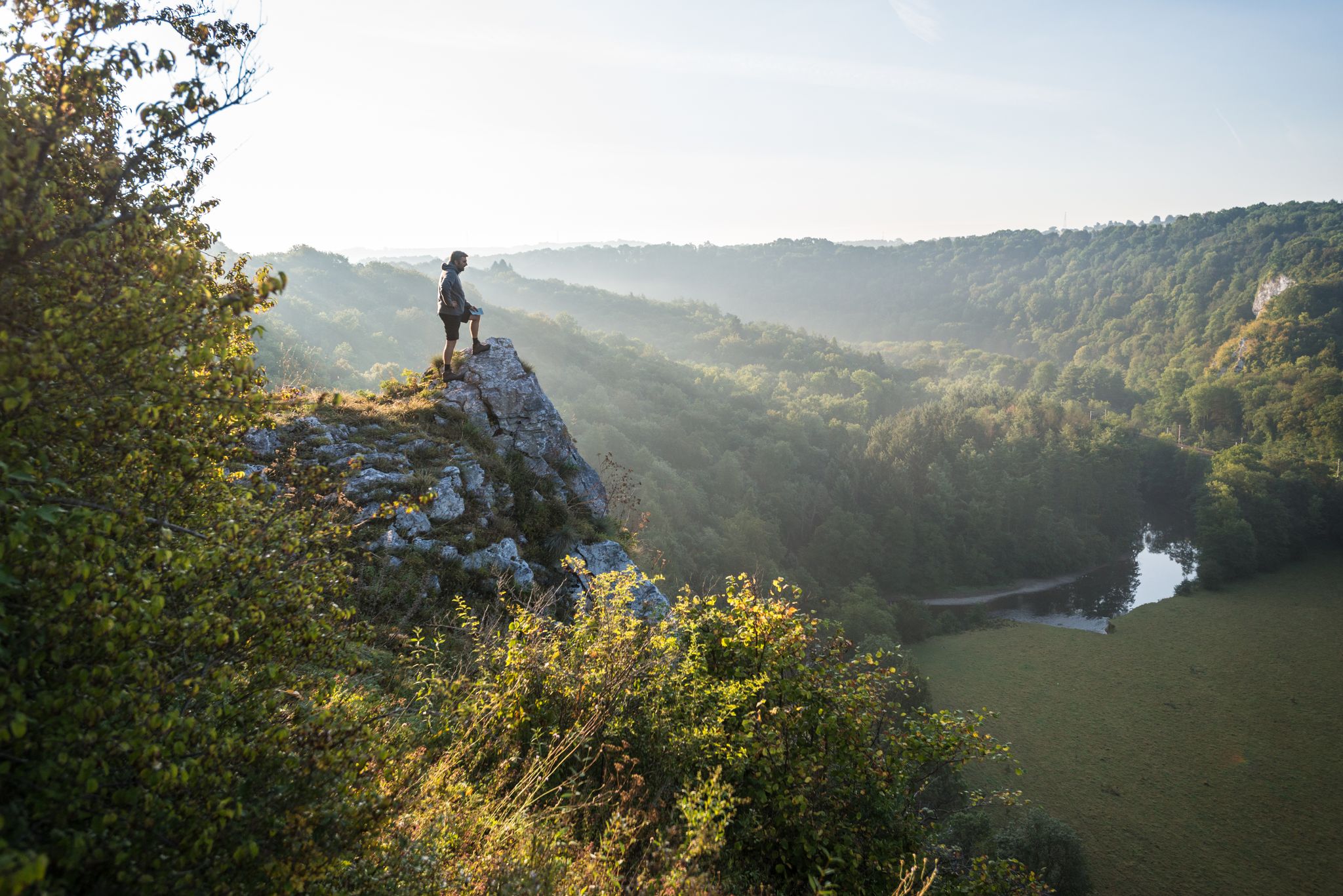
National Park between Sambre and Maas - Long distance hiking in Belgium on the GRP125
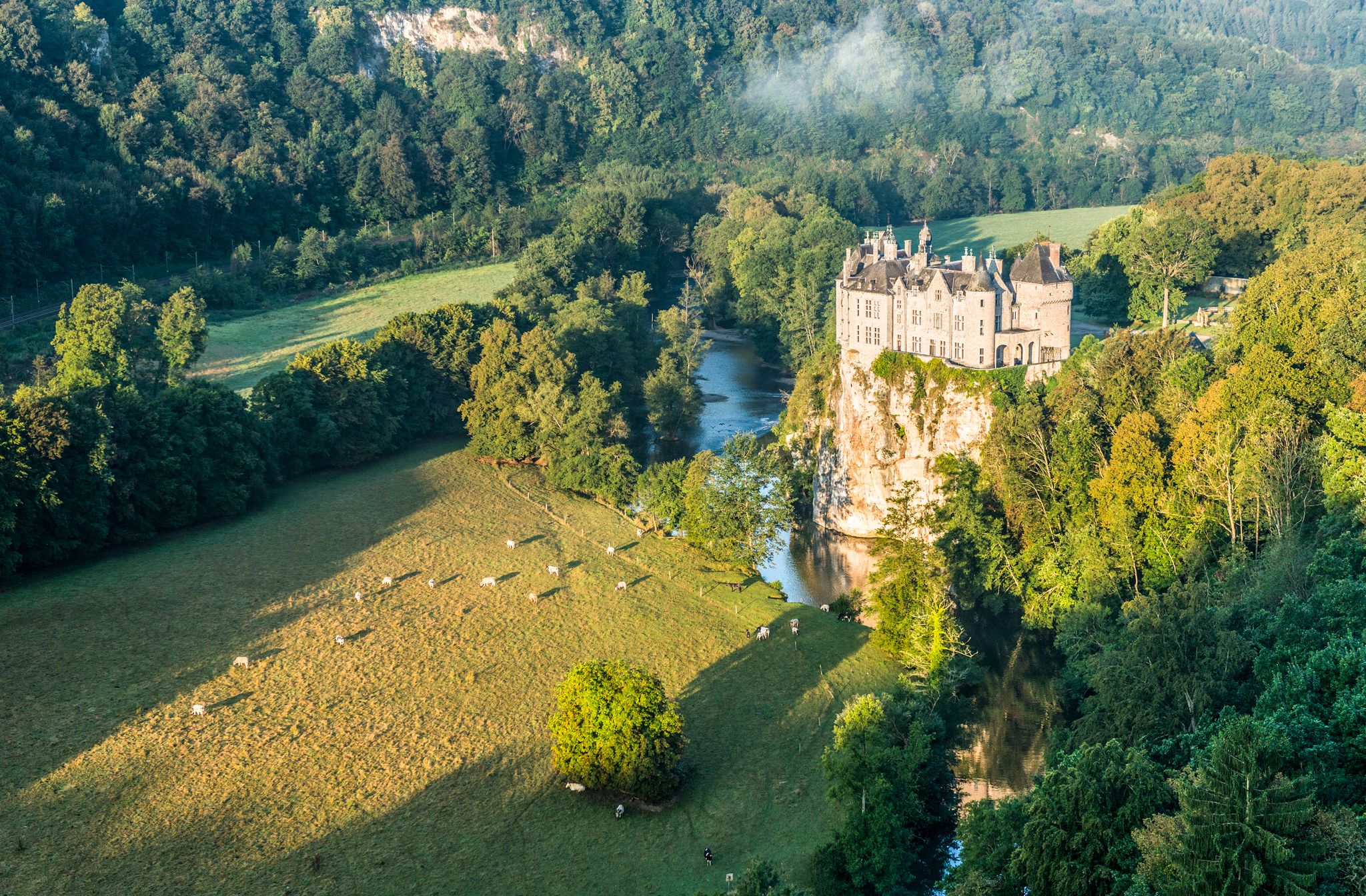
Pure nature on the hiking trails in the Belgian Ardennes
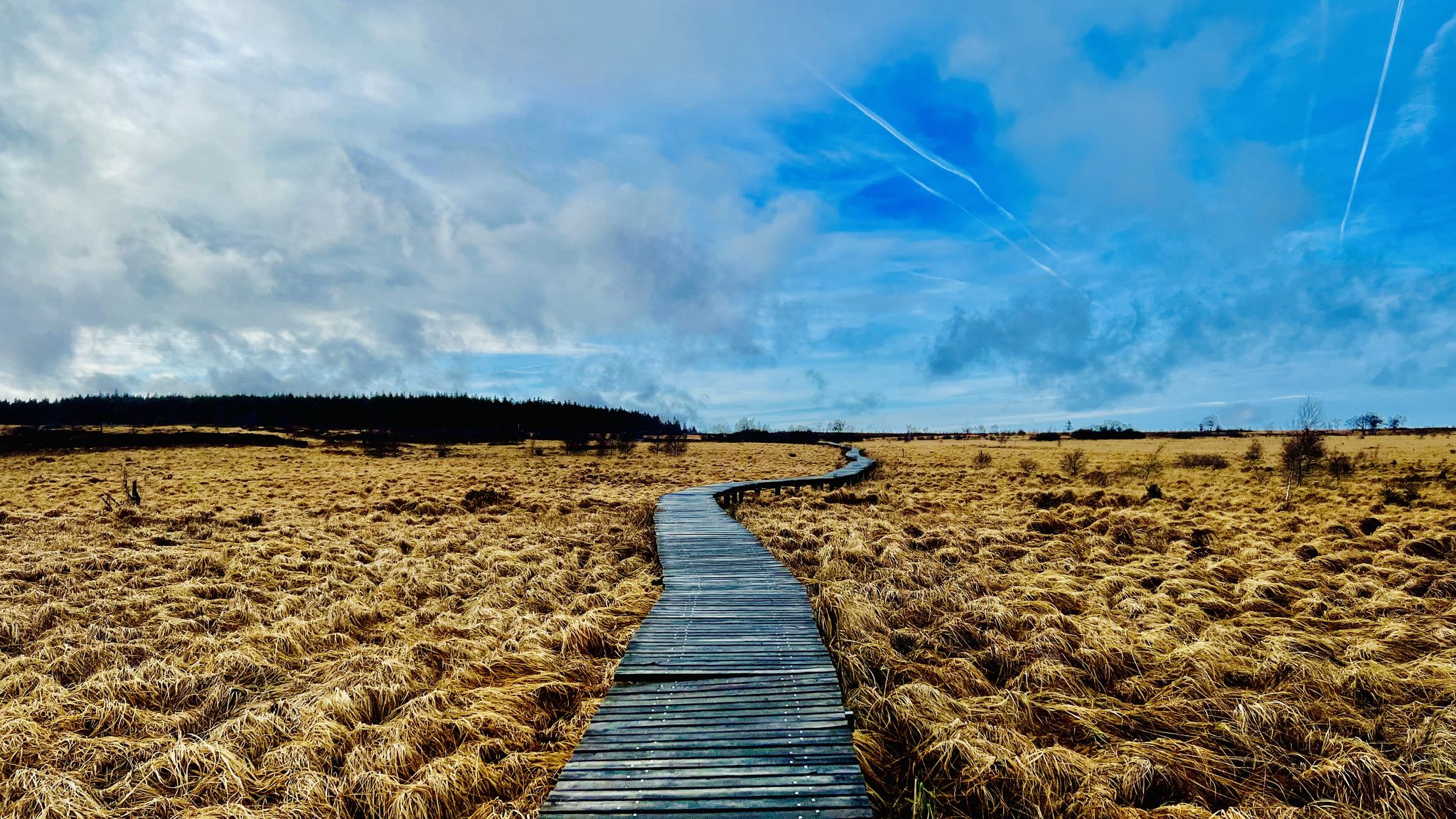
Belgische Balladen - charmante Kurzwanderungen in den belgischen Ardennen
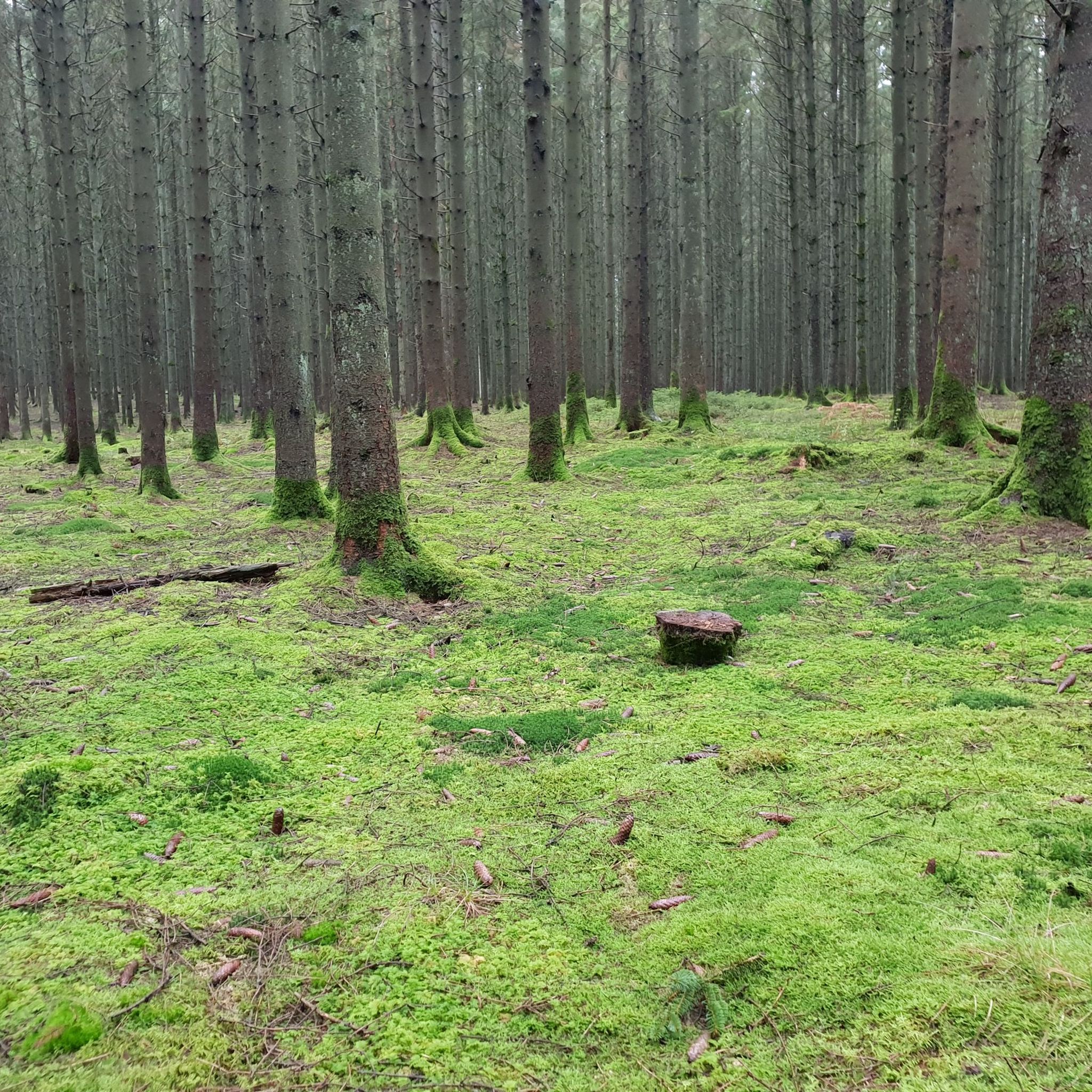
Hiking around Chimay
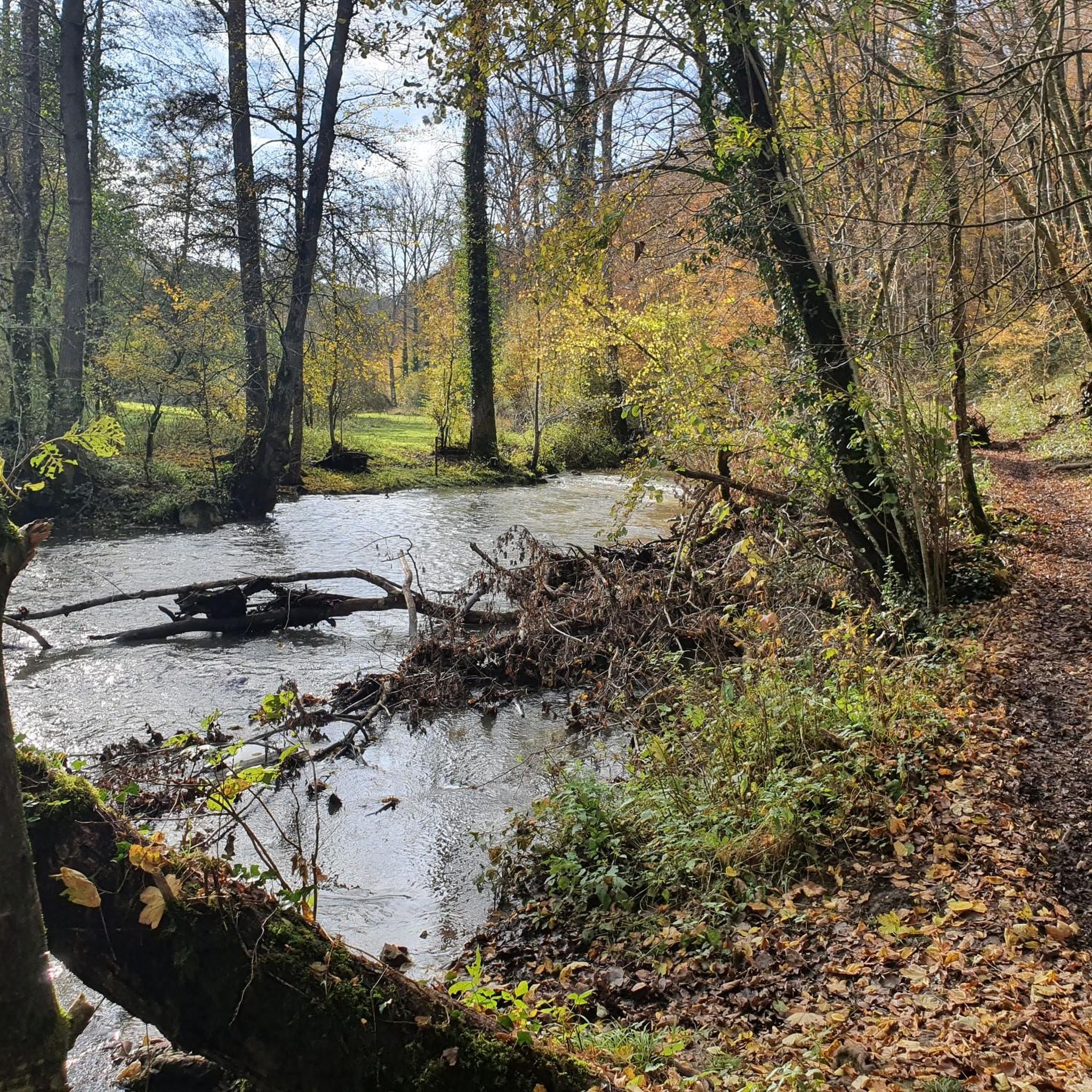
Running Trails around Chimay
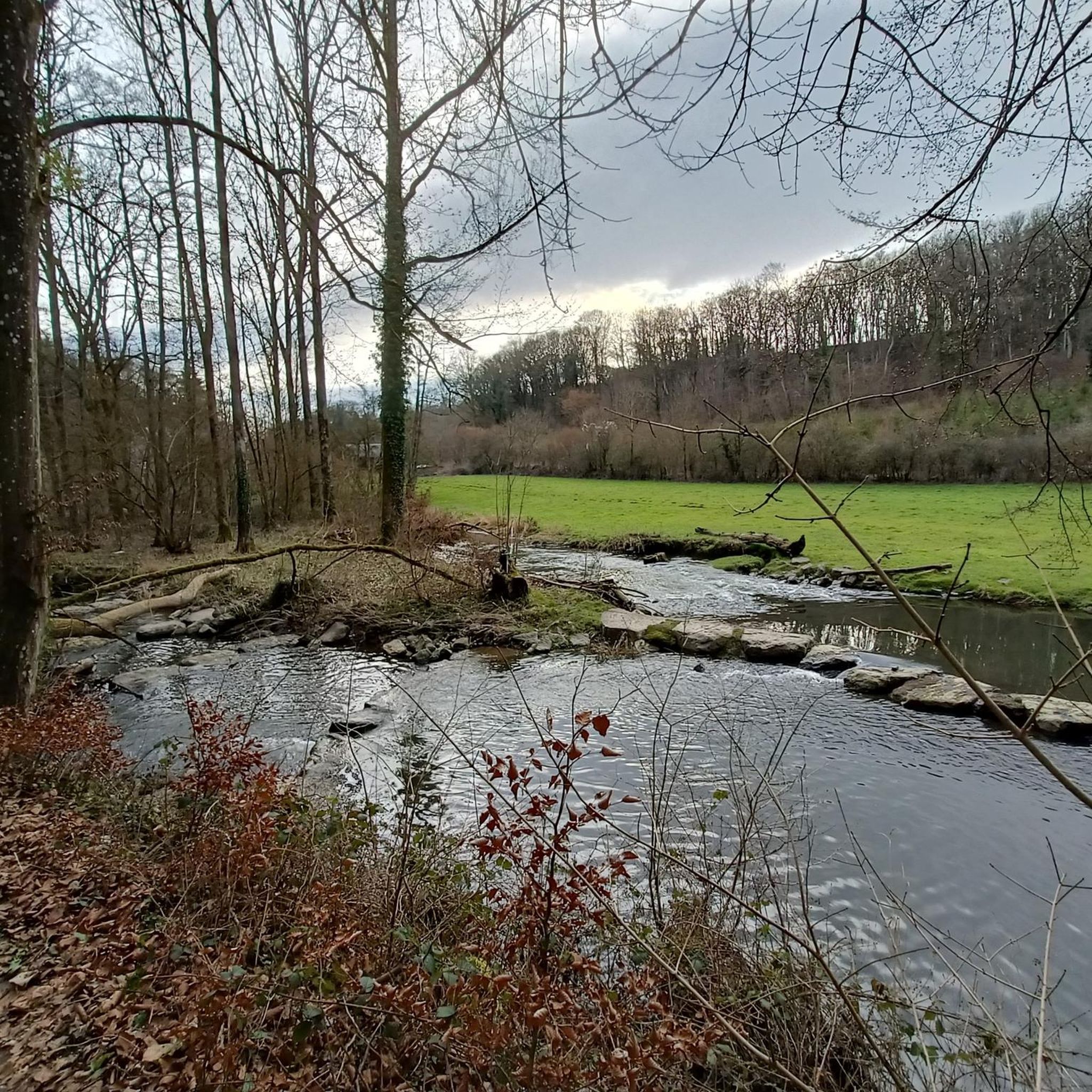
Cycling around Chimay
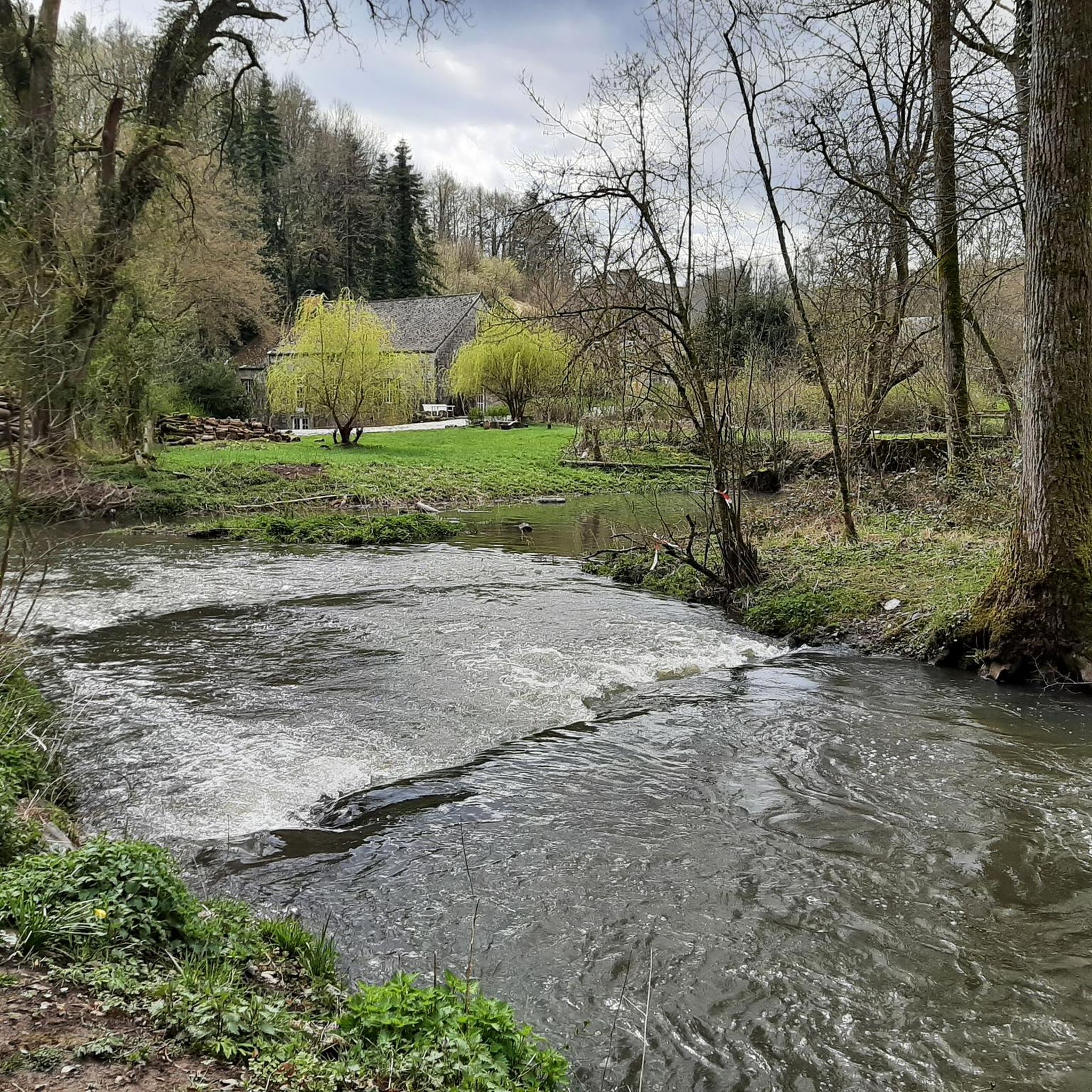
Road Cycling Routes around Chimay
Other adventures around Chimay


Tips from the Community

The Plate-Taille Dam is located in southern Belgium in Wallonia, on the border of the provinces of Namur and Hainaut. The dam is situated near the villages of Froidchapelle and Cerfontaine and forms the central element of the Lacs de l’Eau d’Heure lake district, the largest artificial lake complex in the country. This area covers approximately 1800 hectares and consists of several interconnected lakes that together form a unique landscape of open water, wooded hills, and extensive recreational zones. Due to its location between the Ardennes and the Fagne, the area has a varied and gently rolling terrain. The origin of the dam dates back to the 1970s when Belgium faced water management problems. The Sambre River, an important waterway for industry and shipping, experienced highly fluctuating water levels. During dry periods, the water level dropped too low, which had economic consequences. To solve this problem, an ambitious project was launched, including the construction of a series of dams on the Eau d’Heure River and its tributaries. The construction of the Plate-Taille dam began around 1974 and was completed in 1981. As a result of its construction, five lakes were created: * Plate Taille (the largest and deepest) * Eau d’Heure * Falemprise * Ry Jaune * Féronval The construction brought about a major change for the region. Certain areas were submerged, and residents had to relocate. At the same time, this project laid the foundation for a new economic model based on tourism and recreation. The Plate-Taille dam is the largest dam in Belgium and an impressive example of modern hydraulic engineering. The Plate Taille lake itself has a surface area of approximately 350 hectares and is the largest and deepest lake in Belgium. The dam holds back an enormous mass of water and literally forms the heart of the entire lake district. One of the dam's main functions is energy generation through a pumped-storage power plant. * Capacity: ± 140 megawatts * Number of turbines: 4 (reversible) * Type: pumped-storage power plant System Operation The system operates on a clever principle: * During low energy demand, water is pumped to a higher reservoir. * During high energy demand, the water flows back down through turbines, generating electricity. This makes the plant particularly valuable for stabilizing the electricity grid, especially in combination with renewable energy sources such as wind and solar power. Around the dam lies a surprisingly rich nature reserve. The combination of water, forests, and open plains ensures great biodiversity. The landscape is characterized by: * Dense deciduous and coniferous forests * Open grasslands * Reed beds along the banks * Quiet bays and small islands Animals found here include: * Roe deer * Foxes * Waterfowl such as grebes and cormorants * Birds of prey The creation of the lakes has led to new ecosystems where flora and fauna have adapted to the water-rich environment. For someone who enjoys long and challenging hikes, like myself, this area is ideal, and you can easily create routes of several hours here without much crowds. 🚴♂️ Cycling and Recreation Besides hiking, the area is also popular with: * Road cyclists (hilly terrain) * Mountain bikers * Families (flat cycling paths around the lakes) There are well-maintained cycling routes that connect the entire lake district. 🚤 Water Sports and Activities The Lacs de l’Eau d’Heure are the center for water sports in Belgium. Possibilities: * Sailing * Kayaking * Windsurfing * Diving (in certain zones) * Swimming Motorized water sports are permitted to a limited extent, which contributes to a relatively calm and natural atmosphere. 🧭 Tourist Facilities The area is highly developed for visitors without losing its natural charm. Key attractions: * Skywalk Plate-Taille – a panoramic tower with views over the entire area * Natura Parc L’Eau d’Heure – adventure park with climbing routes and zipline * Marinas and beach areas * Holiday parks and campsites This makes the area suitable for both day trips and longer stays.
0
0

Beautiful hike, I was just expecting to see the lake but that is not the case, we go around it but not close!
1
1

quietness of the pond where we observe birds
1
1

The Blaimont viaduct is an imposing railway structure built in 1856. This viaduct, 135 meters long and 26.5 meters high, with its eight arches, was erected to allow the railway to cross the Eau valley White. Using materials extracted from local quarries, it narrowly escaped destruction during both world wars.
1
0

Via a short but tiring slope you reach a viewpoint on Lake Virelles, where you also have the Aquascope. Opposite the bench on the blue walking trail you can continue a few meters in the direction of the lake. There you have the best view, which is also marked on the map as a viewpoint.
10
0
The Viaduc de Blaimont is a historic railway viaduct in Wallonia. It is an impressive building with the following features: Height: 26.5 meters; Length: 135 meters; Year of construction: 1856; Number of arcs: 81 The viaduct was built to carry the Chimay railway across the Eau Blanche valley.
12
0

From the dam, you can take the Ry de Rome Dam loop trail. You can enjoy views of the water and the forest, and cross the dam itself, which gives you an exceptional viewpoint.
2
0

From this location you have a nice general overview of 'L'étang de Virelles'.
6
0
Frequently Asked Questions
What historical landmarks can I visit in Chimay?
Chimay is rich in history. You can explore the magnificent Château de Chimay, ancestral home of the Princes of Chimay for over a thousand years, which offers guided tours through its historic rooms and a replica theater. The Collégiale Saints-Pierre-et-Paul, with its 13th-century choir and an 18th-century Baroque tower, is also a must-see. Don't miss La Vieille Tour, a well-preserved remnant of the city's 13th-century fortifications. For more details on the castle, you can visit Wikipedia.
Where can I learn about Chimay's famous Trappist beer and cheese?
To delve into the world of Chimay's renowned Trappist beer and cheese, visit L'Espace Chimay. This dedicated center offers an interactive multimedia exhibition detailing their history, secrets, and production. You can also enjoy a meal or a beer at the Poteaupré Inn located there. While the brewery itself is not open to the public, you can visit the church and gardens of Scourmont Abbey, where these products originate.
Are there any charming villages or cultural sites to explore near Chimay?
Yes, the region offers picturesque spots. Lompret is recognized as one of Wallonia's prettiest villages, nestled in a valley with elegant grey limestone houses from the 18th and 19th centuries. You can also experience the local culture by exploring the historical sites within Chimay itself, such as the Collégiale Saints-Pierre-et-Paul.
What natural attractions are there around Chimay?
The Chimay area boasts beautiful natural features. The Lac de Virelles is a nature reserve and leisure amenity, home to the Aquascope Virelles, which offers nature observation, discovery trails, and an educational apiary. You can also find the Source de l'Oise, the origin of the Oise River. The Pays de Chimay Forest provides numerous paths for long hikes amidst ponds and streams, and the Ry de Rome Dam offers exceptional viewpoints over water and forest.
Are there any scenic viewpoints to enjoy the landscape?
Absolutely. The Ry de Rome Dam offers an exceptional viewpoint over the water and surrounding forest. The Blaimont Viaduct, an impressive historic railway structure, also provides scenic views. Additionally, from the Plate-Taille Dam, the largest dam in Belgium, you can enjoy breathtaking views from its 107-meter tower. There is also a specific highlight, View over the Étang de Virelles, which offers a great perspective of the lake.
What outdoor activities are available around Chimay?
The region is excellent for outdoor enthusiasts. You can explore the Pays de Chimay Forest with its numerous hiking paths. The RAVeL Ligne 156, a paved greenway on an old railway line, is perfect for cycling and walking. For more structured activities, you can find various running, MTB, and hiking routes. For example, explore the hiking trails around Chimay, including easy walks like the 'Promenade de l'Eau Blanche'.
Are there dedicated cycling paths in the Chimay area?
Yes, the RAVeL Ligne 156 is a notable paved greenway built on an old railway line, ideal for cyclists and walkers seeking a peaceful journey through hedged farmland and forests. For mountain biking, there are various MTB trails around Chimay, such as the 'View over the Étang de Virelles – Blaimont Viaduct loop'.
Are there family-friendly attractions in Chimay?
Yes, Chimay offers several family-friendly options. The Aquascope Virelles at Lac de Virelles is a nature-oriented attraction with live cameras, lookout towers, and an educational apiary, perfect for learning about wildlife. The Natura Parc Adventure Park, located on the banks of the Plate Taille lake, offers tree climbing courses, zip lines, and other activities suitable for various ages. The Plate-Taille Dam also has facilities and a leisure park nearby.
What do visitors particularly enjoy about the attractions around Chimay?
Visitors appreciate the blend of historical grandeur and tranquil natural settings. Many enjoy the impressive structures like the Blaimont Viaduct for its historical significance and scenic views, often noting the 'absolute calm in this magnificent forest'. The Plate-Taille Dam is praised for its 'breathtaking views' and the unique experience of visiting it from the inside. The Natura Parc Adventure Park receives high marks for being a 'fantastic climbing park for everyone' and a 'top shelf adventure' for families.
What is the best time of year to visit Chimay for outdoor activities?
While Chimay offers attractions year-round, the best time for outdoor activities like hiking and cycling is typically during the warmer months, from spring to early autumn. This allows for comfortable exploration of the forests, lakes, and greenways. Some visitors also enjoy the 'magnificent forest' around the Blaimont Viaduct in winter for a different, quieter experience.
Are there any unique historical structures related to transport in the area?
Yes, the Blaimont Viaduct is an impressive historic railway viaduct built in 1856, measuring 135 meters long and 26.5 meters high with eight arches. It's a testament to 19th-century engineering. Additionally, the Circuit de Chimay, originally a notorious street circuit for motor racing dating back to 1926, still hosts events like the Classic Bikes Chimay on a shorter, more technical course.
Can I find hiking trails suitable for different skill levels around Chimay?
Yes, the area offers a variety of hiking trails. For easy walks, consider the 'Promenade de l'Eau Blanche' or 'Lompret and the wild waters of the Eau Blanche'. Moderate trails include the 'Ronde des Lacs' and 'By the Eau Blanche – Blaimont Viaduct loop'. For more challenging hikes, options like the 'Scourmont Woods and Eau Noire Loop' are available. You can find more details on hiking around Chimay.
Most popular attractions around Chimay

Get inspired with the komoot mobile app


Explore more
Still not found the Highlight you’re looking for? See guides of the top attractions in other regions:
