The best walks and hikes around Bilzen
4.5
(1750)
10,154
hikers
470
hikes
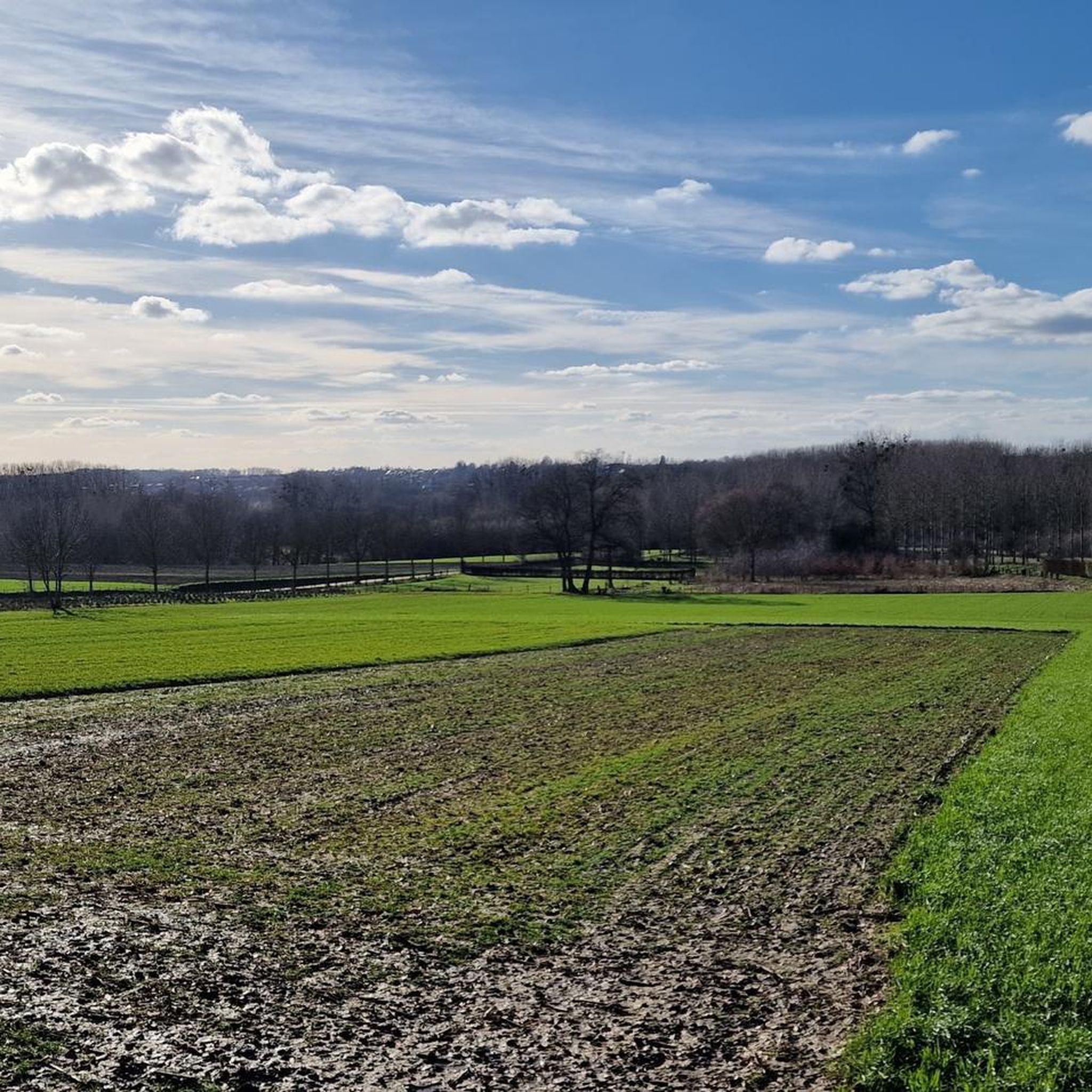
Hiking around Bilzen offers diverse landscapes, situated between the Kempen and Haspengouw regions. The area features lush forests, gentle rolling hills, and tranquil stream valleys. Hikers can explore extensive fruit orchards, particularly in Haspengouw, and significant woodlands like the Munsterbos, part of the Hoge Kempen National Park. This varied terrain provides a range of natural features for outdoor activities.
Best hiking trails around Bilzen
- The most popular hiking route is Alden Biesen Yellow Trail, a 10.5 miles (16.9 km)…
Last updated: June 23, 2026
4.6
(180)
814
hikers
16.9km
04:23
110m
110m
Moderate hike. Good fitness required. Easily-accessible paths. Suitable for all skill levels.
4.6
(90)
575
hikers
Easy hike. Great for any fitness level. Easily-accessible paths. Suitable for all skill levels.

Sign up for free
4.5
(92)
573
hikers
11.2km
02:52
40m
40m
Moderate hike. Good fitness required. Easily-accessible paths. Suitable for all skill levels.
4.6
(126)
474
hikers
9.27km
02:24
50m
50m
Moderate hike. Good fitness required. Easily-accessible paths. Suitable for all skill levels.
4.5
(44)
297
hikers
9.40km
02:25
40m
40m
Moderate hike. Good fitness required. Easily-accessible paths. Suitable for all skill levels.
Get access to more routes and recommendations from other explorers.
Sign up for free
Already have an account?
Our route recommendations are based on thousands of hikes, rides, and runs completed by other people on komoot.
Start today with a free account
Your next adventure awaits.
Login or Signup
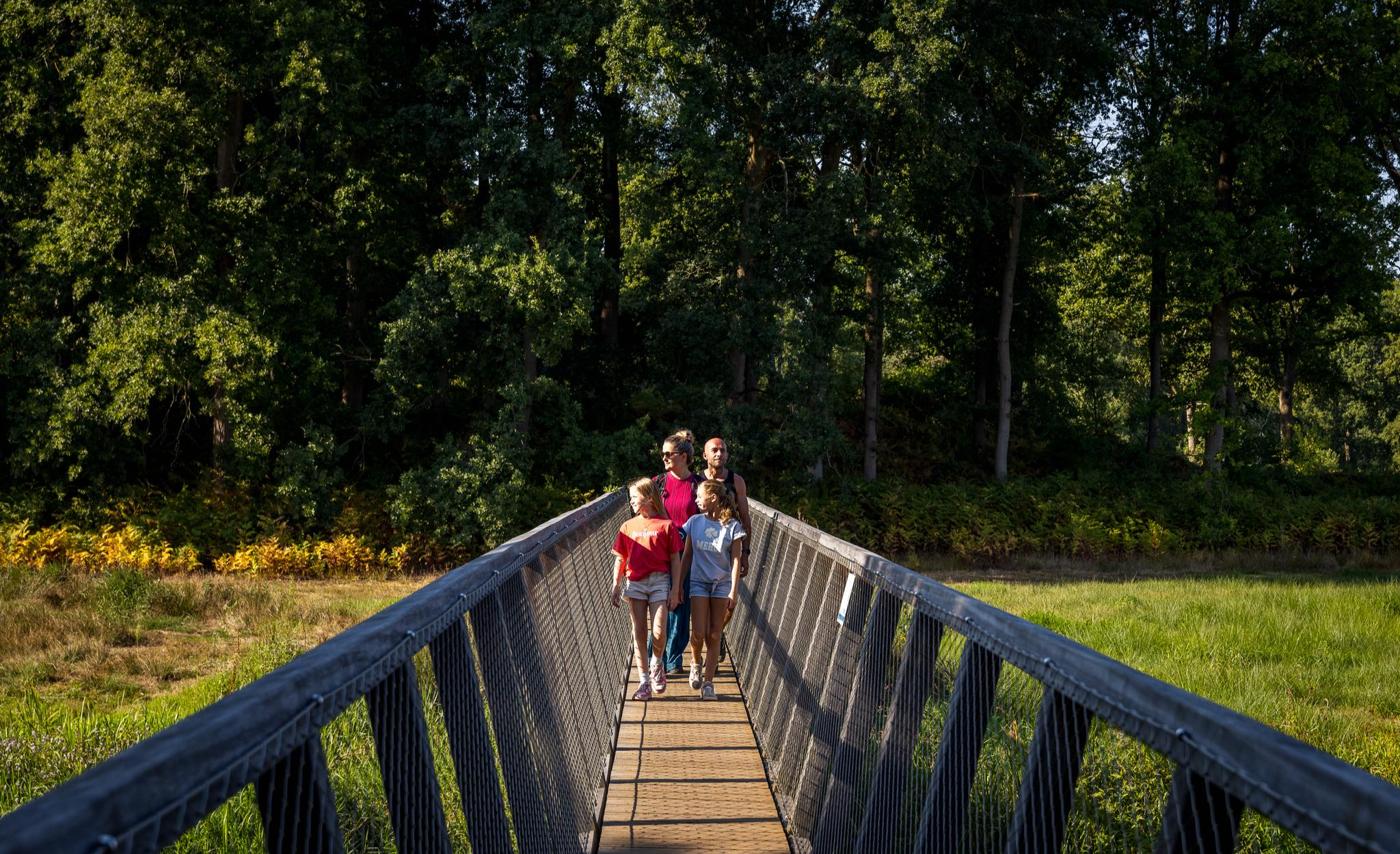
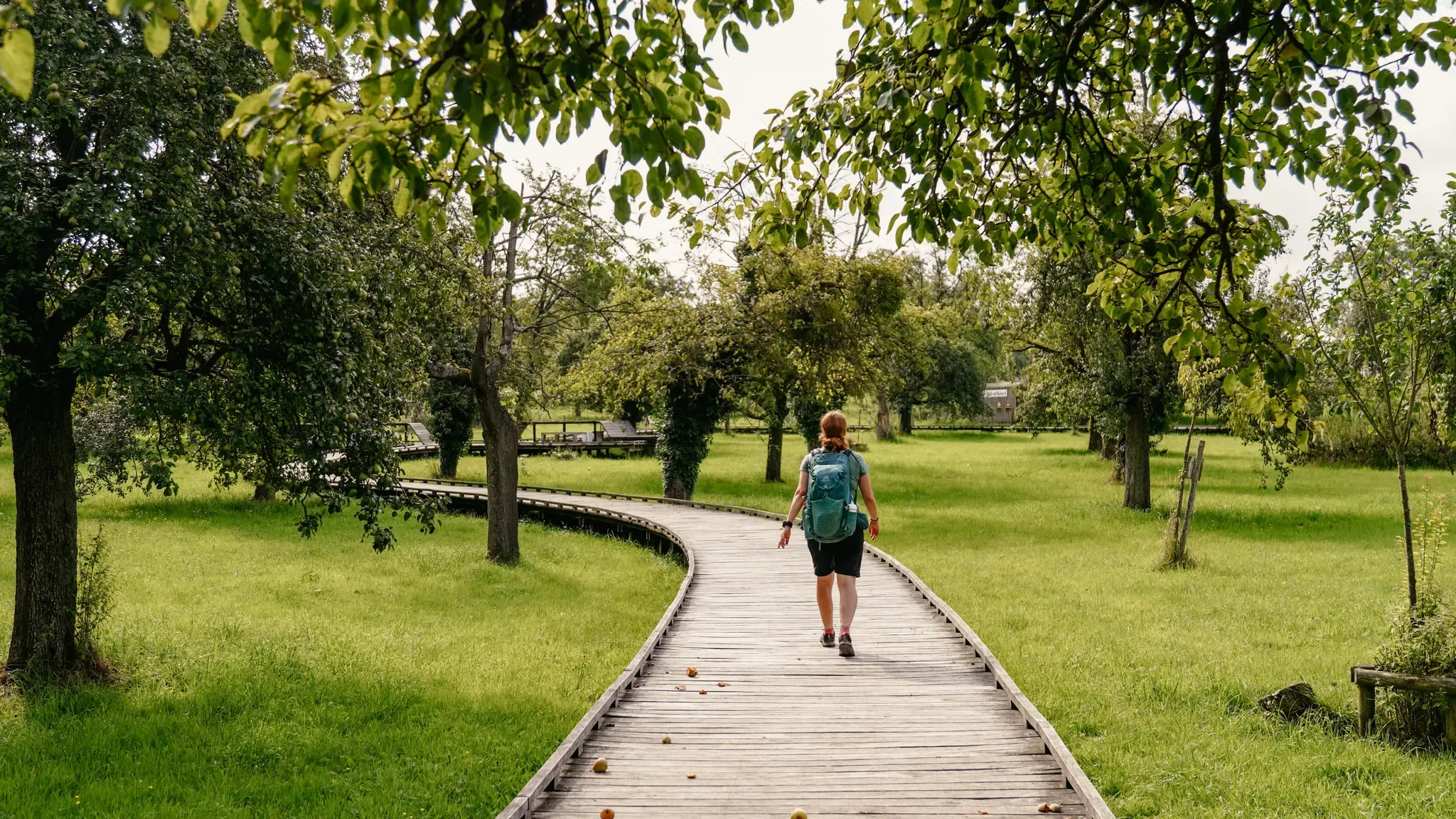
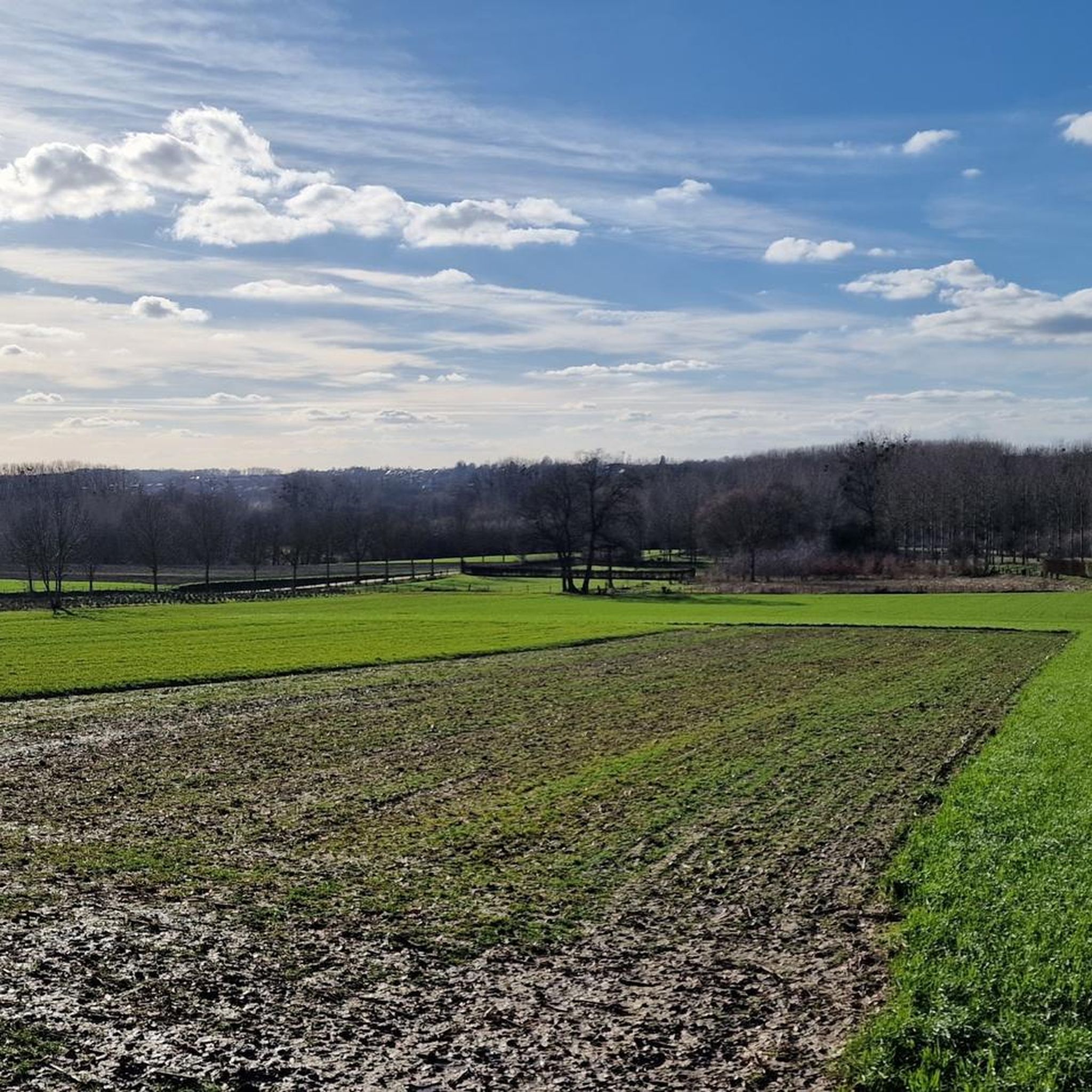



Tips from the Community

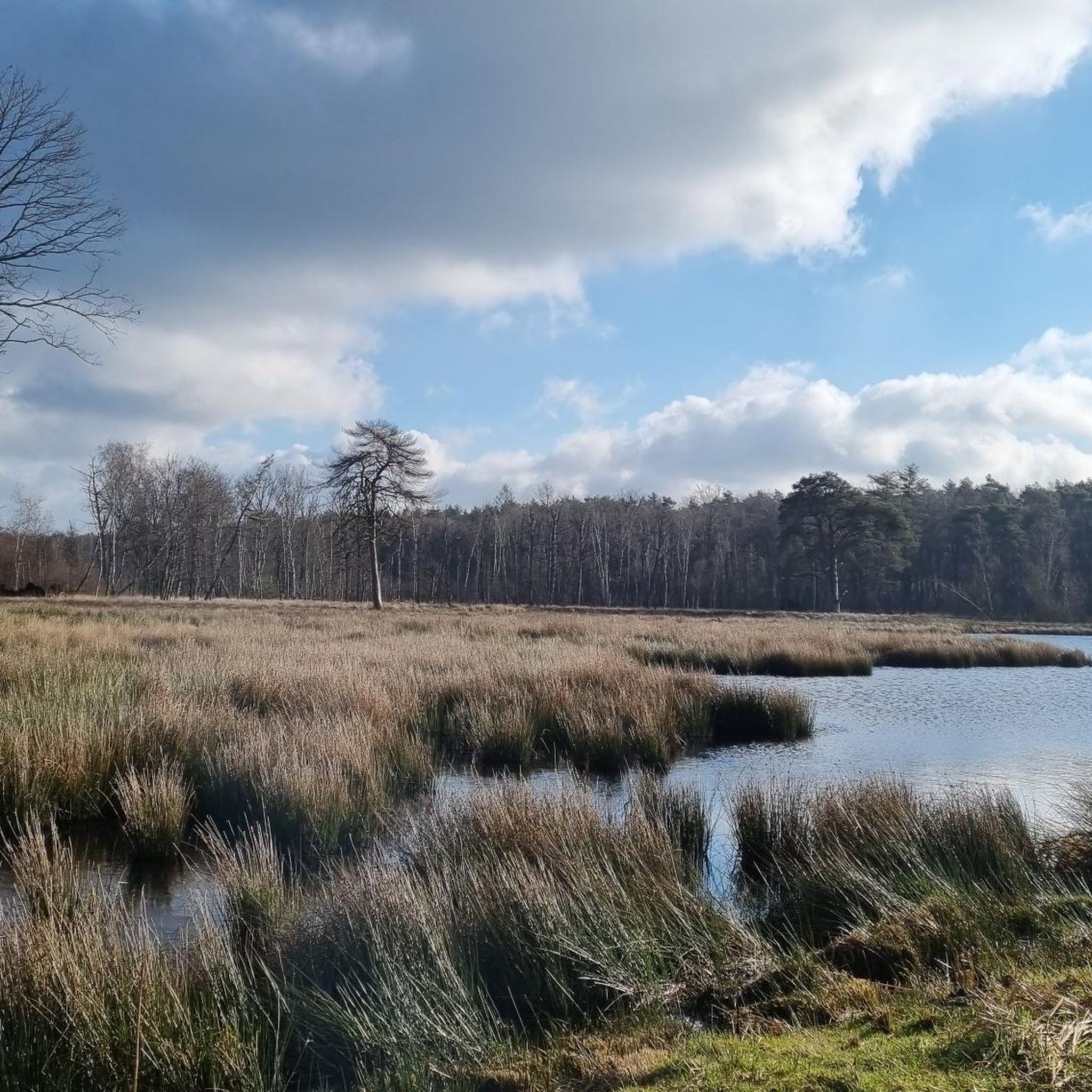
On the border of the poor Kempen and the fertile Haspengouw lies the Munsterbos. Northeast of the village center of Munsterbilzen, 450 hectares of forests, ponds, marshes, and grasslands stretch out. Here and there, even a patch of purple heather peeks through. The area is so special due to its location on the transition from the sandy Kempen Plateau to the loess region of Haspengouw.
3
0
The chapel of the Secret Army in the Munsterbos forest commemorates the former hiding place and execution site of members of the resistance movement. This location along the Weerstandspad (Resistance Path) was the shelter of approximately 800 resistance fighters from the Bilzen - Genk – Kortessem region. Three of these resistance fighters from Bilzen were executed here in the vicinity on September 5 and 7, 1944, just a few days before the liberation. The annual commemoration takes place every second Sunday of September.
3
0
Watch here a beautiful film about the history of Alden Biesen and the Teutonic Order: https://youtu.be/YXJjgloHpH8?si=-T5CilBr4_Vu4Ov4
6
1
The orchards around the castle together form the largest high-stem orchard in Europe and cover more than 40ha. There are over 200 varieties of cherries, plums, apples, and pears.
5
0
The orchards around the castle together form the largest high-stem orchard in Europe and cover more than 40ha. There are over 200 varieties of cherries, plums, apples and pears.
2
0

The story of Alden Biesen does not begin in Limburg, but at the scorching gates of besieged Acre. In 1190, German merchants built a field hospital there with the sails of their ships, intended for sick pilgrims and wounded crusaders. What began as an act of care and solidarity grew into the establishment of the Teutonic Order; a spiritual order of knights that was soon recognized by the Pope and the Emperor. In our region too, the Teutonic Order left its mark. In the thirteenth century, an impressive commandery was established in Rijkhoven near Bilzen: Alden Biesen, the headquarters of the bailiwick of Biesen, which managed dozens of properties in the region. For centuries, this domain was a center of power, wealth, and religious influence. But at the end of the eighteenth century, disaster struck. During the French Revolution, the property of the Teutonic Order was confiscated. In 1797, Guillaume Claes, the mayor of Hasselt, bought the domain and saved it from demolition. Nevertheless, it fell into disrepair, and in 1971, a severe fire destroyed almost the entire castle. Only the walls remained standing. Fortunately, the Flemish government intervened, and a thorough restoration followed. Today, Alden Biesen is once again a vibrant heritage site where you can relive the past in the castle, the garden, and the museum. Want to know more? Click through to https://www.alden-biesen.be/geschiedenis
11
0

For a little rest
3
0
Frequently Asked Questions
How many hiking trails are available around Bilzen?
There are over 440 hiking routes available around Bilzen, offering a wide variety of experiences from easy strolls to more challenging treks. The komoot community has explored more than 9,800 of these routes.
What kind of terrain can I expect on hikes in Bilzen?
Bilzen's unique location between the Kempen and Haspengouw regions means you'll encounter diverse terrain. Expect lush forests, gentle rolling hills, tranquil stream valleys, and extensive fruit orchards. Significant woodlands like the Munsterbos, part of the Hoge Kempen National Park, also feature prominently.
Are there any historical landmarks or castles to see while hiking in Bilzen?
Yes, a major historical highlight is Alden Biesen Castle. You can explore its historic grounds, orchards, and surrounding nature reserves. The Alden Biesen Yellow Trail specifically leads through this area, and there's also an easier loop around the castle from Alden Biesen Waterburcht, the Alden Biesen Castle – Alden Biesen Commandery loop.
Can I find natural highlights like forests or unique geological features on the trails?
Absolutely. The Munsterbos is a significant natural highlight, offering numerous trails, ponds, and open grasslands within the Hoge Kempen National Park. The Saint Amor Chapel – Boardwalk Munsterbos loop is a great way to experience this area. Additionally, the Silence Stone, located within a protected nature reserve, provides a unique spot for quiet contemplation amidst nature.
Are there family-friendly hiking options in Bilzen?
Yes, Bilzen offers several easy routes suitable for families. For example, the Alden Biesen Castle – Alden Biesen Commandery loop is an easy 3.0-mile (4.8 km) path that explores the historic castle and its immediate surroundings, perfect for a leisurely family walk.
Are there any circular hiking routes in Bilzen?
Many of the trails in Bilzen are designed as circular routes, allowing you to start and end at the same point. Examples include the Alden Biesen Castle – Alden Biesen Commandery loop and the Saint Amor Chapel – Boardwalk Munsterbos loop, which both offer convenient round trips.
What do other hikers say about the trails in Bilzen?
The routes in Bilzen are highly rated by the komoot community, with an average score of 4.5 stars from over 1,500 reviews. Hikers often praise the diverse landscapes, the well-maintained paths, and the blend of natural beauty with historical sites like Alden Biesen Castle.
Are there any trails that feature water elements like lakes or streams?
Yes, Bilzen is characterized by tranquil stream valleys, such as those formed by the Munsterbeek stream. The Munsterbos area also features ponds and streams. For nearby lakes, you can explore highlights like Aspermans Pond or the area Between the ponds, which are accessible from Bilzen.
Can I bring my dog on the hiking trails in Bilzen?
Many trails in Bilzen are dog-friendly, especially those through natural areas like the Munsterbos and the surrounding countryside. It's always a good idea to keep your dog on a leash, especially in nature reserves or near livestock, and to check specific trail regulations if available.
Are there options for longer, more challenging hikes?
While many routes are easy to moderate, Bilzen does offer longer options. The Alden Biesen Yellow Trail is a moderate 10.5-mile (16.9 km) route. The region is also part of the National Park Trail, a 110 km long-distance hike through the Hoge Kempen National Park, offering extensive opportunities for experienced hikers.
Are there places to eat or rest along the hiking routes?
Along certain routes, you may find traditional Belgian huts, which offer a place to rest and enjoy local cuisine. Additionally, the villages and towns around Bilzen provide various cafes and pubs where you can refuel after your hike. For more information on local amenities, you might find the official Bilzen tourism website helpful: visitbilzenhoeselt.be.
What is the best time of year to go hiking in Bilzen?
Bilzen is beautiful year-round, but spring and autumn are particularly popular. In spring, the fruit orchards of Haspengouw are in bloom, offering stunning scenery. Autumn brings vibrant colors to the forests. Summer is also pleasant, though it can be warmer, and winter offers a quiet, serene experience, especially in the woodlands.
Most popular routes around Bilzen
Most popular attractions around Bilzen

Get inspired with the komoot mobile app


Explore more
Browse the best Hikes in other regions.
