Attractions and Places To See around Boom - Top 20
Attractions and places to see around Boom, Belgium, are centered on its location along the Rupel River in the Antwerp province. This town features a landscape shaped by its riverine environment and industrial heritage. Historically, Boom was a hub for trade and brickmaking. The area offers a mix of natural features and cultural sites.
Best attractions and places to see around Boom
- The most popular attractions is Netekanaal Cycle Path, a cycle_way that offers smooth asphalt for cycling. Cars are not permitted on this path, making it suitable for cyclists.
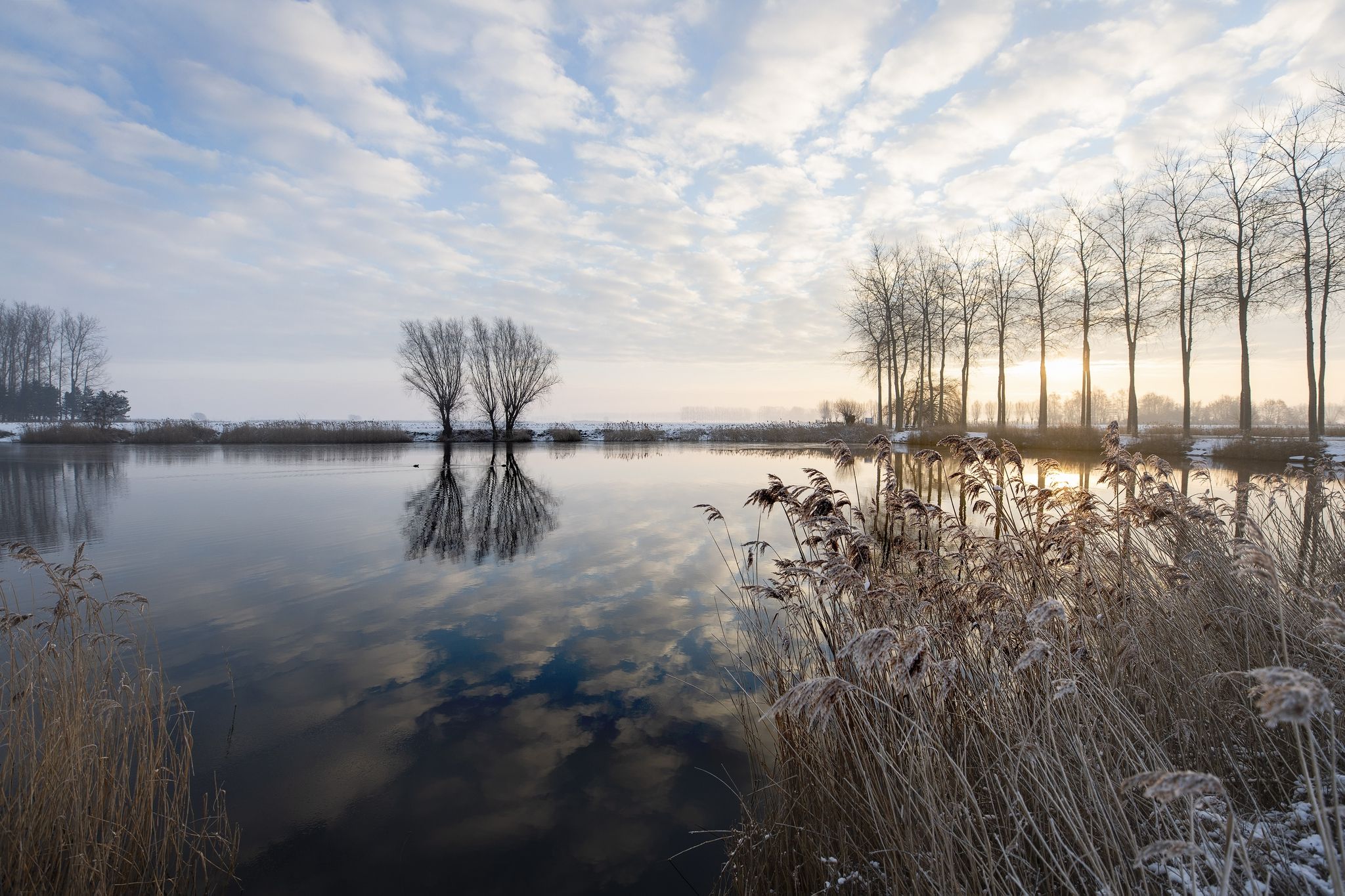
- Another must-see spot is Blue Pedestrian Bridges at the Three Rivers Point, a bridge. These two bridges are located where the Dijle and Nete rivers merge to form the Rupel, offering scenic views.
- Visitors also love Zennegat, a river area where the Zenne, Leuven-Dijle canal, and Dijle converge. This area provides opportunities to enjoy nature and explore footpaths along the banks.
- Boom is known for its cycle paths, bridges, and river landscapes. The region offers a variety of attractions to see and explore, from natural waterways to historical infrastructure.
- The attractions around Boom are appreciated by the komoot community, with more than 100 highlights and over 780 upvotes.
Last updated: October 9, 2026
Blue Cycle Bridge over the Dijle
Highlight • Bridge
Bridges connect people and landscapes. Know that it is quite busy here on weekends.
Translated by Google •
Tip by

Netekanaal Cycle Path
Highlight (Segment) • Cycleway
Translated by Google •
Tip by

Sign up now to discover places like this
Get recommendations on the best single tracks, peaks, & plenty of other exciting outdoor places.
Temse Scheldt Bridge
Highlight • Bridge
The bridges connect landscapes and people.
Trains, cars, cyclists and walkers make daily use of this beautiful building designed by Gustave Eiffel. At 374 meters, the Scheldt Bridge is the longest bridge over water in Belgium and is also the last bridge over the Scheldt, downstream, towards the sea.
The first bridge was designed by Eifel and was completed in 1870.
She served in the railway connection between Mechelen and Terneuzen.
Because there were no cars or bicycles driving around at that time, it was only accessible to railway traffic and pedestrians.
With a length of 343 m (in 1870), it was immediately the longest bridge in Belgium.
During the First World War, the bridge suffered serious damage.
She was restored. Because she was and still is an important connection.
In 1940, however, it was blown up by French and Belgian engineers for strategic reasons.
After the war, the construction of a new bridge was given priority. The first pile was placed on June 2, 1949.
The solemn inauguration by King Baudouin followed on 19 December 1955.
The current bridge is 365 meters long.
In April 1994 the movable part was replaced by a new roller bascule bridge; the solemn reopening of the bridge took place on April 29, 1994.
On the side of Temse are two monumental statues by Karel Aubroeck: The Scheldt and The Waves. These were placed in 1958 and 1964.
Enjoy this horizontal work of art while pedaling or walking…
Translated by Google •
Tip by
Blue Pedestrian Bridges at the Three Rivers Point
Highlight • Bridge
Two hundred meters away is a cozy terrace, De Drie Rievieren, where you can satisfy your thirst and hunger.
In good weather you sometimes have to be lucky to get a place, it can sometimes be busy.
Translated by Google •
Tip by
Zennegat
Highlight • River
Translated by Google •
Tip by

Sign up for free to discover even more attractions around Boom.
Already have an account?
Start today with a free account
Your next adventure awaits.
Other adventures around Boom

Tips from the Community

Bridges connect one side to the other side...
3
0

Beautiful views and handy for shortening or extending your rides
1
0

The 1955 bridge caused considerable traffic congestion, a problem largely resolved since 2009 by the construction of a second parallel bridge. However, the current bridge complex remains a busy traffic intersection, and it largely defines the skyline of the Scheldt municipality of Temse. Cyclists can safely cross the bridge or cross the N16 under it.
11
0


Modern iron bridge over the canal.
8
1
Frequently Asked Questions
What are some unique natural attractions and viewpoints near Boom?
Boom is rich in riverine landscapes. You can explore the confluence of rivers at Blue Pedestrian Bridges at the Three Rivers Point, where the Dijle and Nete merge to form the Rupel. Another notable spot is Zennegat, where the Zenne, Leuven-Dijle canal, and Dijle converge, offering footpaths and scenic views. The Rupel River itself, Belgium's shortest river, provides open vistas, particularly enjoyed by cyclists.
Are there any family-friendly attractions or activities in Boom?
Yes, Boom offers several family-friendly options. Within De Schorre Provincial Park, families can discover The Magical Troll Forest, featuring seven giant wooden trolls by artist Thomas Dambo, which provides a fairytale-like immersion. The park also has serene walking trails and picturesque ponds. Additionally, the Blue Pedestrian Bridges at the Three Rivers Point and Zennegat are great for walks and enjoying nature with children.
What historical sites can I visit near Boom?
A significant historical site near Boom is Fort Breendonk, a well-preserved World War II fort that served as a Nazi prison camp. It now functions as a memorial and museum, offering a somber look into Belgium's history. You can also see the historic Temse Scheldt Bridge, an important link designed by Gustave Eiffel, which has a rich history of construction and reconstruction.
What cycling opportunities are available around Boom?
Boom is well-known for its excellent cycling infrastructure. The Netekanaal Cycle Path offers smooth asphalt and is car-free, making it ideal for a relaxed ride. The Blue Cycle Bridge over the Dijle and the Blue Pedestrian Bridges at the Three Rivers Point are popular spots for cyclists, connecting various routes. For more detailed routes, you can explore Road Cycling Routes around Boom or Gravel biking around Boom.
Are there good places for walking or running near Boom's attractions?
Yes, there are many opportunities for walking and running. De Schorre Provincial Park offers serene walking trails. The area around Zennegat provides footpaths along the canals and river. For dedicated running routes, you can find various options in the Running Trails around Boom guide, including routes through De Schorre Provincial Park.
What is De Schorre Provincial Park known for?
De Schorre Provincial Park is famous as the venue for the annual Tomorrowland festival. Beyond the festival, it's a beautiful natural space offering serene walking trails, picturesque ponds, and distinctive art installations, including The Magical Troll Forest. It's a great spot for nature lovers and families.
What are some cultural experiences available in the Boom region?
Beyond historical sites, the region around Boom boasts several local breweries and distilleries where visitors can learn about traditional Belgian brewing and distilling processes and sample local beers and spirits. The town's industrial heritage, particularly its history as a center for brickmaking, also contributes to its unique cultural character.
What are the accessibility options for attractions around Boom?
Many of the cycling paths and bridges around Boom are designed with accessibility in mind. For instance, the Netekanaal Cycle Path and the Blue Cycle Bridge over the Dijle are generally wheelchair accessible due to their smooth surfaces and design. It's always advisable to check specific site details for other attractions.
Can I find cafes or places to eat near the attractions?
Yes, particularly near popular spots. For example, close to the Blue Pedestrian Bridges at the Three Rivers Point, there is a cozy terrace called De Drie Rievieren where you can find refreshments. The Zennegat area is also known for its 'brown pubs' and artistic residents, offering local charm.
What are some nearby cities worth visiting from Boom?
Boom's central location makes it a great base for exploring other Belgian cities. Antwerp is about 30 minutes away, offering the historic Grote Markt and Cathedral of Our Lady. Mechelen, a short drive, is known for its medieval architecture and St. Rumbold's Tower. Even Brussels, while further, is accessible for a day trip to see landmarks like the Grand-Place.
What do visitors particularly enjoy about the attractions in Boom?
Visitors frequently praise the scenic beauty of the river landscapes and the well-maintained cycle paths. The smooth asphalt of the Netekanaal Cycle Path is often highlighted for pleasant rides. The unique design of the Blue Pedestrian Bridges at the Three Rivers Point and the natural convergence at Zennegat are also highly appreciated for their views and tranquil atmosphere.
Most popular attractions around Boom

Get inspired with the komoot mobile app


Explore more
Still not found the Highlight you’re looking for? See guides of the top attractions in other regions:
